 Attractions
  Hotel
Hotel  Restaurant
  Shopping
  Abroad






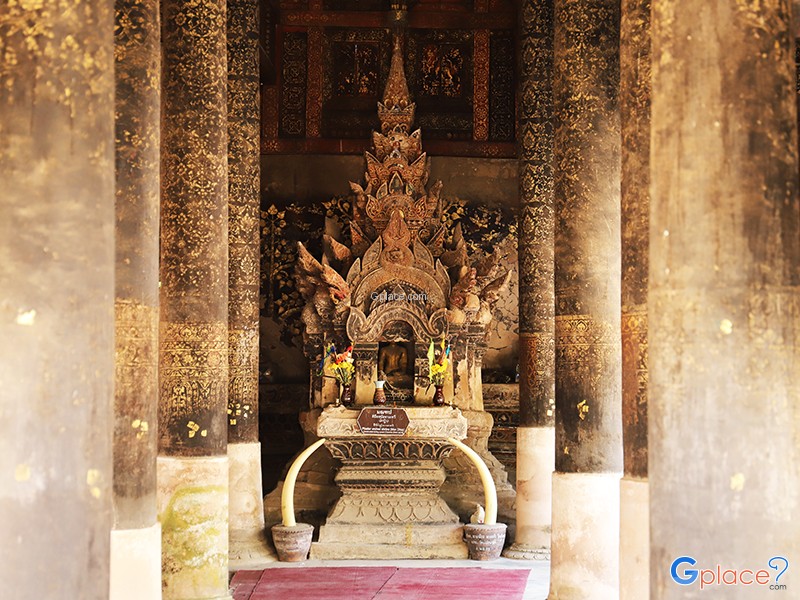
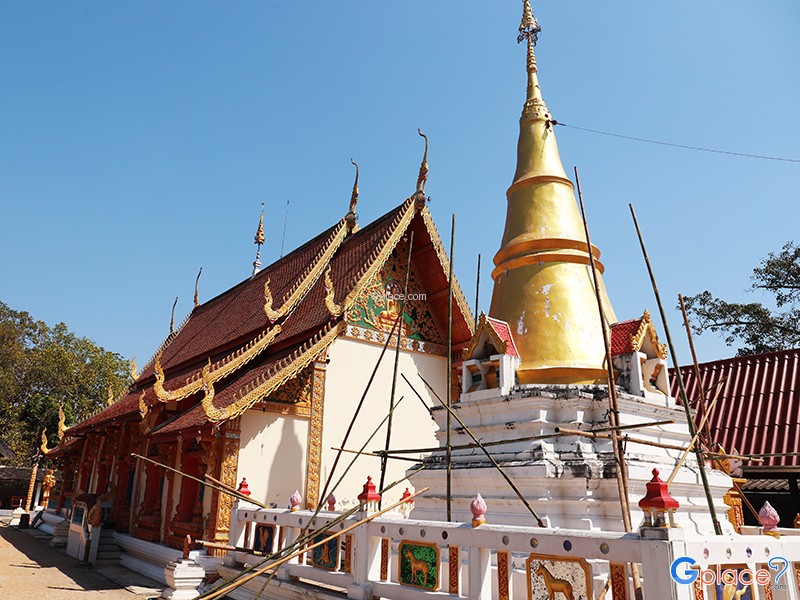
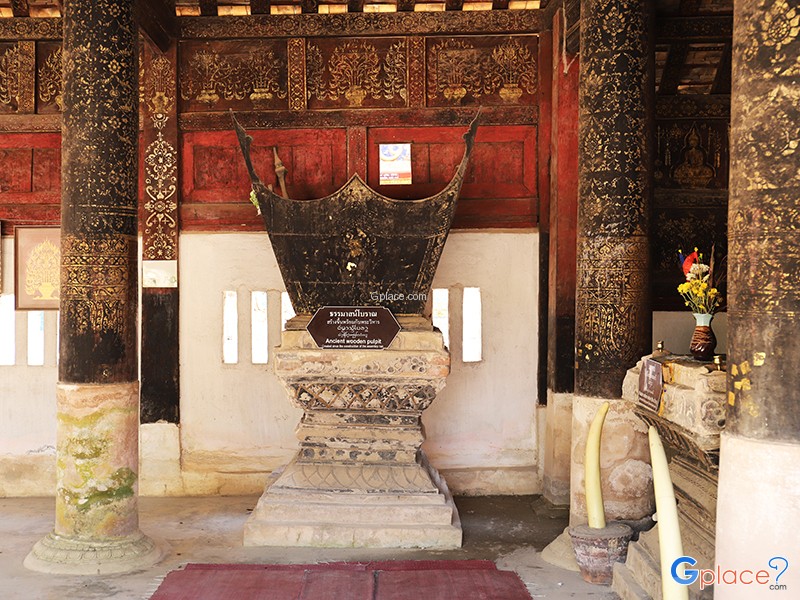

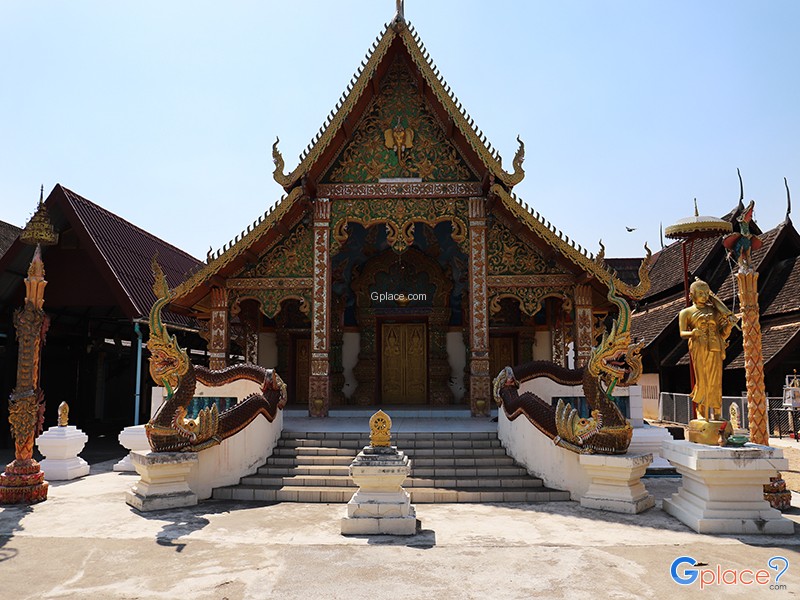

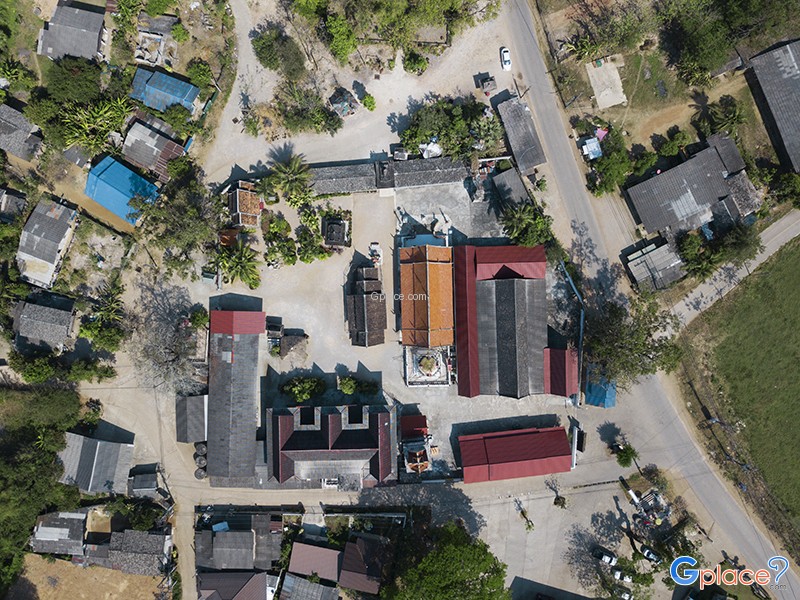

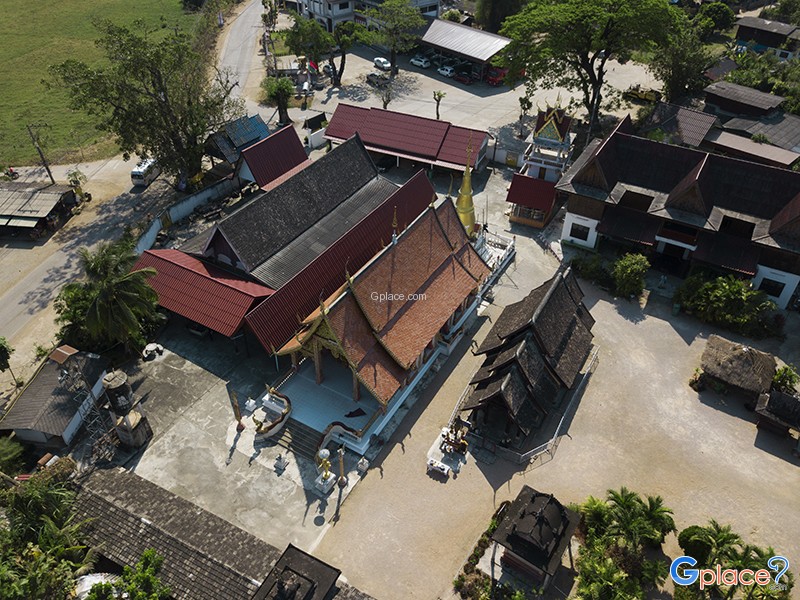
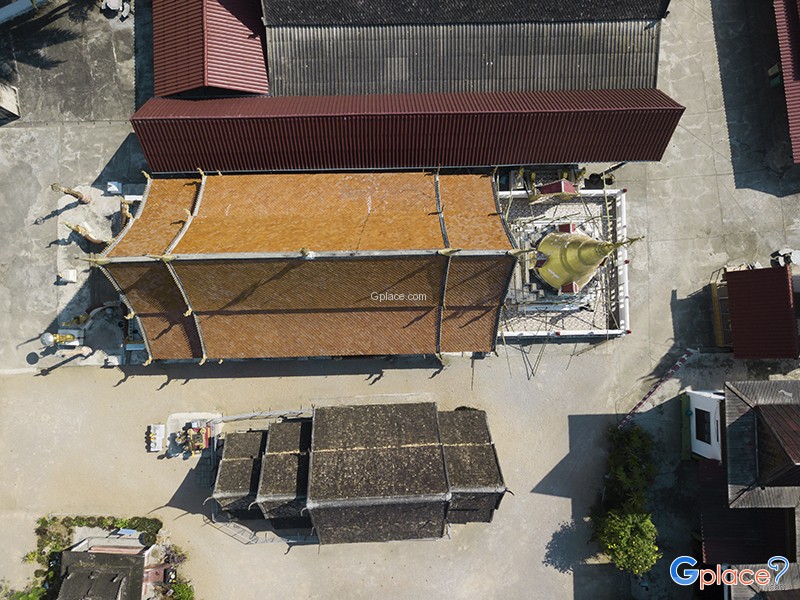
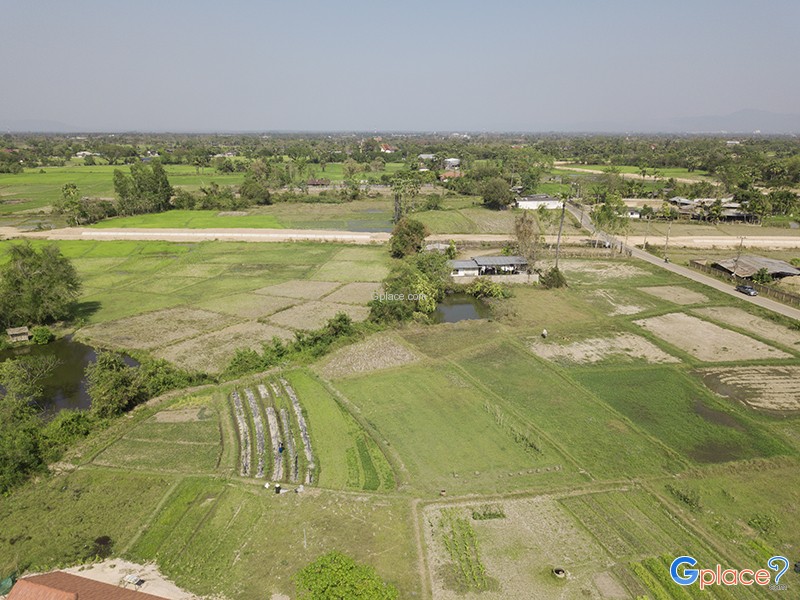
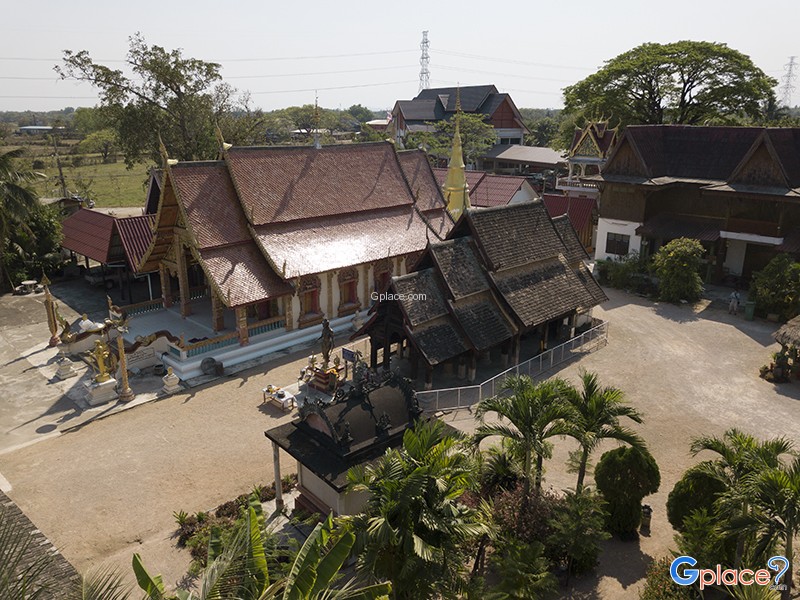
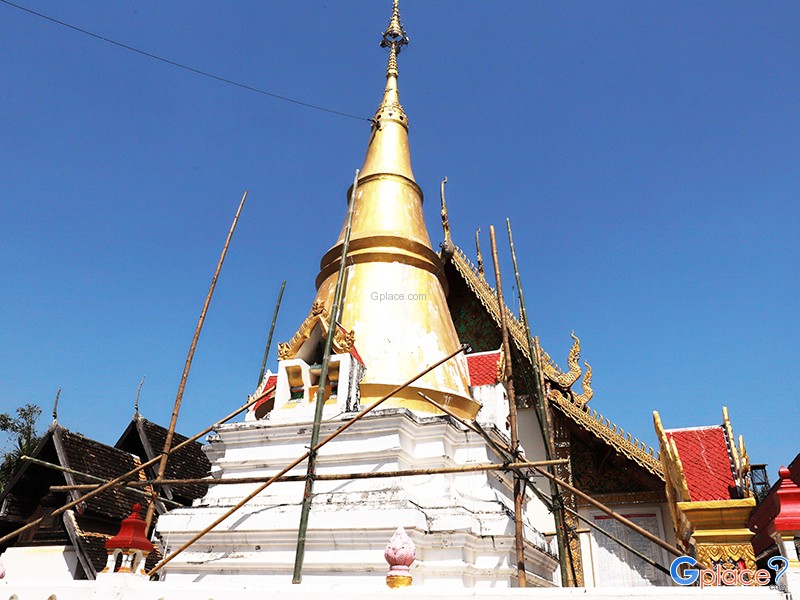

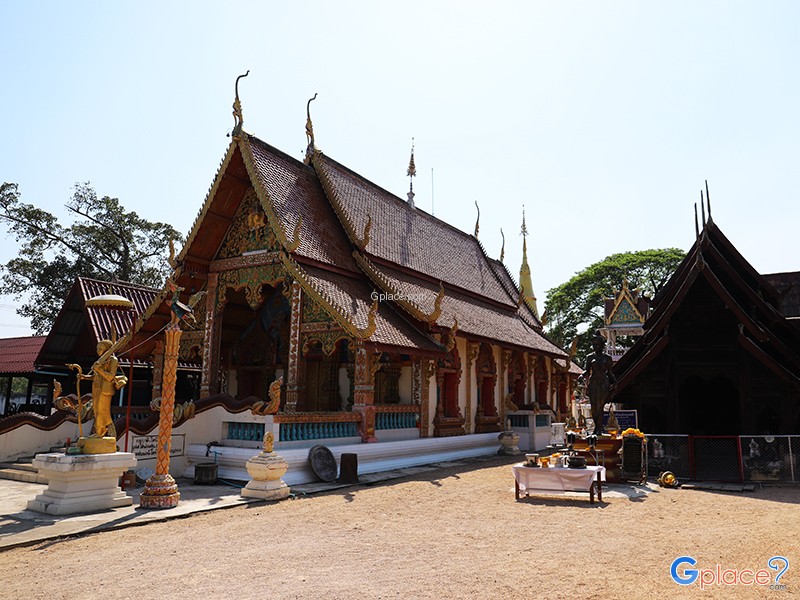
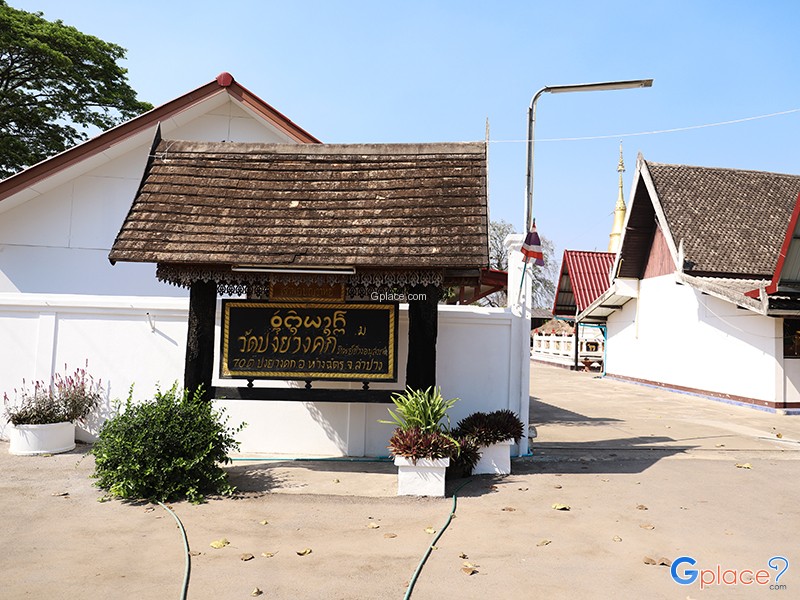
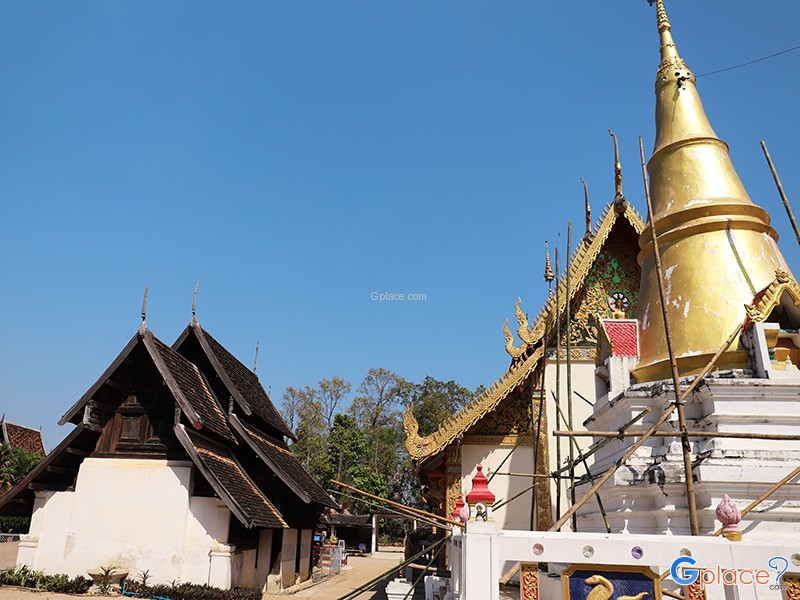
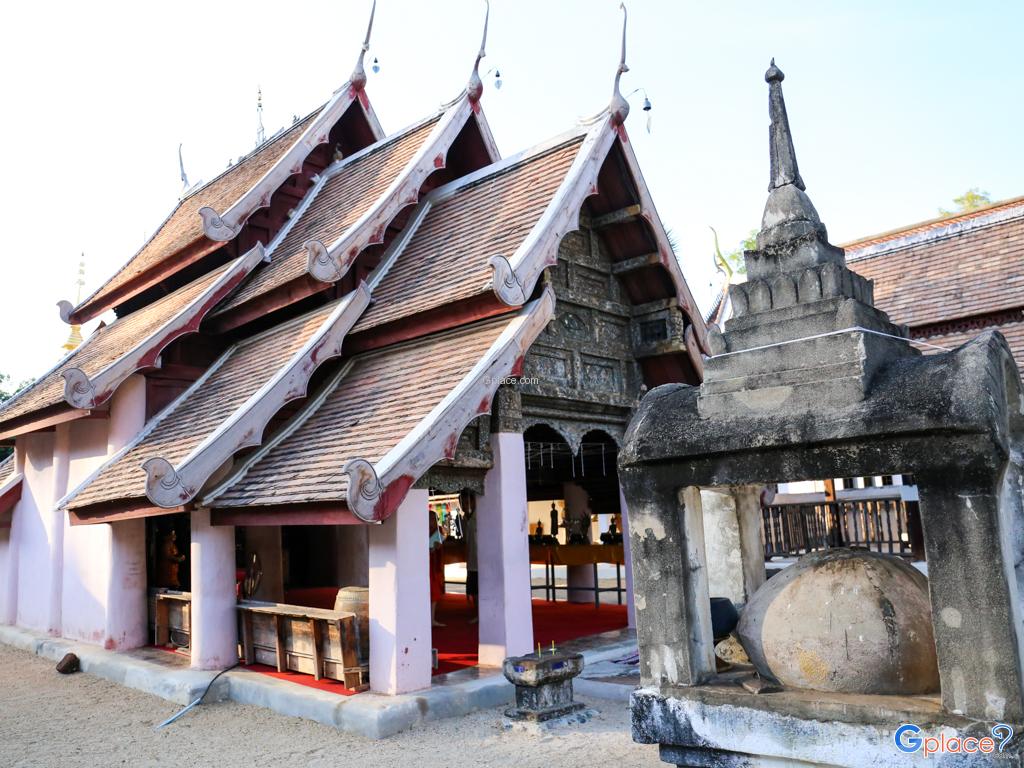
“Admire the Viharn of Queen Chamathewi, a traditional open-sided Lanna wooden hall, pay respect at the beautifully carved wooden Ku Prasat shrine, and discover the legend of the royal elephant kneeling, the origin story of this ancient temple honored with a UNESCO Award of Merit.”
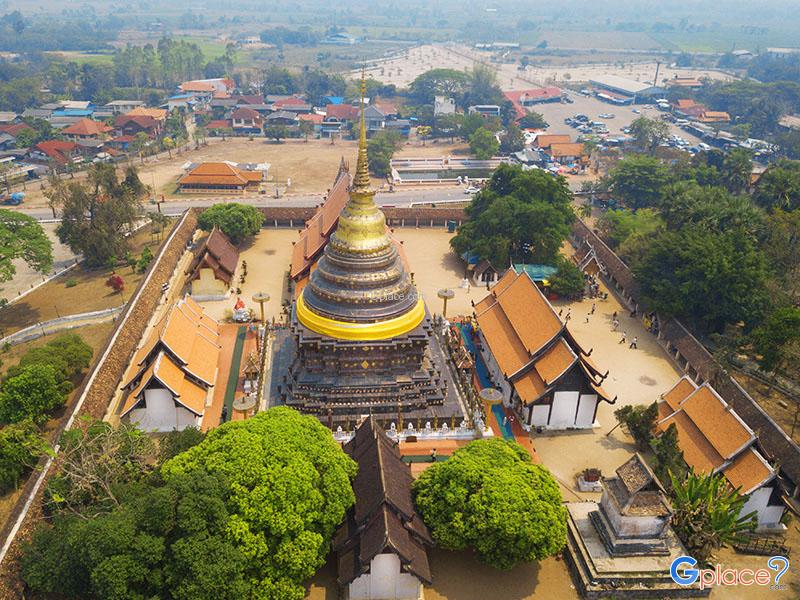
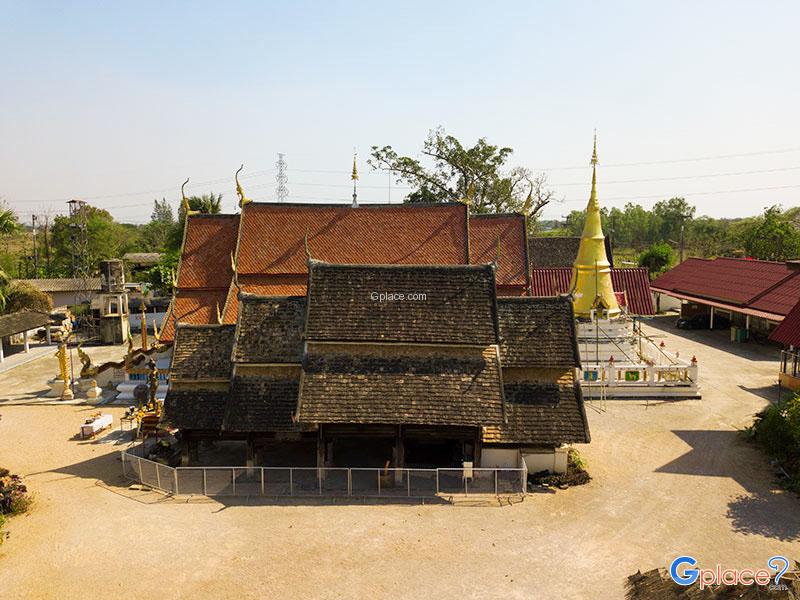
Wat Pong Yang Khok is one of Lampang’s most culturally significant temples, located in the historic community of Hang Chat district. The temple is renowned for its well-preserved Lanna architecture, particularly its beautiful wooden viharn that reflects traditional northern Thai craftsmanship and spiritual heritage.
The main highlight is the Viharn of Queen Chamathewi, an elegant teakwood structure built in the traditional open-sided viharn style, meaning it has no side walls. This design allows natural light and wind to flow through the building, creating a calm and airy atmosphere that harmonizes with the surrounding environment. The interior features intricate Lai Kham (gold lacquer motifs) on a red lacquer background and delicate wood carvings created by skilled Lanna artisans.
Inside the viharn stands a small but remarkable Ku Prasat, a miniature wooden shrine used to enshrine Buddha images. The shrine is decorated with refined carvings and traditional gold lacquer patterns, representing the sophisticated artistry of northern Thai temple craftsmanship.
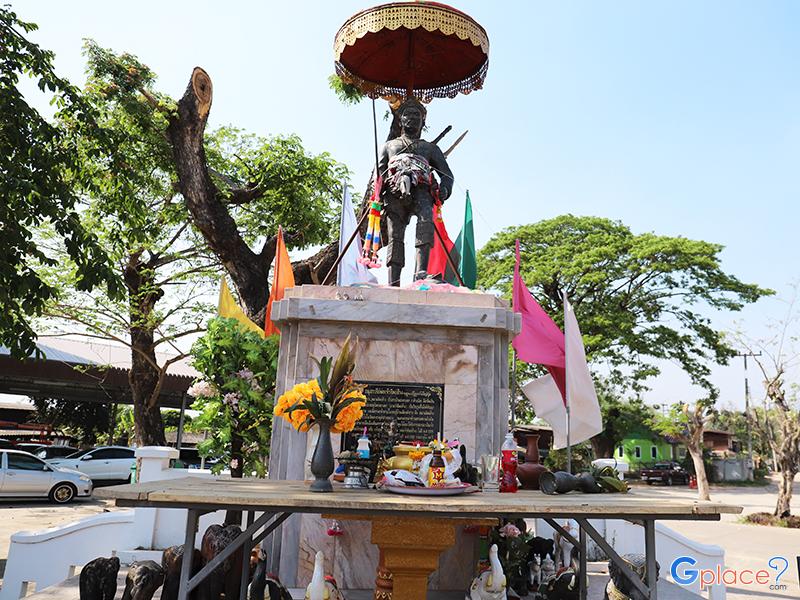
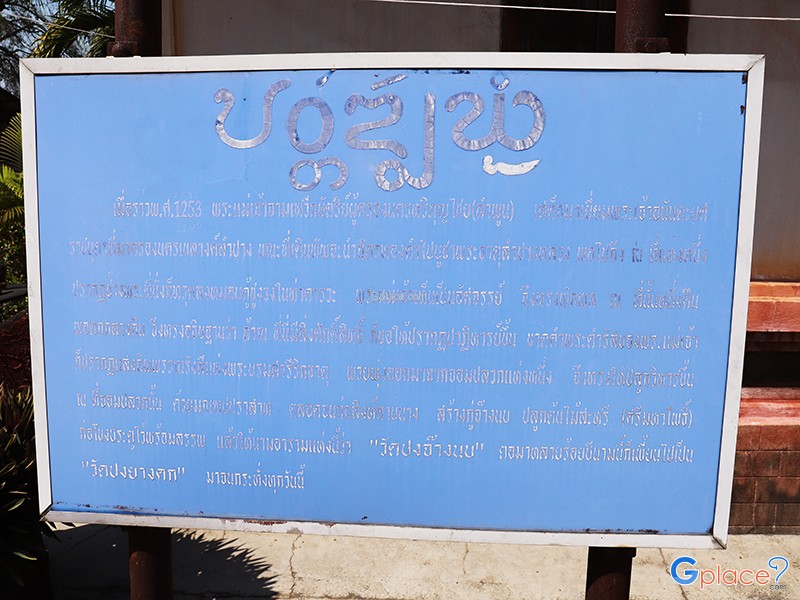
The name “Pong Yang Khok” originates from a legendary story connected to Queen Chamathewi, the revered ruler who traveled from Lopburi to establish the city of Lamphun. According to legend, the queen’s royal elephant knelt at this location while she placed her belongings on the ground before continuing her journey. The words “Pong” mean “to place down,” and “Khok” refers to a kneeling elephant, which together became the name of the temple and the surrounding village.
Due to the strong community effort to preserve its original architecture and cultural significance, Wat Pong Yang Khok received the Award of Merit from the UNESCO Asia-Pacific Heritage Awards for Cultural Heritage Conservation in 2005. This recognition highlights the temple’s importance as a valuable cultural heritage site in the Asia-Pacific region.
Today, the temple remains an active place of worship and a peaceful cultural destination where visitors can experience authentic Lanna architecture, traditional craftsmanship, and the legendary history of northern Thailand.
How to Get There
- By Car: From Lampang city center, drive toward Hang Chat district along the old Lampang–Hang Chat road. After crossing the Wang River bridge, continue for about 10–15 minutes until you see the entrance sign to Wat Pong Yang Khok on the left.
Travel Tips
-
Use a wide-angle lens to capture the full view of the open wooden viharn.
-
Take close-up photos of the intricate wood carvings and traditional gold lacquer patterns.
-
Visiting in the morning or late afternoon provides beautiful natural lighting for photography.
-
Avoid touching the carved wood or decorative elements as they are delicate historical artworks.
-
Dress politely as the temple is an active and sacred religious site.
Admission Fee:
- Free admission
Opening Hours:
- Open daily 07:00 AM – 05:00 PM
Wat Pong Yang Khok

 Share
Share
 Moo 1, Ban Pong Yang Khok, Pong Yang Khok, Hang Chat, Lampang 52190
Map
Moo 1, Ban Pong Yang Khok, Pong Yang Khok, Hang Chat, Lampang 52190
Map
 Open now : 7.00 - 17.00
Mon7.00 - 17.00
Tue7.00 - 17.00
Wed7.00 - 17.00
Thu7.00 - 17.00
Fri7.00 - 17.00
Sat7.00 - 17.00
Sun7.00 - 17.00

 https://www.thai-tour.com/thai-tour/north/lampang/data/place/pic_wat_pongyangkok.html

 3798
3798