 Attractions
  Hotel
Hotel  Restaurant
  Shopping
  Abroad






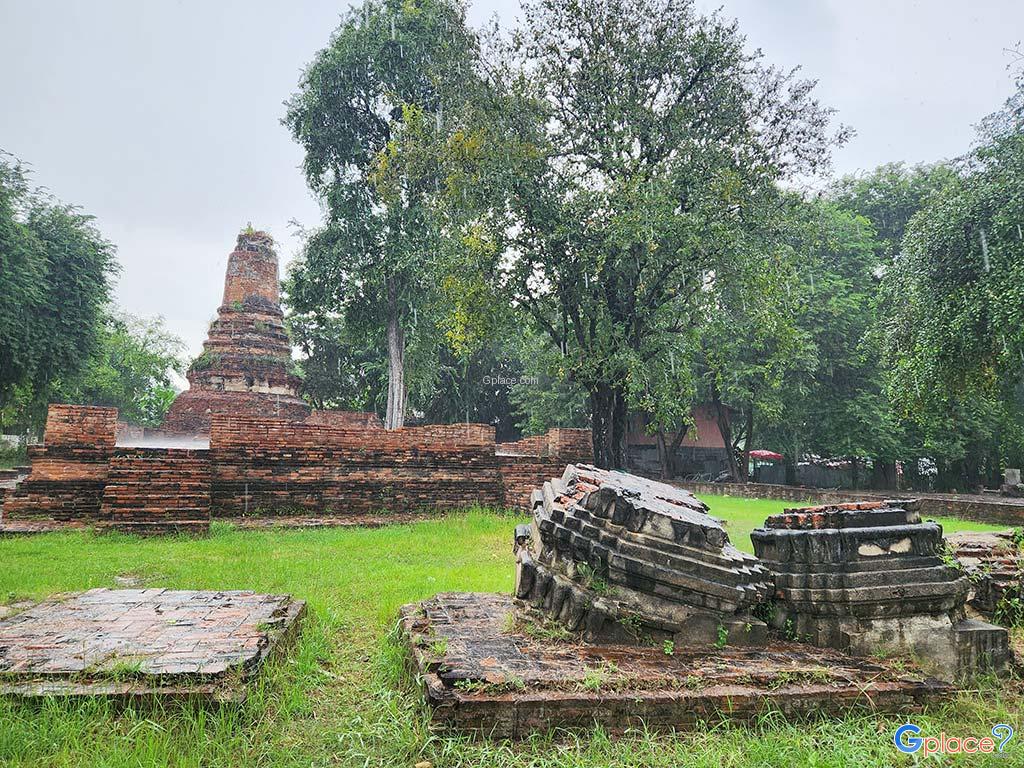
“Witness the majestic foundations of Phra Thinang Sanphet Prasat, once used for receiving foreign dignitaries, and explore Phra Thinang Chakrawat Phaichayon, a royal pavilion built on the palace walls for viewing military parades.”
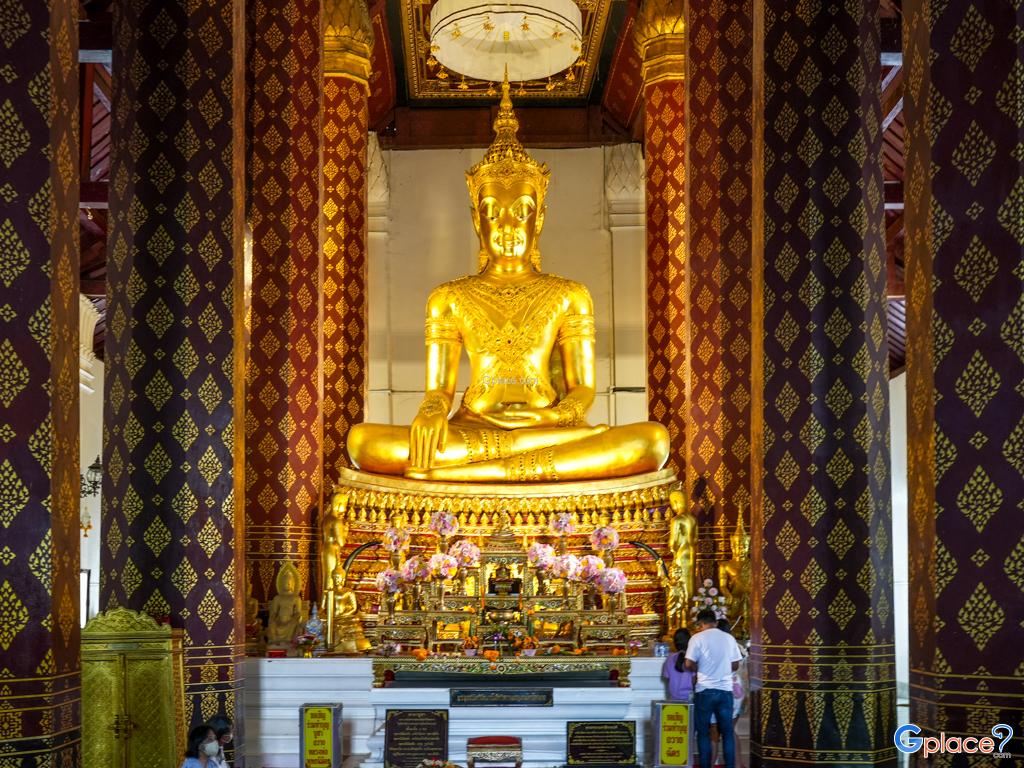
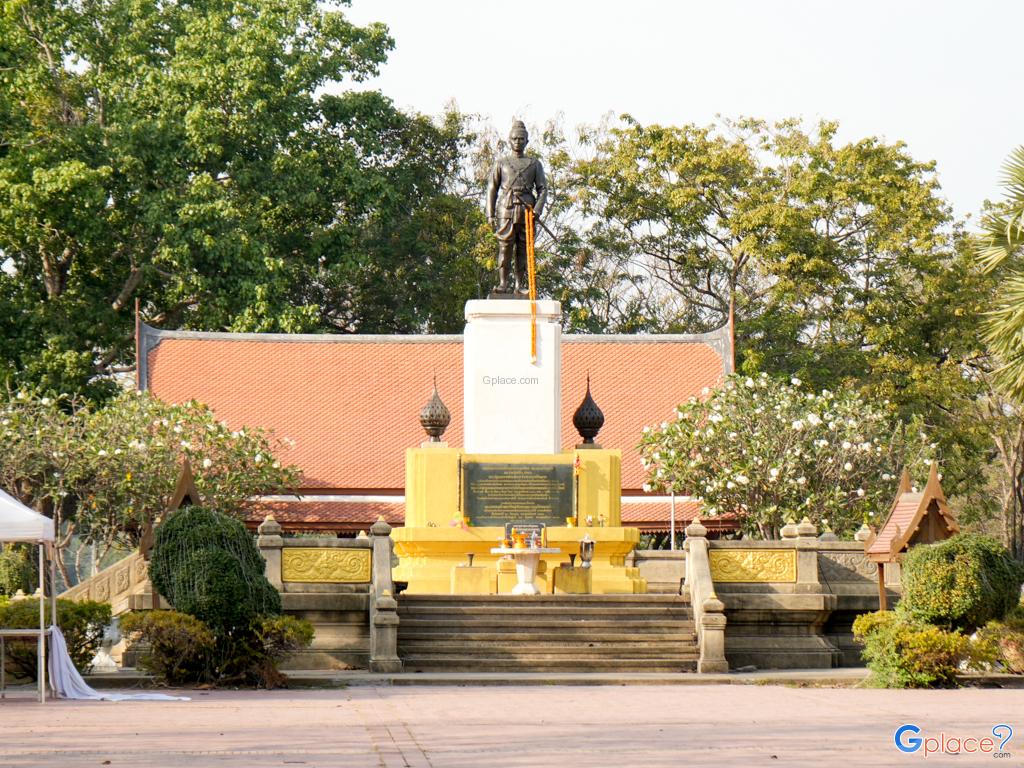
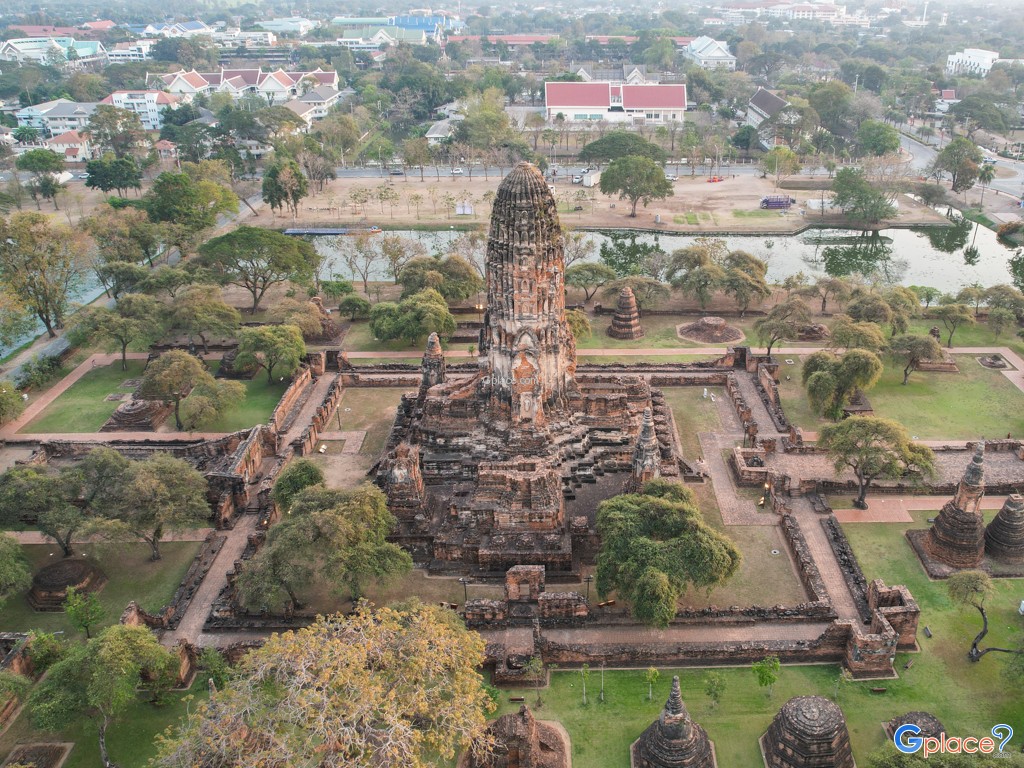
The Grand Palace, also known as the Ancient Royal Palace, was the political and administrative center of the Ayutthaya Kingdom for over 417 years. It served as the royal residence of every Ayutthaya monarch since the founding of the kingdom. The palace was first constructed in 1893 BE (1350 CE) during the reign of King Ramathibodi I (King U-Thong) and was continuously expanded and renovated by later kings to reflect the power and prestige of one of Southeast Asia’s greatest capitals.
During the reign of King Borommatrailokanat (1991 BE), a major transformation of the palace layout took place. The original palace area was dedicated as Wat Phra Si Sanphet, a royal temple used exclusively for important state ceremonies. The palace complex was then expanded northward along the Lopburi River, resulting in a larger, more structured royal compound with a clearly defined urban plan.
The inner palace area was divided into three main zones: the Outer Court, the Middle Court, and the Inner Court, reflecting the strict hierarchy and administrative system of the royal court. Within these zones stood several important royal halls and palaces that played key roles in state affairs and ceremonial functions.
The most significant structure was Sanphet Prasat Throne Hall, the main royal hall used for receiving foreign envoys, welcoming dignitaries, and conducting major royal ceremonies. Distinguished by its projecting porch, the hall served as the architectural prototype for the Dusit Maha Prasat Throne Hall in Bangkok’s Grand Palace.
Another important structure was Wihan Somdet Throne Hall, formerly known as Mangkhala Aphisek Hall, which featured a graceful prang-style spire. This structure reflects the fusion of religious symbolism and royal authority that characterized Ayutthaya architecture.
Suriyasan Amarin Throne Hall, located along the northern palace wall, was used by the king to observe the Royal Barge Procession on the Lopburi River. This grand and sacred ceremony was one of the most magnificent royal traditions of the Ayutthaya period.
Equally notable is Chakrawat Phaichayon Throne Hall, situated on the eastern inner palace wall and facing the Chakrawat Field (the former royal ground, equivalent to Sanam Luang). This hall was used for observing military drills, parades, and royal processions, highlighting the palace’s role as the center of military power.
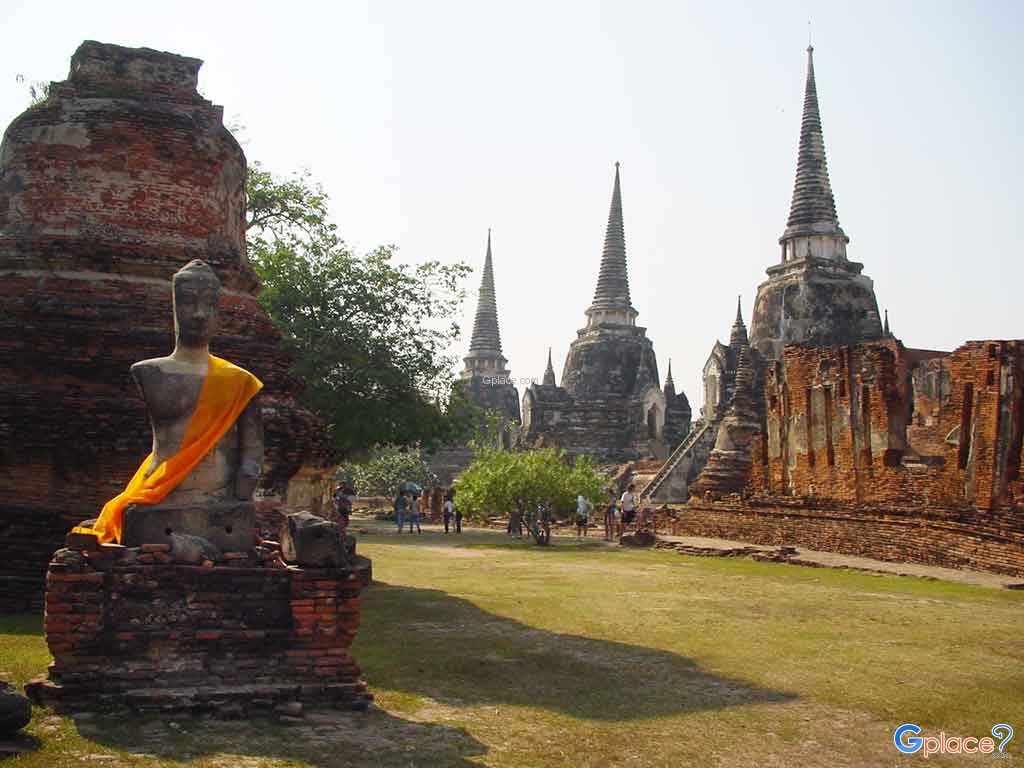
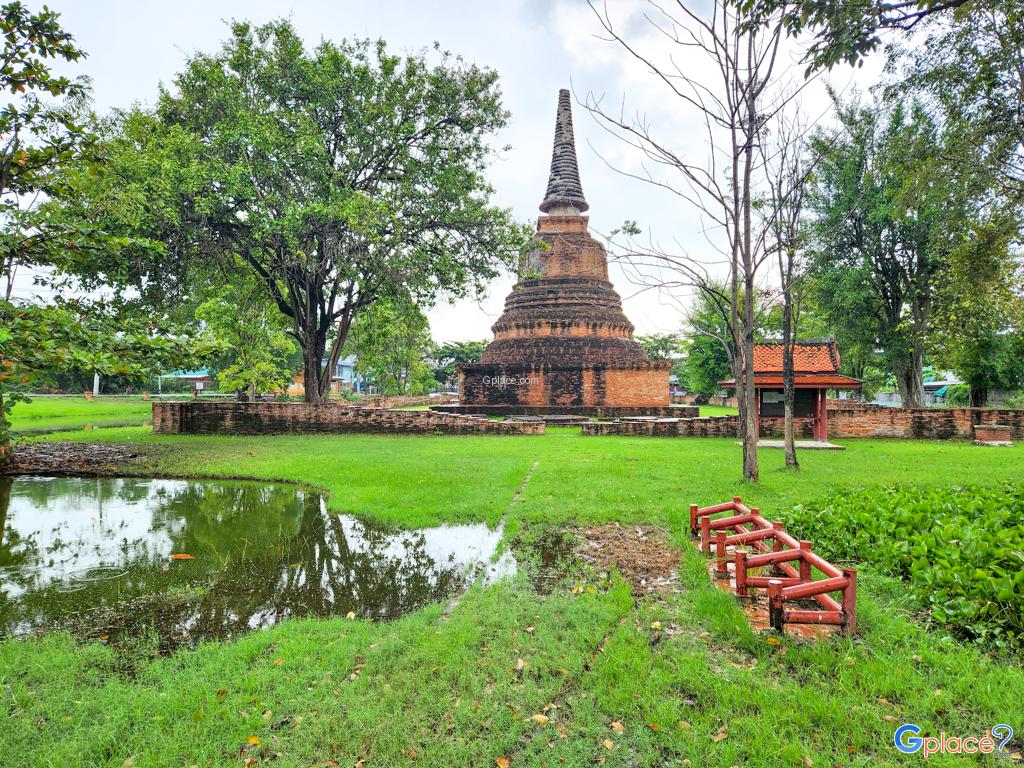
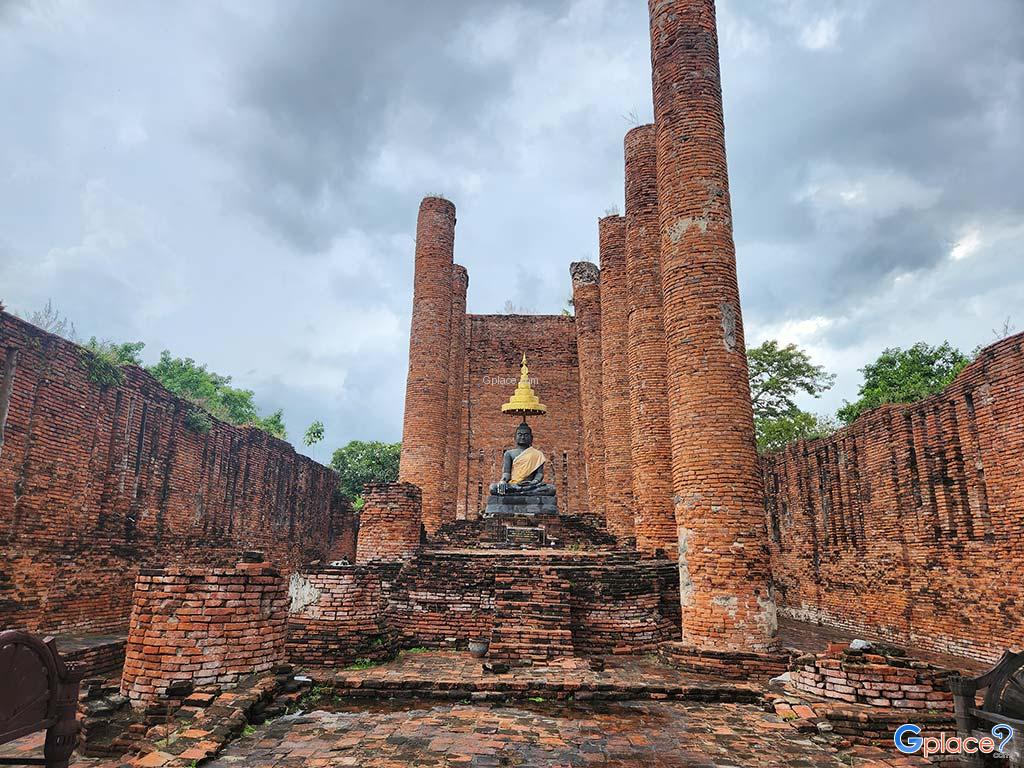
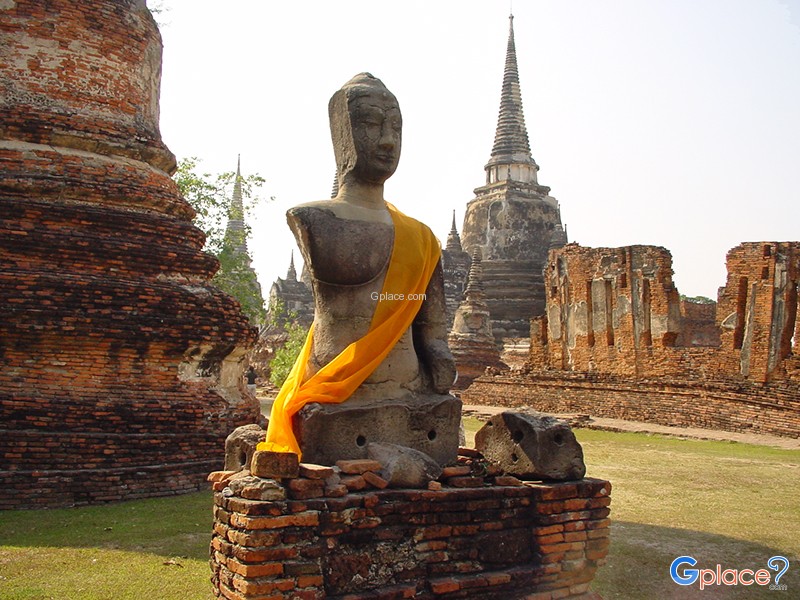
Although the Grand Palace was severely destroyed during the Second Fall of Ayutthaya in 2310 BE (1767 CE), extensive archaeological excavation and restoration by the Fine Arts Department have revealed the palace layout, foundations, and major structures. Today, walking through the ruins of the Grand Palace is not merely an exploration of ancient brick remains, but a journey into the political history, urban planning wisdom, and enduring grandeur of the Ayutthaya civilization.
How to Get There
Private Car:
- From Pridi-Thamrong Bridge, drive straight on Rochana Road to the end. Turn right at the old city hall for 500 meters; the entrance is on the left (same entrance as Wat Phra Si Sanphet).
Tuk-Tuk:
- Hire a local Tuk-Tuk from the city center or train station; ask for "Ancient Palace" or "Wat Phra Si Sanphet."
Walking:
- If you are already at Wat Phra Si Sanphet, you can enter the palace grounds through the side gate.
Travel Tips
Dress Code:
- Since it is a significant historical site connected to temple grounds, modest attire is required (no short skirts or sleeveless tops).
Recommended Time:
- Early morning (8:30 - 10:00 AM) or late afternoon (after 4:30 PM) to avoid the heat. At night (7:30 - 9:00 PM), the ruins are illuminated, offering a stunning atmosphere.
Essentials:
- Bring an umbrella, hat, and water, as the area is vast with limited shade in some parts.
Planning:
- Purchase a "Combo Ticket" if you plan to visit multiple historical sites within the park for better value.
Admission Fee
-
Thai Citizens: 10 THB
-
Foreigners: 50 THB
-
Combo Ticket Thai 40 THB / Foreigners 220 THB
Opening Hours
-
Daily: 08:00 AM – 06:30 PM (Illuminated until 09:00 PM)
The Grand Palace

 Share
Share
 Khlong Tho Road, Tha Wasukri, Phra Nakhon Si Ayutthaya, Phra Nakhon Si Ayutthaya (Adjacent to Wat Phra Si Sanphet)
Map
Khlong Tho Road, Tha Wasukri, Phra Nakhon Si Ayutthaya, Phra Nakhon Si Ayutthaya (Adjacent to Wat Phra Si Sanphet)
Map
 Open now : 8.00 - 18.30
Mon8.00 - 18.30
Tue8.00 - 18.30
Wed8.00 - 18.30
Thu8.00 - 18.30
Fri8.00 - 18.30
Sat8.00 - 18.30
Sun8.00 - 18.30



 3729
3729