 Attractions
  Hotel
Hotel  Restaurant
  Shopping
  Abroad





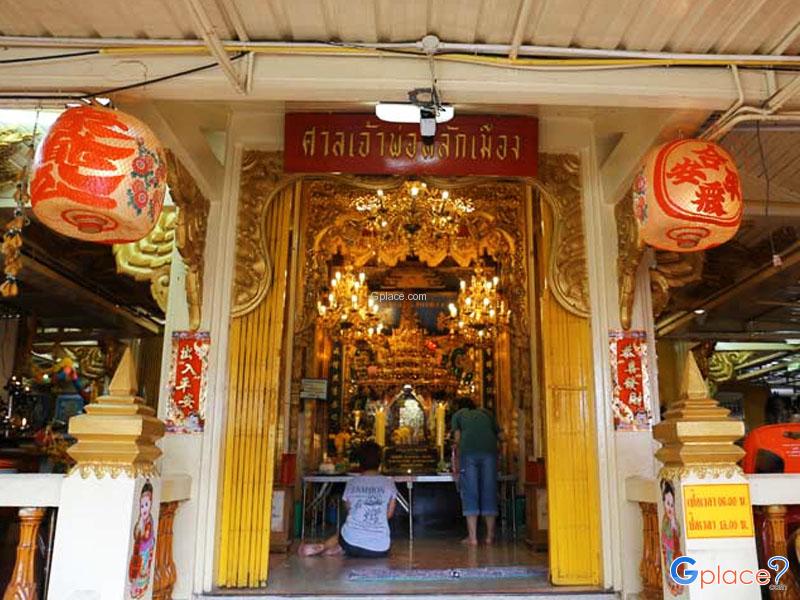

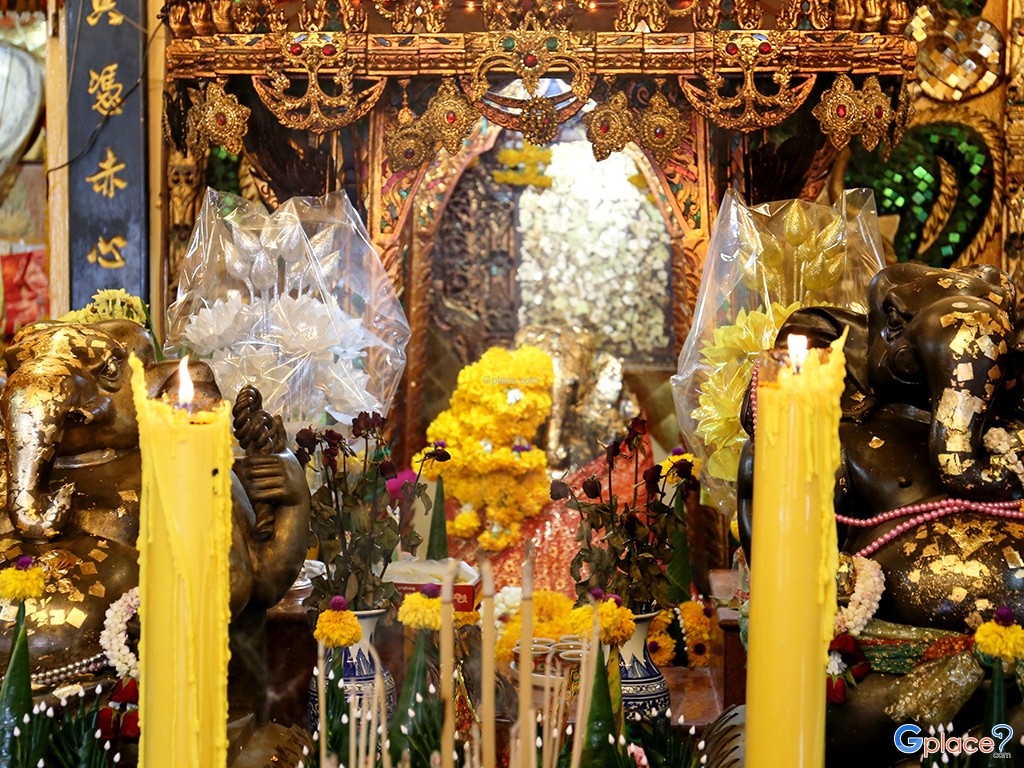
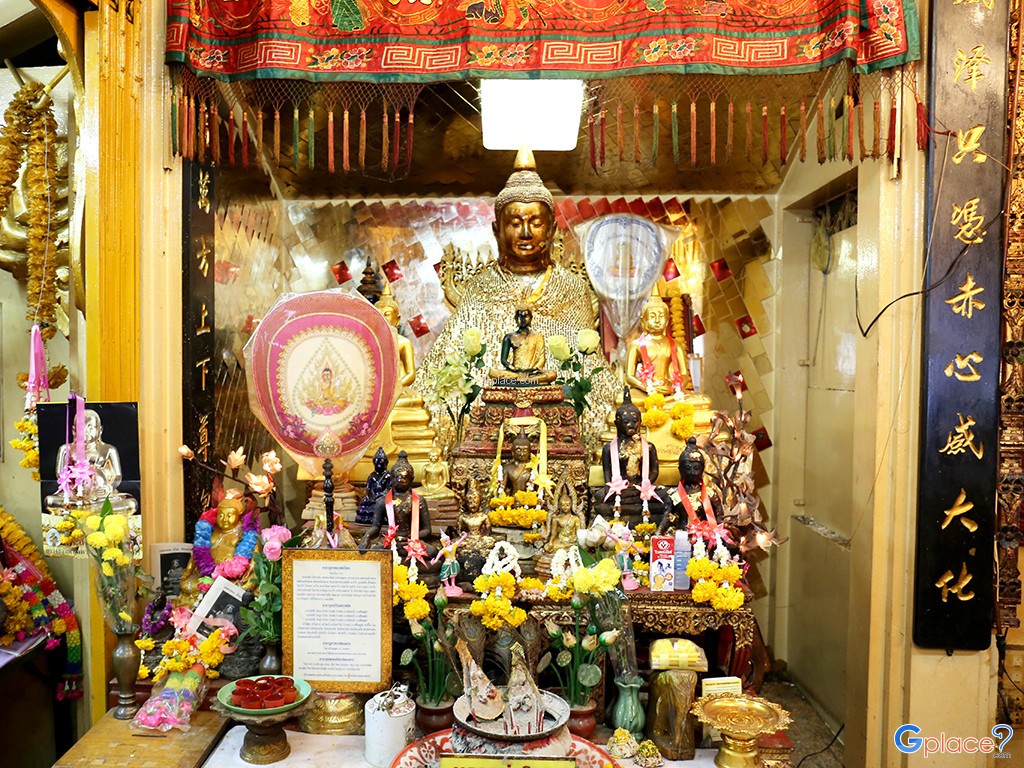
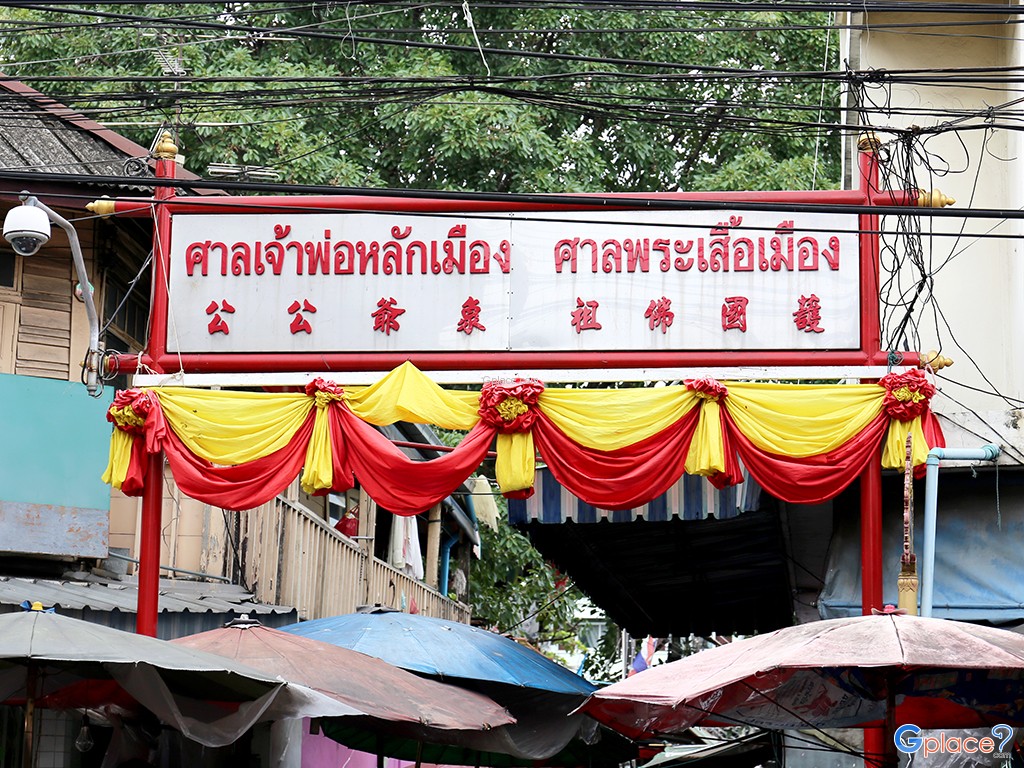
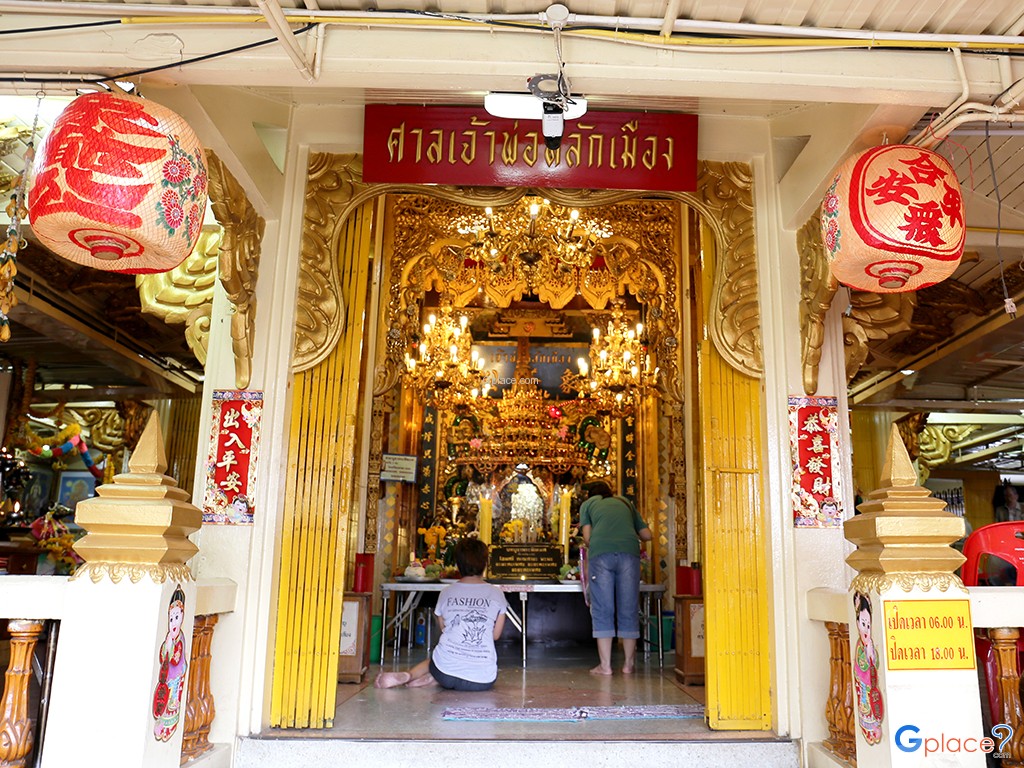
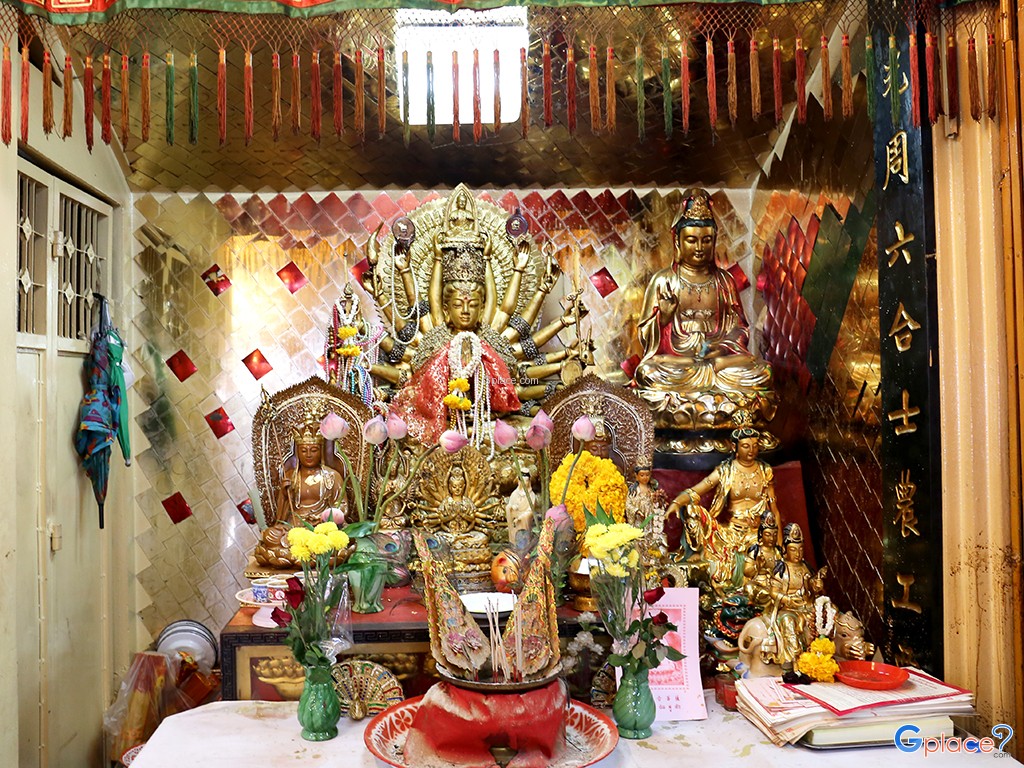
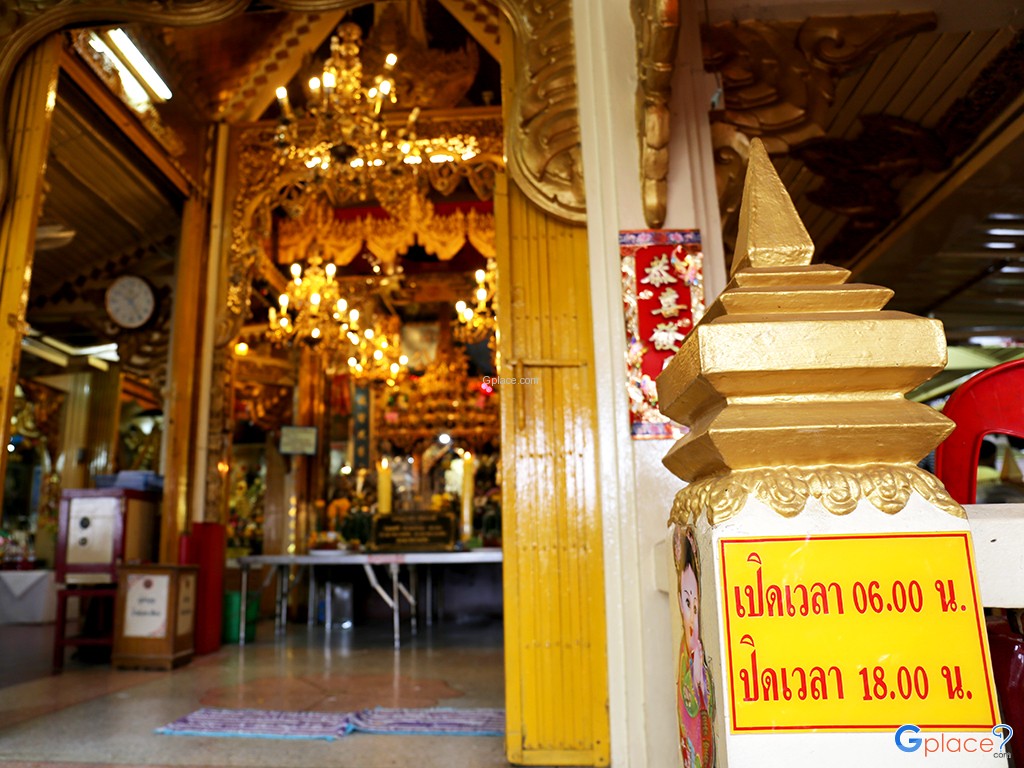
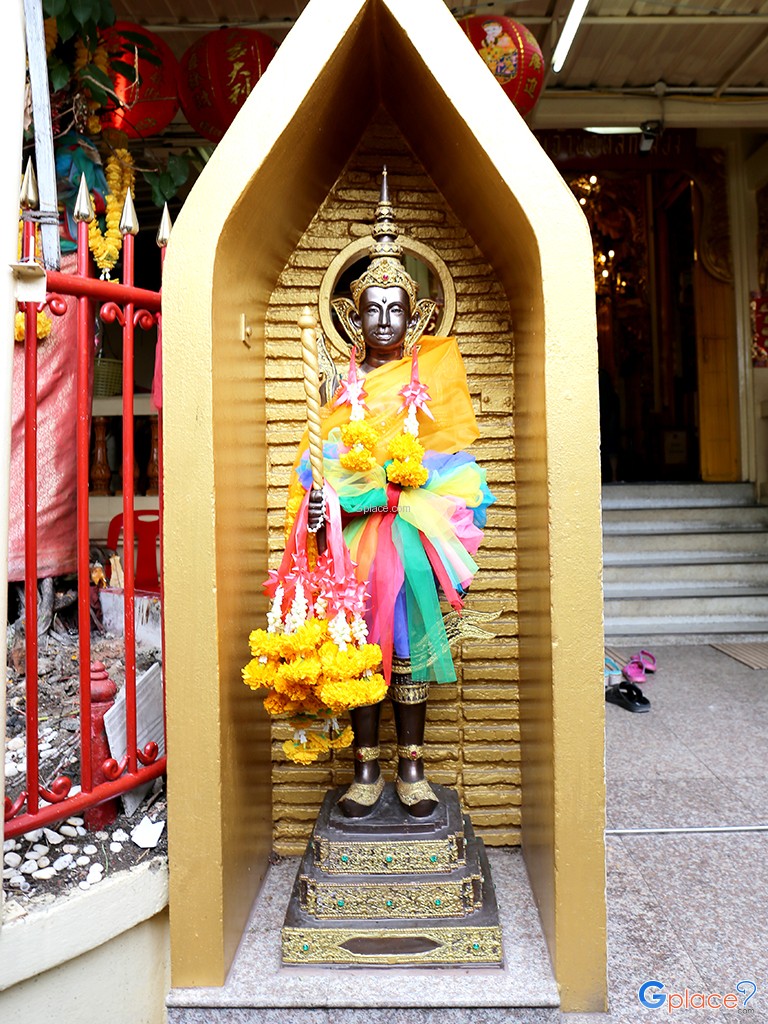
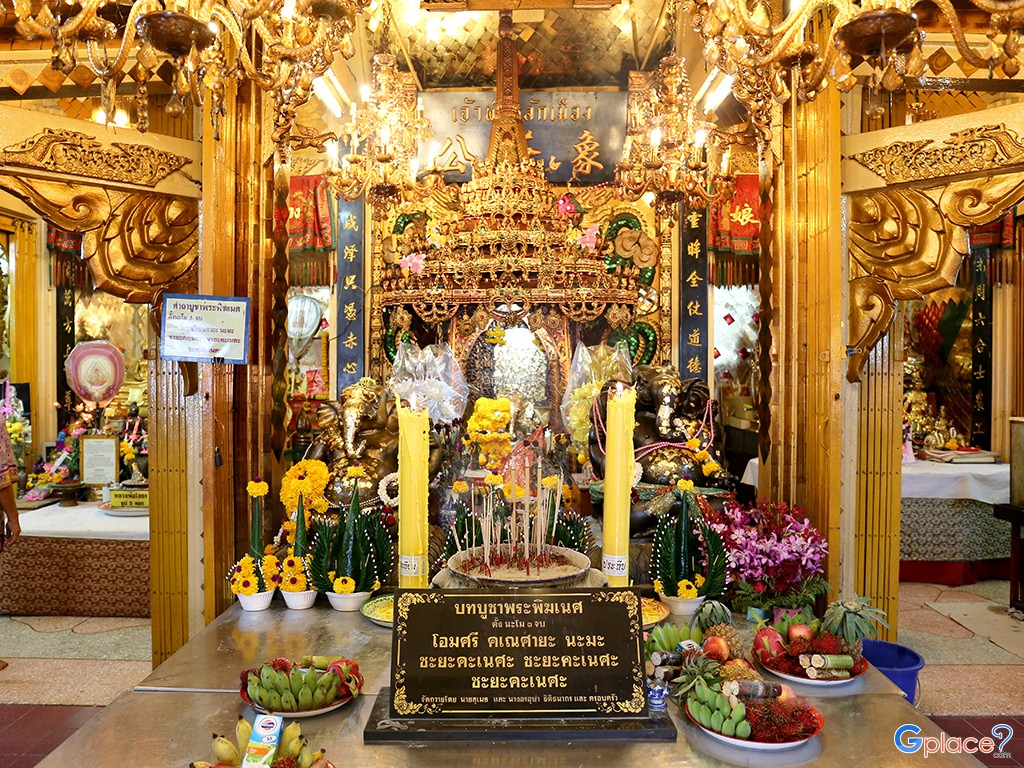
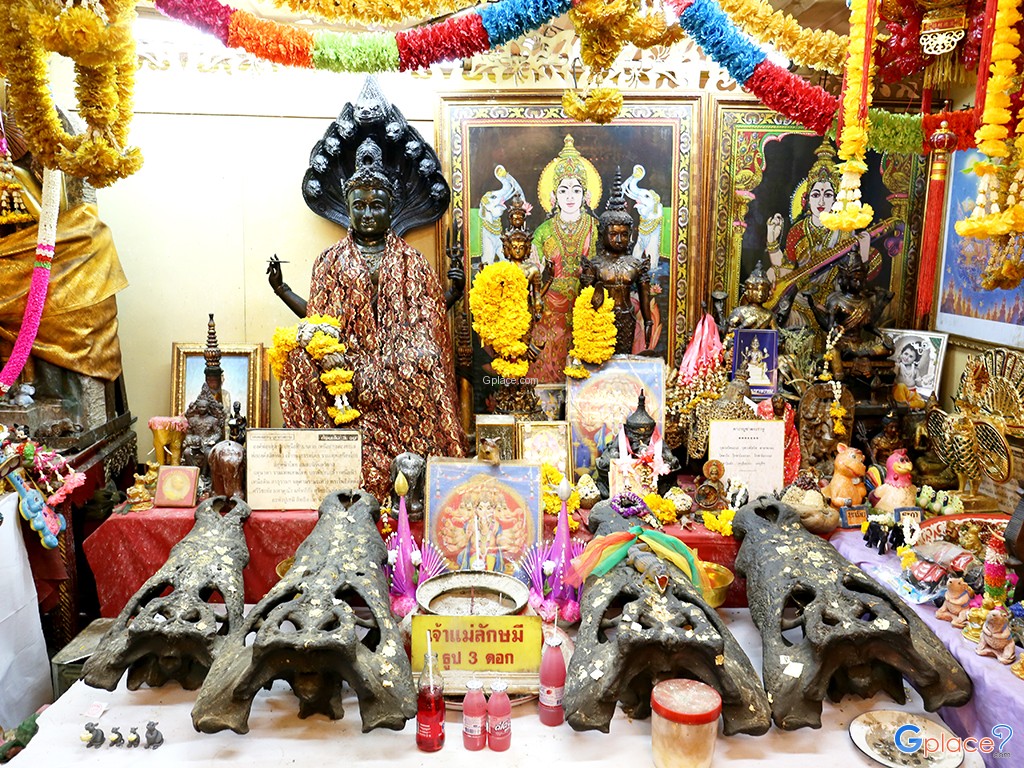
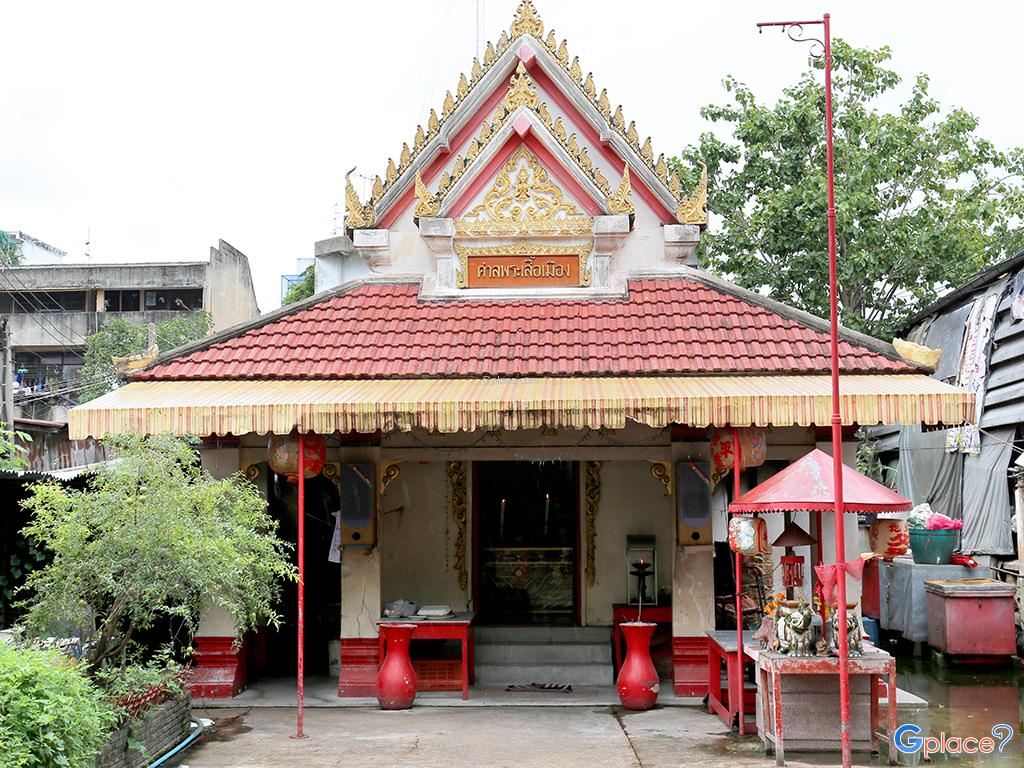
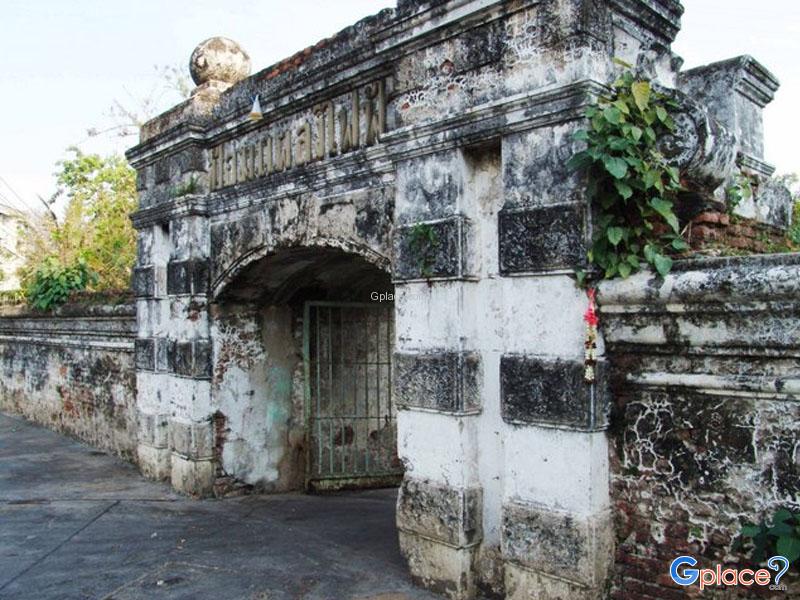
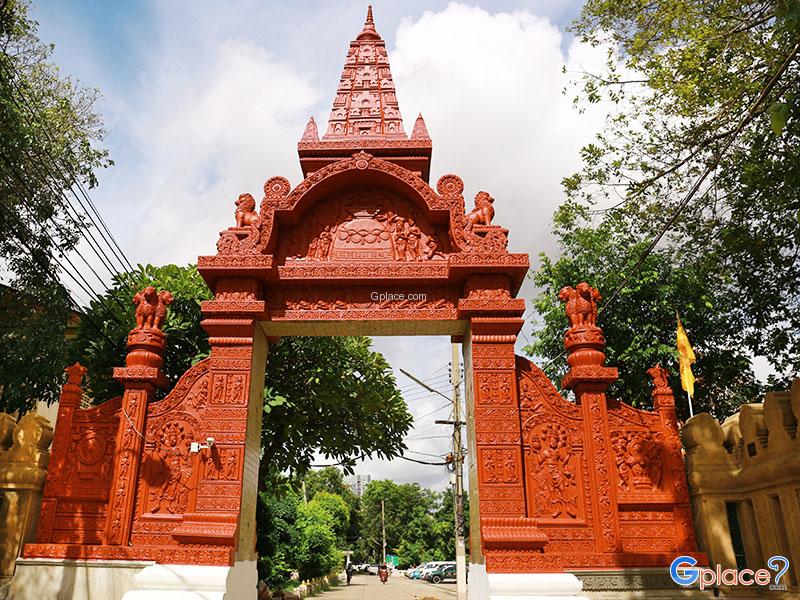
“ The City Pillar Shrine is the old city pillar of Phra Pradaeng District. It is a sacred place that is highly respected and deeply revered by the local people. ”
How to Get There
- By BTS: Get off at Paknam Station (E19), then walk about 500 meters or take a local taxi/motorbike.
- By Car: Drive via Sukhumvit Road toward Paknam Market. The shrine is located near the market and the observation tower.
- By Bus: Routes 25, 102, 142, 508, 511, and other buses passing Paknam Market.
Travel Tips
- It is recommended to visit in the morning when the weather is cooler and more comfortable for walking around Paknam Market afterward.
- Dress modestly and appropriately, as this is a sacred place respected by locals.
- You can visit and explore the shrine in a short time, making it suitable for a half-day trip.
- It is advisable to carry some cash for merit-making or shopping at nearby local markets.
- You can extend your trip to the Samut Prakan Observation Tower to enjoy a panoramic view of Paknam in the same day.
Samut Prakan City Pillar Shrine

 Share
Share
 Phra Pradaeng Town Municipality, Talat, Phra Pradaeng , Samut Prakan 10130
Map
Phra Pradaeng Town Municipality, Talat, Phra Pradaeng , Samut Prakan 10130
Map
List 0 review
|
art & culture,City Pillar Shrine,place
 Open now : 6.00 - 18.00
Mon6.00 - 18.00
Tue6.00 - 18.00
Wed6.00 - 18.00
Thu6.00 - 18.00
Fri6.00 - 18.00
Sat6.00 - 18.00
Sun6.00 - 18.00



 56
56