 Attractions
  Hotel
Hotel  Restaurant
  Shopping
  Abroad





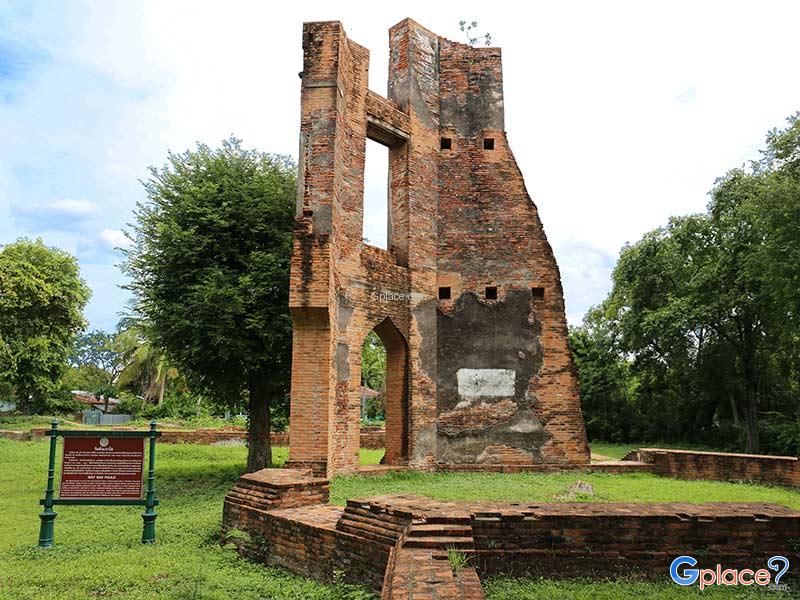

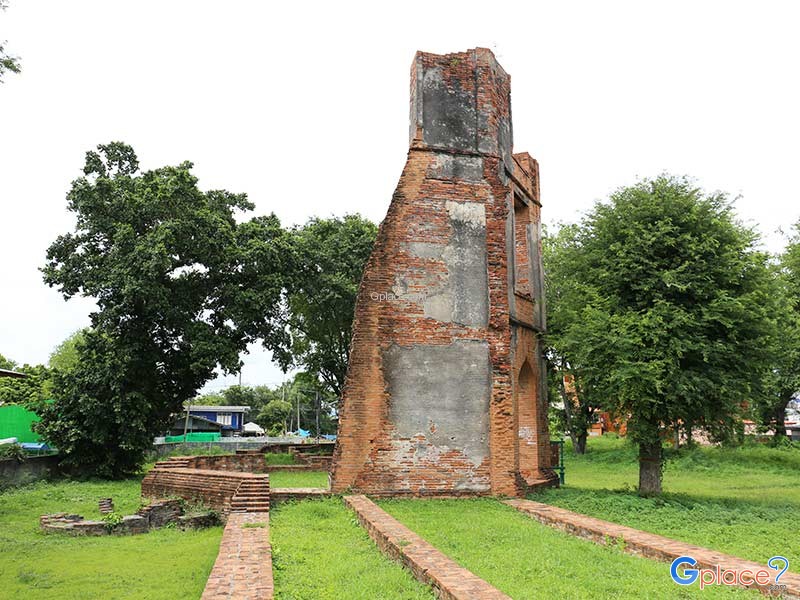
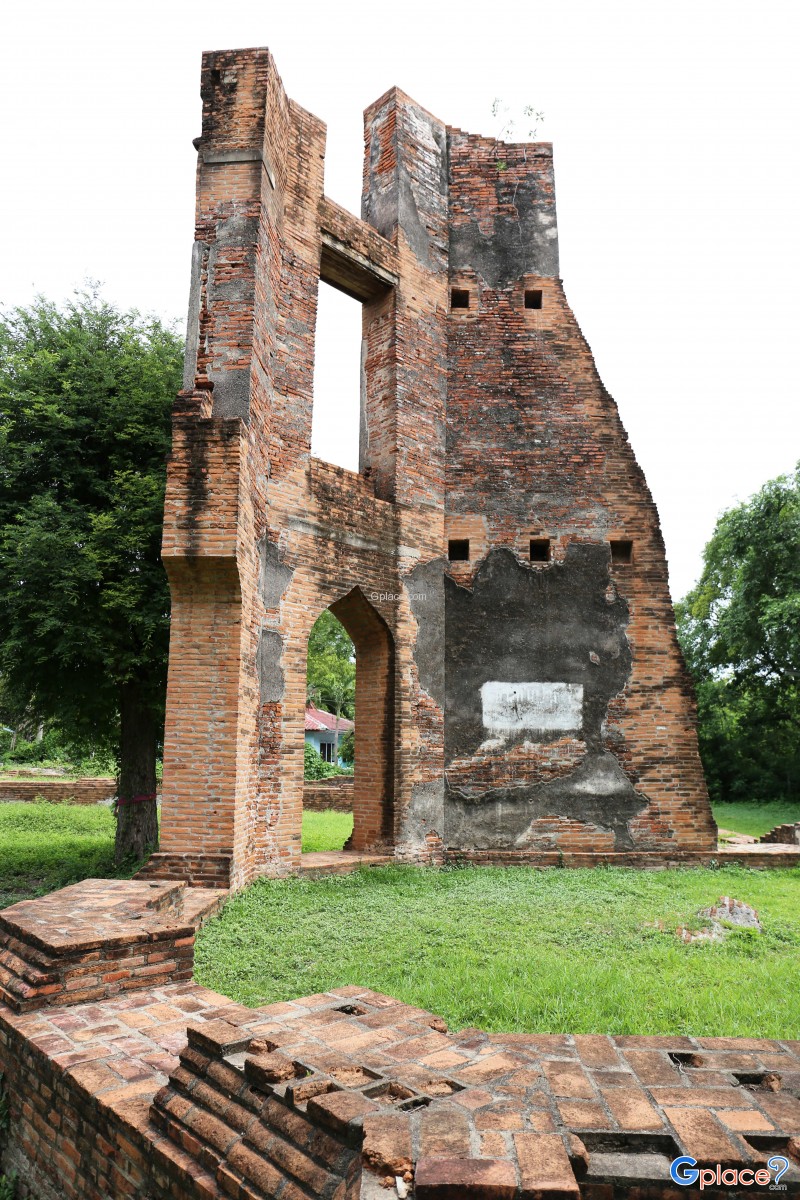
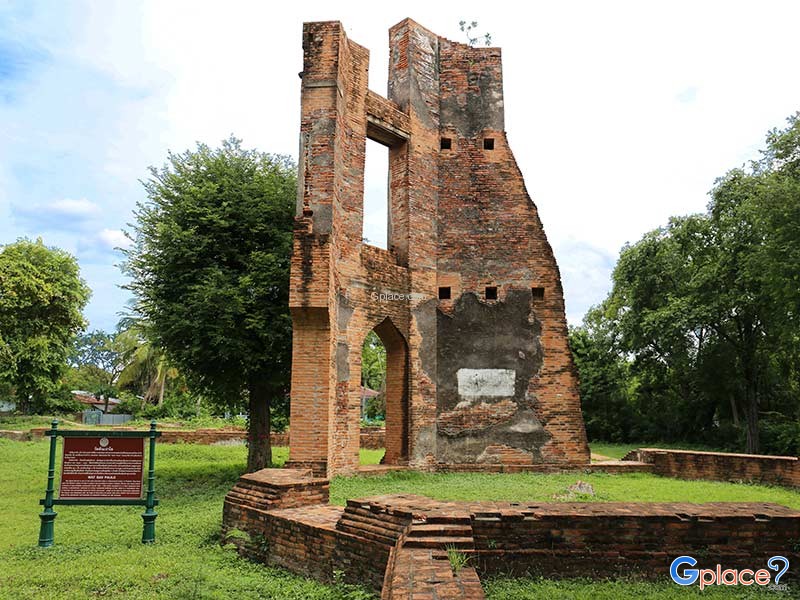
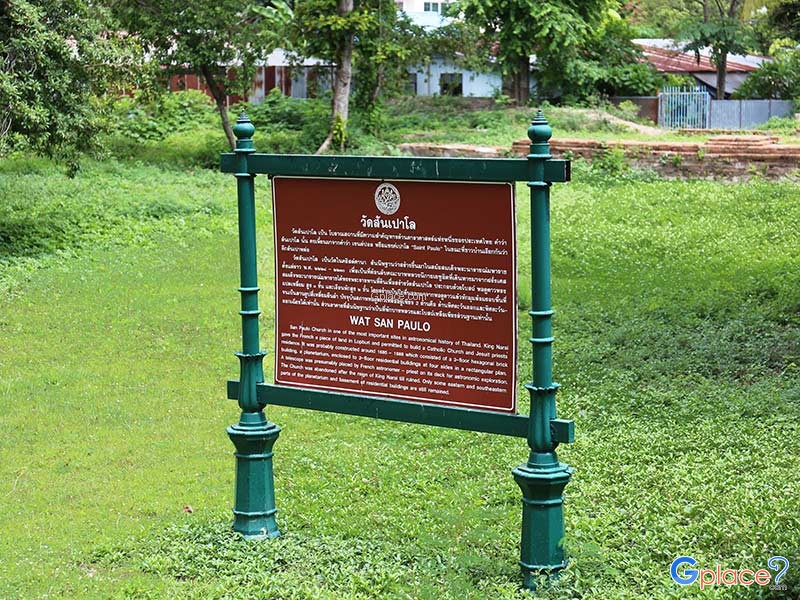
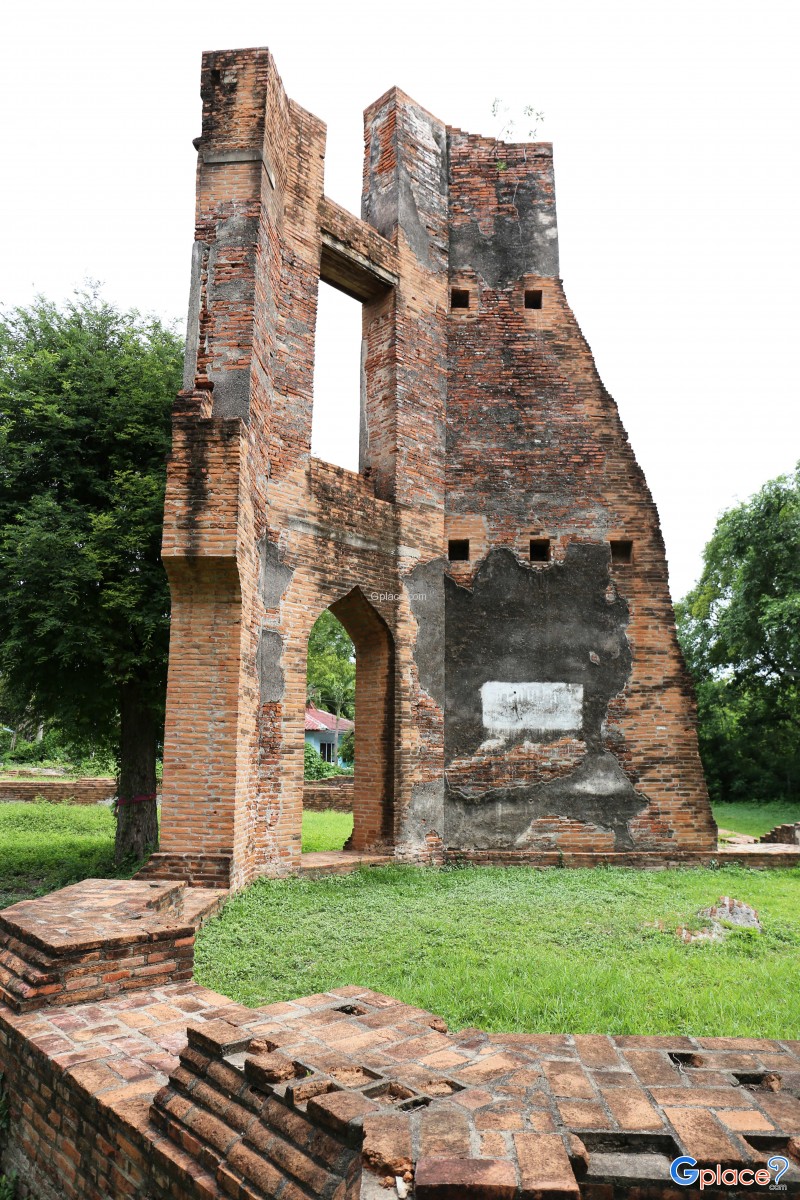
“Marvel at the remaining walls of the Octagonal Observatory, recognized as the birthplace of modern astronomy in Siam, operated by French Jesuit priests.”
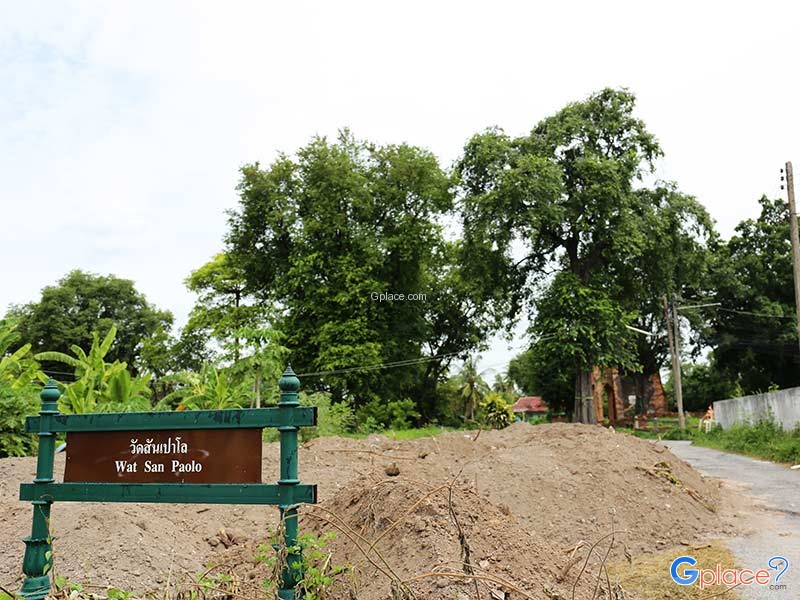
San Paolo Temple, whose name is derived from Saint Paul, is a historical site of global significance in the history of science. King Narai the Great granted land to French Jesuit missionaries to establish a Christian church, residential quarters, and most importantly, an observatory that served as a center for astronomical studies during the 23rd Buddhist century.
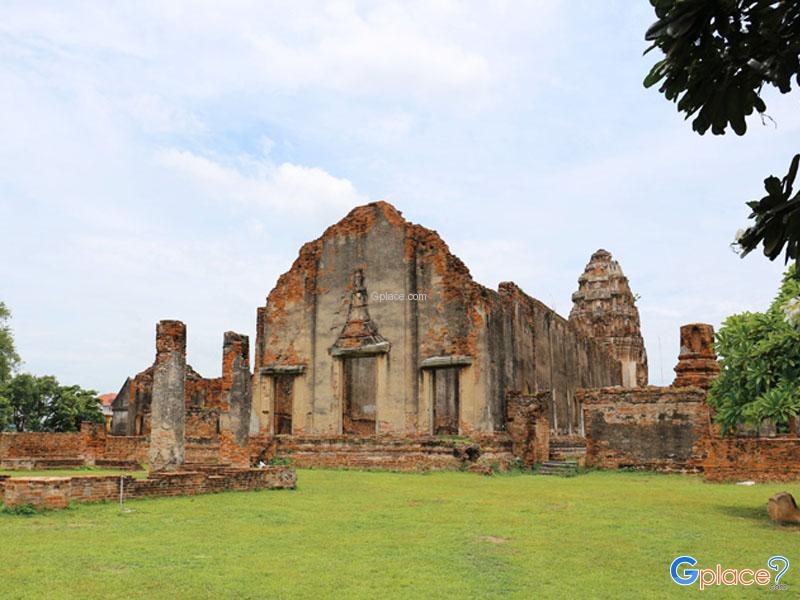
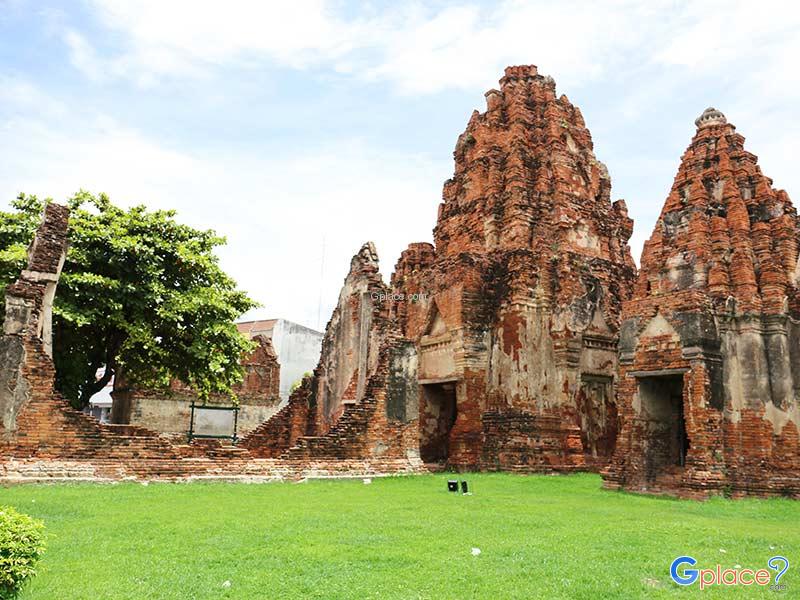
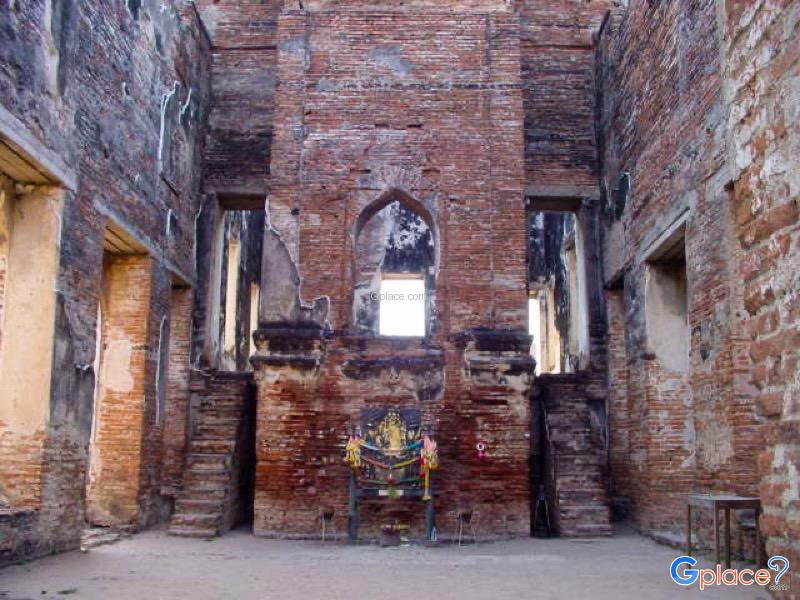
The architectural uniqueness of the site lies in its harmonious blend of Thai and European styles, similar to the design of Ban Wichayen. Although only ruins remain today, the structure of the octagonal tower still reflects the advanced knowledge of the past. This tower once housed telescopes and astronomical instruments imported directly from Europe, used to observe celestial phenomena during that era.
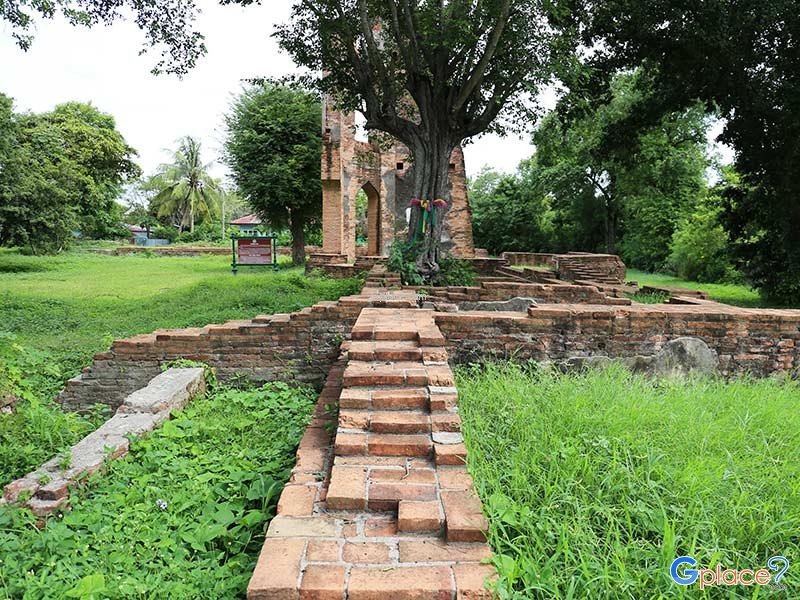
Within the compound, foundations believed to be those of a Western-style church and residential buildings for the missionaries who arrived with the diplomatic mission of Kosa Pan can still be seen. The atmosphere of San Paolo Temple is solemn and evocative, filled with stories of intense cultural and scientific exchange between the Eastern and Western worlds during one of the most remarkable periods in Thai history.
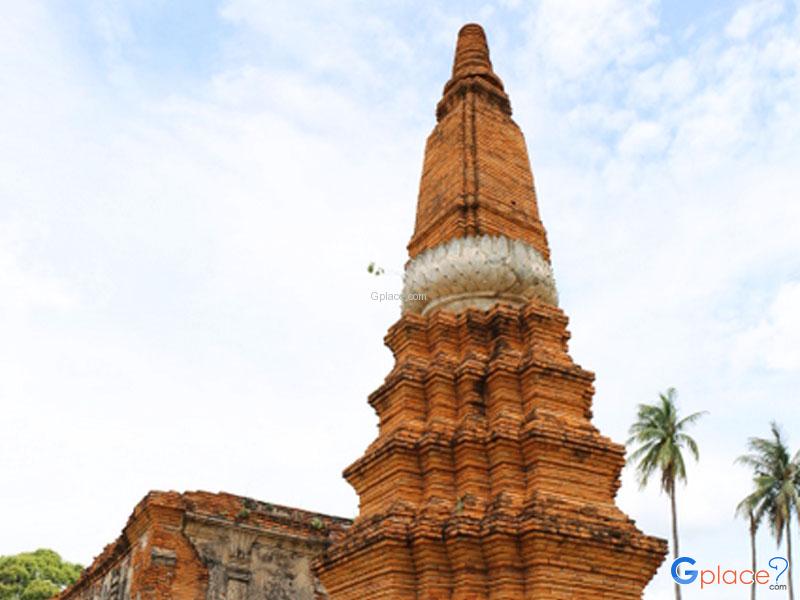
This site is a must-visit destination for history enthusiasts and photographers alike. The contrast between the orange brick walls, green lawns, and the unusual octagonal structure offers classic photographic perspectives rich in historical meaning, clearly setting it apart from other ancient sites in Lopburi.
Visitors are invited to experience the traces of Siam’s scientific prosperity and reflect upon the spirit of cross-continental friendship through this invaluable historical landmark at San Paolo Temple.
How to Get There
Private Car:
- Drive along Ram Decho Road (about 2 km from Phra Kan Shrine); the site is located right by the road and is easy to spot.
Motorcycle Taxi:
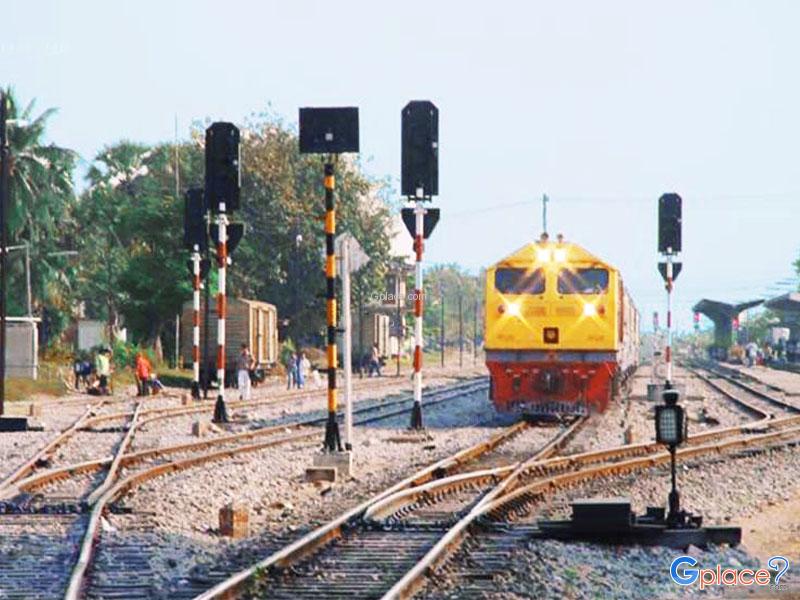
- Can be hired from any point in Lopburi or the railway station; the ride takes only 5-10 minutes.
Songthaew:
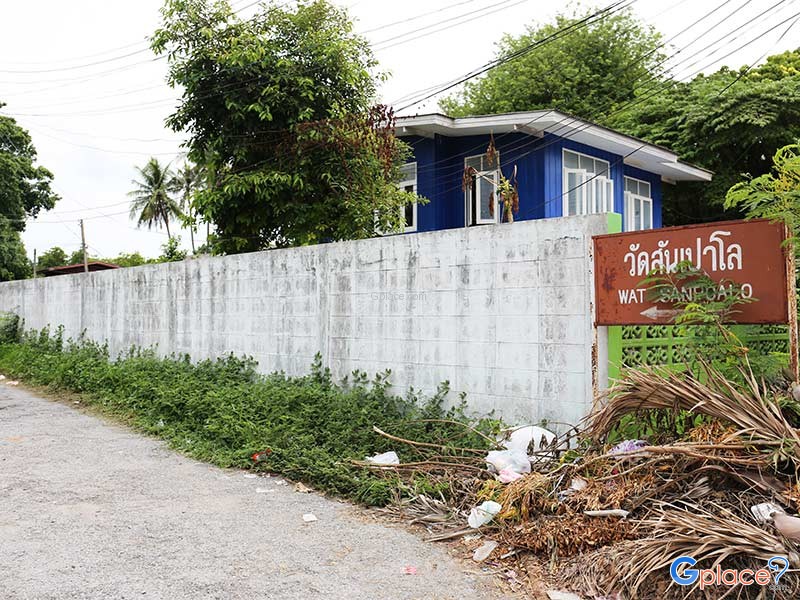
- Take any songthaew heading towards Sa Kaeo Circle or the city loop and ask to get off at Wat San Paolo.
Travel Tips
Best Visiting Season:
- Can be visited year-round, but 09:00 - 10:00 AM and 04:00 - 05:00 PM offer the best light for the brick walls without the intense heat.
Footwear:
- Wear sturdy shoes as the area is covered in grass and the brick paths may be uneven in some parts.
Photography:
- The most popular shot is a low-angle view of the octagonal tower to capture its height_ and ancient brickwork details.
Extra Knowledge:
- Briefly reading about the Jesuit missions during King Narai's reign beforehand will make the ruins come alive with meaning.
Planning:
- Since it is a small site, a 30-45 minute visit is sufficient. It is recommended to pair this with a trip to "Phra Thinang Yen" for a complete astronomical history tour.
Admission Fee
-
Thai Visitors: Free Entry
-
Foreign Visitors: Free Entry
Opening Hours
-
Open Daily: 08:30 – 16:30 (According to official site maintenance hours)
San Paolo Temple

 Share
Share
 San Paolo Temple, Ram Decho Road, Thale Chup Sorn, Lopburi, Lopburi, Thailand
Map
San Paolo Temple, Ram Decho Road, Thale Chup Sorn, Lopburi, Lopburi, Thailand
Map
 Closed today
Mon8.30 - 16.30
Tue8.30 - 16.30
Wed8.30 - 16.30
Thu8.30 - 16.30
Fri8.30 - 16.30
Sat8.30 - 16.30
Sun8.30 - 16.30



 4097
4097