 Attractions
  Hotel
Hotel  Restaurant
  Shopping
  Abroad





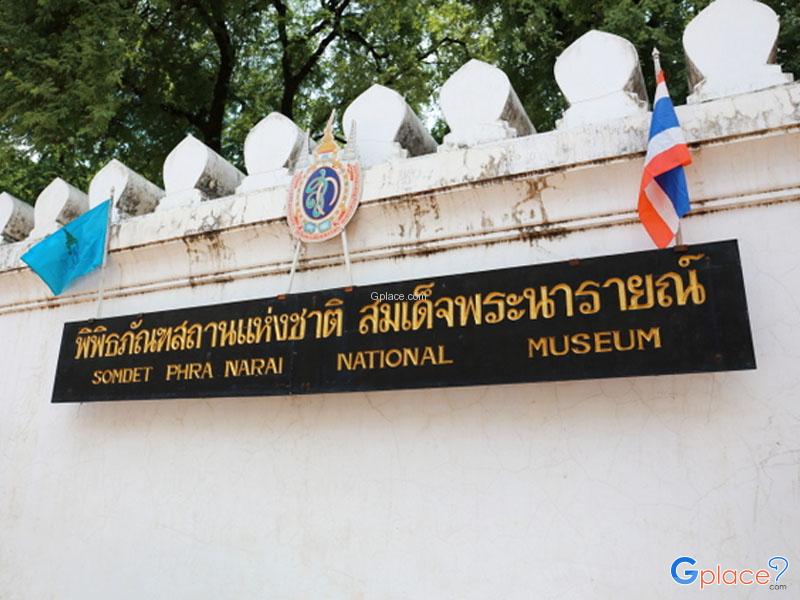

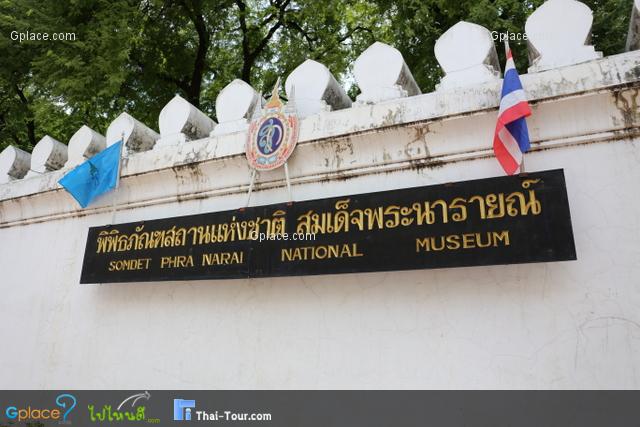
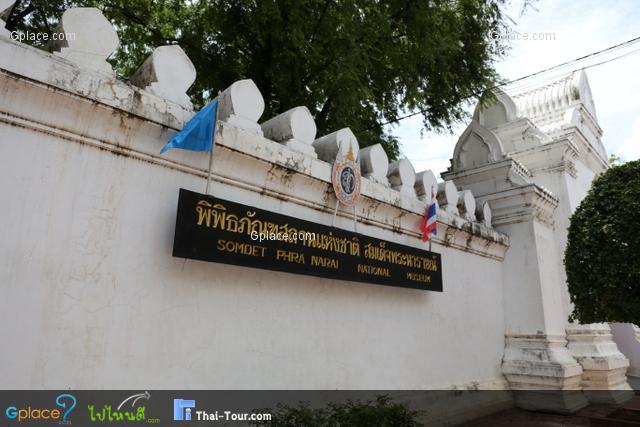
“Be mesmerized by the Thai-Western fusion architecture within the middle and inner royal courts, while viewing masterclass artifacts ranging from the Dvaravati to the Rattanakosin periods in modern displays.”
King Narai National Museum is located within Phra Narai Ratchaniwet, commonly known as Narai Palace, a royal residence commissioned by King Narai the Great in the city of Lopburi. During his reign, Lopburi was elevated to become the second royal capital after Ayutthaya, making this palace a major center of politics, diplomacy, and culture in 17th-century Siam.
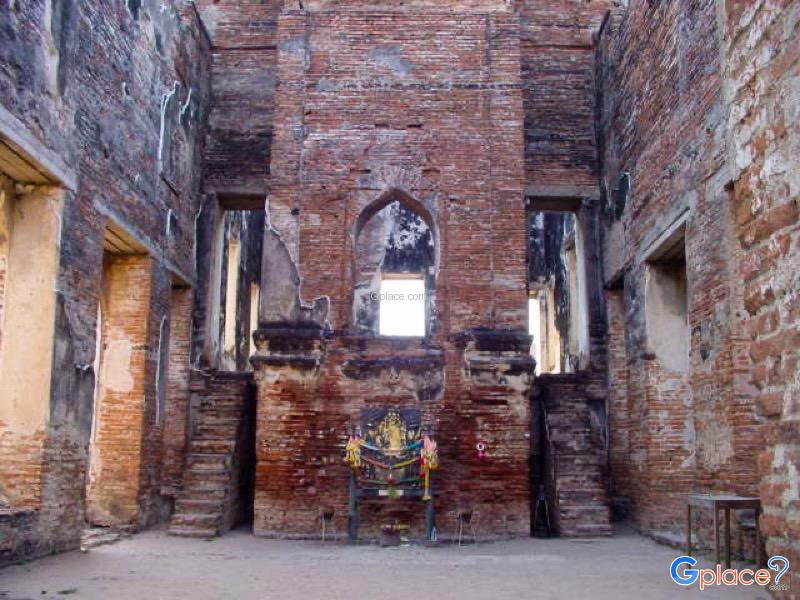
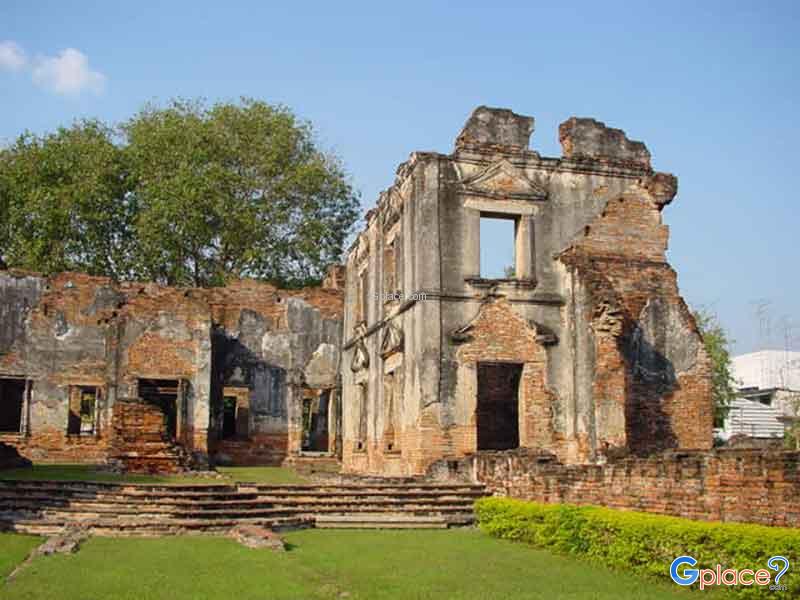
One of the most distinctive features of Phra Narai Ratchaniwet is its systematic palace layout, which was influenced by French and Italian architects. As a result, the architecture displays a harmonious blend of Western and traditional Thai styles. This is particularly evident in the pointed arch doorways and windows in the Gothic style, a rare feature among Thai historical sites, reflecting the period when Siam actively embraced Western knowledge and culture.
The museum complex is divided into several exhibition buildings or royal halls. The most significant is Phiman Mongkut Hall, which houses archaeological artifacts excavated in Lopburi and nearby areas. The collection spans multiple periods, including prehistoric times, the Dvaravati period, the Lopburi (Khmer) period, and the Ayutthaya period. Highlights include Lopburi-style Buddha images adorned with royal ornaments, statues of the god Vishnu (Narai), ancient ceramics, and art objects that illustrate Lopburi’s long-standing role as an important cultural and trading center in the region.
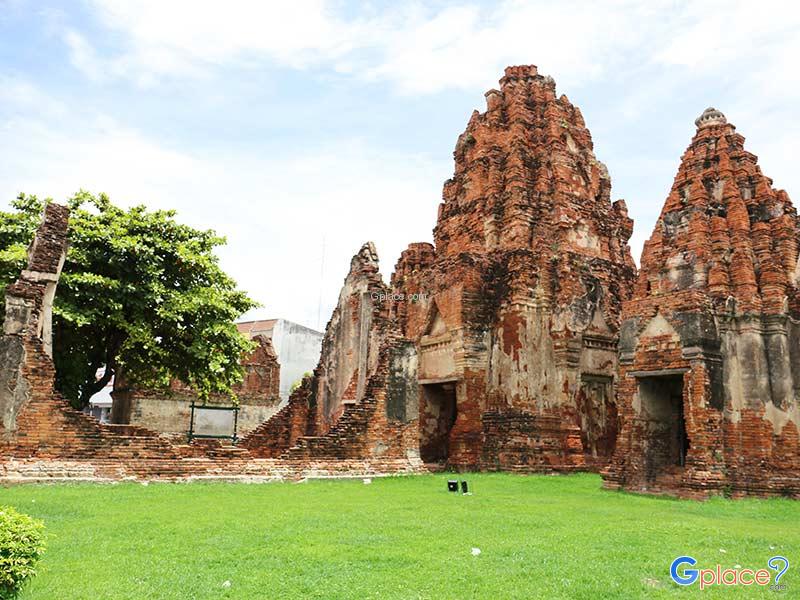
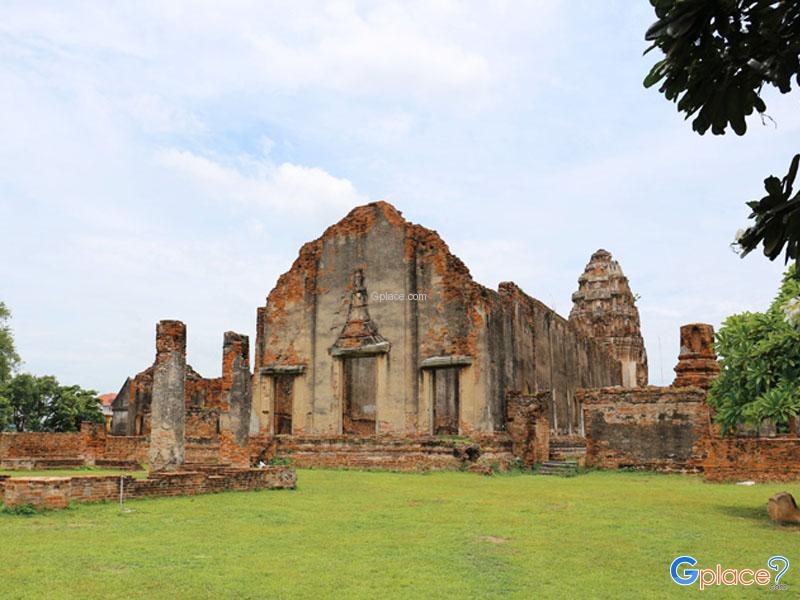
In addition to the museum buildings, visitors can explore Chanthara Phisan Hall, a structure built in traditional Thai architectural style that once served as a royal audience hall. The surrounding area also features ancient city walls, fortifications, and other court buildings that still convey the former grandeur of the old royal capital. The atmosphere throughout the palace grounds is solemn, dignified, and shaded by large trees, creating a pleasant environment for exploration.
King Narai National Museum can be regarded as a living historical library, bringing together masterpieces of art and archaeology within a single complex. It is an ideal destination for families, students, and travelers who wish to gain a deeper understanding of Thai history while enjoying elegant architecture and a tranquil, green setting.
Visitors are warmly invited to experience the spirit of the former royal capital and appreciate the priceless cultural heritage preserved at King Narai National Museum in Lopburi.
How to Get There
Private Car:
- Travel to Lopburi city center; the museum is located near the Sa Kaeo Circle and the railway station. Parking is available at the front and side of the palace.
Train:
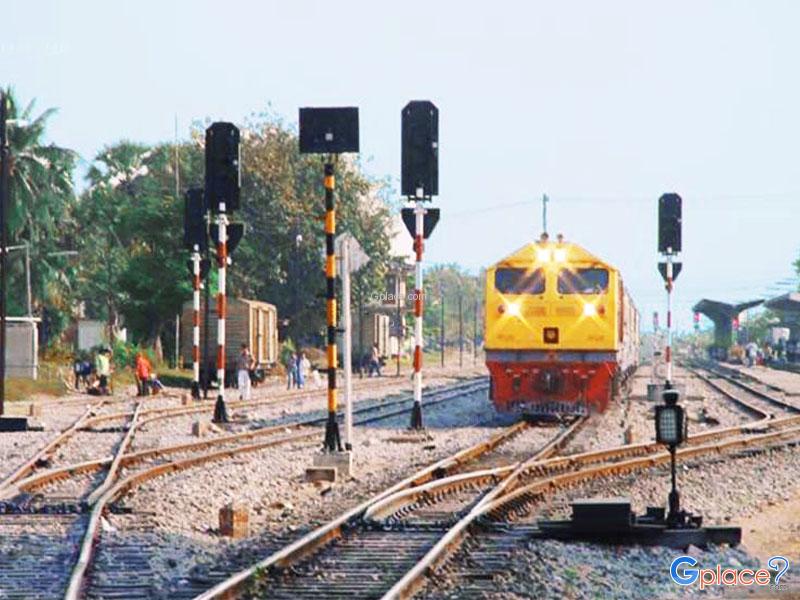
- Get off at Lopburi Railway Station and walk for about 500 meters along Sorasak Road to reach the main entrance.
Public Van:
- Take a van to the Lopburi terminal (near Sa Kaeo Circle) and continue via songthaew or motorcycle taxi to the palace front.
Travel Tips
Best Visiting Season:
- February of every year features the "King Narai the Great Fair," where visitors dress in traditional Thai costumes and the entire palace is beautifully illuminated.
Attire:
- As it is a royal site and government office, visitors should dress politely (no short shorts or sleeveless tops). Wearing traditional Thai clothing for photos fits the atmosphere perfectly.
Photography:
- Recommended in the late afternoon (from 15:30 onwards) when the sunlight hits the white buildings and old brick walls, providing warm and soft photo tones.
Special Activity:
- You can request the services of volunteer guides for in-depth historical lectures, which make viewing the artifacts more meaningful and enjoyable.
Planning:
- Allocate at least 2-3 hours to see all the pavilions. You can also walk to nearby sites like Wat Puen or Wat Phra Si Rattana Mahathat as they are very close.
Admission Fee
-
Thai Visitors: 30 THB
-
Foreign Visitors: 150 THB
Opening Hours
-
Open: Wednesday – Sunday (Closed on Monday, Tuesday, and Public Holidays)
-
Hours: 09:00 – 16:00 (The palace grounds/historical site remain open until 16:30)
King Narai National Museum

 Share
Share
 Somdet Phra Narai National Museum (Within Phra Narai Ratchaniwet), Sorasak Road, Tha Hin, Lopburi, Lopburi, Thailand
Map
Somdet Phra Narai National Museum (Within Phra Narai Ratchaniwet), Sorasak Road, Tha Hin, Lopburi, Lopburi, Thailand
Map
 Closed today
Mon -
Tue -
Wed9.00 - 16.00
Thu9.00 - 16.00
Fri9.00 - 16.00
Sat9.00 - 16.00
Sun9.00 - 16.00



 3491
3491