 Attractions
  Hotel
Hotel  Restaurant
  Shopping
  Abroad





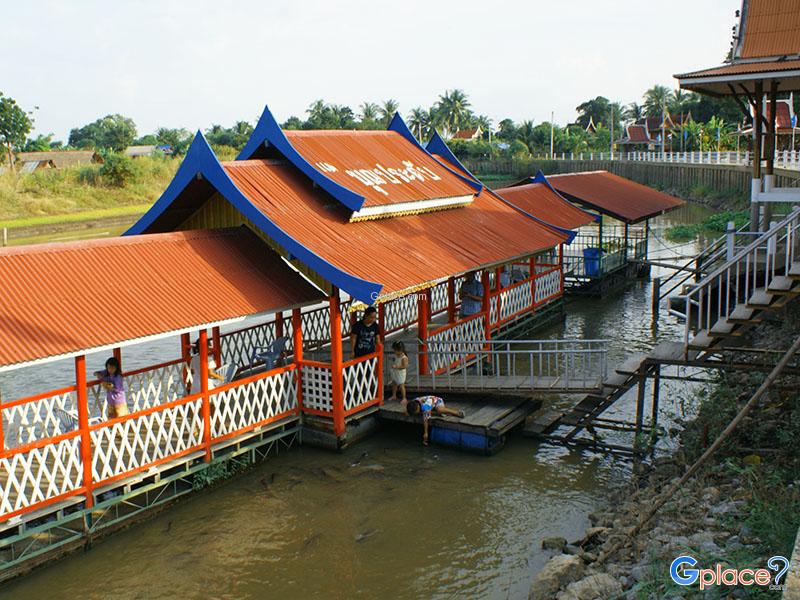

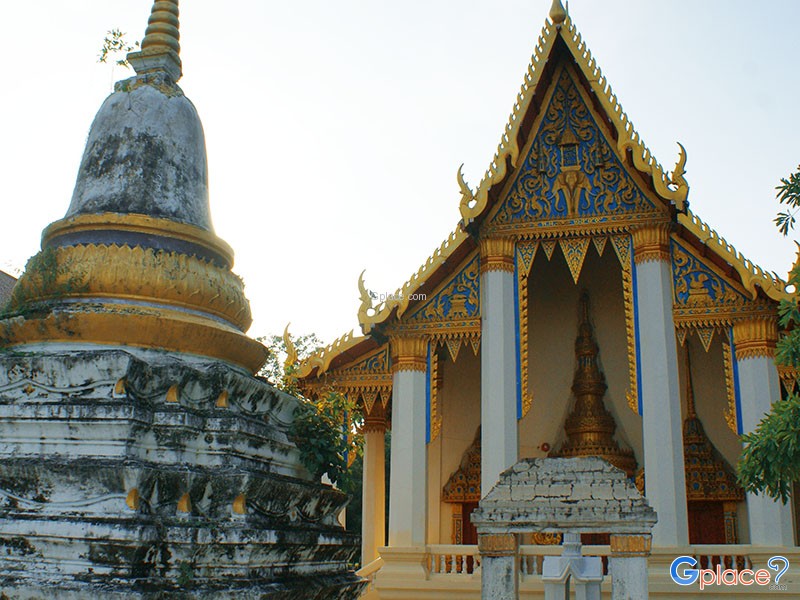
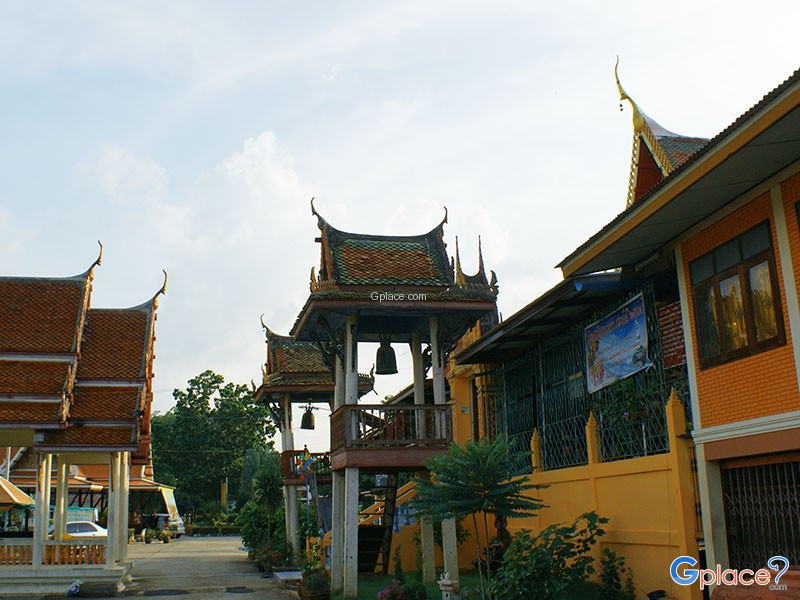
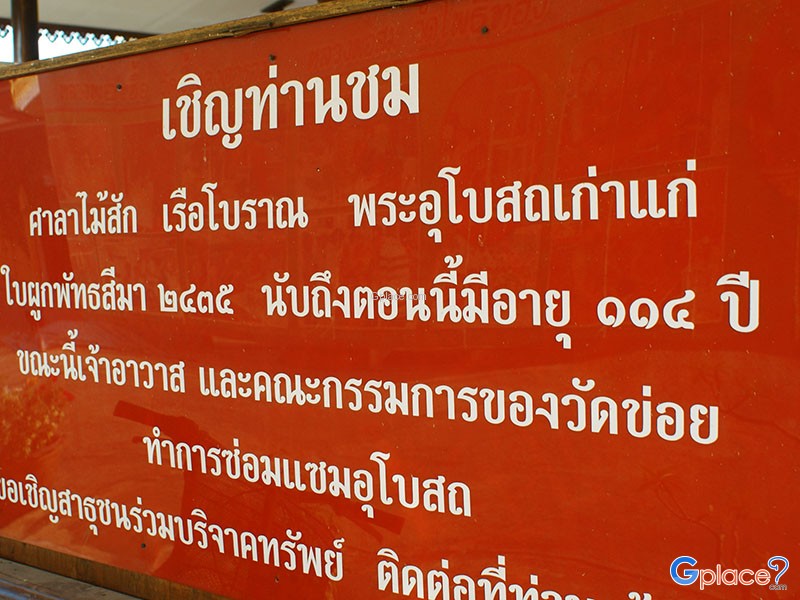

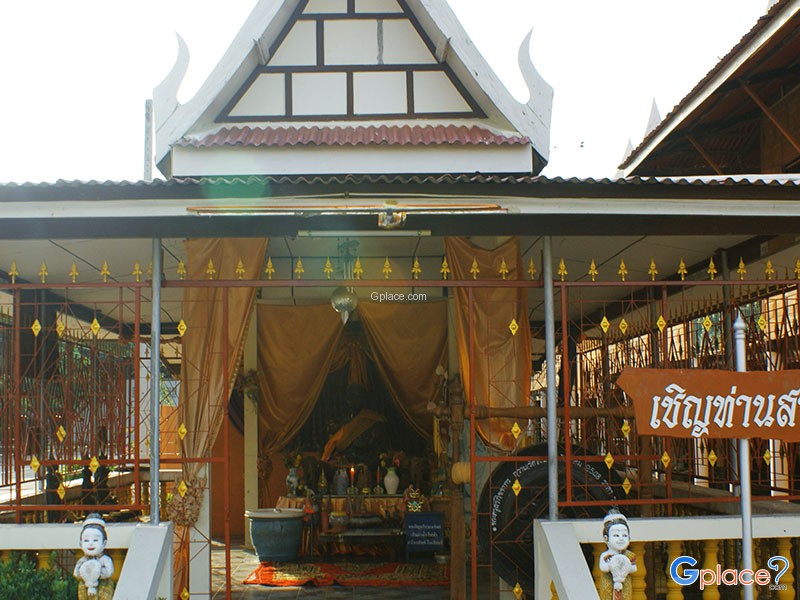
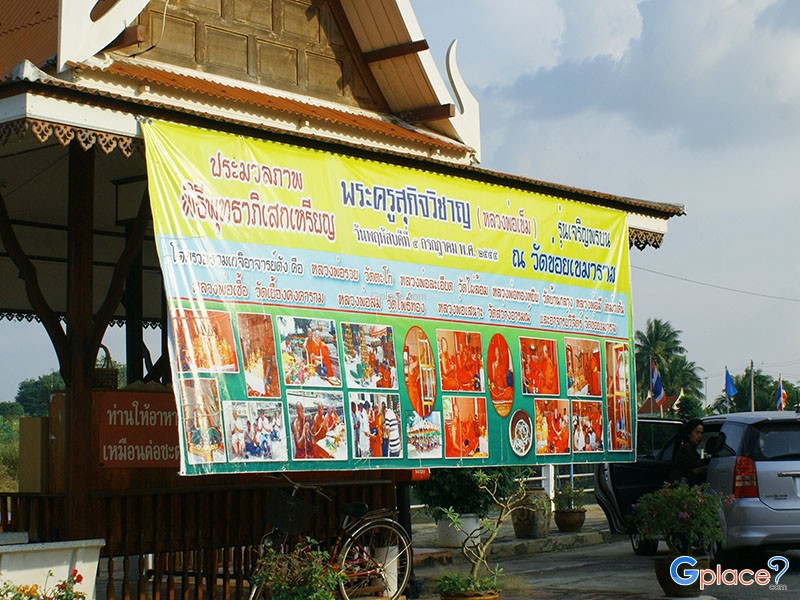

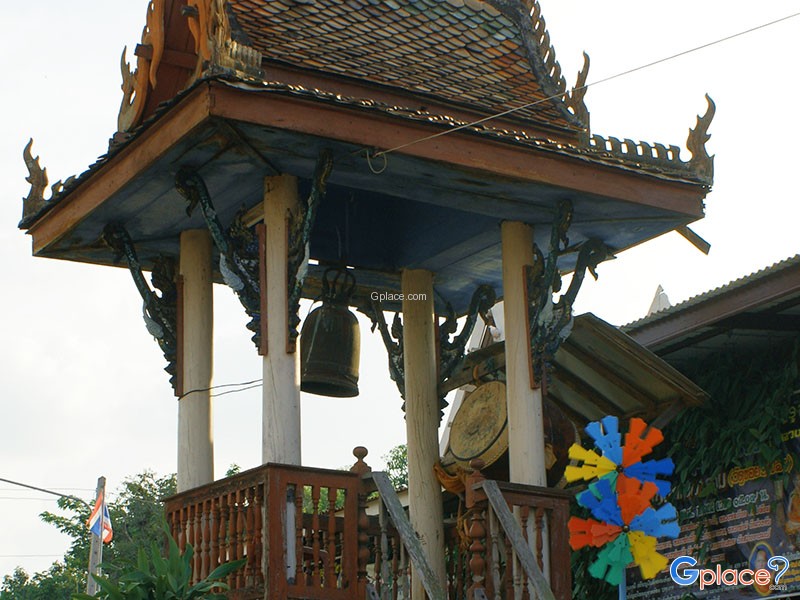
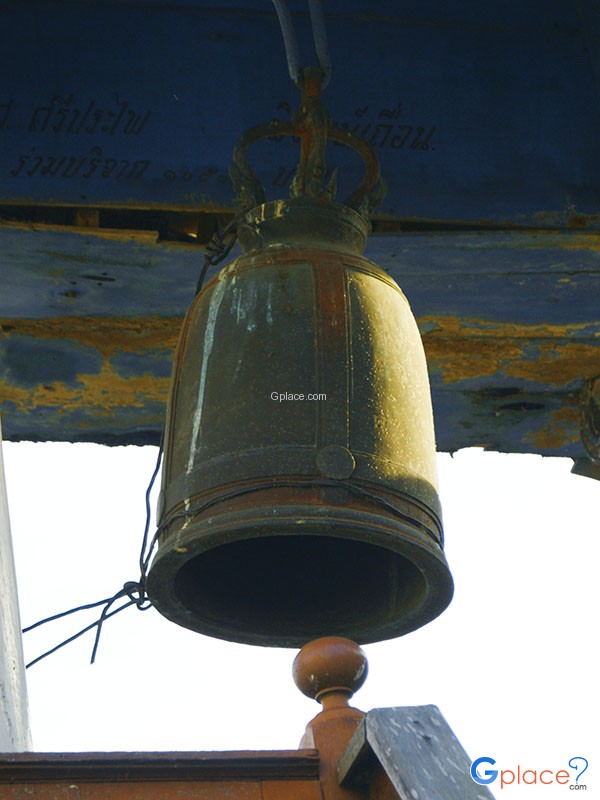
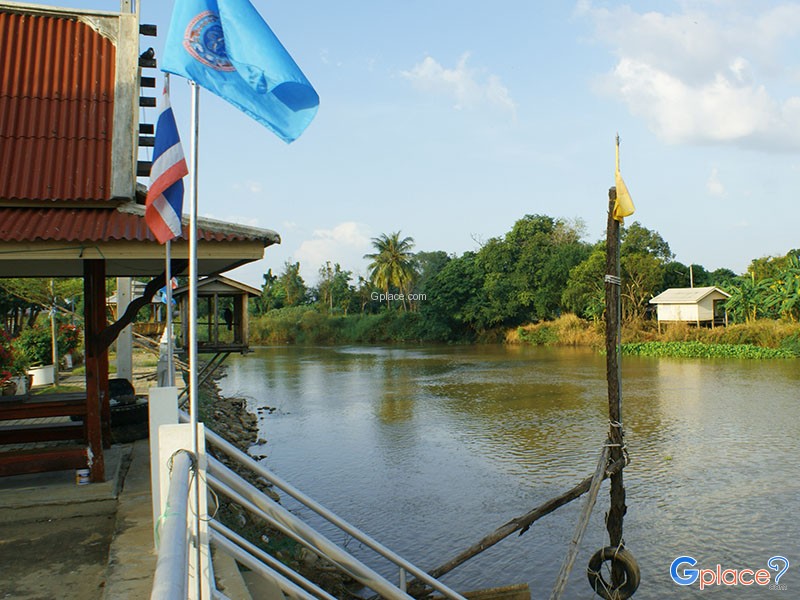
“Feed over 50,000 fish in the Noi River and visit the Folk Museum, which houses ancient boats, traditional farming tools, and antique lamps from around the world.”
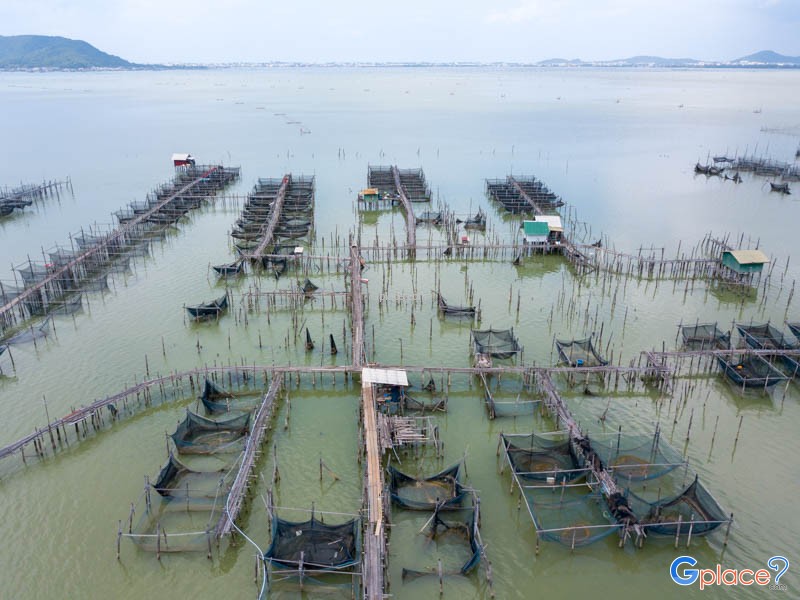
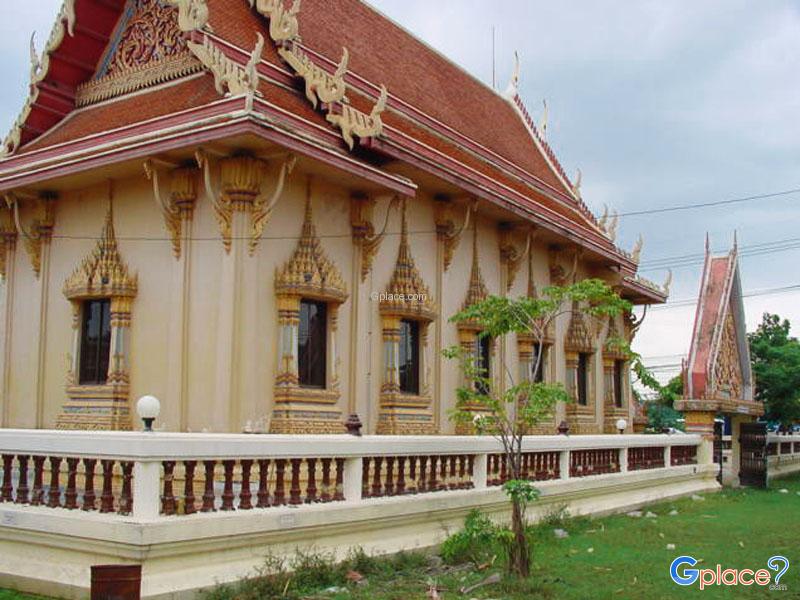
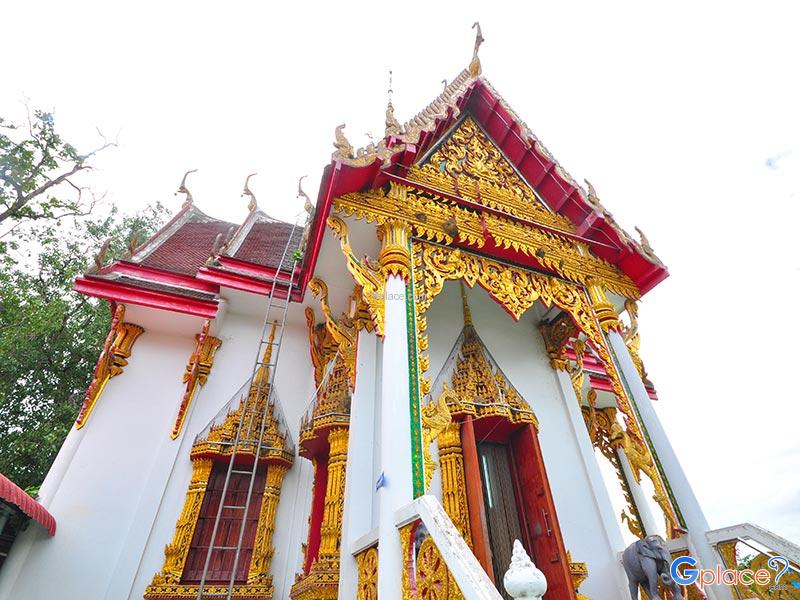
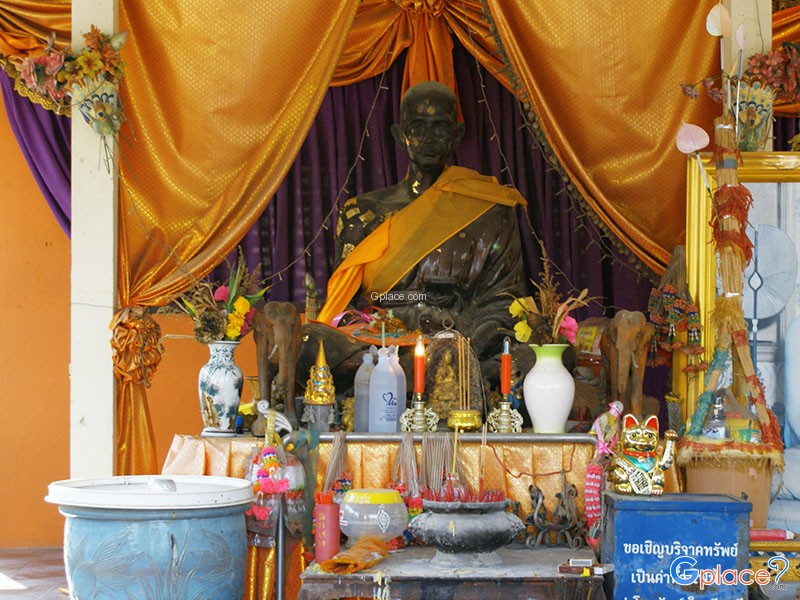
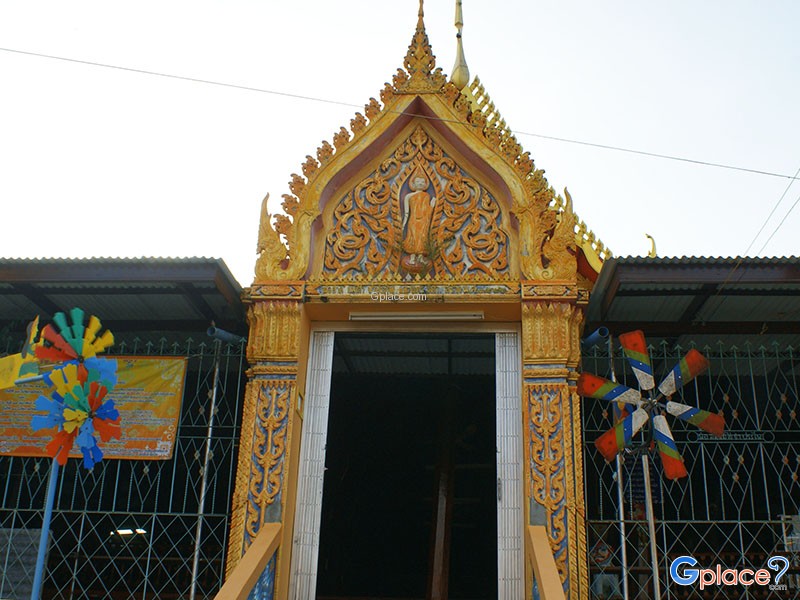
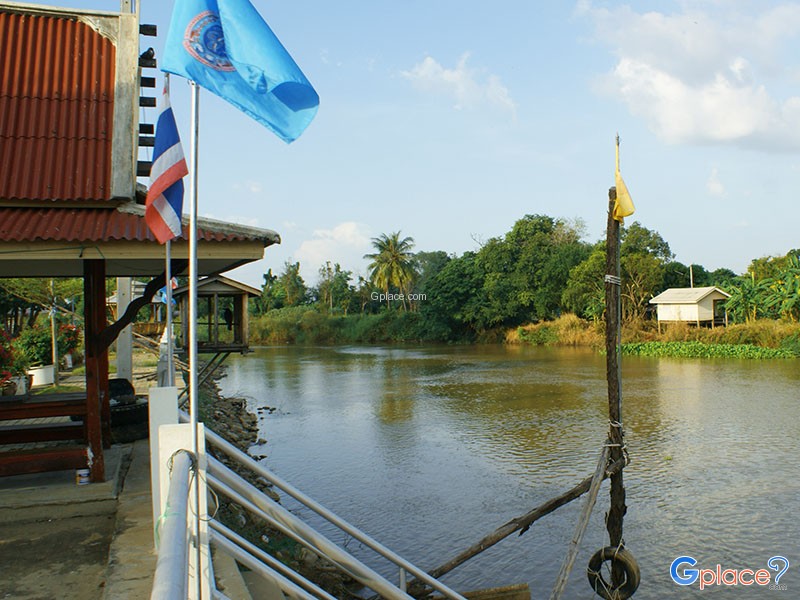
Pla Khoi Temple is a well-known natural and cultural attraction in Ang Thong Province, located along the Noi River in front of Wat Khoi in Pa Mok District. The site is especially notable for being a natural habitat where a large number of freshwater fish gather densely, creating a remarkable and increasingly rare sight today.
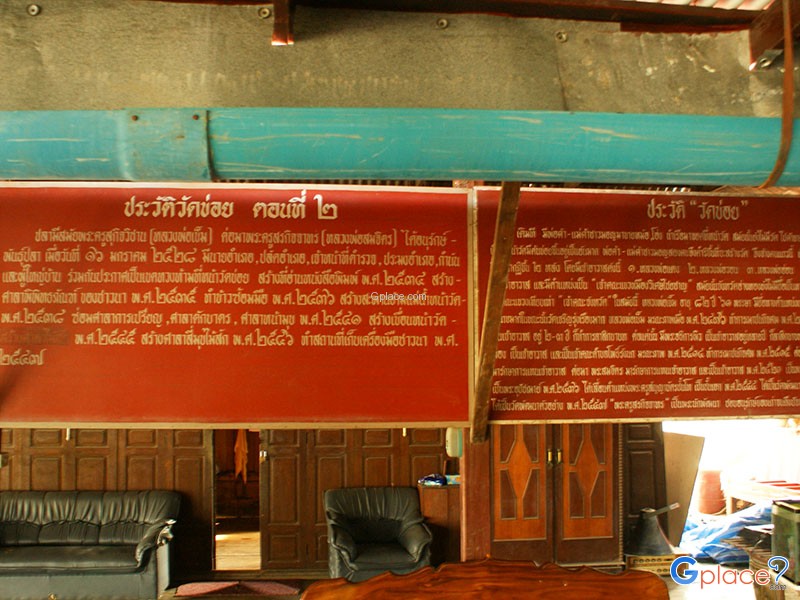
The origins of the Pla Khoi Temple Fish Sanctuary date back more than 50 years, during the time of Luang Pho Khem (Phra Khru Sukit Wichan), who served as the abbot of Pla Khoi Temple. Recognizing the value of the natural resources in the Noi River, he initiated a ban on fishing in the area in front of the temple to protect aquatic life and promote compassion toward all living beings. In 1985, the area was officially designated as a fish conservation zone, allowing the ecosystem to recover and the fish population to steadily increase to the present day.
Within the sanctuary, visitors can observe a wide variety of freshwater fish species, including striped catfish, giant river catfish, silver barb, and giant gourami. Many of these fish are large and have become very accustomed to people, allowing visitors to feed them at close range. This activity provides an enjoyable and memorable experience, especially for families and children.
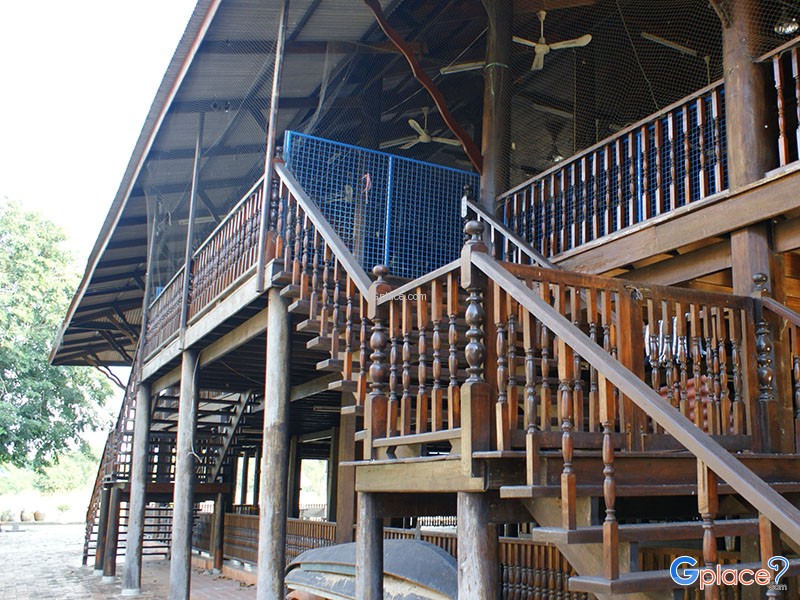
Beyond the fish sanctuary, Pla Khoi Temple also serves as a center for learning about local history and traditional riverside lifestyles. The temple houses a folk museum that displays various types of traditional boats, such as rowing boats, paddle boats, and sampans, as well as agricultural tools once used by farmers, including ox carts, plows, and fishing equipment. These exhibits clearly reflect the traditional way of life of people in Thailand’s central region.
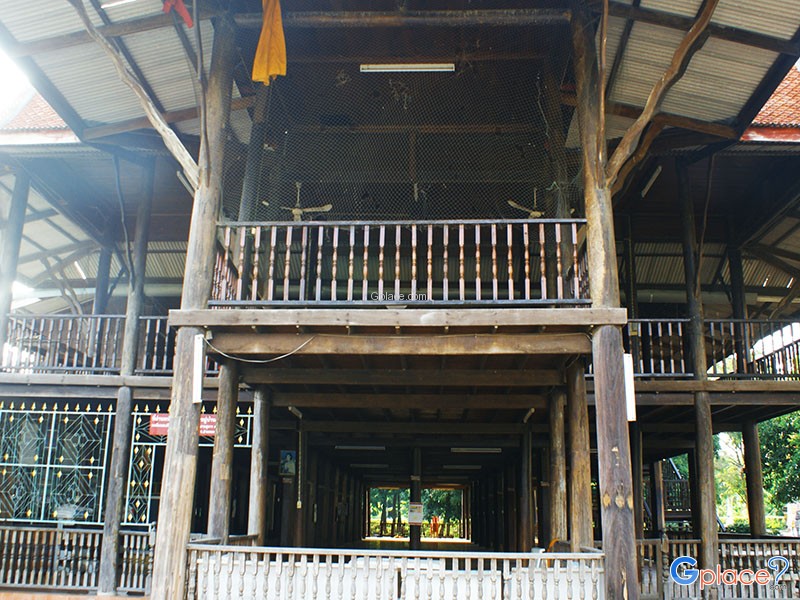
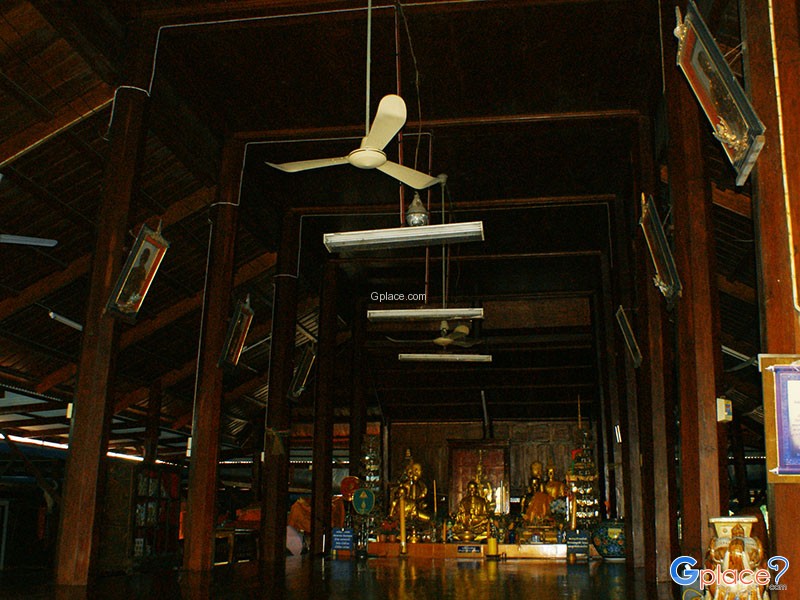
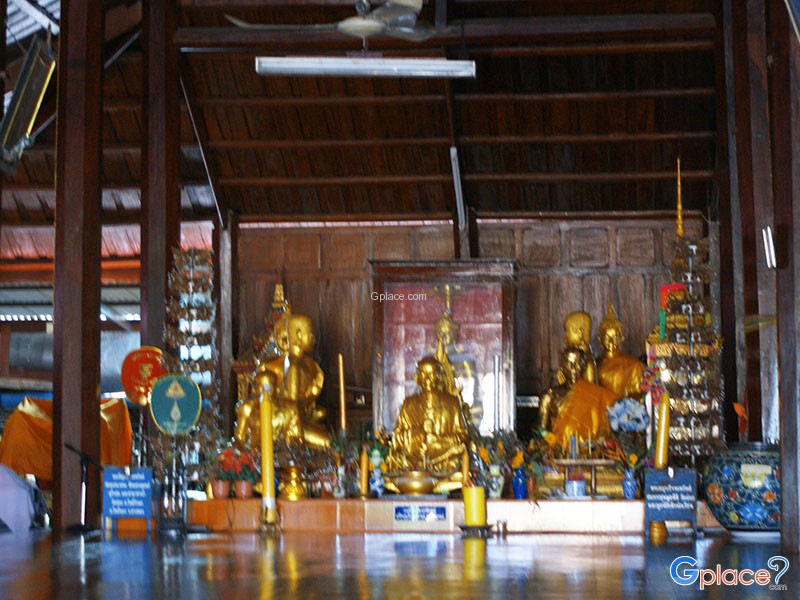
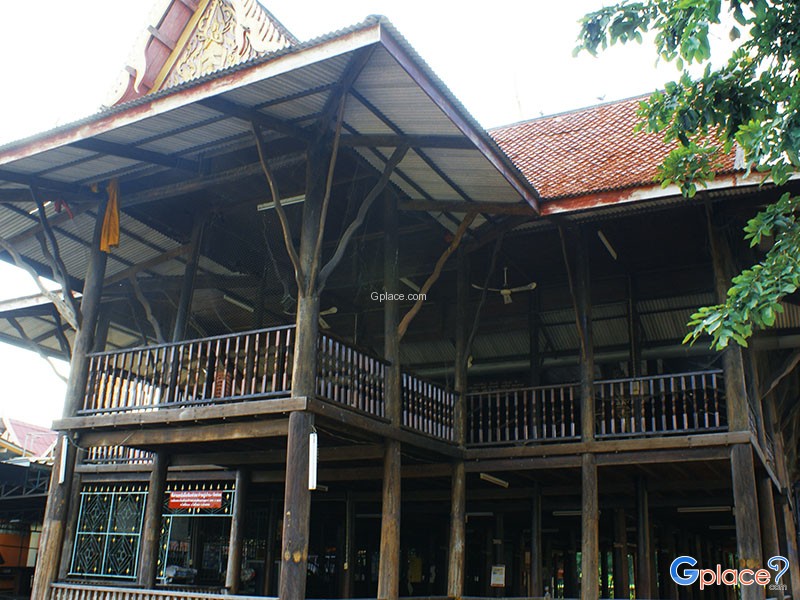
The temple grounds also feature a collection of rare historical artifacts, such as antique oil lamps from Washington, vintage clocks from Paris, and a teakwood Tripitaka cabinet from the reign of King Rama V imported from China. These objects illustrate the prosperity of the area and its historical connections with foreign countries. Additionally, the temple has a traditional Thai teakwood sermon hall with octagonal pillars, offering an atmosphere of elegance and tranquility that is ideal for relaxation and meditation.
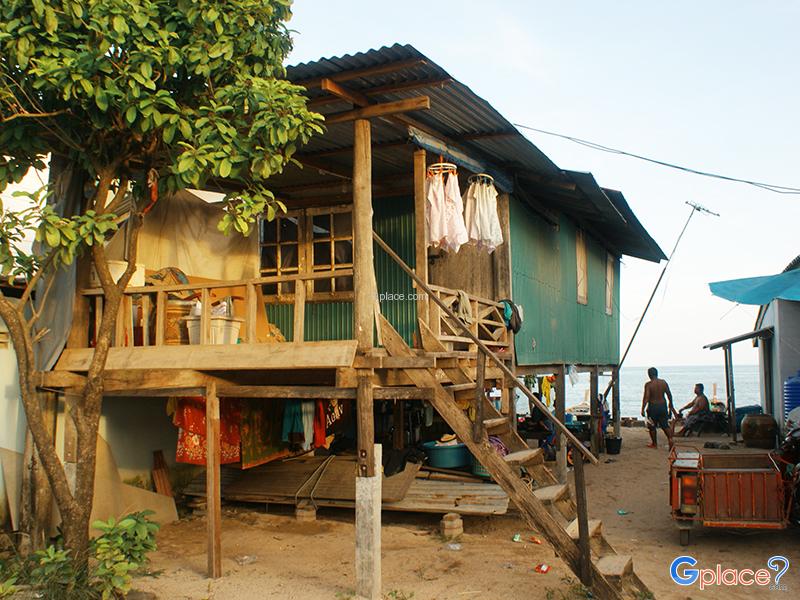
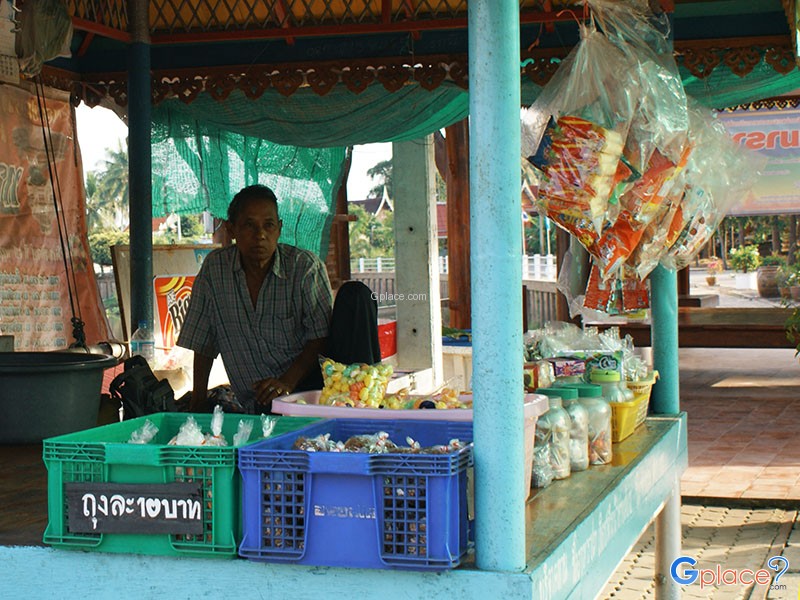
The surrounding area of Pla Khoi Temple is lush, welcoming, and retains the charm of a riverside community. Visitors can purchase fish food, snacks, and beverages from local vendors within the temple grounds. As a result, Pla Khoi Temple is an ideal destination for relaxation, merit-making, nature appreciation, and family activities during weekends or holidays.
How to Get There
By Private Car:
- From Ang Thong city center, take the Ang Thong-Wiset Chai Chan route (Highway 3195) for about 12 km. At km 27-28, look for the sign for "Wang Pla Wat Khoi." Turn right and follow the irrigation canal road for another 2.3 km to reach the temple.
Travel Tips
-
Visiting in the morning or late afternoon is recommended for cooler weather while feeding fish.
-
History enthusiasts should spend extra time in the folk museum to see the extensive collection of rare ancient boats.
-
Please dress modestly to respect the religious site.
Admission Fee
-
Free
Opening Hours
-
Open daily from 08:00 – 16:00.
Pla Khoi Temple

 Share
Share
 Pla Wat Khoi Temple, Moo 1, Pho Rang Nok Sub-district, Pho Thong District, Ang Thong 14120
Map
Pla Wat Khoi Temple, Moo 1, Pho Rang Nok Sub-district, Pho Thong District, Ang Thong 14120
Map
 Open now : 8.00 - 16.00
Mon8.00 - 16.00
Tue8.00 - 16.00
Wed8.00 - 16.00
Thu8.00 - 16.00
Fri8.00 - 16.00
Sat8.00 - 16.00
Sun8.00 - 16.00



 4972
4972