 Attractions
  Hotel
Hotel  Restaurant
  Shopping
  Abroad






“Witness the natural wonder of "Lyle's Flying Foxes," a protected species forming the largest colony in Ang Thong, within a sacred and legendary ancient temple setting.”
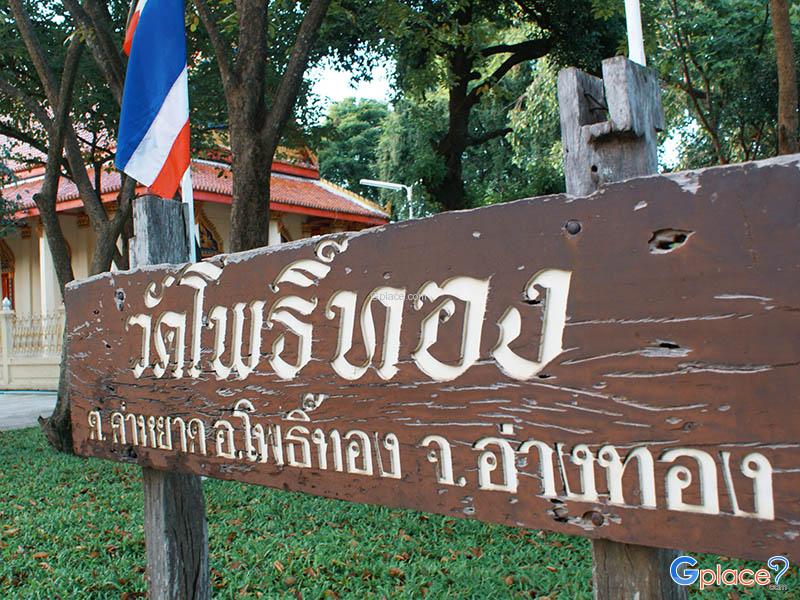
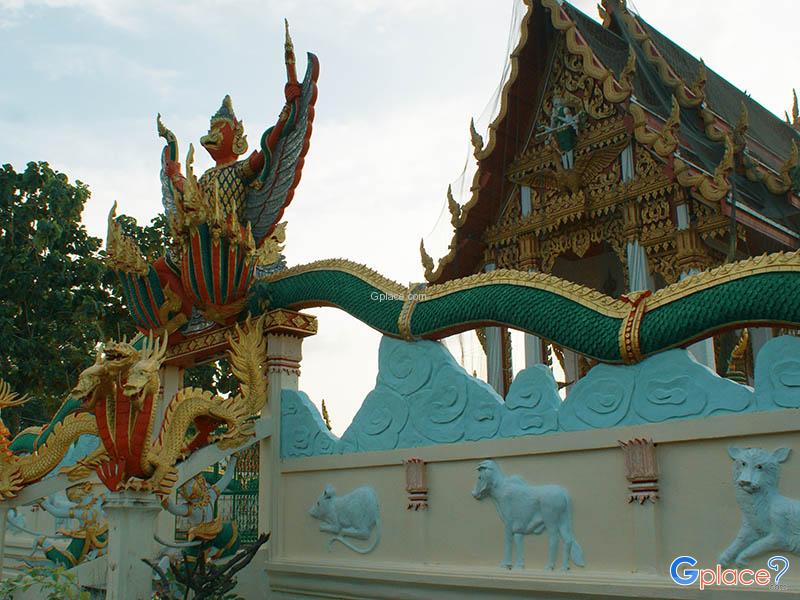
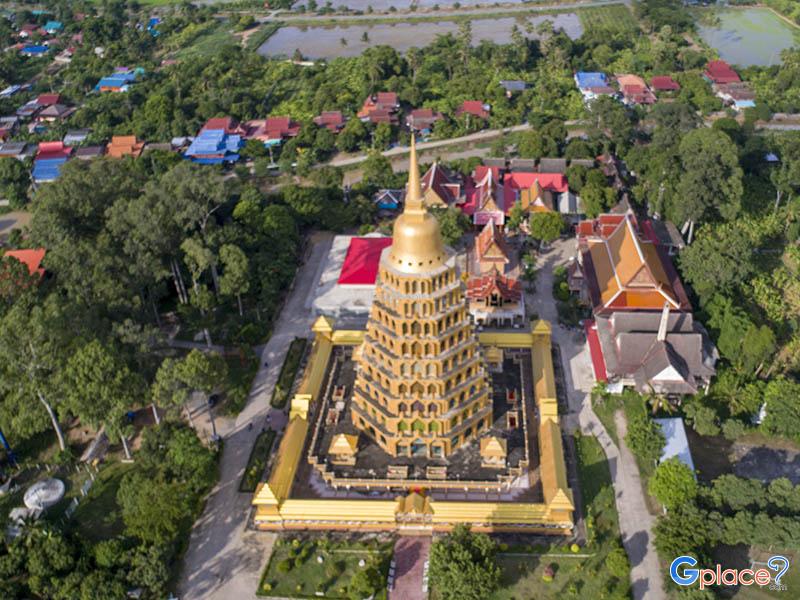
Chantharam Temple, commonly known by local villagers as “Wat Ban Chang,” is an ancient temple of great significance in terms of religion, local history, and natural ecosystems in Ang Thong Province. It is believed that the temple was established during the late Ayutthaya period as a spiritual center for agricultural communities settled in the lowland areas. Beyond its religious role, the temple has long served as a focal point where local beliefs, traditional ways of life, and a close relationship with nature have been deeply intertwined.
The most distinctive feature that makes Chantharam Temple widely known is its role as a major habitat for tens of thousands of flying foxes (fruit bats). These bats have migrated to and bred within the temple grounds for over a hundred years, roosting in the large trees throughout the area. Flying foxes are protected wildlife species that play a vital role in the ecosystem by pollinating plants and dispersing seeds. As a result, Chantharam Temple has become an ecologically valuable site and an important natural learning center that is increasingly rare today.
The flying foxes found at the temple are notable for their large bodies, wide wingspans, and dark fur interspersed with golden-brown tones. During the daytime, they hang upside down on tree branches, forming dense dark clusters that cover much of the temple grounds in a truly remarkable sight. This phenomenon not only fascinates visitors but also reflects the richness and vitality of the green environment that the temple and local community have carefully preserved over generations.
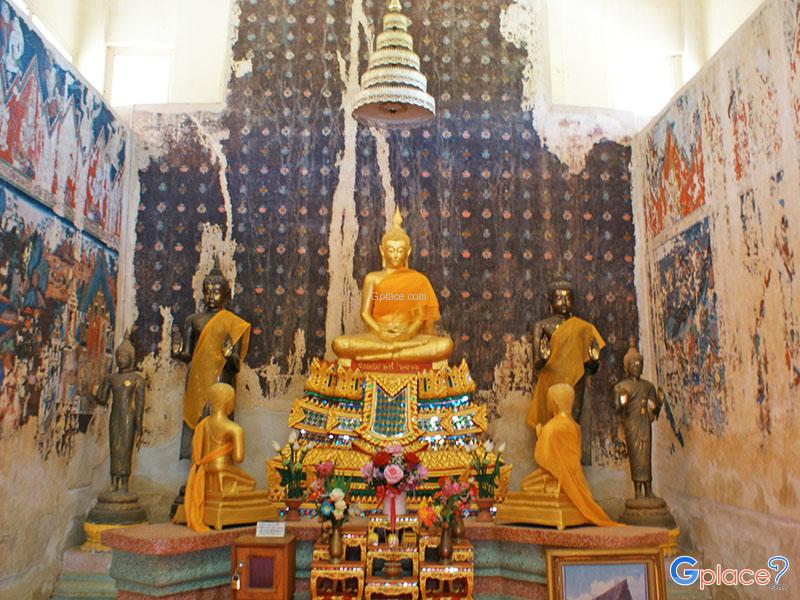
In addition to its natural importance, Chantharam Temple holds strong religious value. Enshrined inside the ordination hall is “Luang Pho Phet,” a seated Buddha image in meditation posture crafted in the early Ayutthaya artistic style. Revered as a sacred image by the local community, Luang Pho Phet is believed to protect both the temple and the flying foxes. Local legends warn that anyone who intends to harm the bats may encounter misfortune, reinforcing a deep connection between spiritual beliefs and wildlife conservation.
The surrounding atmosphere of the temple is peaceful and shaded by a wide variety of large, mature trees, creating a cool and tranquil environment throughout the day. Visitors can observe the daily life of the flying foxes up close within designated areas prepared by the temple. Informational guidance encourages respectful behavior and minimal disturbance, reflecting a balanced coexistence between religious space, human visitors, and nature.
In the late afternoon before sunset, tens of thousands of flying foxes take flight simultaneously as they leave the temple to forage for food. This powerful and awe-inspiring spectacle is especially appealing to photographers, videographers, and nature enthusiasts. The event also supports eco-tourism and provides sustainable economic benefits to the surrounding community without harming the natural environment.
Visiting Chantharam Temple is therefore more than a sightseeing experience; it is an opportunity to learn about the profound relationship between religious faith, community life, and wildlife conservation. The temple stands as a symbol of compassion and harmonious coexistence, making it a meaningful destination that beautifully reflects the cultural and natural identity of Ang Thong Province.
How to Get There
By Private Car:
- From Pho Thong District Office, head west on the Pho Thong-Sawaeng Ha route (Highway 3064) for about 1 km, then turn left onto Highway 3454 for another 3 km to reach the temple.
By Public Transport:
- Take a van from Bangkok to Pho Thong and use a local motorcycle taxi or public transport to reach Wat Chantharam (Ban Phra).
Travel Tips
-
From November to February, the weather is particularly good, perfect for walking around the temple without it being too hot.
-
Wear comfortable shoes and modest clothing. Be mindful of falling bat droppings (guano) in certain areas under the trees.
-
It is recommended to arrive around 17:00 - 18:00 to see the moment the colony flies out to forage together, which is the most beautiful sight.
-
Please visit quietly and avoid making loud noises or doing anything that disturbs the bats' sleep during the day.
Admission Fee
-
Local visitors: Adult Free, Child Free
-
Foreign visitors: Adult Free, Child Free
Opening Hours
-
Open daily from 08:00 – 18:00 (Stay until evening to see the bats fly out).
Chantharam Temple

 Share
Share
 Chantharam Temple (Ban Phra), Moo 5, Khok Phutsa, Pho Thong, Ang Thong, Thailand
Map
Chantharam Temple (Ban Phra), Moo 5, Khok Phutsa, Pho Thong, Ang Thong, Thailand
Map
 Open now : 8.00 - 18.00
Mon8.00 - 18.00
Tue8.00 - 18.00
Wed8.00 - 18.00
Thu8.00 - 18.00
Fri8.00 - 18.00
Sat8.00 - 18.00
Sun8.00 - 18.00

 https://www.thai-tour.com/thai-tour/central/angthong/data/place/wat-juntaram.html

 2492
2492