
 Attractions
  Hotel
Hotel  Restaurant
  Shopping
  Abroad





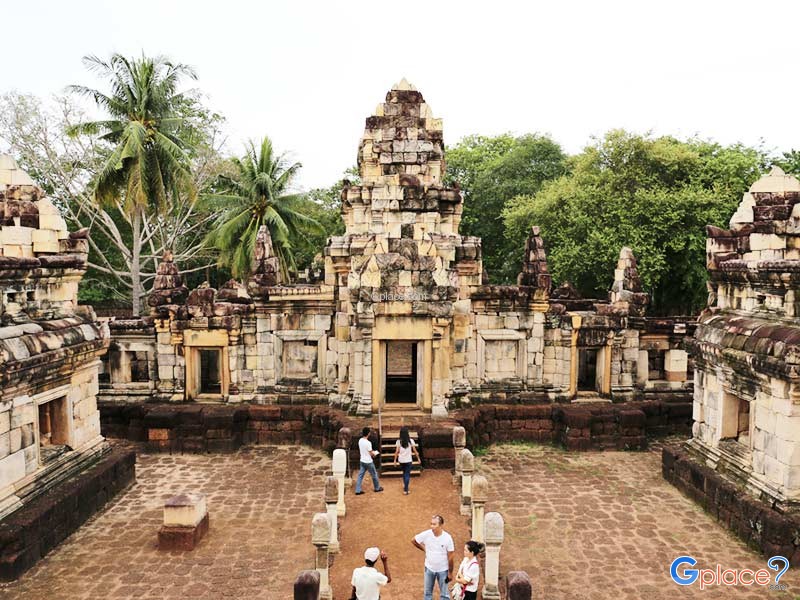


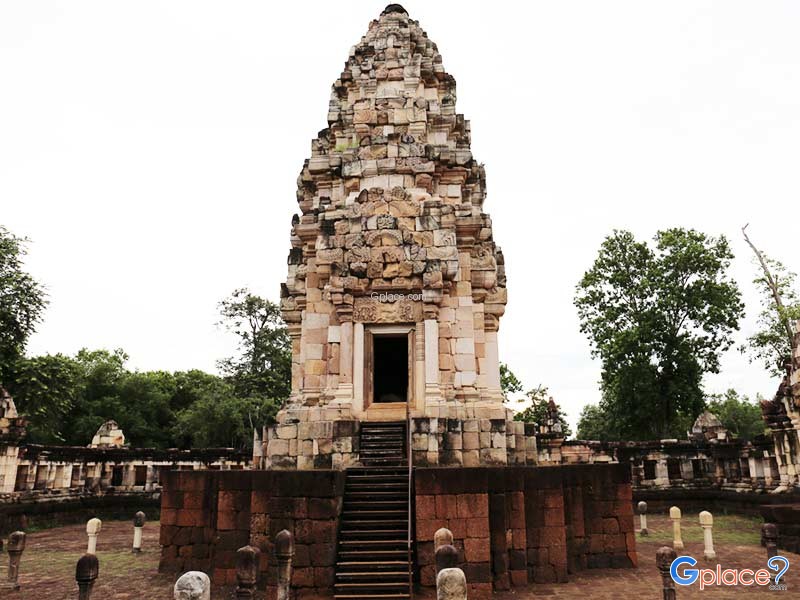
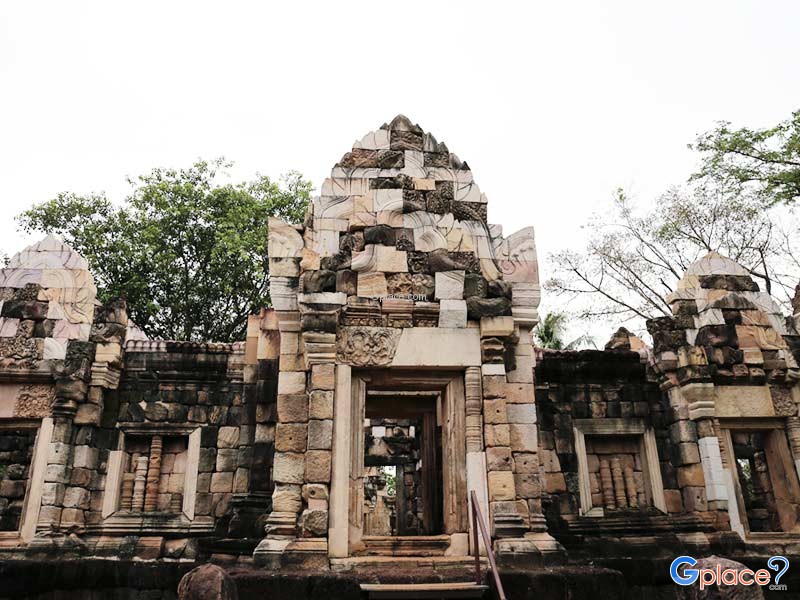
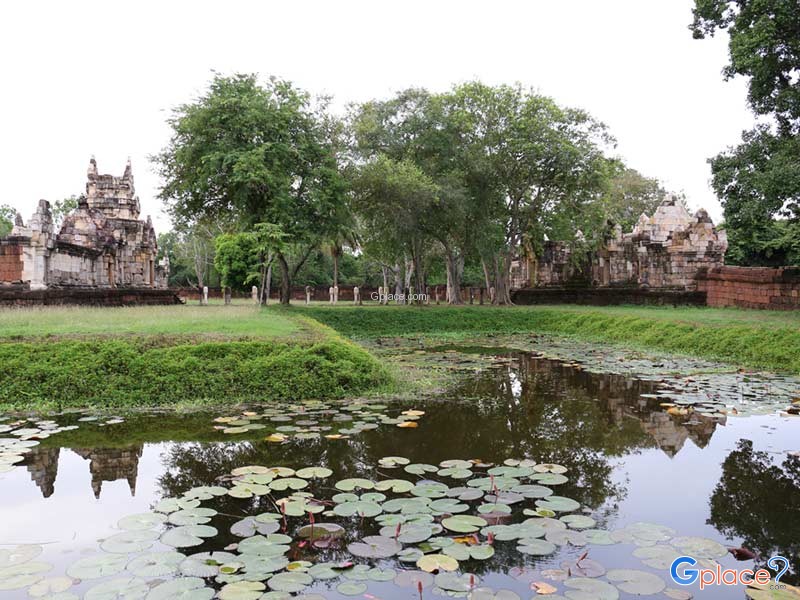
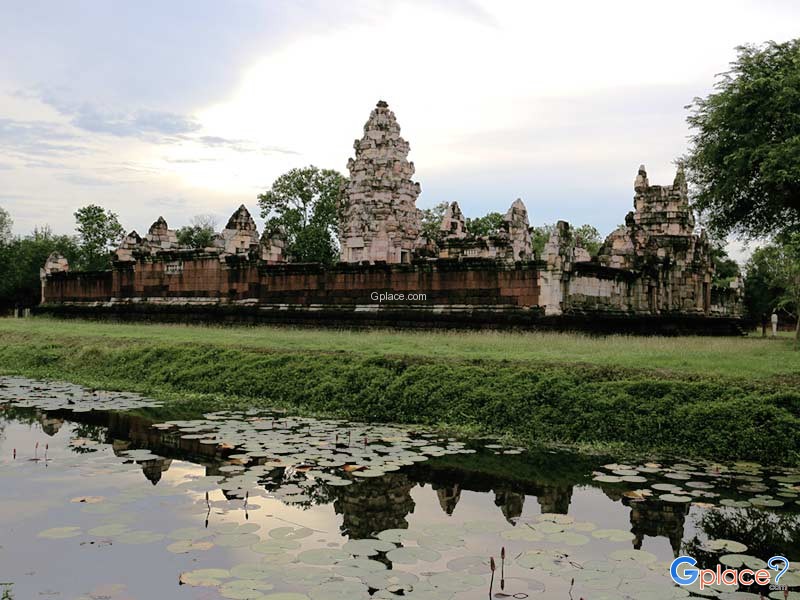
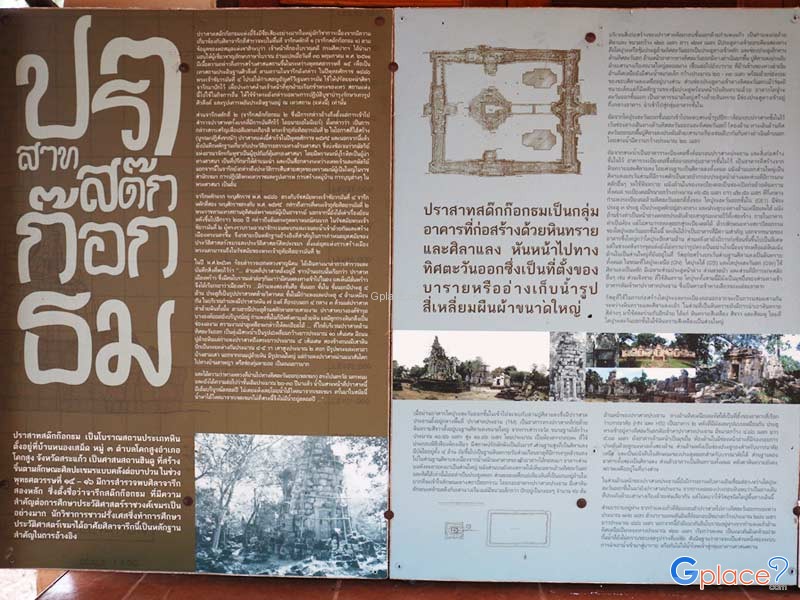
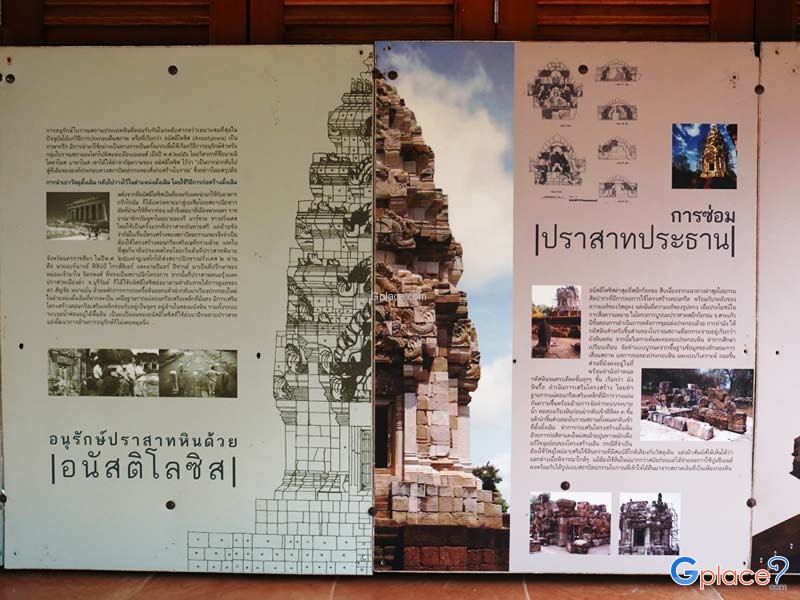
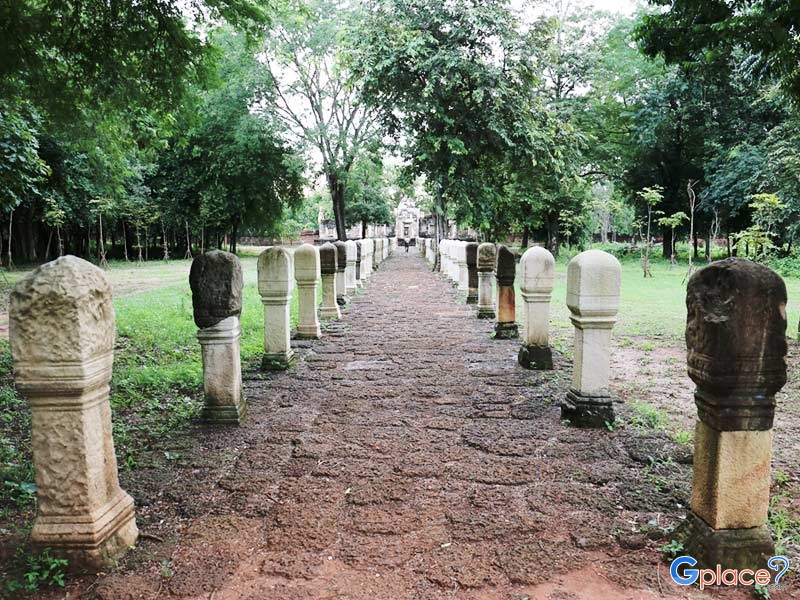
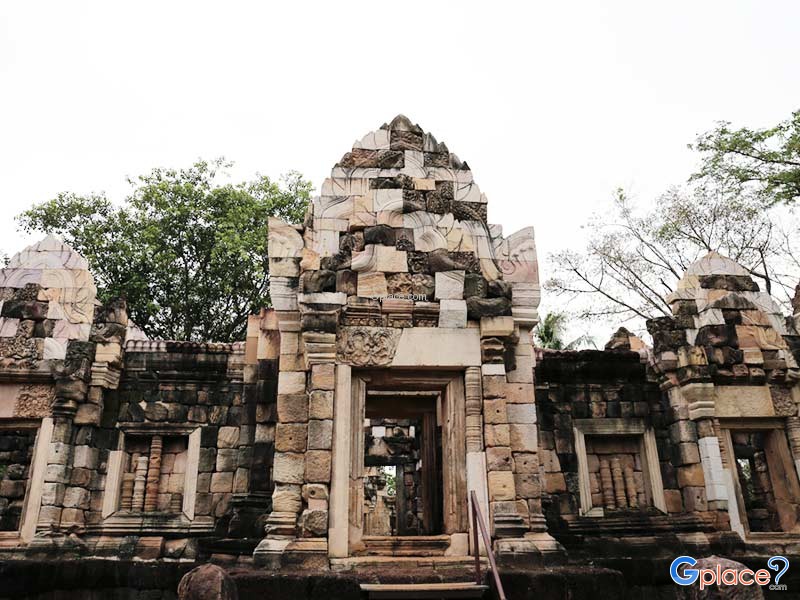
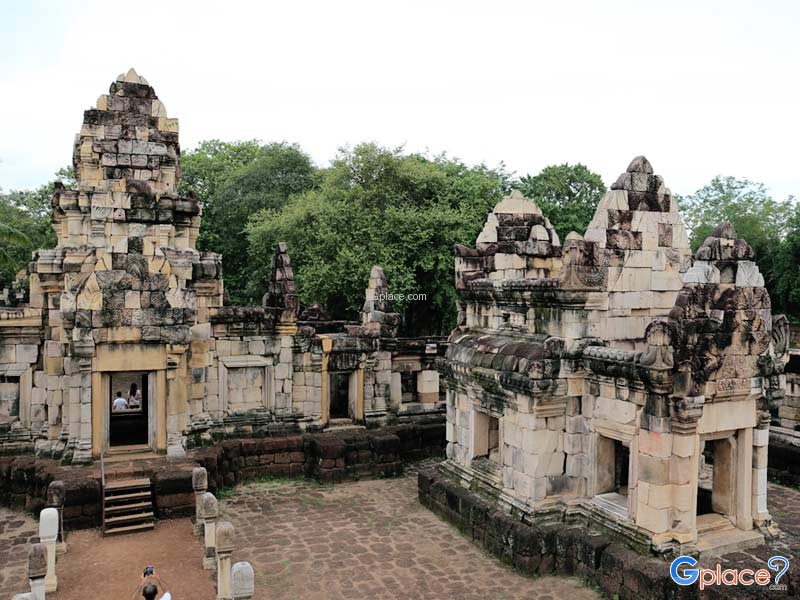
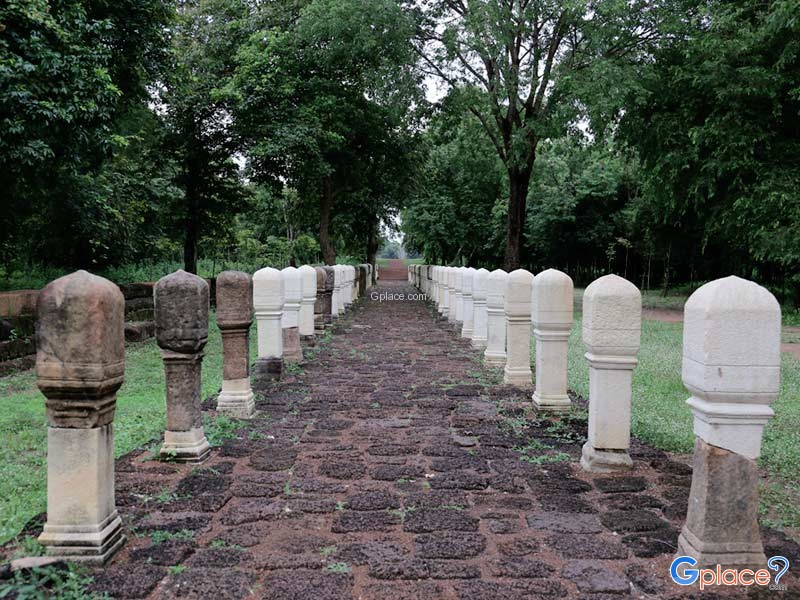
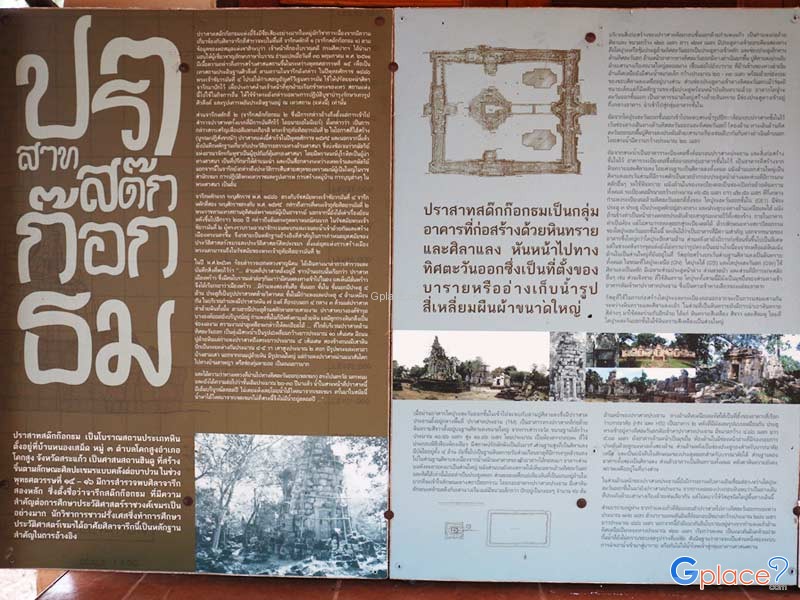
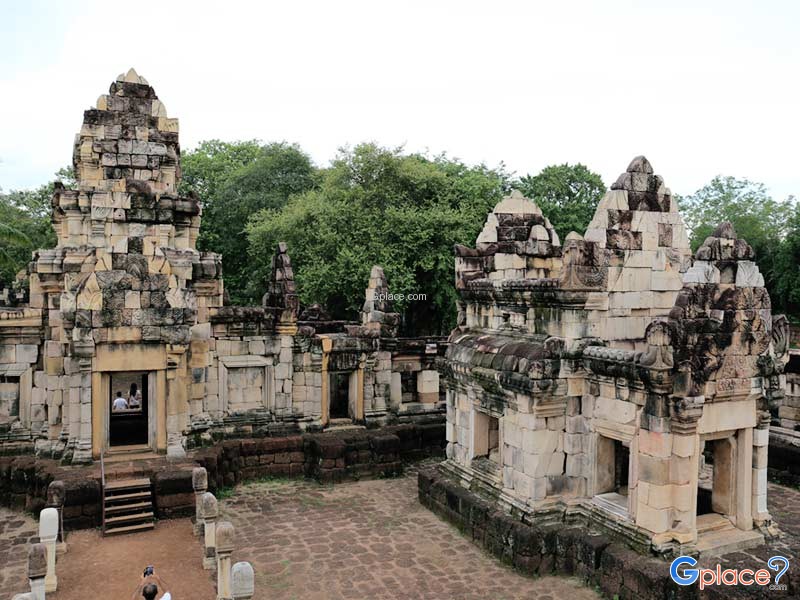
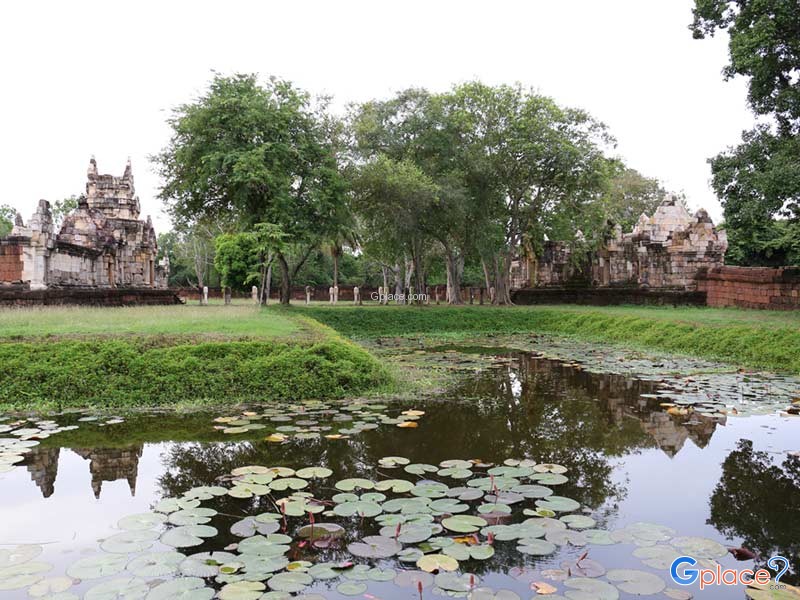
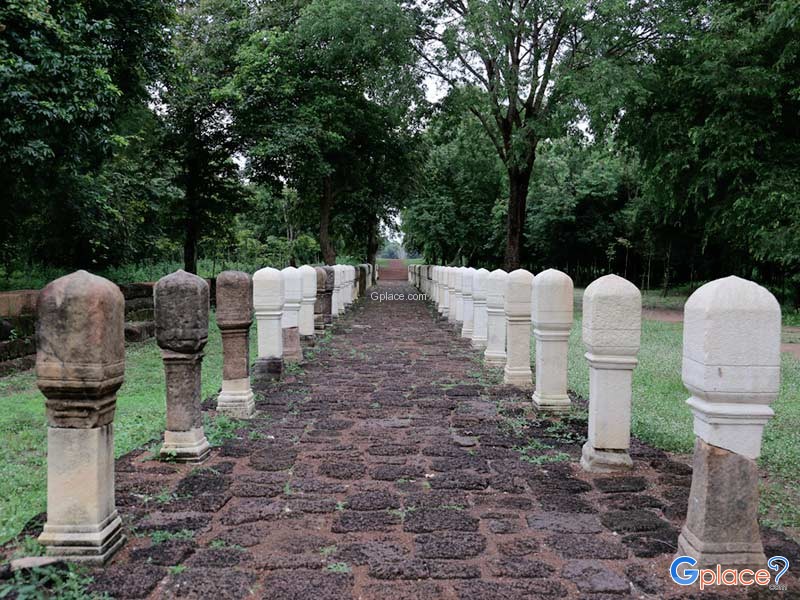
“Marvel at the massive sandstone castle built according to Hindu cosmological beliefs, the discovery site of the crucial inscription that unlocked the secrets of the Khmer royal lineage.”
Sdok Kok Thom Historical Park is one of the most significant Khmer monuments in Thailand and an important archaeological site where highly valuable inscriptions were discovered. During an exploration conducted by Luang Chan Nikhom, a major inscription known as Sdok Kok Thom Inscription No. 2 was found. This large stone inscription takes the form of a square pillar with inscriptions carved on all four sides, written in ancient Khmer script using both Sanskrit and Old Khmer languages.
Luang Chan Nikhom made a copy of the inscription and recorded details of its discovery. He noted that the ancient script was copied from a stone pillar located in front of Prasat Sdok Kok Thom, near what was then the French-controlled border. The stone pillar stood on the northern side of the sanctuary and had a square form, measuring approximately one cubit in width_, about 18 inches in thickness, rising about three cubits above the ground, and embedded to a similar depth below the surface. At the time of discovery, the pillar was found leaning.
Further records indicate that about twenty years prior to the exploration, the French had attempted to excavate and remove the stone pillar using laborers and elephants, but were unsuccessful. As a result, the pillar remained in place until it was later documented by Luang Chan Nikhom. Recognizing its importance, he attempted to copy the inscription onto foolscap paper in December 1920. However, at that time, the full meaning of the inscription could not yet be interpreted, even with the assistance of those knowledgeable in ancient Khmer.
Sdok Kok Thom Inscription No. 2 was created in 1595 CE and contains inscriptions on all four sides. Side one consists of 60 lines, side two has 77 lines, side three contains 84 lines, and side four includes 119 lines. The primary purpose of the inscription was to glorify King Udayadityavarman II on the occasion of the completion of Prasat Sdok Kok Thom.
Beyond royal praise, the inscription serves as a crucial historical source on religious civilization in the ancient Khmer kingdom. It reveals the close relationship between kingship and religion, in which the king acted as the patron and protector of religious practices, while Brahmin priests served as ritual leaders, religious advisors, and intermediaries between the gods and the king.
The inscription also records the genealogical lineage of the Brahmin family responsible for presiding over the Devaraja ritual. Succession was required to remain within the same lineage, with particular emphasis on matrilineal descent. The earliest Brahmin lineage mentioned is Shivakaivalya, during the reign of King Jayavarman II, when the Devaraja ritual was first established in the ancient Khmer kingdom.
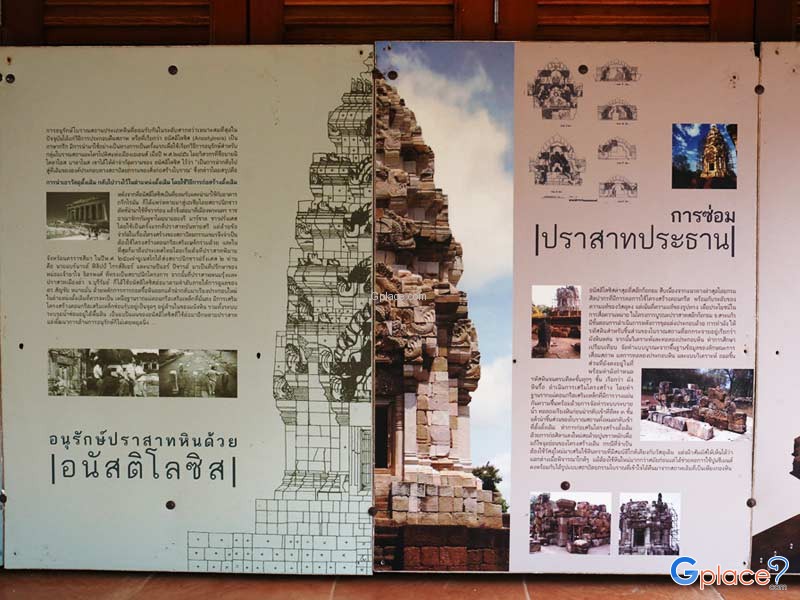
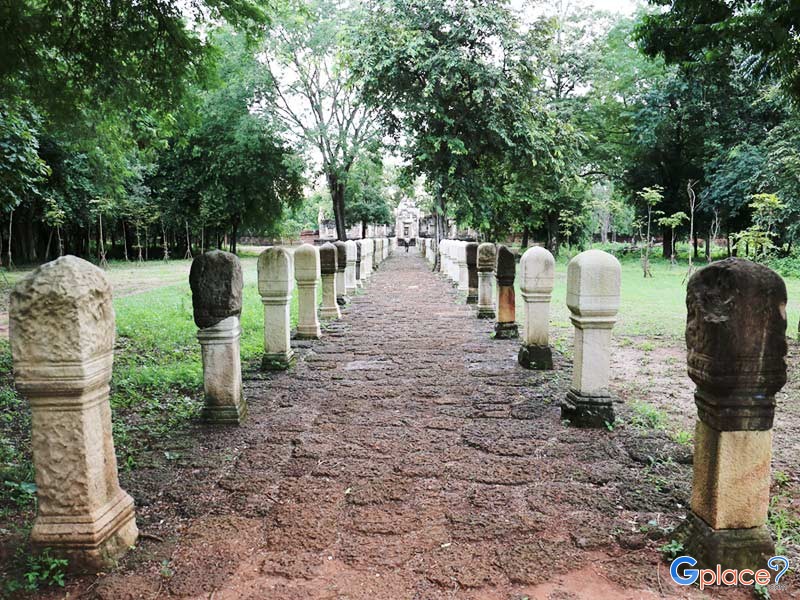
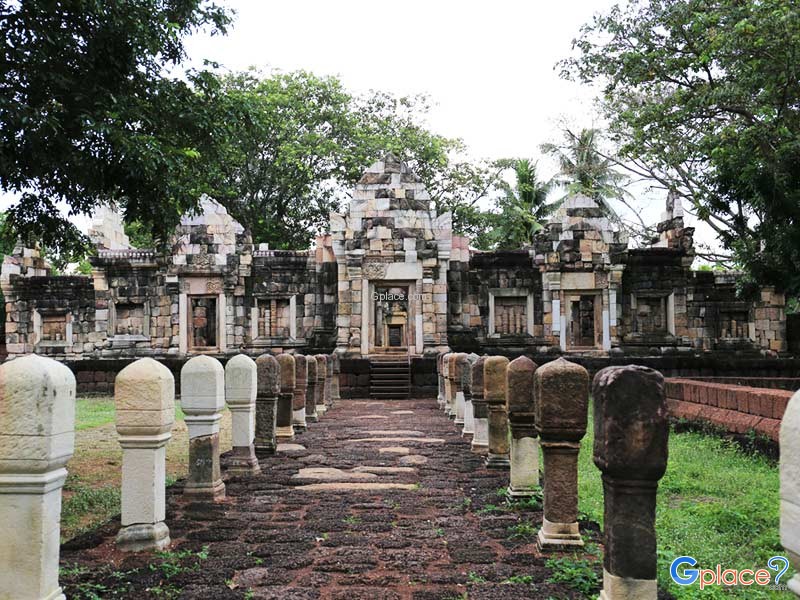
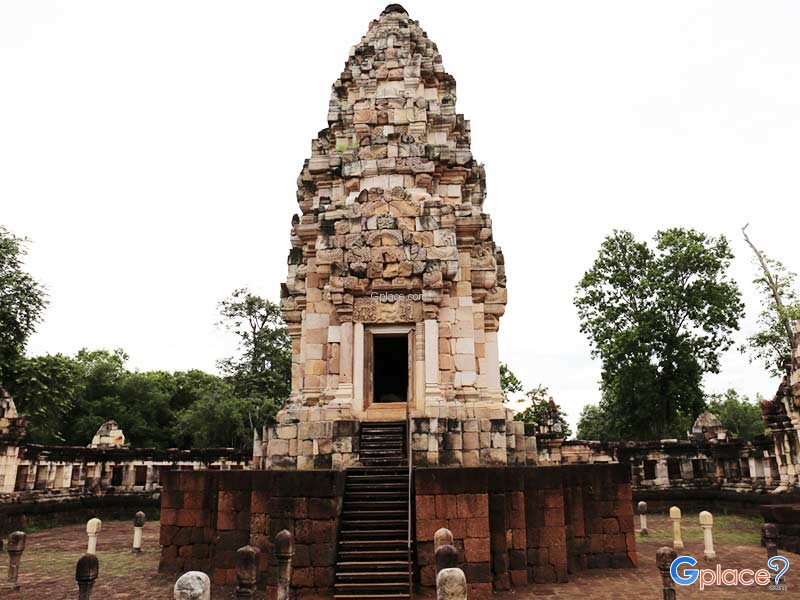
Architecturally, Prasat Sdok Kok Thom consists of three brick sanctuaries enclosed by two layers of laterite walls and surrounded by a moat. Remains of gopuras, or entrance gateways, are still visible. On the eastern and western sides are galleries, along with two libraries. The central sanctuary serves as the main tower and is believed to date to the 15th Buddhist century, constructed to house sacred images and to serve as a venue for Hindu religious rituals.
Both Sdok Kok Thom inscriptions have been transferred for preservation and study at the National Library of the Fine Arts Department of Thailand.
The sanctuary to the right of the main tower is particularly notable for its pediment, which is carved with an image of a Bodhisattva seated above a Kirtimukha motif, while the roof edges are decorated with Naga motifs. The front entrance gateway is remarkably large, nearly comparable in size to the entrance gateway of Phimai Stone Sanctuary in Nakhon Ratchasima Province. The left sanctuary and the main tower are largely in ruins, and to the east outside the outer wall lies a large reservoir measuring approximately 200 meters wide and 300 meters long, reflecting the cosmological planning principles of ancient Khmer religious architecture.
How to Get There
Private Car:
- From Sa Kaeo city, take Highway 33 toward Aranyaprathet, then turn left onto Highway 348 and 3389 following the signs for the Historical Park.
Public Transport:
- Take a bus to Aranyaprathet District and hire a local vehicle or tuk-tuk to reach the castle site.
Travel Tips
Season:
- November to February offers the best weather, as it is cooler and more comfortable for outdoor exploration.
Equipment:
- Bring an umbrella, hat, and sunglasses since most of the area is open with limited shade.
Photography:
- Morning light (08:30 - 10:00) is ideal for capturing the clear details of the sandstone carvings.
Culture:
- As it is a former religious site, please remain respectful and avoid climbing on the ruins or loose stones.
Planning:
- Allocate at least 1-2 hours to explore the grounds and visit the exhibition inside the Visitor Center.
Admission Fee
-
Thai Visitors: Adult 20 THB, Child Free entry
-
Foreign Visitors: Adult 100 THB
Opening Hours
-
Open Daily 08:00 AM – 04:30 PM
Sdok Kok Thom Historical Park

 Share
Share
 Sdok Kok Thom Historical Park, Khok Sung, Khok Sung, Sa Kaeo, Thailand
Map
Sdok Kok Thom Historical Park, Khok Sung, Khok Sung, Sa Kaeo, Thailand
Map
 Closed today
Mon8.00 - 16.30
Tue8.00 - 16.30
Wed8.00 - 16.30
Thu8.00 - 16.30
Fri8.00 - 16.30
Sat8.00 - 16.30
Sun8.00 - 16.30



 4521
4521