 Attractions
  Hotel
Hotel  Restaurant
  Shopping
  Abroad





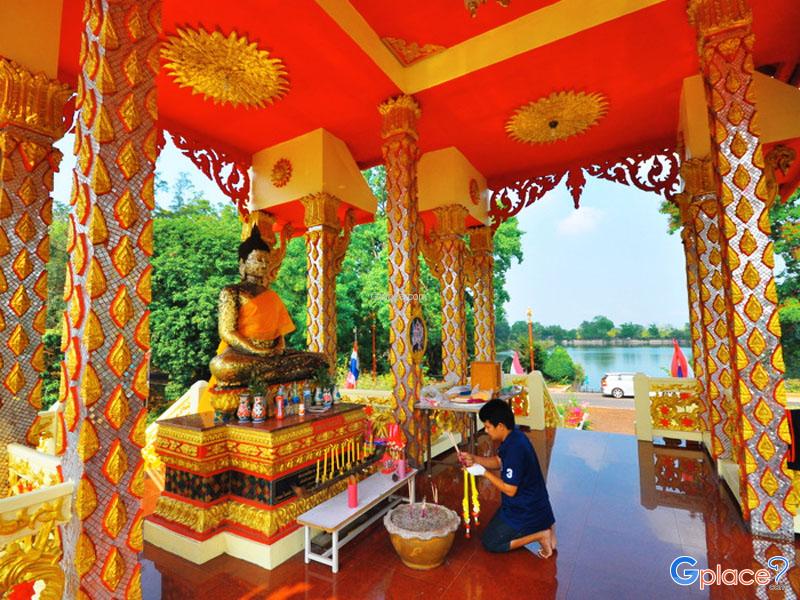

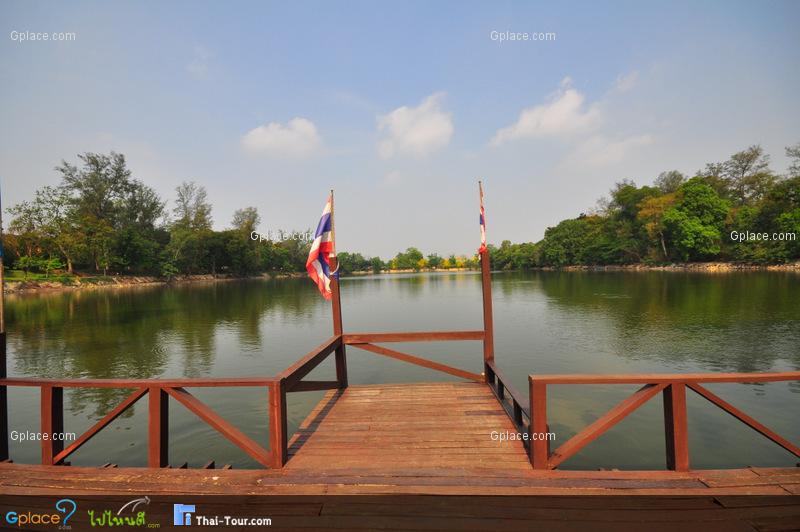
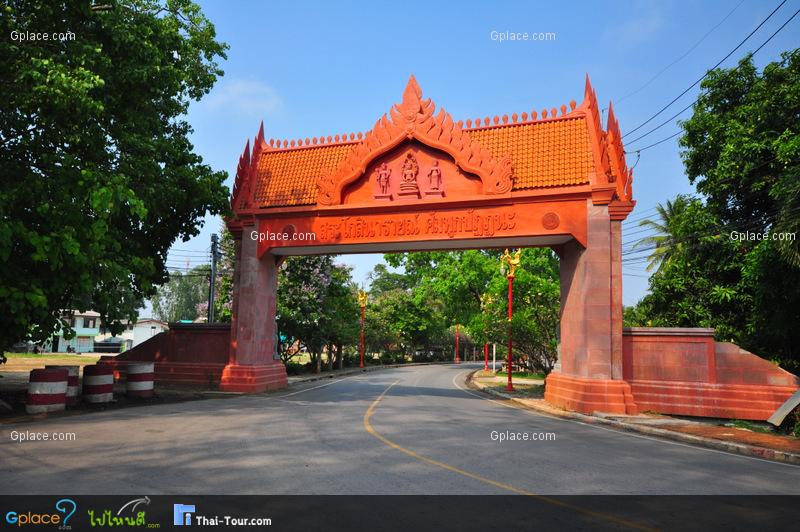

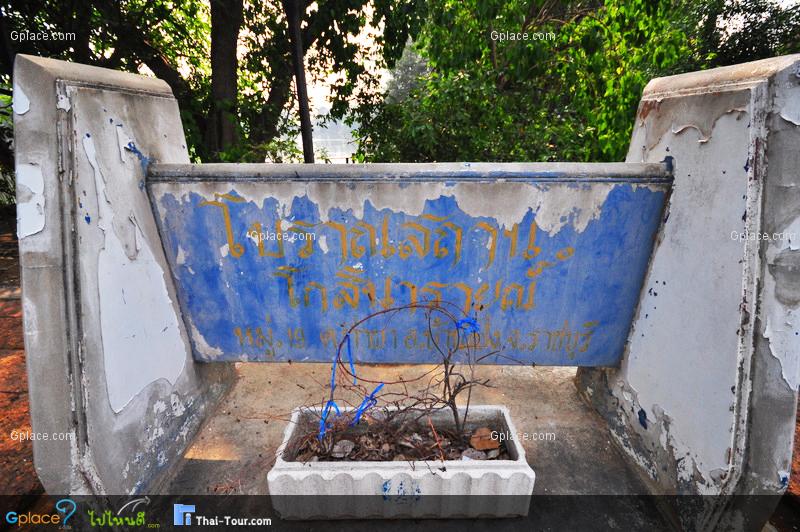
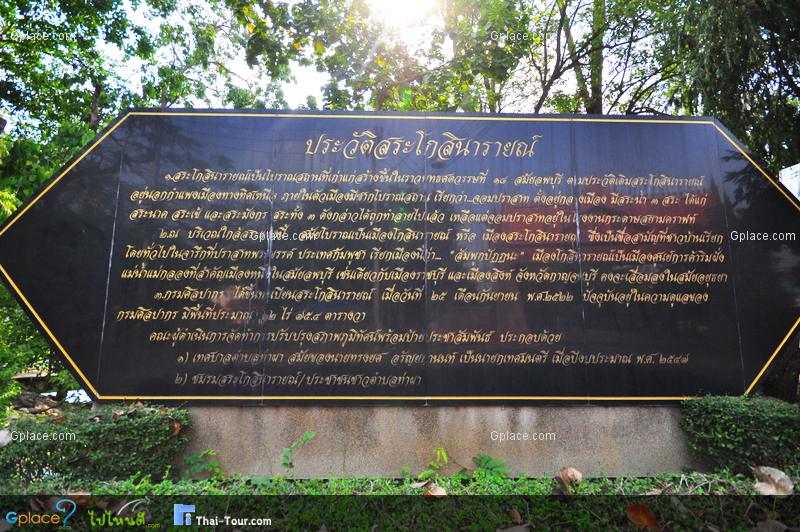
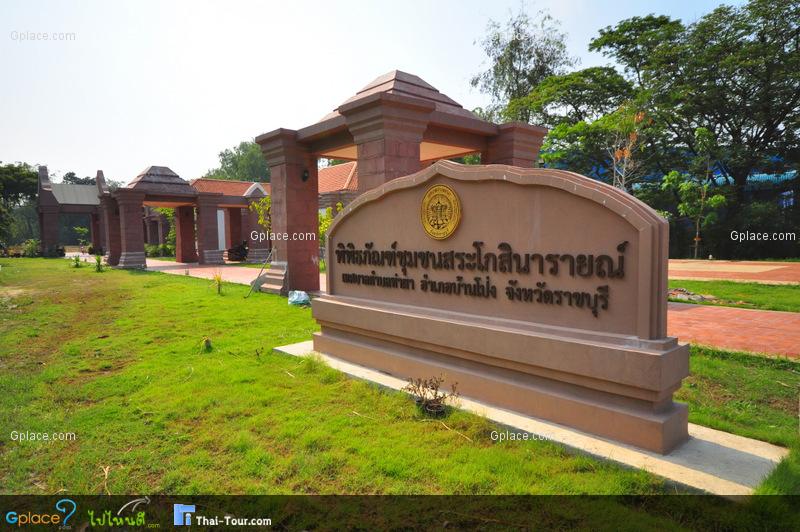
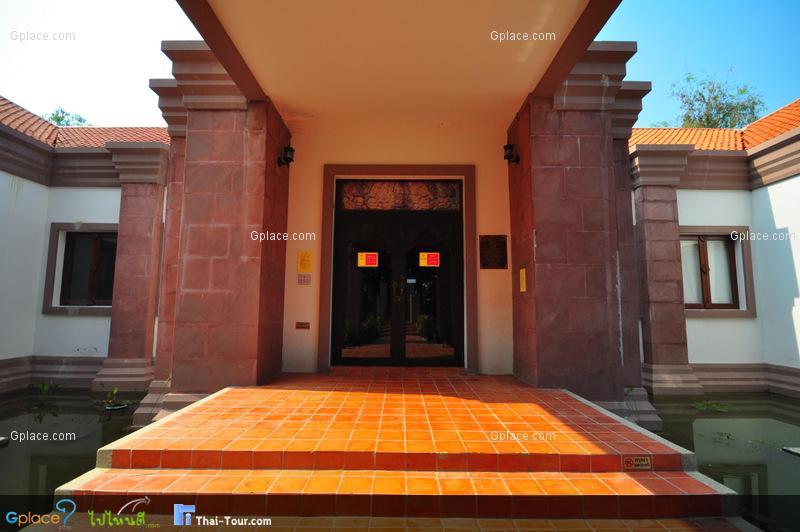
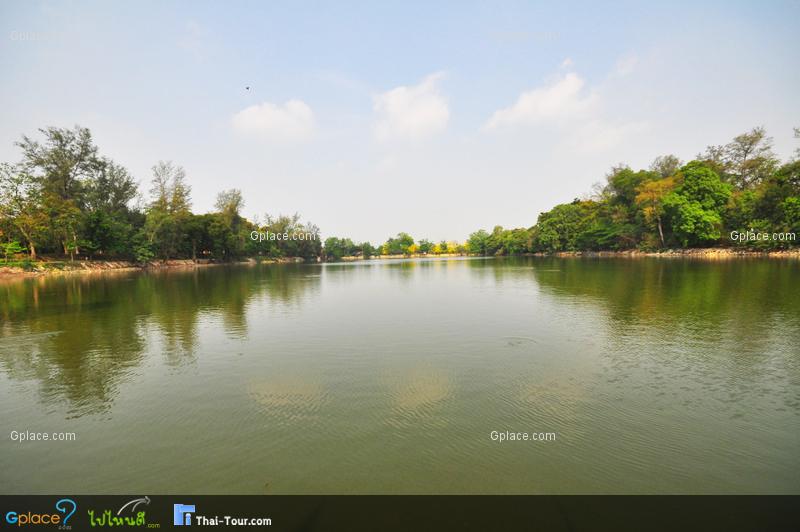
“Sacred ancient Khmer reservoir, shady lakeside public park for relaxation, and a community museum showcasing 3,000 years of rich Mae Klong river basin history.”
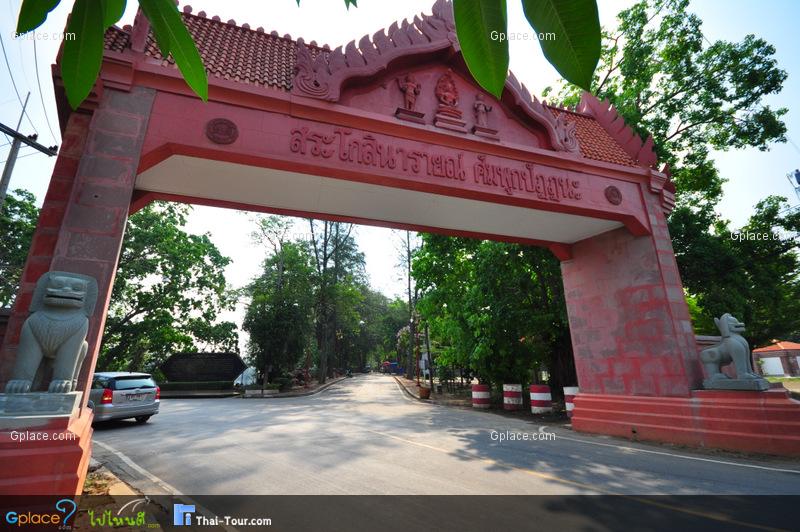
Kosinarai Pond is an important historical site in Ratchaburi Province, clearly reflecting the flourishing of ancient Khmer civilization in the Mae Klong River basin. Located in Tha Pha Subdistrict, Ban Pong District, it is part of the ancient city of Kosinarai, a rectangular-plan ancient city that archaeologists believe was an important community within the Khmer Empire's administrative network during the 18th Buddhist century, corresponding to the reign of King Jayavarman VII, the king who expanded the Khmer empire's influence into what is now western Thailand. This city is believed to correspond to "Śambūkapaṭṭana" or "Śambūkapaṭṭana," a name that appears in the Prasat Preah Khan inscription, one of the important Bayon-era inscriptions mentioning various cities under the authority of the ancient Khmer Empire.
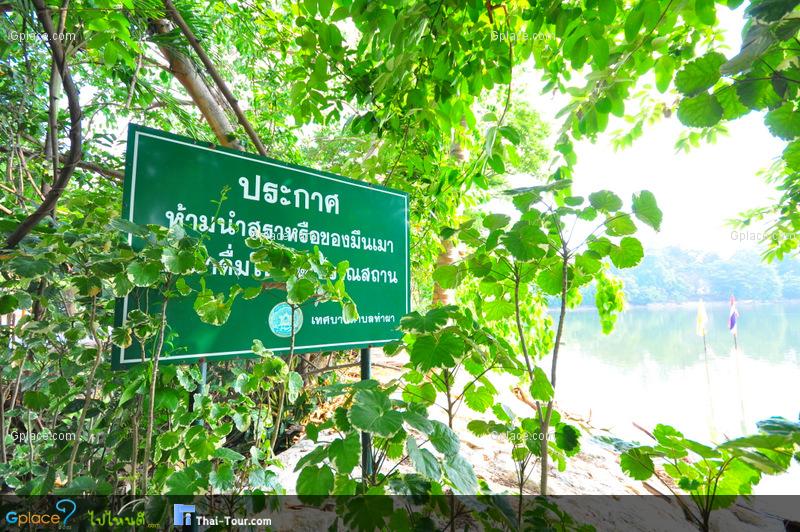
Kosinarai Pond is a large, rectangular ancient reservoir, approximately 200 meters wide and 400 meters long. Many scholars believe that this pond was influenced by the "baray" concept, a water management system of the ancient Khmer civilization that favored constructing large reservoirs near religious sites and urban communities. Serving both domestic and agricultural uses, and as a cosmic symbol according to Hindu and Mahayana Buddhist beliefs, the Kosinarai Pond is more than just an ordinary pool. It deeply reflects the engineering knowledge, water resource management, and religious beliefs of the people of the past. Even after hundreds of years, it remains relatively well-preserved compared to other ancient ponds in the same area that have silted up or disappeared over time.
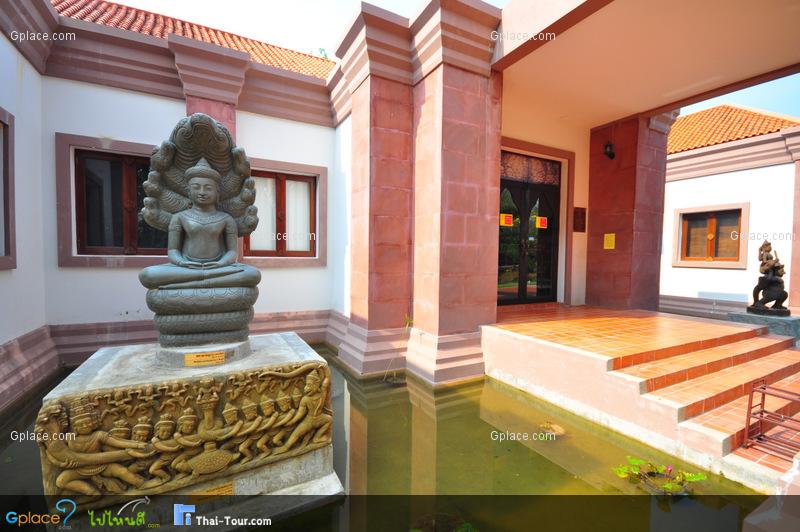
The area surrounding the ancient city of Kosinarai once had several important ponds, such as the Naga Pond, the Crocodile Pond, and the Korn Pond, which may have served to connect to the moat system and water control of the ancient city. Currently, only the Kosinarai Pond remains clearly visible, making this area a central site for archaeological studies in Ban Pong District. Furthermore, numerous artifacts have been discovered in the ancient city area, particularly at the "Chom Prasat Hill," not far from the pond. Excavations in 1966 by the Fine Arts Department discovered a "Radiant Eight-Armed Avalokiteshvara Bodhisattva," a Khmer Bayon-style sculpture carved from sandstone. This is considered one of the most important artifacts in Ratchaburi Province and is significant evidence of the influence of Mahayana Buddhism in the Mae Klong River basin during the ancient Khmer period. The original amulet is currently preserved at the Ratchaburi National Museum. The Sa Kosinarai Community Museum displays a replica, along with systematic historical and archaeological information.
In the past, Sa Kosinarai was not just a community water source, but also a place associated with the beliefs and faith of the local people. Records and oral accounts indicate that around 1964-1965, many people came to collect water from this pond, believing it to be sacred and capable of alleviating illnesses. Although there is no scientific evidence to support this, these stories reflect Sa Kosinarai's long-standing role as a spiritual center for the local community. The belief in the sacred water makes this site unique from other historical sites in Ratchaburi province, as it blends historical, archaeological, and folk cultural values.
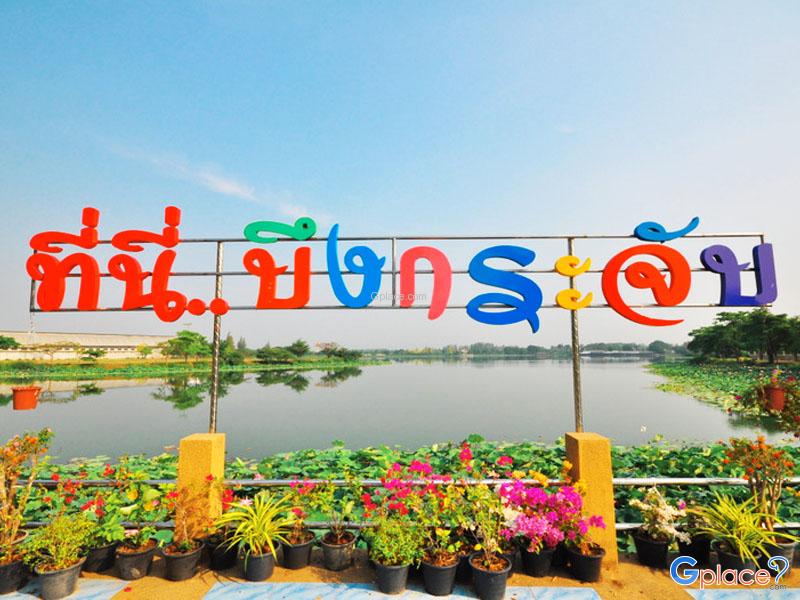
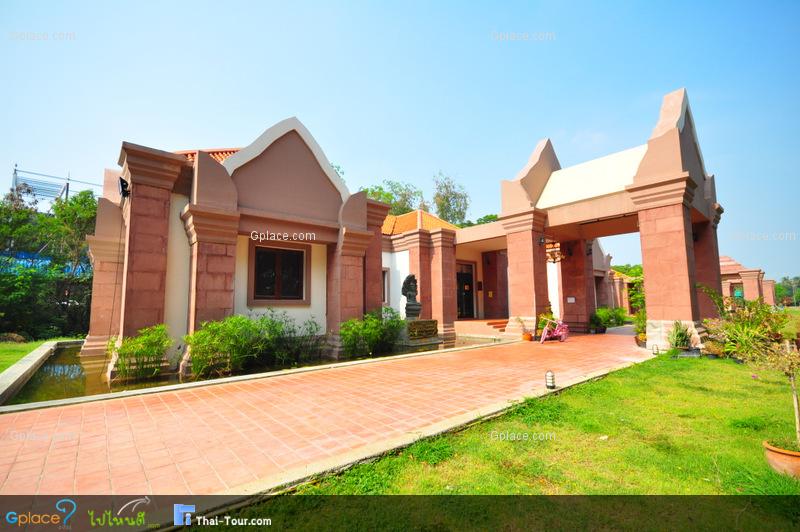
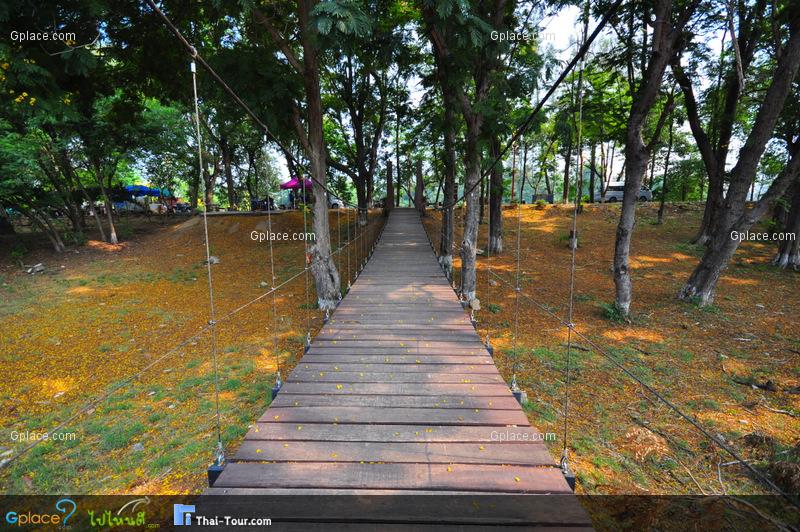
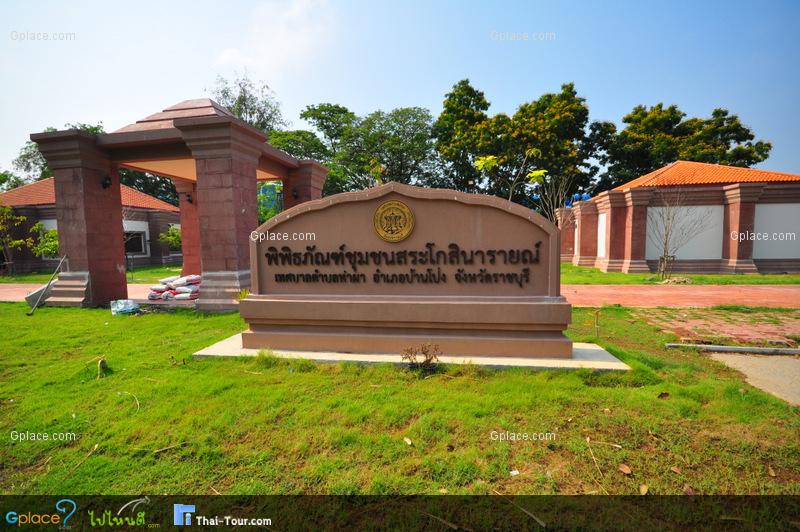
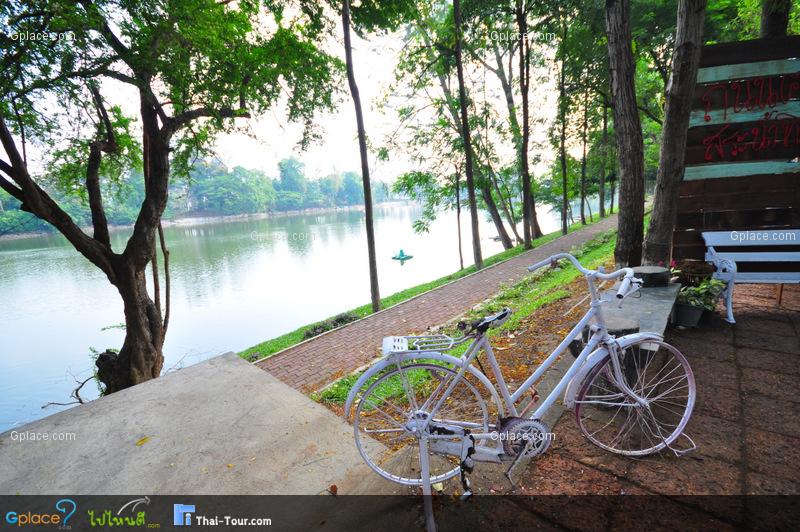
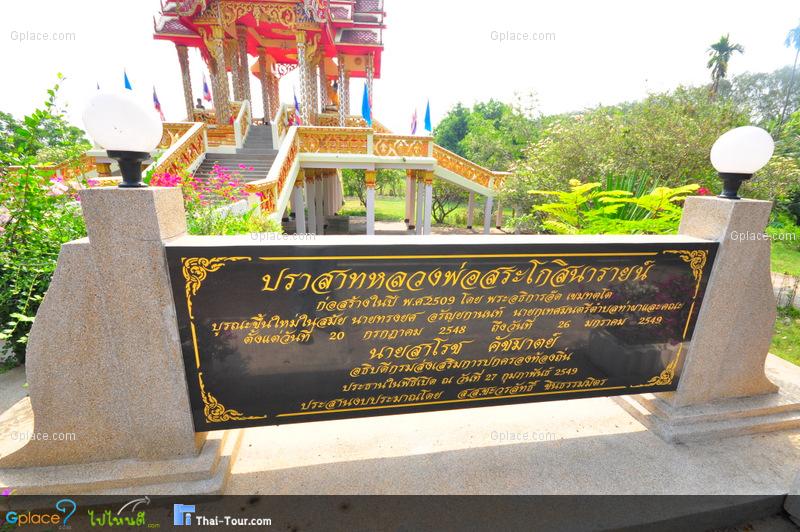
Later, the Tha Pha Municipality and local authorities improved the landscape around the pond, transforming it into a public park for relaxation. Large trees were planted, walkways were built along the pond, rest pavilions were constructed, and fish feeding areas were created. The atmosphere is now shady, peaceful, and ideal for relaxation for the community. Currently, locals enjoy walking, exercising, cycling, and relaxing by the pond in the mornings and evenings. Tourists visiting this site can experience both the historical value and the contemporary lifestyle of the Tha Pha community. Within the same area is the "Sra Kosinarai Community Museum," established to collect knowledge about the ancient city of Kosinarai and the development of the communities in the Mae Klong River basin. Inside, you'll find displays of artifacts, old photographs, ancient city plans, and detailed information about the Khmer civilization in western Thailand. Some exhibitions explain ancient trade routes connecting the Mae Klong River basin with the central and western coastal regions, demonstrating that Ban Pong may have been an important link in the past in terms of economics, transportation, and religion.
Although Sra Kosinarai isn't a large tourist attraction or boasts magnificent structures like the famous stone castles in the Northeast, its charm lies in its tranquility, lush greenery, and the historical value that remains amidst a modern community. Tourists can spend time strolling around the pond, listening to the wind rustling through the large trees, observing the local way of life, and learning about the ancient Khmer civilization that once flourished in the Mae Klong River basin. It's an important historical and cultural learning resource in Ratchaburi province that is not yet widely known.
How to Get There
-
By Private Car: From Bangkok, take Phetchakasem Road (Highway 4) or Borommaratchachonnani Road toward Ban Pong District, Ratchaburi. Upon entering Ban Pong, merge onto the Ban Pong–Kanchanaburi Route (Highway 323) heading toward Tha Pha Sub-district. Look for the signposts for Sa Kosinarai or turn into the alley adjacent to the SCG factory complex, follow the road to the end to reach the pond and museum.
-
By Public Transport: Take a minivan or public bus operating on the Bangkok–Kanchanaburi or Bangkok–Ban Pong routes and get off at the Tha Pha Intersection. From there, local motorcycle taxis are available to commute directly to the historic site.
Travel Tips
- Visit during the early morning or late afternoon for cooler weather and beautiful lighting.
- Evenings are livelier as locals gather for exercise and relaxation.
- Bring a hat or umbrella if visiting during midday.
- Fish food is usually available from nearby community vendors.
Admission Fees:
- Free admission.
Opening Hours:
-
Pond Area & Public Park: Open daily from 06:00 AM – 06:00 PM.
-
Sa Kosinarai Community Museum: Open Wednesday – Sunday from 10:00 AM – 04:00 PM (Closed every Monday and Tuesday).
Kosinarai Pond

 Share
Share
 T.Tha Pha, A.Ban Pong, Ratchaburi, 70110
Map
T.Tha Pha, A.Ban Pong, Ratchaburi, 70110
Map
 No hours available



 30
30