 Attractions
  Hotel
Hotel  Restaurant
  Shopping
  Abroad






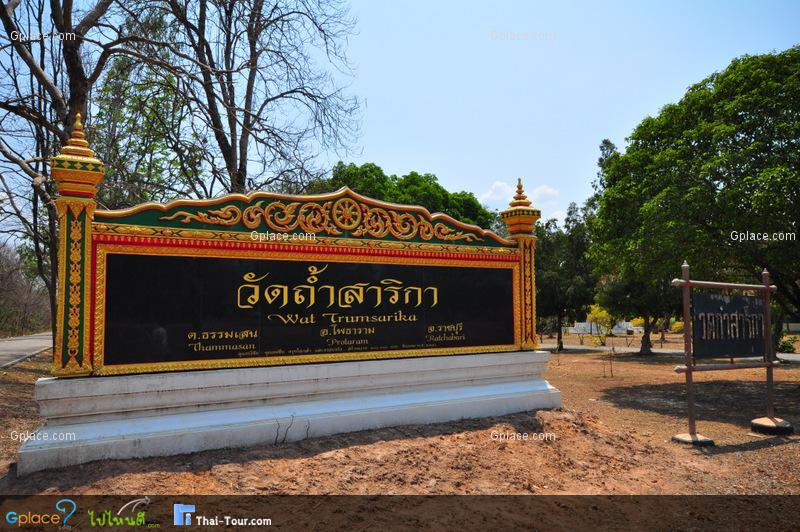
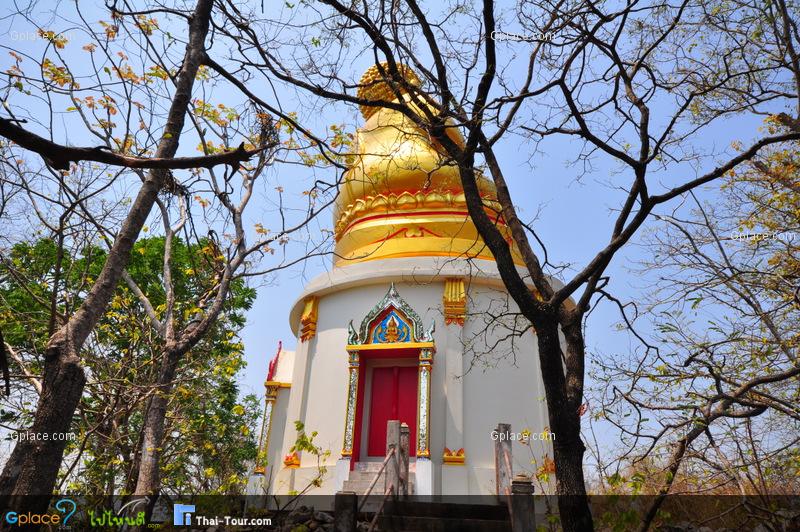
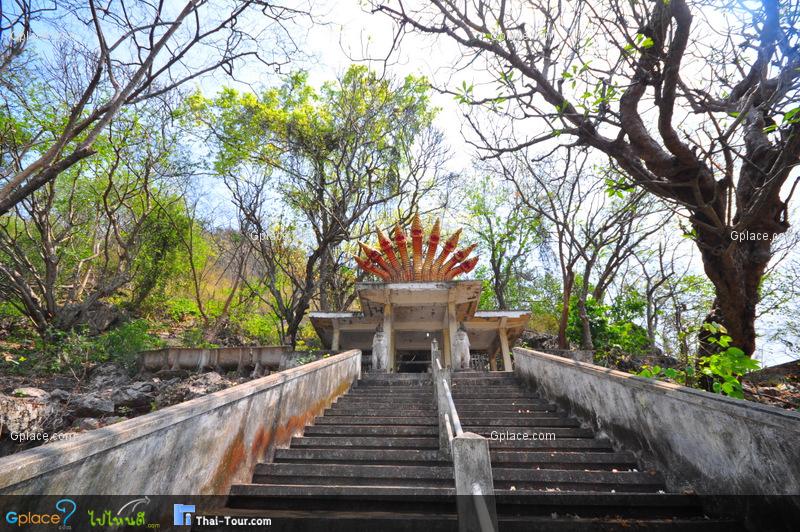
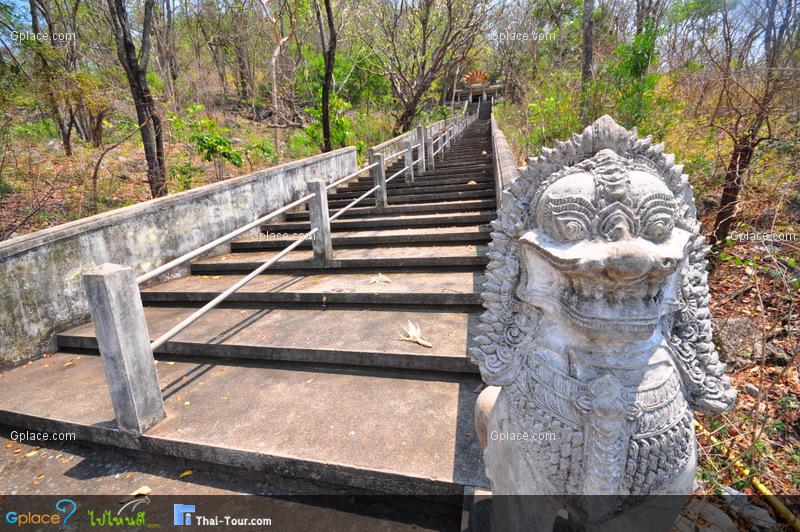
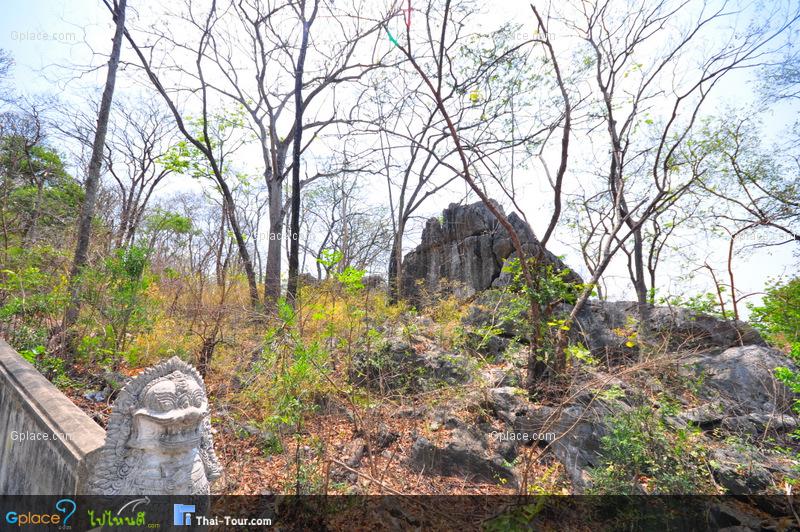
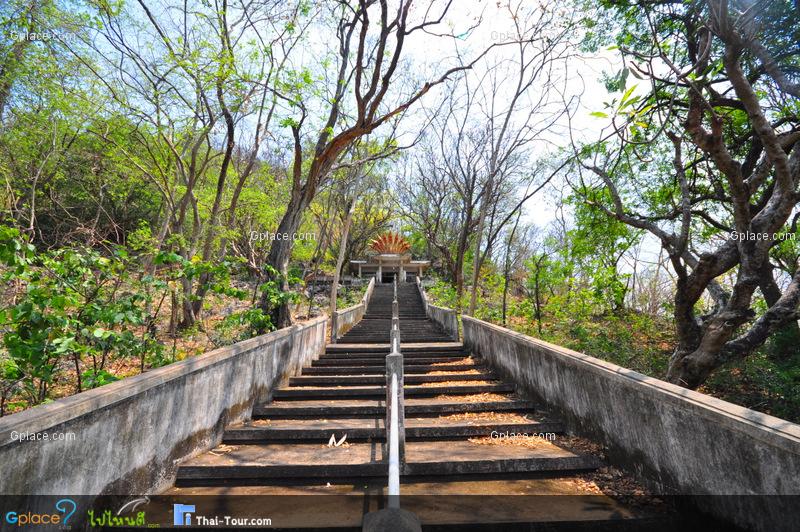

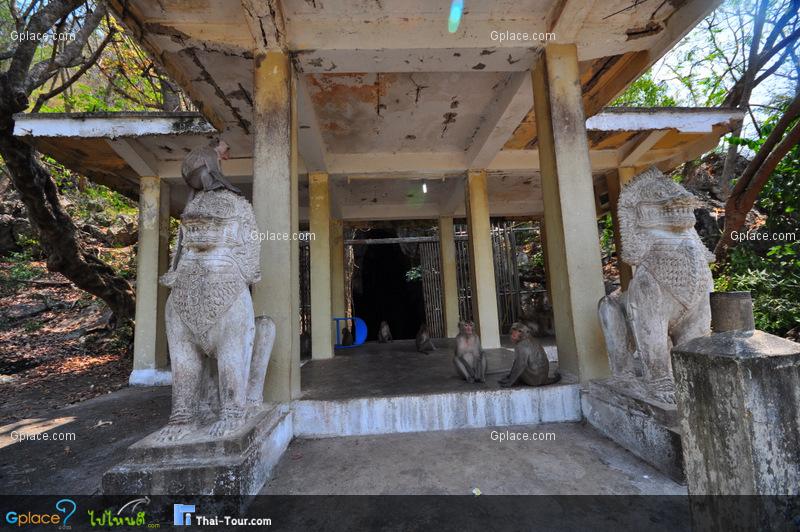
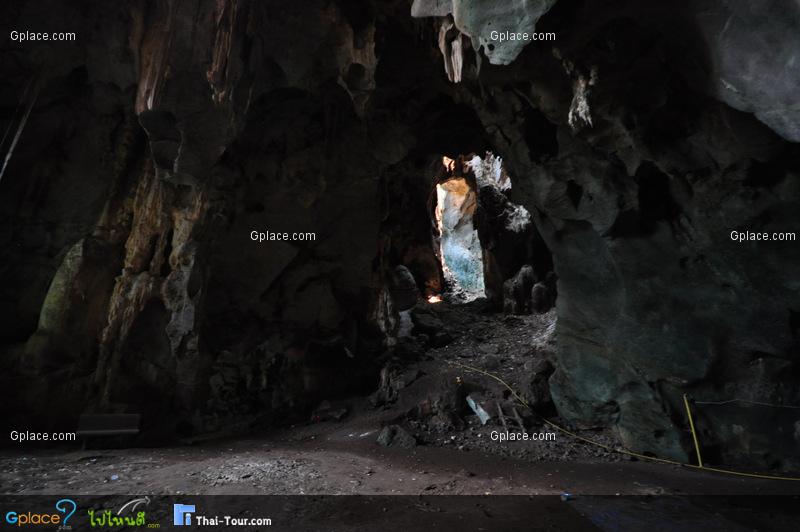
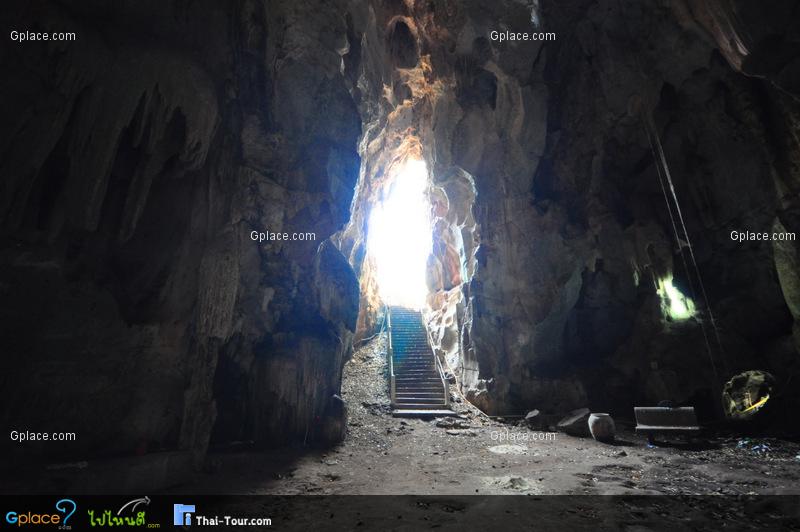

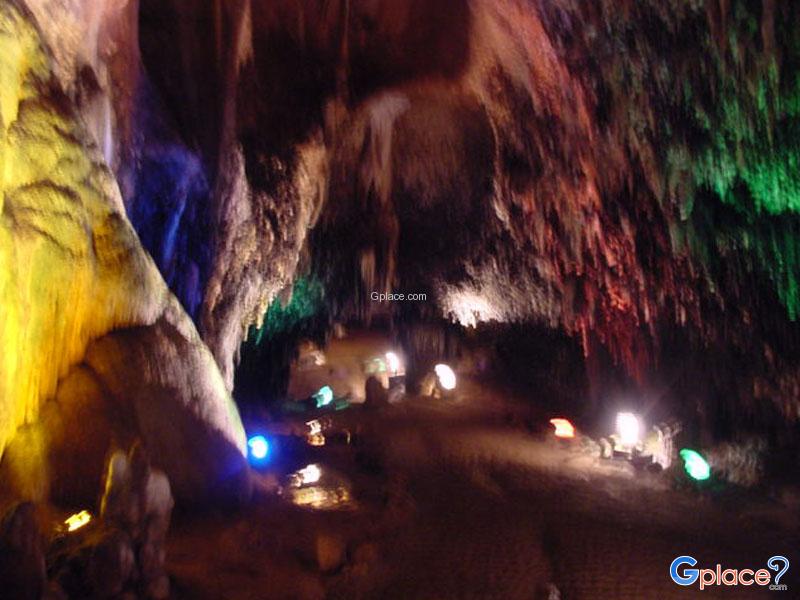
“A peaceful cave featuring breathtaking, pristine curtain-like stalactites and stalagmites that glitter brilliantly under flashlight beams, offering an immersive natural unseen experience.”
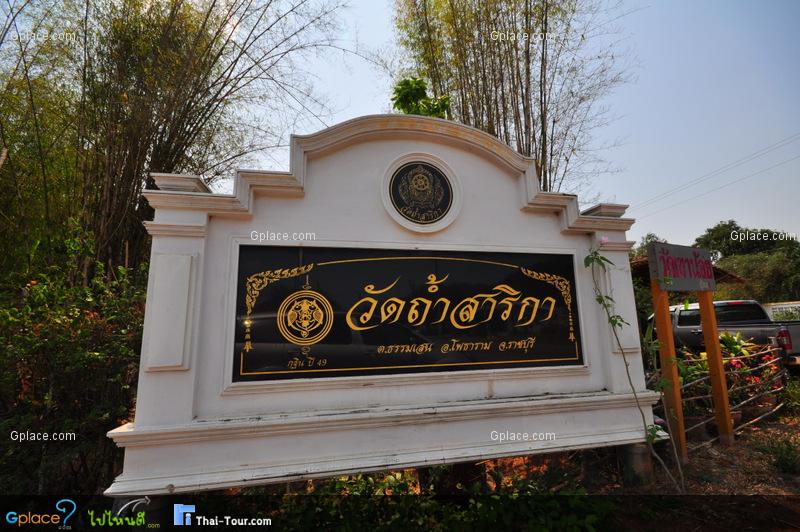
Sarika Cave is an ancient limestone cave located in Thammasen Subdistrict, Photharam District, Ratchaburi Province. Surrounded by small limestone mountains and tranquil nature, the area offers a different atmosphere from the crowded tourist spots of Ratchaburi. Although not nationally famous, Sarika Cave has long been respected and known by locals, both as a natural landmark and a religious site. The cave is situated within Wat Tham Sarika, a temple that harmoniously blends nature, history, and local community life.
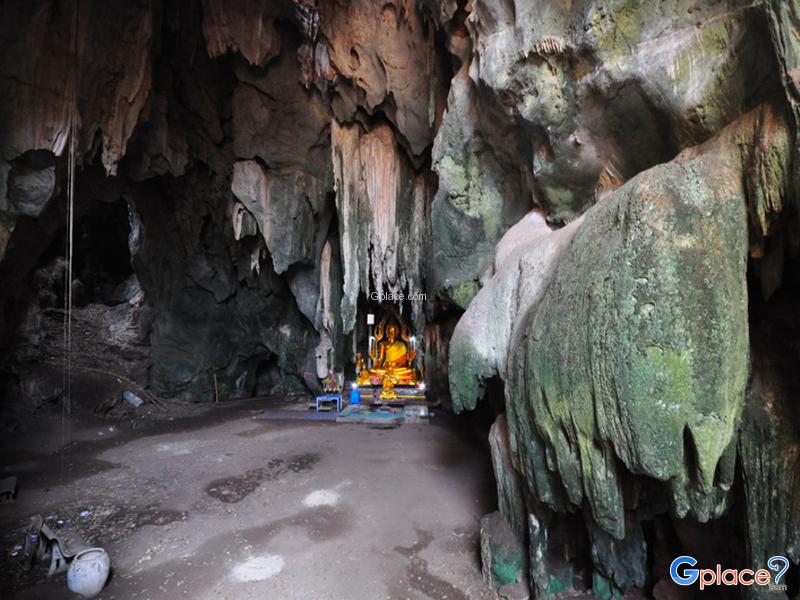
The main highlight of Sarika Cave is the naturally formed stalactites and stalagmites, created by the accumulation of minerals and water droplets over thousands of years. Inside, the cave consists of chambers and limestone walls with diverse natural patterns. Some areas resemble rock curtains and layers formed by natural geological processes. The temperature inside the cave remains relatively cool throughout the day due to limited sunlight and ventilation within the limestone mountain. While some areas have been constructed with steps and walkways for the convenience of tourists, the cave's natural environment has been largely preserved.
Sarika Cave also holds historical significance related to past Thai monarchs, as indicated by local records and information. King Mongkut (Rama IV) visited this cave area during the 19th century. Later, King Chulalongkorn (Rama V) visited Sarika Cave in 1890 during his visit to Ratchaburi Province and inscribed his royal monogram "JPR" at the cave entrance. This inscription is still mentioned as important historical evidence of the area. This event led to Sarika Cave being recognized as a culturally valuable site and a source of pride for the community in Thammasen and surrounding areas.
Furthermore, local tales connect Sarika Cave to the history of King Taksin the Great. It is said that he and his troops once used the cave as a resting place during their journey from Ayutthaya to Chanthaburi. While some details are oral traditions, these stories reflect the long-standing connection between Sarika Cave and the local history and people.
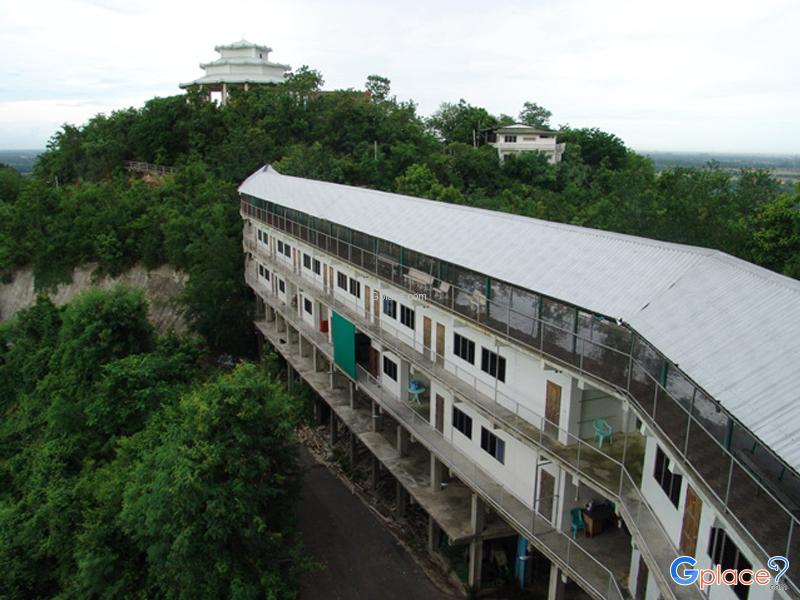
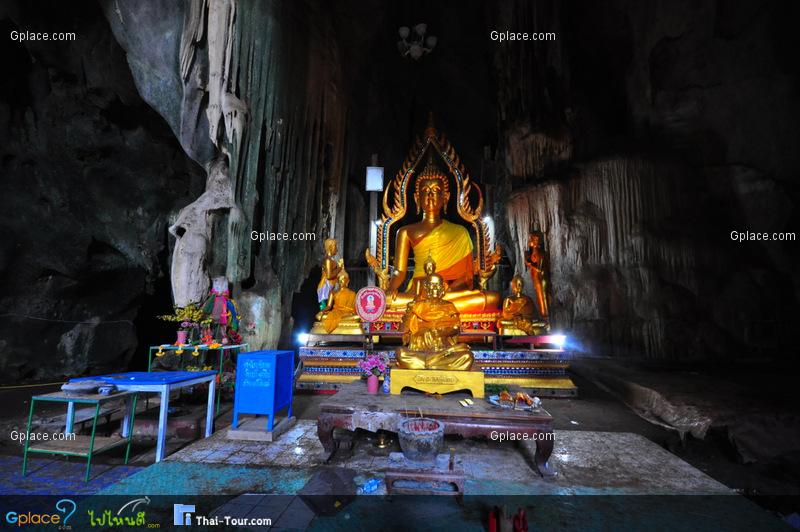
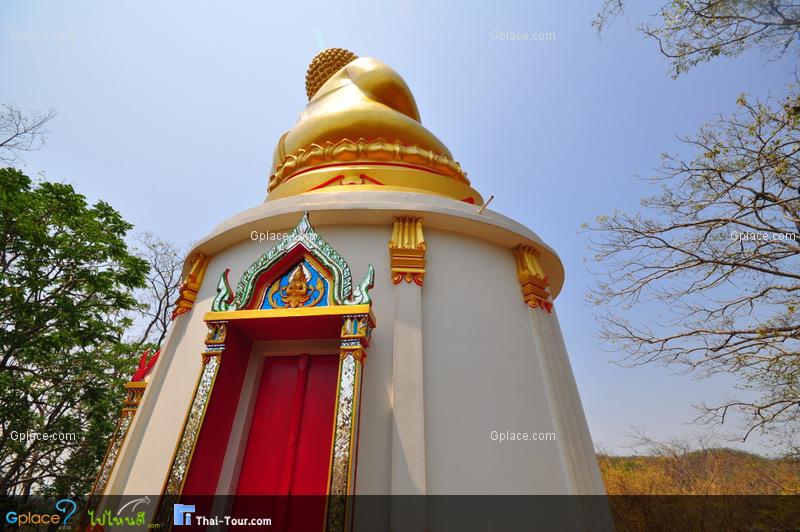
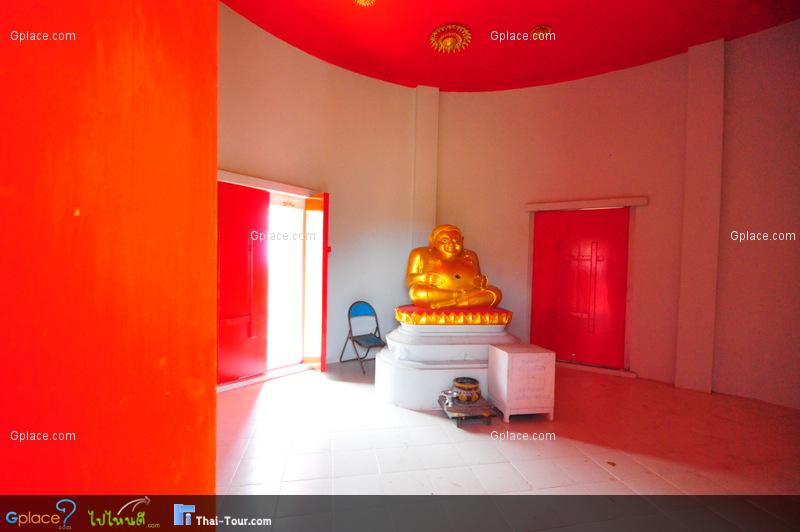
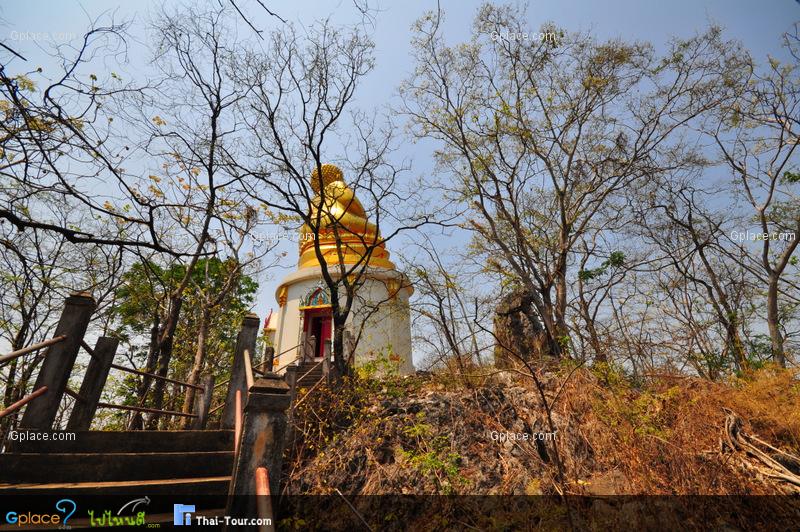
Currently, the area around the cave has been simply developed under the care of Wat Tham Sarika (Sarika Cave Temple). A Buddha statue, a meditation area, and some basic amenities have been added, while maintaining the tranquility of nature. This makes it an ideal location for tourists seeking a peaceful atmosphere and appreciation of nature. Alternatively, you can relax mentally while learning about local history. Some areas of the cave are dimly lit, so tourists often bring flashlights to help them clearly see the details of the stalactites, stalagmites, and other features inside the cave.
How to Get There
- From Ratchaburi city center, take Route 3087 towards Chom Bueng District. Follow the local directional signs leading to the cave area. A private car or motorcycle is highly recommended as public transportation directly to the cave entrance is limited.
Travel Tips
- Bring a flashlight to explore darker sections inside the cave safely.
- Wear non-slip shoes because limestone surfaces can be slippery.
- Visit during the morning for cooler temperatures and softer natural light.
- Avoid visiting after heavy rain as pathways may become damp.
Admission Fees:
- Free admission.
Opening Hours:
- Open daily from 8:00 AM – 5:00 PM
Sarika Cave

 Share
Share
 T.Thammasen, A.Photharam, Ratchaburi, 70120
Map
T.Thammasen, A.Photharam, Ratchaburi, 70120
Map
 Open now : 8.00 - 17.00
Mon8.00 - 17.00
Tue8.00 - 17.00
Wed8.00 - 17.00
Thu8.00 - 17.00
Fri8.00 - 17.00
Sat8.00 - 17.00
Sun8.00 - 17.00



 1
1