 Attractions
  Hotel
Hotel  Restaurant
  Shopping
  Abroad





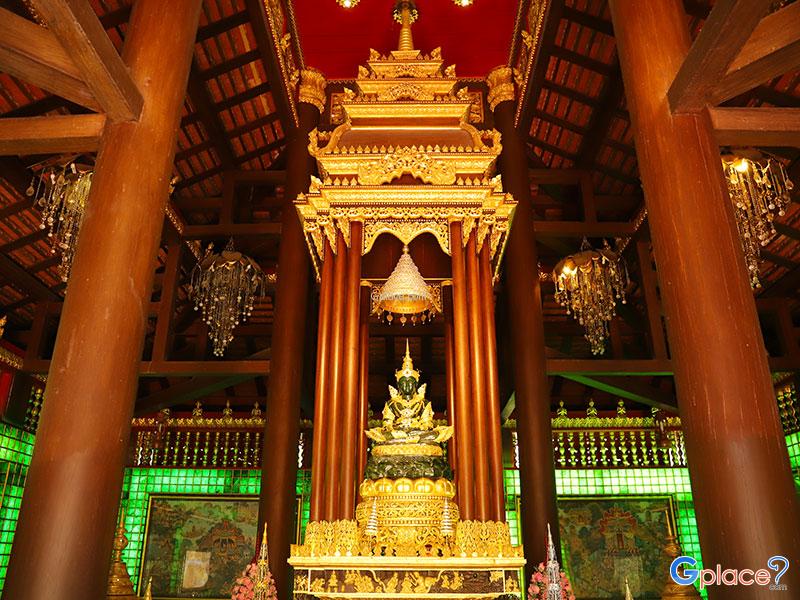

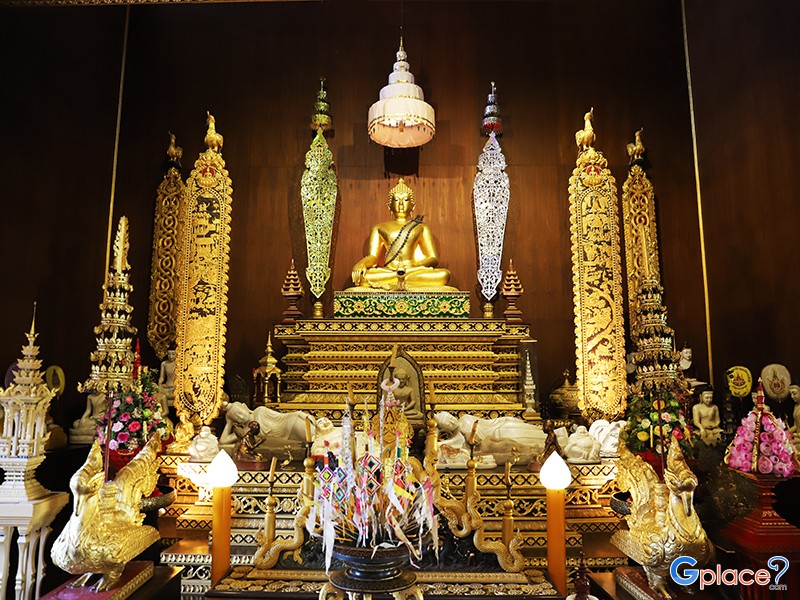
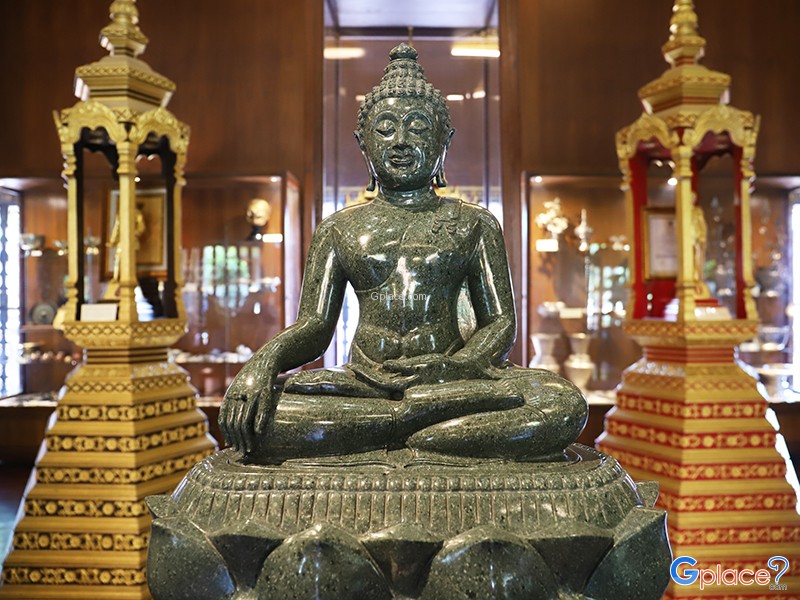
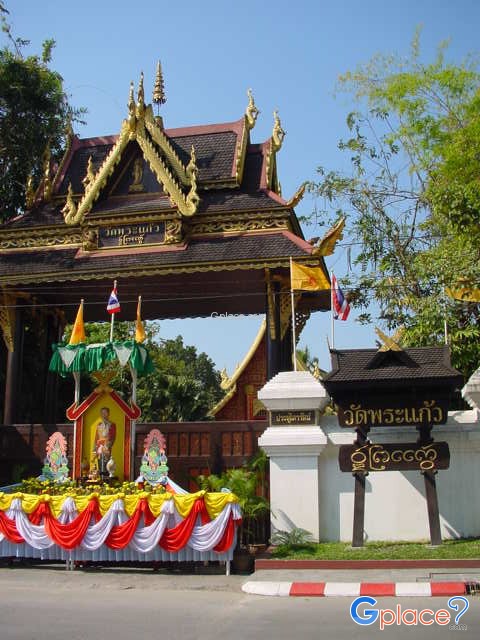
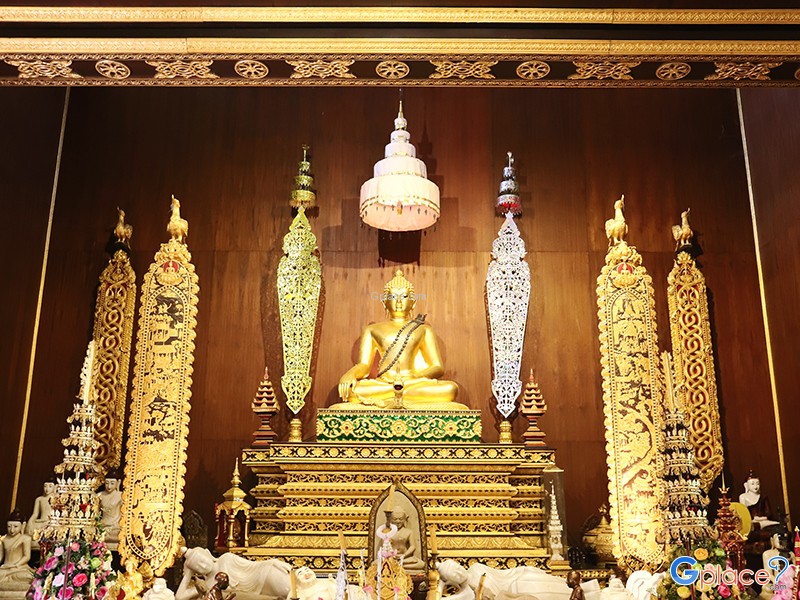
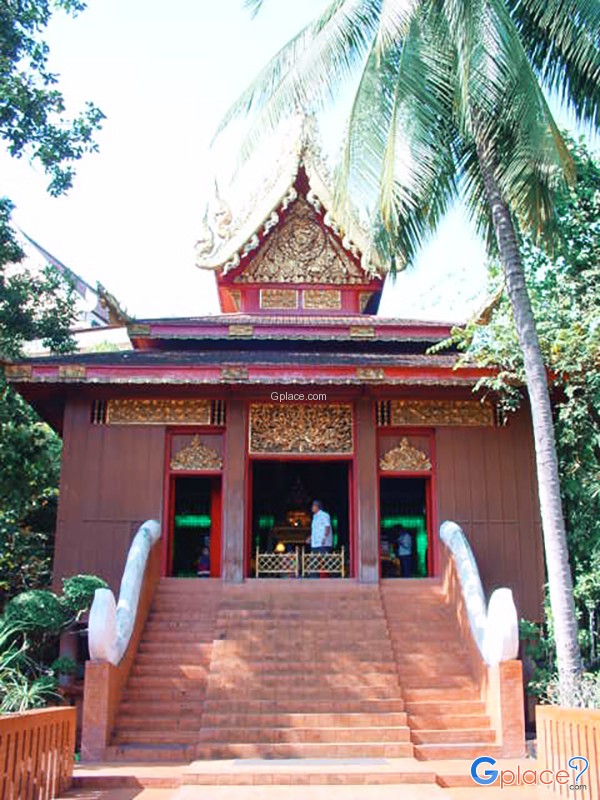
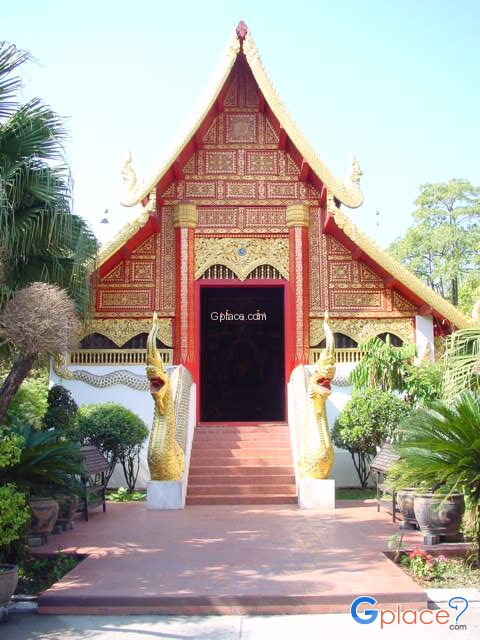
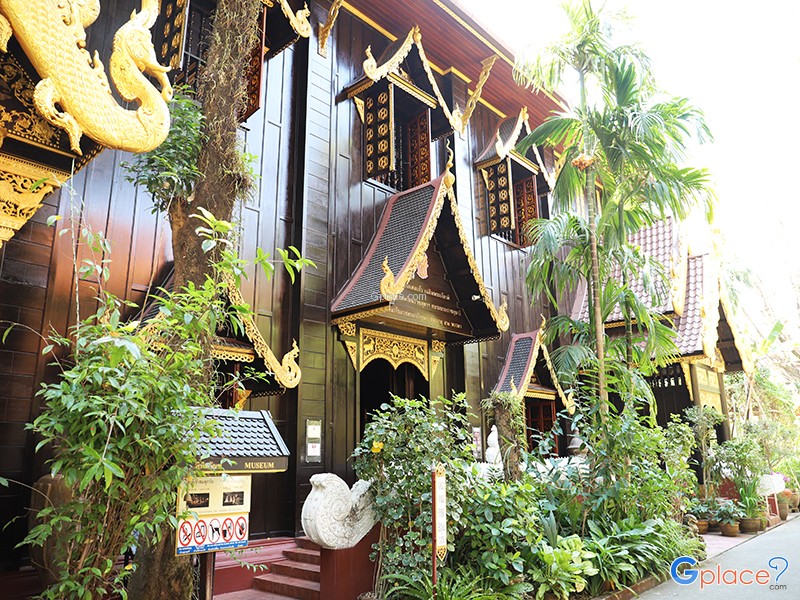
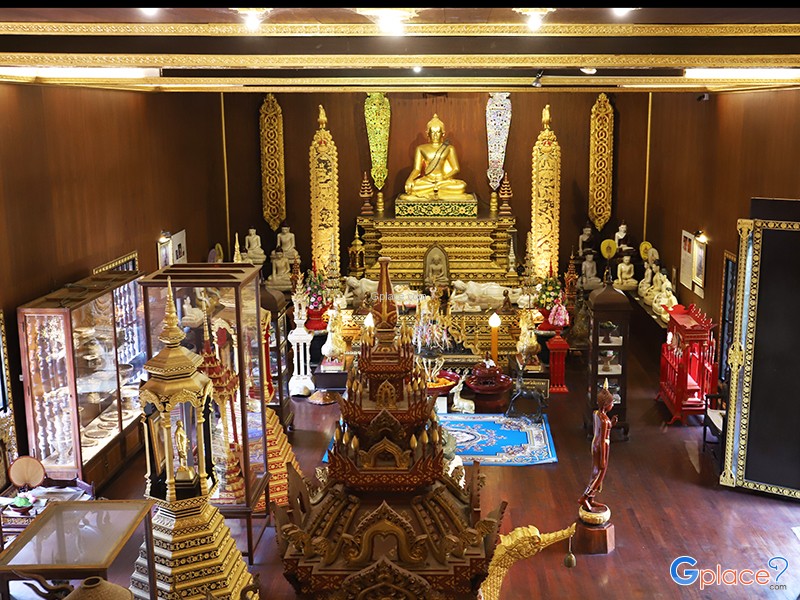
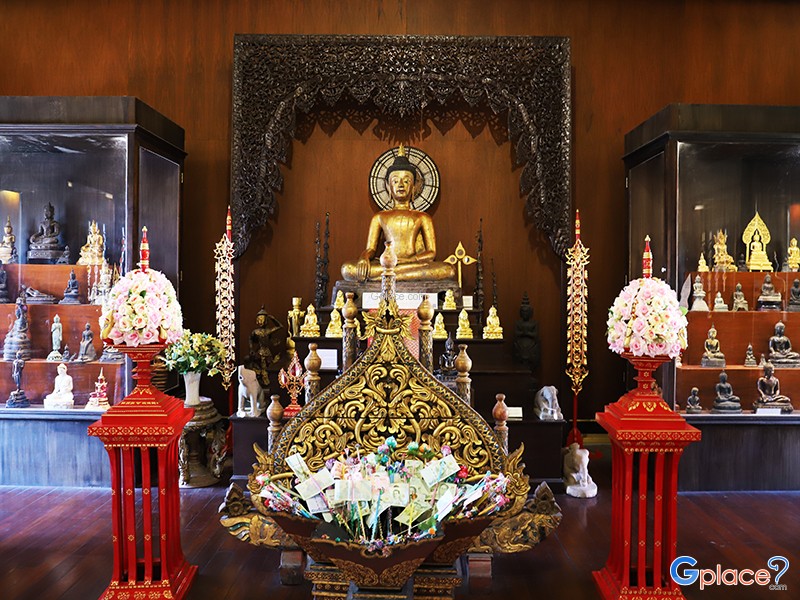
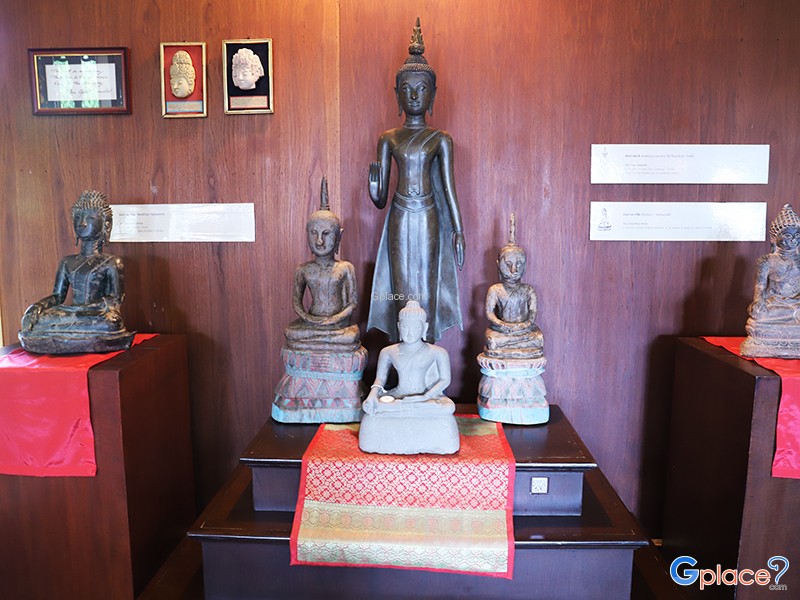
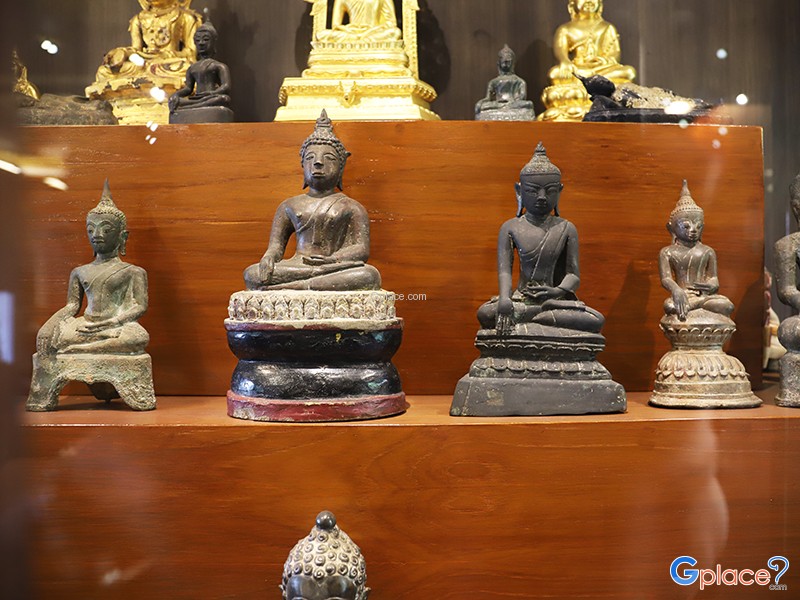
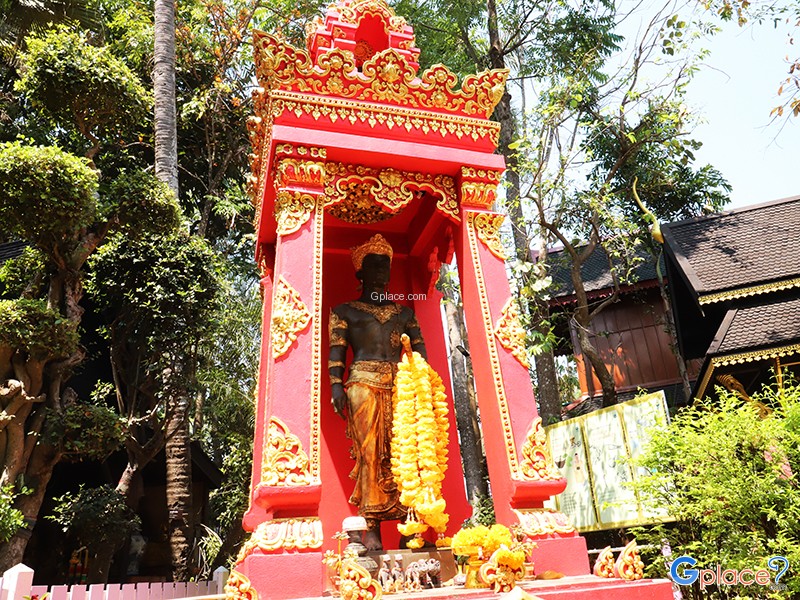
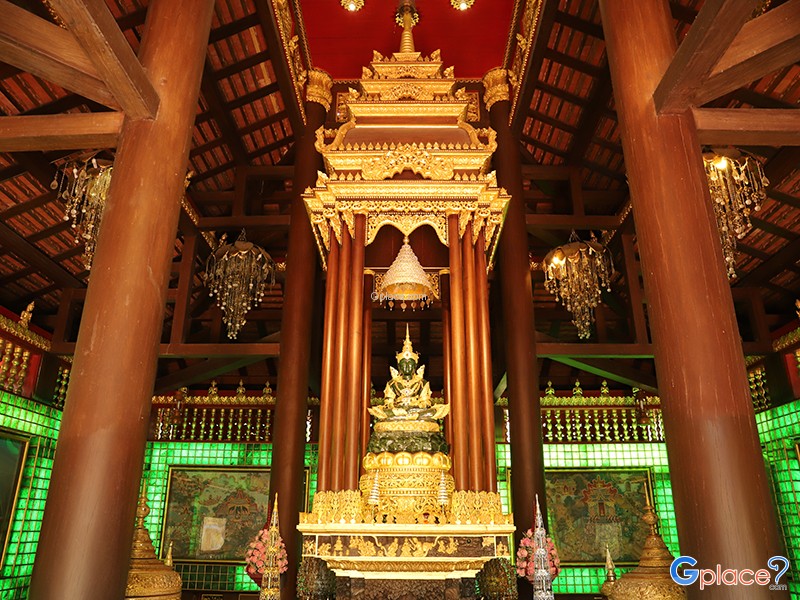
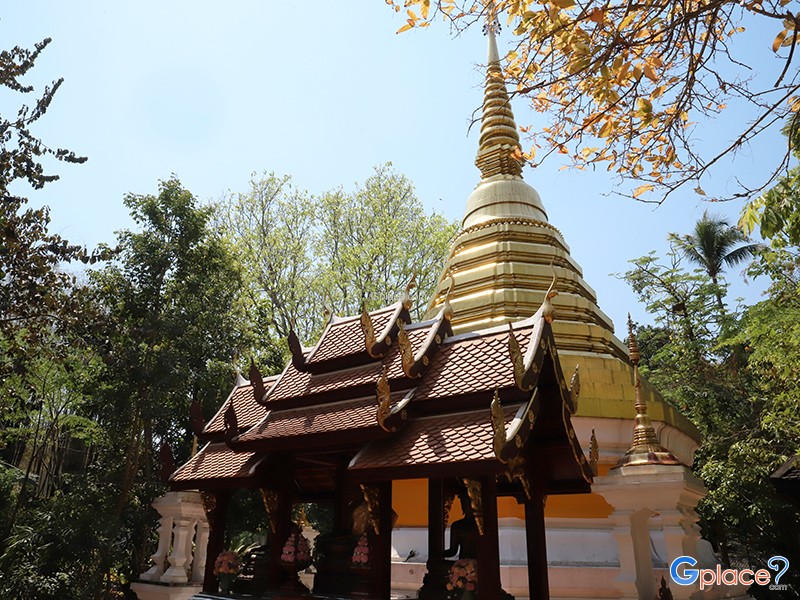
“Experience the birthplace of the Emerald Buddha legend, discovered after lightning struck the ancient pagoda. Pay respects to the 'Chiang Rai Jade Buddha' inside the golden teak pavilion and admire exquisite Lanna art in a serene, peaceful atmosphere”
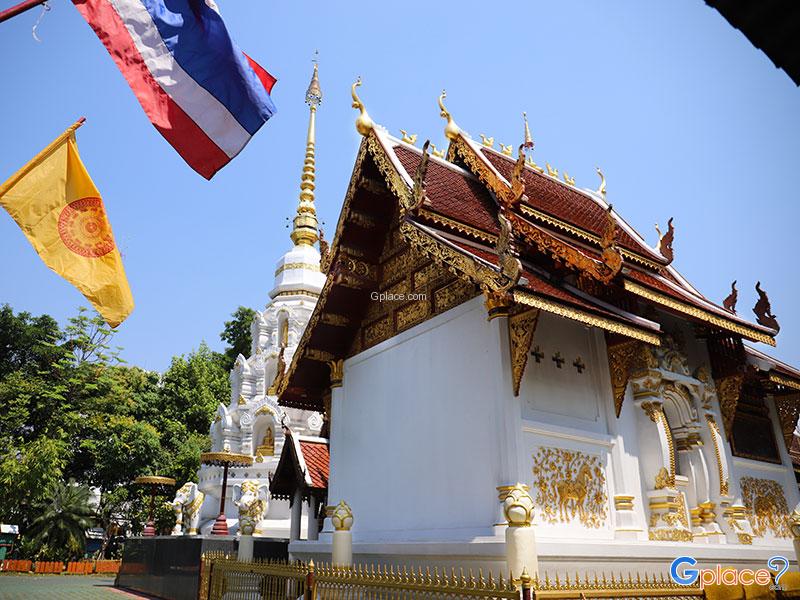
Wat Phra Kaew is home to a legendary miracle that occurred in 1434 (B.E. 1977). At that time, the temple was known by its original name, Wat Pa Yia (The Bamboo Forest Temple). During a night of heavy rain, a miraculous lightning bolt struck the ancient pagoda within the temple, causing it to crumble. The force of the strike caused a plaster-covered Buddha statue enshrined inside the pagoda to fall, and the impact chipped away the plaster on the statue's nose. This revealed a brilliant green stone hidden beneath. The abbot at the time then carefully peeled away all the plaster and discovered a Buddha image carved entirely from translucent emerald-green jade this was the Emerald Buddha, which is the most revered religious icon in Thailand today.
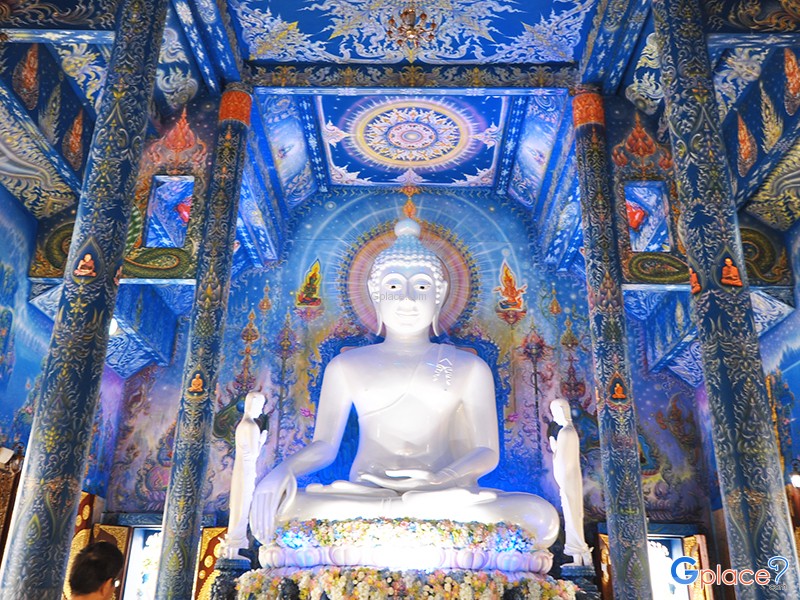
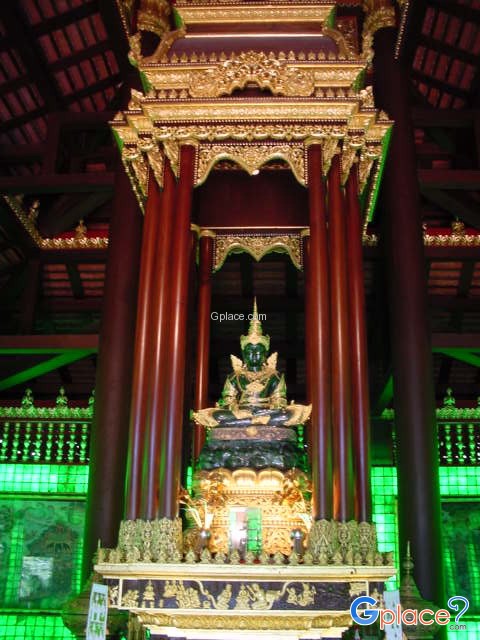
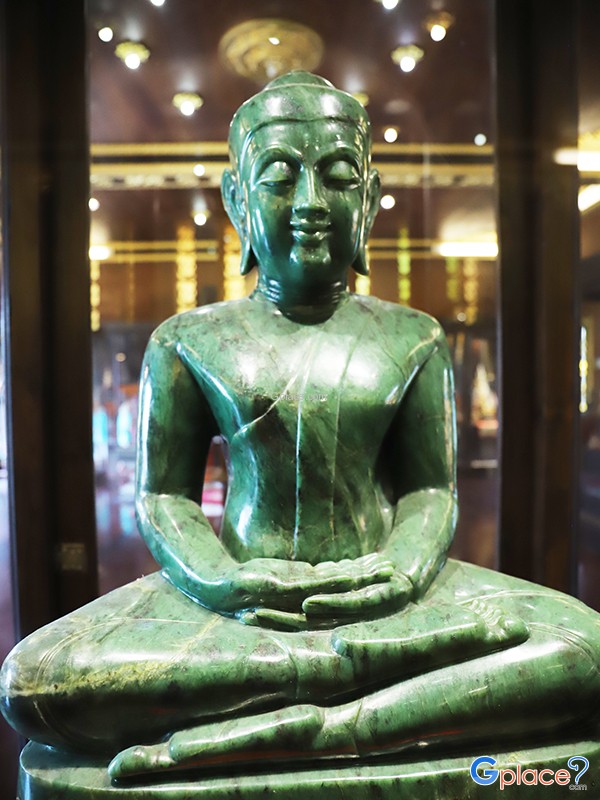
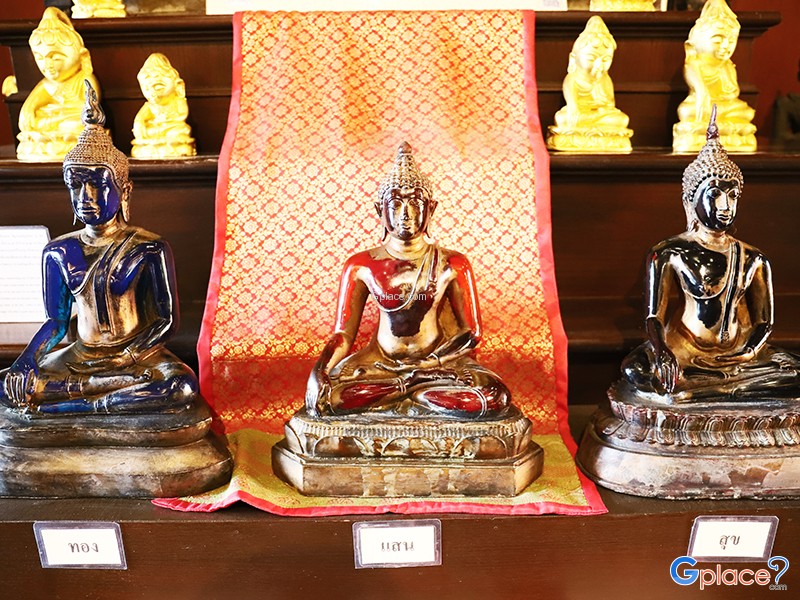
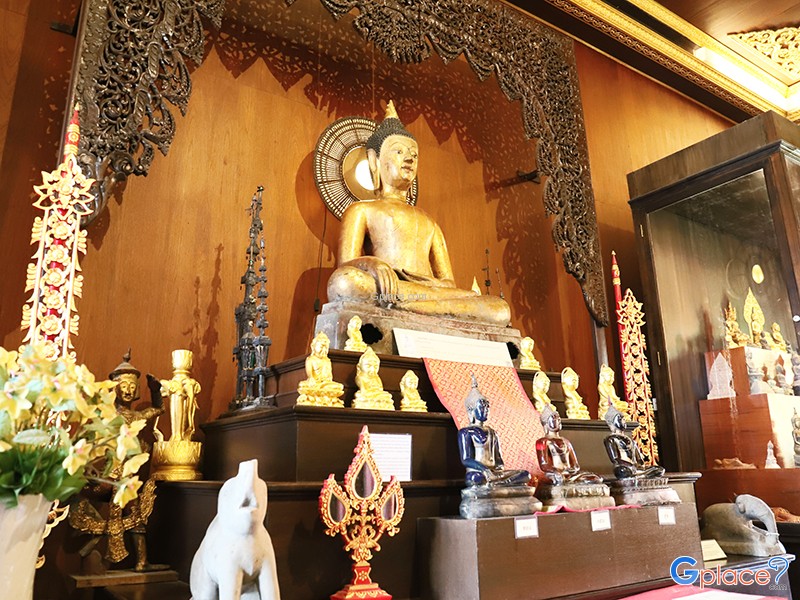
Although the original Emerald Buddha was later moved to various cities before its final enshrinement in Bangkok, Wat Phra Kaew Chiang Rai remains the most significant historical site as its Point of Origin. Today, the temple has commissioned the Phra Yok Chiang Rai (The Chiang Rai Jade Buddha), also known as Phra Phuttha Rattana Kon Nawutthi Wassanusorn Mongkhon, to serve as a representative. It was carved from high-quality jade imported from Canada, with a color closely resembling the original, allowing worshippers to pay their respects and commemorate the legend at the actual site.
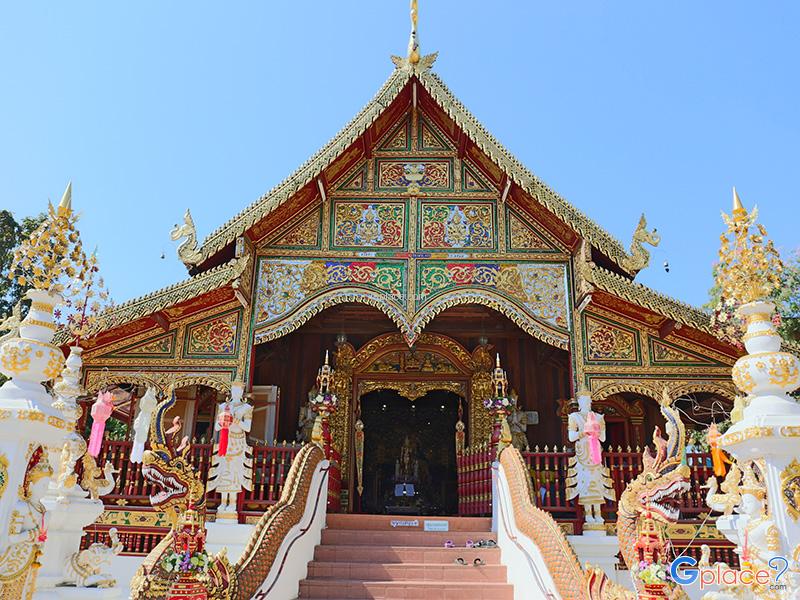
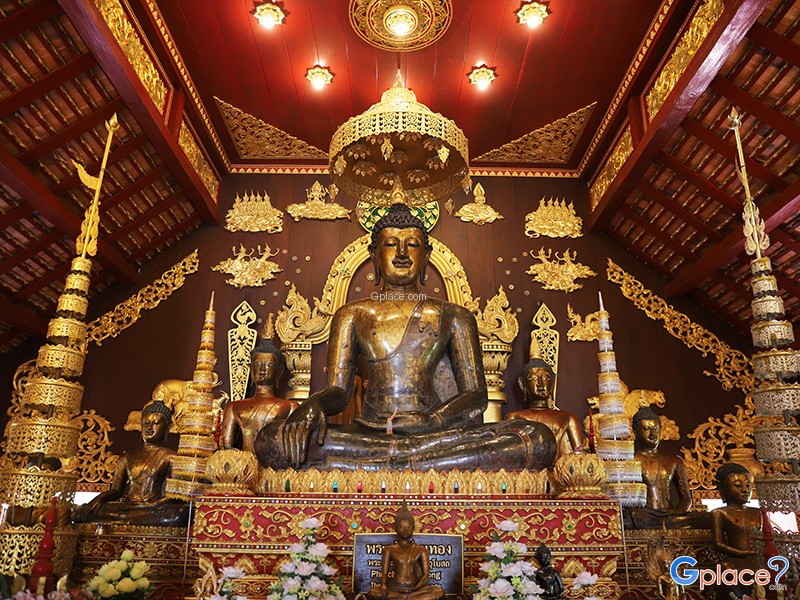
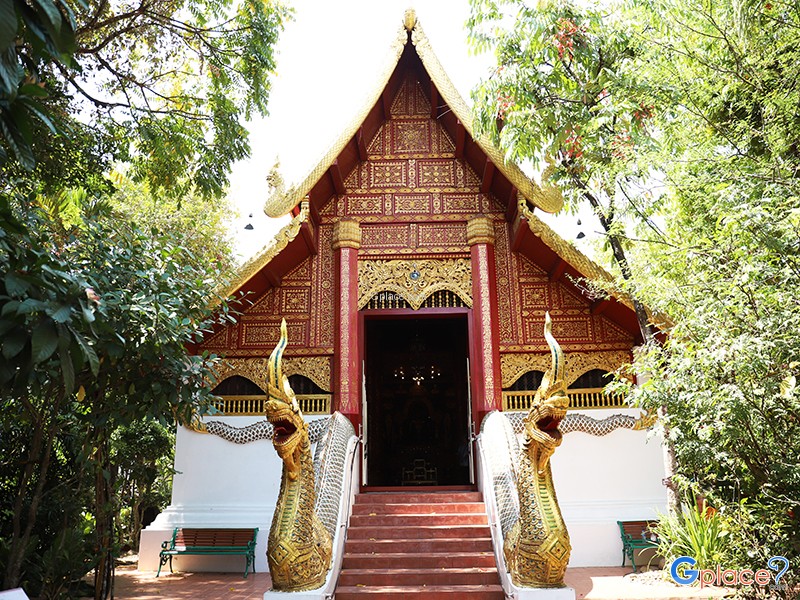
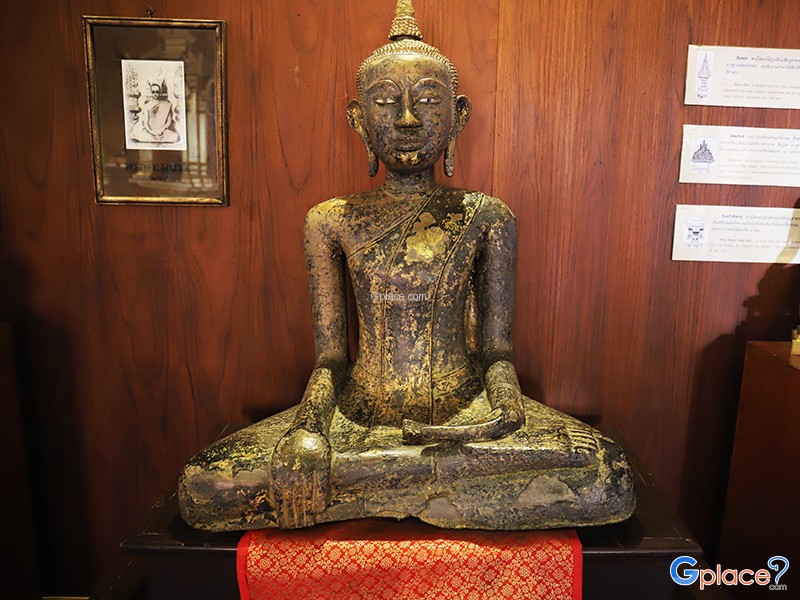
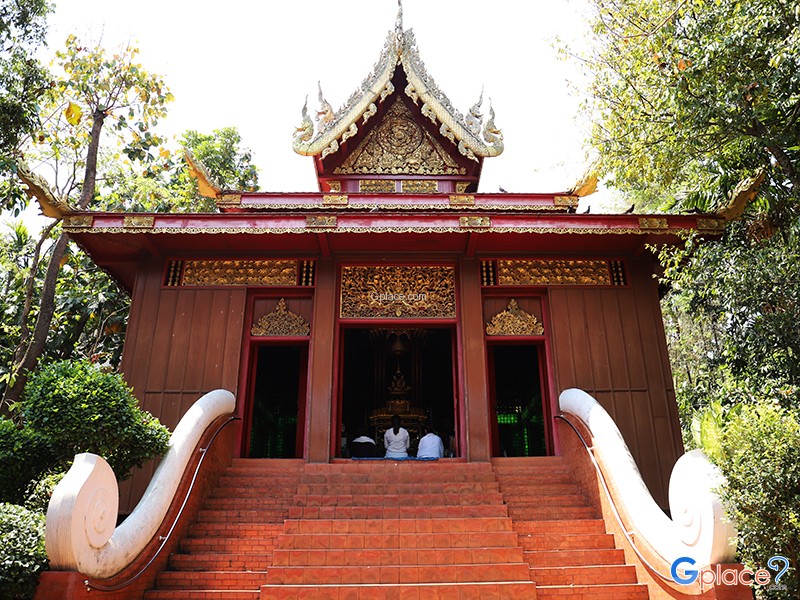
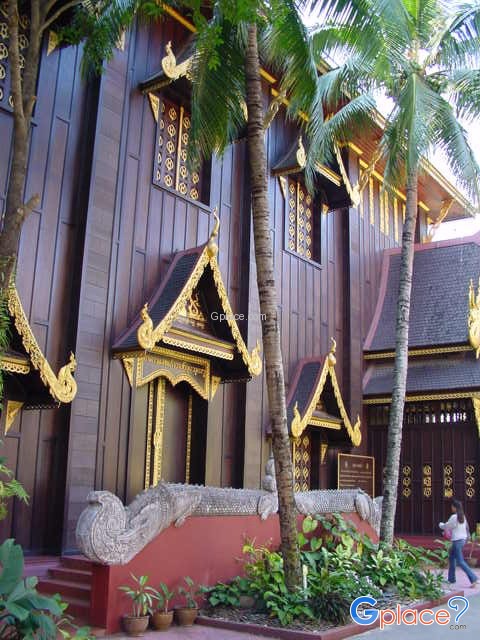
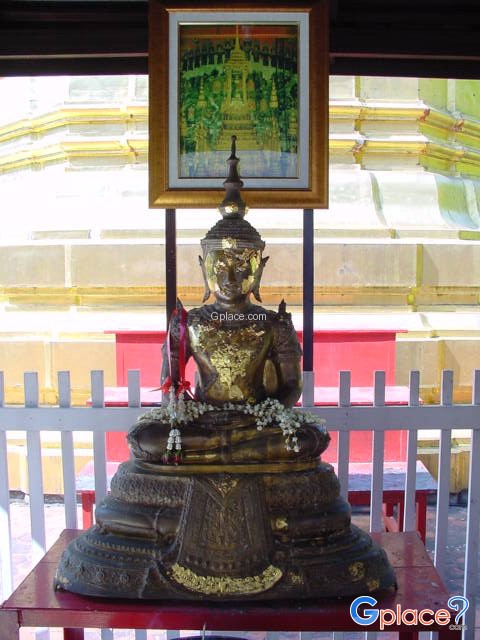
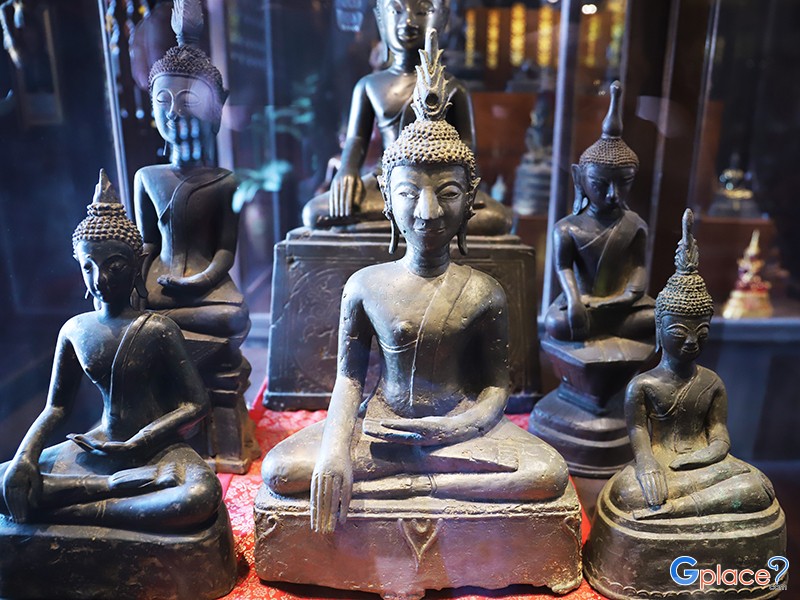
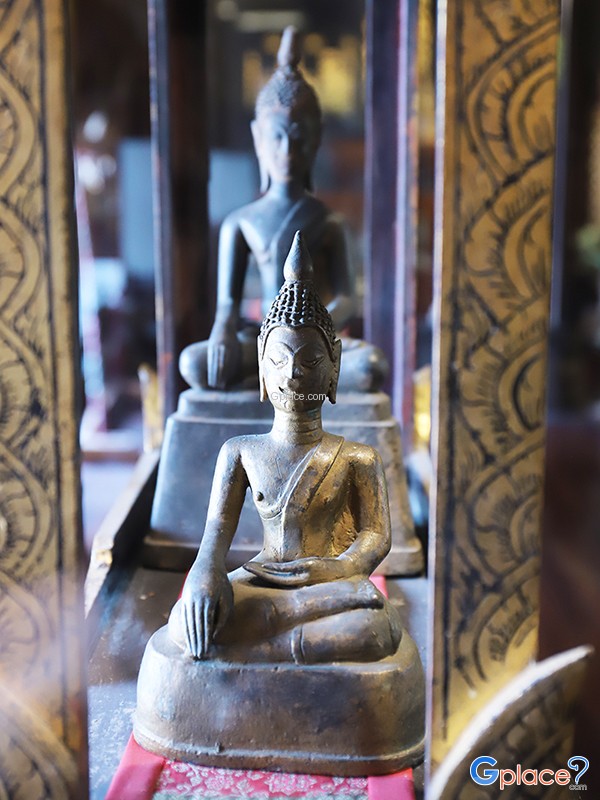
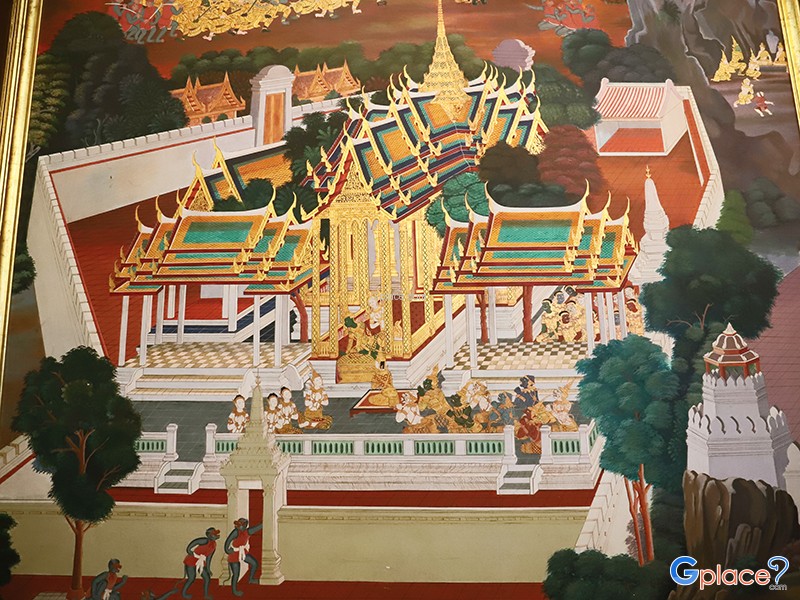
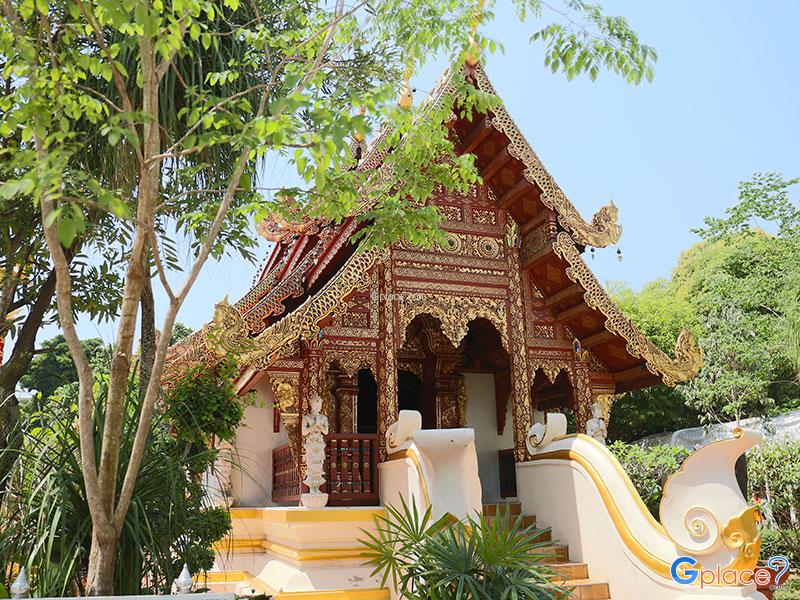
The architectural brilliance of this temple extends beyond its legend. The Haw Phra Yok (Jade Buddha Pavilion) is a masterpiece of ancient Lanna-style golden teakwood. Inside, the walls are decorated with Lai Kham (gold leaf stenciling) murals that tell the story of the Emerald Buddha’s journey from Chiang Rai across the land of Thailand. Additionally, the Phra Chao Lan Thong, one of the most beautiful bronze Buddha images in the Lanna style, is enshrined in the wooden chapel (Ubosot), which is decorated with intricate wood carvings in every detail.
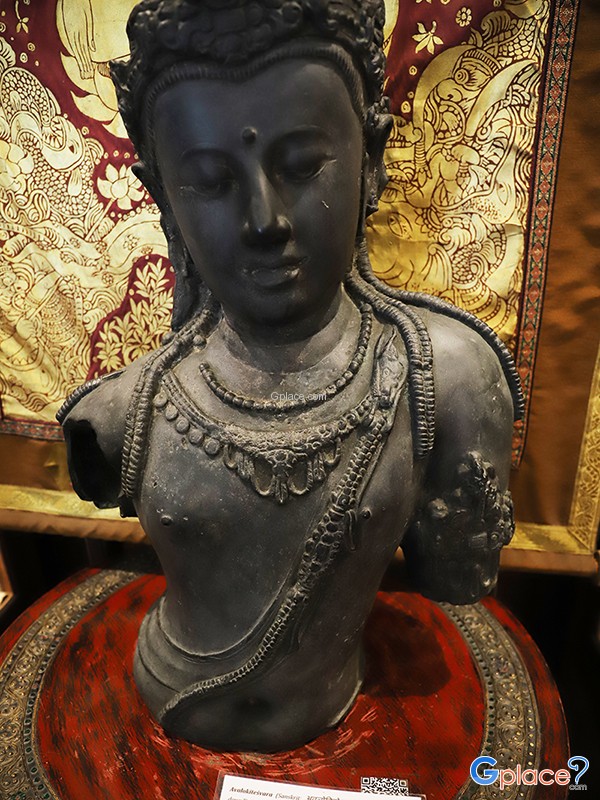
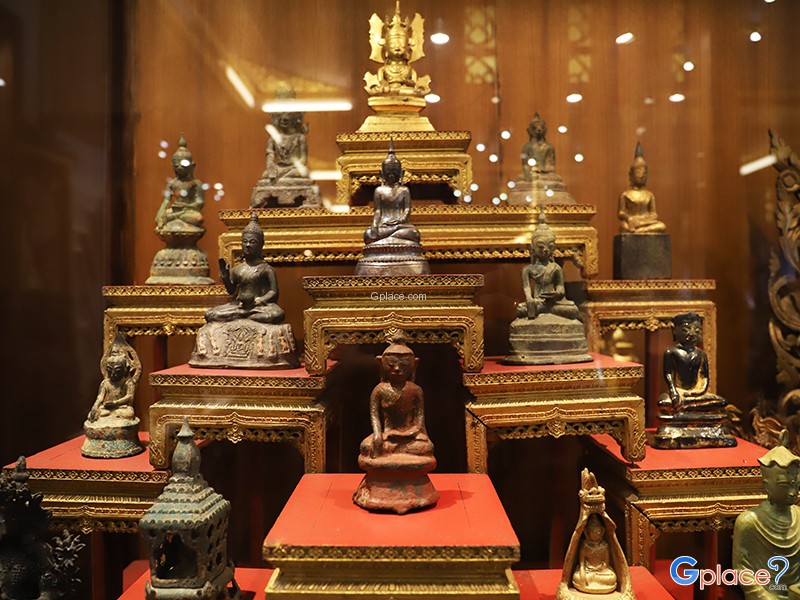
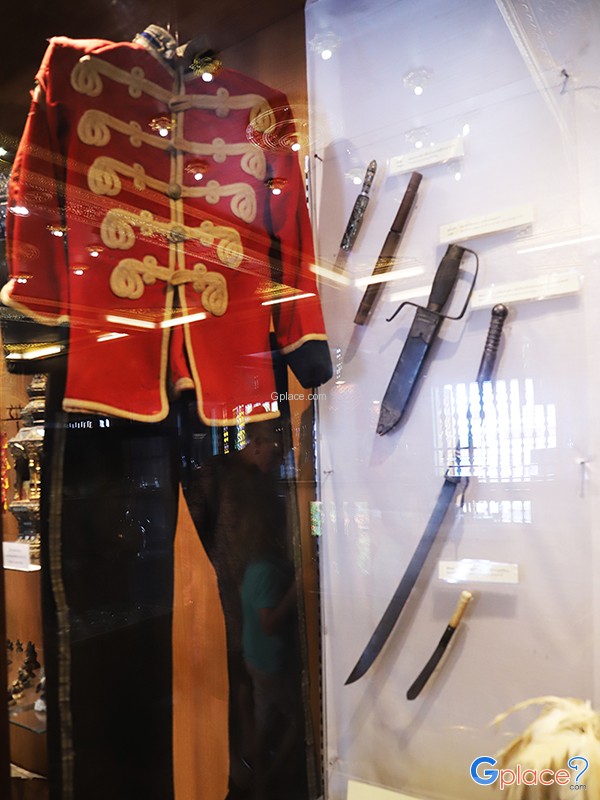
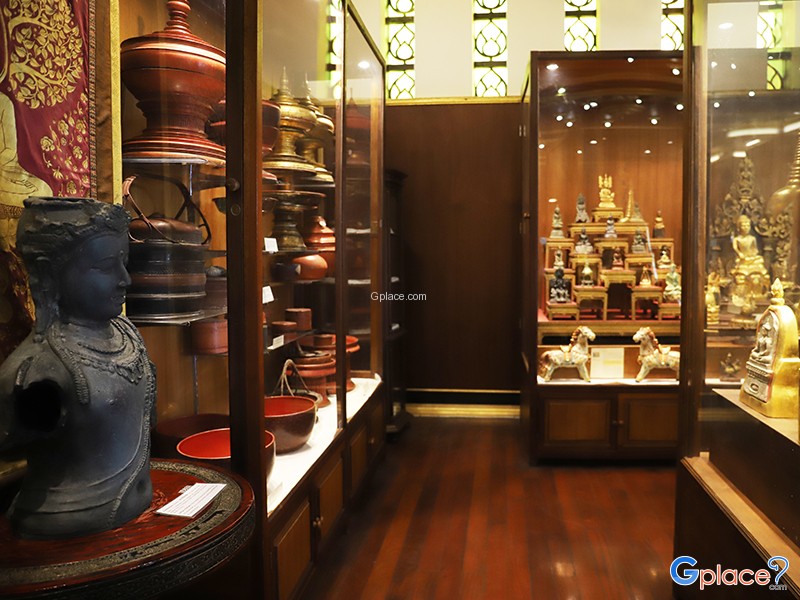
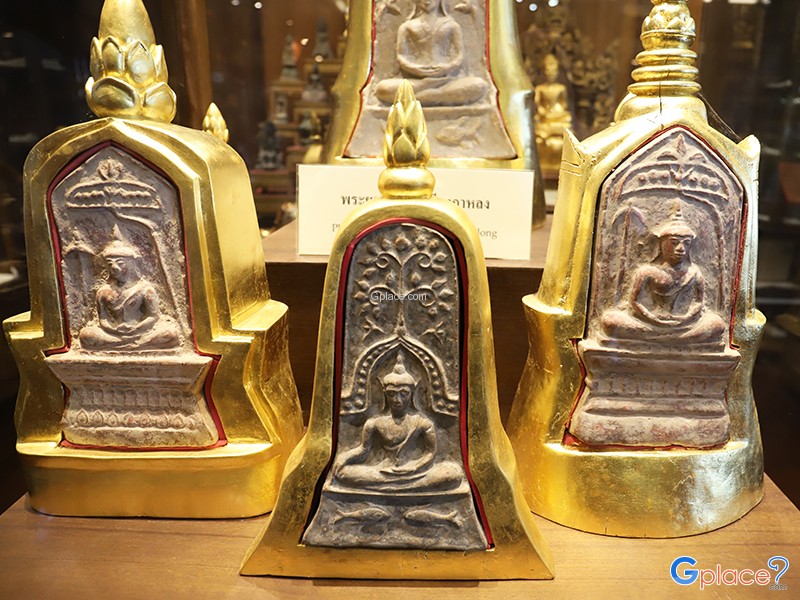
Another significant landmark is Houng Luang Saeng Kaew, a Lanna-style museum building that serves as a repository for Chiang Rai’s precious artifacts and art. The museum systematically displays the history of the temple and the Emerald Buddha. The surrounding grounds of the temple are filled with large, shady trees and beautifully landscaped forest gardens, providing visitors with a deep sense of spiritual tranquility.
A visit to Wat Phra Kaew Chiang Rai is more than a sightseeing trip; it is a journey into the heart of faith and the miracle that began with a lightning strike that night. Every brick in the pagoda and every carving on the wooden pediments reflects the enduring glory of Lanna culture, making this temple a perfect fusion of Chiang Rai’s history and soul in one place.
How to Get There
By Private Car:
-
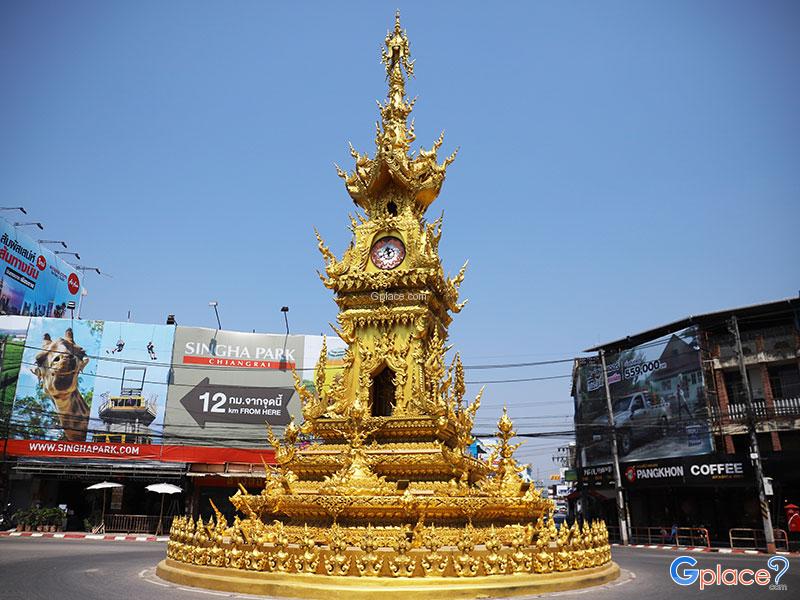
From the Chiang Rai Clock Tower: Head west on Banpa Prakan Road, pass the Pratu Chiang Mai intersection, then turn right onto Trairat Road at the Old Provincial Hall intersection. Drive straight for about 200 meters; the temple will be on your right. Parking is available inside the temple grounds.
-
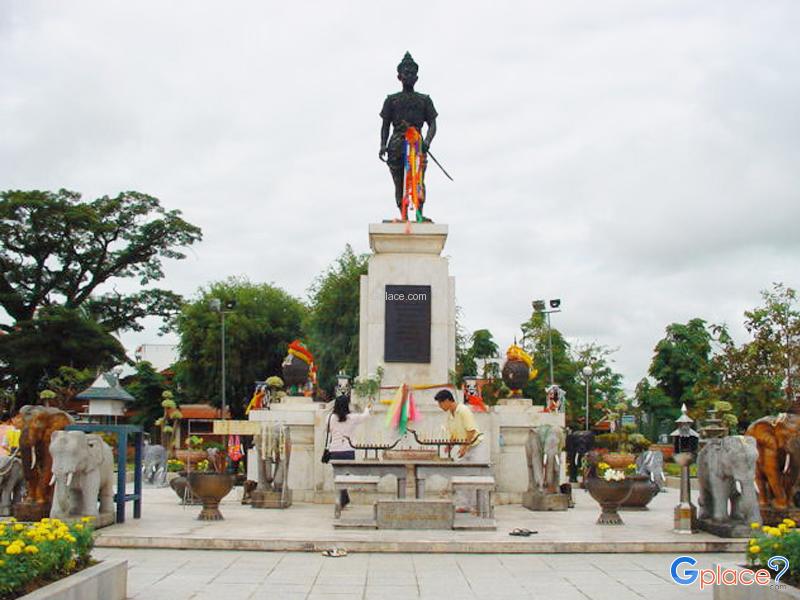
From the King Mengrai Monument: Take the old Phahonyothin Road into the city center. Turn right onto Singha Klai Road (passing the Chiang Rai Vocational College), then turn left onto Trairat Road at the Wat Klang Wiang roundabout. Drive a short distance, and the temple will be on your left.
By Public Transportation:
-
Tuk-tuk / Samlor (Pedal Rickshaw): The most popular way to explore the Old City. Inform the driver of Wat Phra Kaew. Fares start from 40–60 THB depending on the distance within the city.
-
Songthaew (White City Bus): These run around the city. You can disembark near the Old Provincial Hall and walk for 3–5 minutes.
Travel Tips
-
Recommended Time: 08:30 AM – 10:30 AM. This is the best time to explore the Jade Buddha Pavilion and the museum while the air is cool and the sunlight hits the golden teakwood most beautifully.
-
Key Landmark: The Main Pagoda behind the chapel, which has been restored over the original spot where lightning struck in the legend.
-
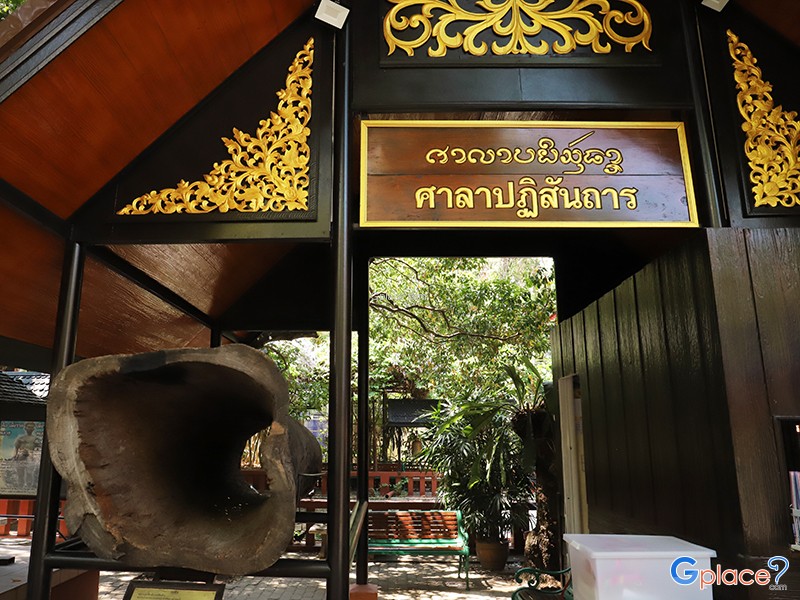
Photography Tip: The front of the Golden Teak Jade Buddha Pavilion offers a perfect backdrop of authentic Lanna architecture.
-
Dress Code: As the most significant temple in the province, visitors must dress politely. Women should wear pants or skirts that cover the knees, and shirts with sleeves.
Admission Fee:
- Free for all visitors
Opening Hours:
- Open Daily 07:00 AM – 06:00 PM.
Wat Phra Kaew Chiang Rai

 Share
Share
 Trairat Road, Wiang Subdistrict, Mueang District, Chiang Rai
Map
Trairat Road, Wiang Subdistrict, Mueang District, Chiang Rai
Map
 Closed today
Mon7.00 - 18.00
Tue7.00 - 18.00
Wed7.00 - 18.00
Thu7.00 - 18.00
Fri7.00 - 18.00
Sat7.00 - 18.00
Sun7.00 - 18.00

 https://www.thai-tour.com/thai-tour/north/chiangrai/data/place/pic_watprakaew.htm

 5500
5500
Recommend trips
All reviews
(List 0 review)Nearby Places
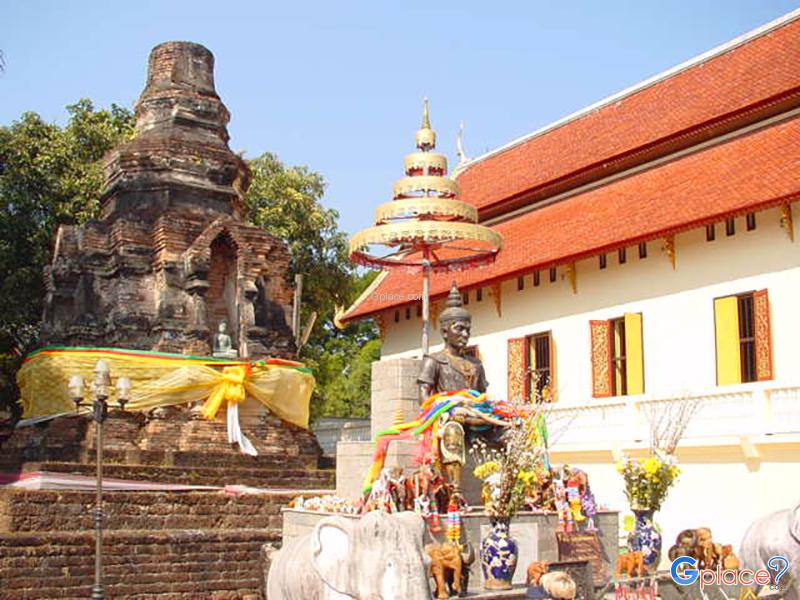

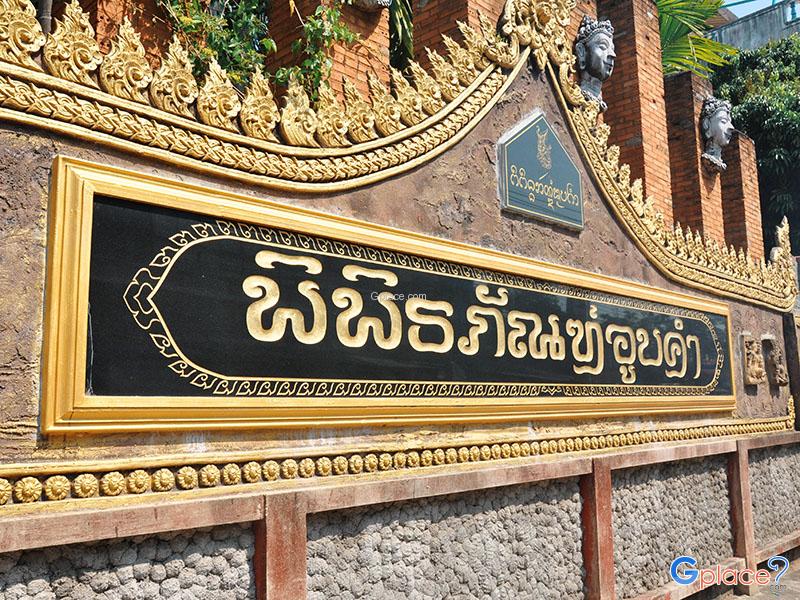
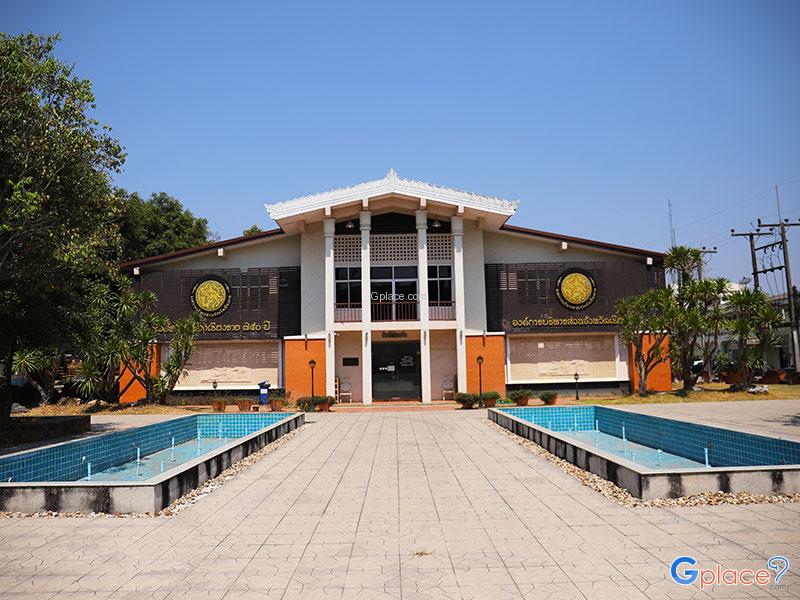 Chiang Rai 750th Anniversary Cultural Exhibition Center and Museum
(List 0 review)
Distance 0.45 Kilometer