 Attractions
  Hotel
Hotel  Restaurant
  Shopping
  Abroad





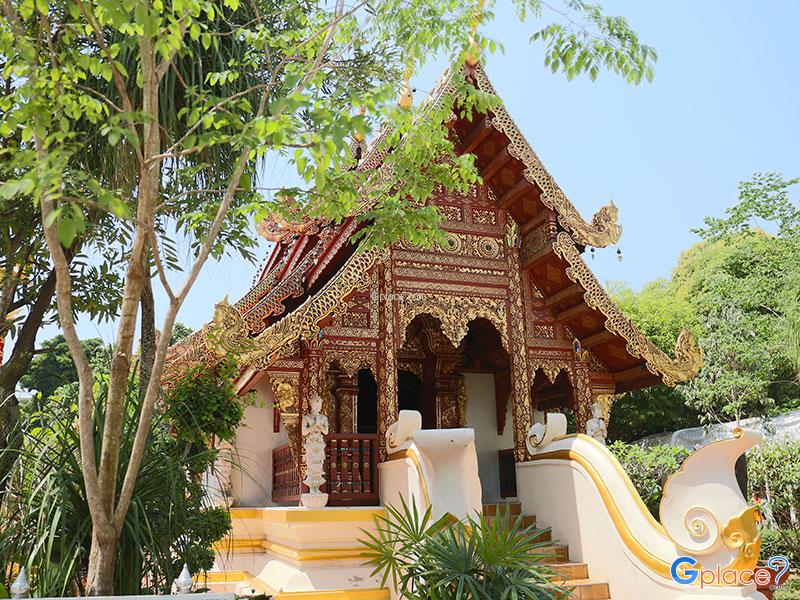

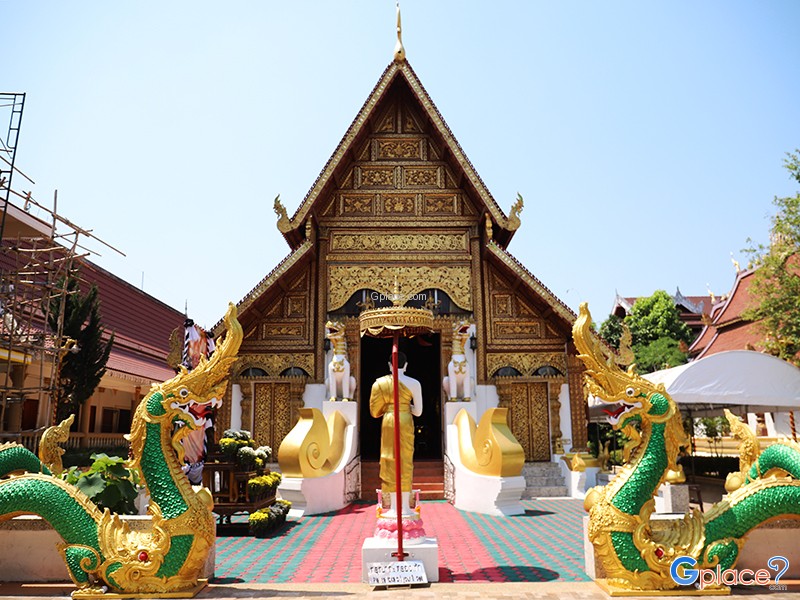
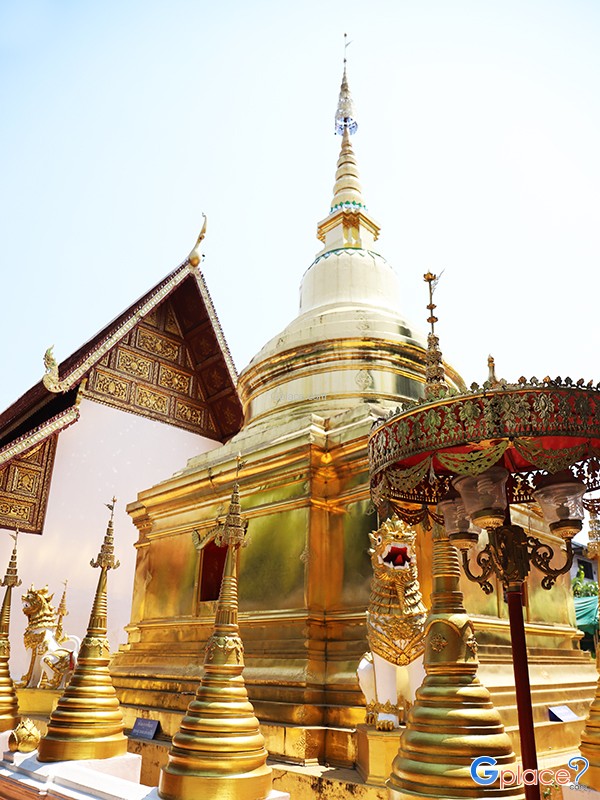
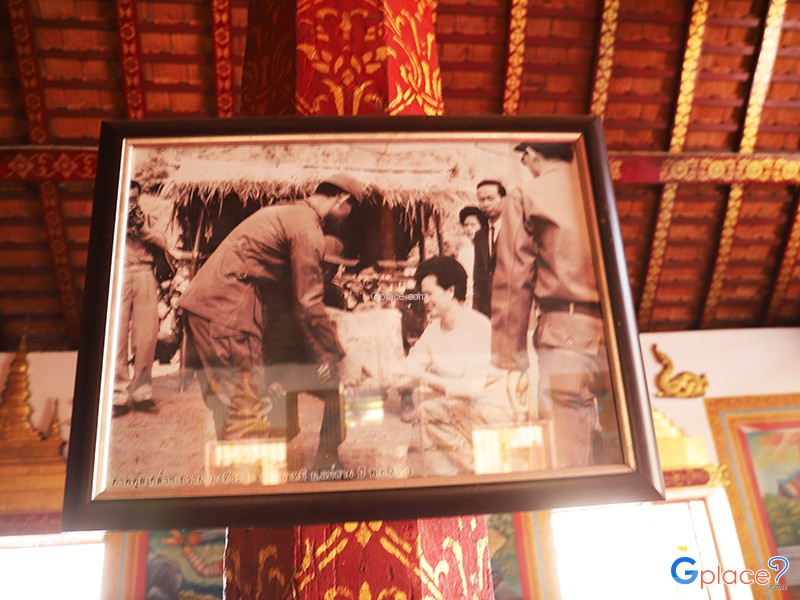
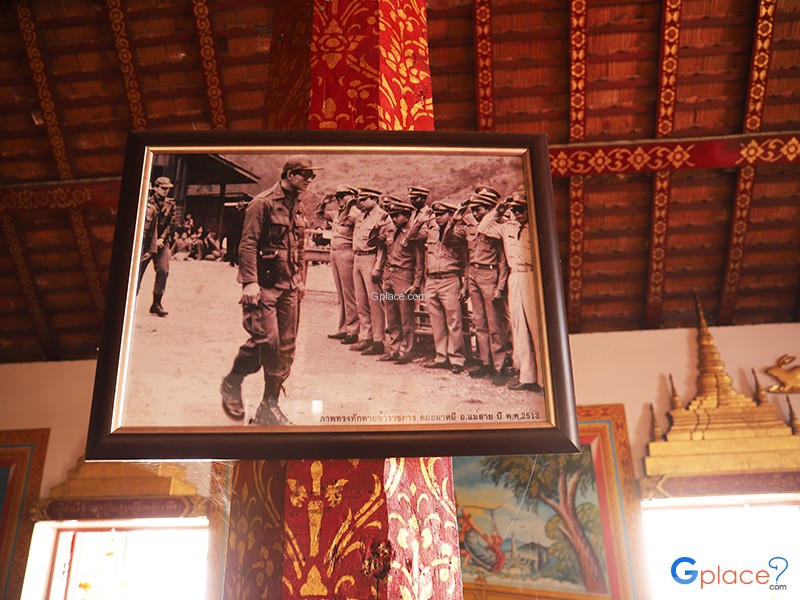
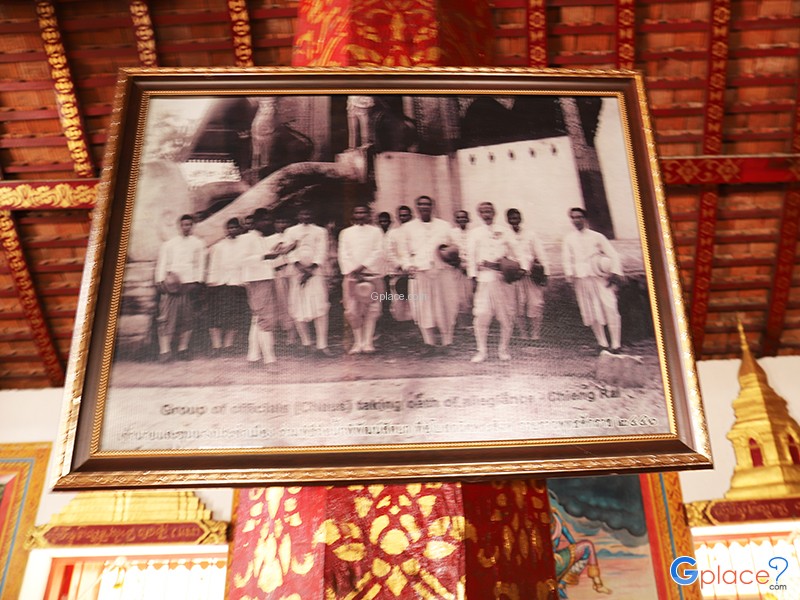



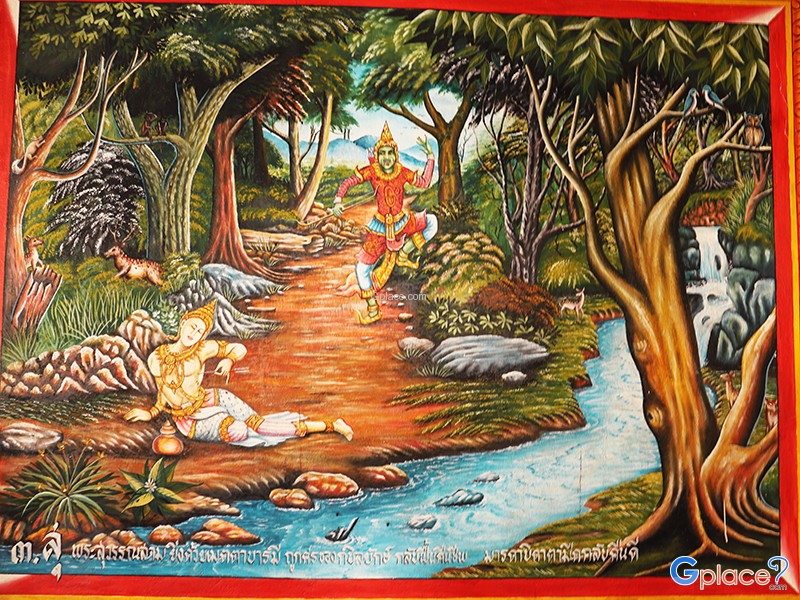
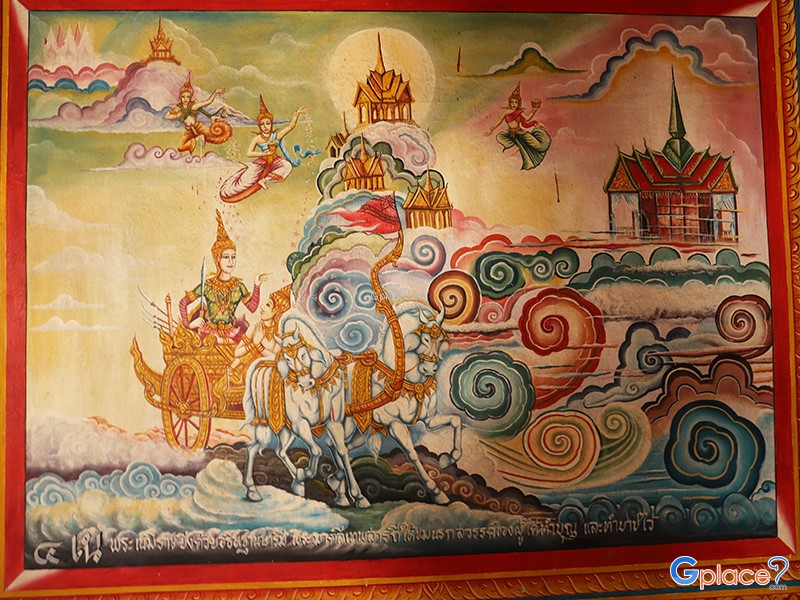
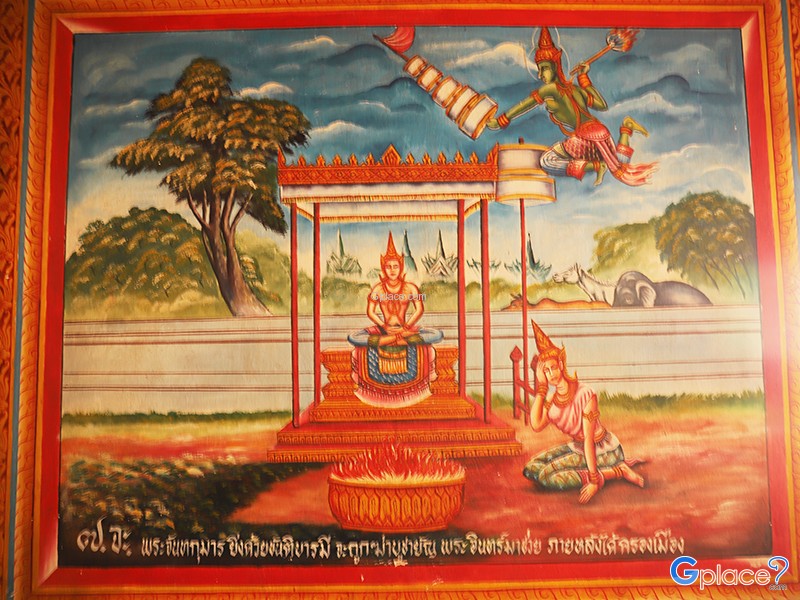
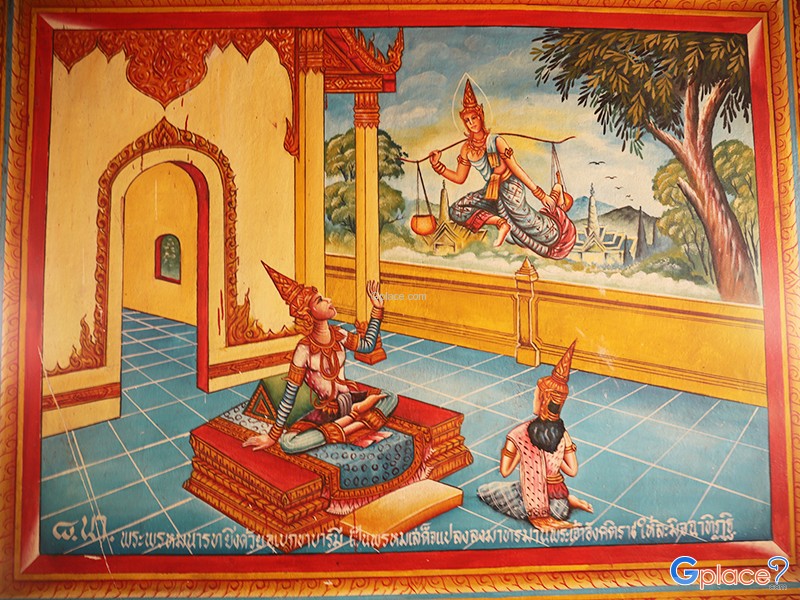
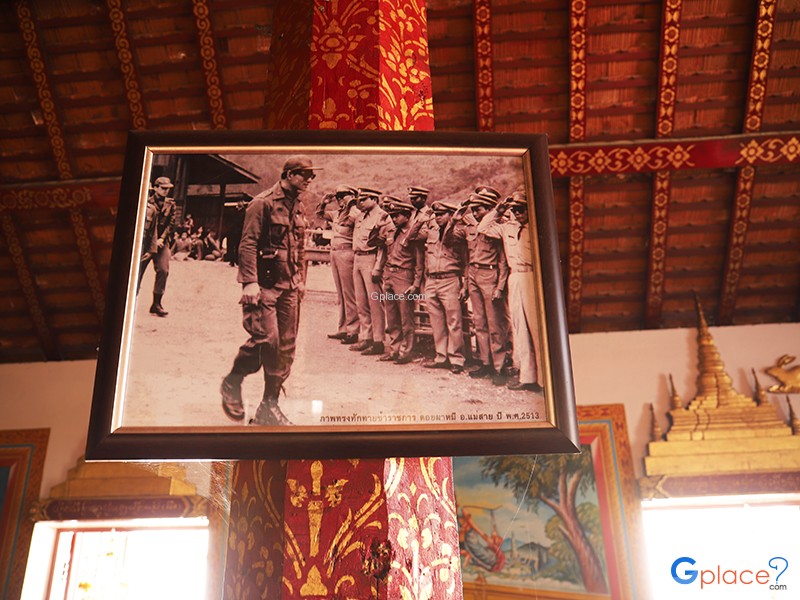
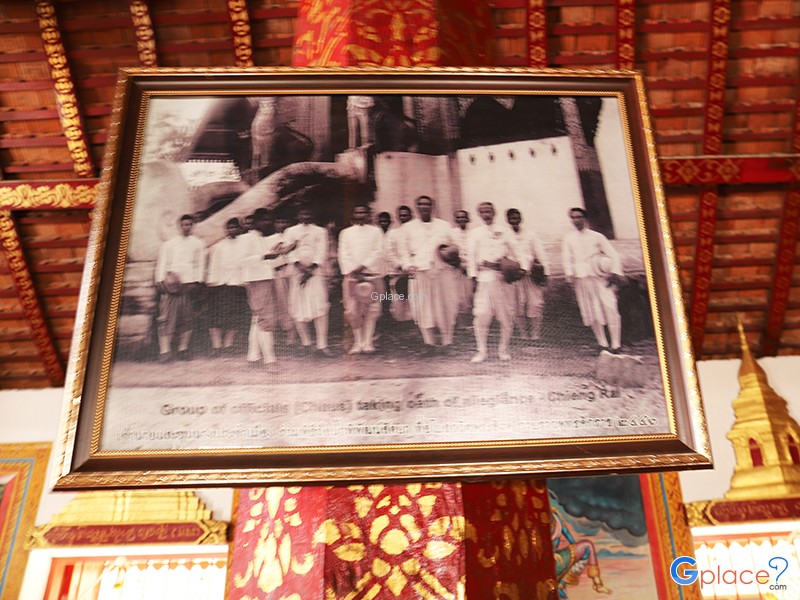
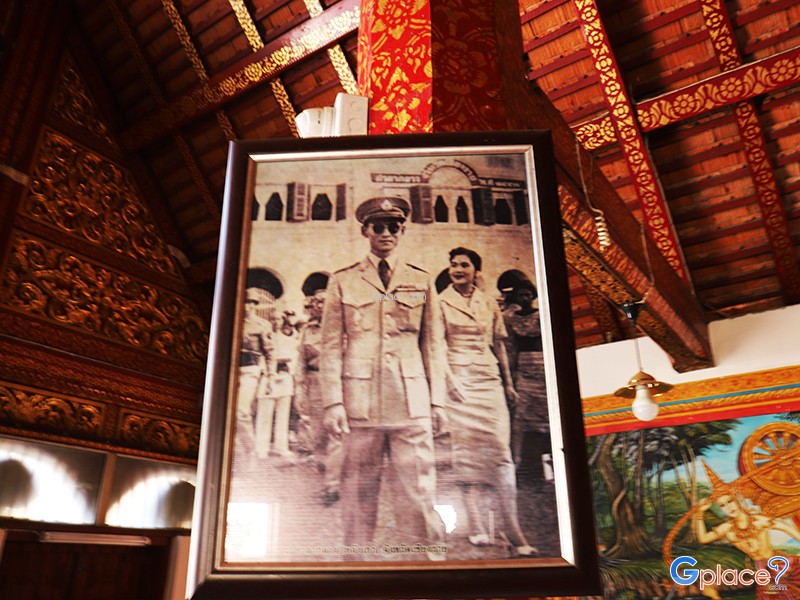
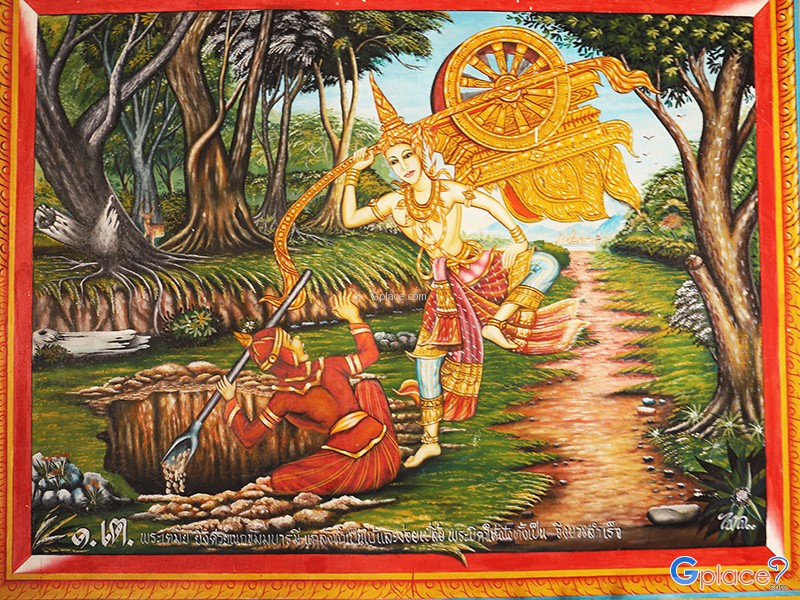

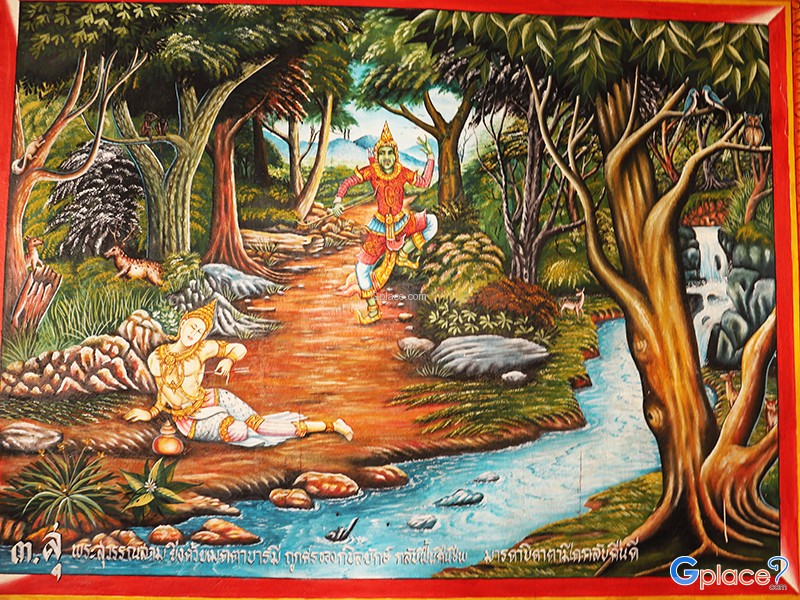
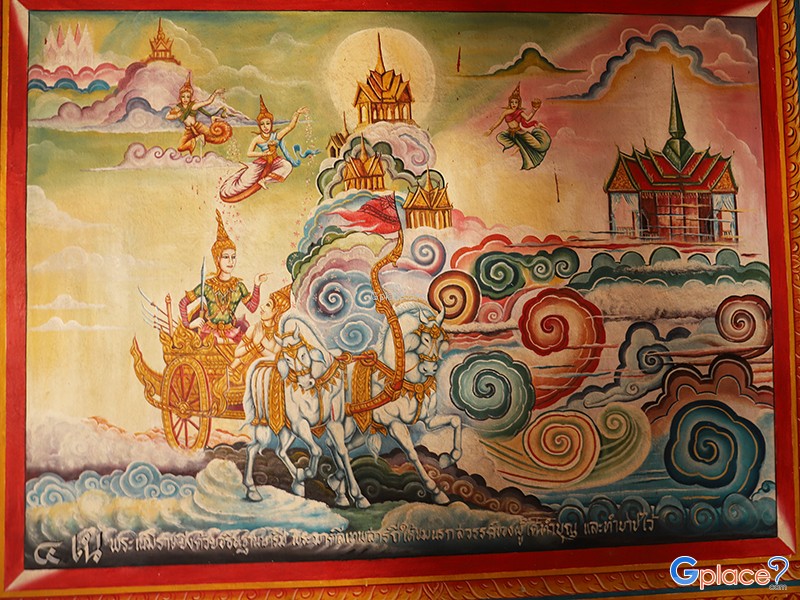
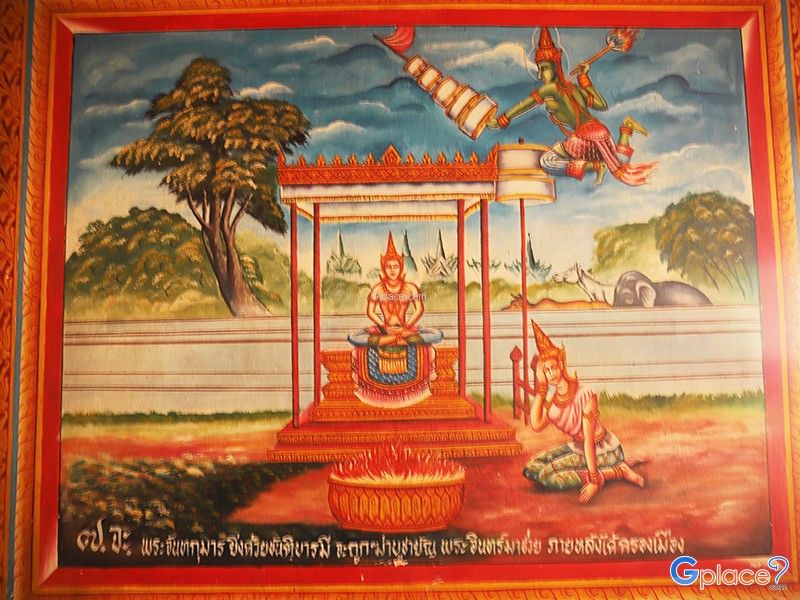
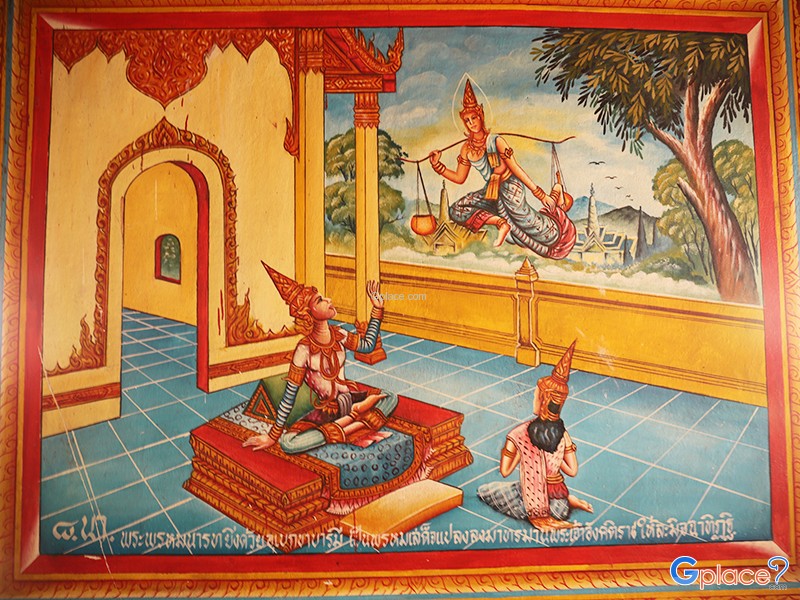
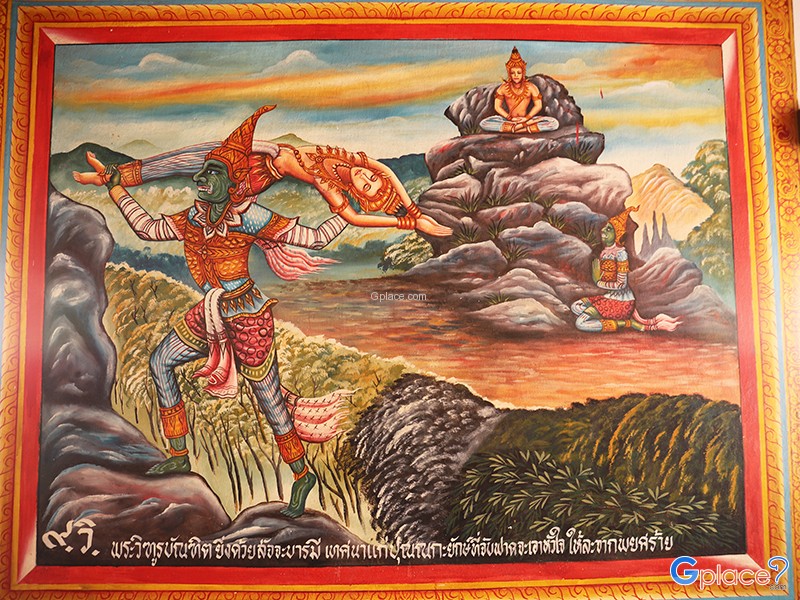
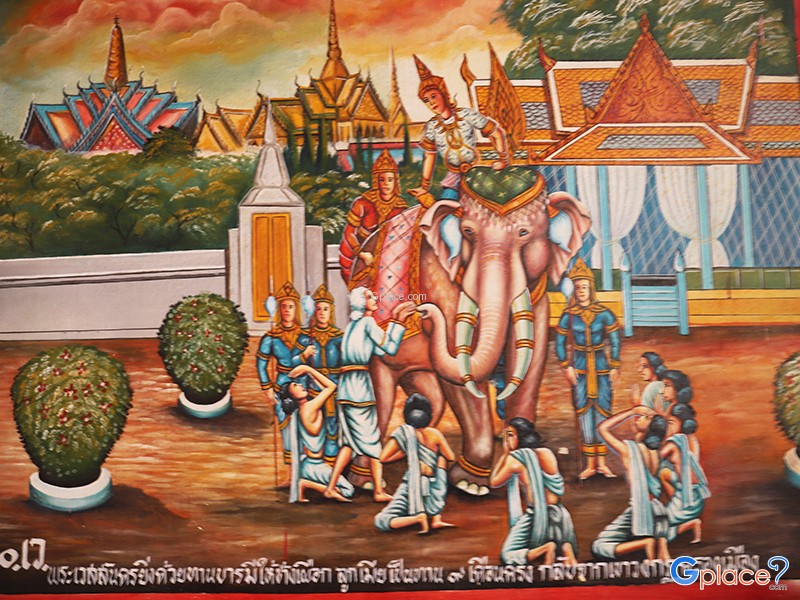
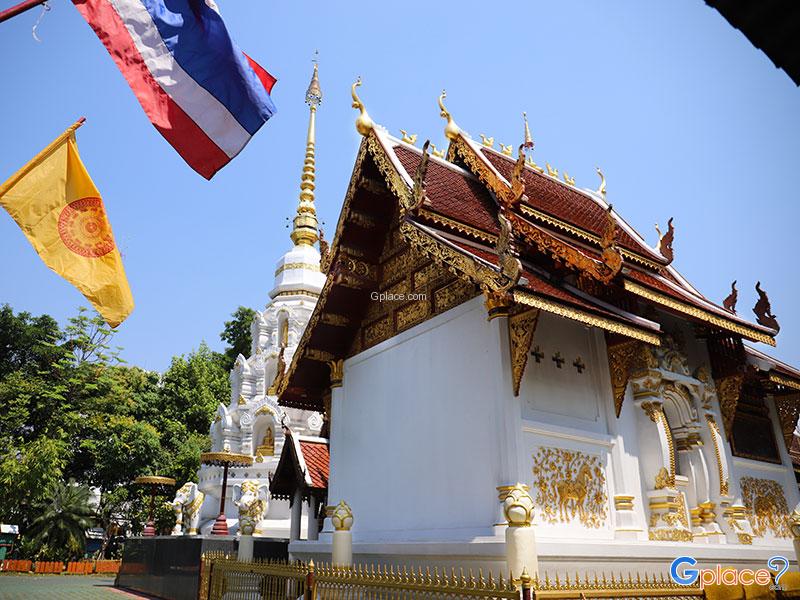
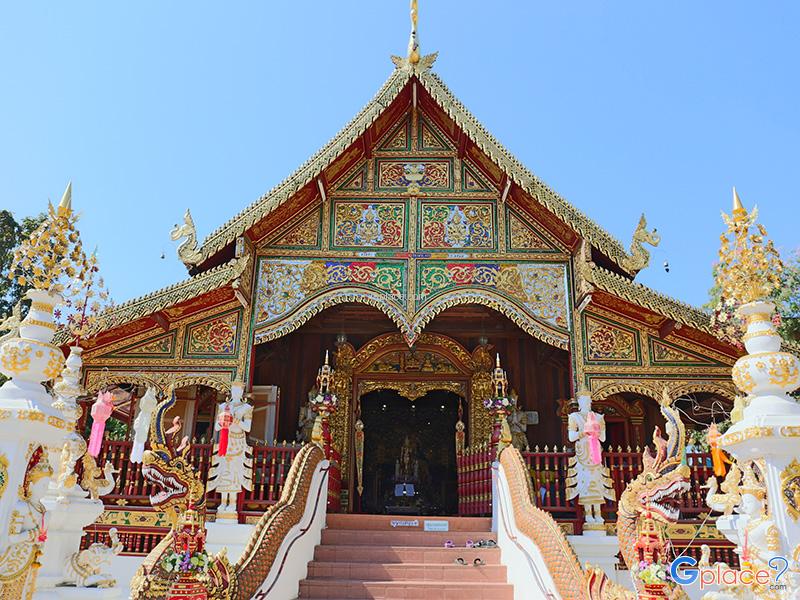
“Exquisite authentic Lanna architecture featuring intricate wood-carved vihara and a unique bell-shaped chedi, serving as one of the most significant historical and Buddhist art landmarks.”
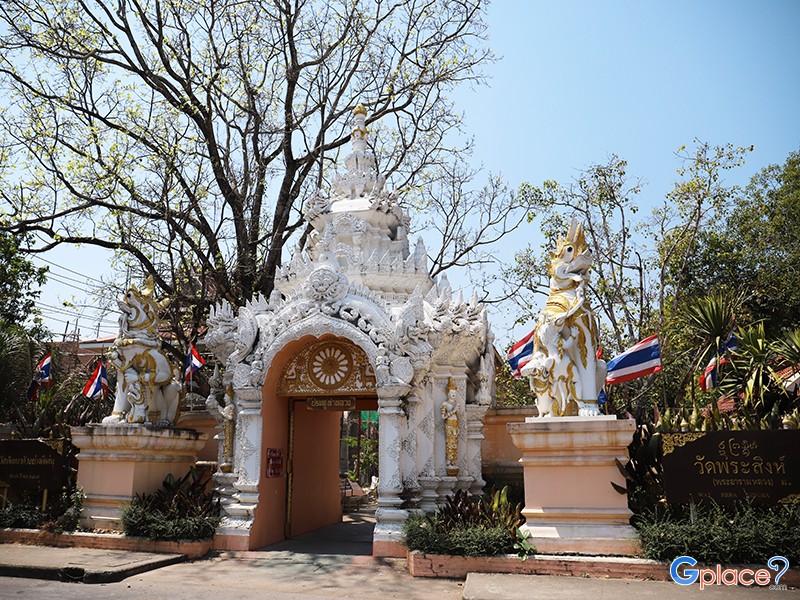
Wat Phra Sing in Chiang Rai is an ancient temple of immense historical significance to the city and the Lanna Kingdom. Located on Singha Khai Road in the heart of Chiang Rai's old city, the temple is believed to have been built in the late 19th Buddhist century during the reign of King Maha Phrom, the son of Phaya Ngam Muang, a key figure in Lanna history. Wat Phra Sing has long been a vital religious and cultural center of the city, and it clearly reflects the flourishing of Lanna art and architecture in the past, including its intricate wood carvings and traditional temple layout.
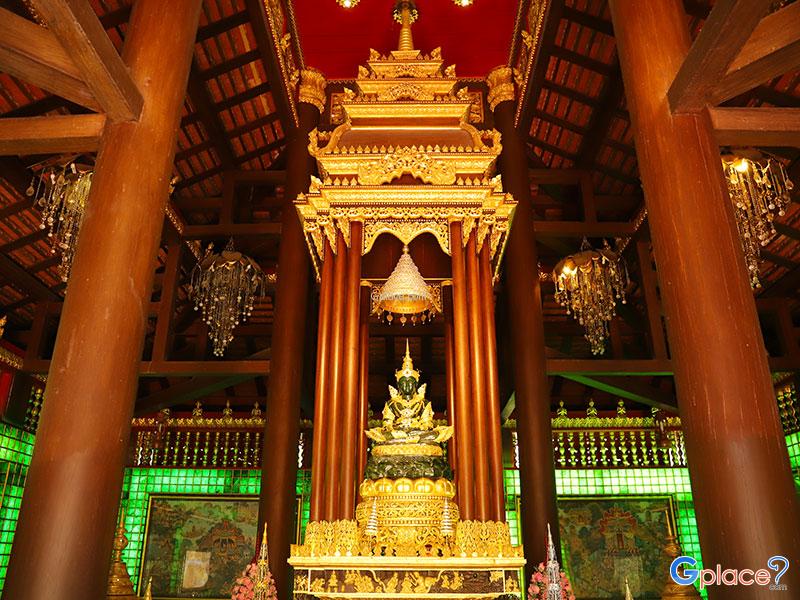
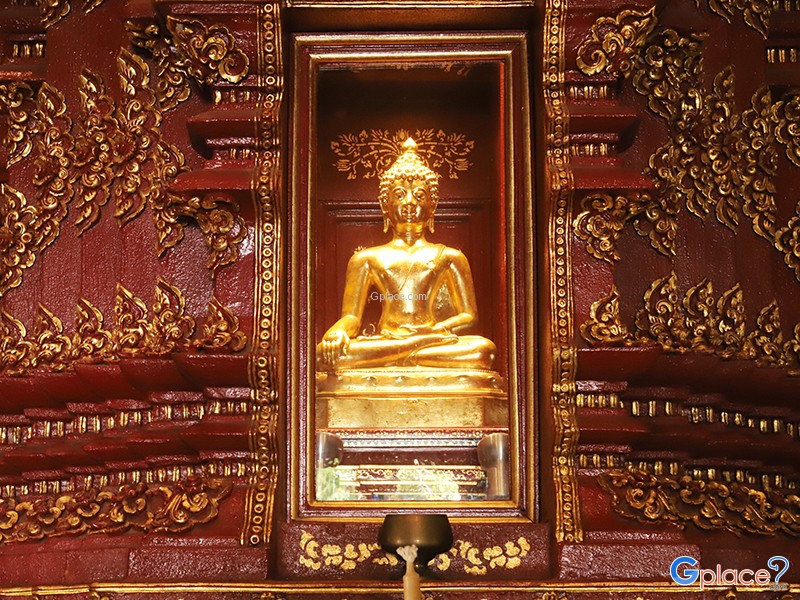
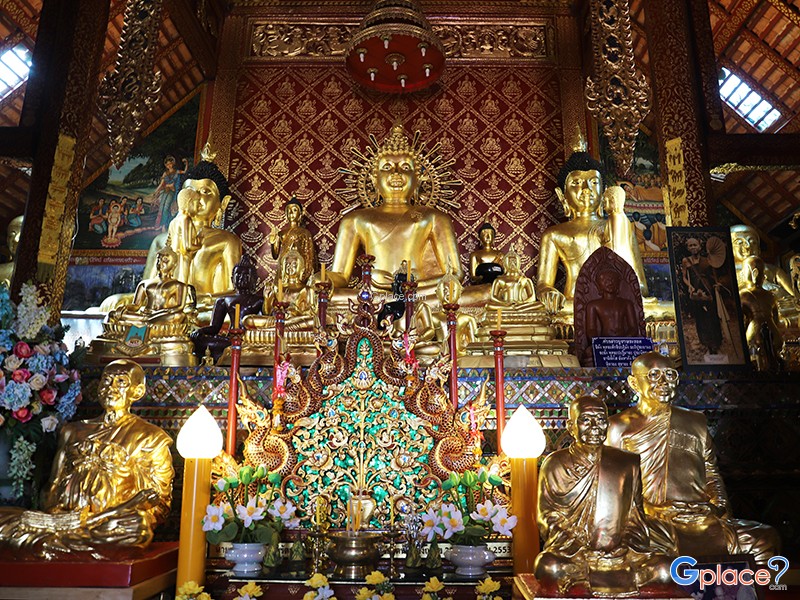
According to Lanna legend, Wat Phra Sing once housed the sacred "Phra Phuttha Sihing," a revered Buddha image considered the guardian of Lanna, before it was later moved to Chiang Mai. The legend of Phra Phuttha Sihing is connected to several important cities in northern Thailand, and while there is no definitive historical evidence to confirm all the details, it reflects the importance of Wat Phra Sing as a religious center in the past. Today, a replica of the Phra Phuttha Sihing is enshrined within the temple for visitors to pay their respects and seek blessings. During important Buddhist festivals, Chiang Rai residents continuously visit the temple to make merit and participate in religious ceremonies.
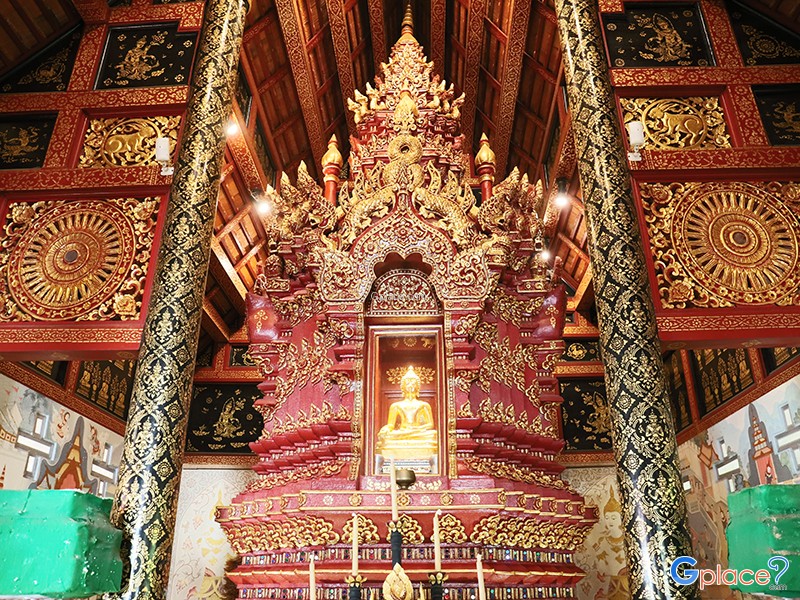
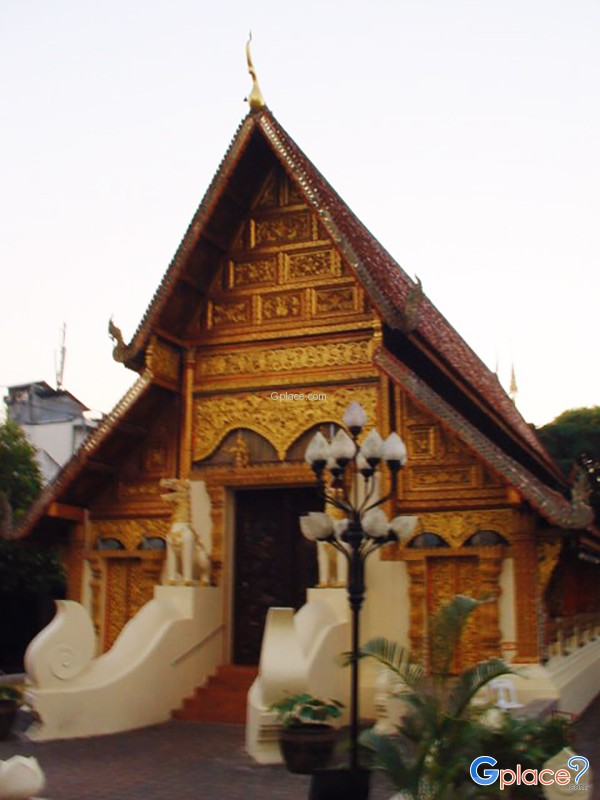
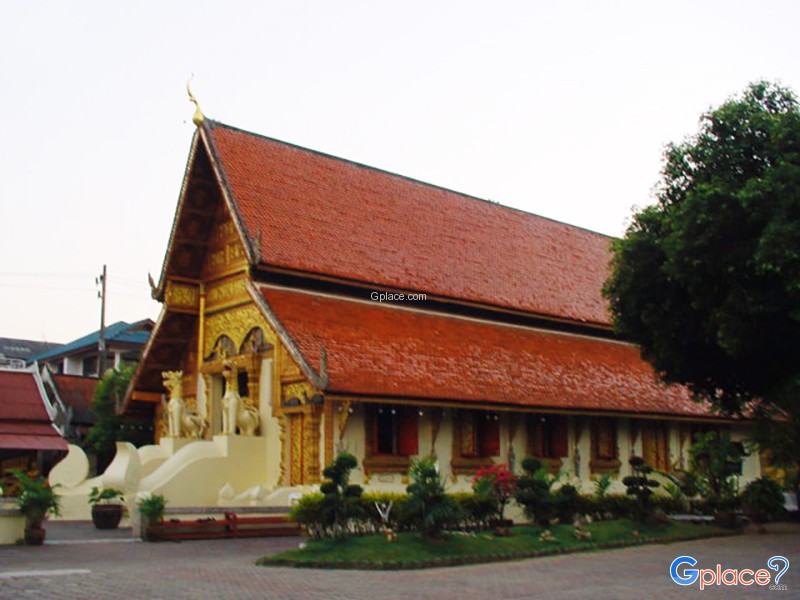
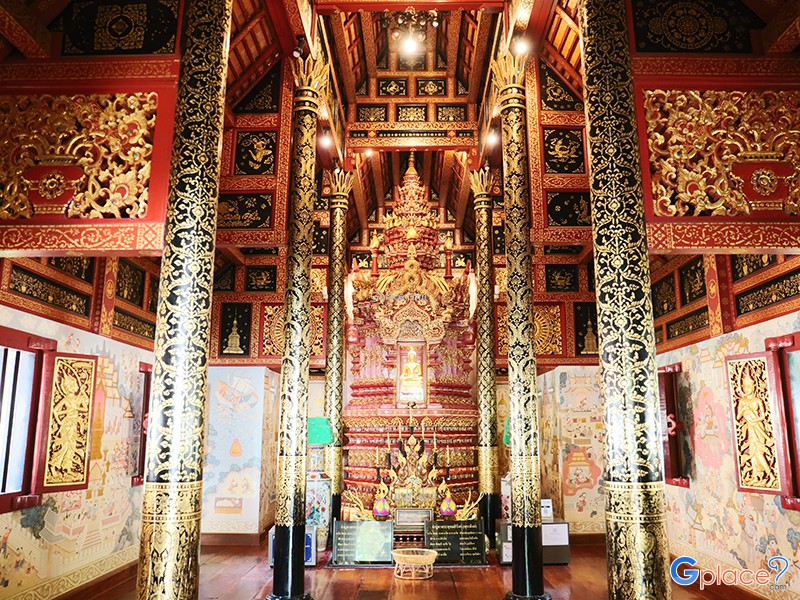
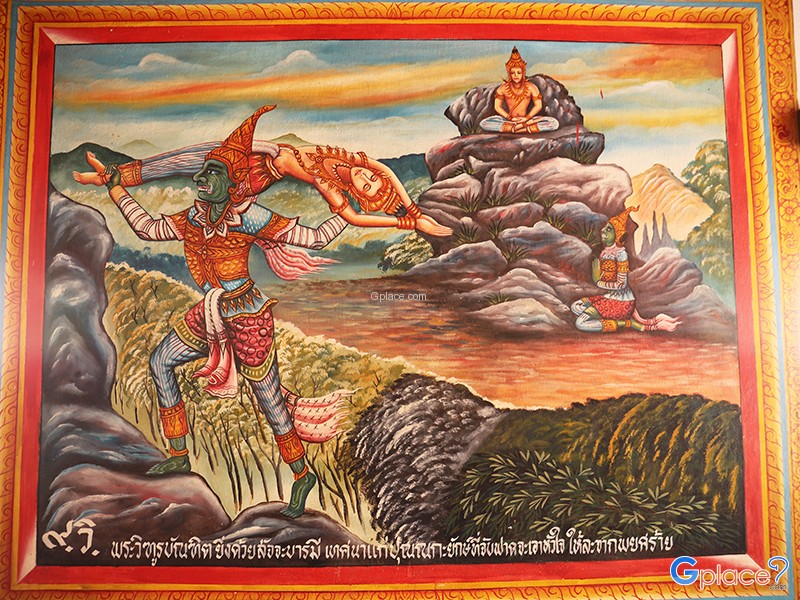
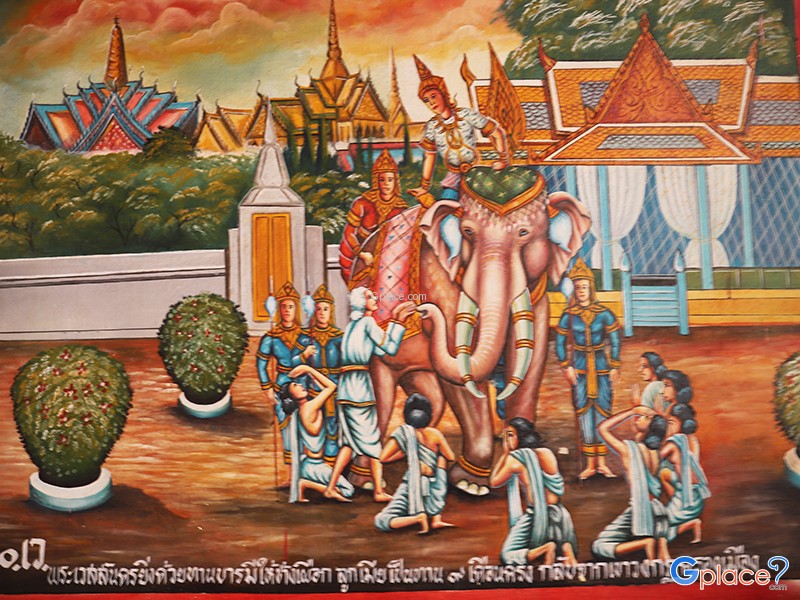
The main highlight of Wat Phra Singh is its beautifully preserved, authentic Lanna architecture. The temple's main hall is a large wooden structure with a tiered roof in the Lanna style. The interior is adorned with delicate wood carvings, showcasing the ingenuity of local craftsmen of the past. Many of the wooden pillars inside the hall are lacquered, gilded, and decorated with traditional Lanna patterns. The atmosphere is serene and imbued with the charm of an ancient northern Thai temple. Furthermore, the temple houses an important Buddha image and some murals depicting the life of Buddha and the way of life of the Lanna people in the past.
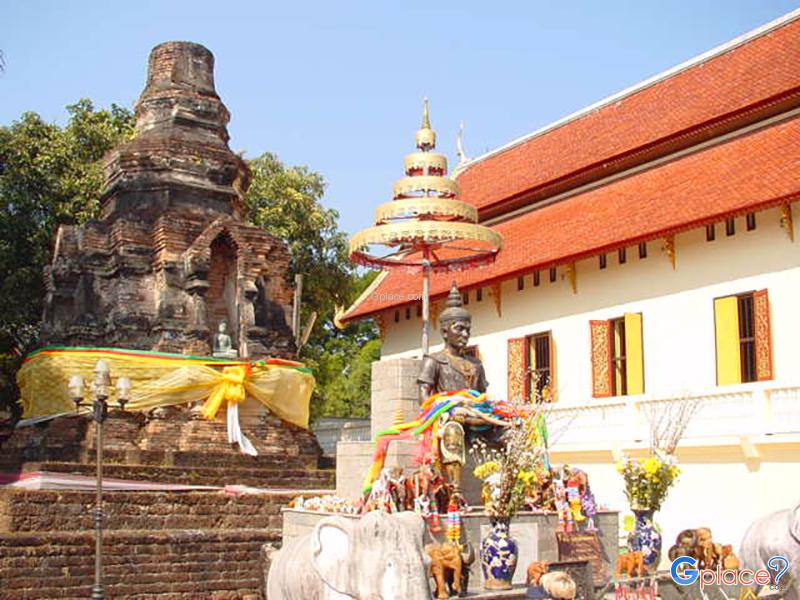
Within the temple grounds is a Lanna-style pagoda influenced by Sri Lankan art, a style popular during the flourishing period of the Lanna Kingdom. The bell-shaped pagoda stands on a raised base, surrounded by areas for religious ceremonies and merit-making. The beauty of the pagoda, combined with the Lanna-style wooden hall, makes Wat Phra Singh one of Chiang Rai's most prominent cultural photography spots, especially during the morning and evening when natural light enhances the intricate details of the wood and gold accents.
Beyond its artistic and historical value, Wat Phra Singh serves as a spiritual center for the people of Chiang Rai, fostering religion and local traditions. The temple continuously hosts merit-making activities, sermons, and candlelit processions on important Buddhist holidays. Visitors to this temple not only admire the beauty of ancient ruins but also get to experience the lifestyle and faith of the Lanna community, passed down for hundreds of years. The tranquil atmosphere within the temple grounds is ideal for meditation, mental relaxation, and learning about local history through artwork that retains its original unique character.
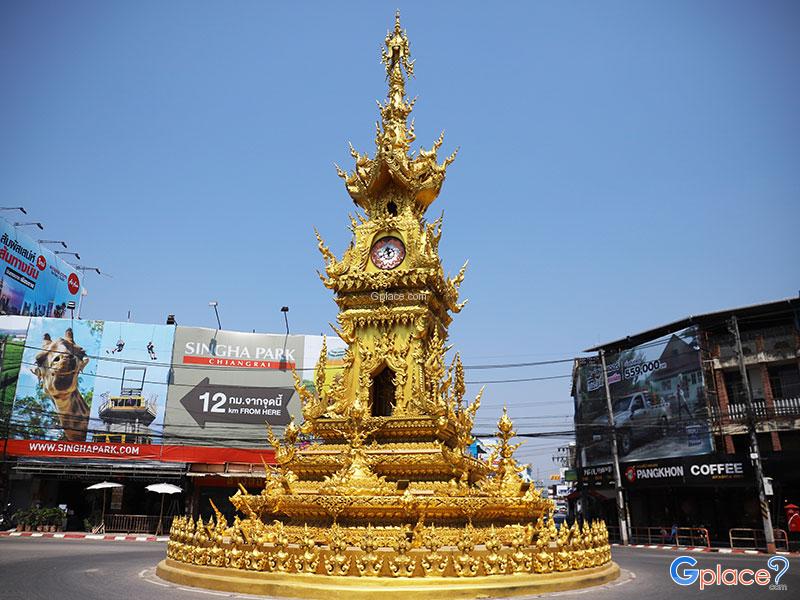
Located in the heart of Chiang Rai city, Wat Phra Singh is easily accessible and is often included in cultural tours that combine it with nearby landmarks such as the Chiang Rai Clock Tower, Chiang Rai Walking Street, and Wat Phra Kaew. A visit to Wat Phra Singh is therefore not just about paying respects and seeking blessings, but also an opportunity to learn about the invaluable historical, artistic, and cultural foundations of Lanna in Chiang Rai province.
How to Get There
- Located in the heart of Chiang Rai city, it is easily accessible by private car, motorcycle, or local public transport. It is situated on Singhaklai Road, near the Cultural Hall and the city center.
Travel Tips
- Dress modestly before entering the vihara and sacred areas.
- Visit in the morning for cooler weather and better lighting.
- Late afternoon offers beautiful light on the Lanna architecture.
- Always remove your shoes before entering temple buildings.
Admission Fees:
- Free admission.
Opening Hours:
- Open daily from 08:00 – 05:00 PM.
Wat Phra Sing

 Share
Share
 T.Wiang, A.Mueang Chiang Rai, Chiang Rai, 57000
Map
T.Wiang, A.Mueang Chiang Rai, Chiang Rai, 57000
Map
 Closed today
Mon8.00 - 17.00
Tue8.00 - 17.00
Wed8.00 - 17.00
Thu8.00 - 17.00
Fri8.00 - 17.00
Sat8.00 - 17.00
Sun8.00 - 17.00

 https://www.thai-tour.com/thai-tour/north/chiangrai/data/place/pic_watprasing.html

 5984
5984
Recommend trips
All reviews
(List 0 review)Nearby Places
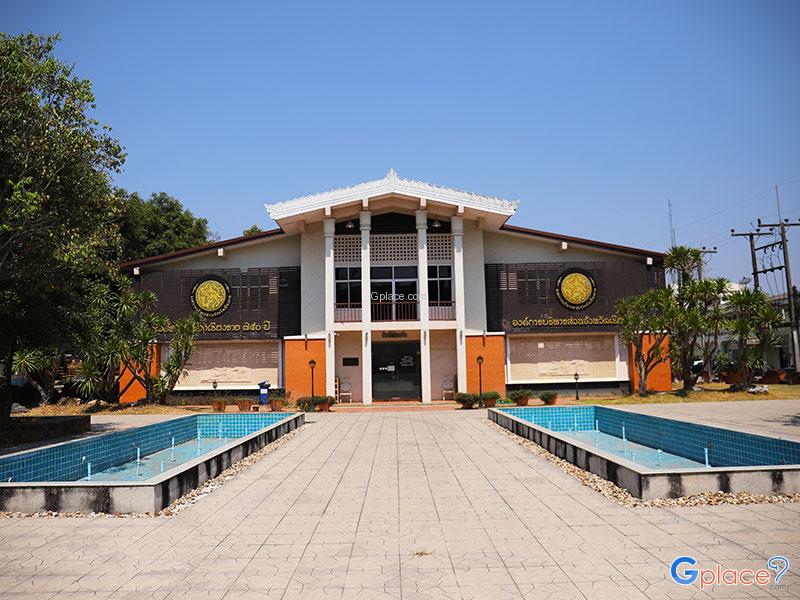 Chiang Rai 750th Anniversary Cultural Exhibition Center and Museum
(List 0 review)
Distance 0.15 Kilometer