 Attractions
  Hotel
Hotel  Restaurant
  Shopping
  Abroad






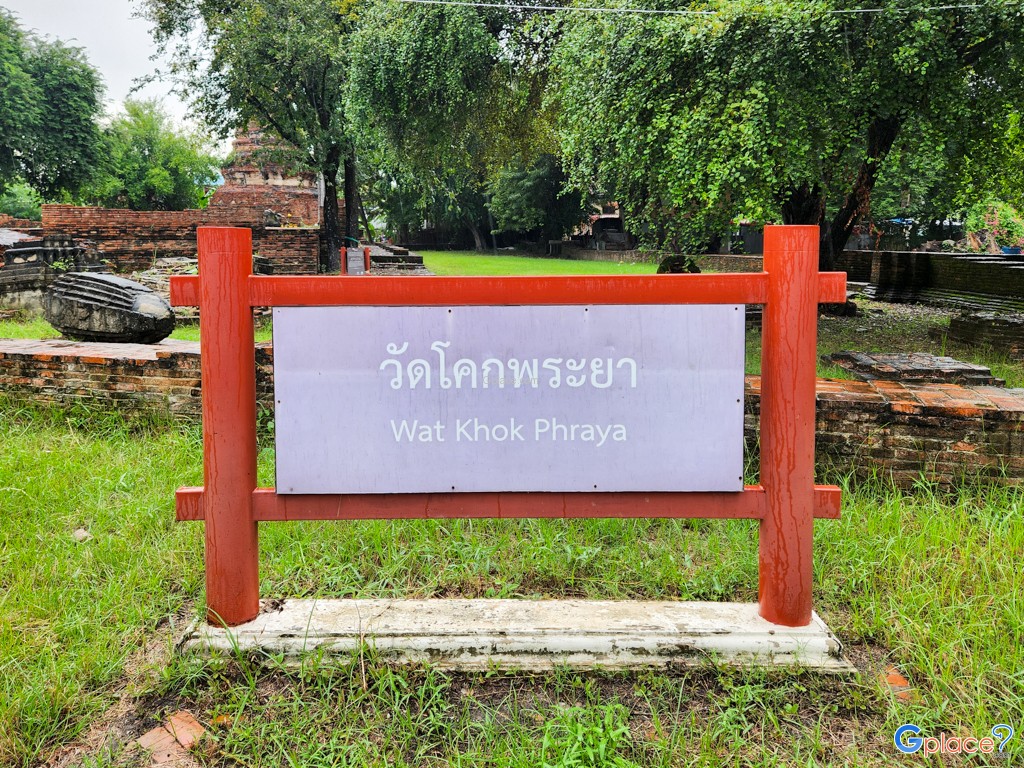
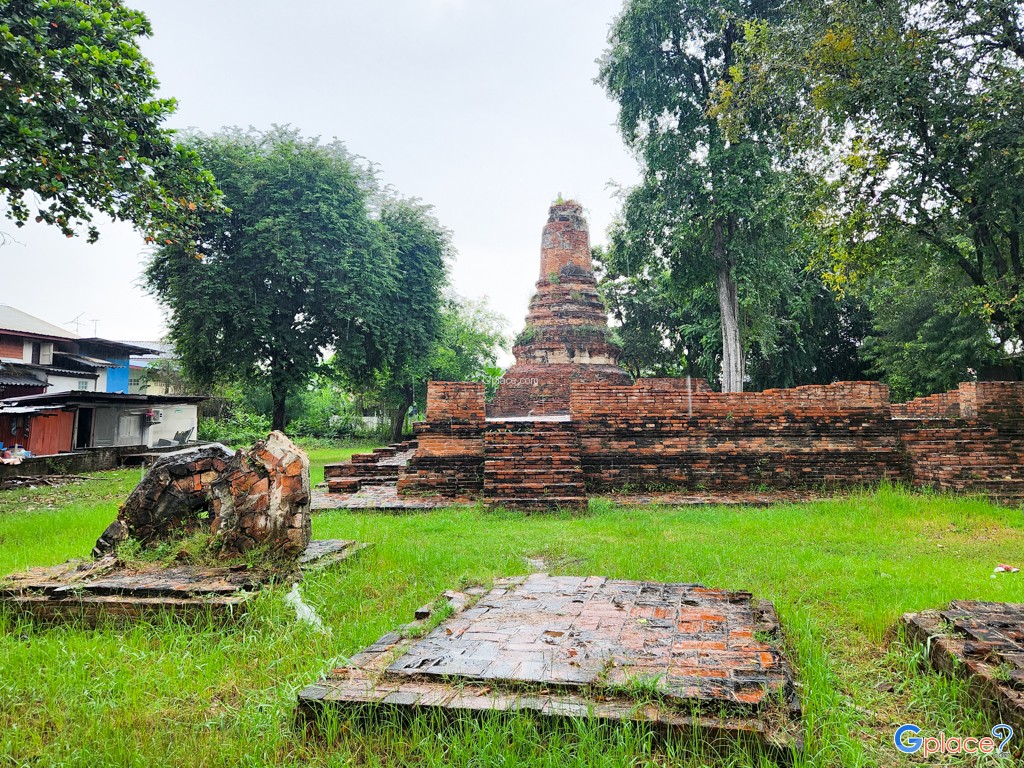
“Experience the profound stillness of the historical site used for the execution of kings and royalty during the Ayutthaya period, marking major political turning points.”
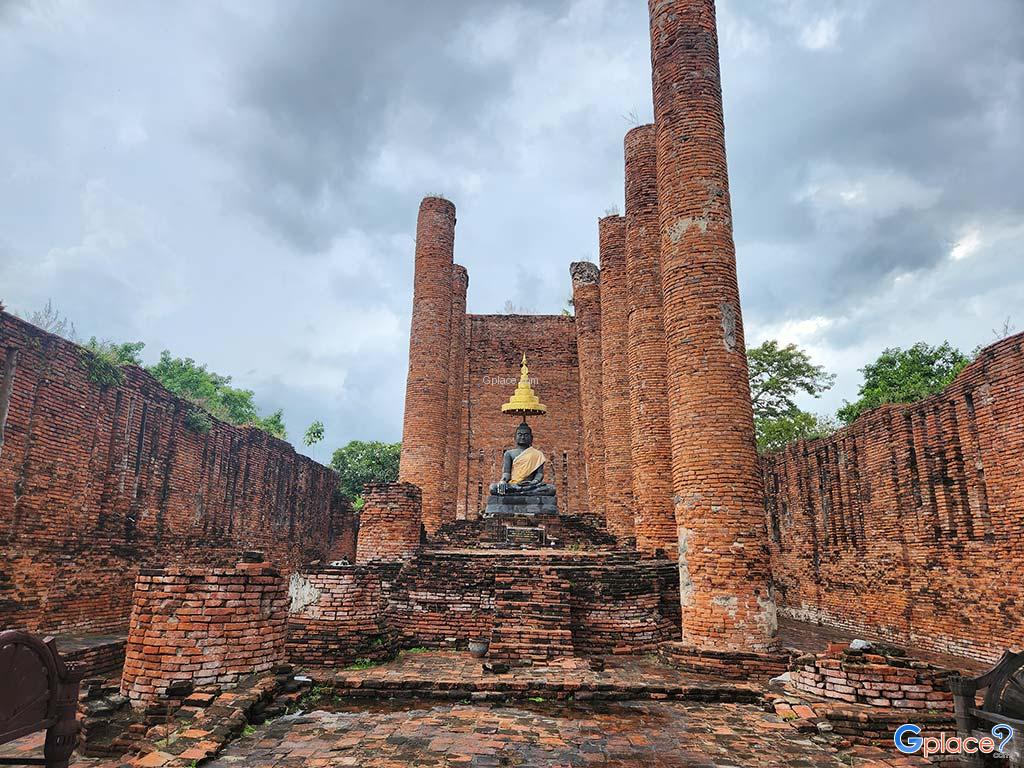
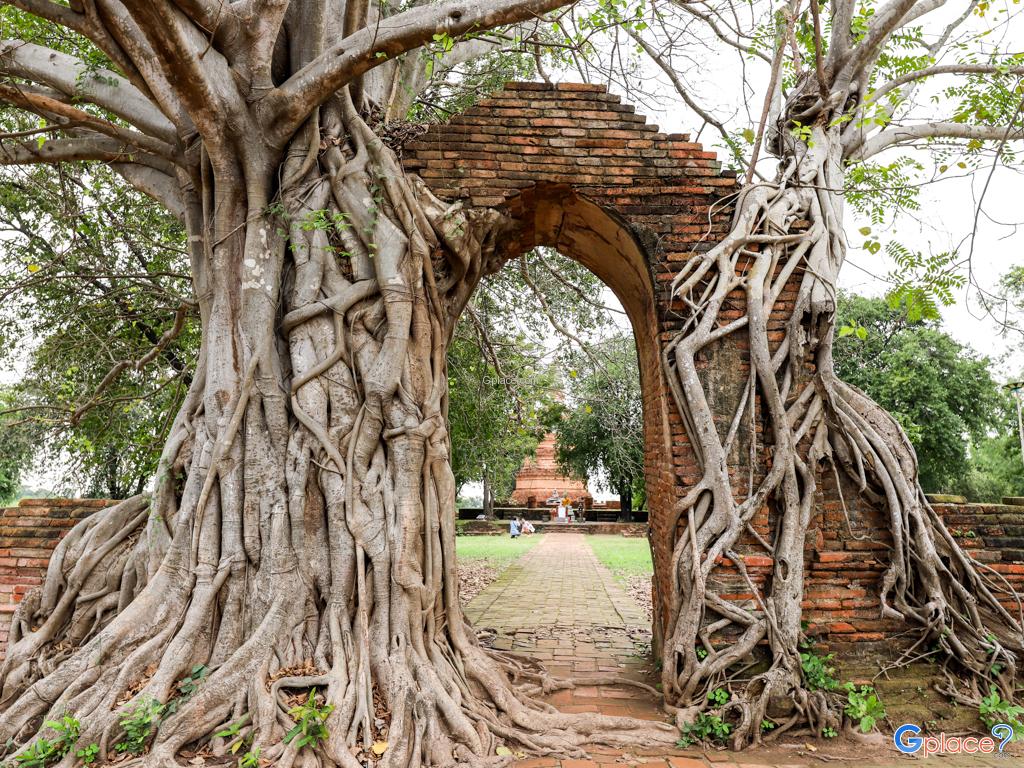
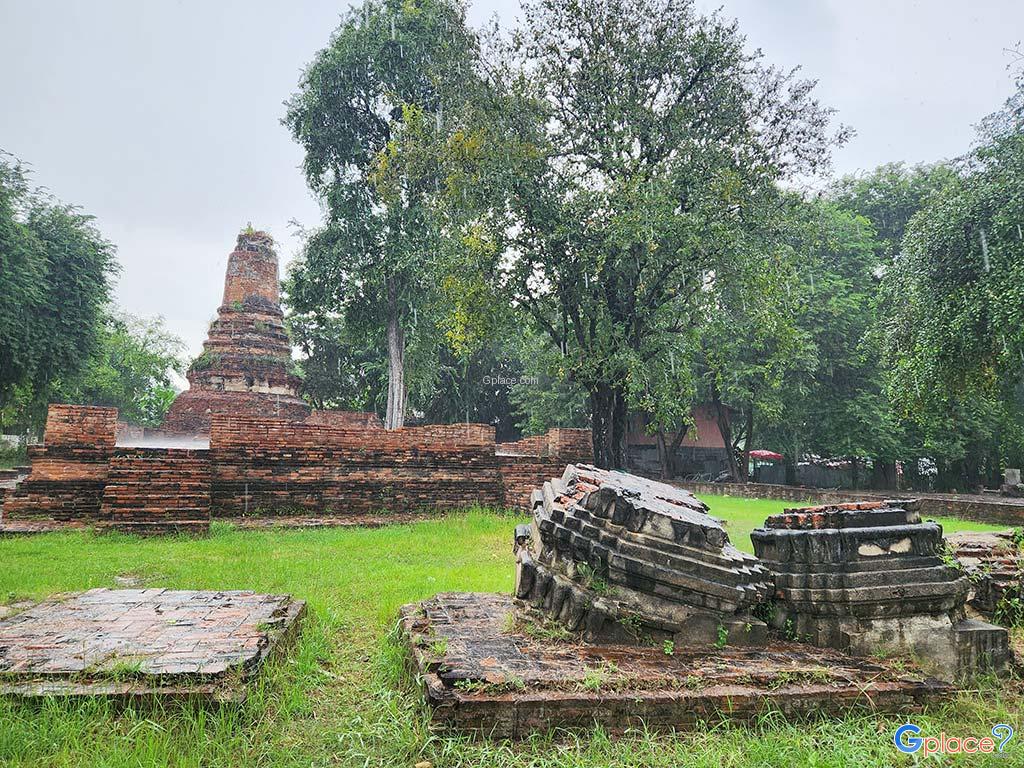
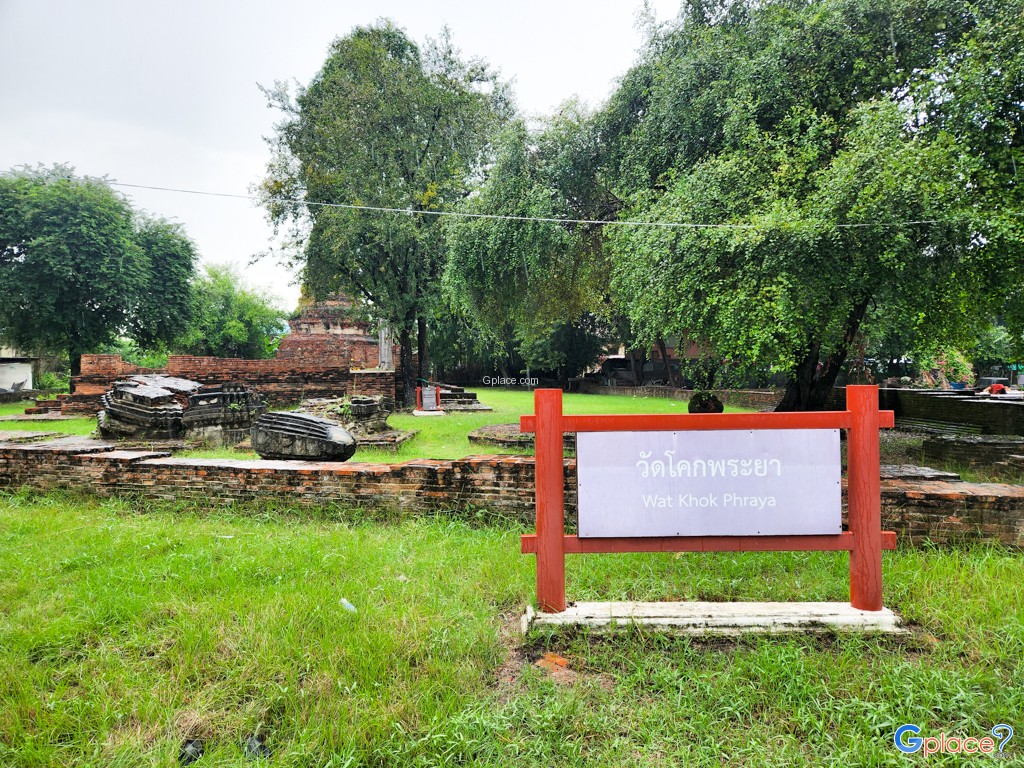
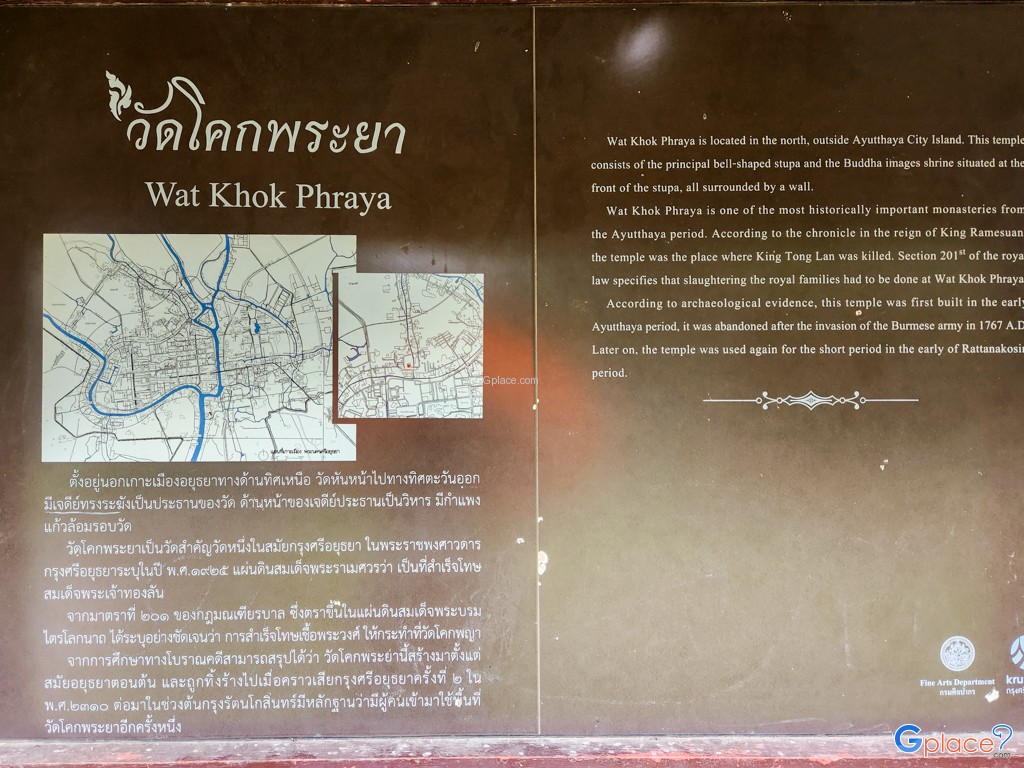
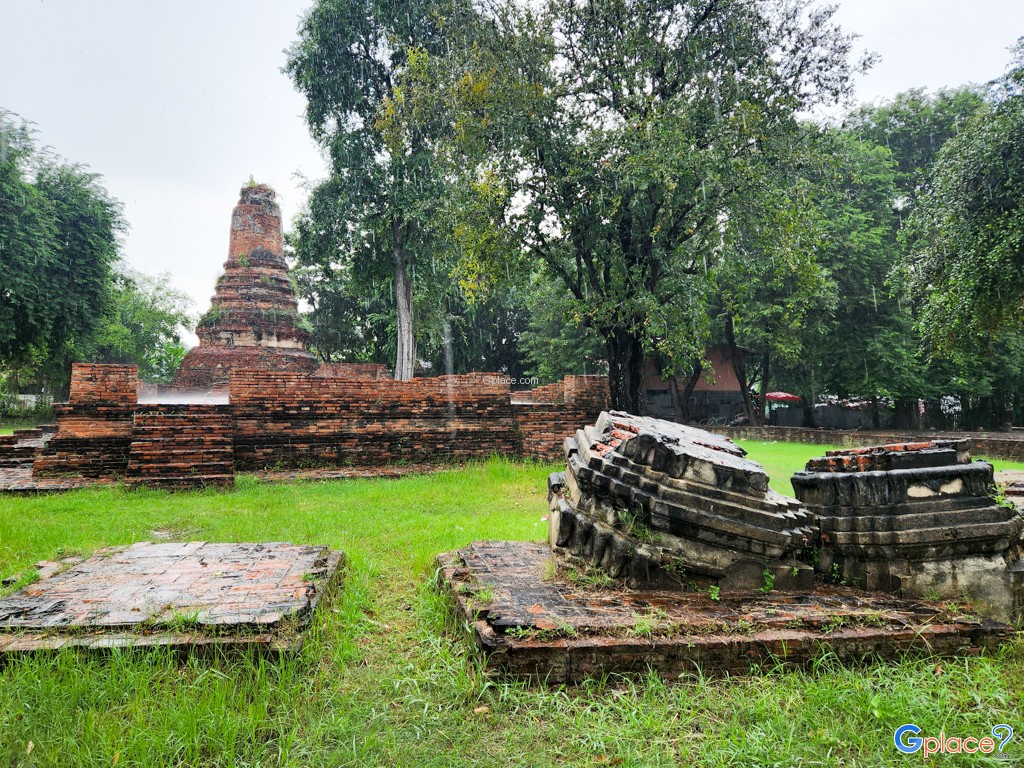
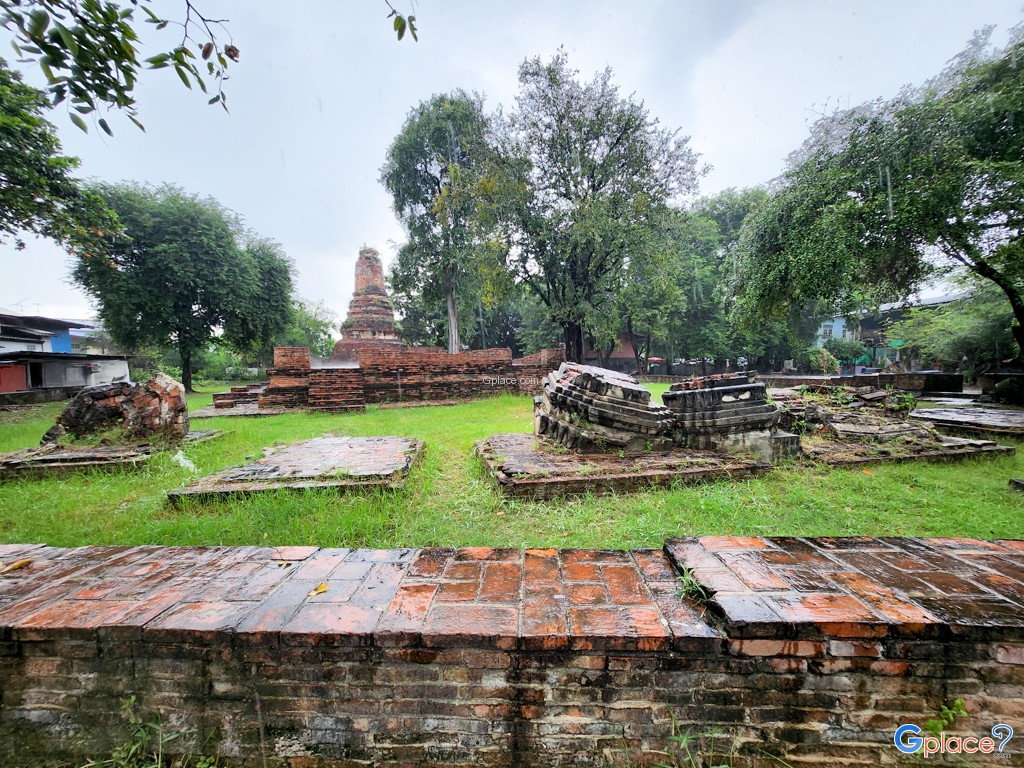
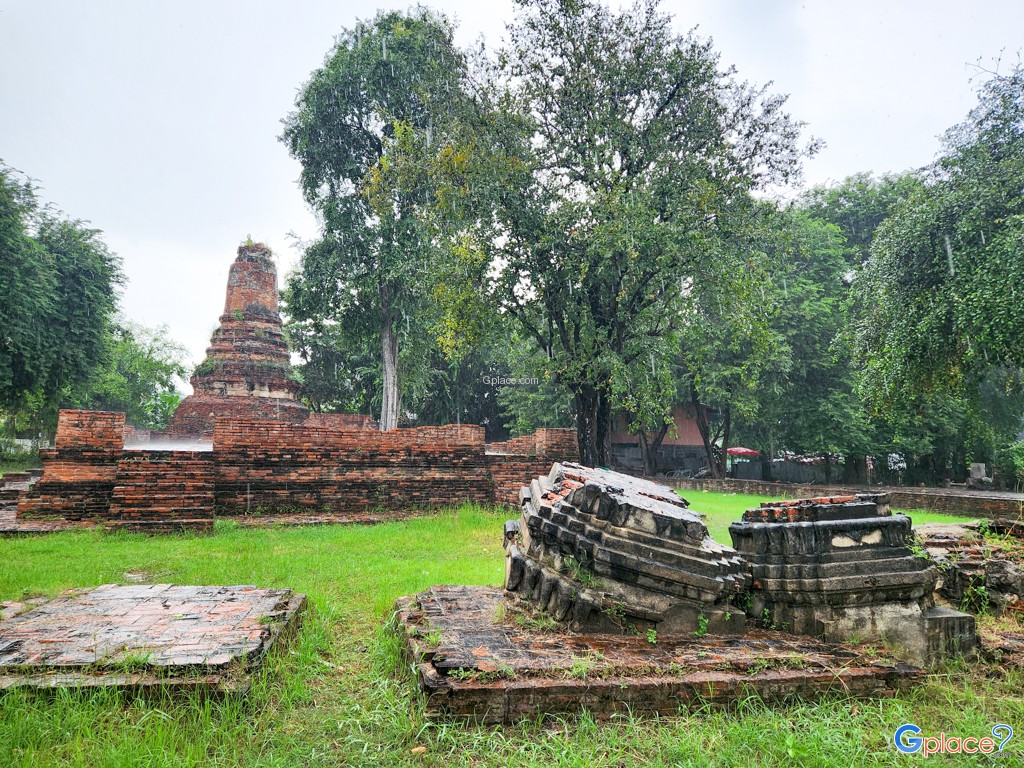
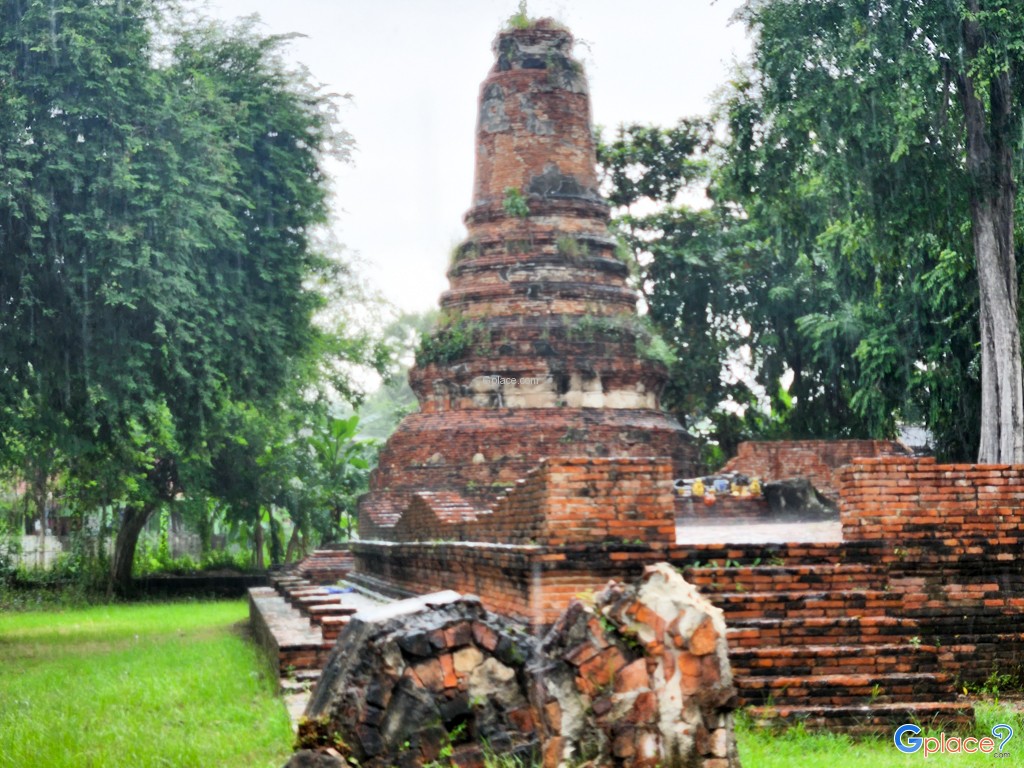
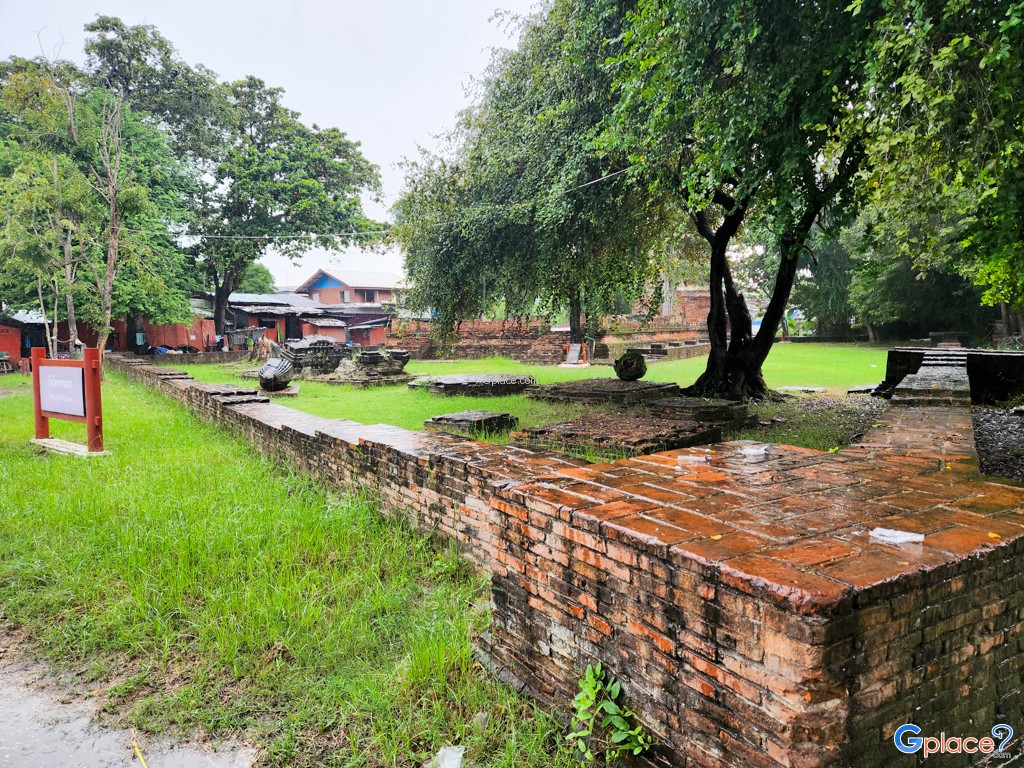
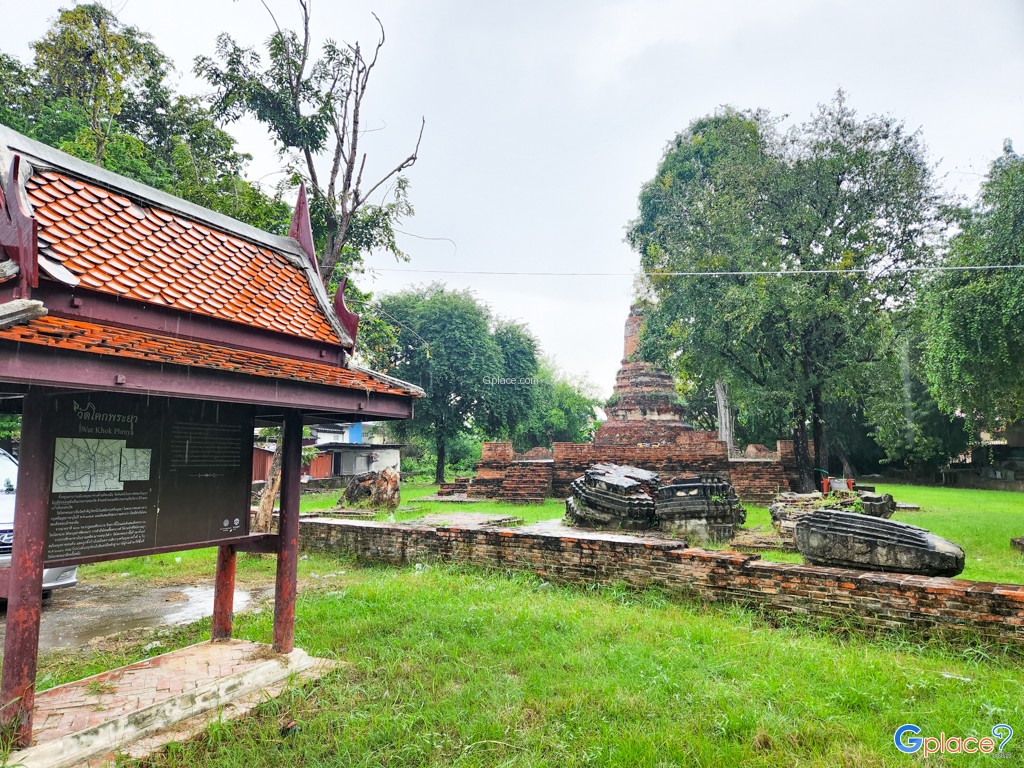
Khok Phraya Temple is a small archaeological site located north of Ayutthaya Island, in the Thung Lumphli area outside the ancient city. Although only ruined foundations and deteriorated stupas remain today, the temple holds immense historical significance as a site deeply connected to power, politics, and the fate of the Ayutthaya royal court.
According to royal chronicles, Khok Phraya Temple was used as a place for the execution of royal family members in accordance with ancient traditions of the Ayutthaya Kingdom. High-ranking princes and even former kings who were removed from power were executed here without the shedding of blood, following the Laws of the Palace. Throughout the 417-year history of Ayutthaya, this site marked the political end of many important figures, clearly reflecting the authority and legal system of the ancient state.
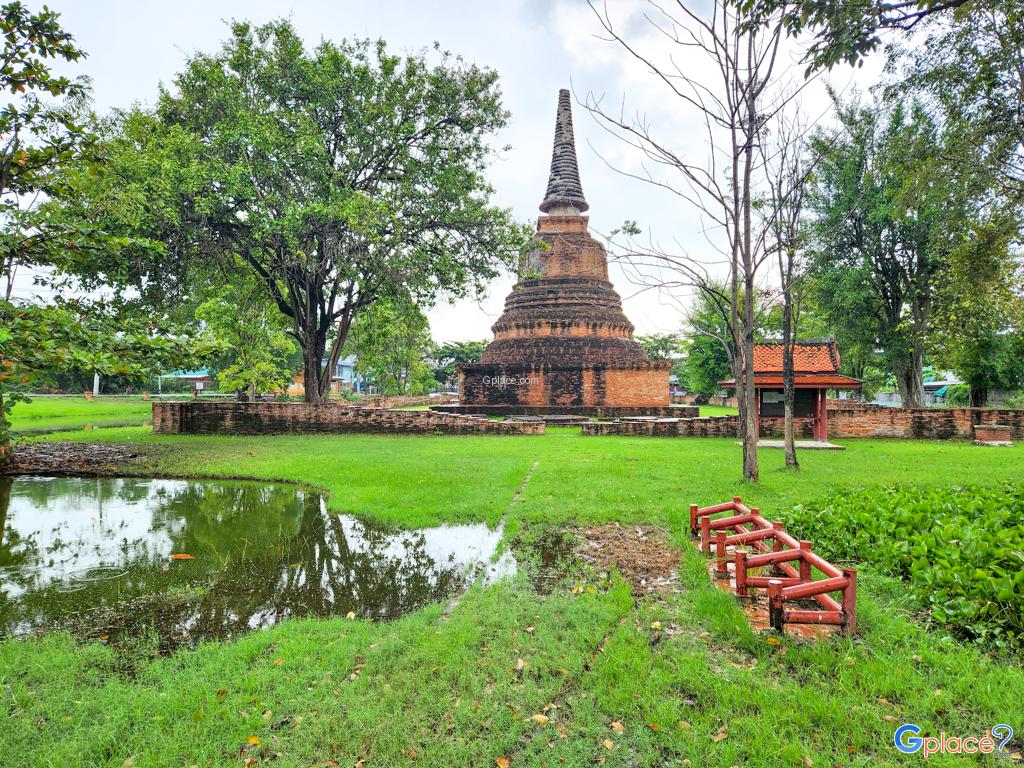
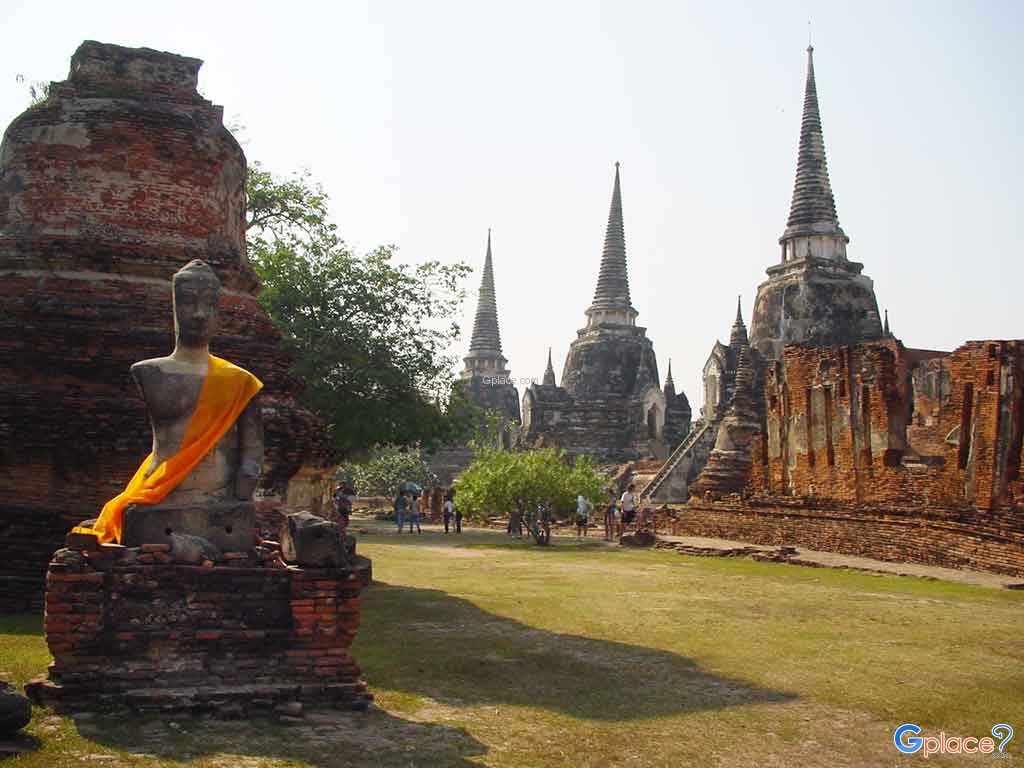
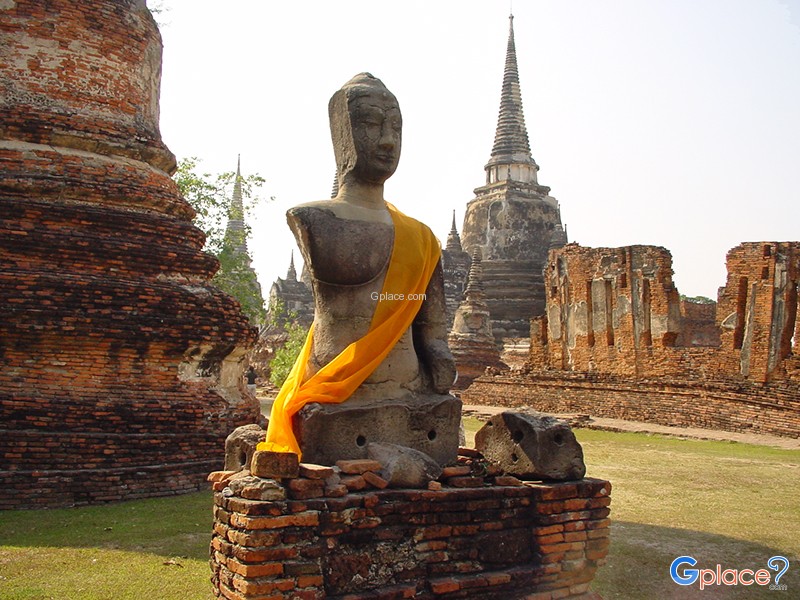
The main features of the site include the principal prang and surrounding stupas. Although only their bases remain, they still reveal early architectural forms characterized by simplicity and structural strength. What sets Khok Phraya Temple apart from other temples is not artistic beauty but historical meaning, especially the area believed to have housed the sandalwood club used in royal executions. This symbol represents the absolute power of the state and the strict enforcement of royal law in the past.
The atmosphere surrounding Khok Phraya Temple is one of deep solitude and silence, as it lies within open fields far from crowded tourist attractions. Visitors can feel a solemn and heavy presence embedded in the landscape. Standing among the ancient brick ruins, one may sense time slowing down, with echoes of past events lingering in the stillness. In the late afternoon, sunlight falling across the red brick remains creates an atmosphere that is both mysterious and awe-inspiring.
Khok Phraya Temple is especially meaningful for historians, archaeologists, and documentary photographers. Its beauty does not come from ornate decoration but from the powerful stories embedded in the land itself. Travelers who enjoy exploring lesser-known historical sites will find this place rich in authenticity, offering space for reflection and imagination as they connect the remaining ruins with dramatic moments from the past.
Visitors are invited to seek understanding and reflect upon the stories engraved in the land at Khok Phraya Temple, a place that remains silent yet continues to convey profound truths about power, politics, and the realities of life during the Ayutthaya era.
How to Get There
Private Car:
- Drive behind Wat Na Phra Men, cross the Sa Bua Canal into the Lum Phli sub-district area.
Tuk-Tuk:
- Hire a local "Frog-nose" Tuk-Tuk from the city; it is recommended to show the driver the map.
Rental Bike/Scooter:
- A peaceful cycling route passing through grasslands and along the Sa Bua Canal.
Travel Tips
Best Season:
- December to February, when the surrounding fields are lush and the weather is pleasant.
Footwear:
- Wear sturdy, closed-toe shoes as the area can be overgrown with grass and weeds.
Photography:
- Early morning with light mist or twilight creates a mysterious and dramatic atmosphere for photos.
Preparation:
- The area is relatively secluded with no shops nearby; it is best to visit in a group and bring water.
Planning:
- Combine this visit with Wat Na Phra Men and Wat Merusikaram, which are located in the same vicinity.
Admission Fee
-
Local visitors: Free
-
Foreign visitors: Free
Opening Hours
-
Daily: 08:30 – 16:30 (Best visited during daylight hours)
Khok Phraya Temple

 Share
Share
 Khok Phraya Temple, Lum Phli Plain (Near Na Phra Men Temple), Lum Phli, Phra Nakhon Si Ayutthaya, Phra Nakhon Si Ayutthaya, Thailand
Map
Khok Phraya Temple, Lum Phli Plain (Near Na Phra Men Temple), Lum Phli, Phra Nakhon Si Ayutthaya, Phra Nakhon Si Ayutthaya, Thailand
Map
 Closed today
Mon8.30 - 16.30
Tue8.30 - 16.30
Wed8.30 - 16.30
Thu8.30 - 16.30
Fri8.30 - 16.30
Sat8.30 - 16.30
Sun8.30 - 16.30



 93
93