 Attractions
  Hotel
Hotel  Restaurant
  Shopping
  Abroad






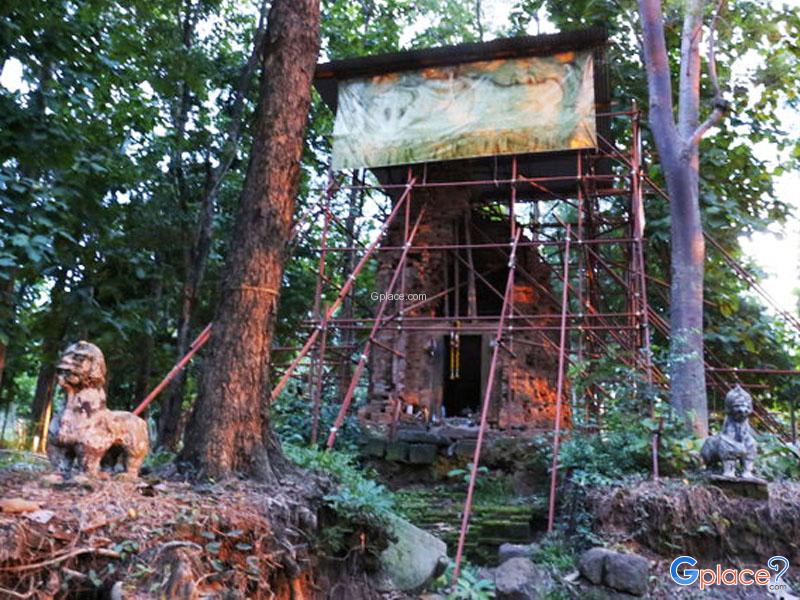
“Prang Sila Chong Khao Don Tuan is distinguished by its dramatic location along the cliffs of the Phanom Dong Rak mountain range. The sanctuary is a single square-based tower with recessed corners, constructed from brick and laterite.”
How to Get There
- By Car: From Sisaket city, take Highway No. 221 toward Kantharalak District and continue to Khao Phra Wihan National Park. After passing the national park checkpoint, continue driving toward Pha Mo E Daeng. Before reaching the viewpoint, there will be a sign directing left toward the sanctuary for about 4 kilometers. The road is paved and accessible by private vehicles all the way to the parking area in front of the sanctuary.
Travel Tips
- Visit in the morning or late afternoon for cooler weather and beautiful lighting.
- Follow the instructions of park and military officers, as the site is near the border area.
- Wear comfortable walking shoes due to rocky paths and natural terrain.
- You can combine the trip with Pha Mo E Daeng.
- Bring drinking water and sun protection equipment.
Admission Fee:
- Entrance fees are charged through Khao Phra Wihan National Park
- Thai Adults: 40 THB / Children: 20 THB
- Foreign Adults: 400 THB / Children: 200 THB
Opening Hours:
- Open daily from 06:00 AM – 06:00 PM.
Prang Sila Chong Khao Don Tuan

 Share
Share
 Ban Phumi Saron, Bueng Malu Subdistrict, Kantharalak District, Sisaket 33110
Map
Ban Phumi Saron, Bueng Malu Subdistrict, Kantharalak District, Sisaket 33110
Map
List 0 review
|
art & culture,attractions,Place of worship,archaeological site
 Open now : 6.00 - 18.00
Mon6.00 - 18.00
Tue6.00 - 18.00
Wed6.00 - 18.00
Thu6.00 - 18.00
Fri6.00 - 18.00
Sat6.00 - 18.00
Sun6.00 - 18.00



 2028
2028