 Attractions
  Hotel
Hotel  Restaurant
  Shopping
  Abroad






“Nakhon Ratchasima's ancient Khmer civilization site is home to three important historical sites: Prasat Non Ku, Prasat Mueang Khaek, and Prasat Muang Kao, reflecting the former glory of "Korat Pura."”
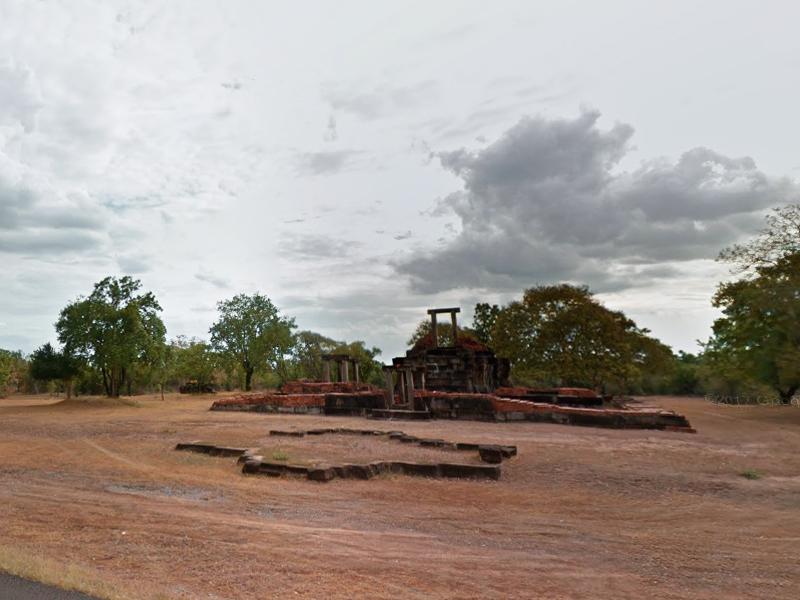
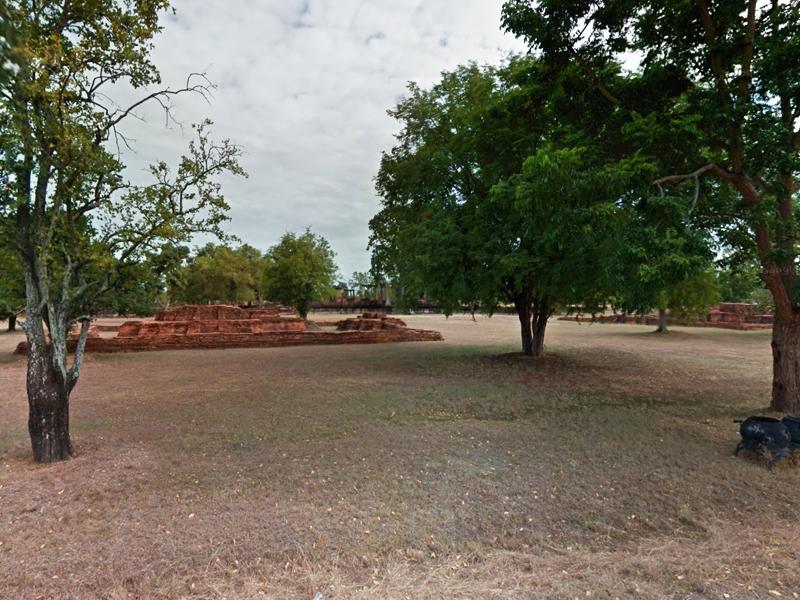
The ancient city at Korat Sub-district, known locally as Muang Korat Kao (Old Korat Town), is a highly significant hub of ancient Khmer civilization located in the lower northeastern region of Thailand. Situated southwest of the modern city of Nakhon Ratchasima, the site was established between the 15th and 18th Buddhist centuries. Remnants of its moats and earthen ramparts outline a nearly square city plan, reflecting the cosmological city layout principles observed during the ancient Khmer Empire.
This archaeological cluster is home to three important stone sanctuaries, each reflecting a different religious influence and period of construction:
-
Prasat Non Ku: This is the oldest Hindu religious site in the group, primarily constructed of brick mixed with sandstone. The principal prang faces east and is believed to have been dedicated to Shiva, evidenced by the discovery of fragments of a Shiva linga and yoni base, as well as a statue of Nandi (Shiva's vehicle) kneeling in front of the sanctuary. These are typical features found in early- to middle-period Hindu Khmer temples.
-
Prasat Muang Khaek: Also a Hindu sanctuary, this temple is slightly more complex than Prasat Non Ku, built using brick and sandstone. A key discovery here was beautifully carved lintel fragments in the distinct Khmer art style, which helped in precisely dating the archaeological findings. This prang signifies the height_ of the ancient city of Korakhapura's prosperity under strong Khmer influence. Inscriptions found on stelae here provide valuable historical context regarding the temple's construction or dedication.
-
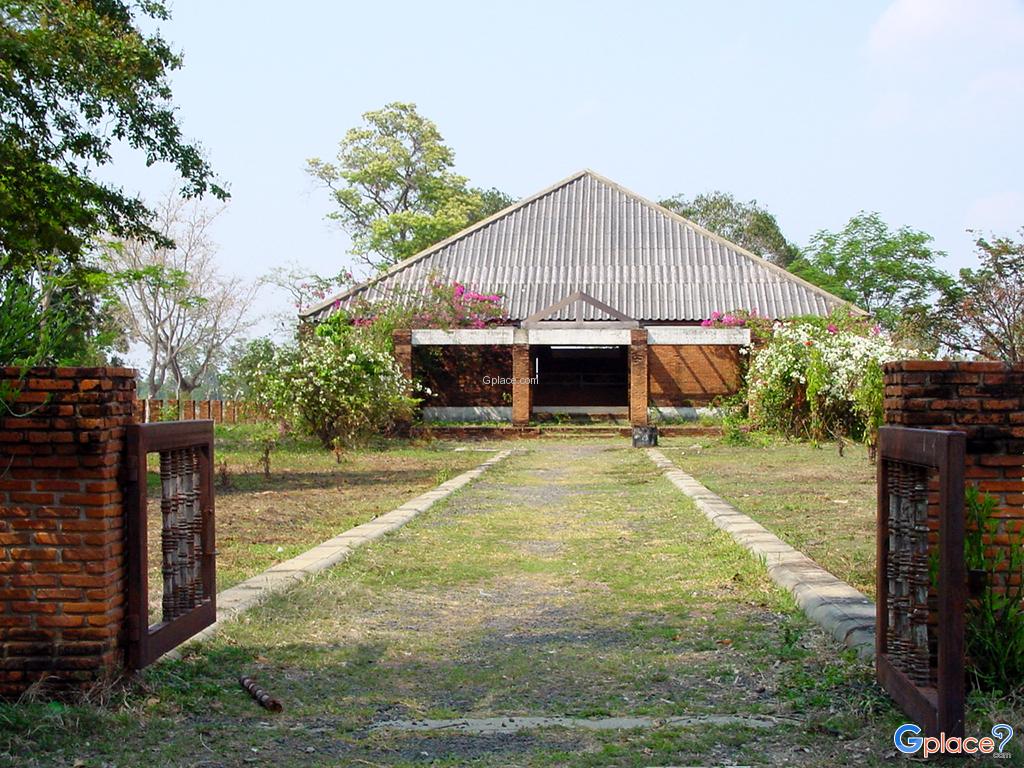
Prasat Muang Kao (Arokayasala): Also referred to as Wat Prang Muang Kao, this is the most recently built prang in the cluster, dedicated to a different religious purpose. It was constructed using laterite and sandstone in the style of an Arokayasala (hospital or infirmary) following the Mahayana Buddhist tradition. Prasat Muang Kao is one of the 102 hospitals established by King Jayavarman VII during the 18th Buddhist century. It features the standard layout of an Arokayasala, including the main prang, a library (bannalai), a surrounding wall (Kampuang Kaeo), and an entry pavilion (gopura). The presence of this hospital confirms that Old Korat Town was a part of the Khmer Empire during the peak of Mahayana Buddhism.
Important artifacts uncovered from the Muang Korat Kao site, especially fragments of the exquisite sculptures and lintels, are currently preserved and displayed at the Phimai National Museum. This museum serves as the primary resource for studying the art and history of the Khmer civilization in the lower Isan region.
A visit to Old Korat Town is thus not merely a look at ruins but a journey back to one of the most significant origins of Nakhon Ratchasima province, allowing visitors to study the complete evolution of religious and architectural styles that transitioned through the different eras of the Khmer Empire in a single location.
How to Get There
- Private car: From Nakhon Ratchasima city, take Mittraphap Road (Highway No. 2) towards Saraburi. At kilometer marker 221–222, turn right onto Highway No. 2161 (towards Sung Noen District) for approximately 3 kilometers. Look for the intersection on the right next to Wat Yan Sophitwanaram (Wat Pa Sung Noen), which is the route to the group of ancient sites.
Travel Tips
-
Plan your visit to these three historical sites (Prasat Non Ku, Prasat Mueang Khaek, and Prasat Muang Kao) in order to understand the development of local civilization.
-
This site is ideal for those interested in history and archaeology, particularly the Khmer Empire and King Jayavarman VII.
-
As this site is an outdoor site, be sure to bring an umbrella or hat and drinking water for the walk.
Admission Fees:
-
The admission fees for the main archaeological sites within the Old Korat Town cluster (Sueng Noen District), which are generally managed by the Fine Arts Department, are as follows:
-
Thai Citizens: 10 Baht
-
Foreigners: 50 Baht
-
Exemptions: Students in uniform, Buddhist monks and novices, and senior citizens (may be subject to additional conditions).
Note: For Prasat Muang Kao (located inside Wat Prang Muang Kao), entry may be free, or a voluntary donation box may be provided for the temple's maintenance.
-
Opening Hours:
- Normally open for viewing daily from approximately 8:00 AM to 4:30 PM (please check with local authorities again).
Ancient city in Korat subdistrict

 Share
Share
 Korat Subdistrict, Sung Noen District, Nakhon Ratchasima Province
Map
Korat Subdistrict, Sung Noen District, Nakhon Ratchasima Province
Map
 Closed today
Mon8.00 - 16.30
Tue8.00 - 16.30
Wed8.00 - 16.30
Thu8.00 - 16.30
Fri8.00 - 16.30
Sat8.00 - 16.30
Sun8.00 - 16.30



 2524
2524