 Attractions
  Hotel
Hotel  Restaurant
  Shopping
  Abroad





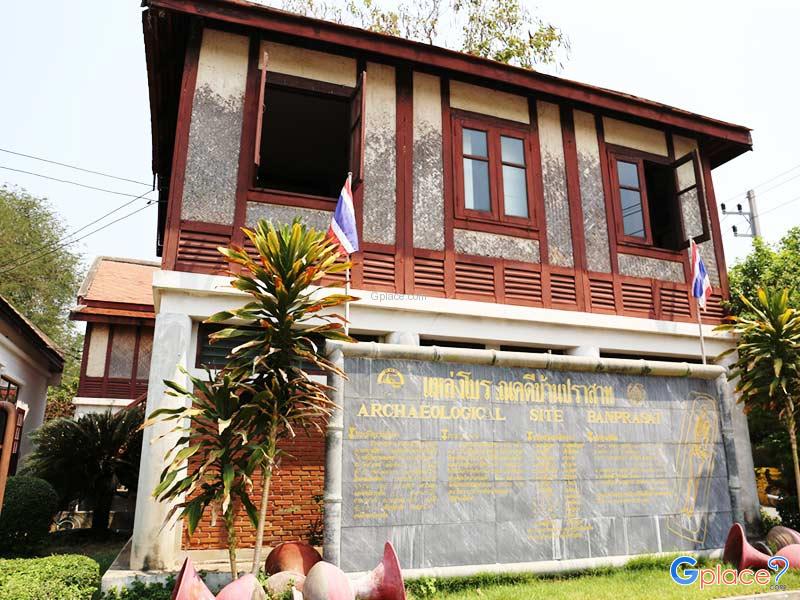



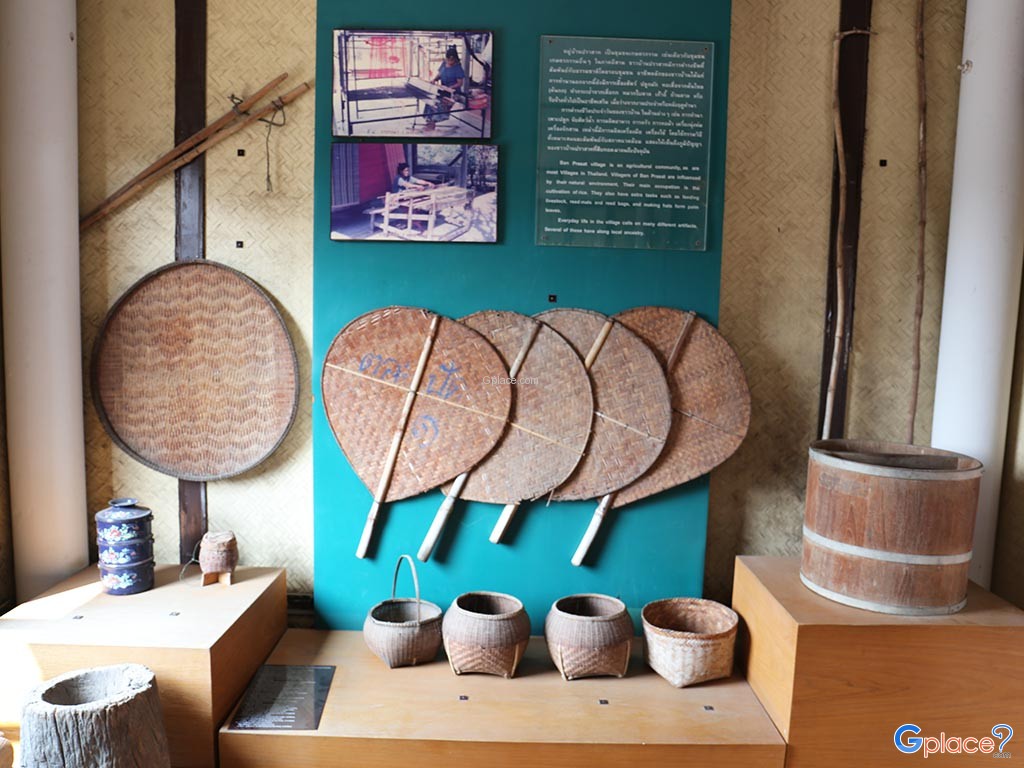
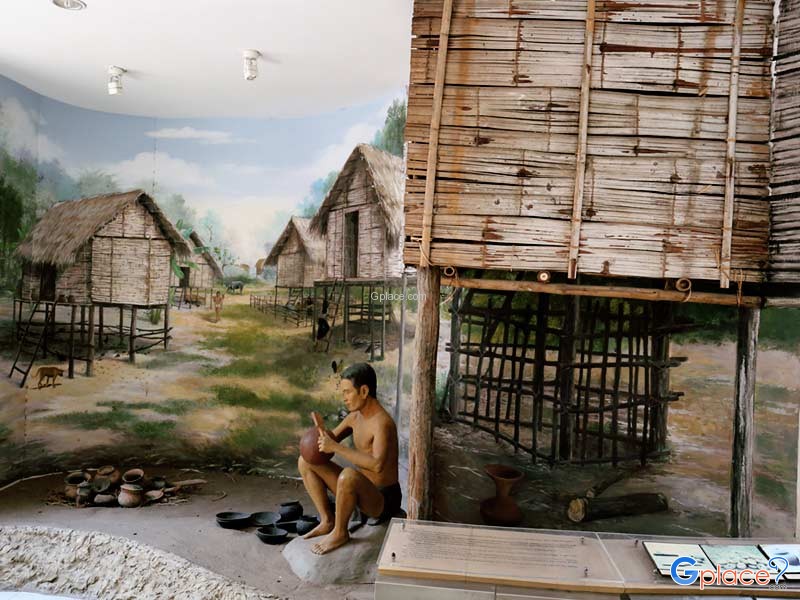
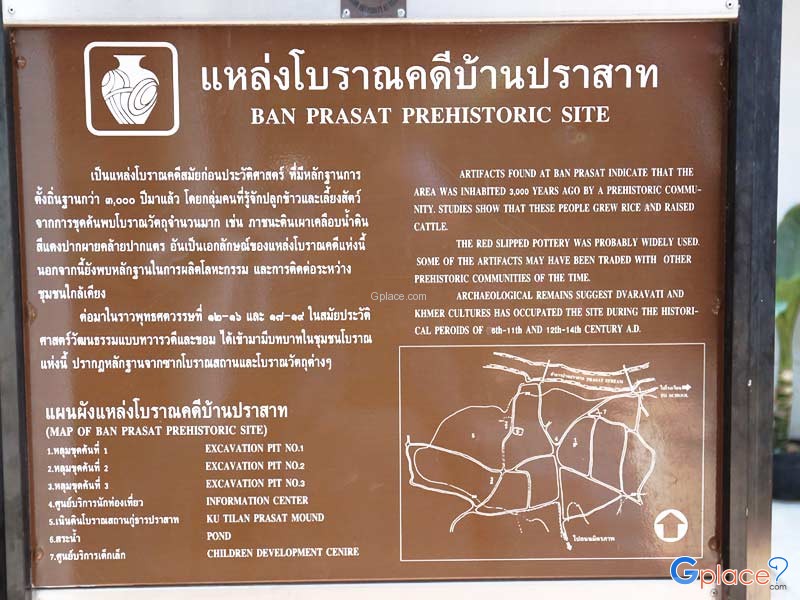

“An important archaeological site that provides evidence of prehistoric human settlement and social development in the northeastern region of Thailand, dating back more than 3,000 years.”
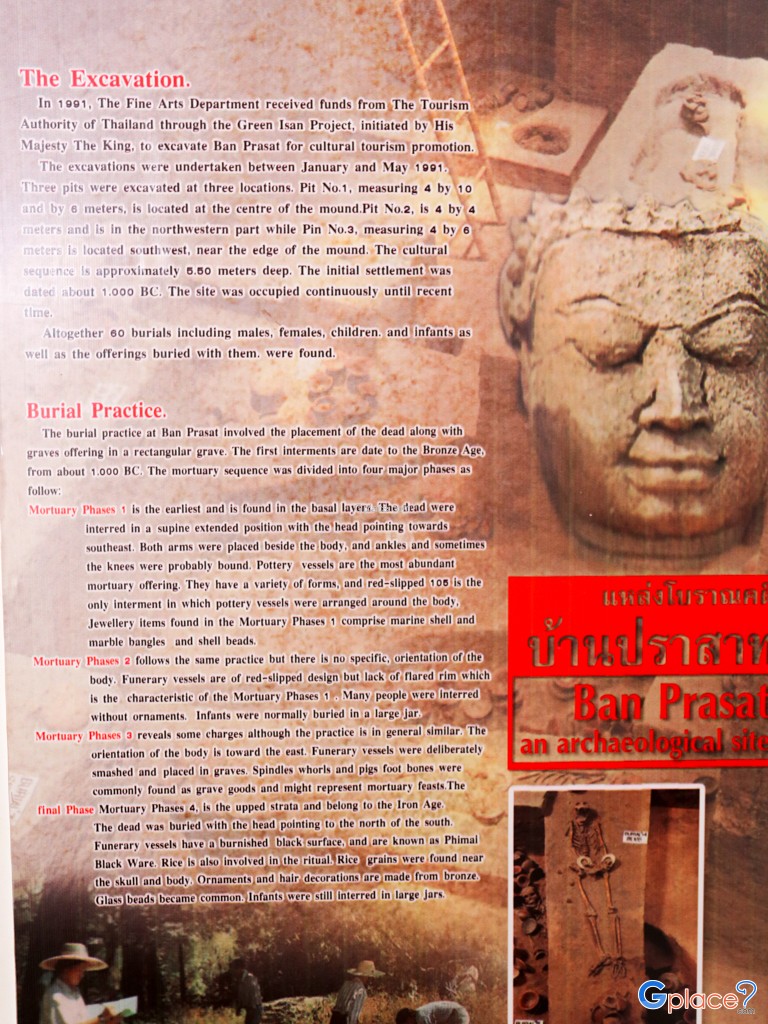
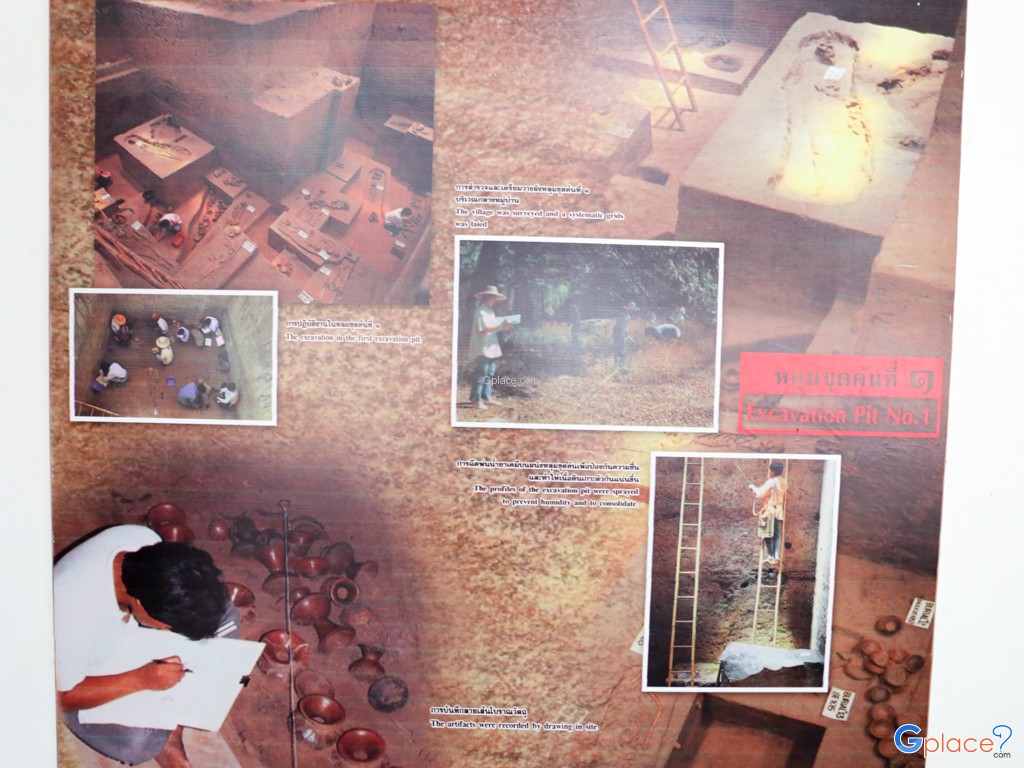
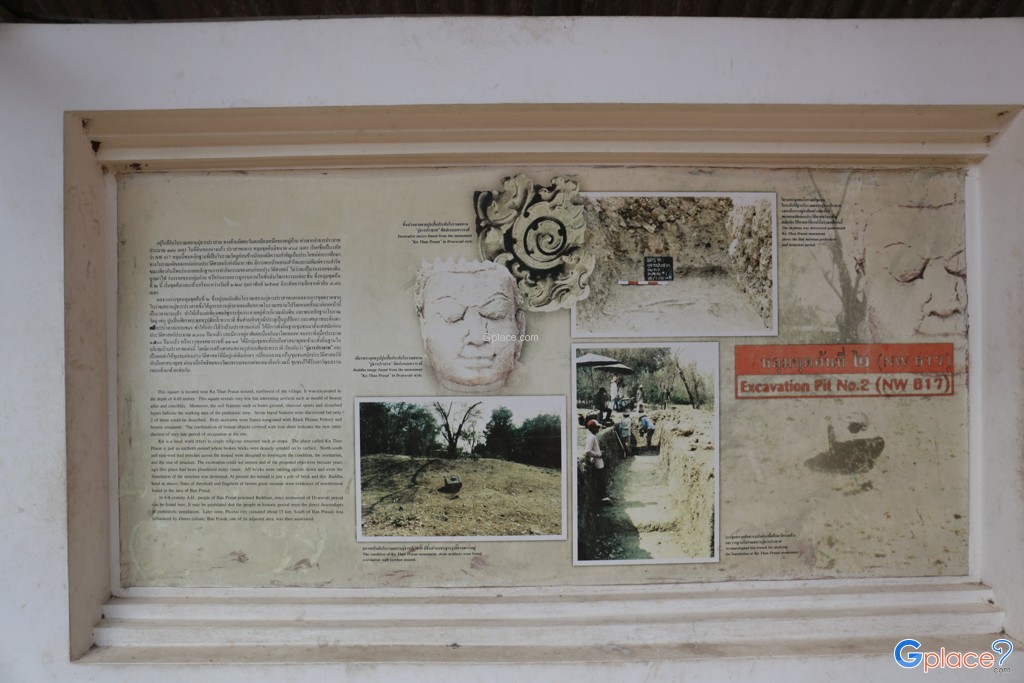
The Ban Prasat Archaeological Site is one of the most significant historical testimonies for understanding the lifestyle and social development of humans in the Prehistoric Era across the Khorat Plateau and the Mun-Chi River basin. Major excavations conducted by the Fine Arts Department in 1974 and 1979 unveiled the compelling story of an ancient agricultural community dating back more than 3,000 years.
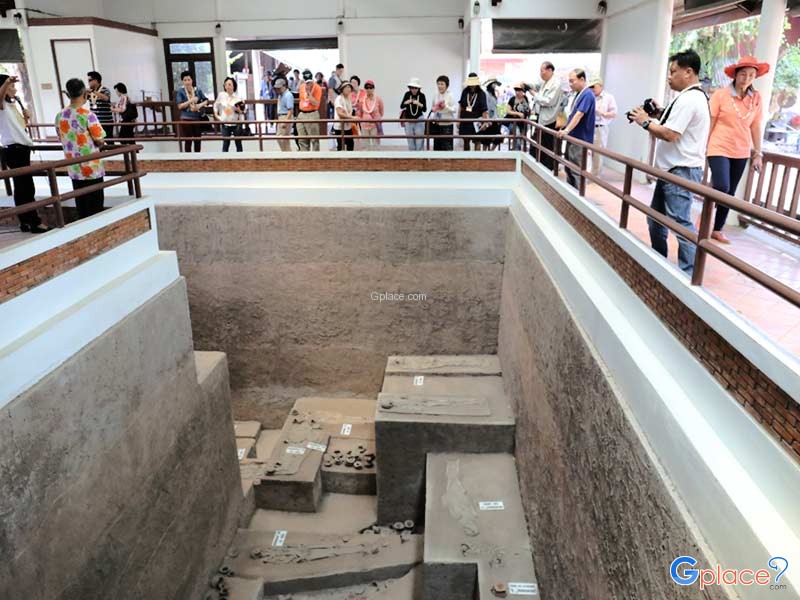
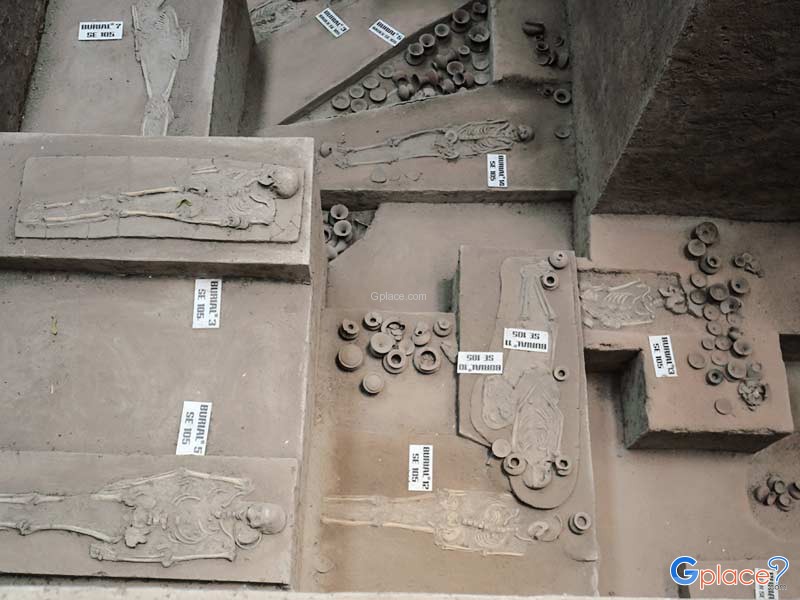
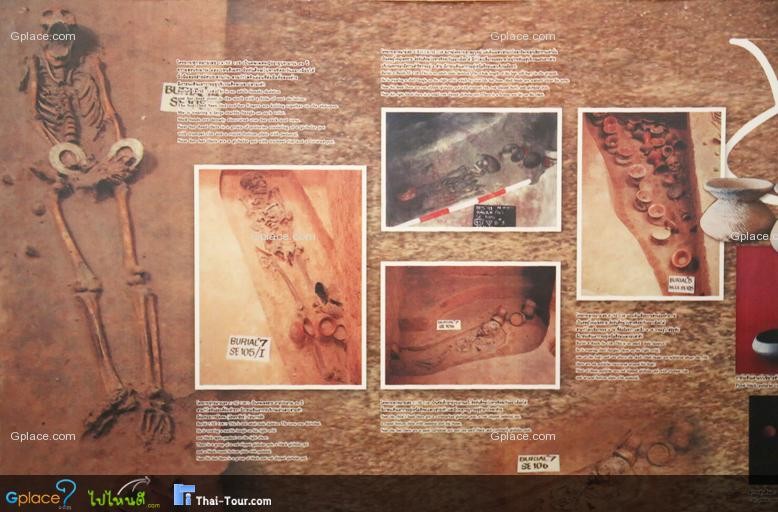
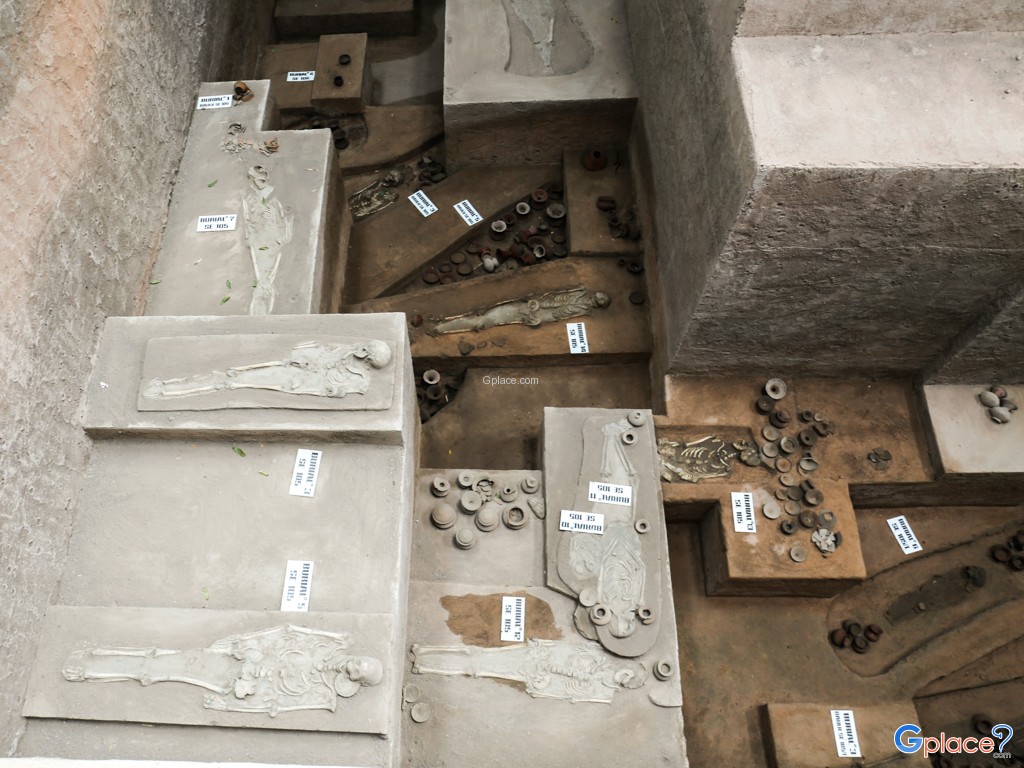
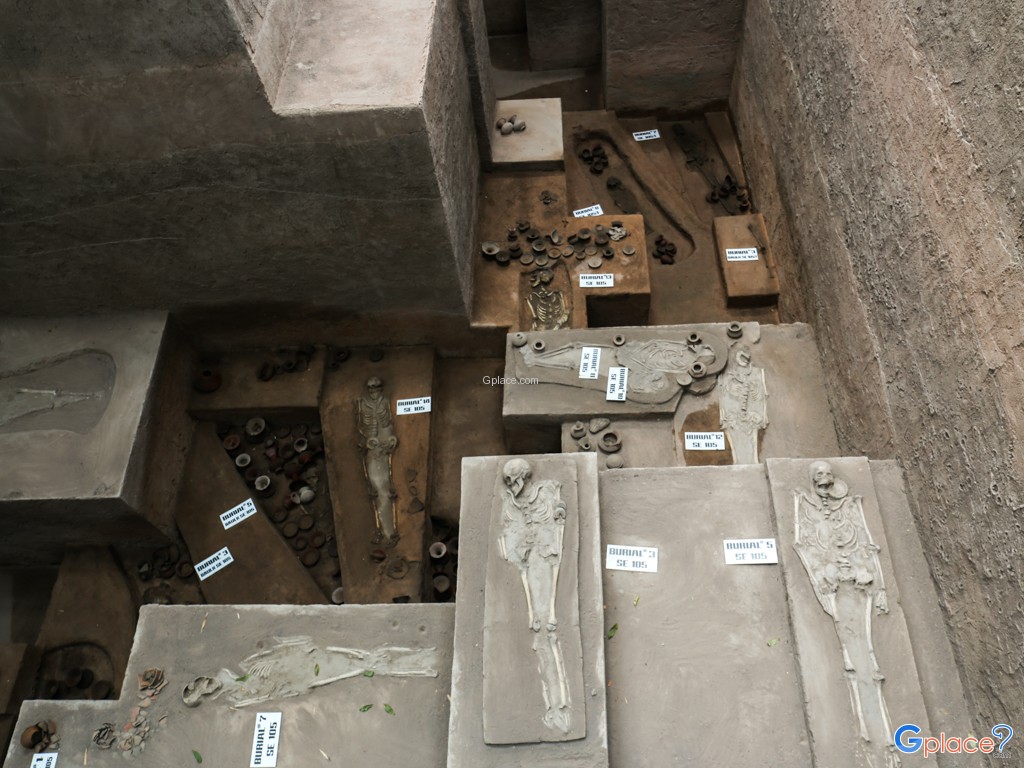
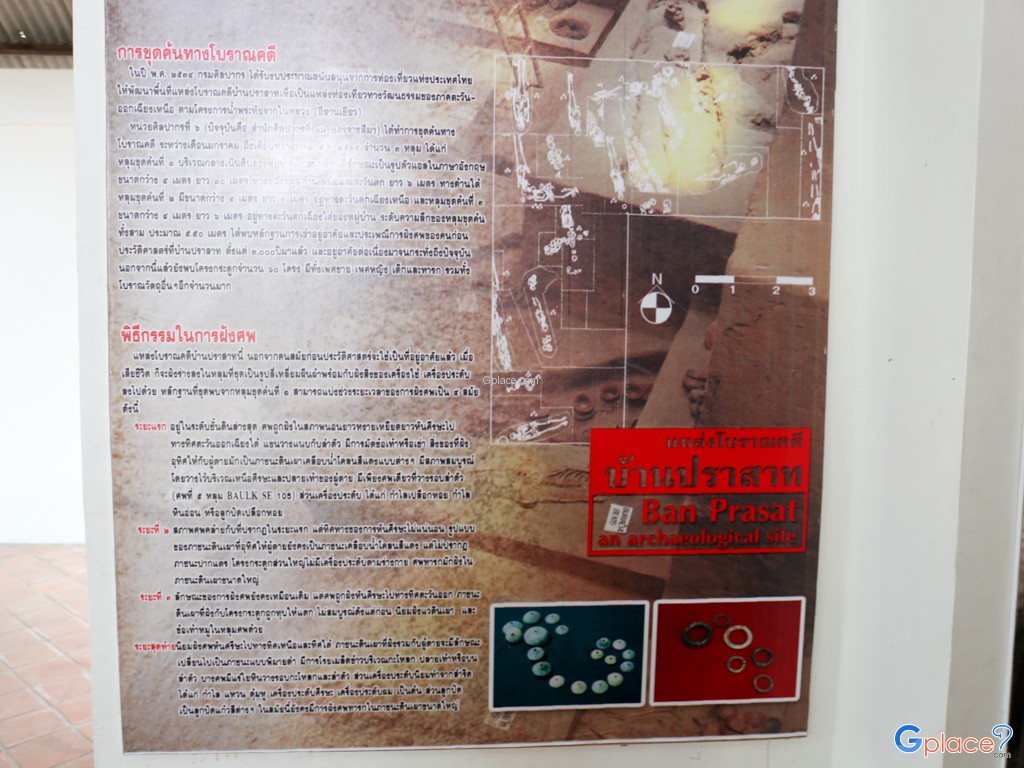
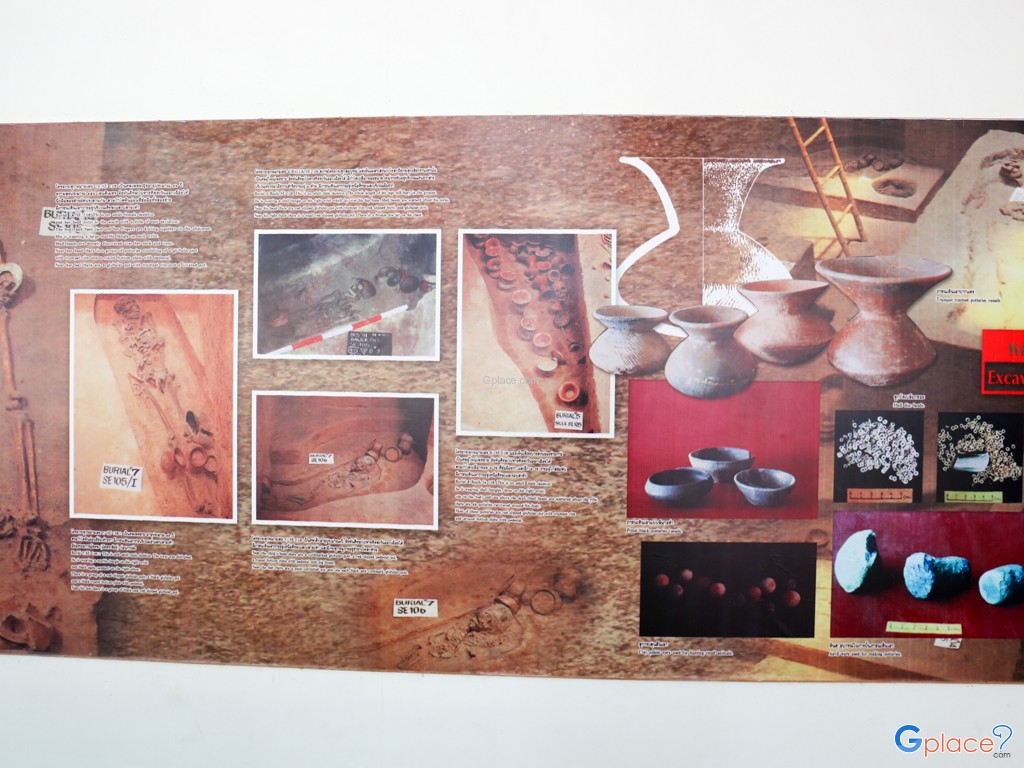
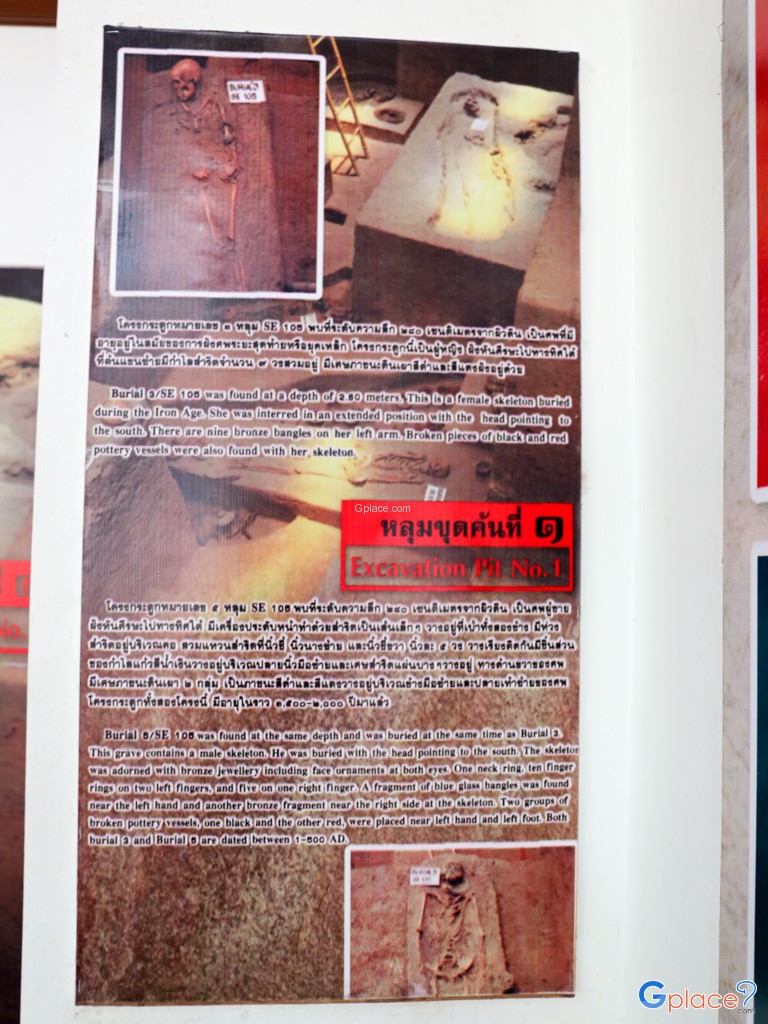
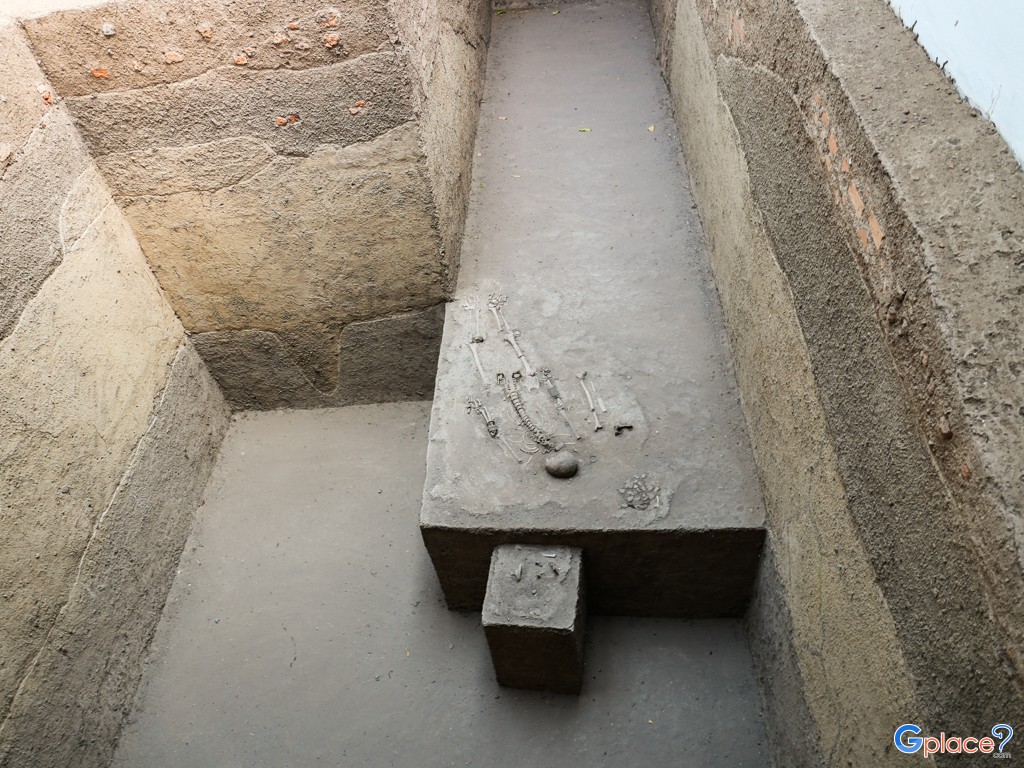
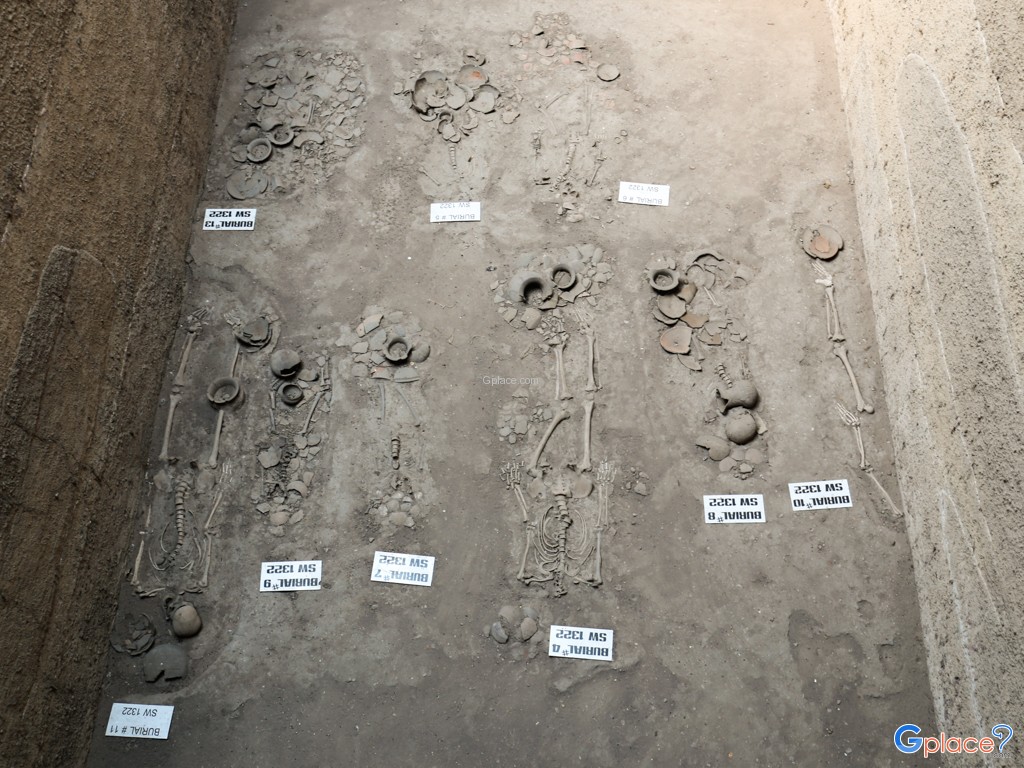
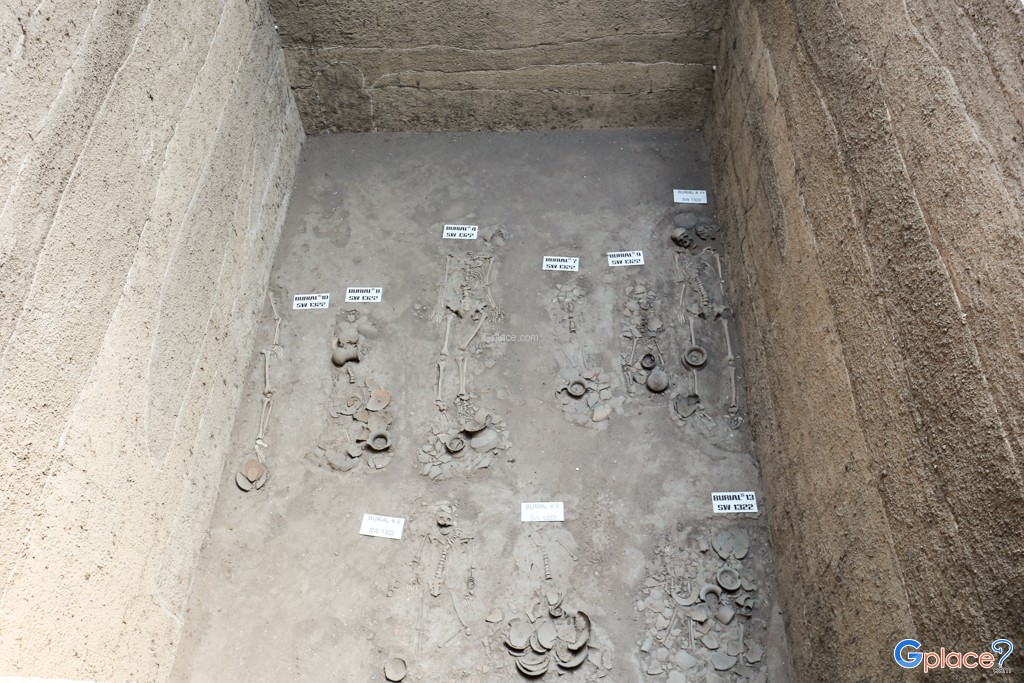
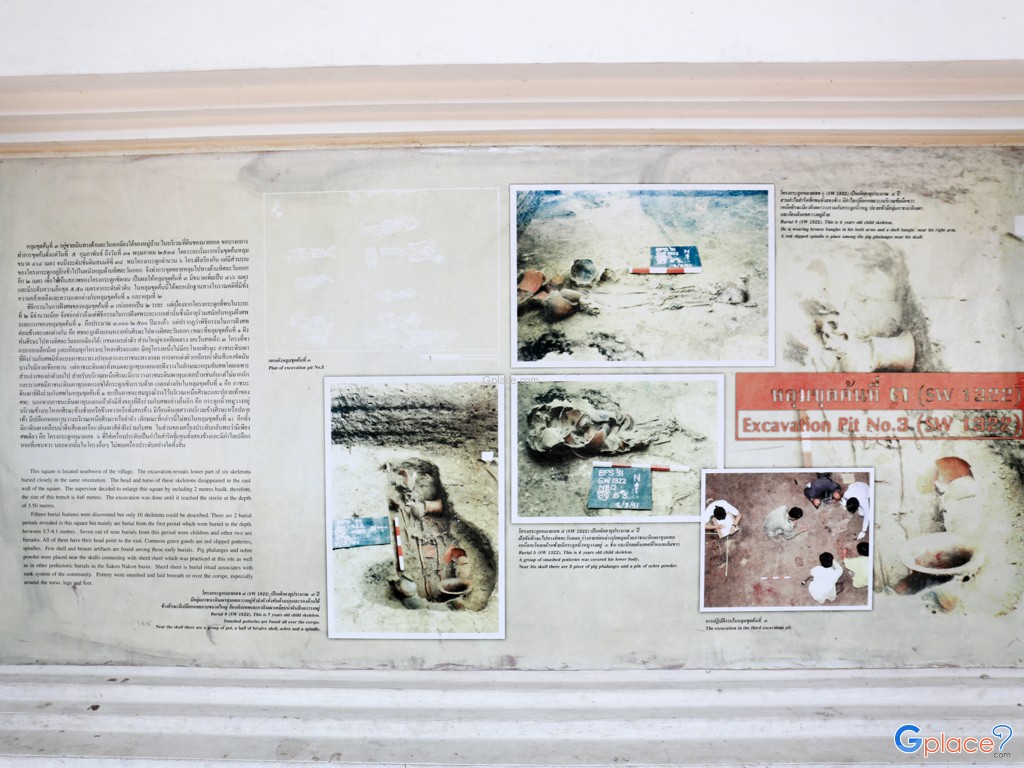
The most outstanding discovery is the large number of ancient human skeletons interred alongside grave goods. These skeletons were buried in various postures, providing clear evidence of elaborate burial rituals and a belief in the afterlife. The artifacts found accompanying the burials strongly indicate social status and connections to the outside world. Key examples of these artifacts include
-
Pottery: Found in vast quantities and diverse forms, demonstrating the evolution of everyday utensils over time. This ranges from simple, smooth-surface pottery in the initial period to more intricate cord-marked and painted pottery in later eras. Some pots were deliberately used to cover the head or placed alongside the deceased.
-
Tools and Implements: Tools made of iron, such as axe heads, knives, and spears, were discovered. This is crucial evidence indicating that the community had entered the Iron Age. Additionally, tools fashioned from animal bones and seashells were also uncovered.
-
Ornaments: Colorful glass beads and ornaments made from sea shells were found, illustrating that the Ban Prasat community engaged in long-distance trade or exchange with coastal communities or other distant settlements.
Archaeological study divides the Ban Prasat culture into three main periods, corresponding to the soil layers in which they were found:
-
Period 1 (Late Prehistoric-Iron Age): The oldest phase, characterized by the use of iron tools and burial sites containing pottery with similarities to the Ban Chiang culture.
-
Period 2 (Dvaravati Period): Marked by the introduction of Buddhism, evidenced by fragments of fired clay votive tablets (Phra Phim), and the use of pottery decorated with distinct Dvaravati-style motifs.
-
Period 3 (Khmer Period): Evidence includes architectural fragments and artifacts influenced by the Khmer Empire, demonstrating the continuity of settlement in the area.
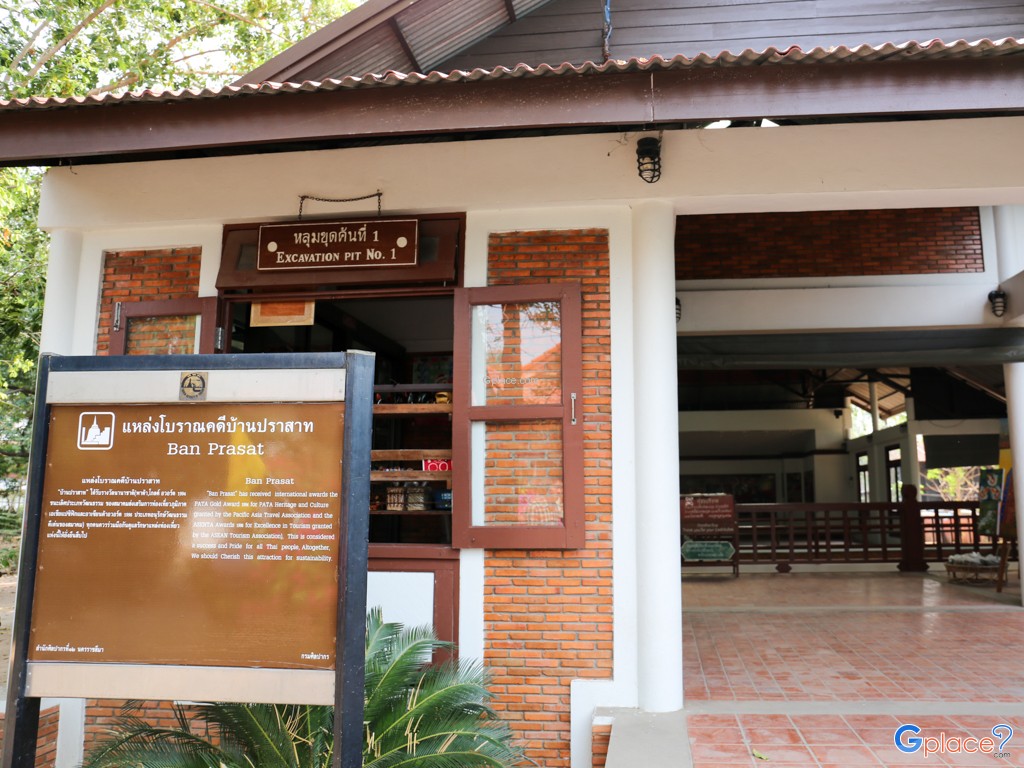
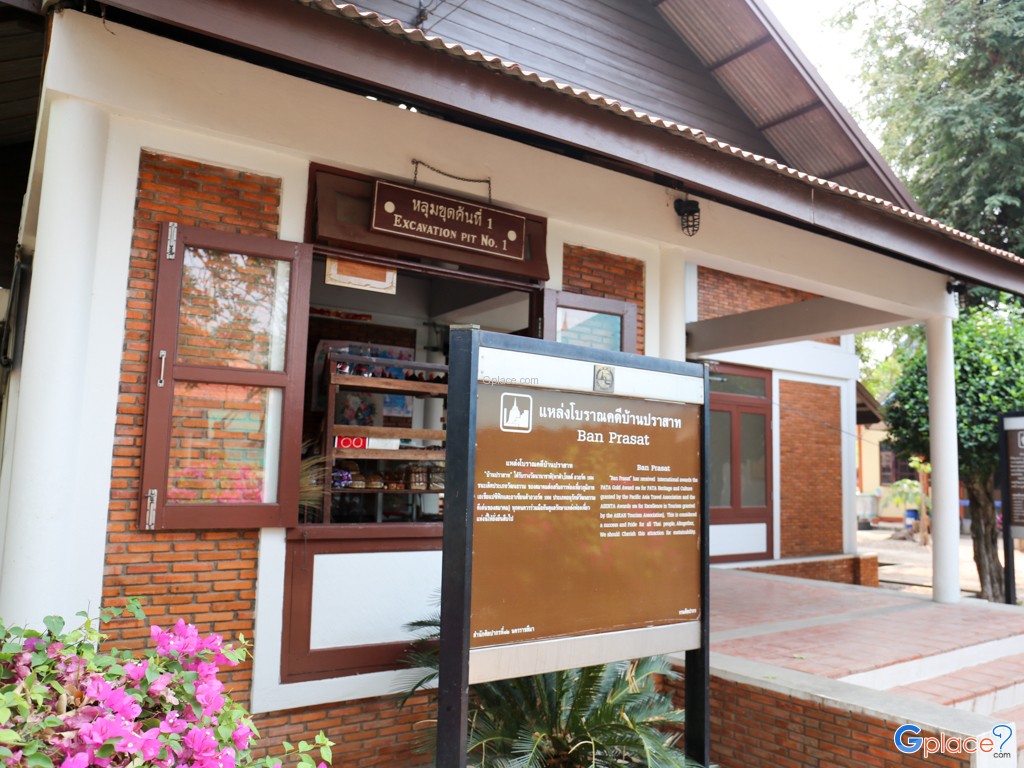
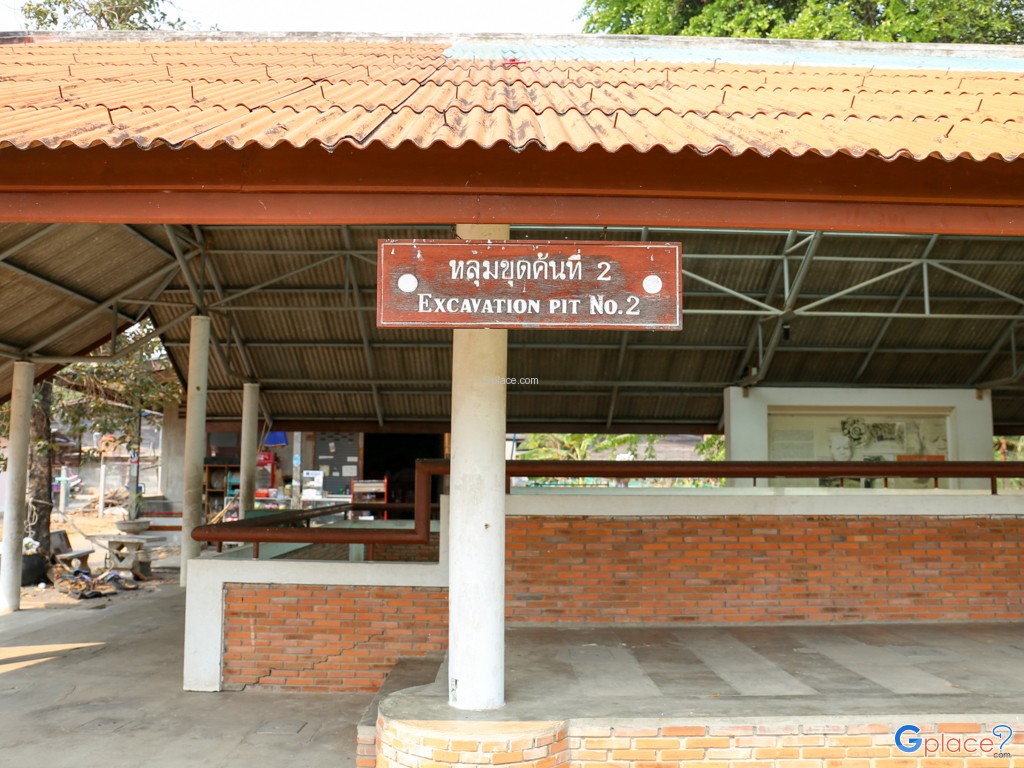
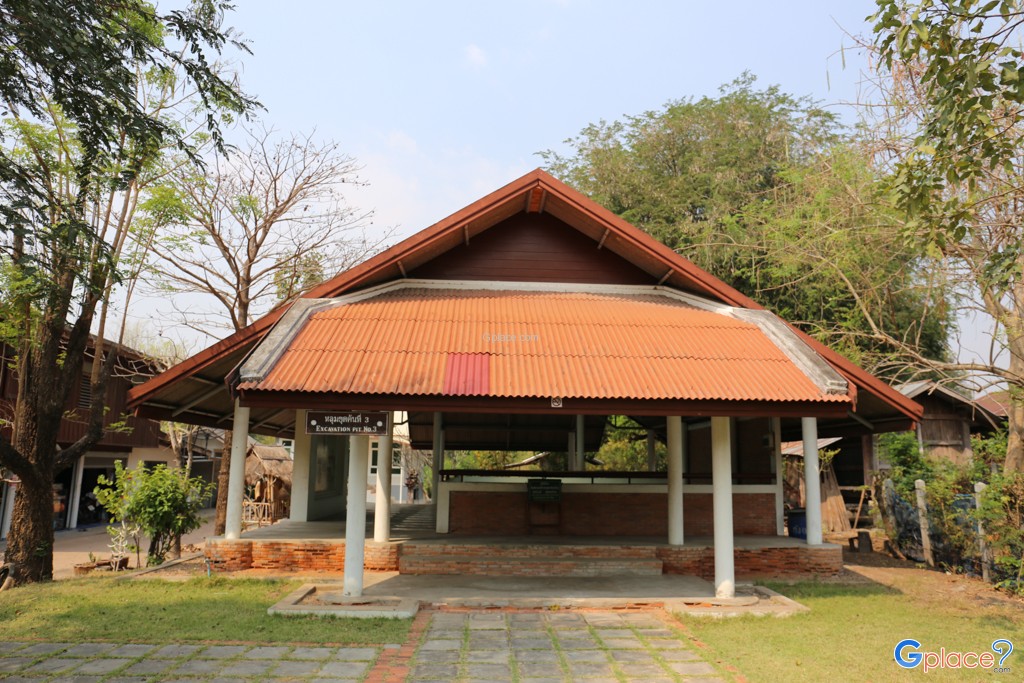
What makes the Ban Prasat Archaeological Site unique is that it is the only site in Thailand where visitors can view the actual excavation pits (Trenches 1 and 2). The human skeletons and artifacts are preserved in their original, discovered locations beneath protective domes for educational purposes. This allows visitors to grasp the depth of the archaeological findings and clearly visualize the life of these ancient people.
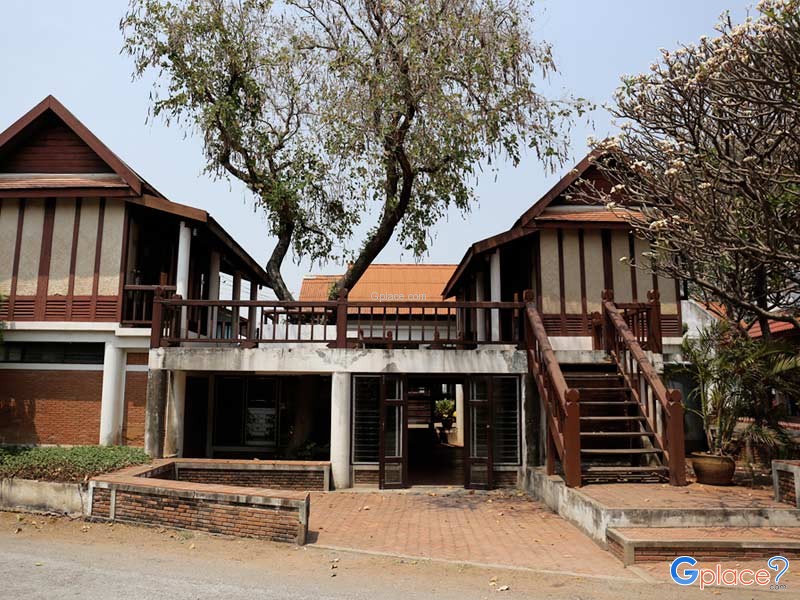
Today, the Ban Prasat Archaeological Site has been developed into a local museum for education and tourism. It features a permanent exhibition building that presents comprehensive information on the history of the excavation and the results of scientific analysis and showcases key artifacts that have been recovered, ensuring a complete understanding of the significance of this ancient community in Thai history.
How to Get There
-
Private car: Take Highway 2 (Mittraphap Road) towards Khon Kaen Province. Turn onto Highway 2073 (Non Sung-Kham Sakaesaeng Road). Continue for approximately 9 kilometers. The archaeological site will be on the left.
-
Public transportation: Take a bus from Nakhon Ratchasima Bus Terminal to Non Sung District, then transfer to a motorcycle taxi or songthaew to Ban Prasat.
Travel Tips
-
Allow at least 1-2 hours for a thorough tour of the actual excavation site and the museum building.
-
Some excavation sites can be quite hot, so be sure to bring water and a handkerchief.
-
This site is ideal for those interested in history and archaeology and is a great learning resource for young people.
Admission Fees:
- No admission fee
Opening Hours:
-
Open Wednesday to Sunday from 8:30 AM to 4:30 PM.
-
Closed on Mondays, Tuesdays, and public holidays.
Ban Prasat Archaeological Site

 Share
Share
 Ban Prasat, Village No. 7, Thara Prasat Subdistrict, Non Sung District, Nakhon Ratchasima Province
Map
Ban Prasat, Village No. 7, Thara Prasat Subdistrict, Non Sung District, Nakhon Ratchasima Province
Map
 Closed today
Mon -
Tue -
Wed8.30 - 16.30
Thu8.30 - 16.30
Fri8.30 - 16.30
Sat8.30 - 16.30
Sun8.30 - 16.30



 3972
3972