 Attractions
  Hotel
Hotel  Restaurant
  Shopping
  Abroad





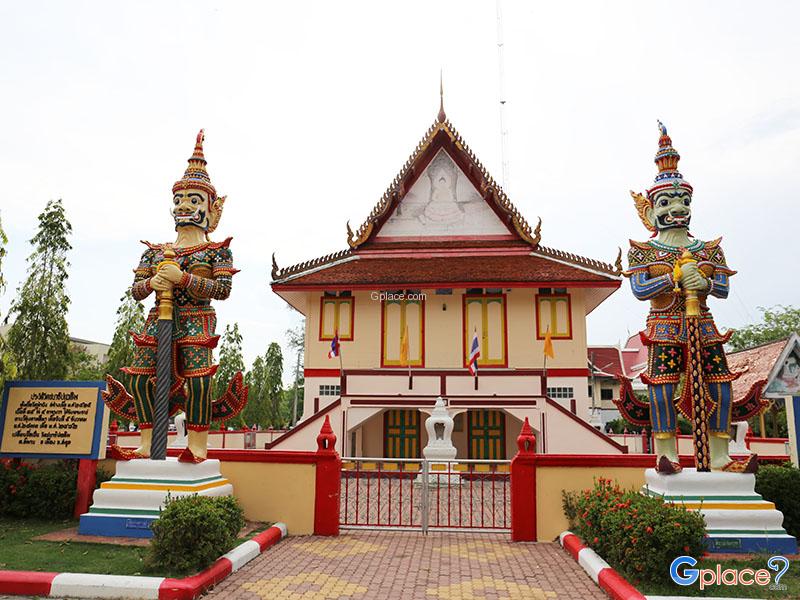

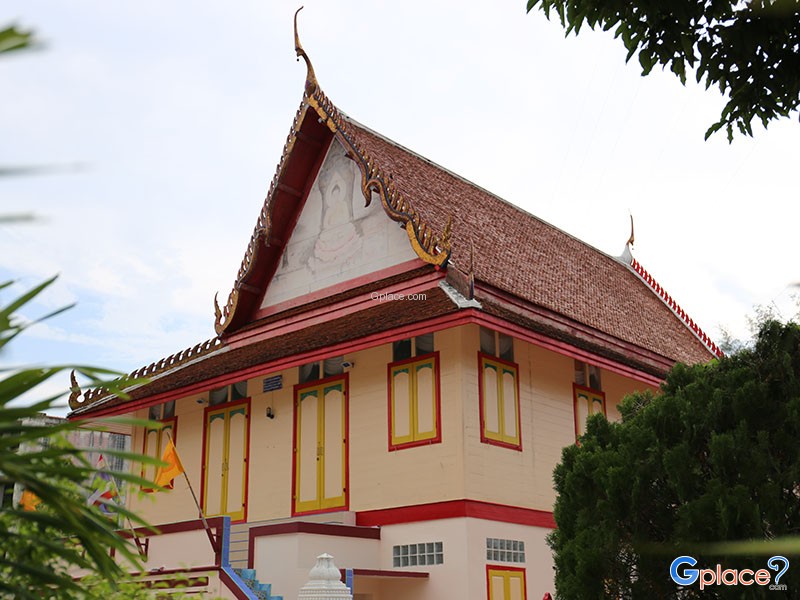
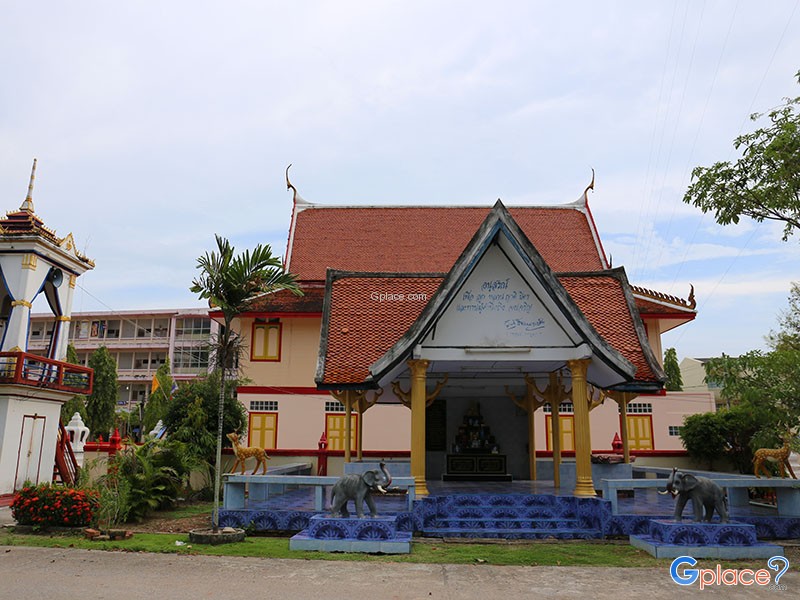

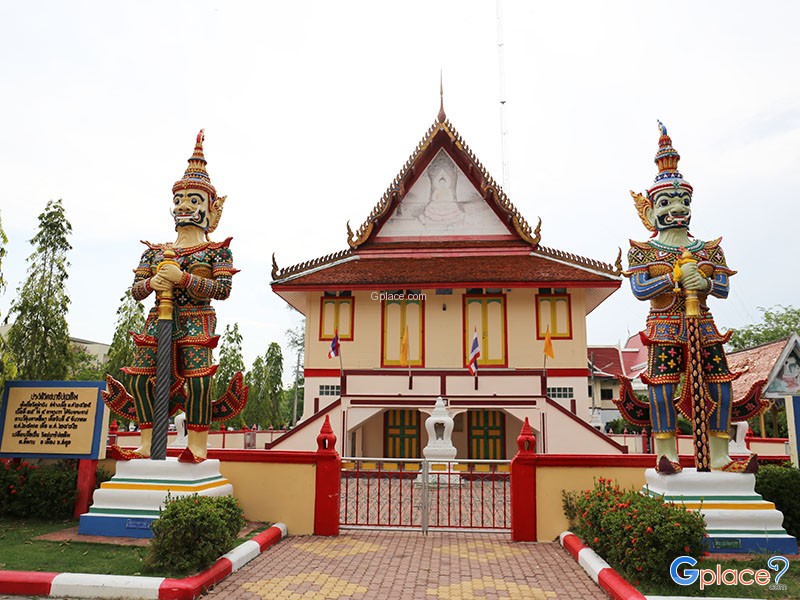
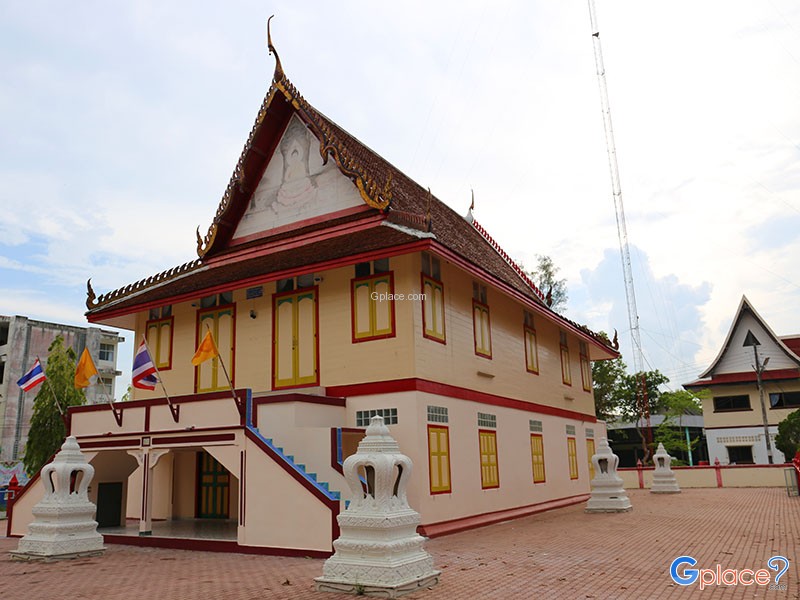
“ Witness the unique two-storey ordination hall with a brick base and wooden top. It features rare Thai-Islamic architectural fusion, symbolizing Satun’s enduring interfaith harmony and unity. ”
Wat Chanathip Chaloem, commonly known by locals as "Wat Mambang," is a historic temple belonging to the Maha Nikaya sect of Buddhism. It holds significant historical value as the first Buddhist temple in Satun Province, established in 1882 during the reign of King Chulalongkorn (Rama V). The temple was founded on land donated by Phraya Phuminat Phakdi (To' Mina), the governor of Satun at the time, to provide a spiritual center for the Buddhist population who had migrated from Songkhla, Nakhon Si Thammarat, and Phatthalung. In 1939, Phra Thamwarodom (Seng Uttamo), the ecclesiastical provincial governor of Phuket, renamed it from Wat Mambang to "Wat Chanathip Chaloem" to align with the city's identity and bring prosperity to the province.
The most distinctive feature that draws interest from art historians is the "Two-Storey Ordination Hall" (Ubosot), which showcases a unique blend of local architecture. The ground floor is a masonry structure used as a preaching hall, while the upper floor is a wooden structure reserved for monks' religious rites. The gable roof is a modified Thai design covered with terra cotta tiles. Most notably, the pediment and air vents are decorated with star patterns influenced by Islamic architecture, while the upper balconies feature delicate wood carvings. This aesthetic fusion serves as a profound testament to the harmonious relationship between the Buddhist and Muslim communities in Satun, who have lived together peacefully for generations.
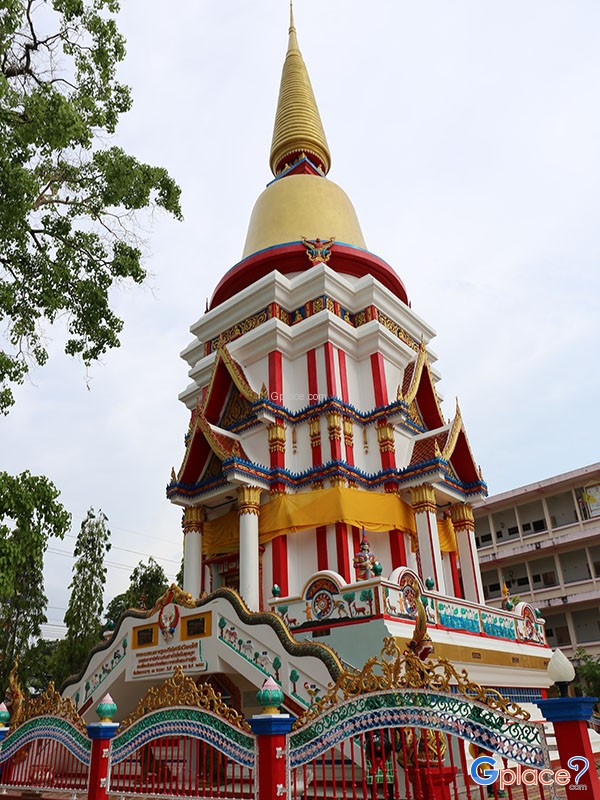
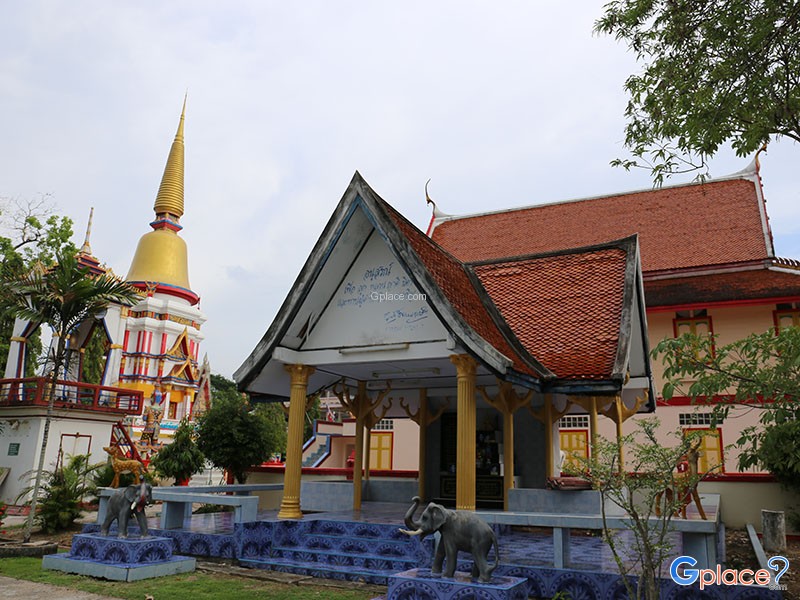
Beyond the ordination hall, the temple grounds house other significant structures, including century-old wooden monks' dwellings (Kuti). The temple remains a central hub for major religious festivals and provincial ceremonies. Due to its architectural beauty and historical significance, the Fine Arts Department has registered Wat Chanathip Chaloem as a national historic site. It has also been recognized as a model developed temple by the Department of Religious Affairs. Today, this temple is not just a place for worship but a living museum that chronicles the unity and cultural diversity of the Southern border province through its impeccably preserved architectural heritage.
How to Get There
- Located in the heart of Satun town on Sulakanukun Road. It is easily accessible via local Tuk-Tuks or motorbike taxis from any point in the city center. If driving, follow the main roads toward Phiman Subdistrict.
Travel Tips
Admission fee:
- Free admission.
Opening hours:
- 08:00 – 17:00 daily
Wat Chanathipchaloem

 Share
Share
 T.Phiman, A.Mueang Satun, Satun, 91000
Map
T.Phiman, A.Mueang Satun, Satun, 91000
Map
 Closed today
Mon8.00 - 17.00
Tue8.00 - 17.00
Wed8.00 - 17.00
Thu8.00 - 17.00
Fri8.00 - 17.00
Sat8.00 - 17.00
Sun8.00 - 17.00



 4736
4736