 Attractions
  Hotel
Hotel  Restaurant
  Shopping
  Abroad





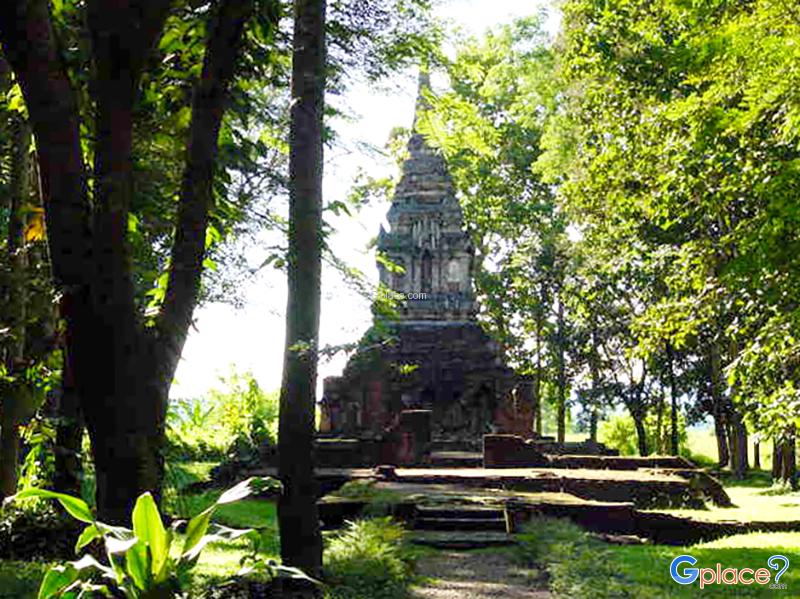

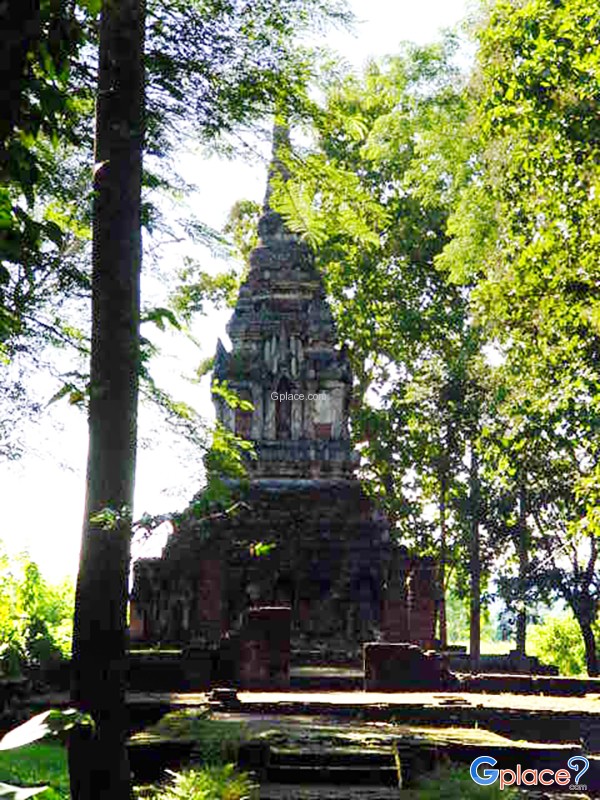
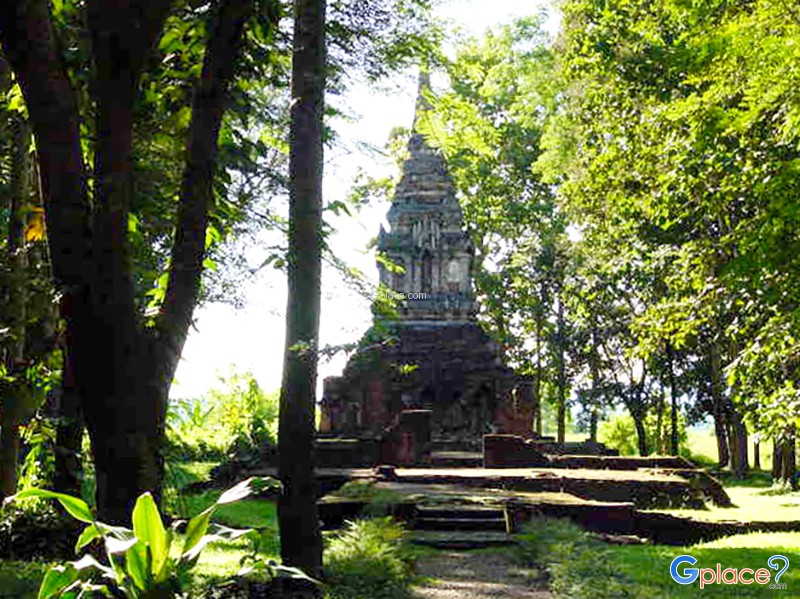
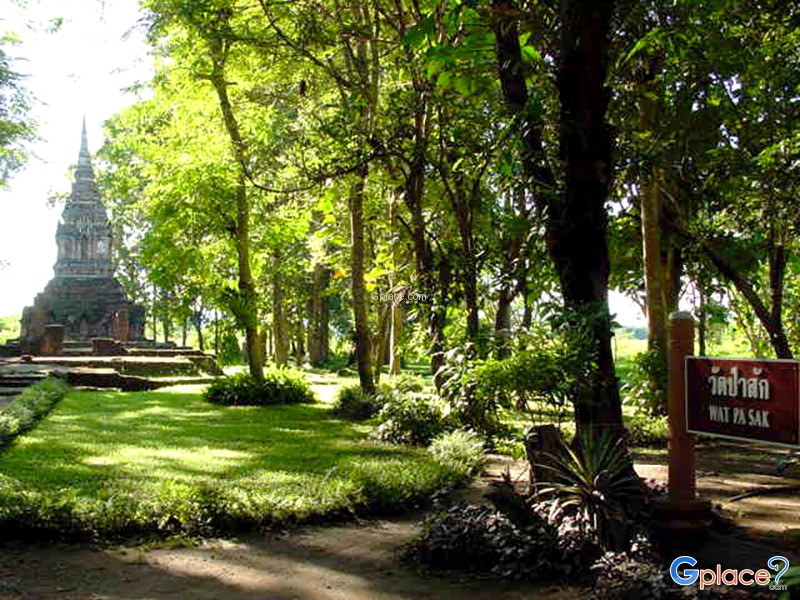
“The most complete Lanna-style mondop-shaped pagoda featuring Bagan influences, adorned with exquisite and intricate stucco figures of devas and floral patterns, reflecting the ancient Lanna Kingdom's glory.”
Wat Pa Sak is an important historical site in Chiang Saen, Chiang Rai Province, and is considered one of the most complete examples of early Lanna architecture in northern Thailand. It is believed to have been built around the 19th Buddhist century during the reign of the Mangrai dynasty, with historical evidence linking it to Phaya Saen Phu, the early ruler of Chiang Saen in the Lanna Kingdom. The temple was built to enshrine Buddha's relics and serve as a Buddhist center for the community outside the city walls to the west of Chiang Saen. The name "Wat Pa Sak" (Teak Forest Temple) comes from a legend that says approximately 300 teak trees were planted around the temple grounds when it was first built, clearly reflecting the relationship between religion, nature, and the way of life of the people in the Lanna Kingdom.
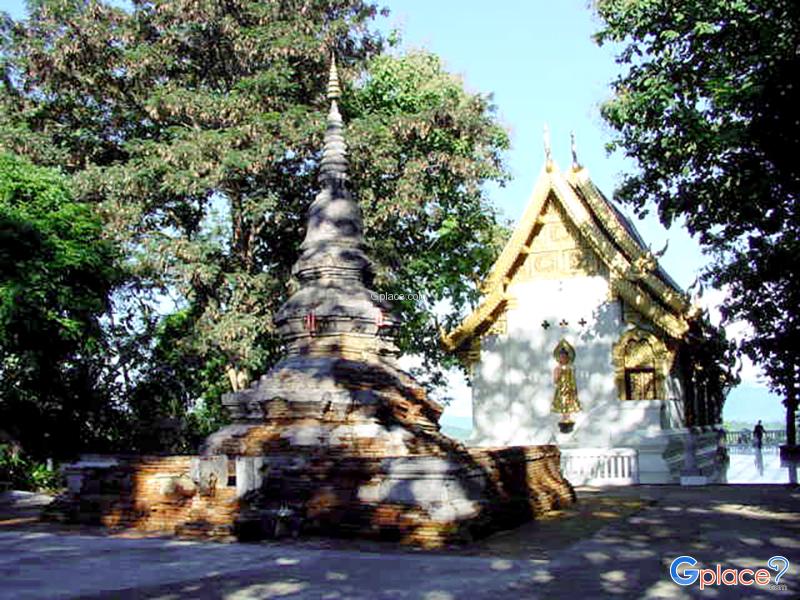
The most striking feature of the temple is the main pagoda, a Lanna-style spire or mandapa, considered one of the most beautiful and well-preserved pagodas in Chiang Saen. The pagoda has a twelve-sided square base supporting a main body adorned with niches on all four sides, each once housing a Buddha image. The pagoda's tiered spire tapers to a finial, showcasing influences from both Hariphunchai and Bagan art from Myanmar. The early Lanna art, a harmonious blend of styles, is evident in the stucco decorations surrounding the pagoda, considered masterpieces of Lanna craftsmanship. The floral motifs, depictions of deities, and decorative arch frames retain their remarkable detail despite the passage of hundreds of years.
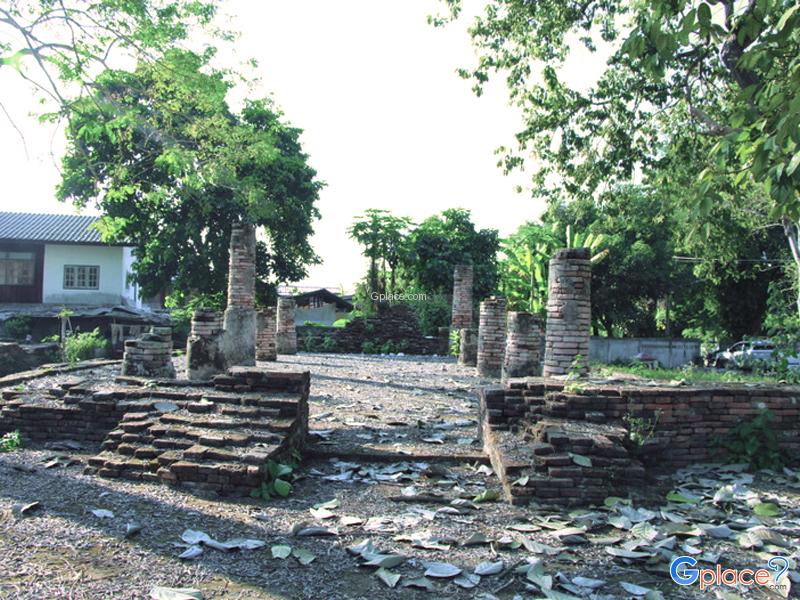
Archaeologists highly value Wat Pa Sak as it serves as crucial evidence in explaining the development of early Lanna architecture and Buddhist art. The temple demonstrates influences from surrounding states and kingdoms via trade routes and the spread of Buddhism in the Mekong River basin. The pagoda's structure resembles the castle-like pagodas of Bagan art, while the details of the arches and stucco decorations are similar to those of Hariphunchai art in Lamphun, before developing into a unique Lanna style later on. Furthermore, the temple grounds reveal remnants of vihara foundations, surrounding walls, and various artifacts, reflecting the temple's layout and land use patterns of ancient Lanna temples.
Wat Pa Sak has undergone several restorations by the Fine Arts Department to preserve the pagoda and stucco work. Due to its outstanding artistic value, the temple received a prestigious cultural heritage award from UNESCO in 1992, making it one of Thailand's internationally recognized historical sites. This success has made Wat Pa Sak an important historical and architectural learning center for scholars, students, and tourists interested in the history of the Lanna Kingdom and the ancient city of Chiang Saen.
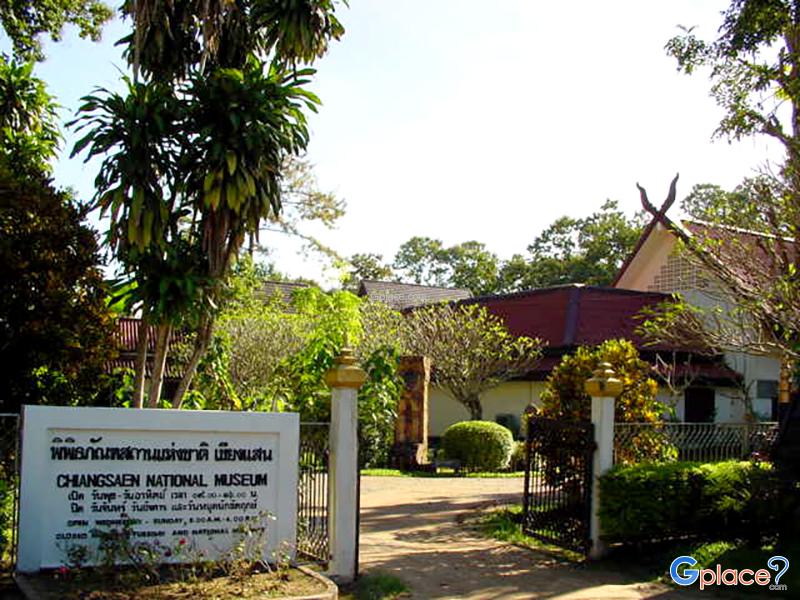
Today, Wat Pa Sak is one of the key historical tourist attractions in Chiang Saen District. Tourists can closely examine the pagoda to study the details of ancient artwork, as well as experience the tranquil atmosphere of the temple grounds, which still retain large trees and an environment similar to that of an ancient site. The area is also not far from the Chiang Saen National Museum and other important historical sites within Chiang Saen, making it possible to plan a historical tour within a single day. Therefore, Wat Pa Sak is not only a sacred Buddhist site but also a cultural heritage site that deeply reflects the prosperity of the Lanna Kingdom and the artistic wisdom of ancient craftsmen.
How to Get There
- From Chiang Rai city, take Highway 1016 towards Chiang Saen District. Wat Pa Sak is located just outside the old city wall to the west. It is easily accessible by private car or local public transport to the Chiang Saen district center.
Travel Tips
- Visit in the morning or late afternoon to avoid the heat.
- Morning light is ideal for photographing the front pagoda.
- Late afternoon lighting highlights the stucco details beautifully.
- Wear comfortable shoes for walking around the ruins.
Admission Fees:
-
Thais: 10 THB
-
Foreigners: 50 THB
Opening Hours:
- Daily, 07:00 AM – 06:00 PM
Wat Pa Sak

 Share
Share
 T.Wiang, A.Chiang Saen, Chiang Rai, 57150
Map
T.Wiang, A.Chiang Saen, Chiang Rai, 57150
Map
 Closed today
Mon7.00 - 18.00
Tue7.00 - 18.00
Wed7.00 - 18.00
Thu7.00 - 18.00
Fri7.00 - 18.00
Sat7.00 - 18.00
Sun7.00 - 18.00

 https://www.thai-tour.com/thai-tour/north/chiangrai/data/place/pic_wat-pasak.html

 4260
4260