 Attractions
  Hotel
Hotel  Restaurant
  Shopping
  Abroad





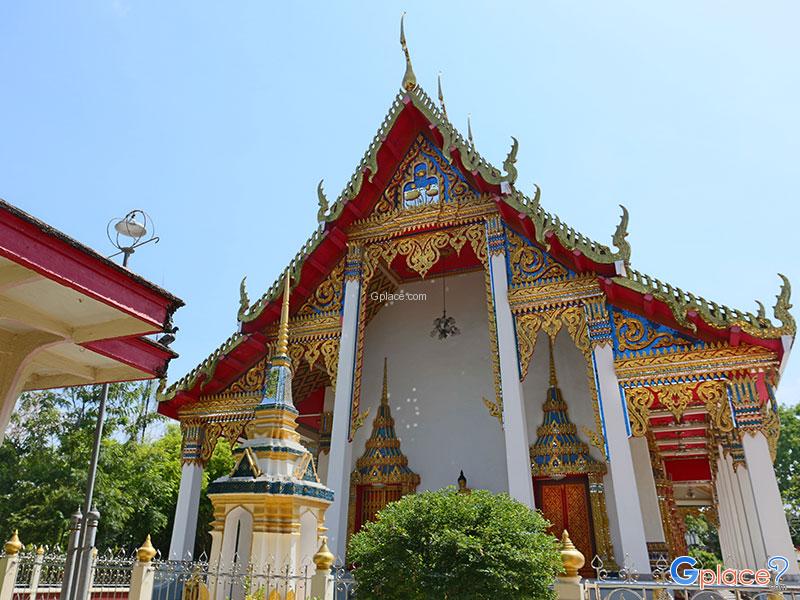

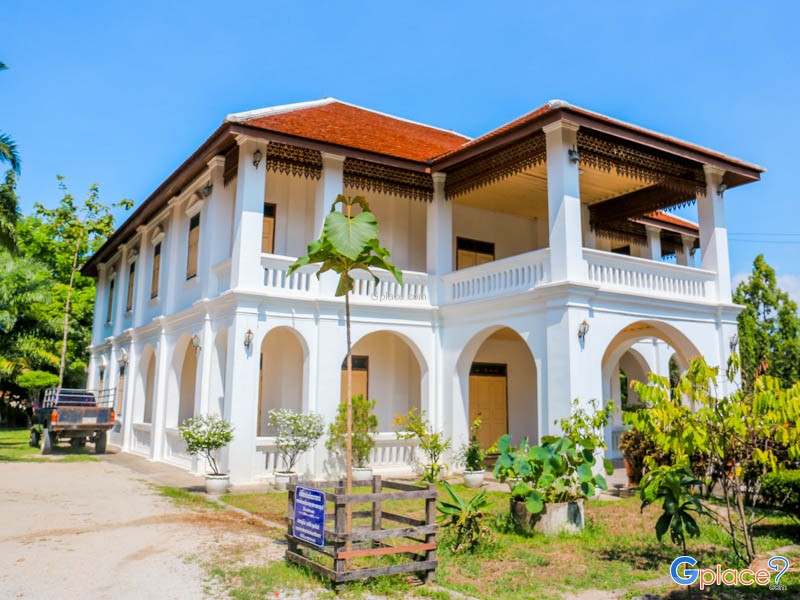
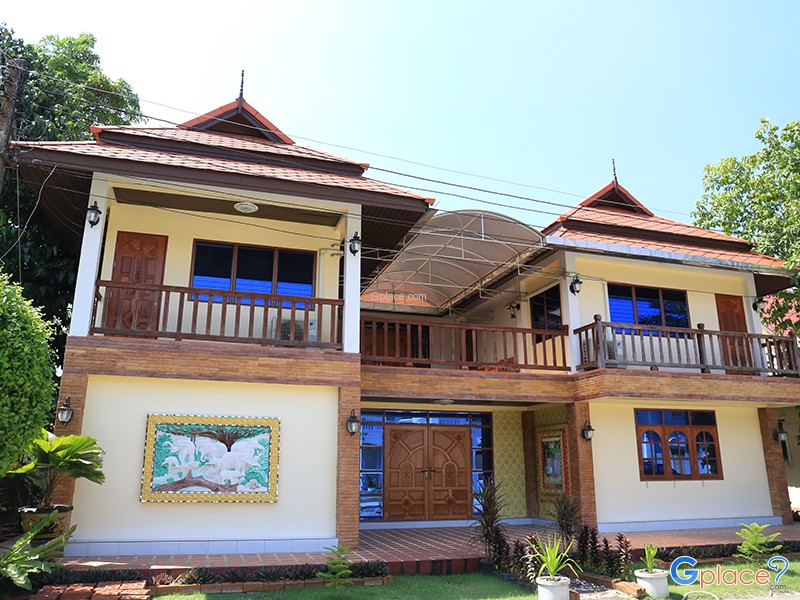

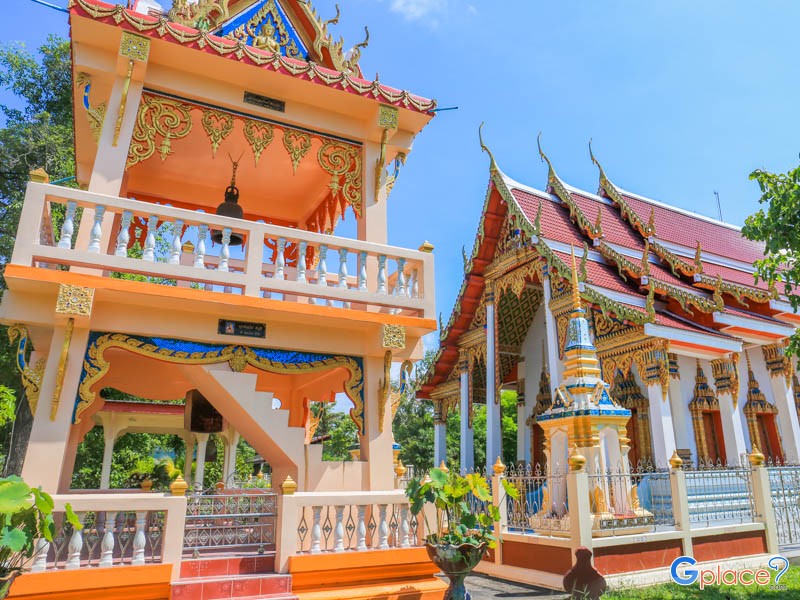
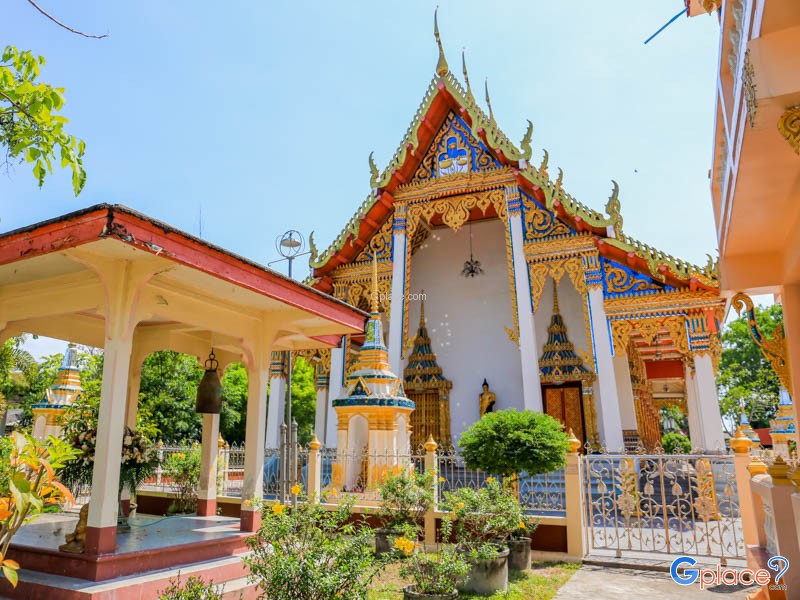
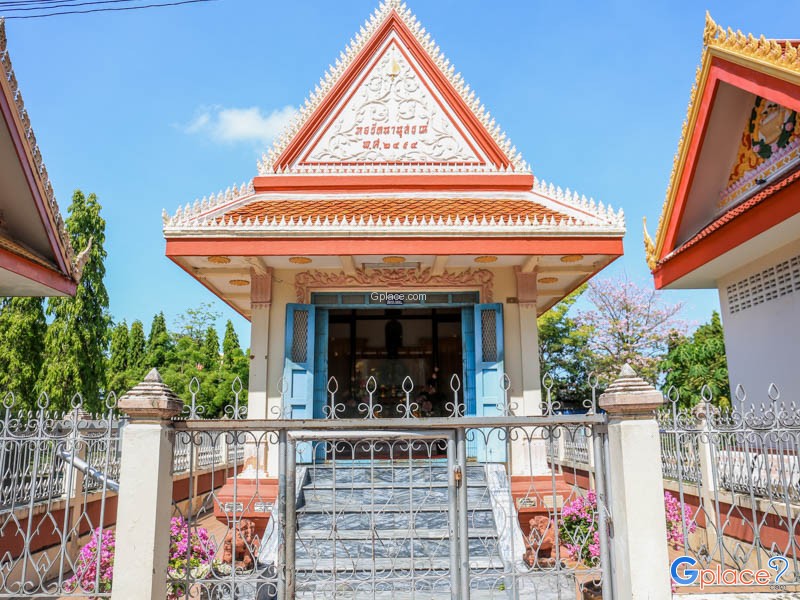
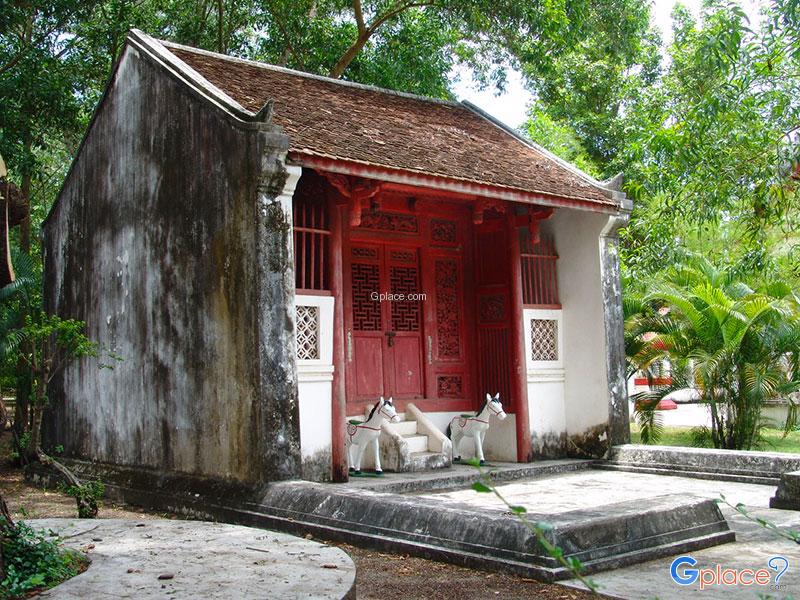
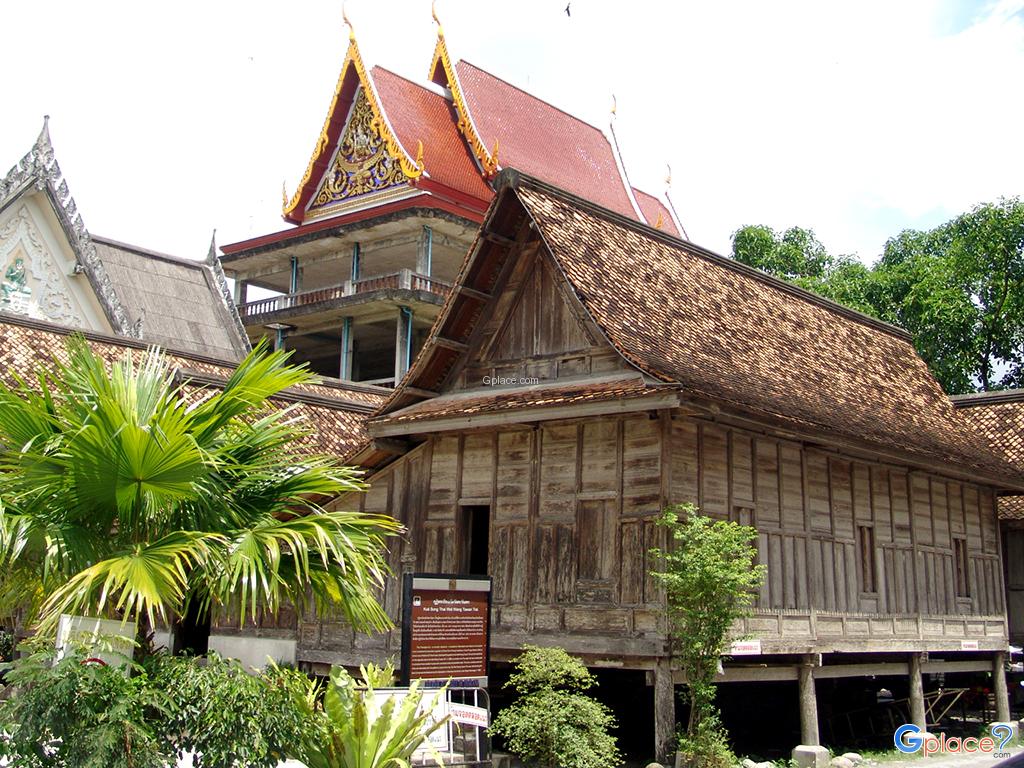
“The ordination hall featuring Chinese-influenced architectural elements, especially the beautifully decorated Phatthasima boundary markers restored by the Na Nakhon family, and the historic Rattanathachamuni Building, a rare wooden-and-masonry structure of Western influence.”
Wat Tha Pho Worawihan has a long history dating back to the Ayutthaya period. The temple later fell into abandonment until 1784 (B.E. 2327), when Chao Phraya Nakhon Si Thammarat (Phat), the governor of the city, ordered its reconstruction at a nearby location. A bodhi tree was planted along the Tha Wang Canal as a symbolic marker, giving rise to the temple’s present name. The temple reached its height_ of prosperity during the tenure of Phra Rattanathachamuni (Muang Mantakhano), a highly respected abbot who played a crucial role in establishing the foundation of education in Nakhon Si Thammarat.
The temple’s architecture reflects a distinctive blend of cultural influences. The ordination hall was extensively restored during the reign of King Rama VII by the Na Nakhon family, who introduced refined Chinese-inspired decorative elements to the Phatthasima structures. Within the ordination hall are also enshrined the cremated remains of Chao Phraya Nakhon Phat, adding historical significance to the site.
Another notable structure is the Rattanathachamuni Building, a rare wooden-and-masonry building influenced by Western architectural styles. It was originally constructed as the residence of the former abbot and served as a reception hall for distinguished guests and officials in the past. Today, Wat Tha Pho Worawihan continues to function as an important venue for religious ceremonies and stands as a tranquil historical site located within the bustling commercial area of Tha Wang, offering visitors a peaceful retreat amid the city.
How to Get There
- By Private Car: From Talat Khaek Intersection, drive along Ratchadamnoen Road heading north (toward the airport). At Tha Wang Intersection, continue straight for about 500 meters. Before crossing the Tha Wang Canal bridge, turn right onto Tha Pho Road and drive another 500 meters. The temple entrance will be on the left.
- By Public Transport: Take a blue songthaew on the “Stadium – Hua Thanon” route and get off at Tha Wang Intersection. From there, continue by motorcycle taxi or walk along the Tha Wang Canal to the temple.
Travel Tips
-
As this is a royal monastery and active religious site, visitors should dress modestly (avoid shorts and sleeveless tops)
-
If possible, request permission to visit the Rattanathachamuni Building, which is architecturally rare and historically significant
-
After visiting the temple, take time to explore the Tha Wang old commercial district, known for its local food and traditional city lifestyle
Admission Fee:
- Free admission
Opening Hours:
- Open daily from 08:00 – 17:00
Wat Tha Pho Worawihan

 Share
Share
 Tha Pho Road, Tha Wang Subdistrict, Mueang Nakhon Si Thammarat District, Nakhon Si Thammarat 80000
Map
Tha Pho Road, Tha Wang Subdistrict, Mueang Nakhon Si Thammarat District, Nakhon Si Thammarat 80000
Map
 Closed today
Mon8.00 - 17.00
Tue8.00 - 17.00
Wed8.00 - 17.00
Thu8.00 - 17.00
Fri8.00 - 17.00
Sat8.00 - 17.00
Sun8.00 - 17.00



 3743
3743