 Attractions
  Hotel
Hotel  Restaurant
  Shopping
  Abroad





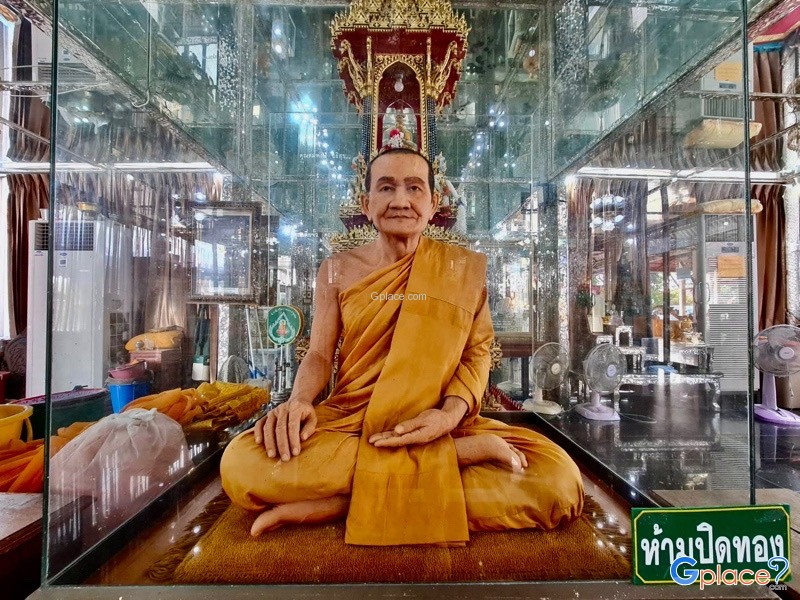

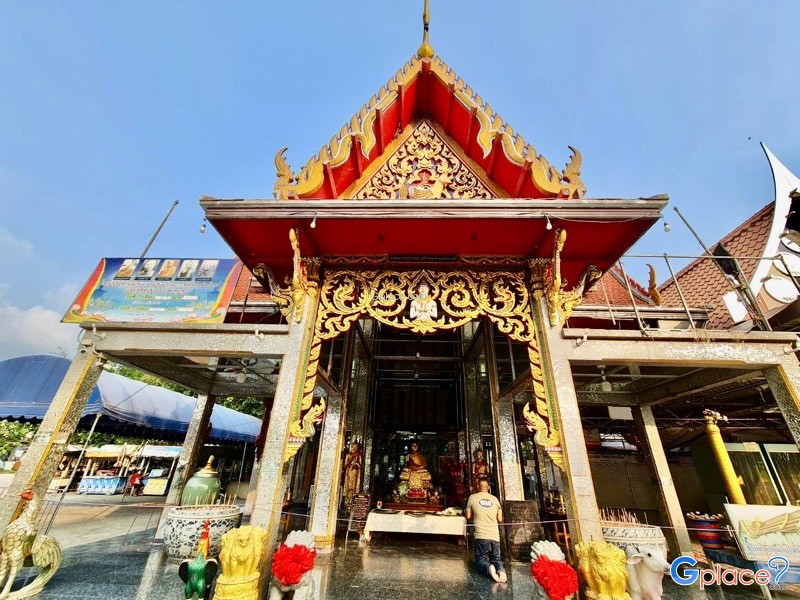
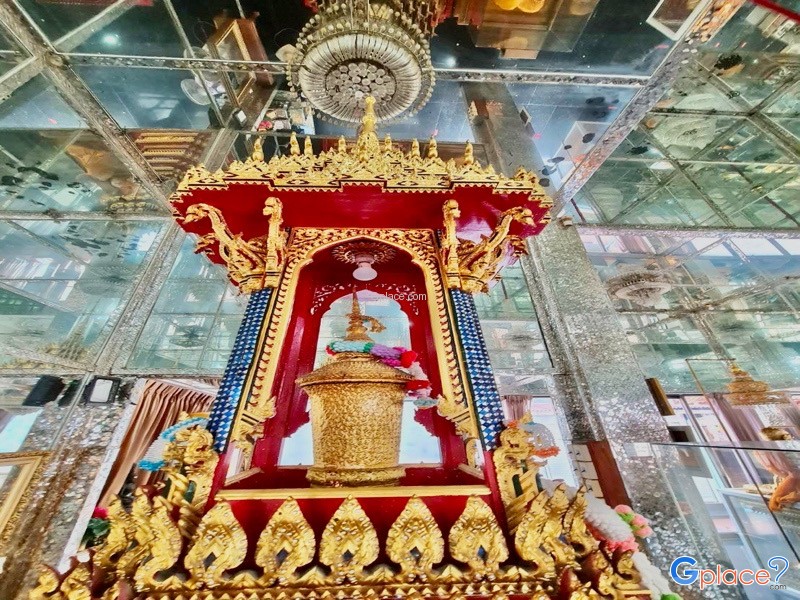
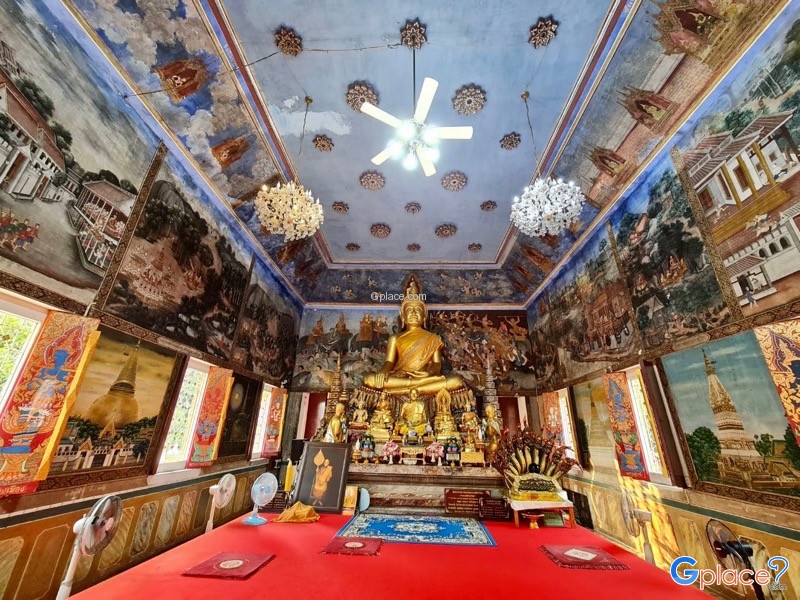
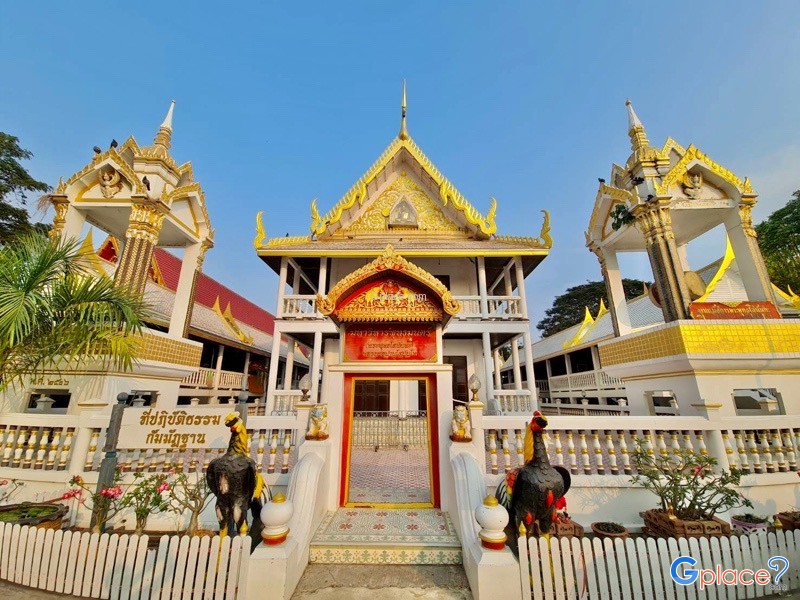
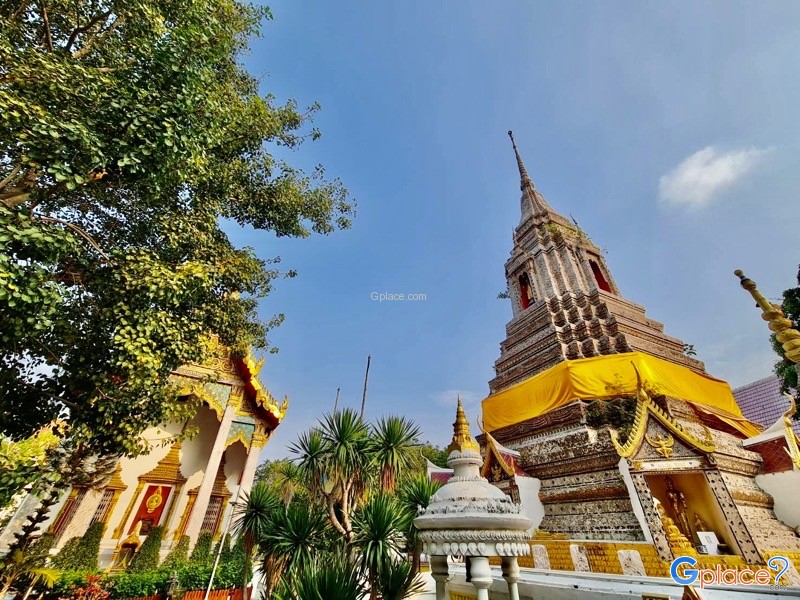
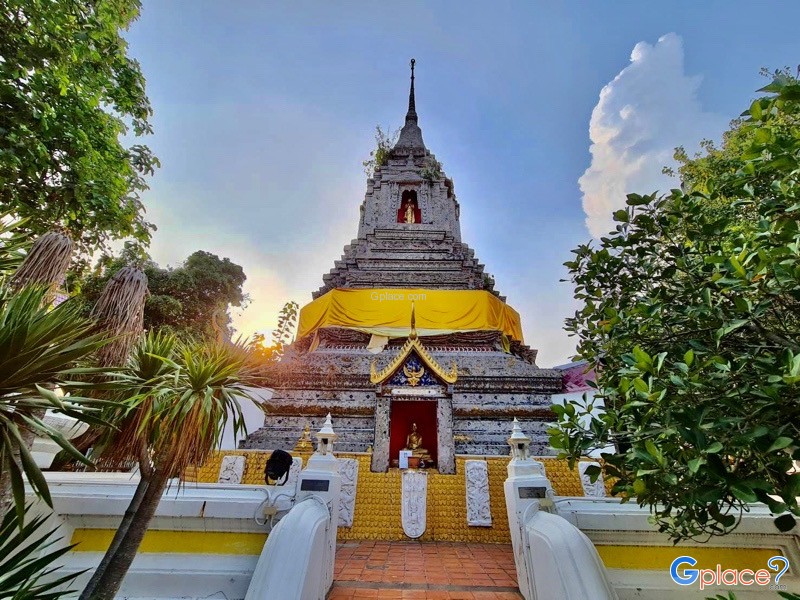
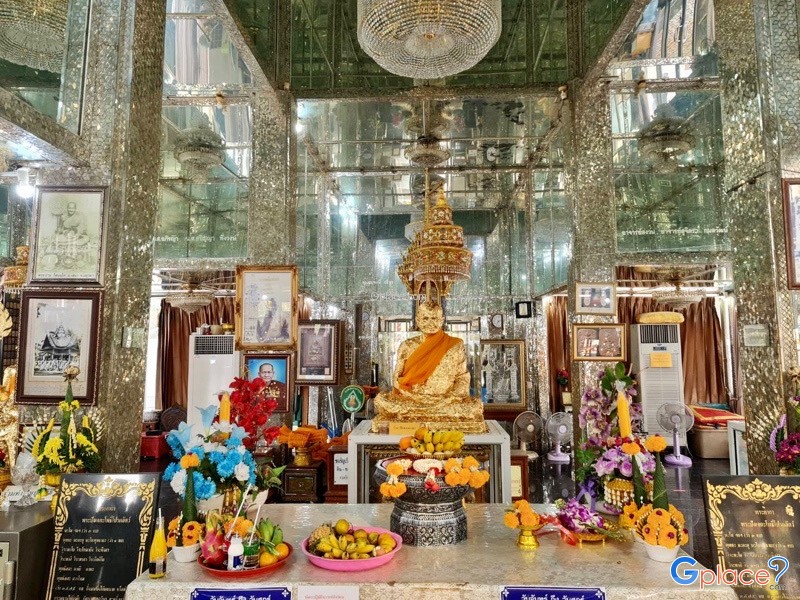
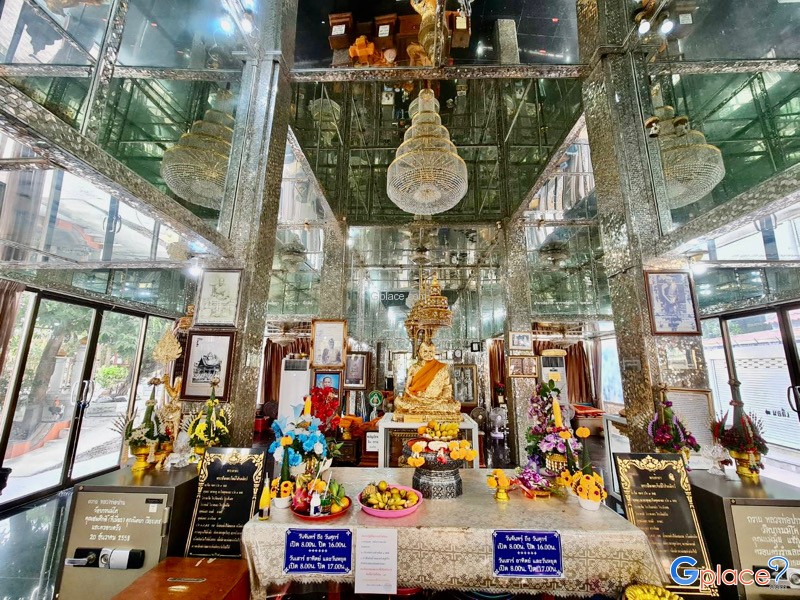

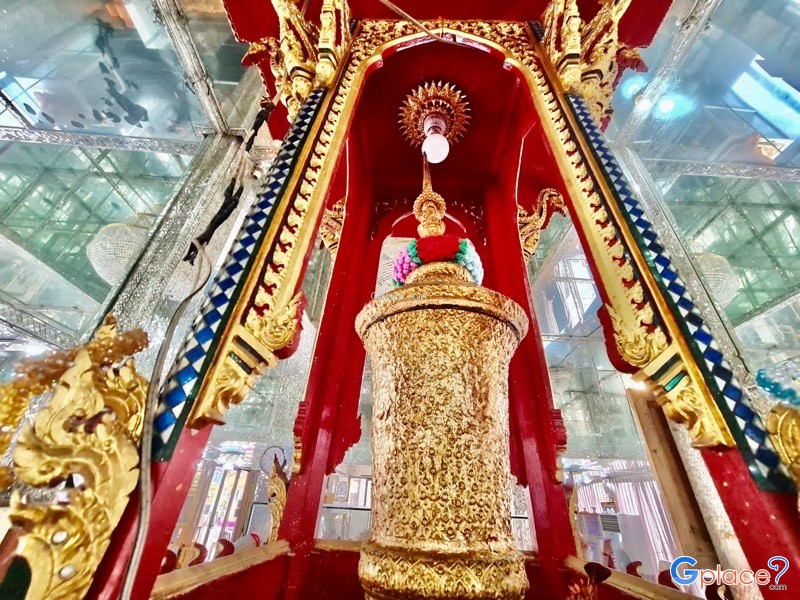
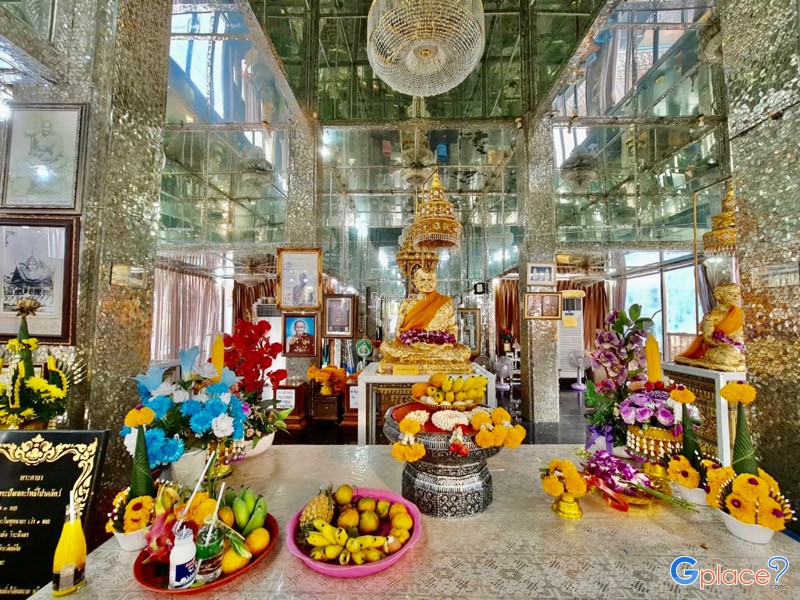
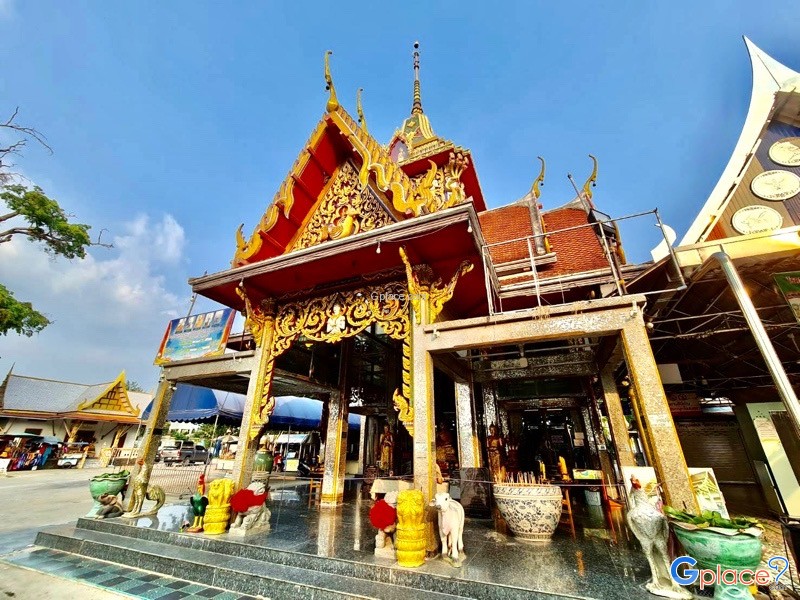
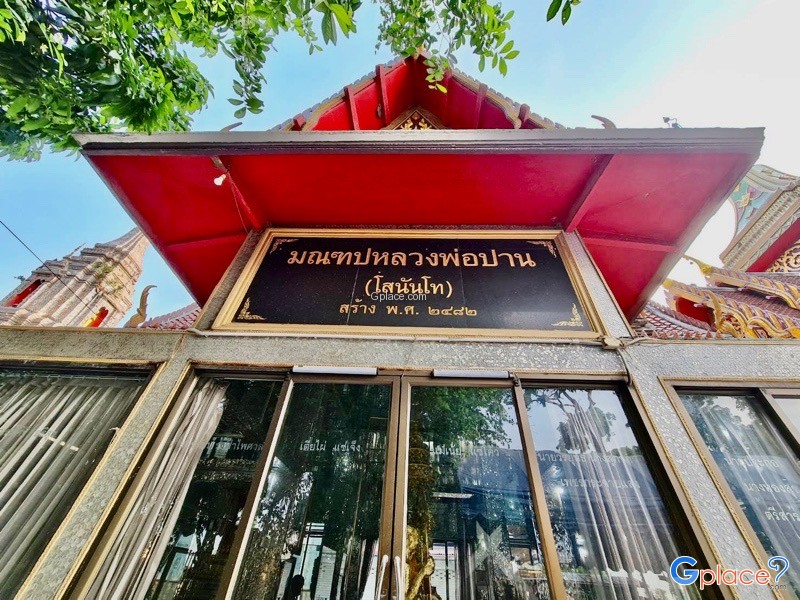
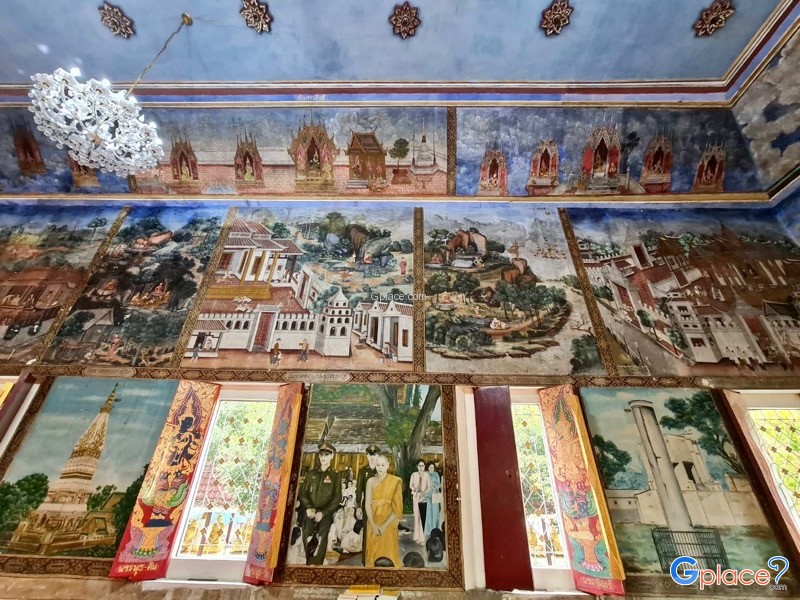
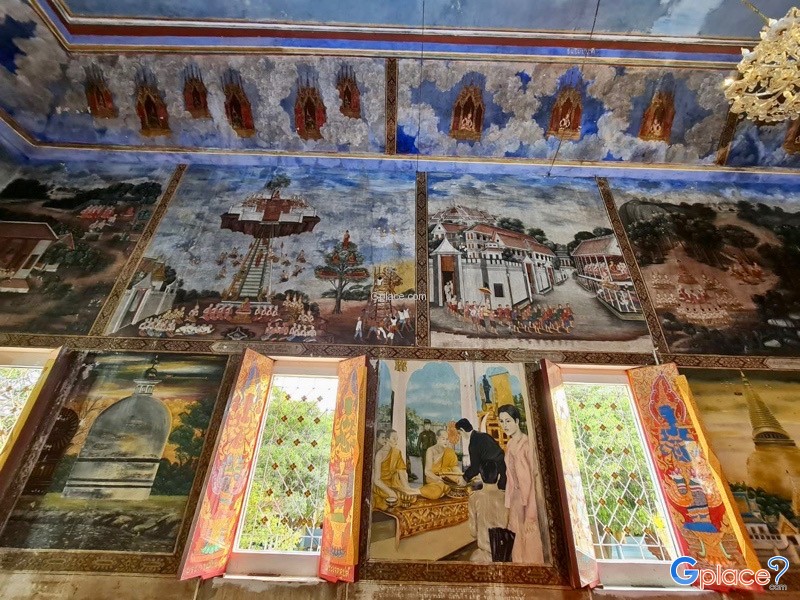
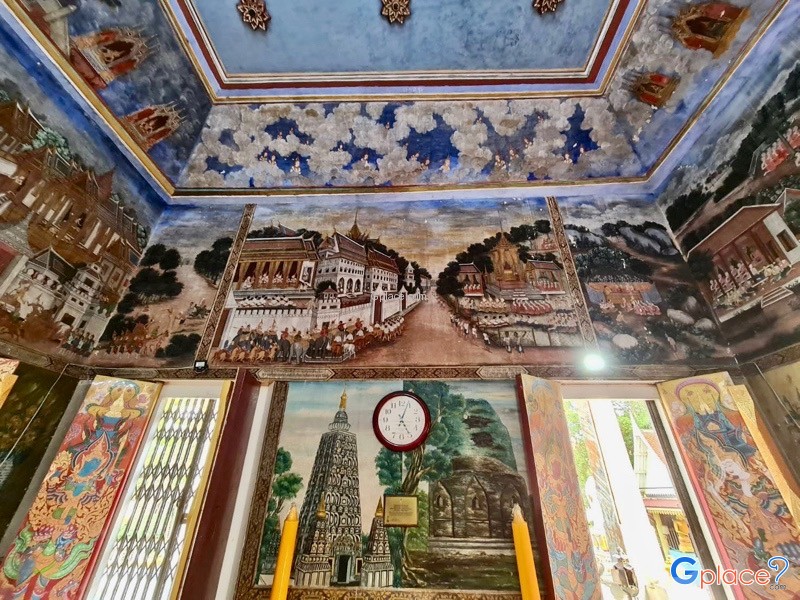



“Pay respect to the sacred statue of Luang Por Pan in his pavilion and experience "Crawling Under the Chapel" through a symbolic tunnel of the underworld depicting Dhamma lessons.”
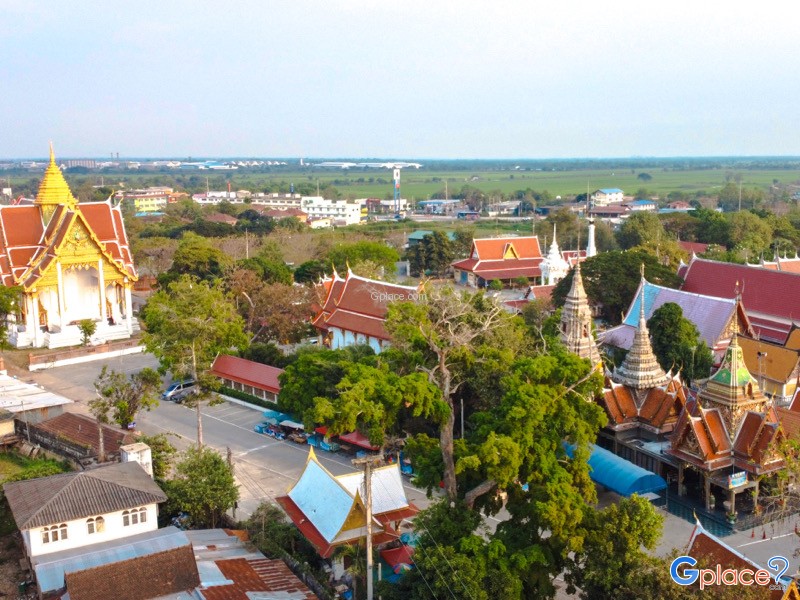
Bang Nom Kho Temple is an ancient local temple located along the riverside in Sena District, Phra Nakhon Si Ayutthaya Province. It has a long and distinguished history and is widely recognized as the residence and place of religious practice of Luang Por Pan Sonanto, a former abbot whose reputation and influence spread throughout Thailand. The temple serves as an important spiritual center, attracting devotees who come to make merit, pray for blessings, and seek auspiciousness in their lives within an atmosphere that is solemn, peaceful, and deeply spiritual.
The history of Bang Nom Kho Temple is closely intertwined with the riverside community along the Chao Phraya River basin. For generations, the temple has functioned as a spiritual anchor for the local people, a venue for religious ceremonies, and a place for transmitting Buddhist teachings from one generation to the next. The temple grounds are well maintained and orderly, creating a calm and respectful environment for Buddhists who visit to pay homage and cultivate inner peace.
One of the most significant highlights of the temple is the Mandapa of Luang Por Pan, which enshrines a statue and the relics of Luang Por Pan Sonanto. This sacred structure serves as the spiritual heart of the temple, where devotees come to pay their respects and express gratitude for the virtues and moral teachings of the revered monk, often making heartfelt wishes with strong faith.
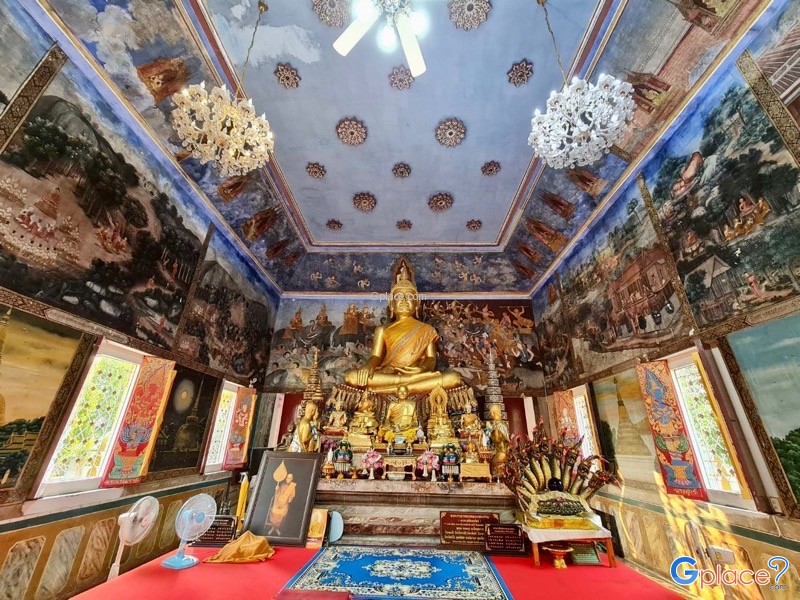
Another remarkable feature is the temple’s ordination hall, which is exquisitely constructed and uniquely designed. Beneath the ordination hall is an underground passage created as a simulated hell realm. The interior walls are adorned with mural paintings depicting stories of sin, merit, moral consequences, and the results of one’s actions according to Buddhist teachings. This structure was intentionally designed as a moral reminder, using visual storytelling to encourage ethical reflection and virtuous conduct among visitors.
Within the temple grounds, the old wooden kuti of Luang Por Pan has been carefully preserved. This former residence retains many of his original personal belongings, allowing devotees and visitors to gain insight into his simple and disciplined way of life. In front of the mandapa stand two sacred golden teak trees, each over a hundred years old, which are revered as the Shrine of Mae Takhian Thong. According to local belief, these trees possess sacred and compassionate spiritual power that offers protection and blessings to those who pay their respects.
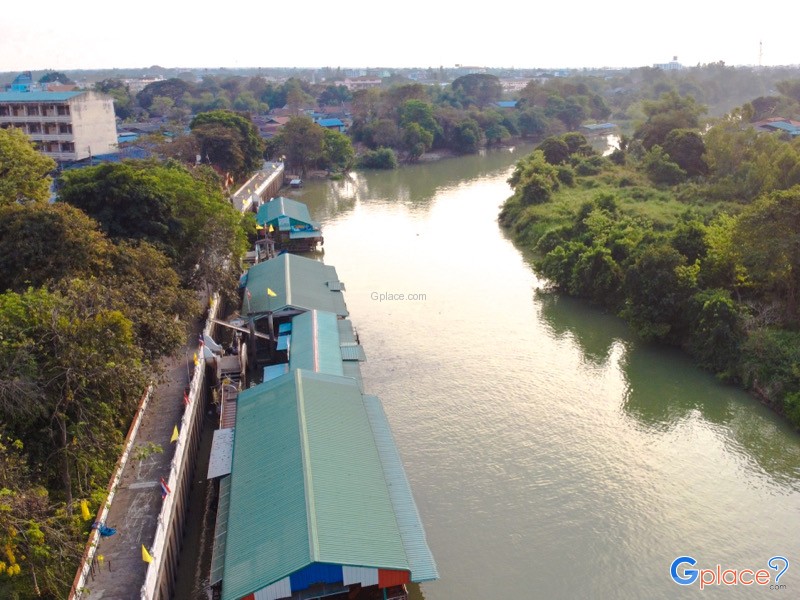
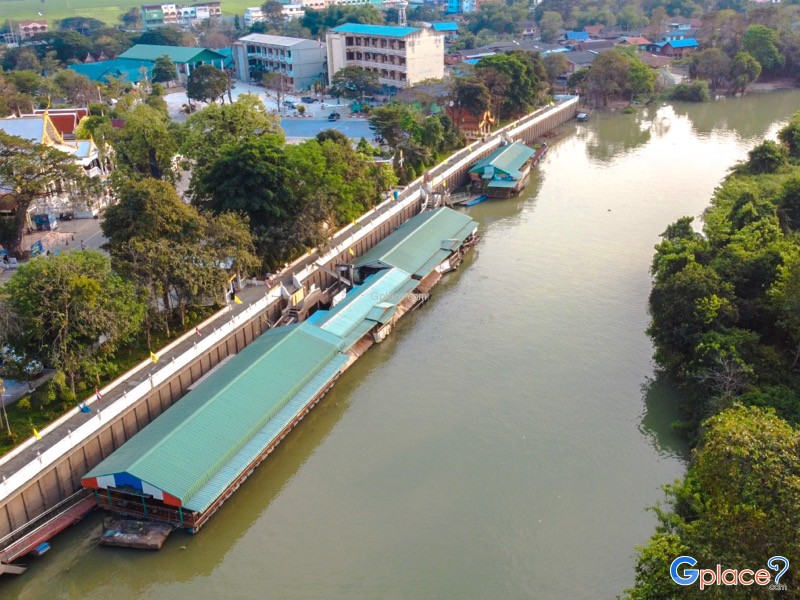
The riverside area in front of Bang Nom Kho Temple is designated as a sanctuary zone, creating a tranquil and refreshing atmosphere. Visitors can relax, feed the fish, and enjoy the gentle breeze from the canal while experiencing the traditional riverside lifestyle, fostering a sense of harmony with nature and inner calm.
For amulet collectors and admirers of Buddhist art, Bang Nom Kho Temple is an essential destination. The temple is known as the origin of distinctive clay amulets in various animal forms, which are uniquely associated with the lineage of Luang Por Pan. It is also renowned for the transmission of the “Yantra Kraphet” (Diamond Armor Yantra), an esoteric protective art emphasizing safety, protection, and spiritual resilience. These elements give the temple exceptional significance in terms of both faith and historical heritage.
Bang Nom Kho Temple is therefore not merely a religious tourist site, but a valuable place of spiritual learning and historical importance. Visitors are warmly invited to experience the powerful atmosphere of faith and to seek blessings from Luang Por Pan at Bang Nom Kho Temple, gaining spiritual strength and meaningful moral guidance to apply in everyday life.
How to Get There
Private Car:
- Take Route 3263 (Ayutthaya-Sena), cross the Si Kuk bridge towards Lotus’s Sena; the temple entrance is located just a short distance past the department store.
Public Van:
- Take a Bangkok-Suphan Buri van or a van to Sena District, get off at Lotus’s Sena, and take a local taxi or motorbike taxi to the temple.
Travel Tips
Best Time to Visit:
- Arriving between 8:00 AM and 11:00 AM is recommended to avoid the midday heat and the larger afternoon crowds.
Dress Code:
- Since crawling or bending is required to go under the chapel, wear flexible and modest trousers for convenience.
Photography:
- The pavilion and chapel are highly photogenic; late afternoon light provides a beautiful glow to the golden architectural details.
Local Culture:
- Don't miss feeding the fish at the riverside zone, which offers the most refreshing and shaded breeze within the temple area.
Admission Fee
-
Local visitors: Free
-
Foreign visitors: Free
Opening Hours
-
Open daily from 08:00 – 16:30
Bang Nom Kho Temple

 Share
Share
 Bang Nom Kho Temple, Bang Nom Kho, Sena, Phra Nakhon Si Ayutthaya, Thailand
Map
Bang Nom Kho Temple, Bang Nom Kho, Sena, Phra Nakhon Si Ayutthaya, Thailand
Map
 Open now : 8.00 - 16.30
Mon8.00 - 16.30
Tue8.00 - 16.30
Wed8.00 - 16.30
Thu8.00 - 16.30
Fri8.00 - 16.30
Sat8.00 - 16.30
Sun8.00 - 16.30



 146
146