 Attractions
  Hotel
Hotel  Restaurant
  Shopping
  Abroad





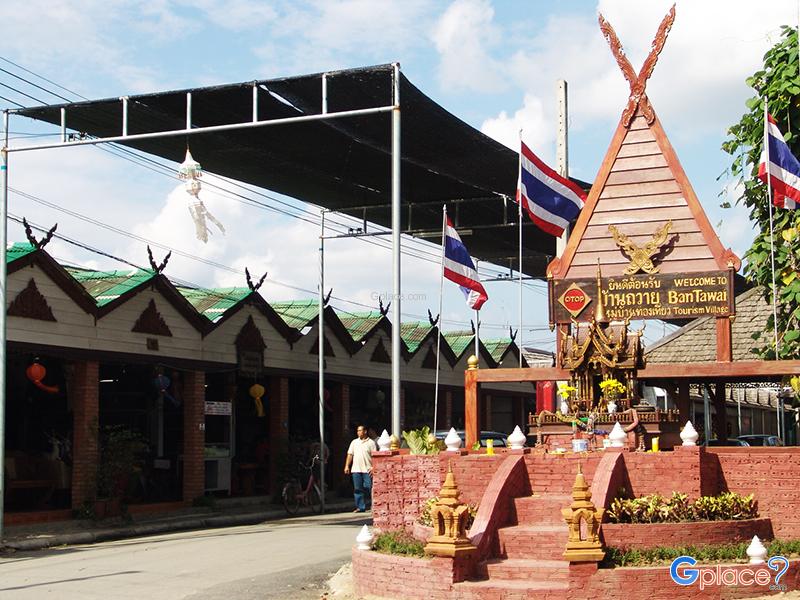

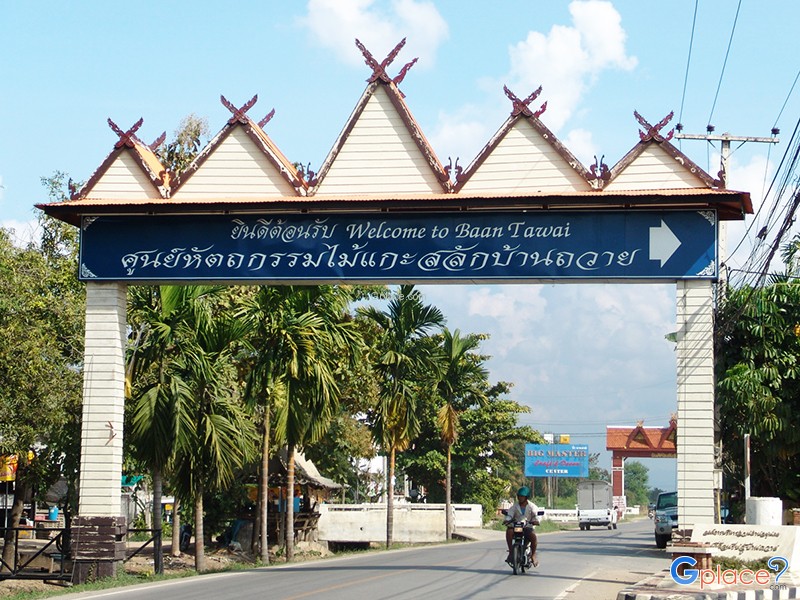
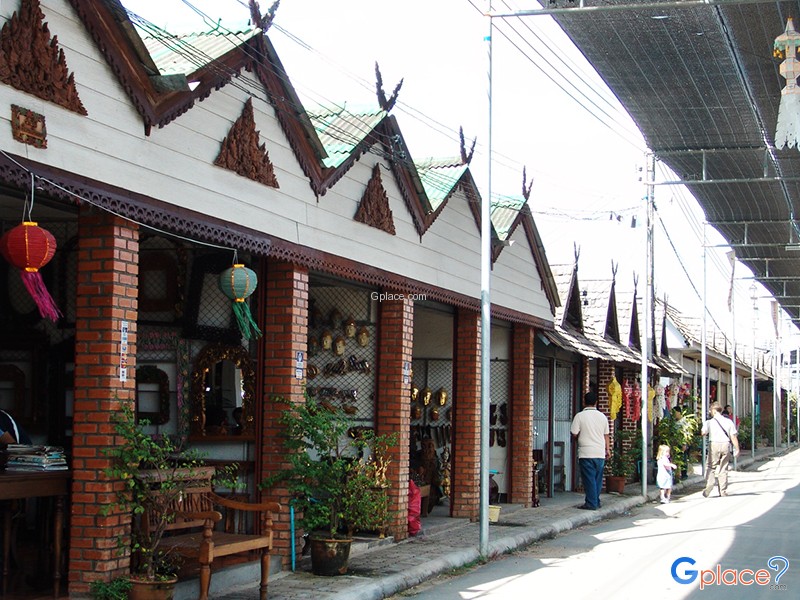
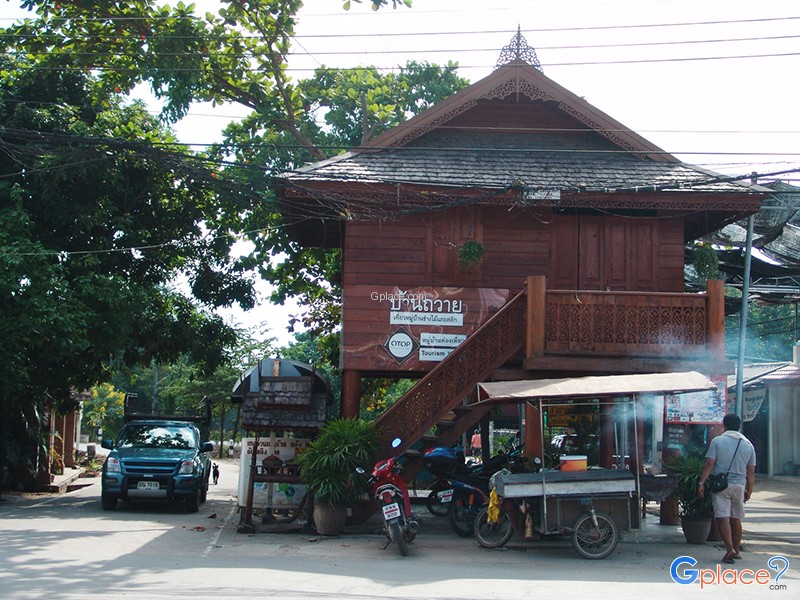
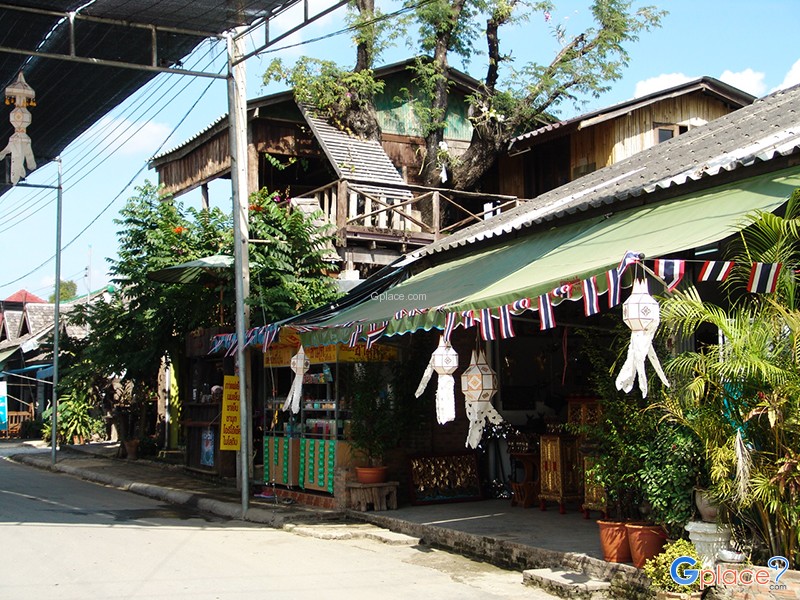
“Famous wood handicraft village, see Lanna wood carvings, shop for furniture and home decor from skilled artisans.”
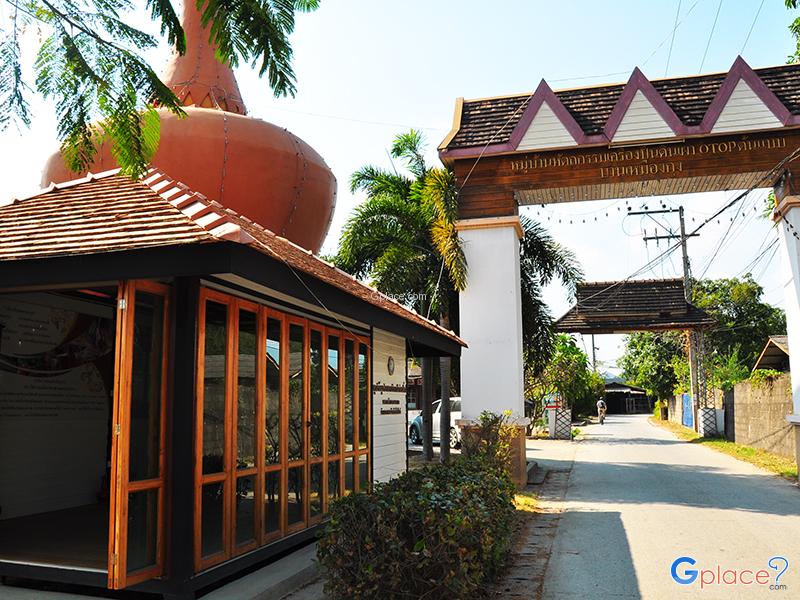
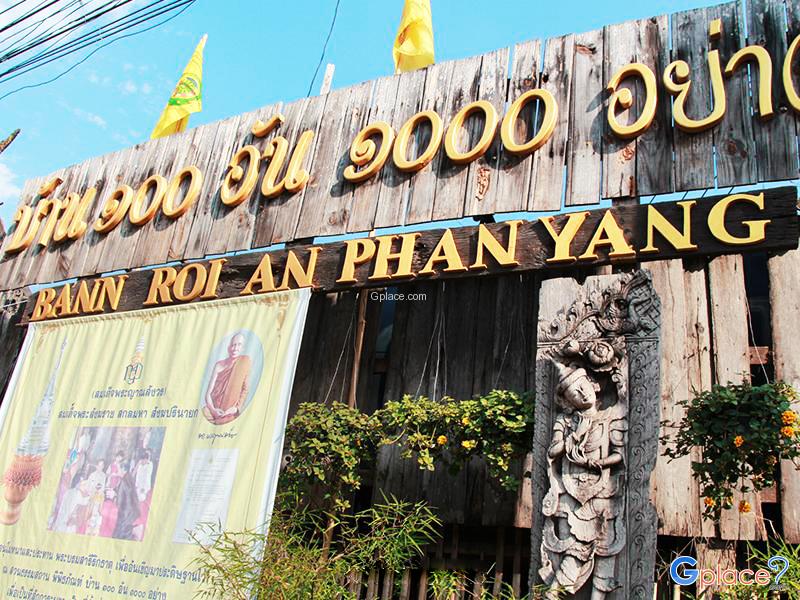
Baan Tawai (Baan Tawai Wood Carving Village) is an internationally renowned handicraft village located in Khun Khong Sub-district, Hang Dong District, Chiang Mai Province. It is recognized as the largest wood carving center in Thailand. This community has a history of craftsmanship spanning over 100 years, with villagers' ancestors learning wood carving techniques from artisans in the Lanna region and Burmese art. They then adapted these into Lanna art, creating Baan Tawai's unique identity, which is acclaimed by collectors, designers, and hotel, resort, and restaurant operators worldwide.
The highlight of Baan Tawai is its comprehensive wood production, from wood selection, design, hand carving, sanding, gold leaf application, painting, and surface coating to packaging for export. Many artisan families still use traditional techniques passed down through generations, ensuring each piece has sharp details, dimension, and uniqueness. Popular woods used include teak, red wood, rain tree wood, and chamchuri wood, all known for their beautiful natural patterns and strength suitable for carving.
Within the village, there are over 300 shops, factories, and handicraft showrooms spanning multiple zones. Tourists can browse everything from small wood carvings, souvenirs, home decor, lamps, picture frames, and household items to large teak furniture like dining tables, cabinets, beds, chairs, and living room sets. The village also offers contemporary art that blends modern design with Lanna wisdom, meaning Baan Tawai sells not only Thai-style works but also modern, industrial, vintage, and Balinese styles to meet international market demands.
Another popular zone is Baan Tawai Song Fang Klong (Baan Tawai Two Canal Banks), which has been developed into a walking street and a hub of handicraft shops in a Lanna atmosphere. It features wooden bridges, canals, and traditional wooden buildings, perfect for strolling, taking photos, and shopping for small souvenirs like wooden jewelry, miniature carvings, ceramic products, woven fabrics, silverware, basketry, and community-made home decor.
Beyond woodworks, Baan Tawai is also a hub for various other handicrafts, including lacquerware with gold leaf, colored glass inlay, metal casting, sculpting, ceramics, silverware, lacquerware, hand-woven cotton fabrics, and high-quality OTOP products. It is ideal for tourists looking to buy comprehensive souvenirs or home decor in one place.
For those interested in learning handicrafts, many shops offer opportunities to observe the actual production process, from sketching, using chisels and hammers to carve patterns, sanding, painting, to final surface coating. Tourists can talk and exchange knowledge with artisans, and some shops even offer short workshops to try carving or painting designs themselves.
Baan Tawai has also been promoted as a model OTOP village and one of Chiang Mai Province's creative communities. Numerous works are exported to Europe, the USA, Japan, the Middle East, and other Asian countries, making Baan Tawai a significant contributor to Thailand's creative economy and a successful model for community development through handicrafts.
From late year to early year, Baan Tawai hosts the Baan Tawai Handicraft Festival, a major annual event. The festival features artisan demonstrations, wood carving competitions, art exhibitions, handicraft stalls, Lanna cultural performances, and workshops for tourists. This is considered the best time to visit the village, as shops display their new works and high-quality products in full.
Baan Tawai is also registered as a Creative Industry Village (CIV) by the Ministry of Industry, which helps elevate the community as a cultural tourism and creative economy destination. Tourists can find a blend of traditional wisdom and contemporary design, enabling Baan Tawai's products to continuously compete in the global market.
If you wish to purchase high-quality wooden products, inquire about the type of wood, drying methods, and product warranty. Many large shops offer custom design services (Made-to-Order), along with export-standard packaging and shipping services both domestically and internationally, making them highly popular among hotels, resorts, restaurants, and interior designers.
With its diverse artistry, quality craftsmanship, Lanna community atmosphere, and the opportunity to witness the production process directly from artisans, Baan Tawai is not just a souvenir shopping destination. It is also a center for learning local wisdom, an art hub, and one of Chiang Mai Province's most important cultural tourism destinations, suitable for general tourists, designers, collectors, and handicraft enthusiasts from around the world.
How to Get There
-
From Chiang Mai city center, take Highway 108 (Chiang Mai–Hot Road) heading towards Hang Dong District, approximately 15 kilometers. Then turn left onto Baan Tawai Road (Rural Highway CM.3020). Drive for about 3 kilometers, and you will reach Baan Tawai Handicraft Village. There are clear signposts and several parking areas.
-
Those without private cars can take a yellow songthaew (shared taxi) on the Chiang Mai–Hang Dong route, then continue by local hired car or taxi to the village. Alternatively, you can use a rental car, taxi, or ride-hailing application from Chiang Mai city center. The journey takes approximately 25–35 minutes, depending on traffic conditions.
Travel Tips
- Allocate at least 2–3 hours to thoroughly explore the shops within the village.
- If purchasing furniture or large items, most shops offer domestic and international shipping services.
- You can inquire about and observe wood carving demonstrations directly from artisans in the shops.
- Mornings and weekdays are less crowded, making it easier to explore.
- Compare prices from several shops, as each has different production techniques and work quality.
- If buying products made from real wood, inquire about the wood type, care instructions, and warranty conditions before making a purchase.
- During the Baan Tawai Handicraft Festival, new works, promotions, and artisan demonstrations are showcased, making it an especially good time to visit.
Admission Fee:
- Free entry (no admission fee for the village area and handicraft center)
Opening Hours:
- Open daily from 08:00–17:00. Most shops are fully open and most active between 09:30–16:30.
Baan Tawai

 Share
Share
 Khun Khong Sub-district, Hang Dong District, Chiang Mai Province 50230
Map
Khun Khong Sub-district, Hang Dong District, Chiang Mai Province 50230
Map
 Closed today
Mon8.00 - 17.00
Tue8.00 - 17.00
Wed8.00 - 17.00
Thu8.00 - 17.00
Fri8.00 - 17.00
Sat8.00 - 17.00
Sun8.00 - 17.00

 https://www.thai-tour.com/thai-tour/north/chiangmai/data/pic_baan-tawai.htm

 8160
8160