 Attractions
  Hotel
Hotel  Restaurant
  Shopping
  Abroad






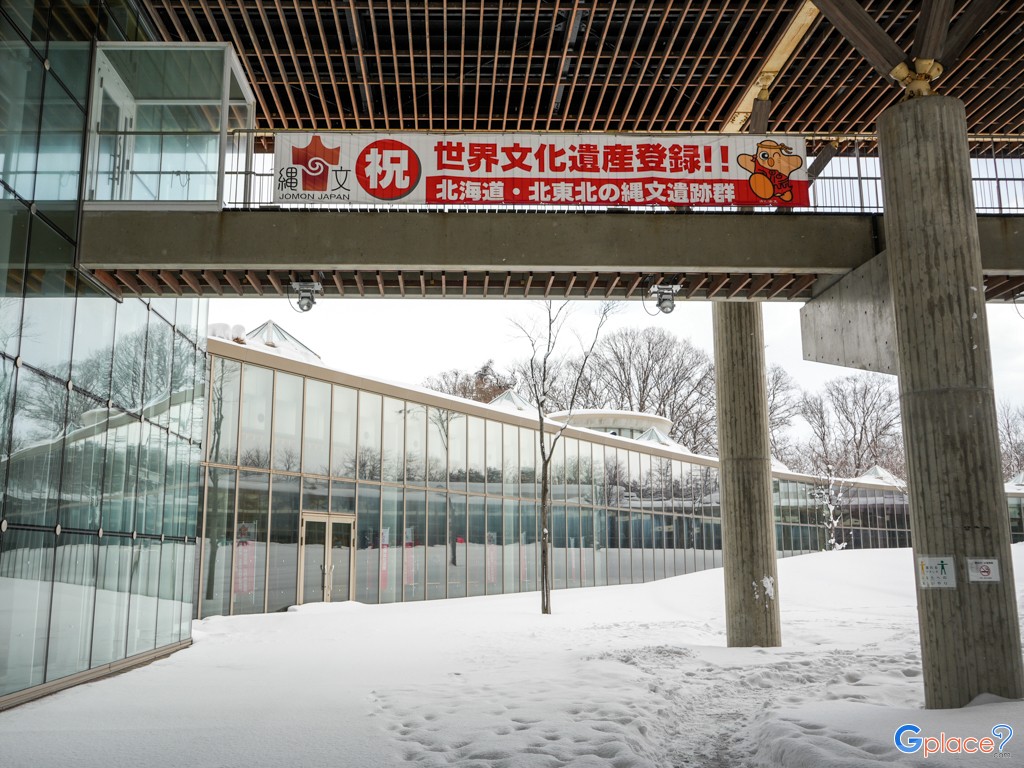
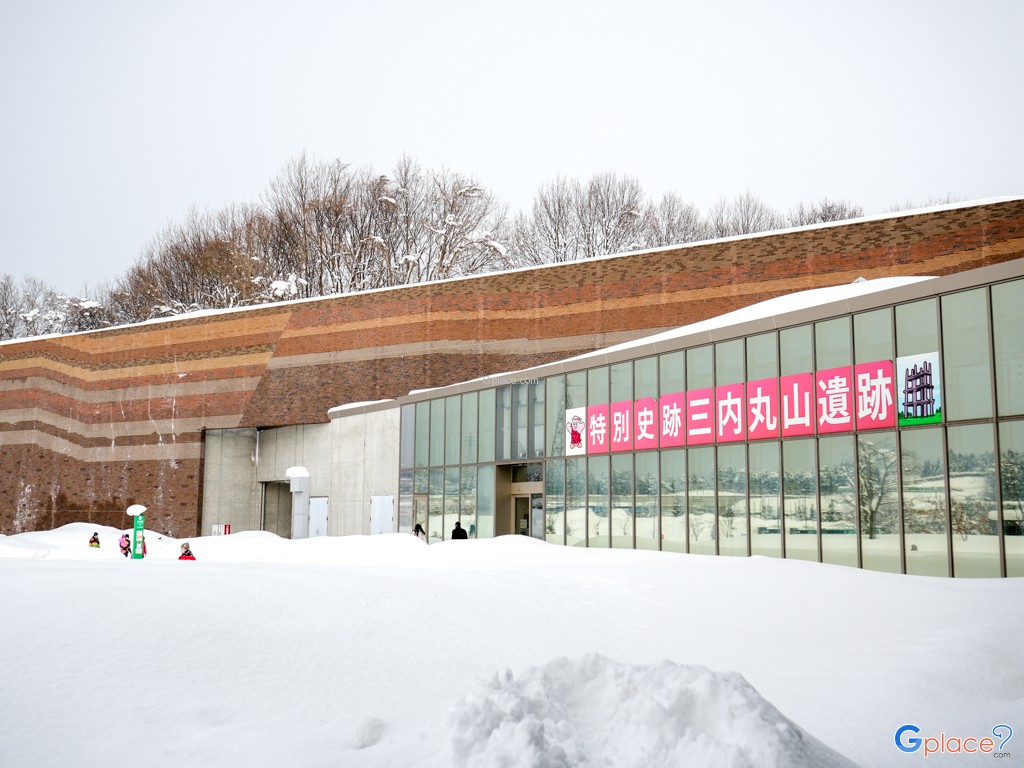
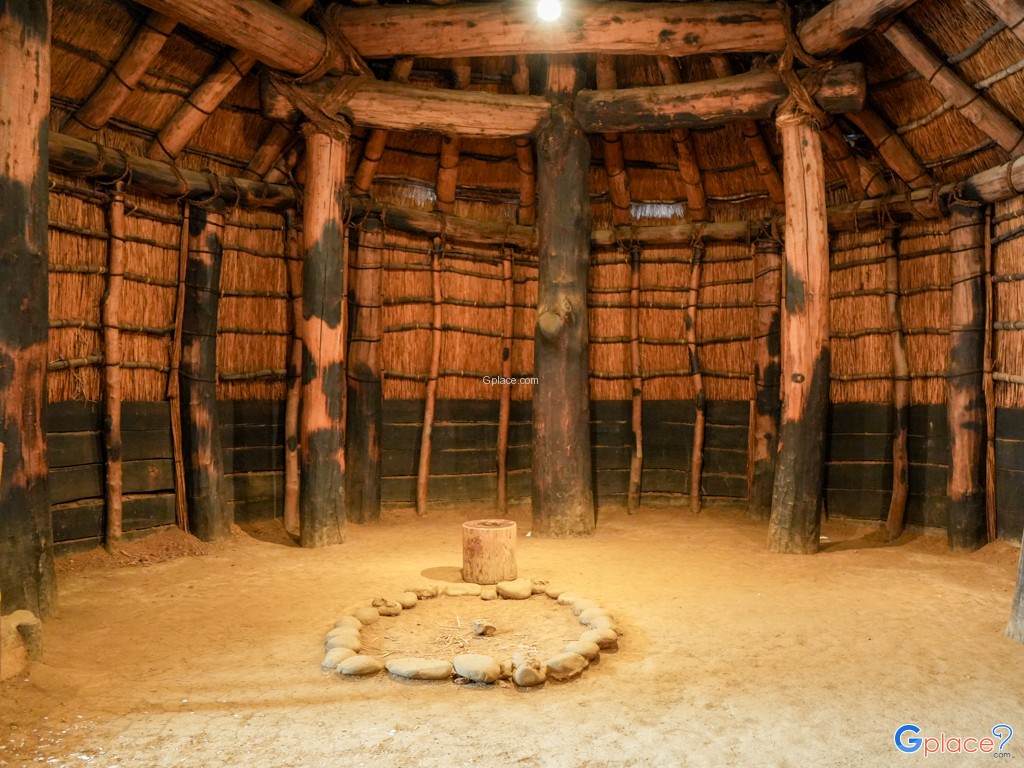
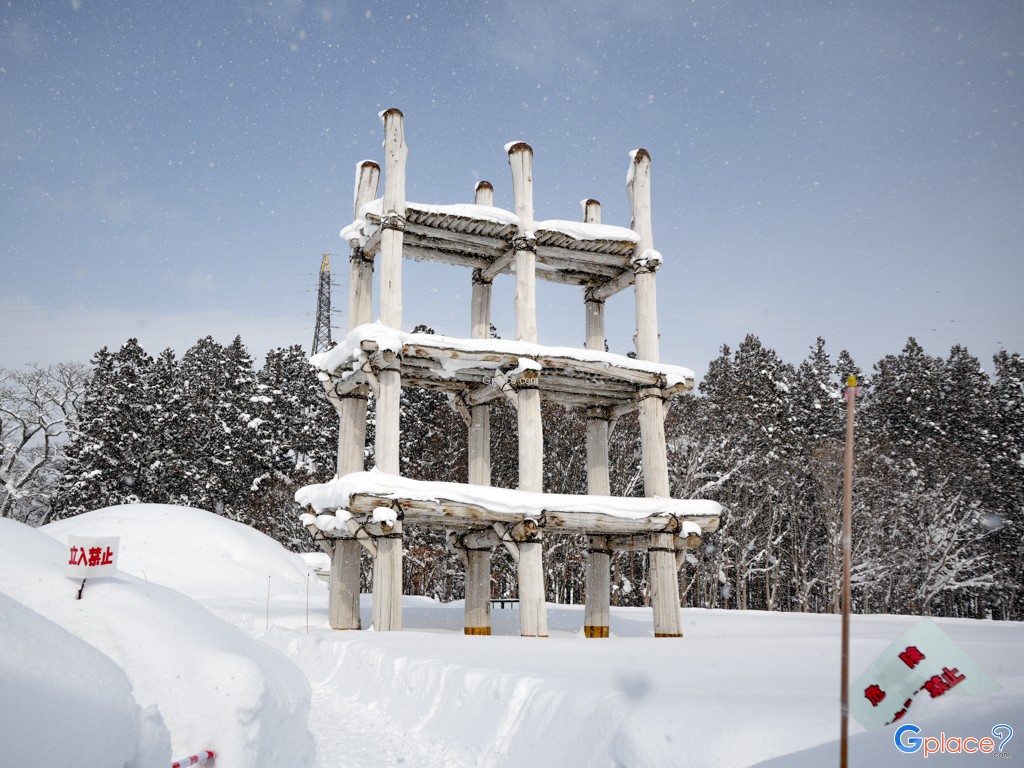
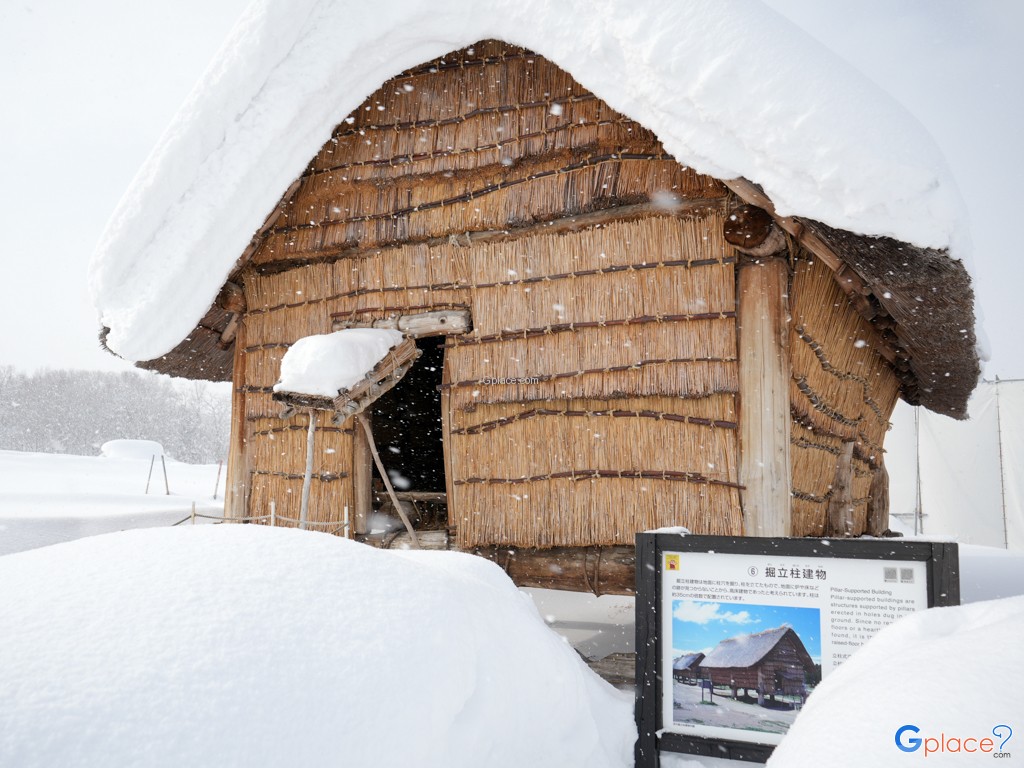
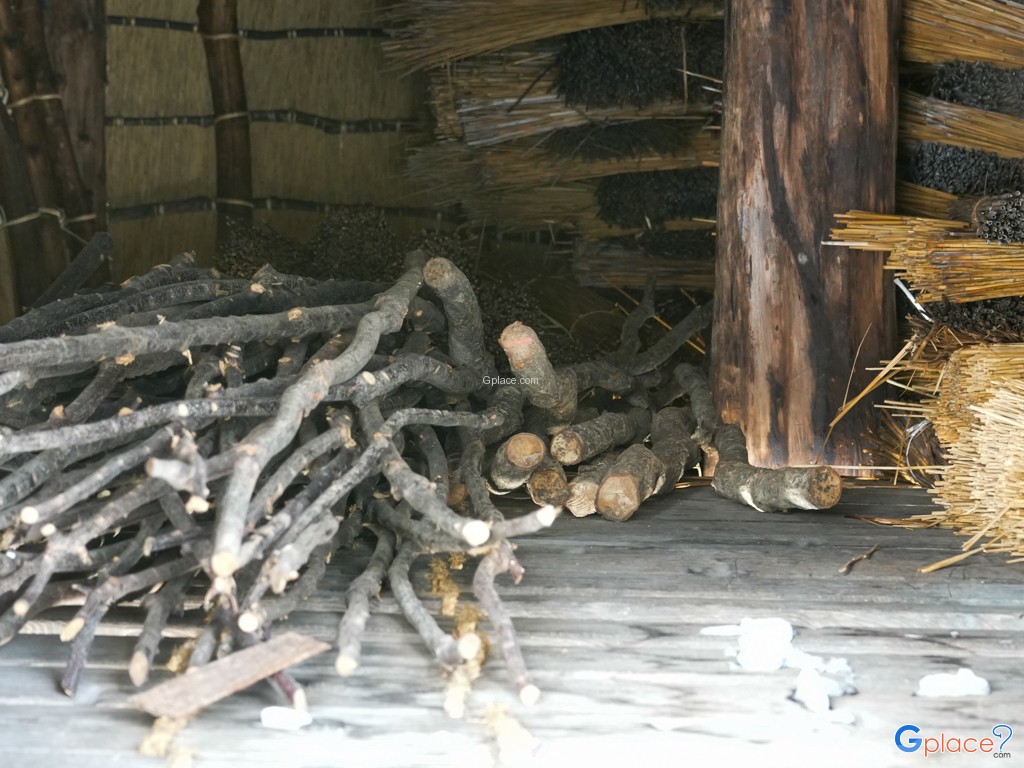
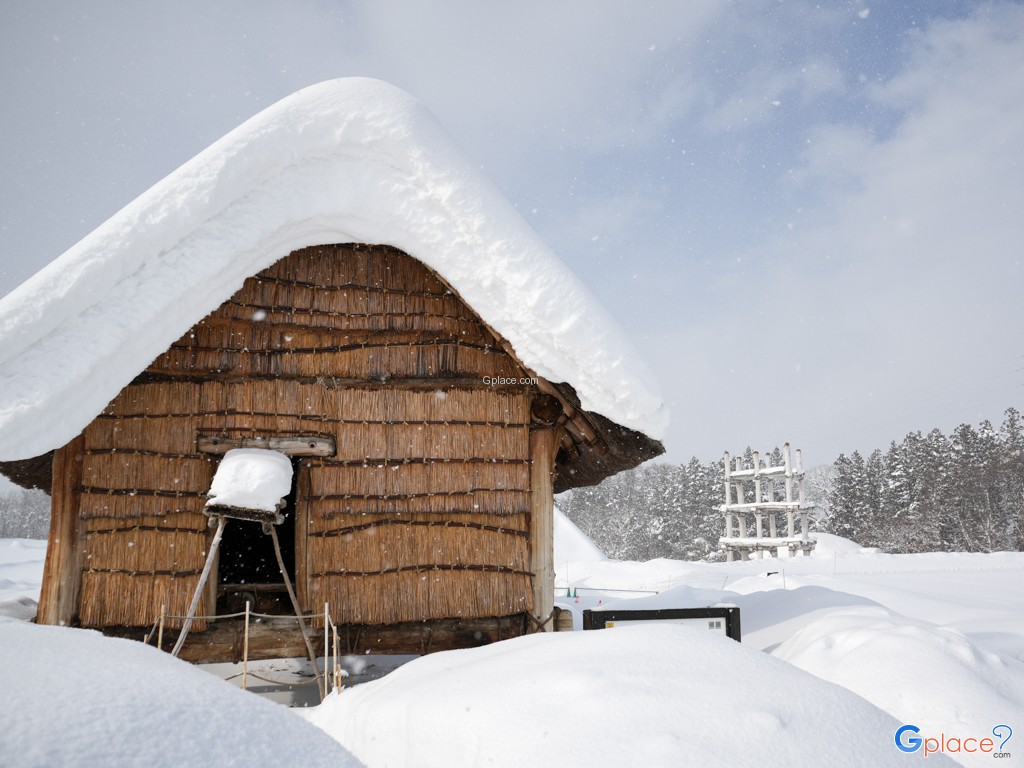
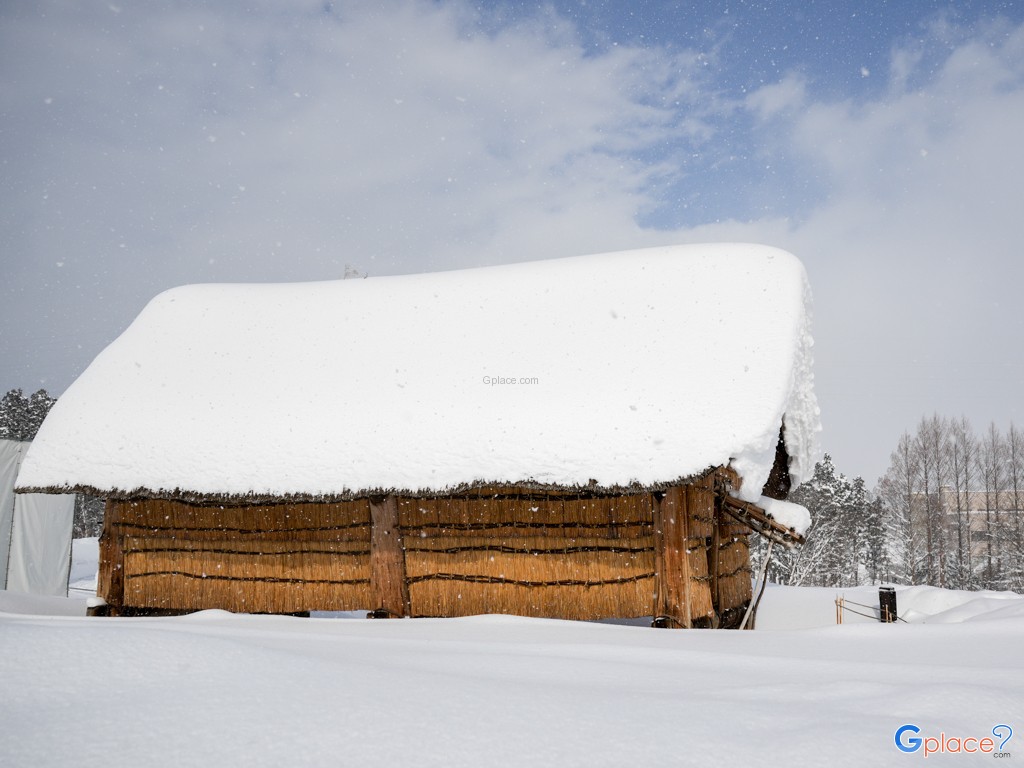
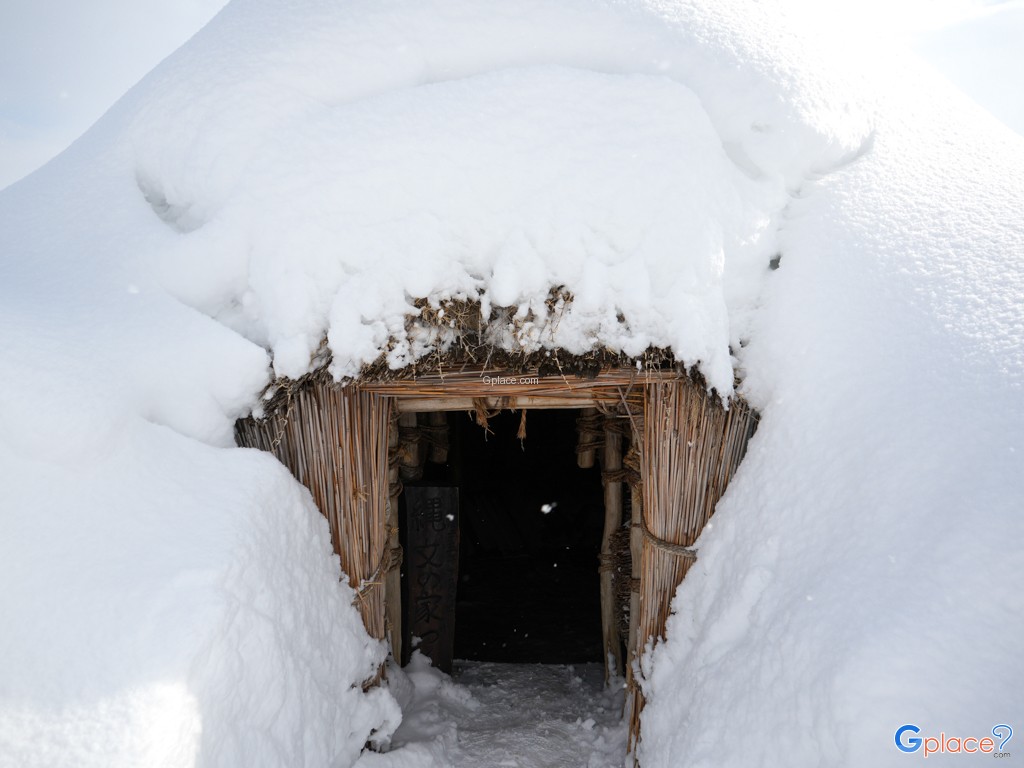
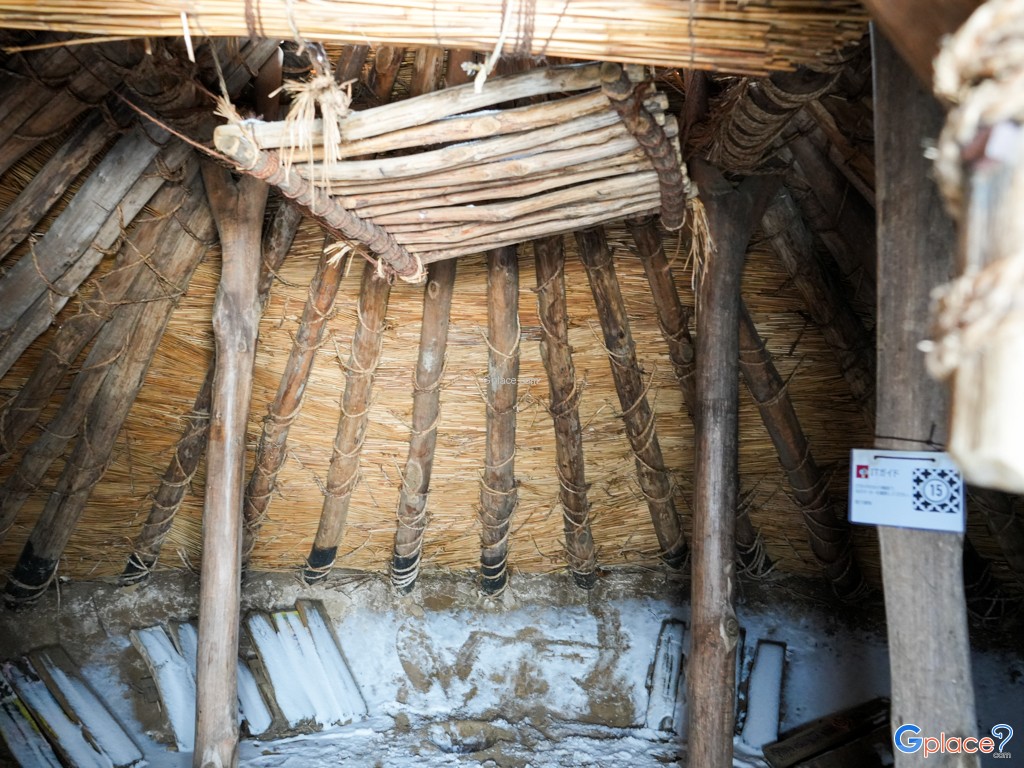
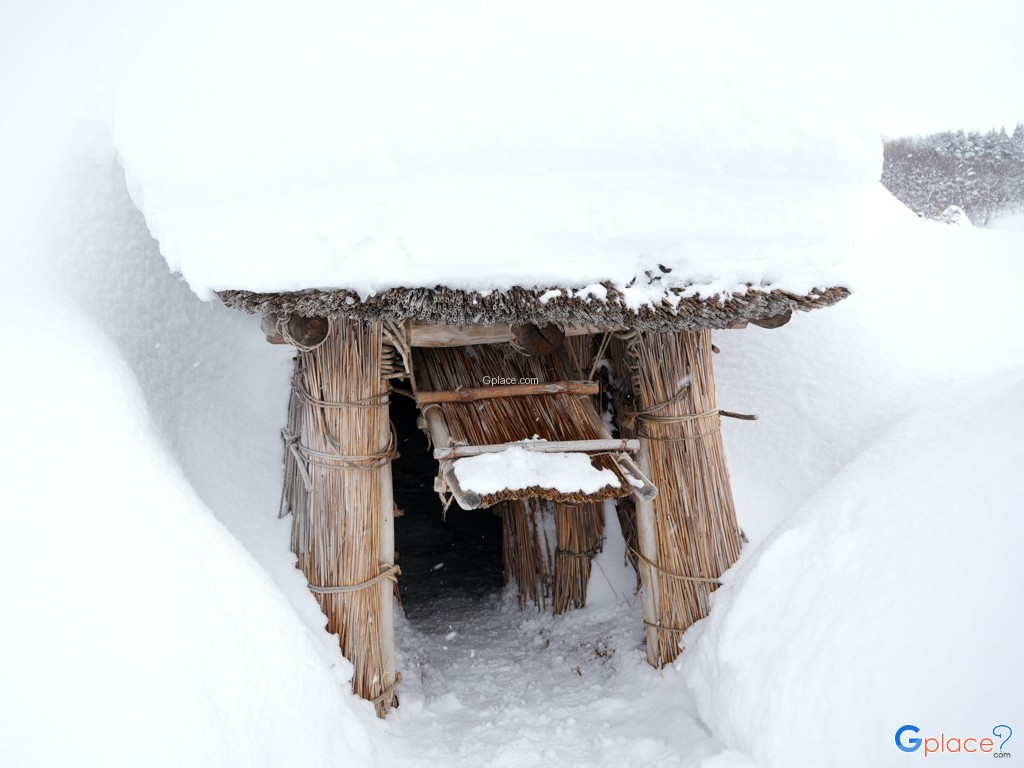
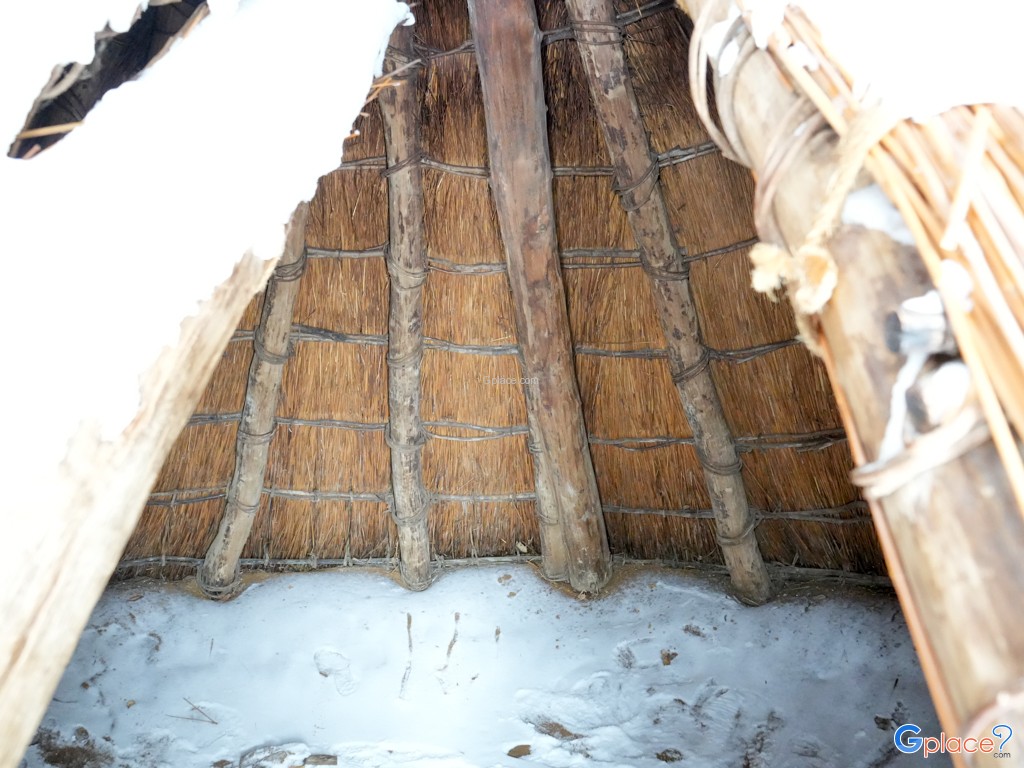
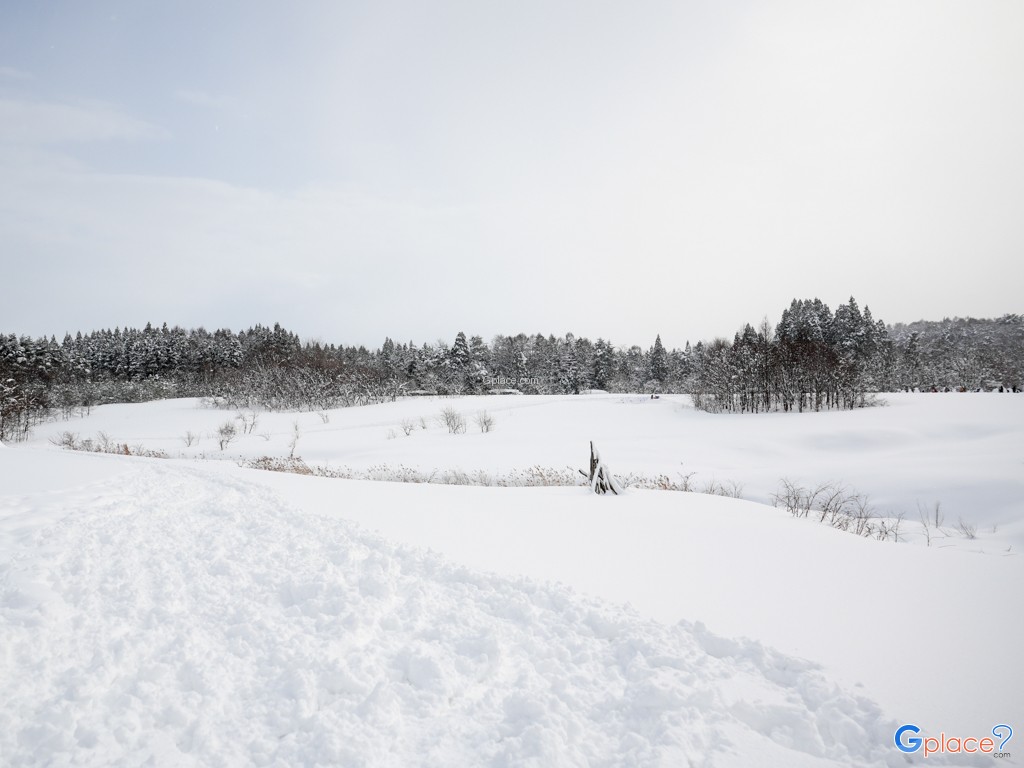
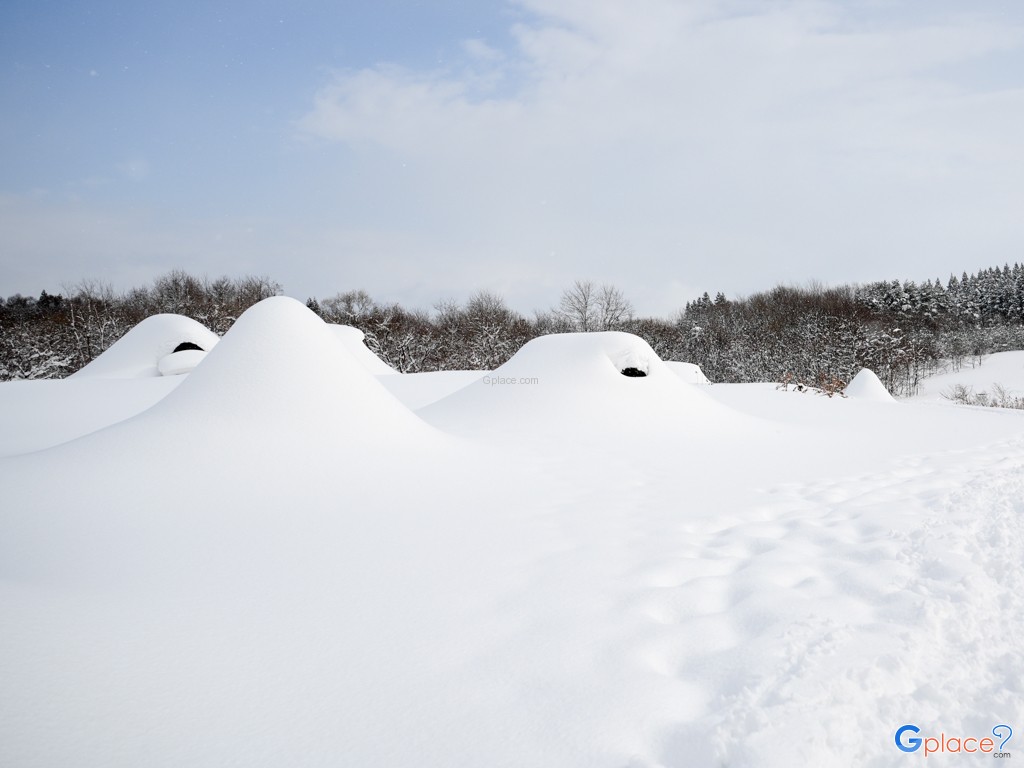
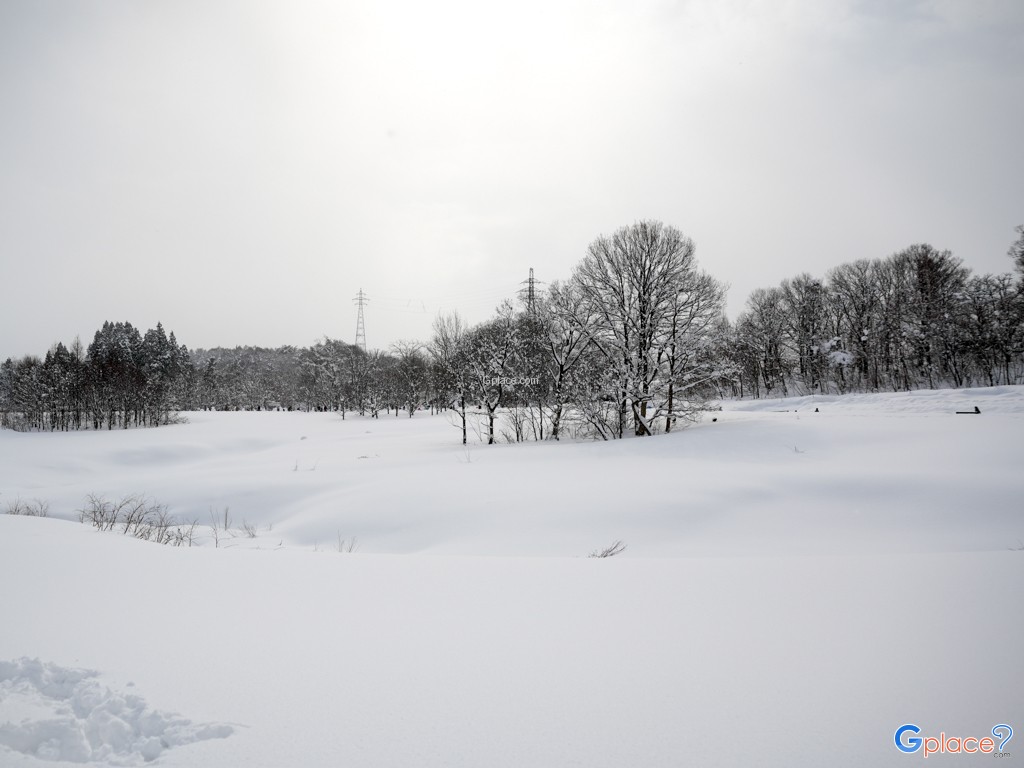
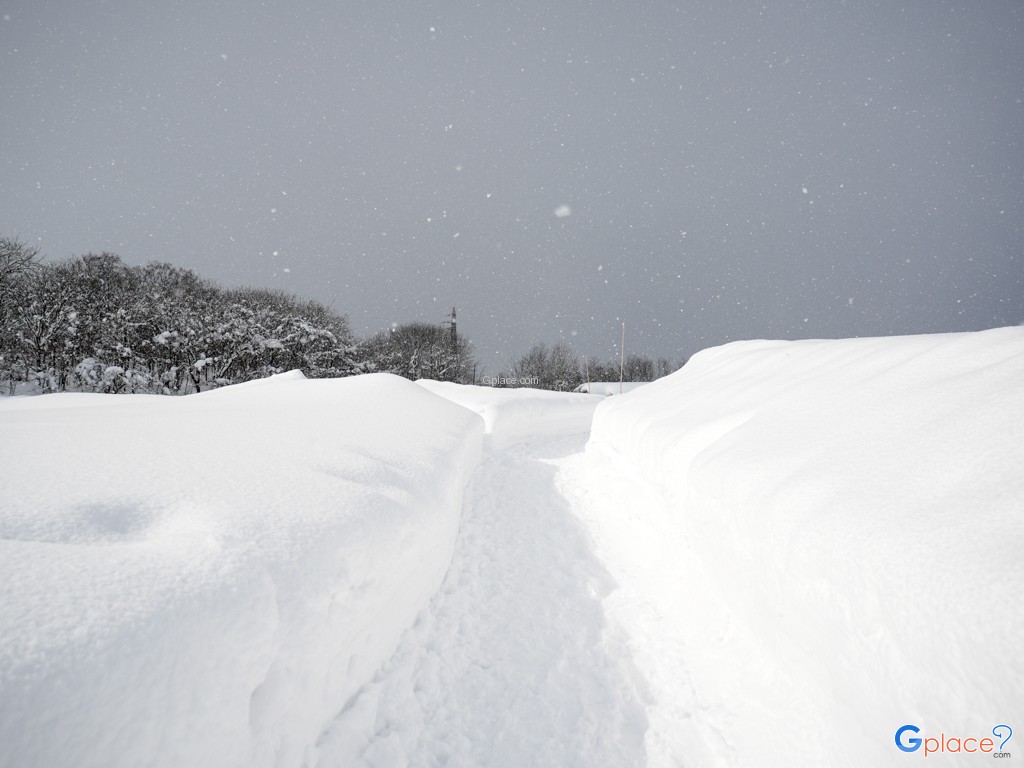

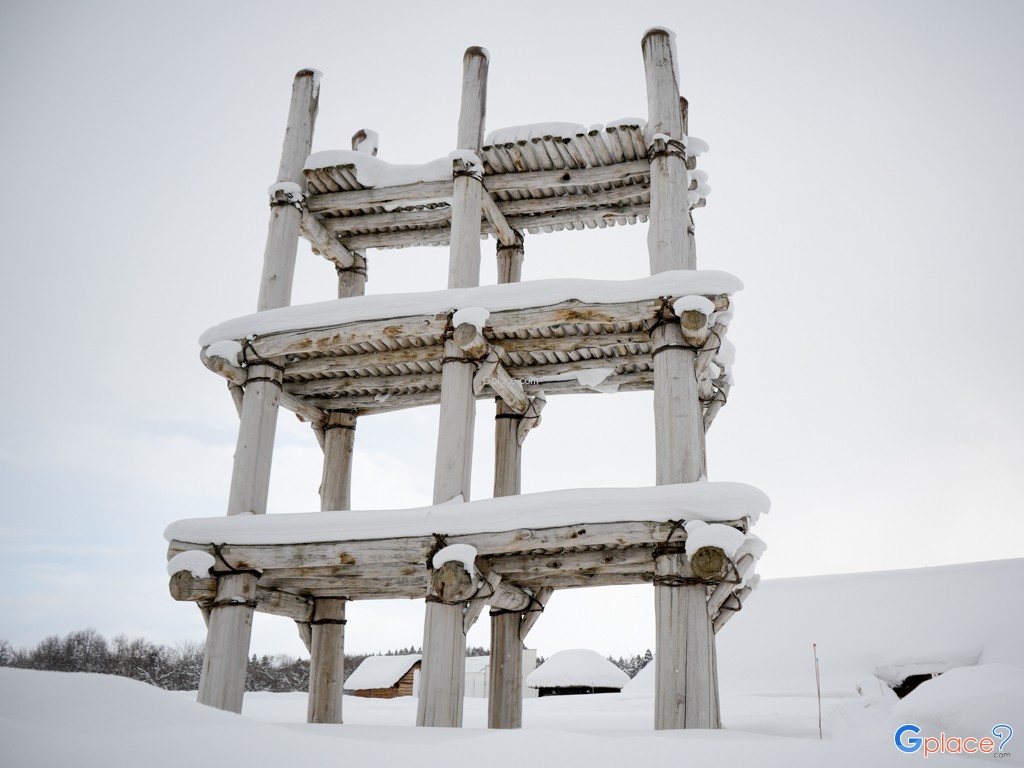
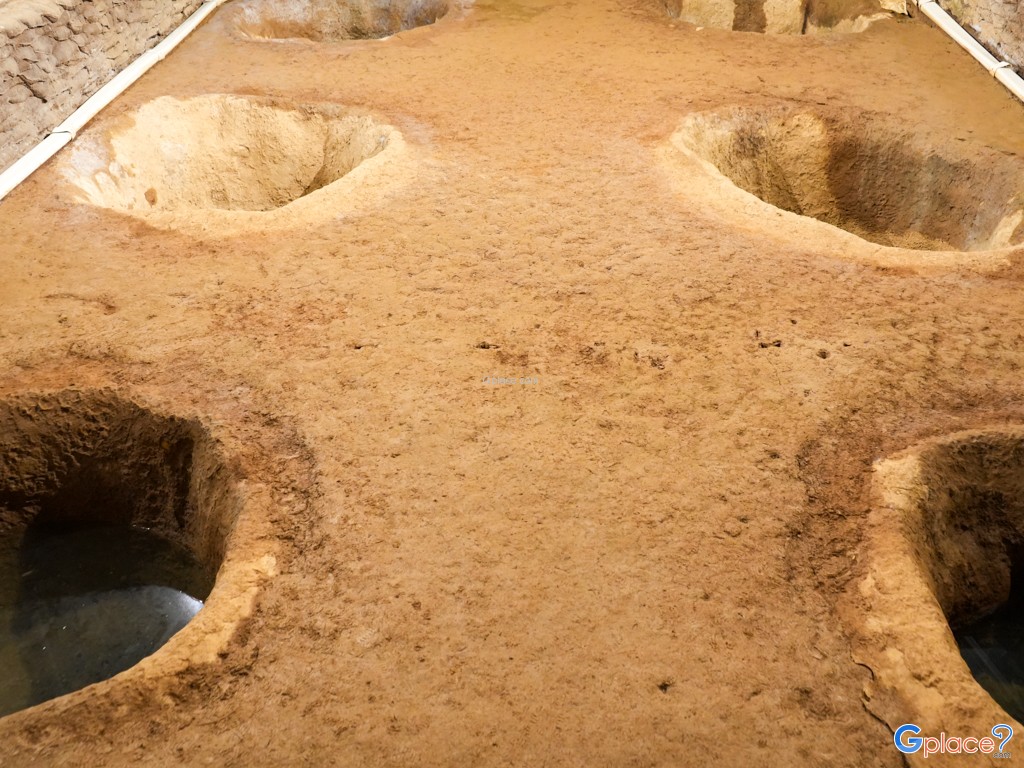
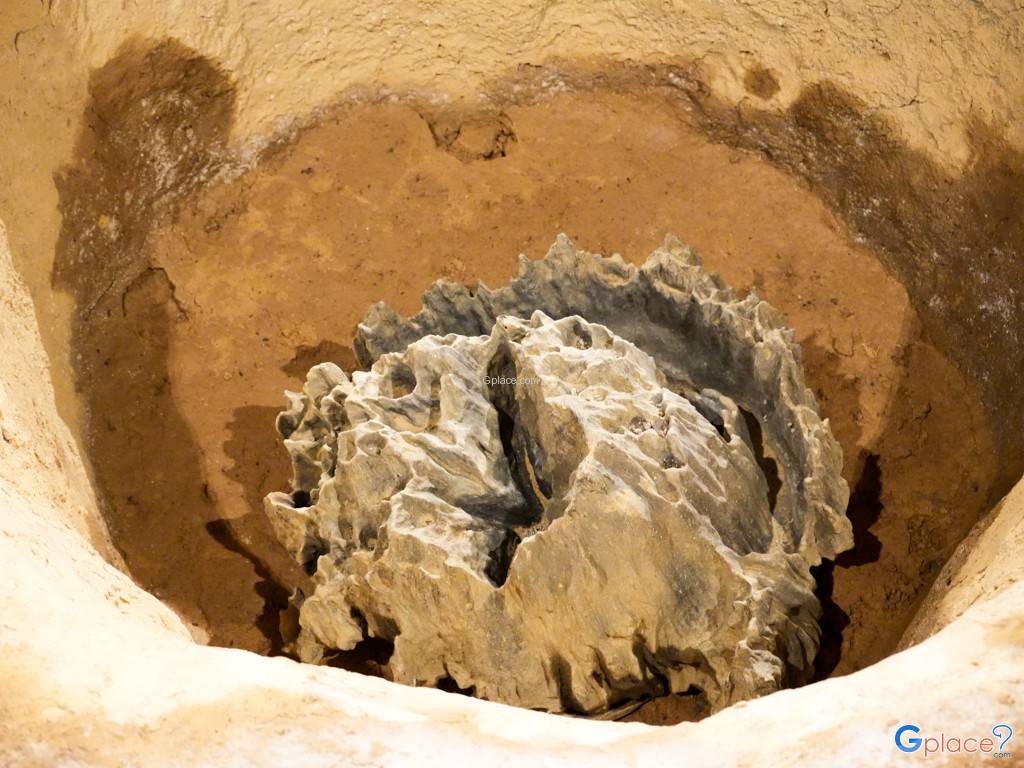

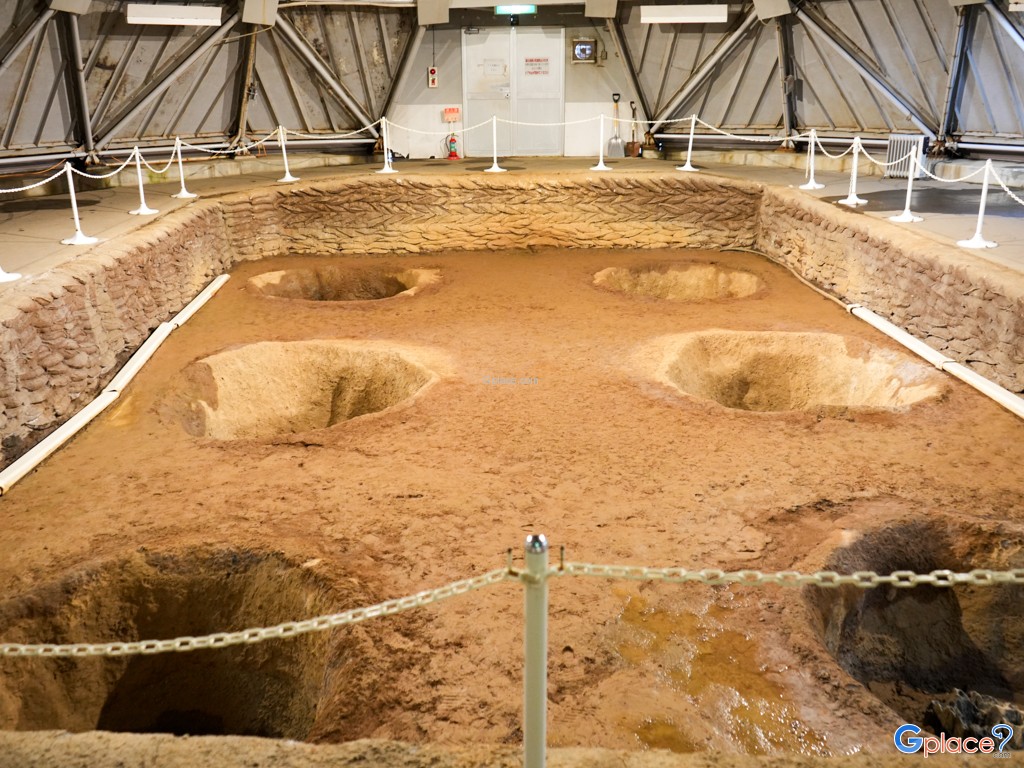
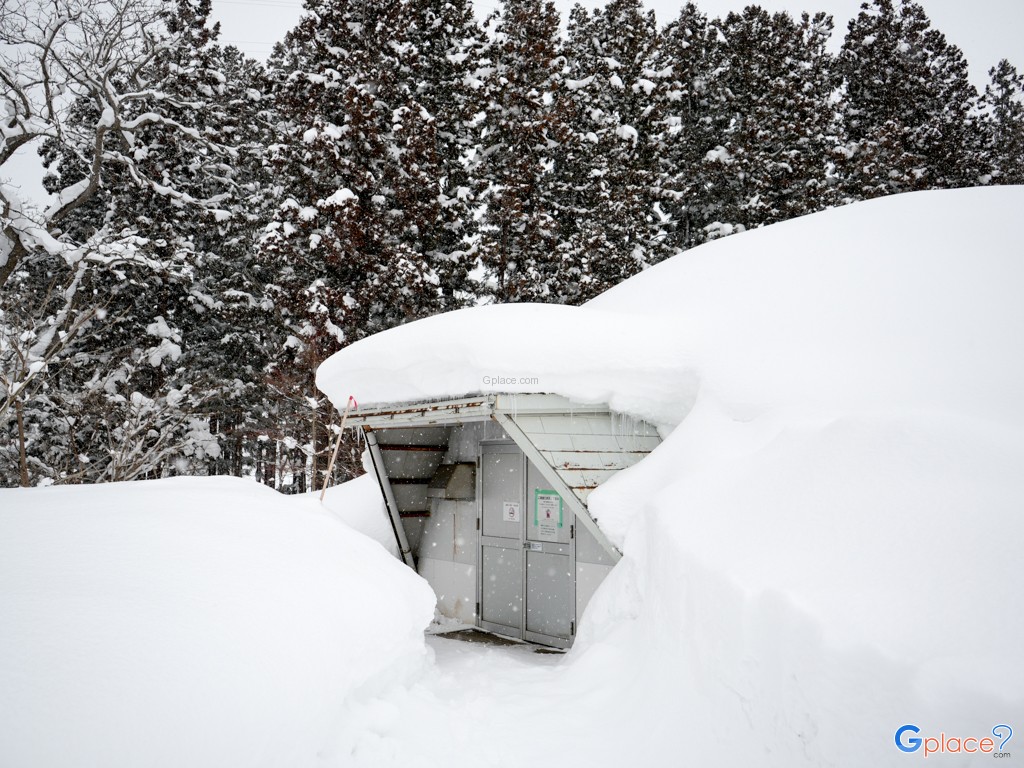
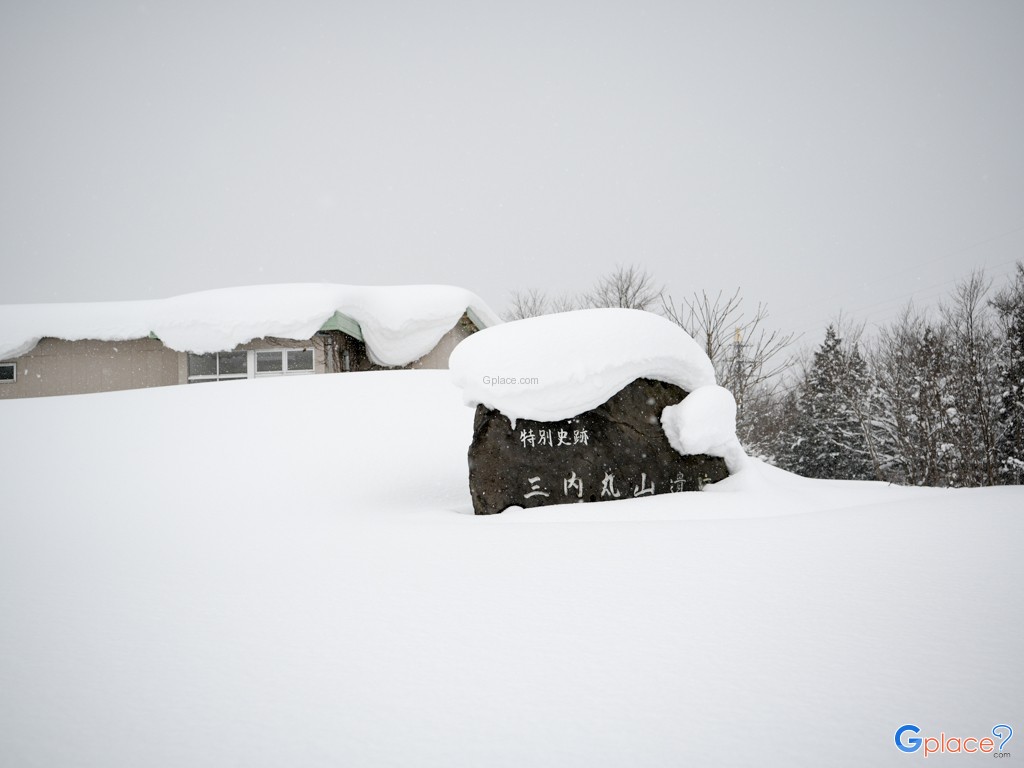


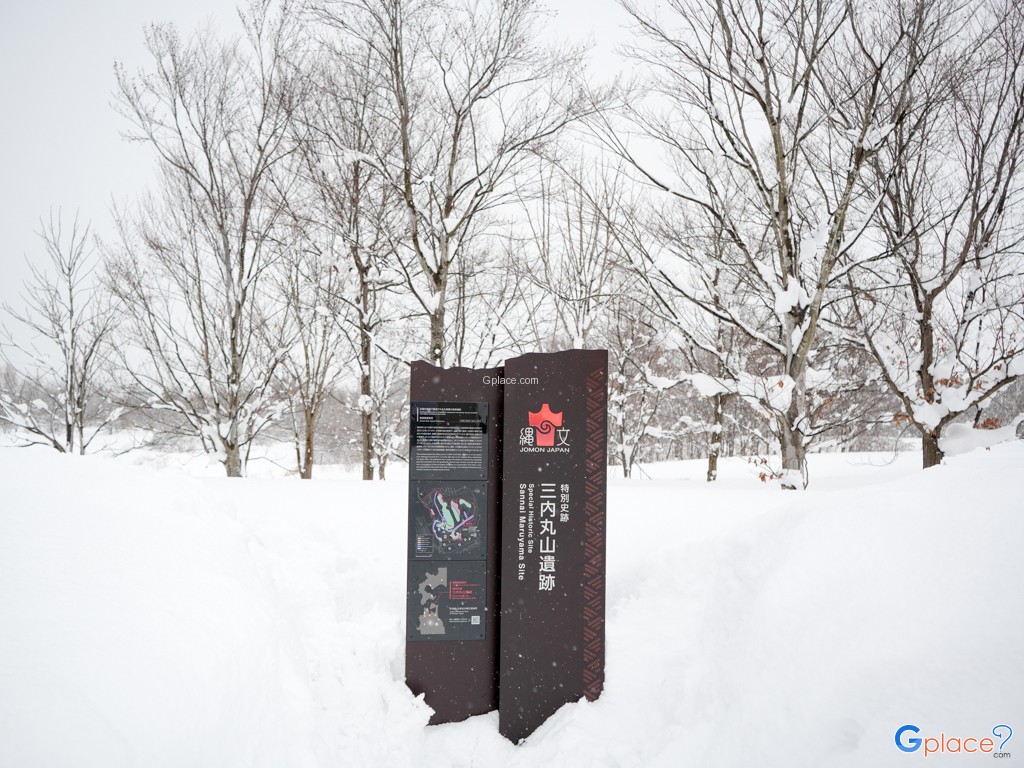
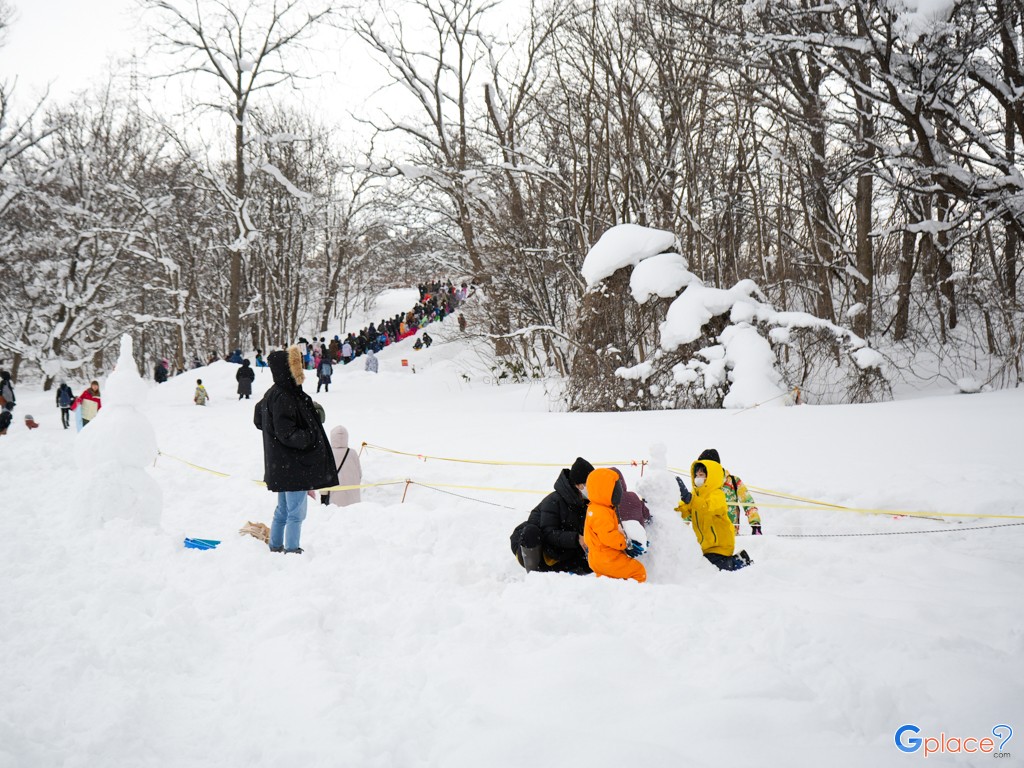

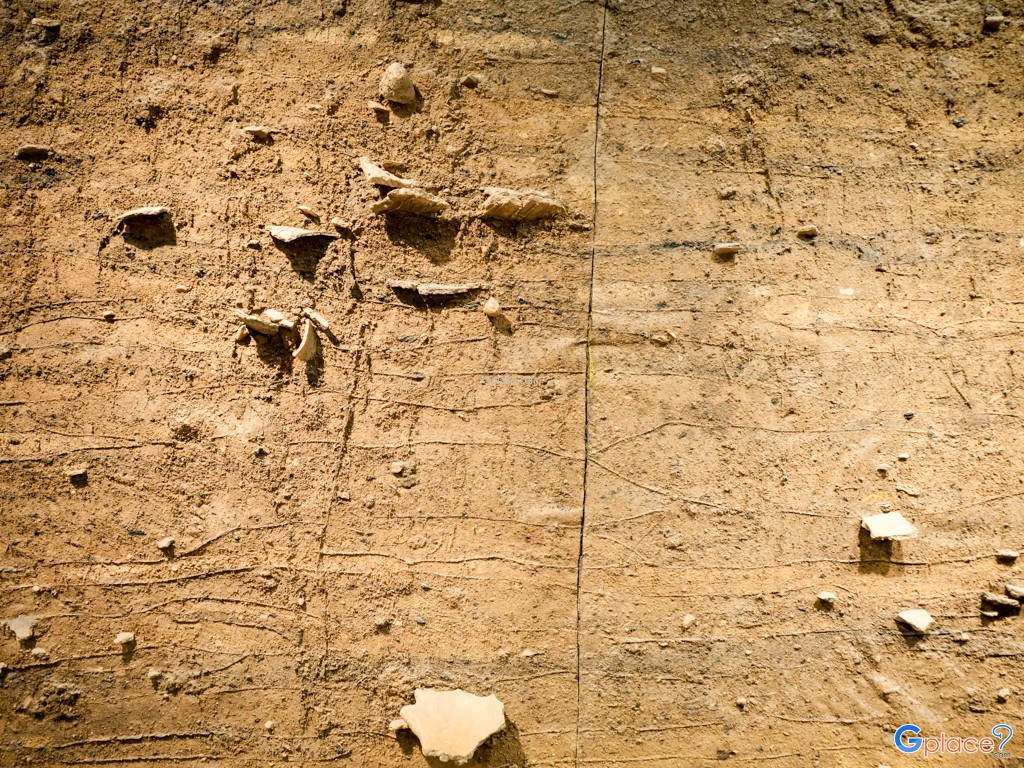
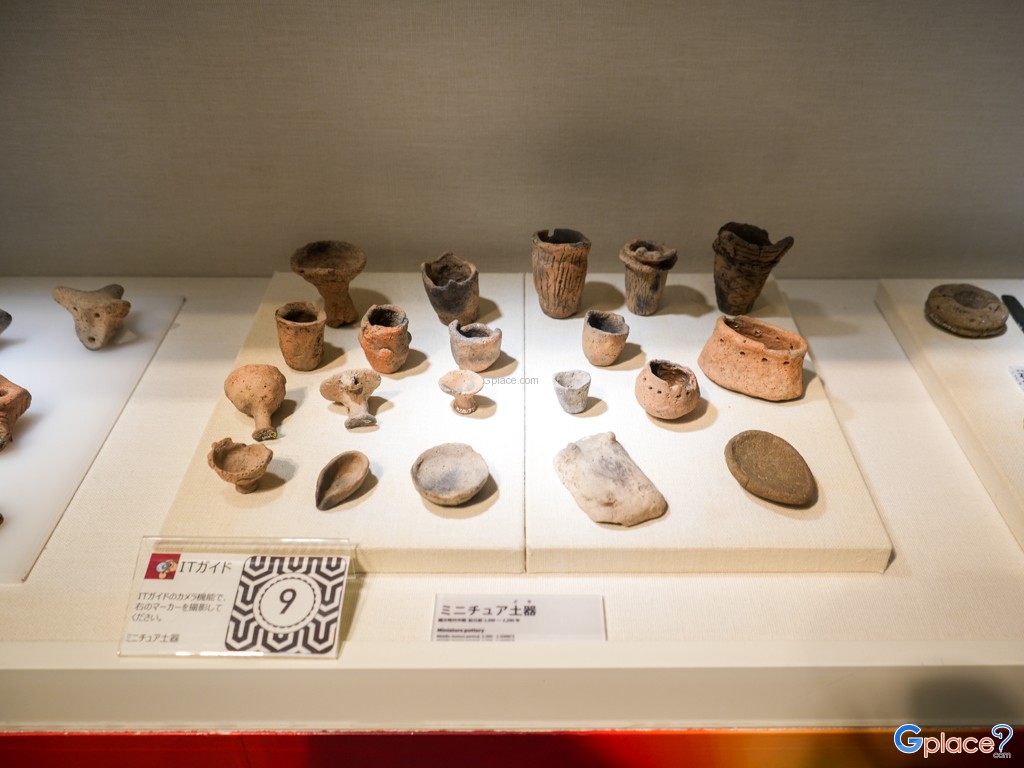
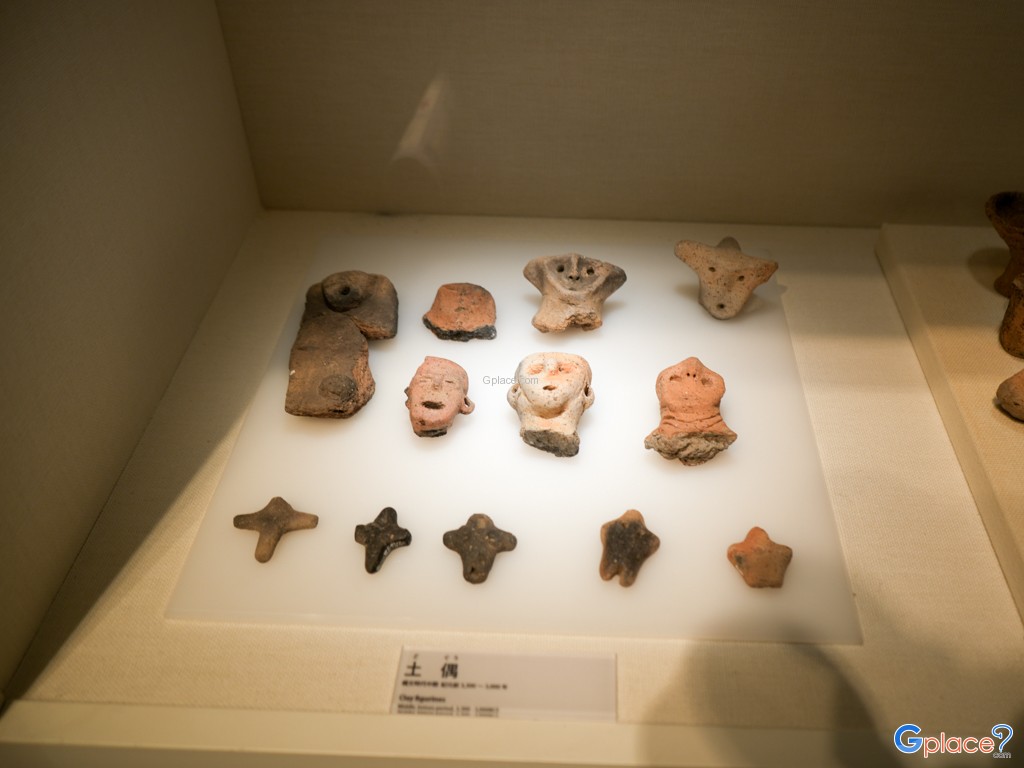
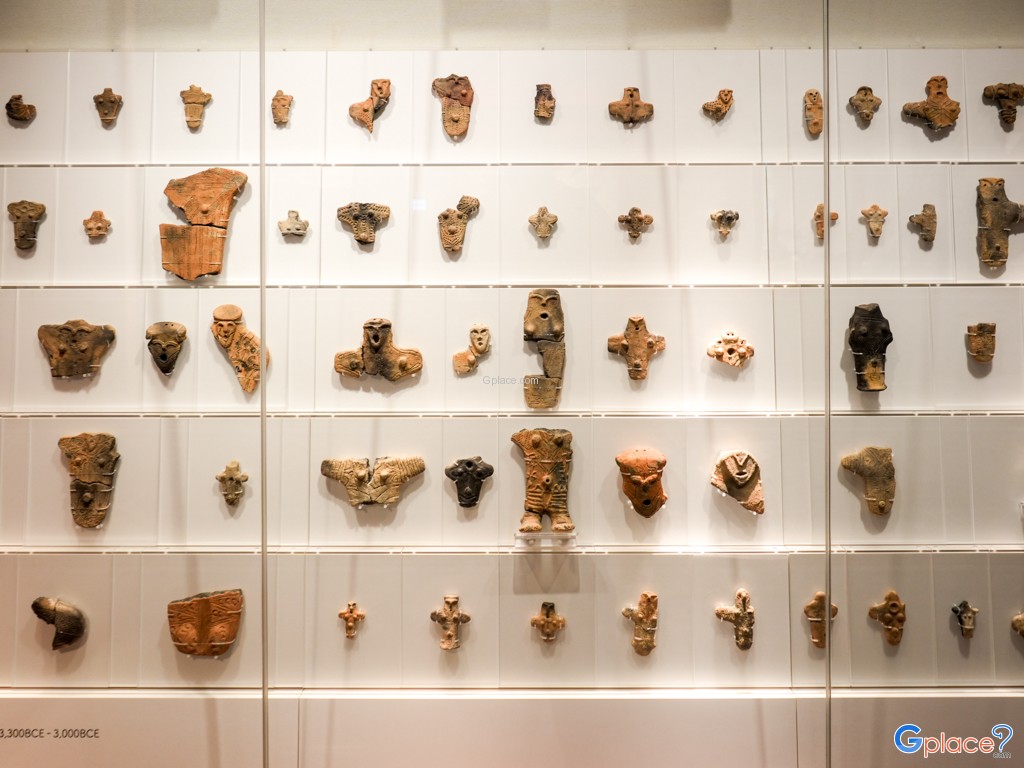
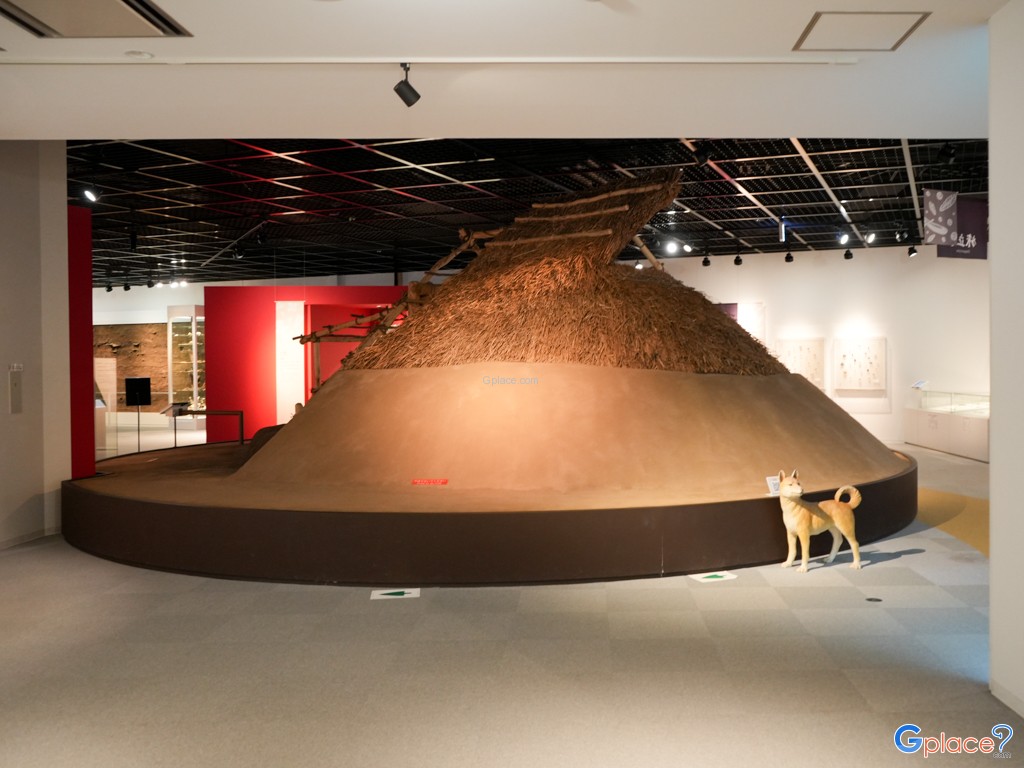
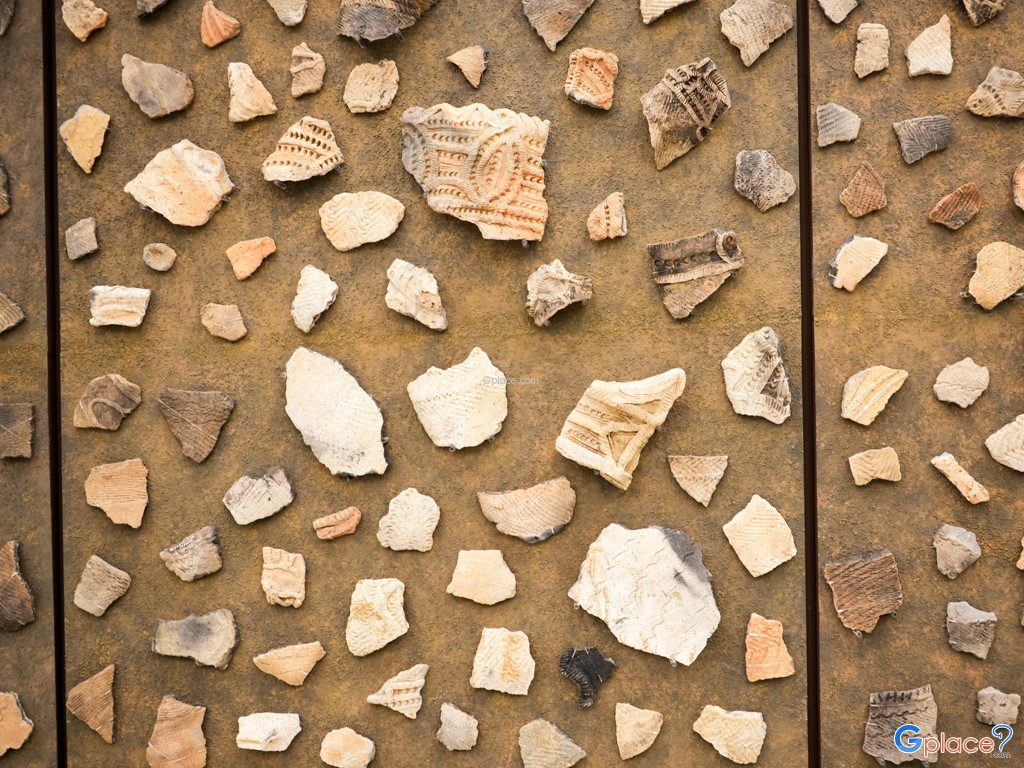
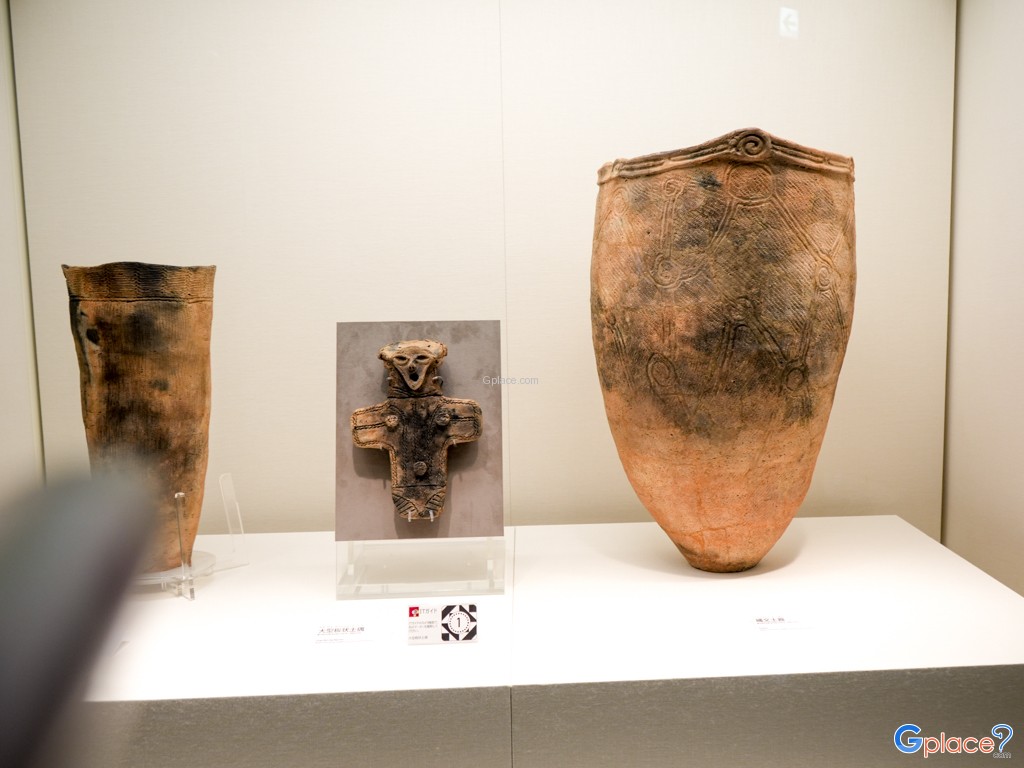
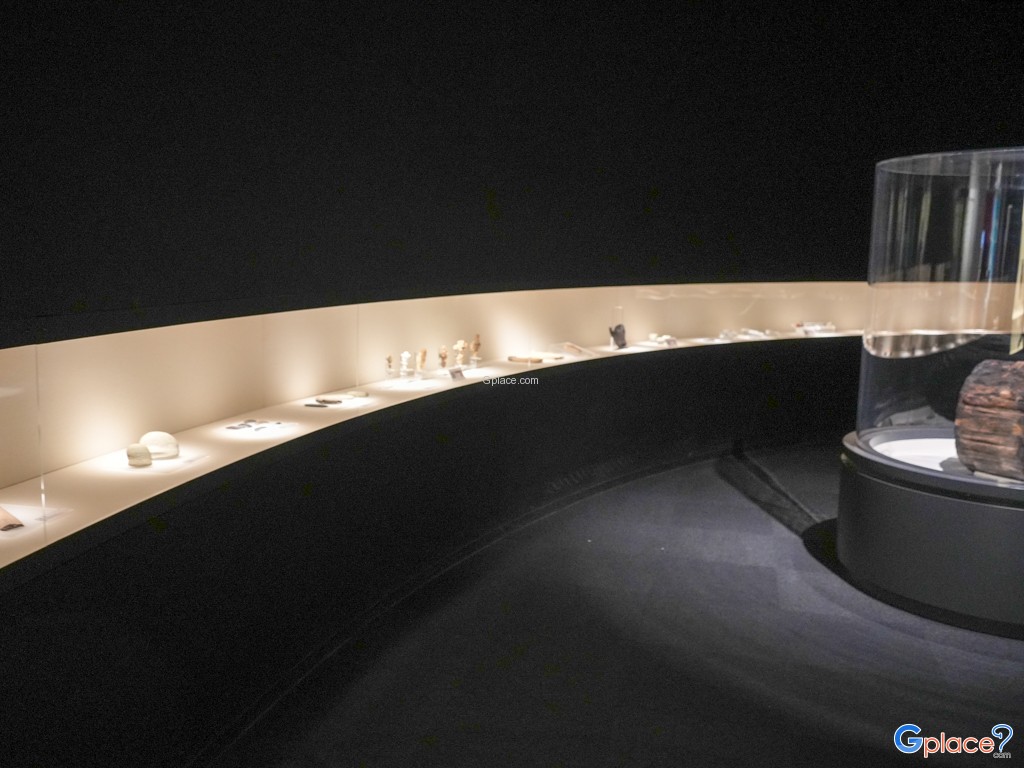
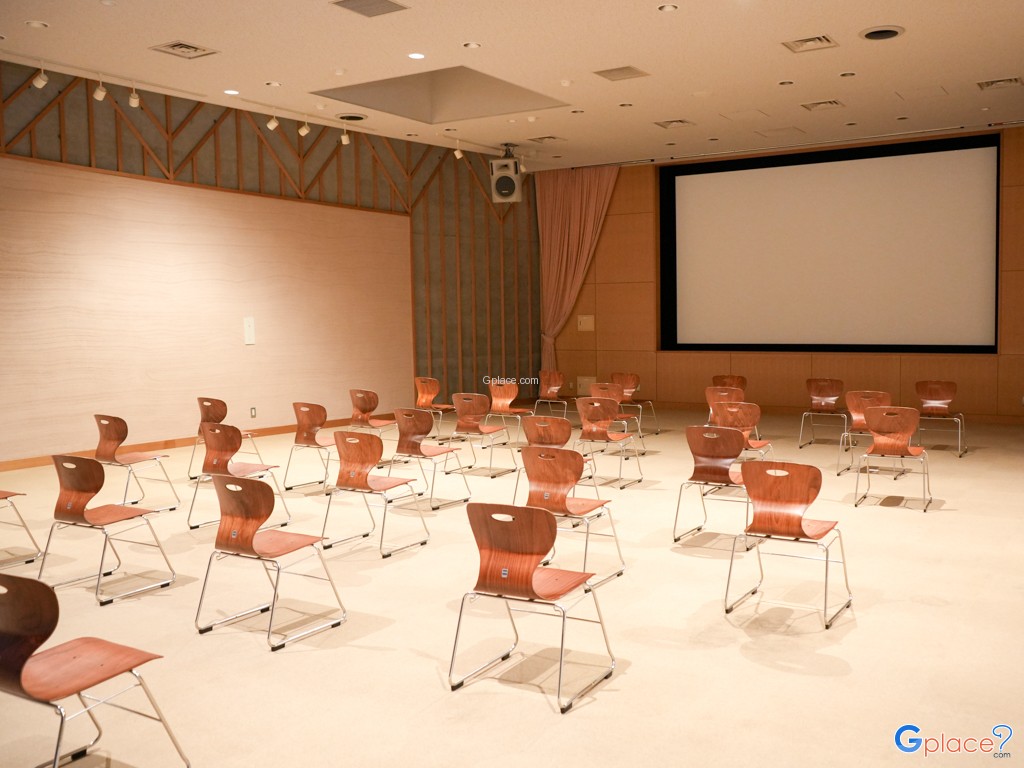
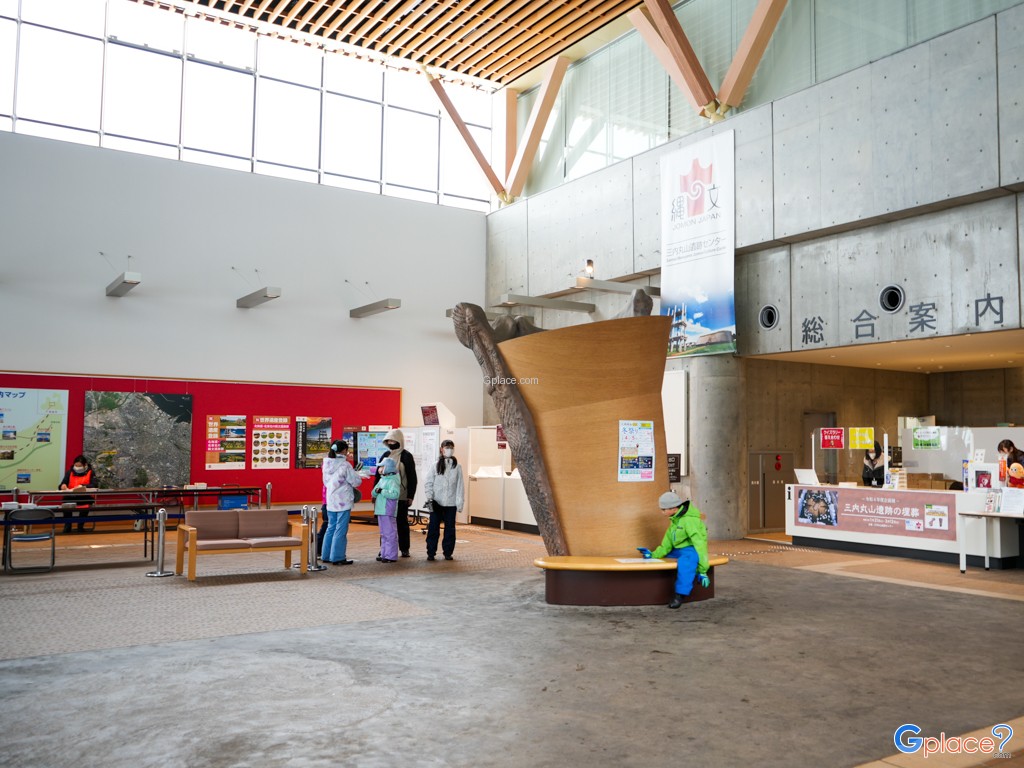
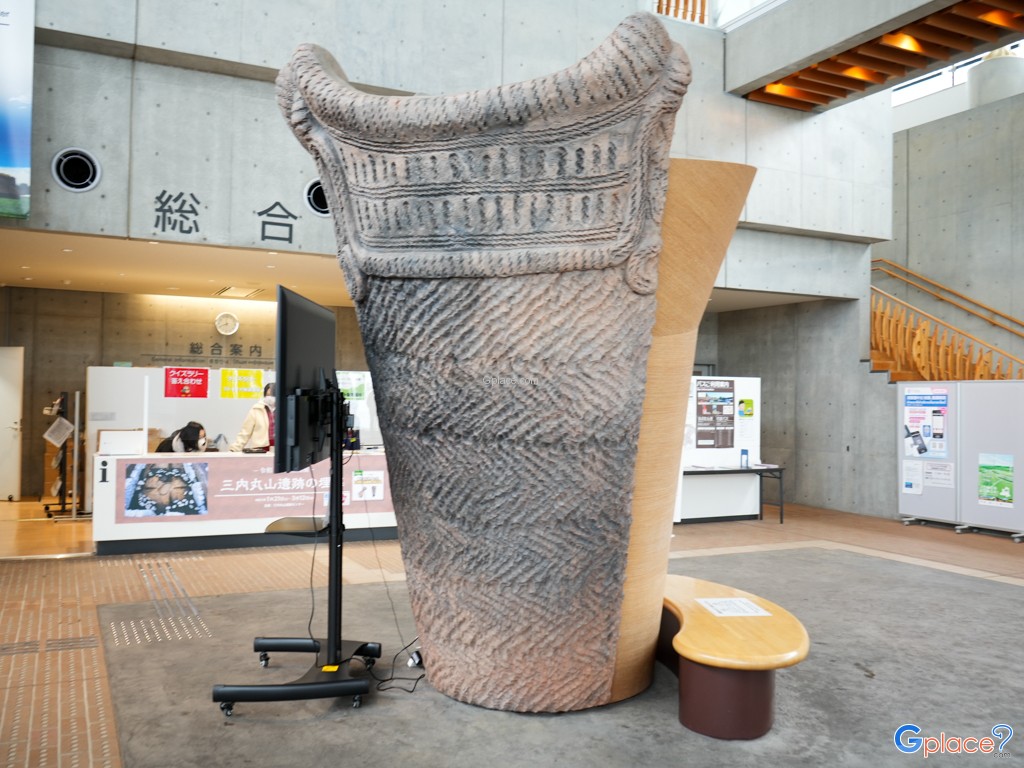
“A vast UNESCO-listed Jōmon village continuously inhabited for 1,700 years, featuring advanced architecture, a central ancient road, and thousands of extraordinary artifacts.”
The Sannai-Maruyama Site (三内丸山遺跡) in Aomori is one of Japan’s most extraordinary archaeological treasures, dramatically reshaping modern understanding of prehistoric life. Occupied continuously for approximately 1,700 years, from the Early Jōmon to Middle Jōmon periods (circa 3900–2200 BCE), the settlement sprawls across 40 hectares, making it the largest and most complete Jōmon village ever discovered.
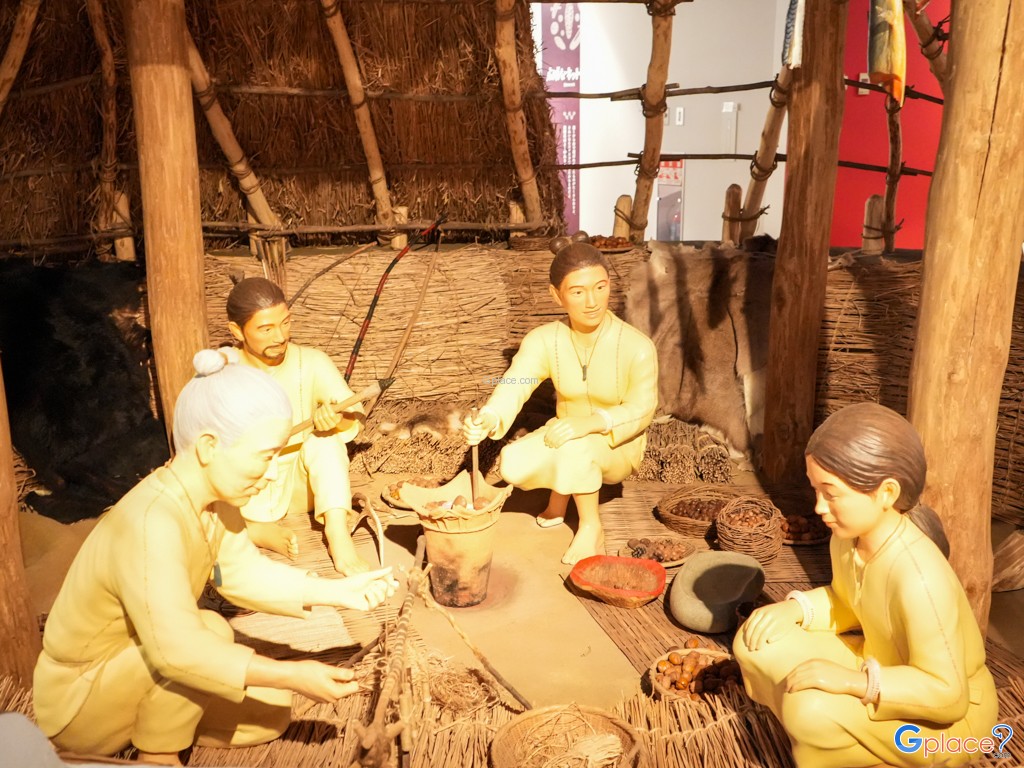
This long-term occupation reflects a thriving, resilient community whose success was rooted in a deep connection to the natural environment. The Jōmon people here lived through a sophisticated system of hunting, fishing, gathering, and early forms of forest management, including the cultivation of chestnuts and beans—rare evidence of deliberate resource planning in prehistoric Japan.
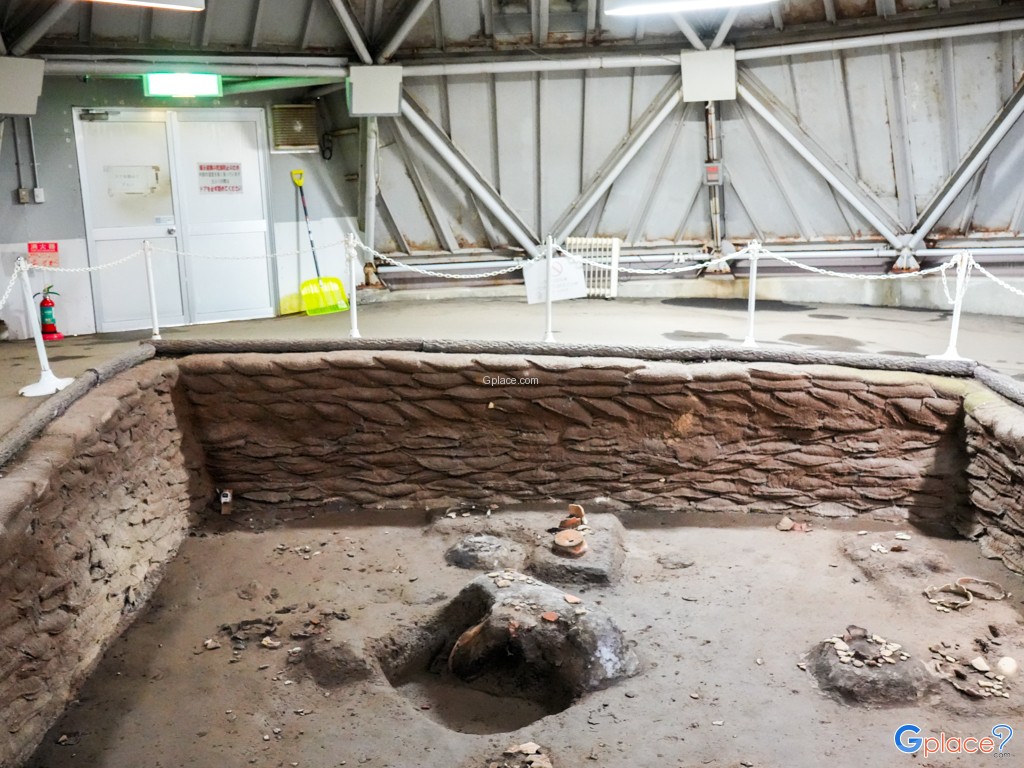
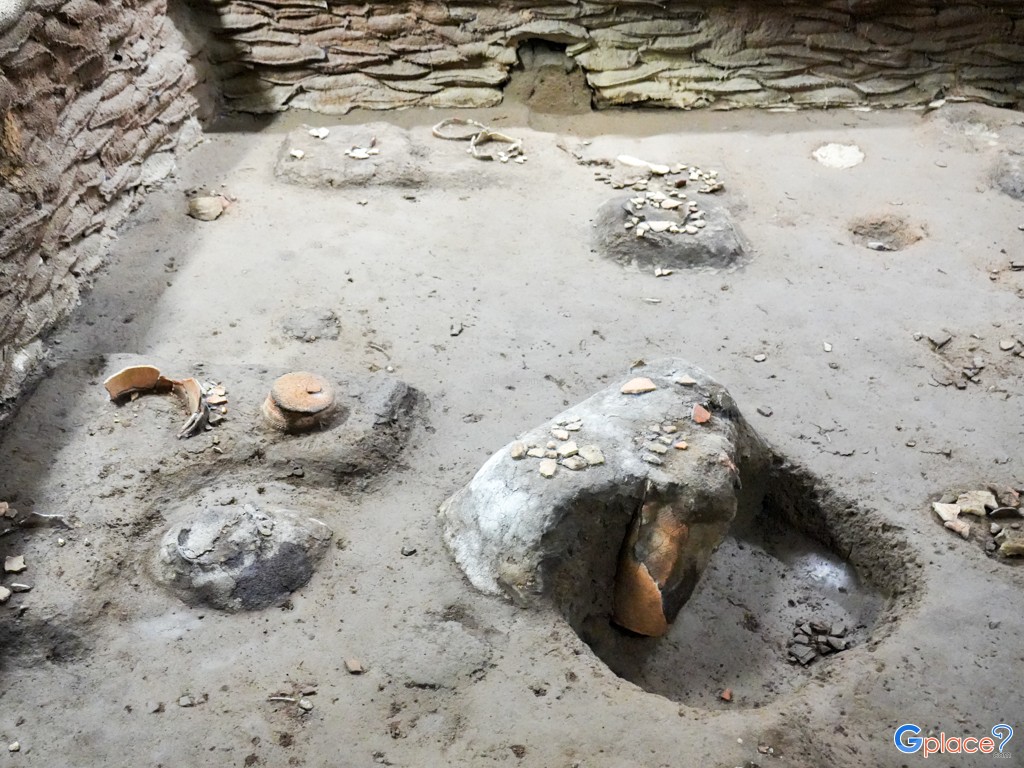
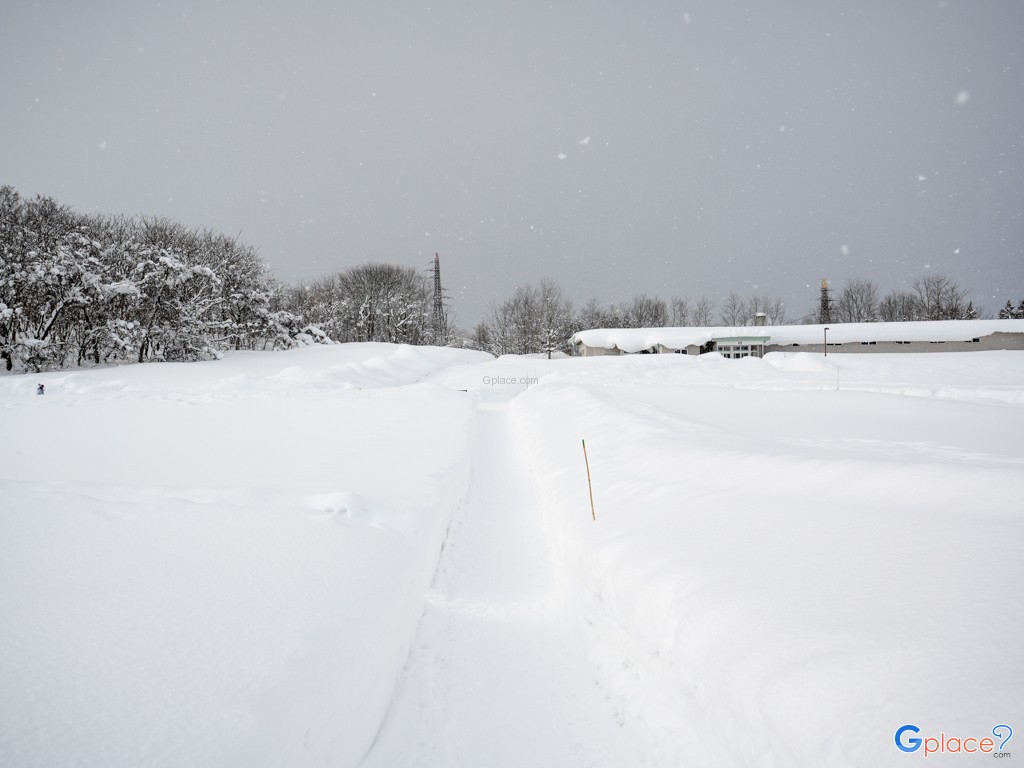
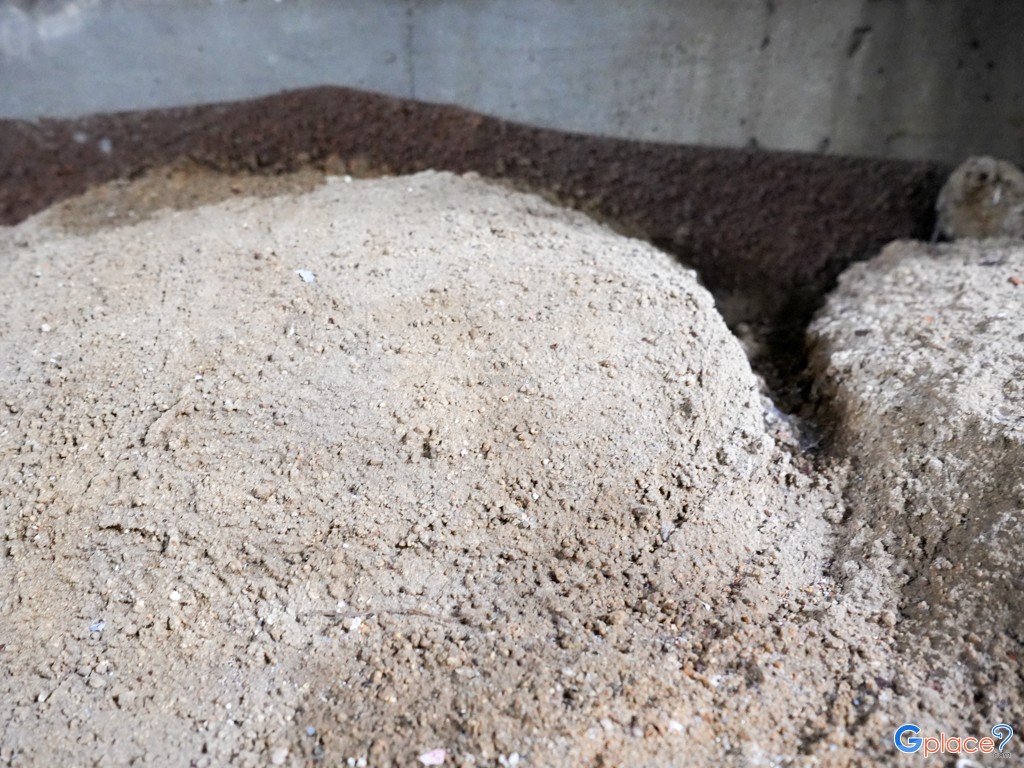
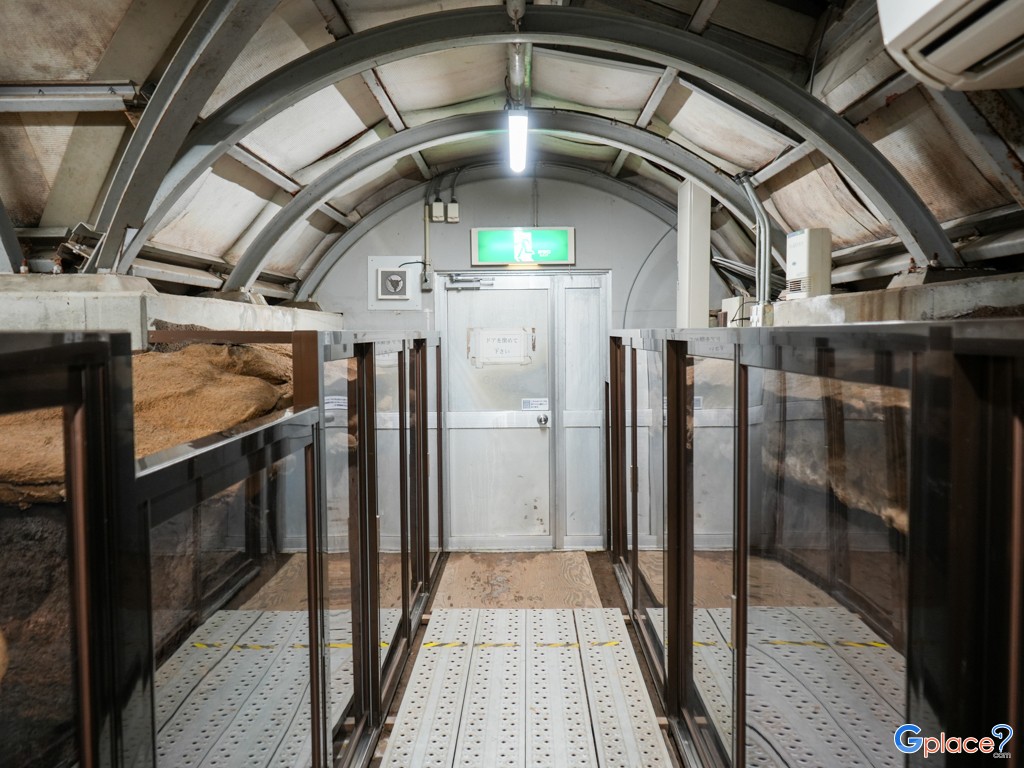
Excavations have uncovered over 700 building foundations, revealing a complex settlement layout that included pit dwellings, longhouses, storage zones, and burial areas. One of the most remarkable findings is a well-planned, wide central road running through the village, indicating advanced community organization and intentional town planning seldom seen in prehistoric contexts.
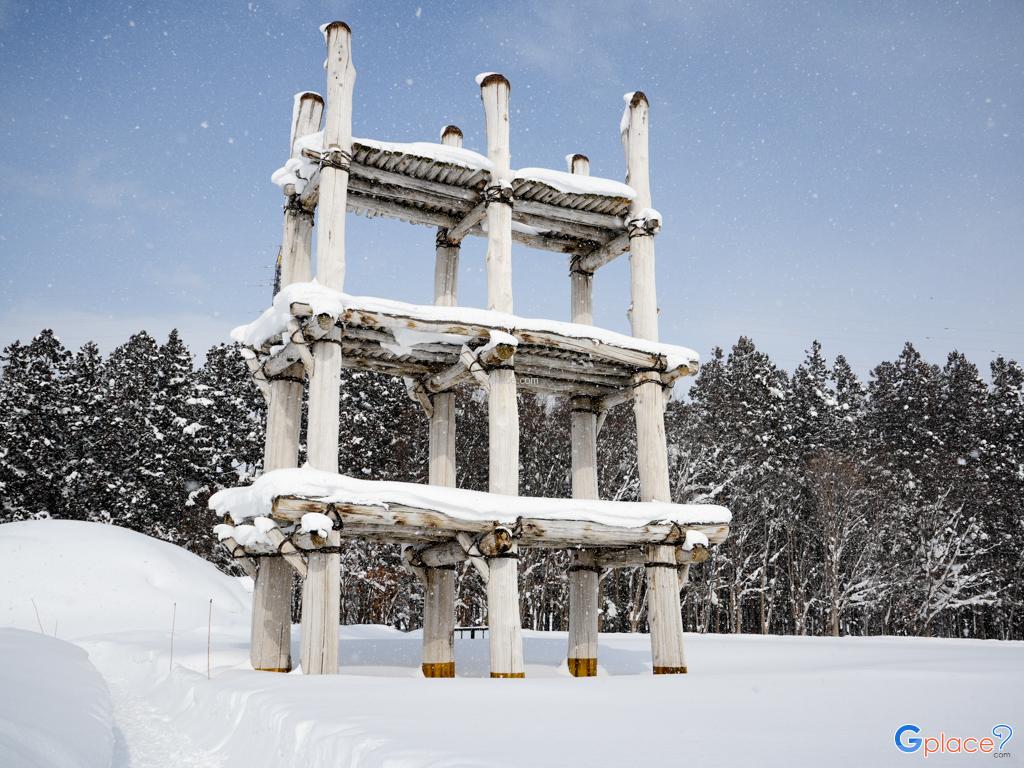
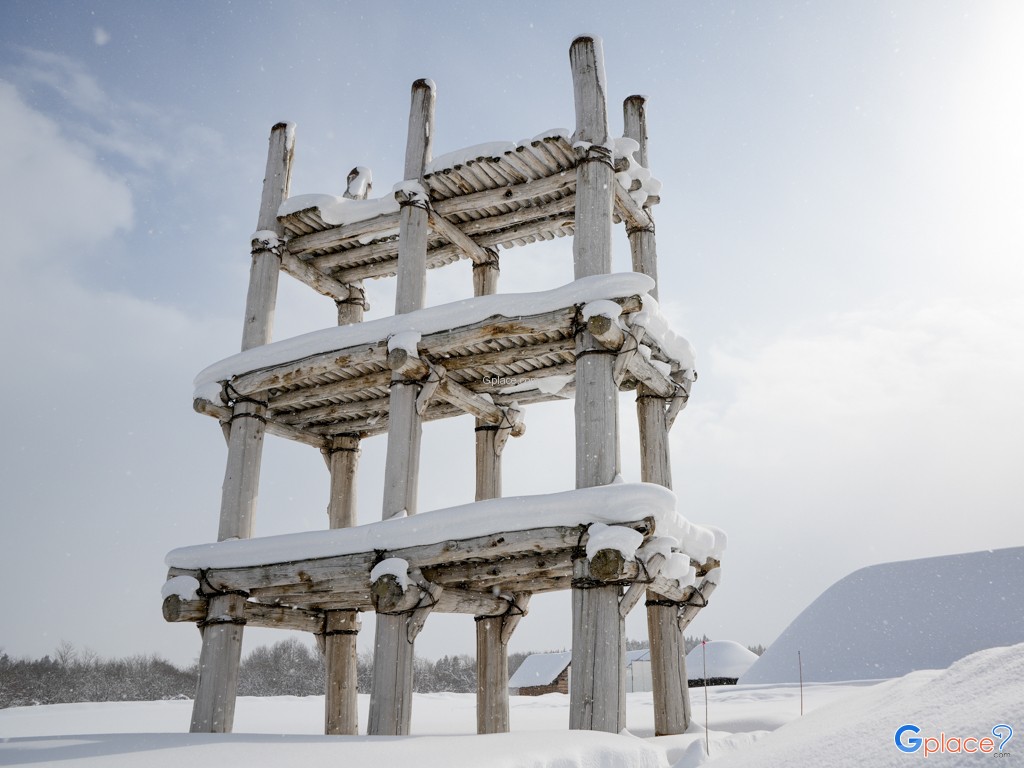
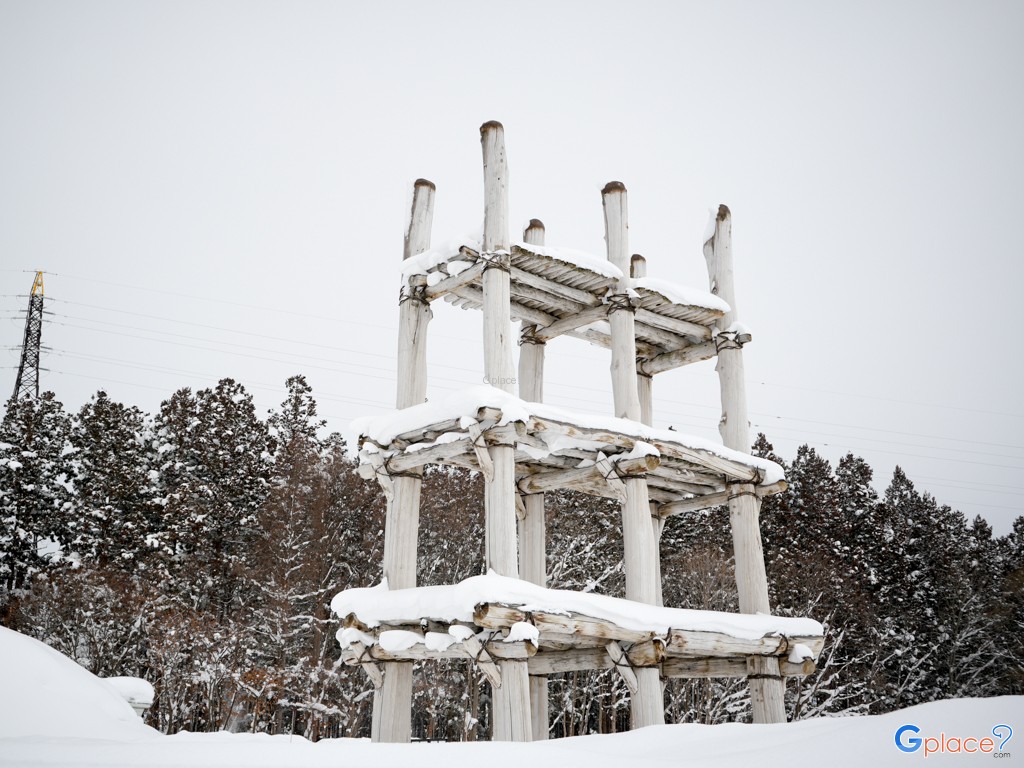
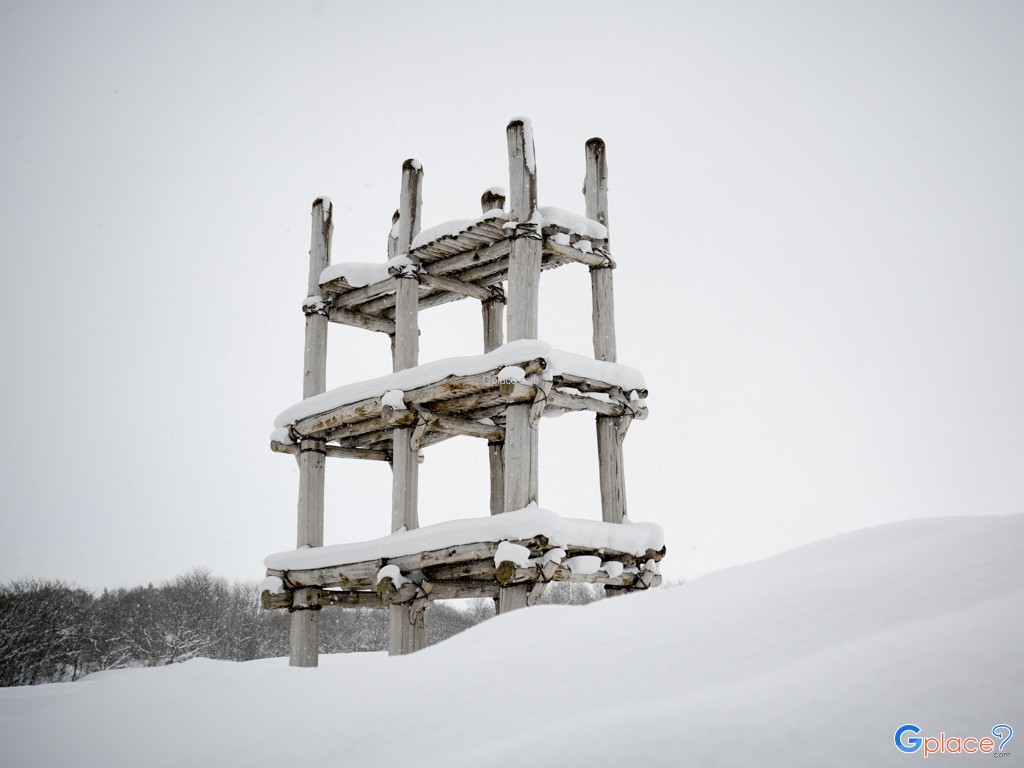
Adding to the site’s significance is the iconic six-pillar monumental wooden structure, reconstructed to an impressive height_ of around 20 meters. Believed to serve ritual or observational functions, this architectural feat demonstrates surveying abilities and structural techniques previously unassociated with the Jōmon culture.
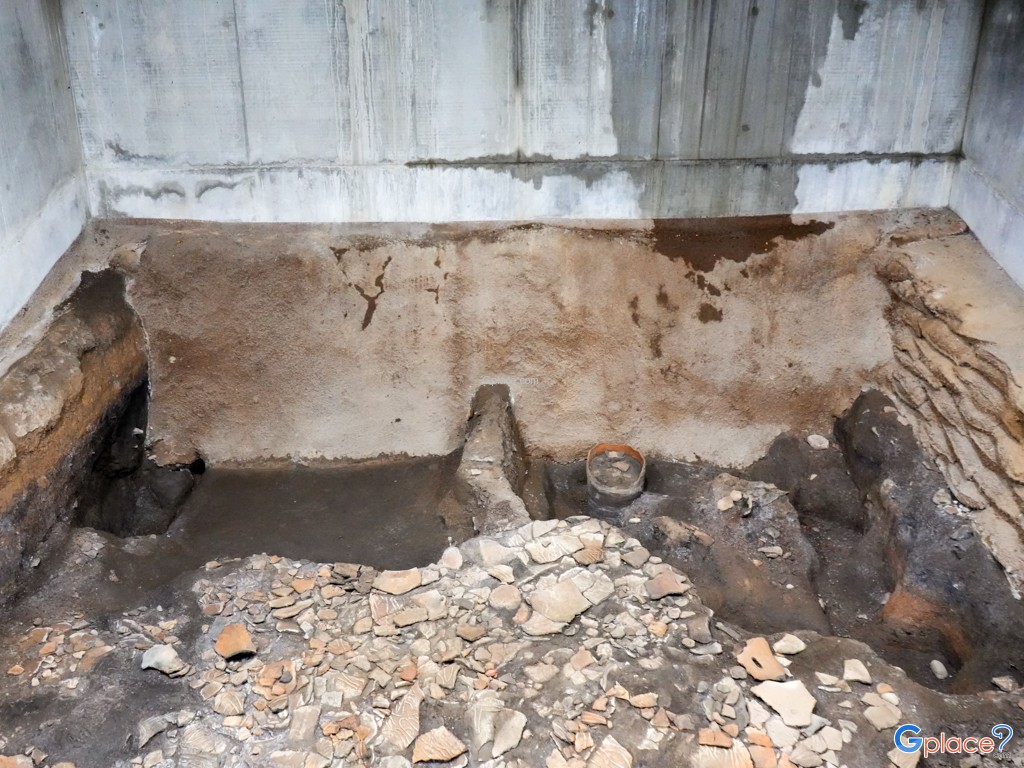
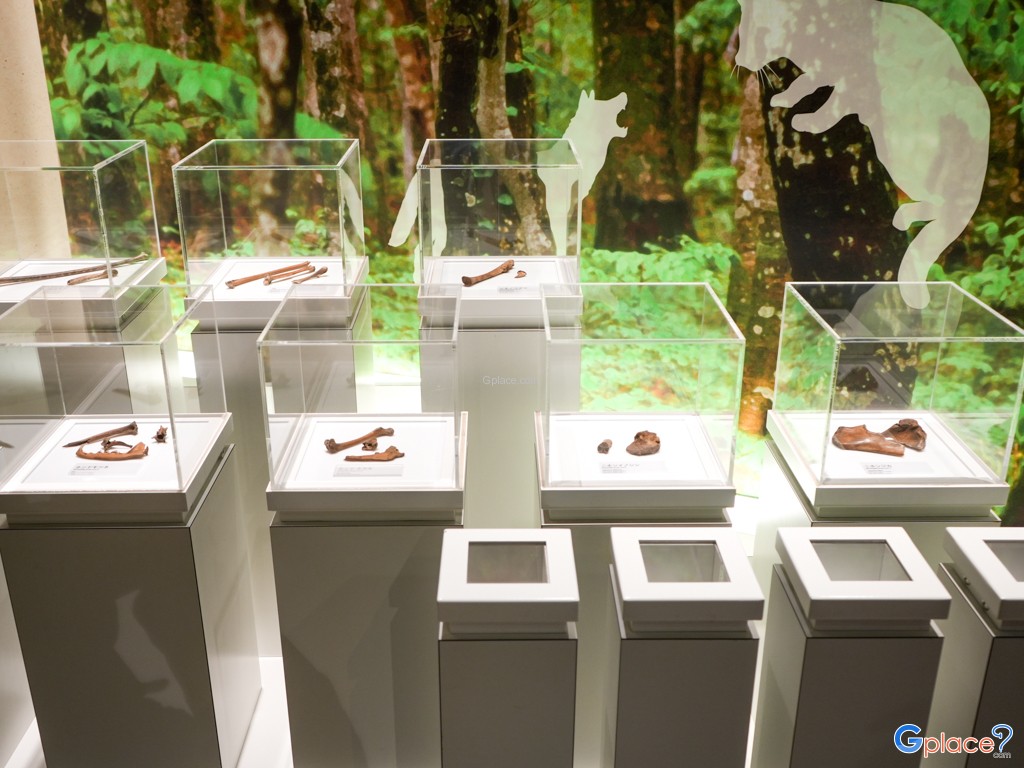
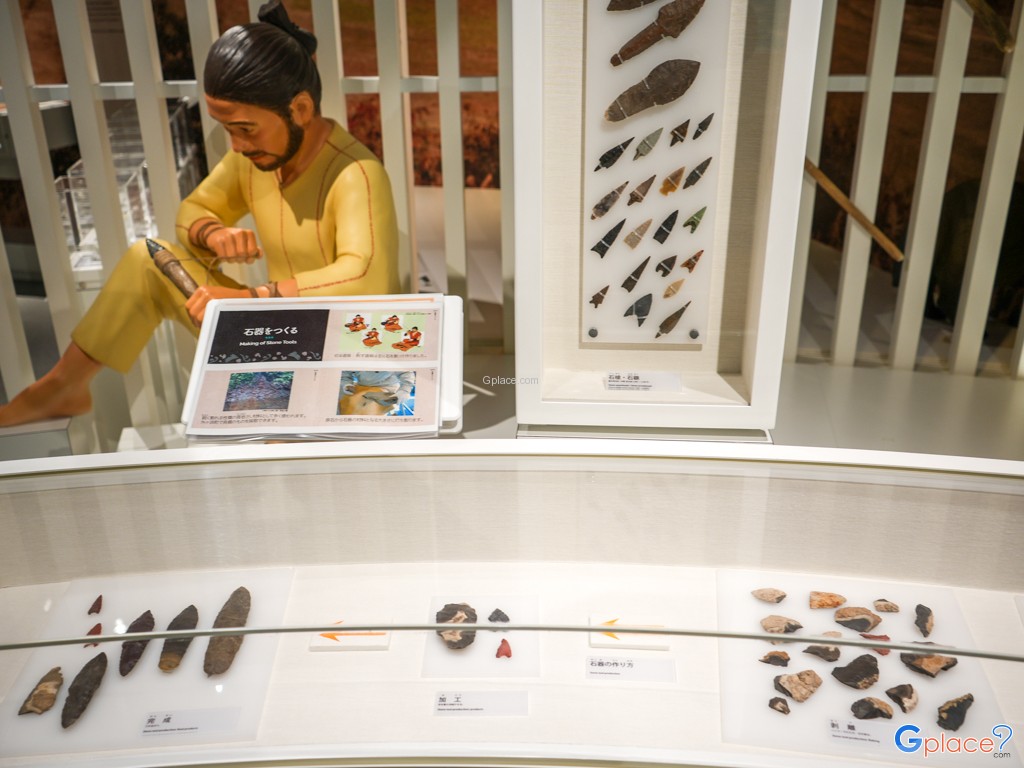
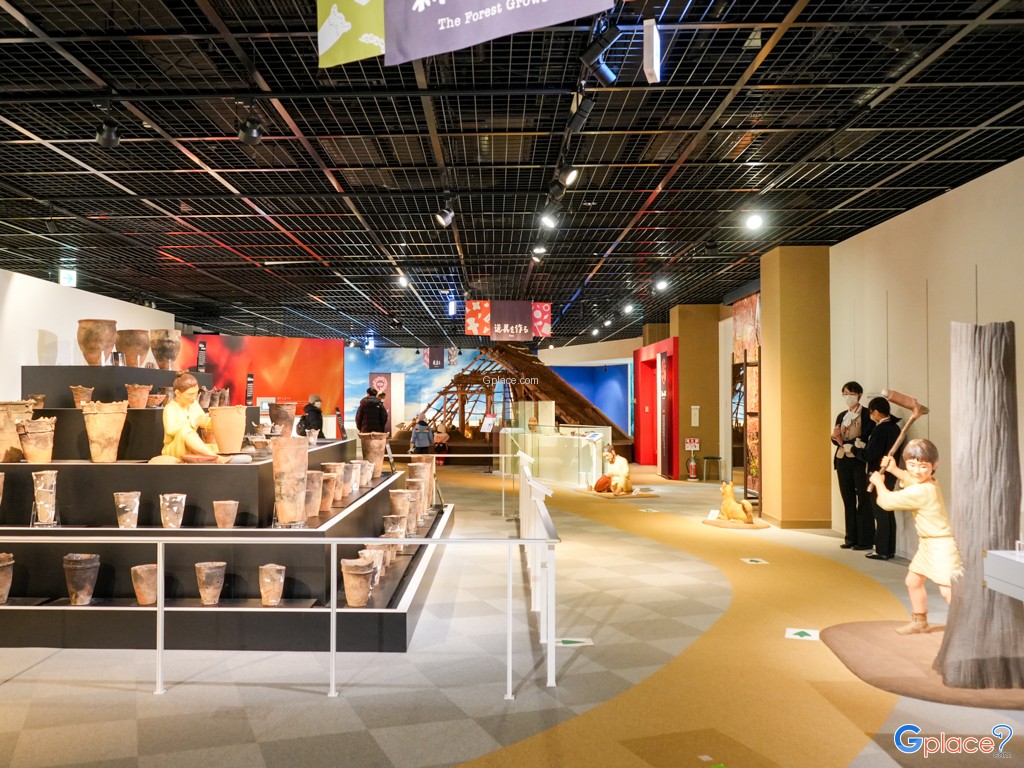
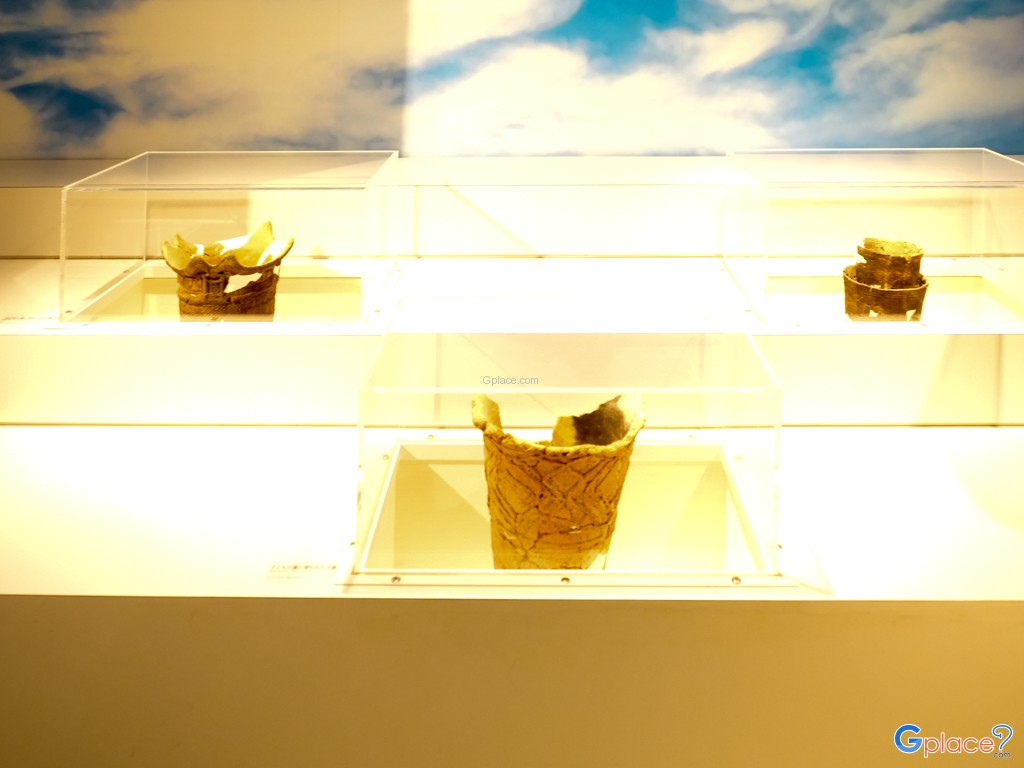
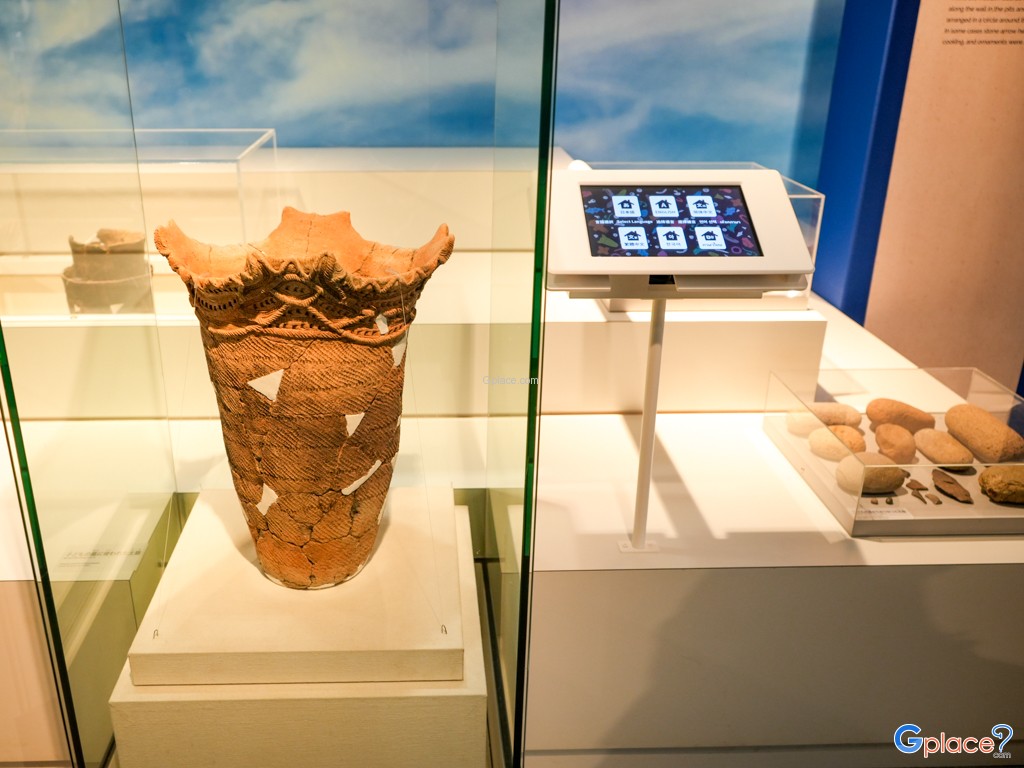
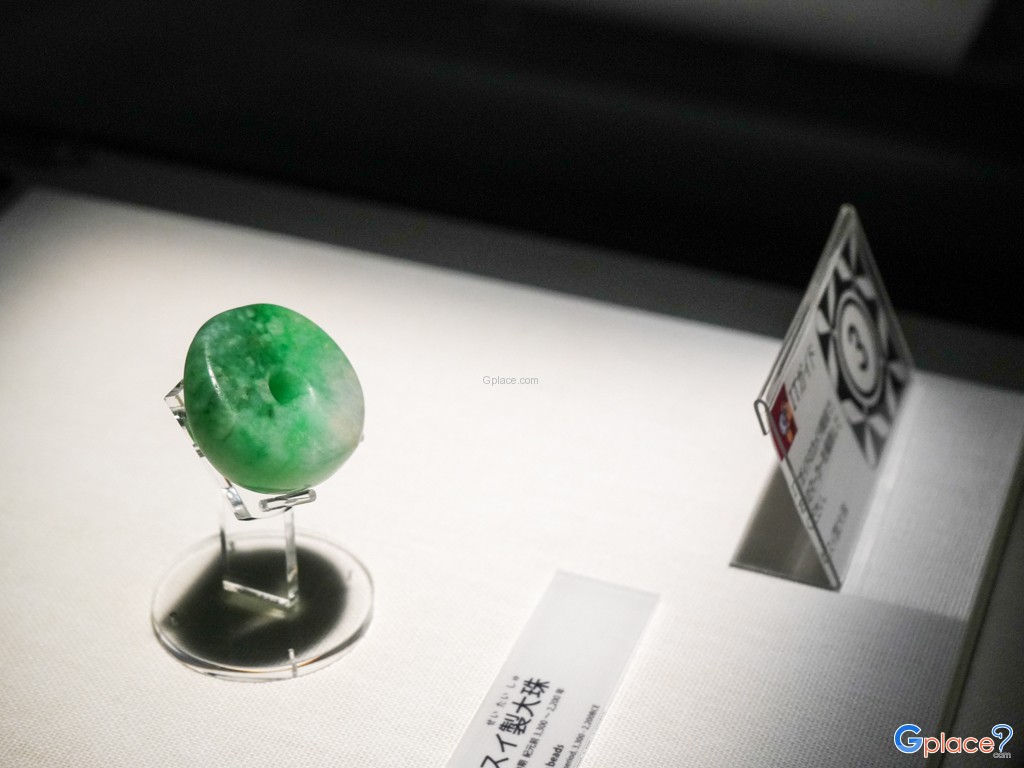
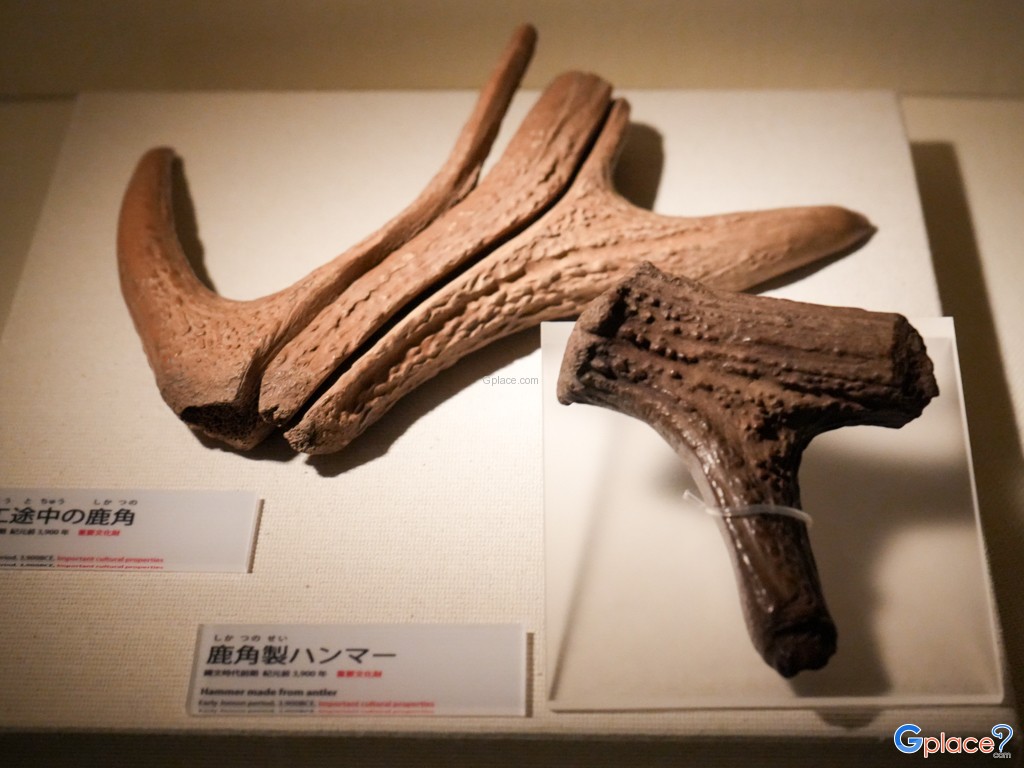
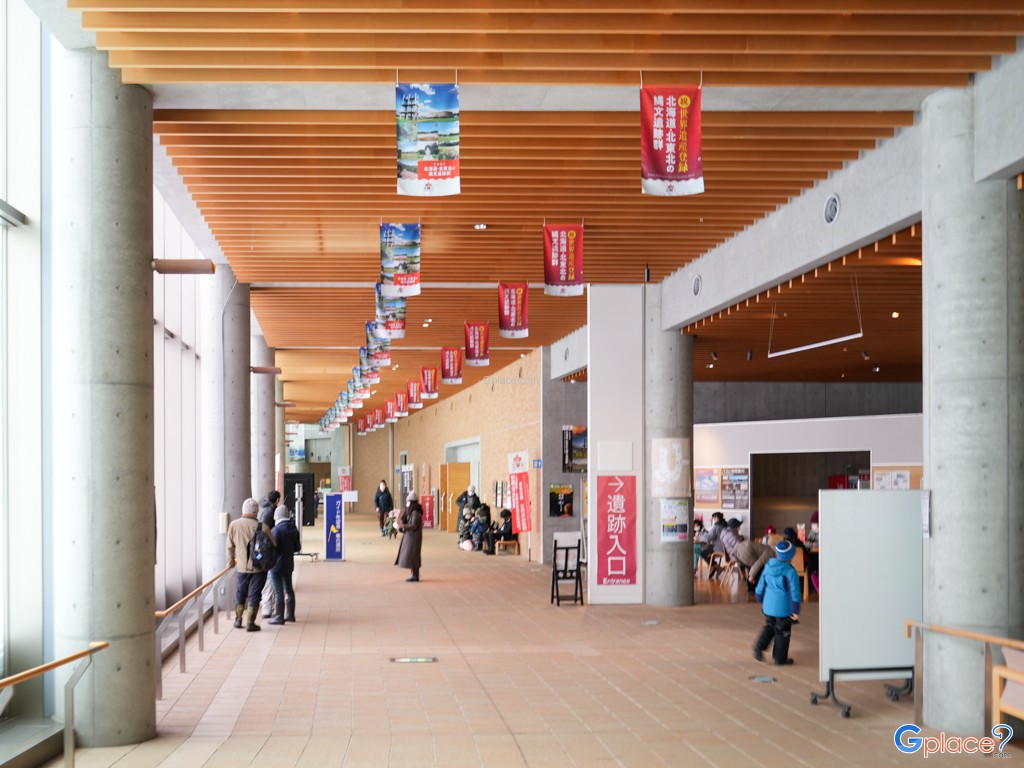
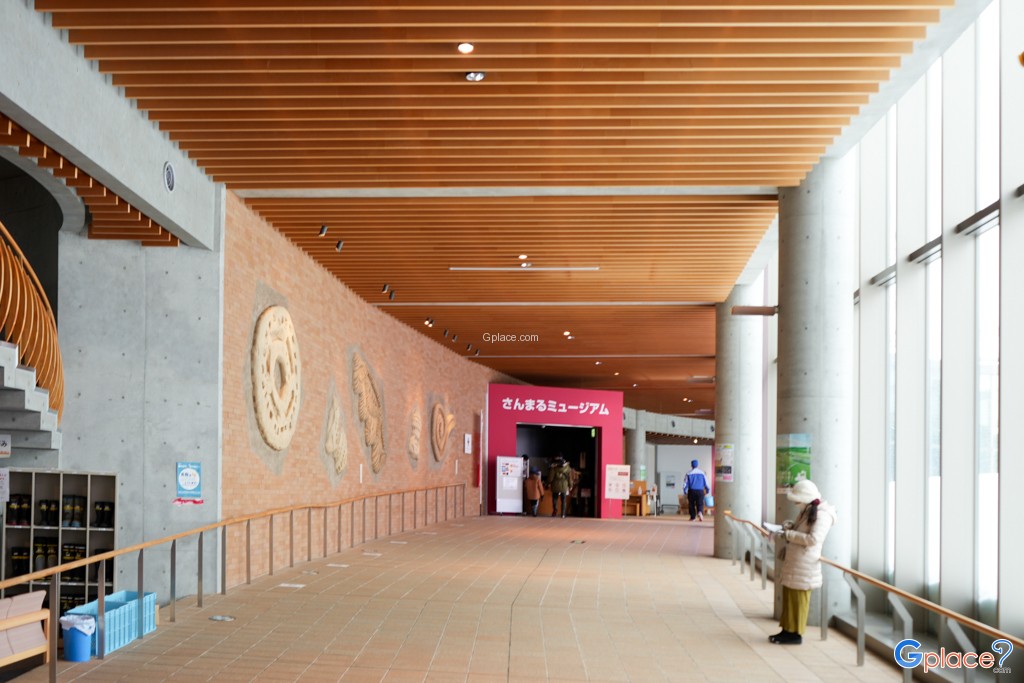
Visitors today can walk through immersive full-scale reconstructions of dwellings and ceremonial buildings, gaining a vivid sense of daily life during Japan’s deep prehistoric era. The on-site Jōmon Jiyūkan (Park Center) exhibits around 1,700 excavated artifacts, including lacquerware, wooden tools, jade ornaments, and the country’s largest collection of over 2,000 dogū figurines, many designated as Important Cultural Properties.
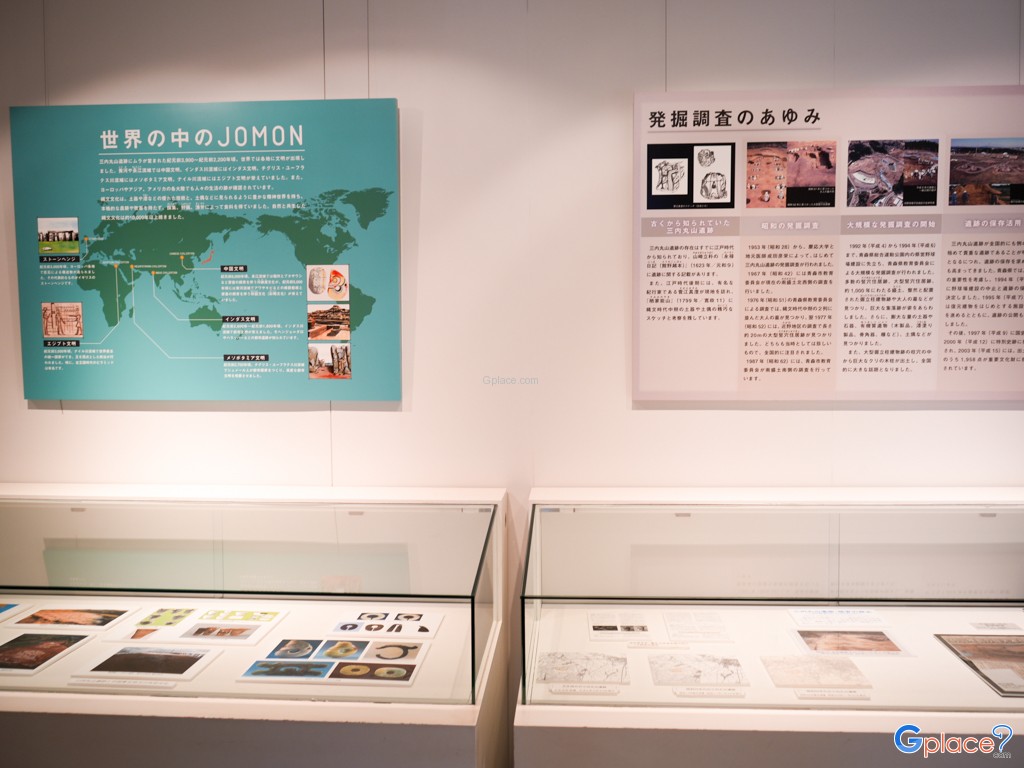
Now designated as a UNESCO World Heritage Site under “Jōmon Prehistoric Sites in Northern Japan” (2021), Sannai-Maruyama is not just a preserved archaeological field—it is an active center for research and education managed by Aomori Prefecture, continuing to generate discoveries that reshape our understanding of ancient Japan.
How to Get There
-
By Bus (from Aomori Station):
Take the Nebutan-go bus directly to Sannai-Maruyama Site (approx. 20 minutes). -
By Car:
Drive from central Aomori via Route 280 or Route 4; free parking available at the site. -
From Aomori Airport:
About 30 minutes by taxi or rental car. -
By Shinkansen (Shin-Aomori Station):
Only 10 minutes by taxi, ideal for day trips across the Tōhoku region.
Travel Tips
-
Visit early in the day to enjoy the vast outdoor area in comfort.
-
Set aside 2–3 hours to explore reconstructions, trails, and exhibitions at a relaxed pace.
-
The area can be windy, especially in spring and autumn—bring a light jacket.
-
Workshops (like making miniature dogū) are highly recommended for families and culture lovers.
-
Photography is allowed in most areas, offering rare opportunities for atmospheric prehistoric-themed shots.
Admission Fee:
-
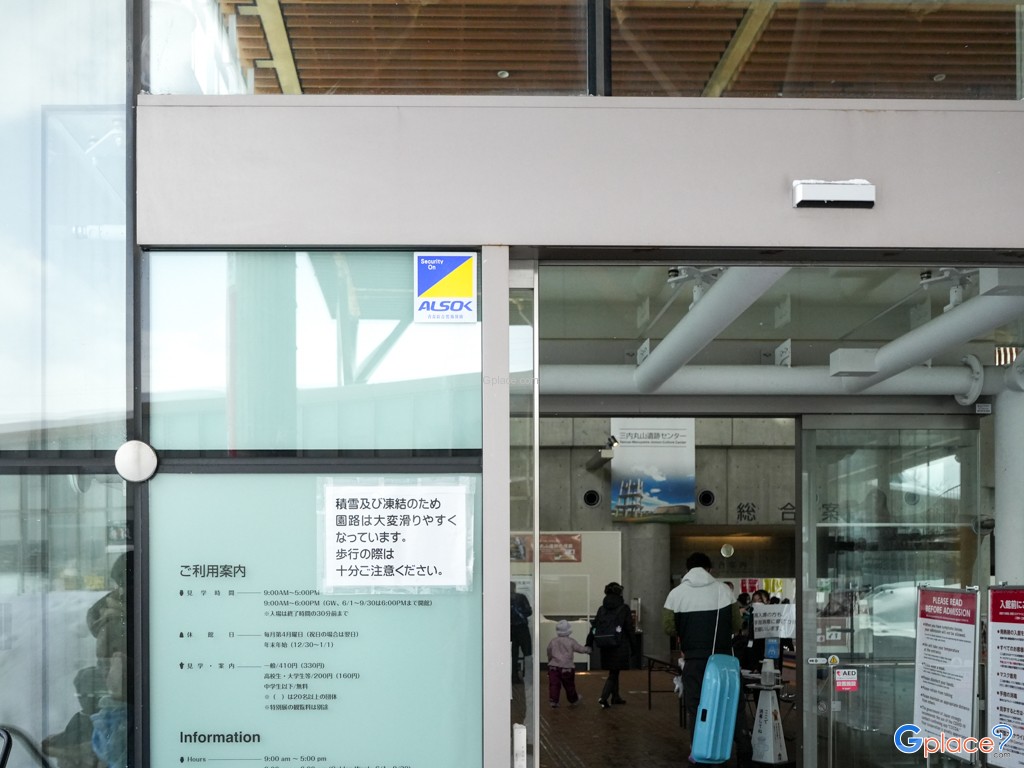
General Admission: 500 yen (Group: 400 yen for 20+ people)
-
Students: 250 yen (Group: 200 yen for 20+ people)
-
Junior high school students and younger: Free
Special Exhibitions may require additional fees.
Opening Time:
-
Regular Hours: 9:00 – 17:00 (last admission 30 minutes before closing)
-
Extended Hours: 9:00 – 18:00 during Golden Week and from June 1 to September 30
-
Closures: Every 4th Monday of the month (next day if it falls on a public holiday), and December 30 – January 1
Sannai Maruyama Site

 Share
Share
 Aomori City, Aomori Prefecture, Japan
Map
Aomori City, Aomori Prefecture, Japan
Map
 Closed today
Mon9.00 - 17.00
Tue9.00 - 17.00
Wed9.00 - 17.00
Thu9.00 - 17.00
Fri9.00 - 17.00
Sat9.00 - 17.00
Sun9.00 - 17.00



 1050
1050