 Attractions
  Hotel
Hotel  Restaurant
  Shopping
  Abroad






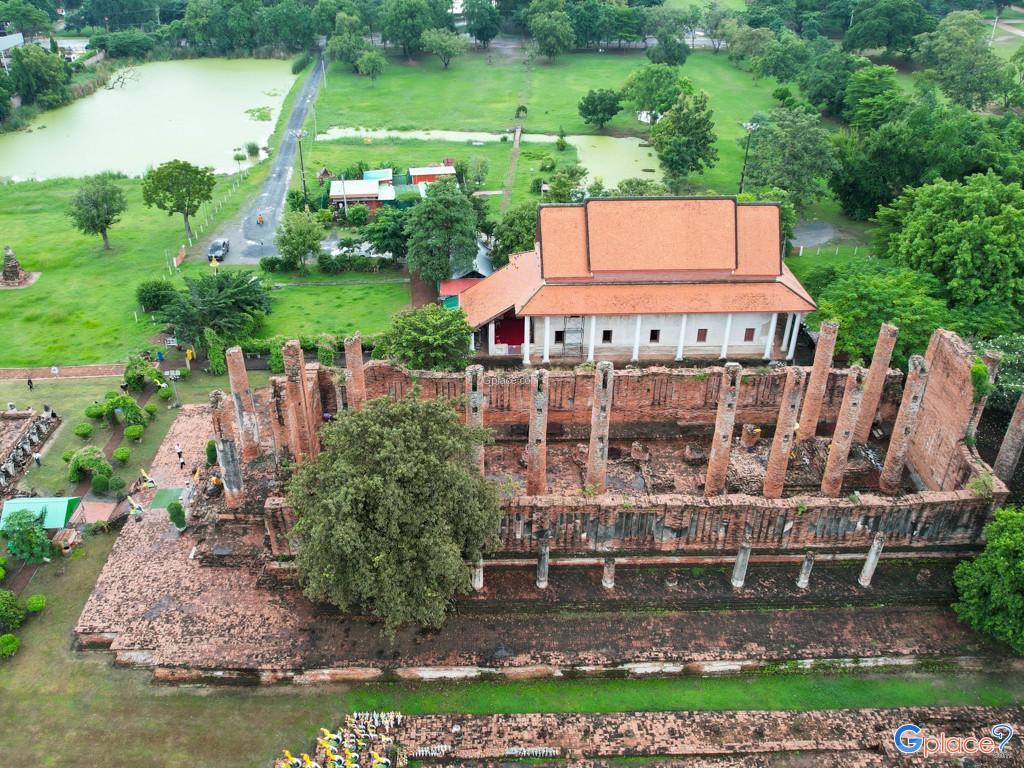
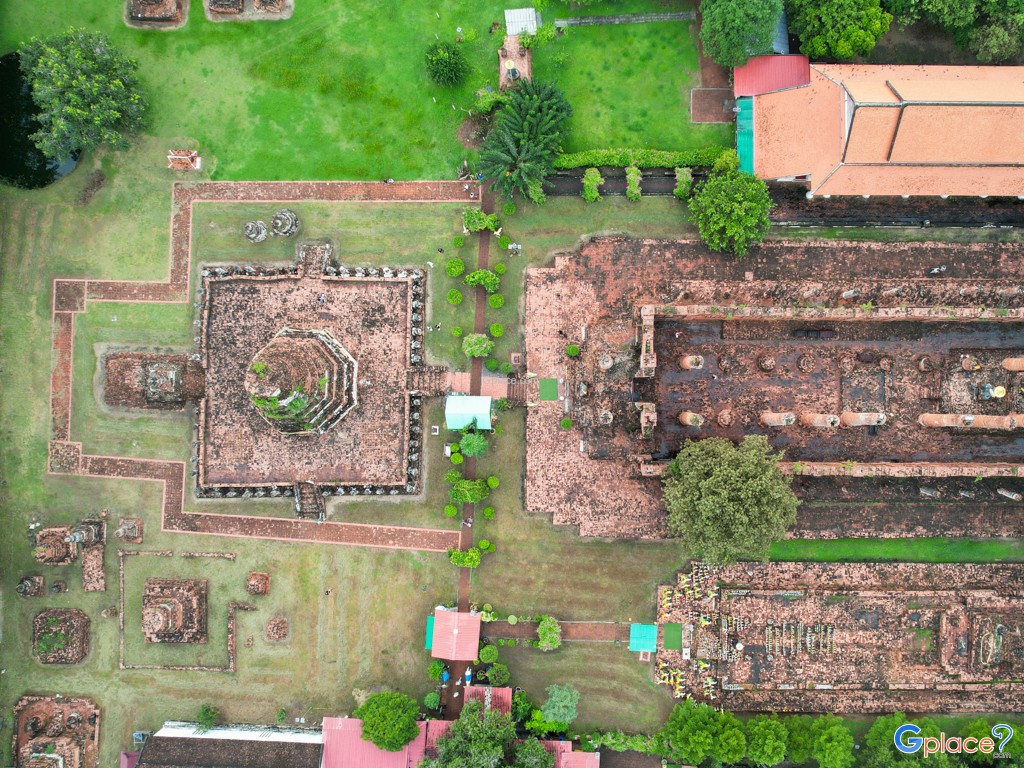
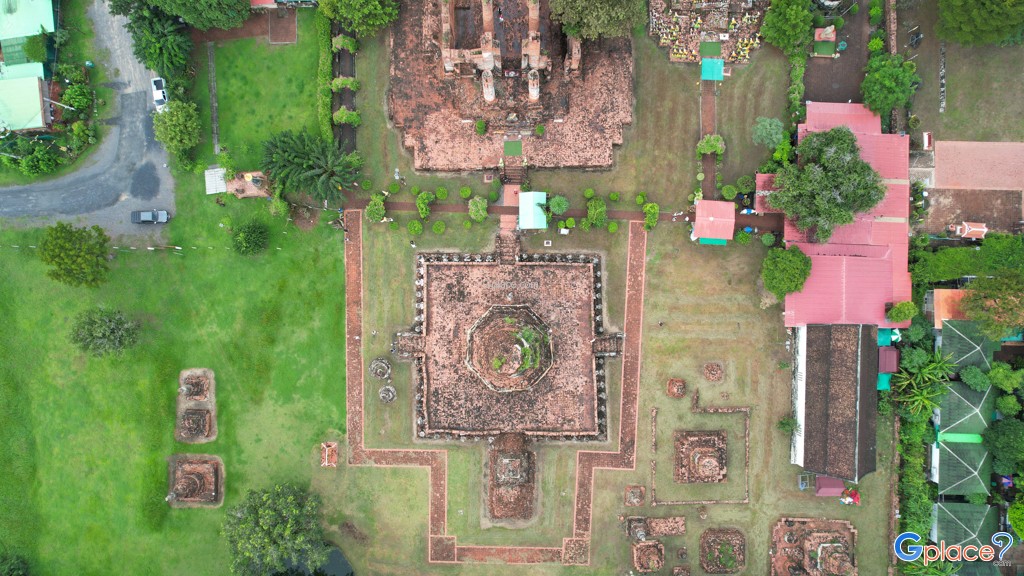
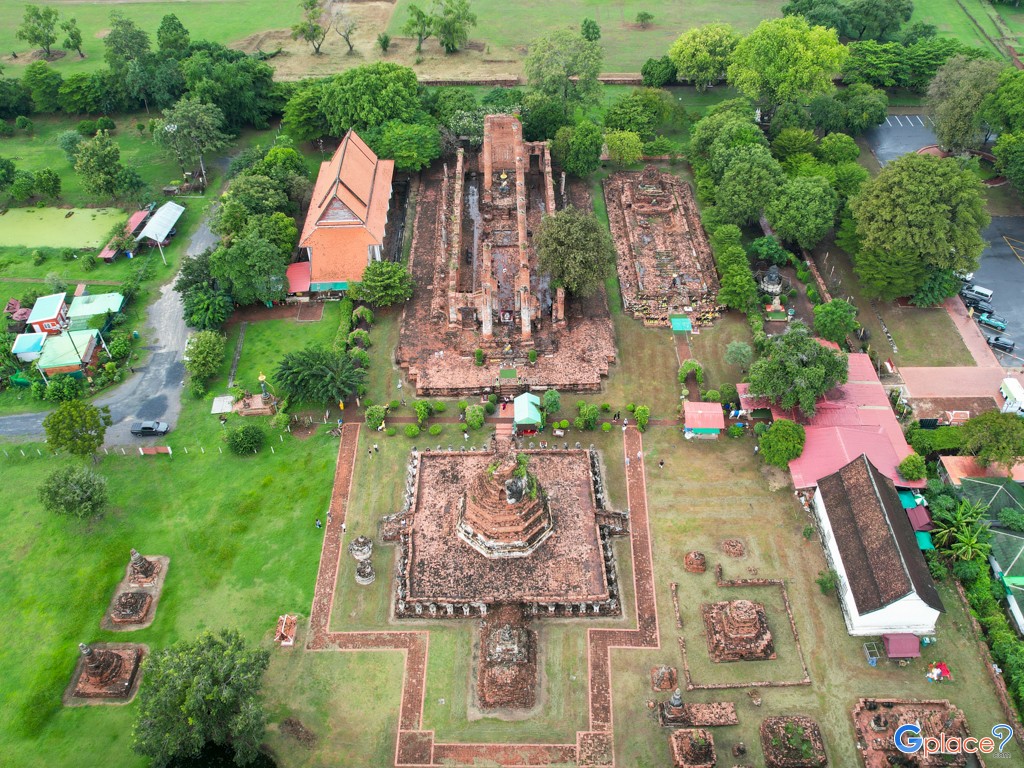
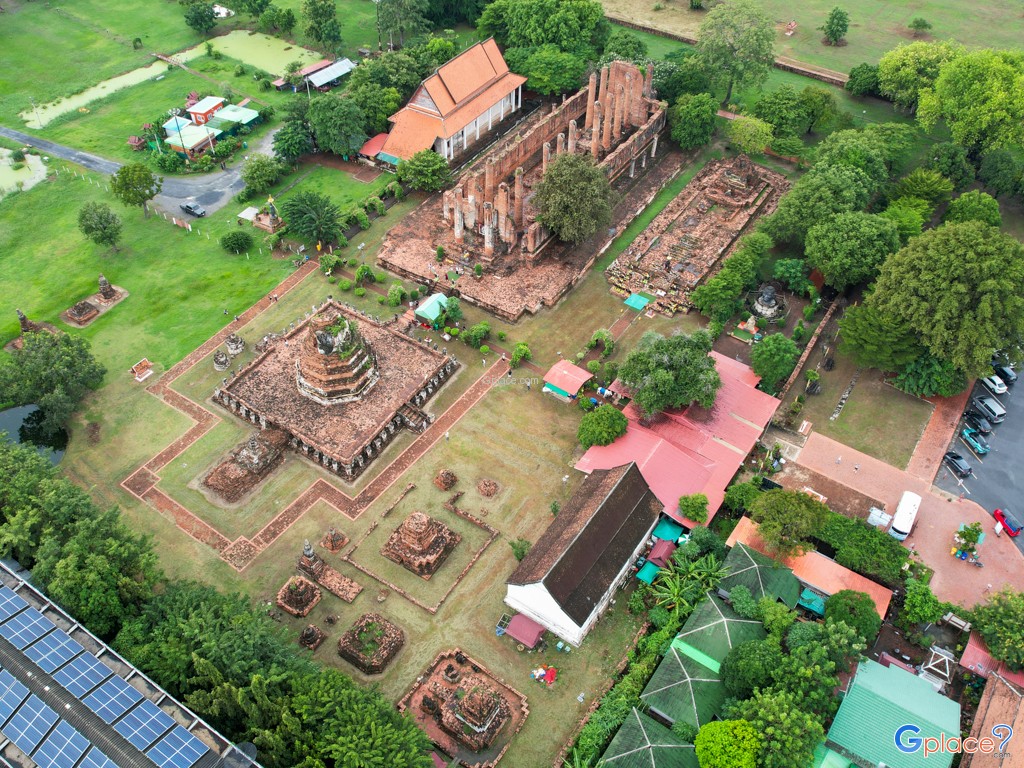
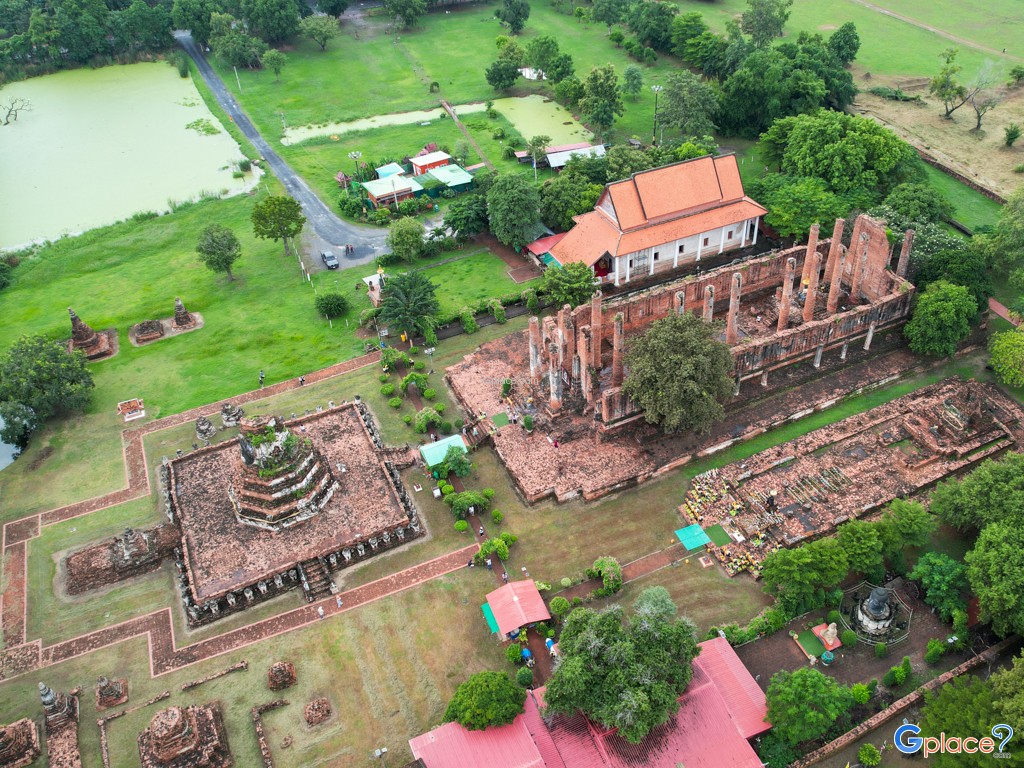

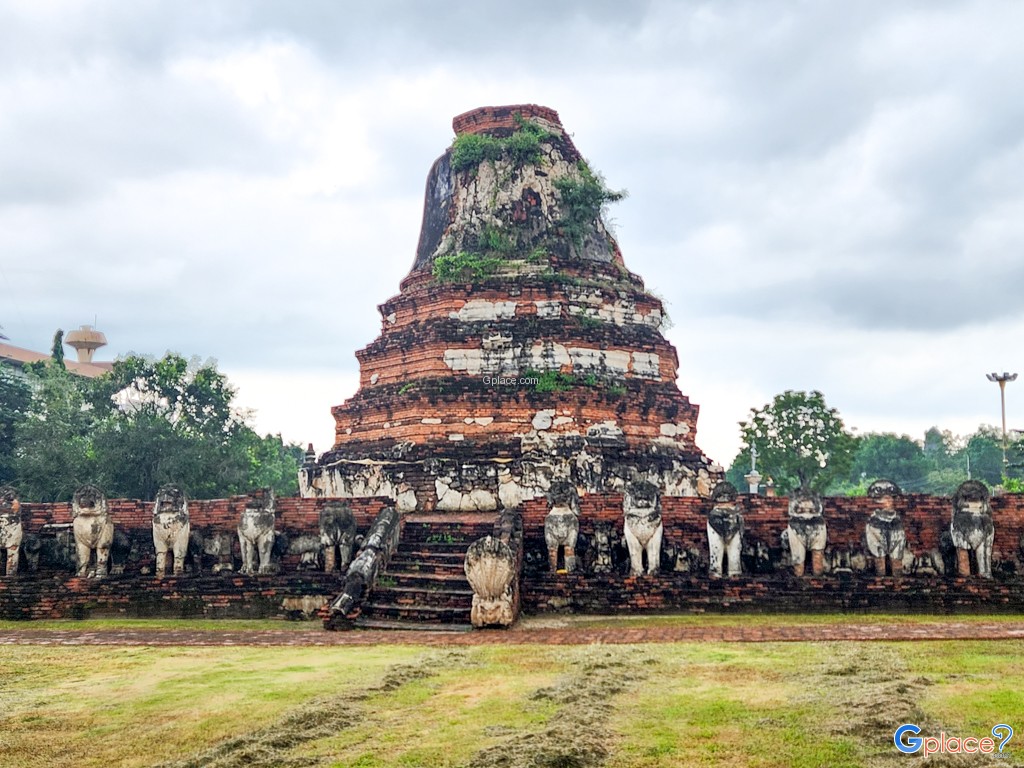

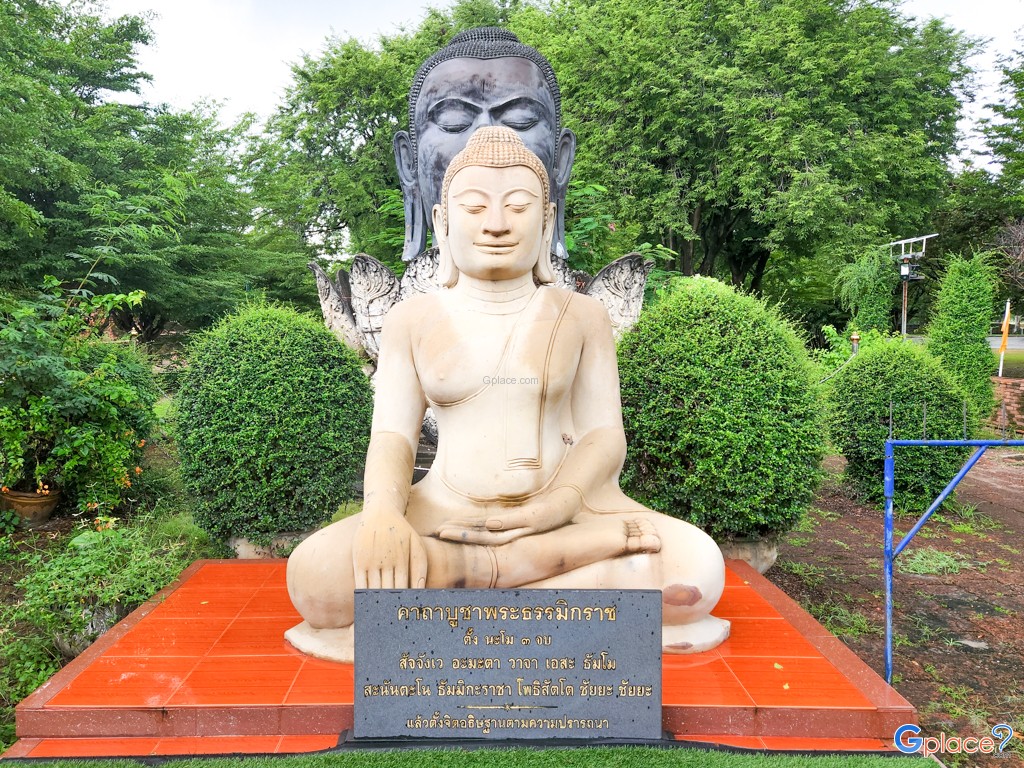
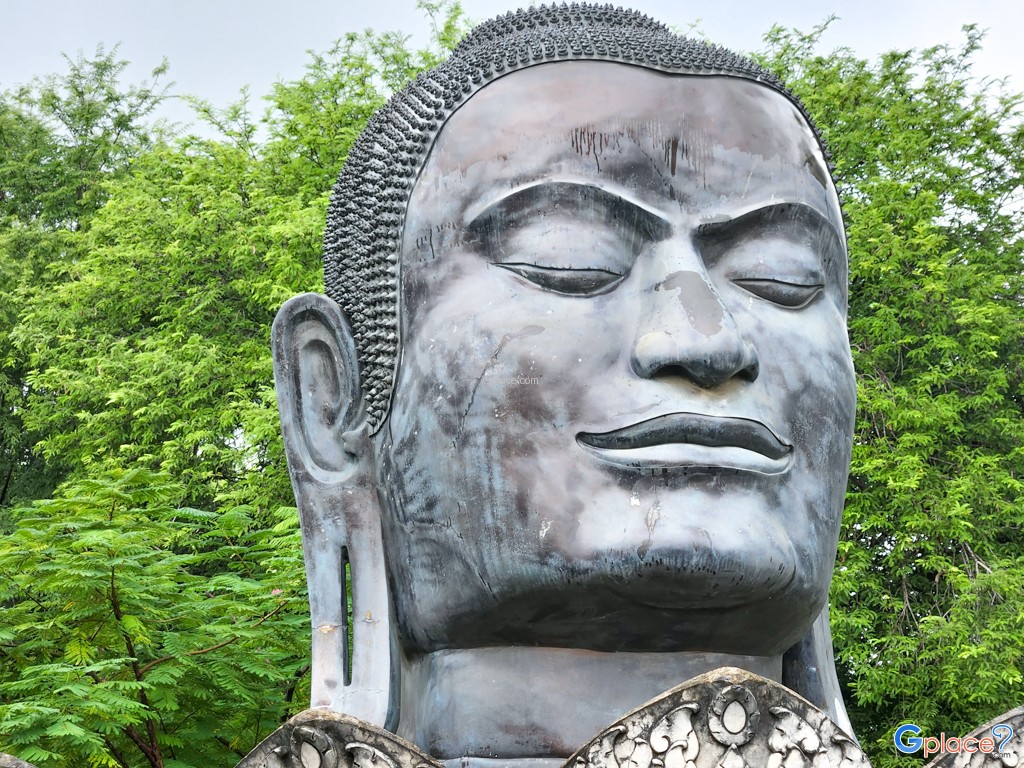
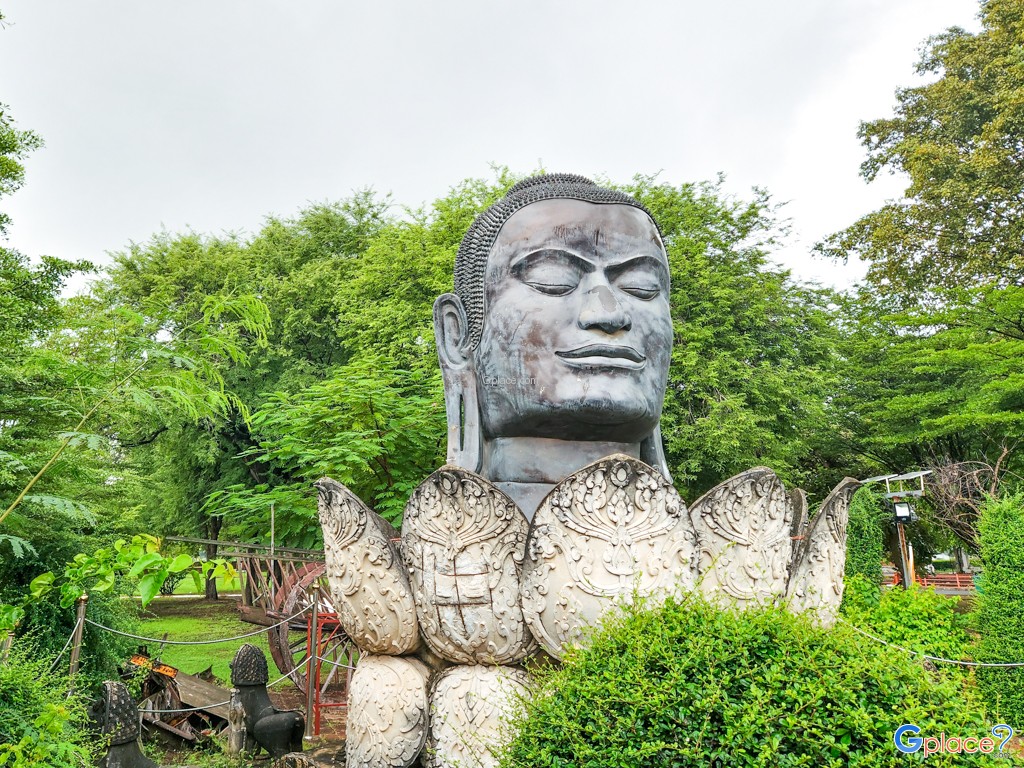

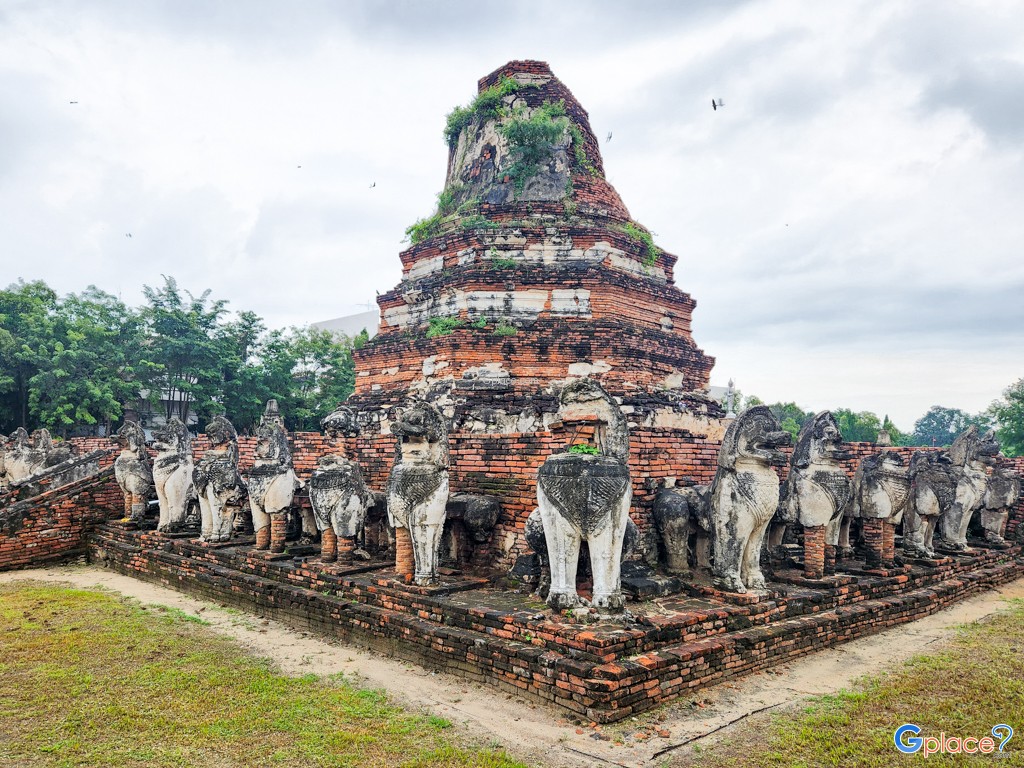
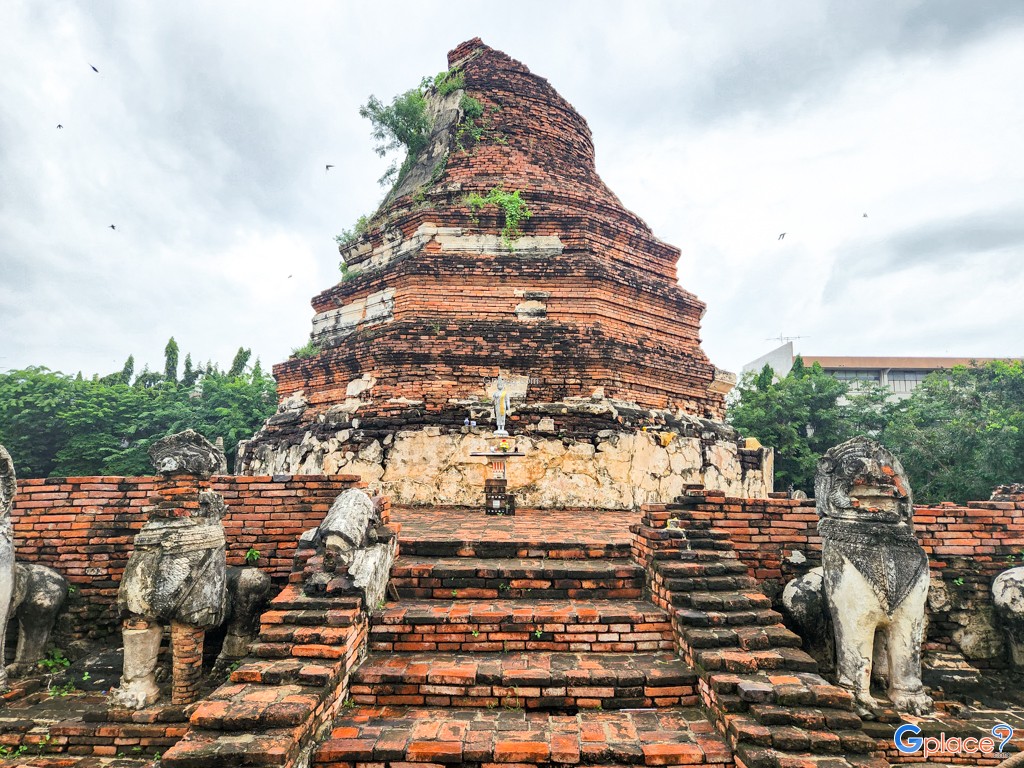
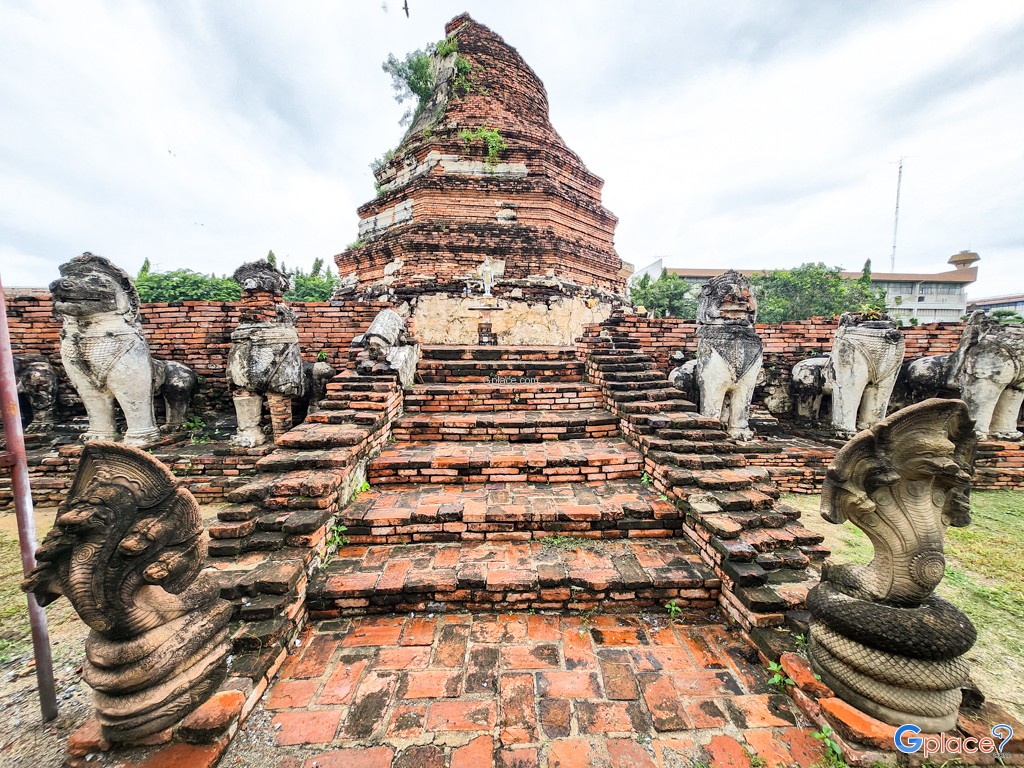

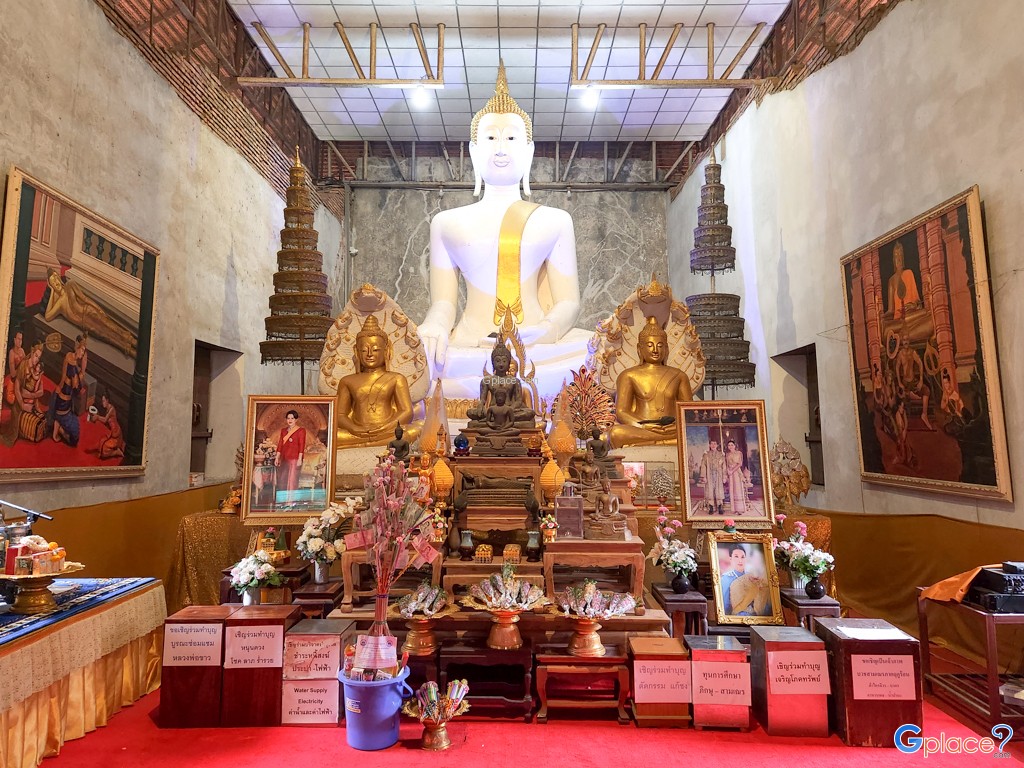
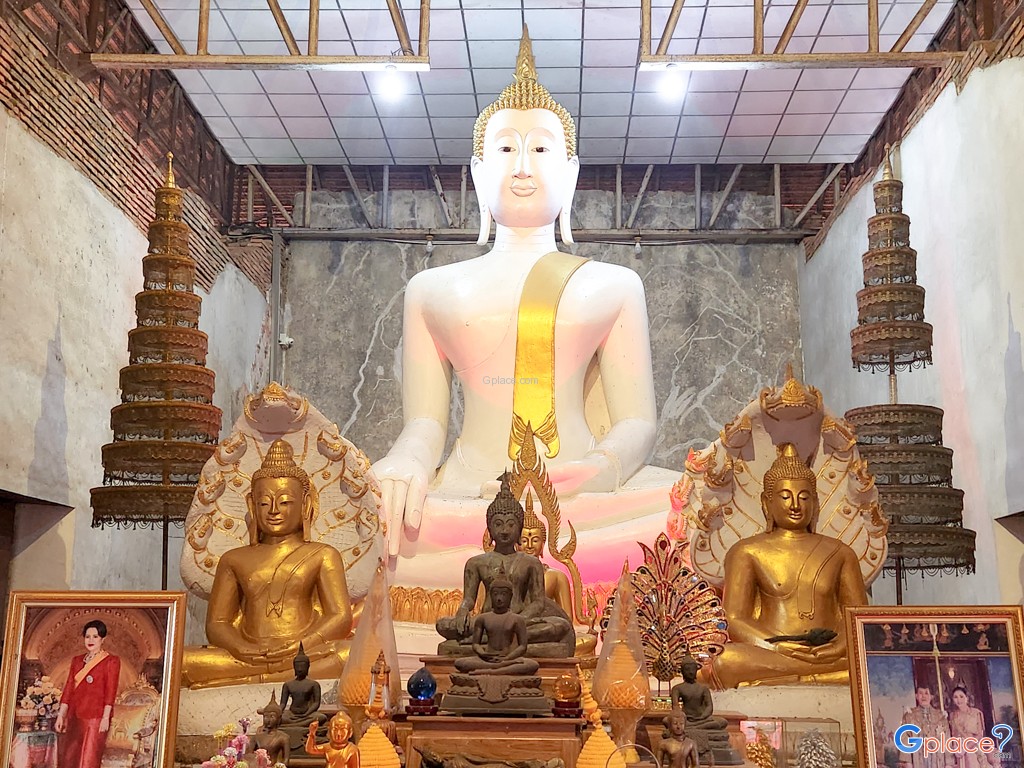
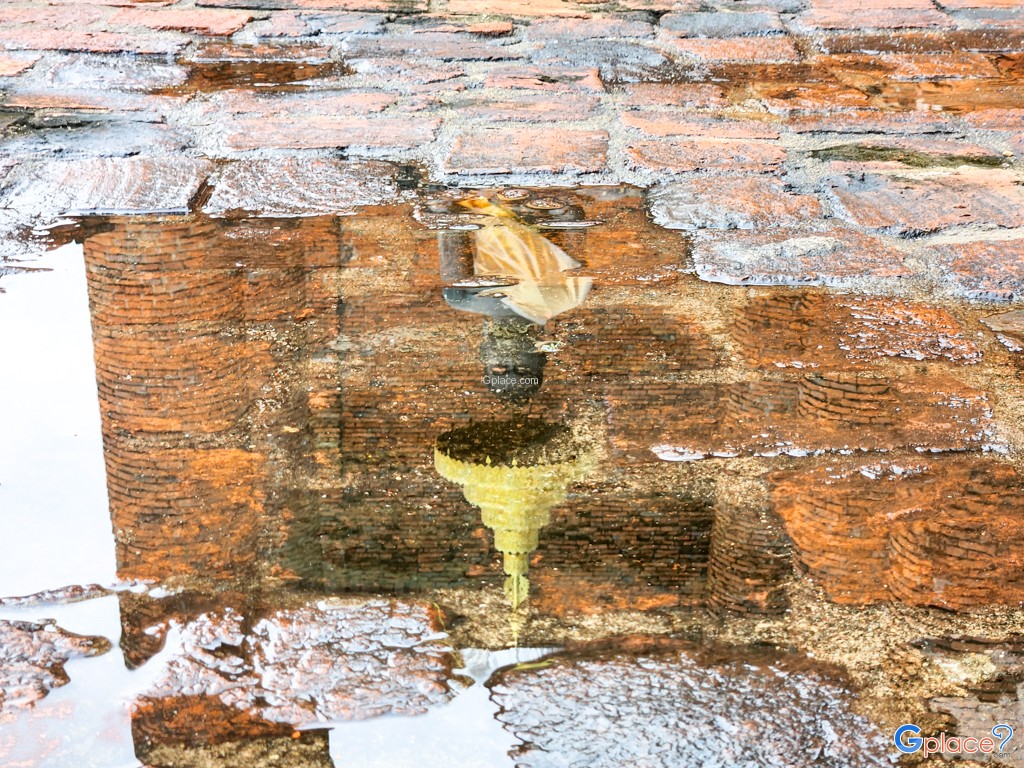
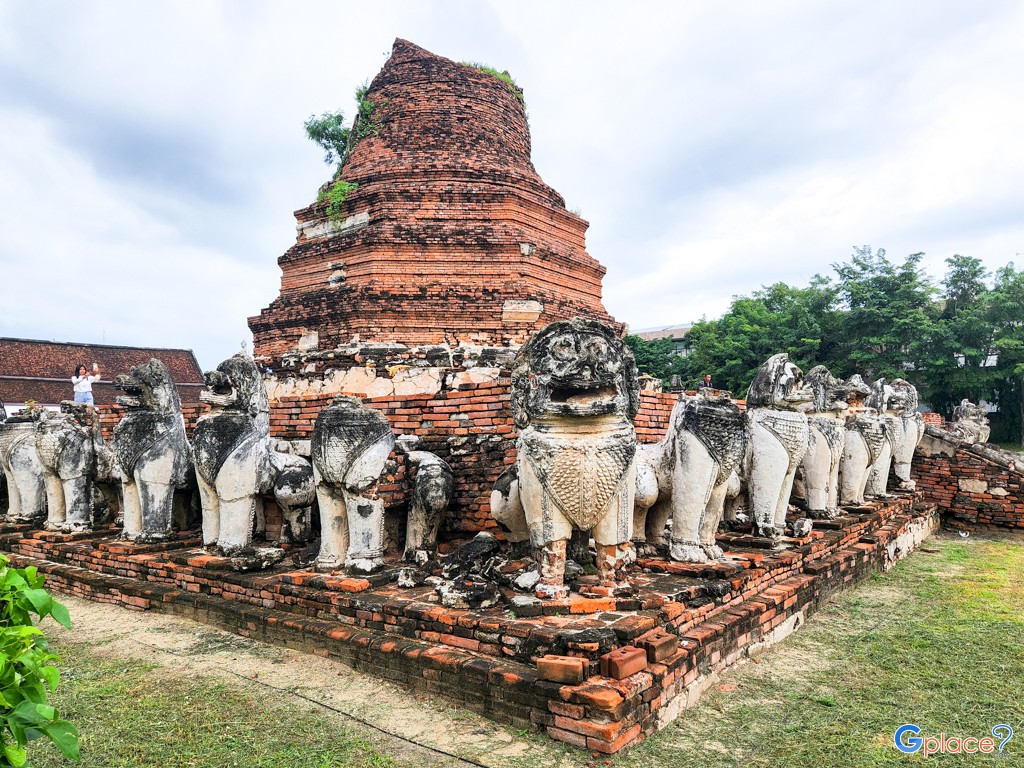
“Marvel at the unique bell-shaped pagoda surrounded by 52 stucco lions and pay respects to the largest bronze U-Thong style Buddha head in Thailand.”
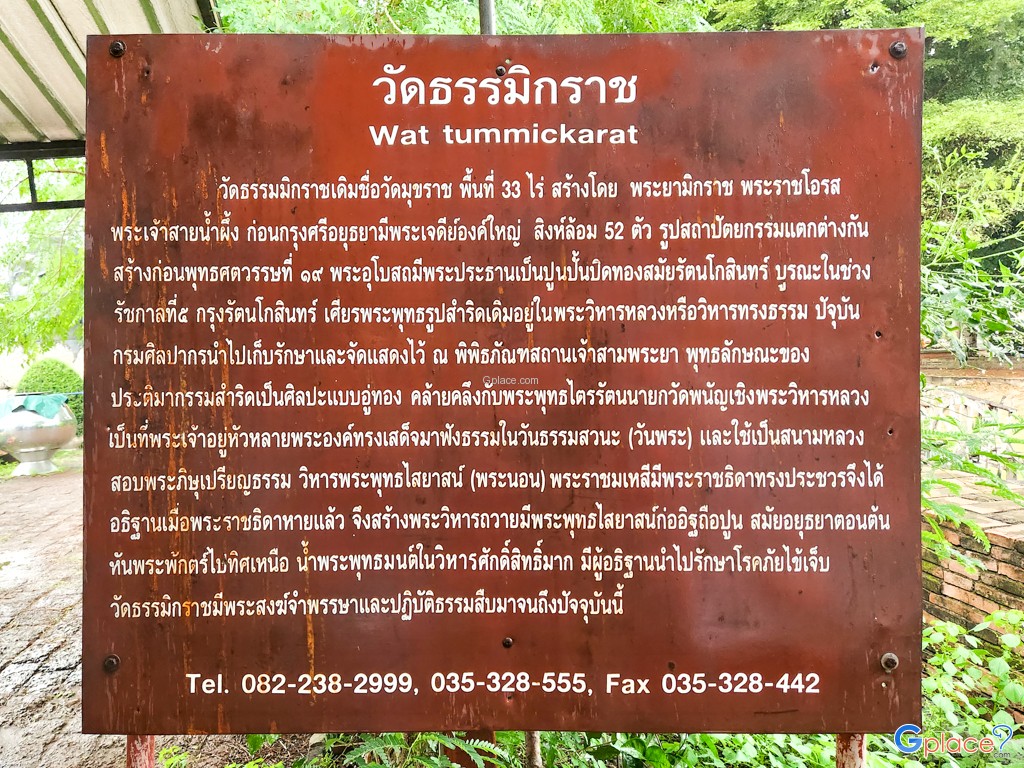
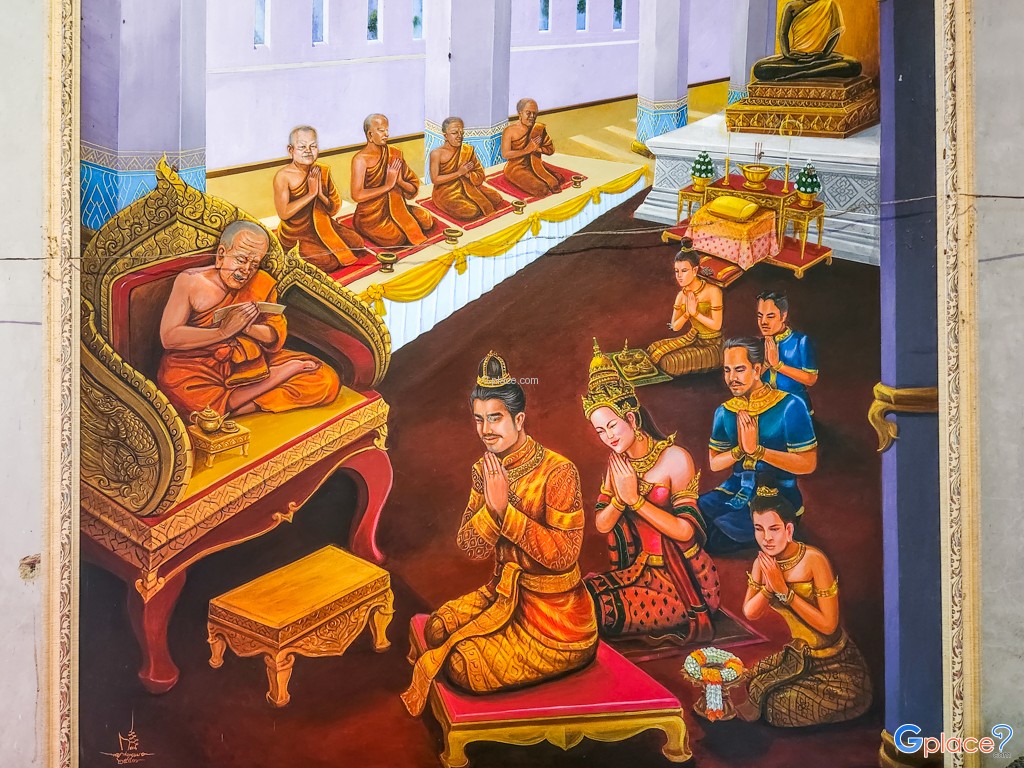
Thammikarat Temple, formerly known as Wat Mukharat, is a former royal temple of great antiquity, believed to have been founded during the Ayothaya period before the establishment of the Ayutthaya Kingdom. The temple was built by King Sai Nam Phueng and underwent major restorations during the reign of King Borommatrailokanat, a time when Ayutthaya reached its peak of prosperity. As such, Wat Thammikarat stands as an important testament to the continuity of history and political power in ancient Siam.
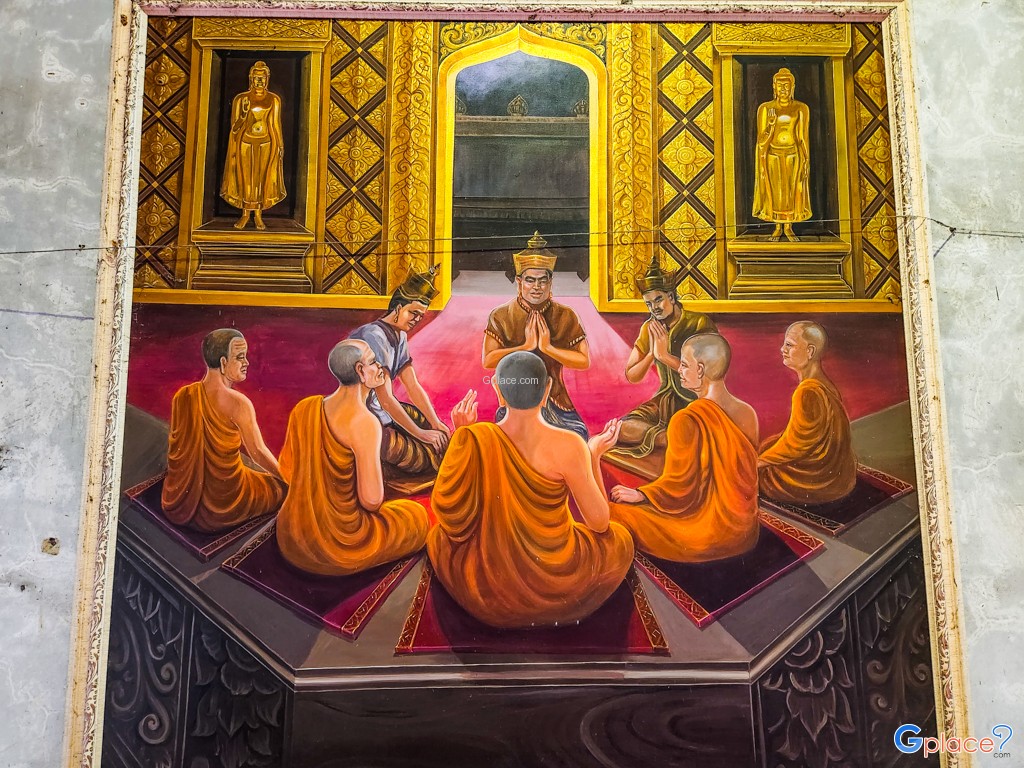
Located near the ancient royal palace, Thammikarat Temple held the status of a royal monastery where important religious ceremonies were conducted. It was also a place frequently visited by kings to listen to Buddhist sermons, highlighting its role as both a religious and royal center. This close relationship between the temple and the monarchy underscores its significance within the historical and ceremonial landscape of Ayutthaya.
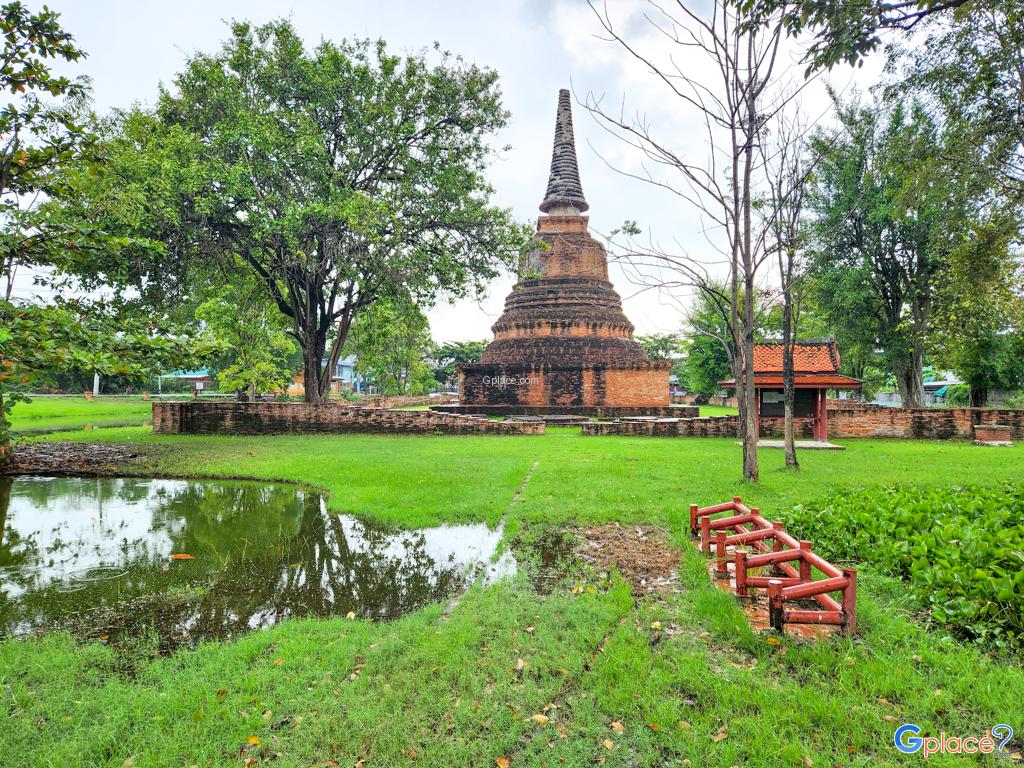
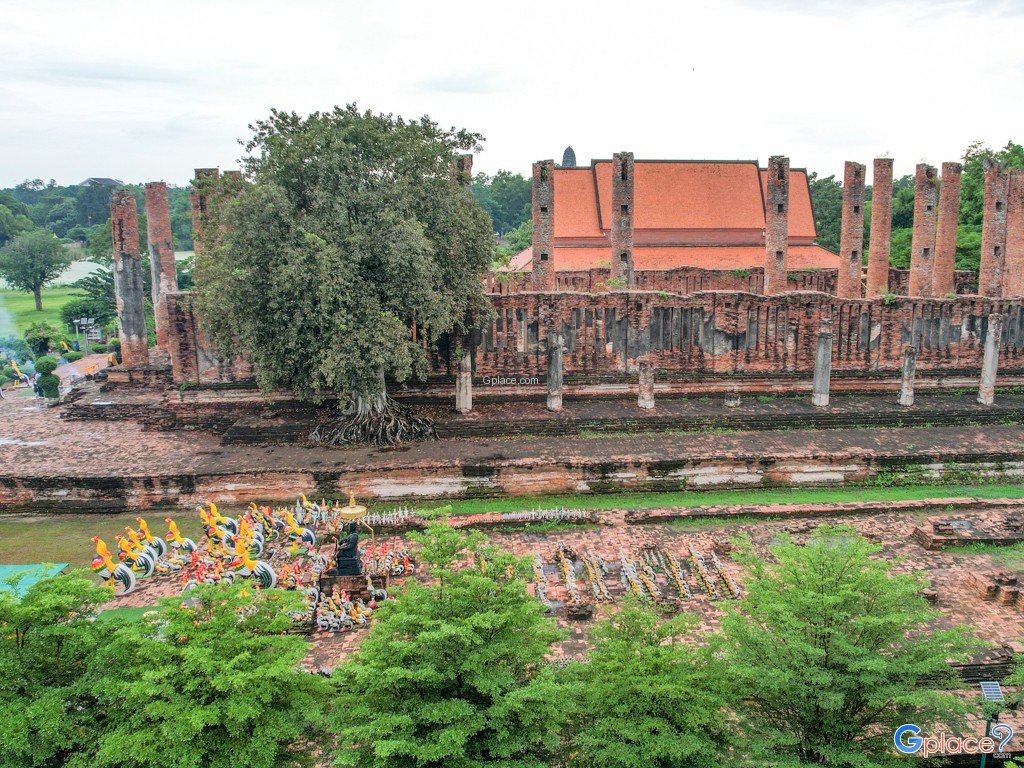
The most distinctive feature of Thammikarat Temple is the Singha-Lom Chedi, a rare architectural form in Ayutthaya. Surrounding the base of the bell-shaped stupa are 52 lion sculptures created in a style that blends Chinese and Khmer influences, reflecting cultural exchanges that were integrated into Thai art. Unlike most temples of the period, which typically feature elephants encircling their stupas, these lions symbolize power, protection, and the sacred nature of Buddhism.
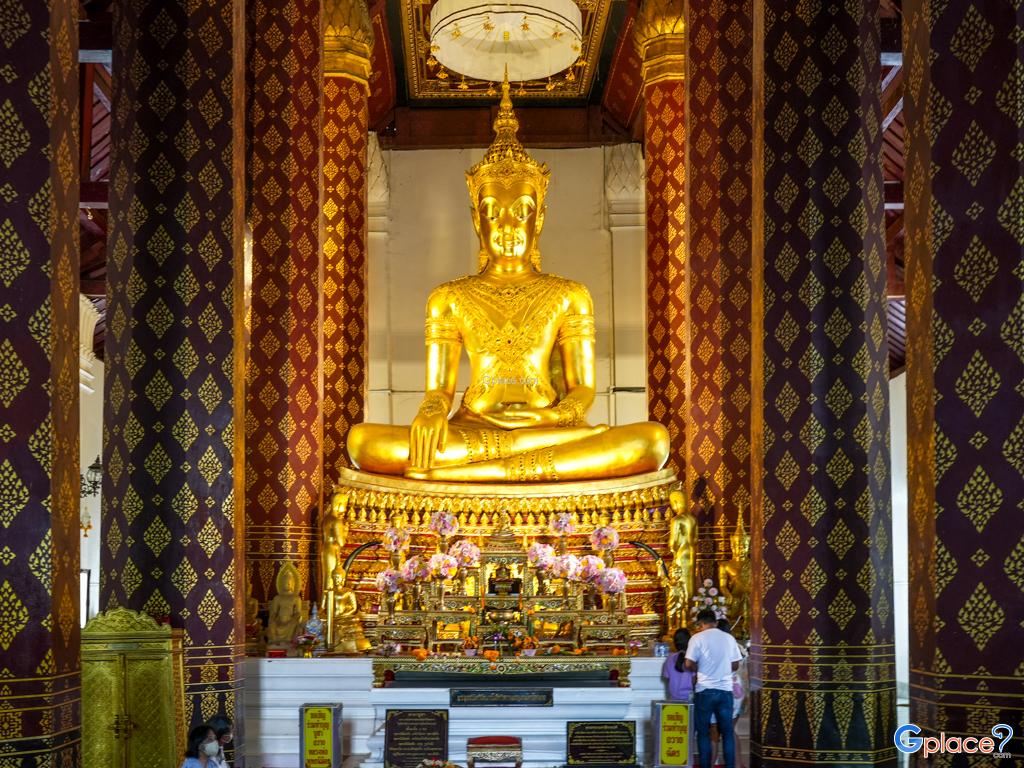
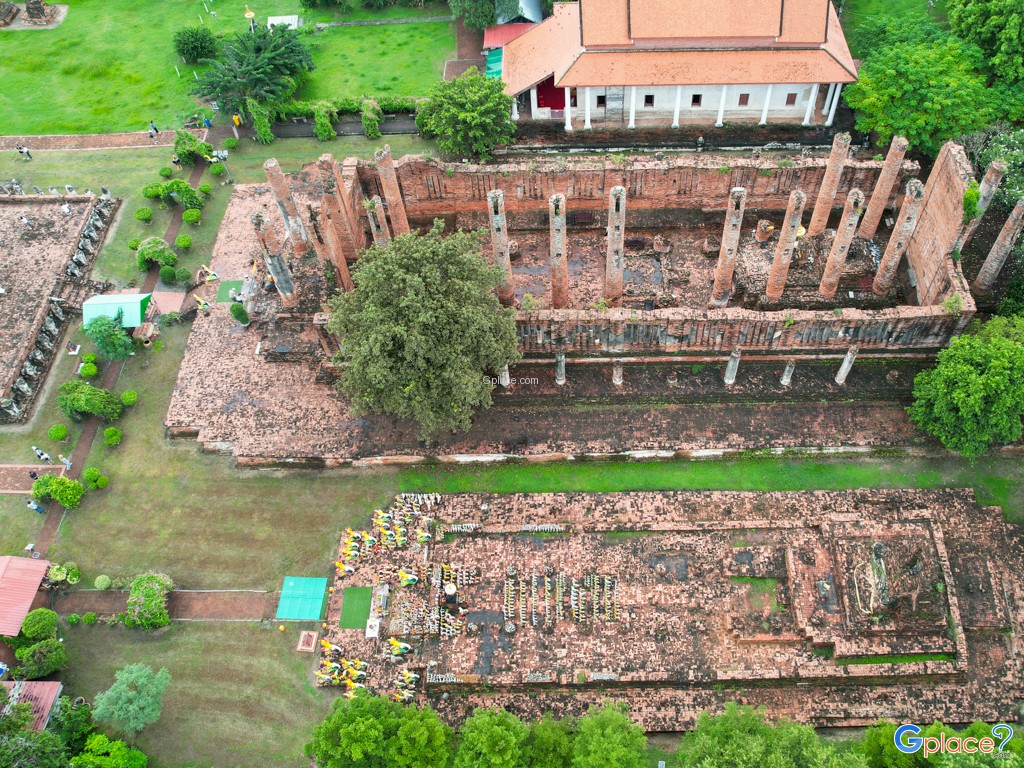
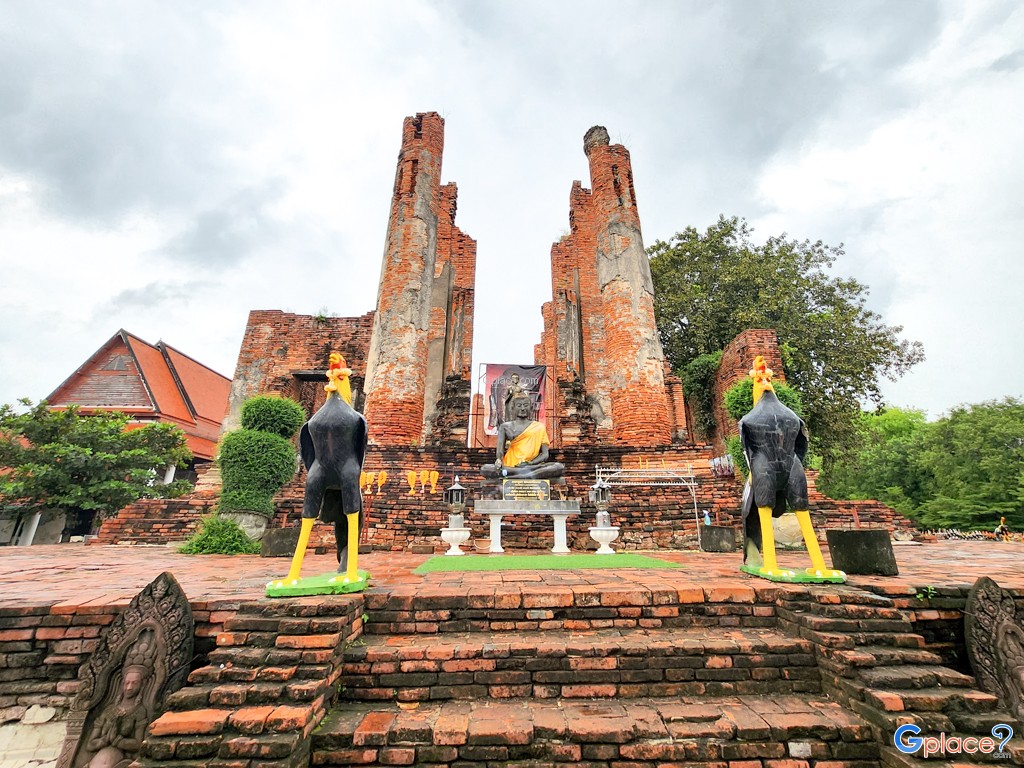
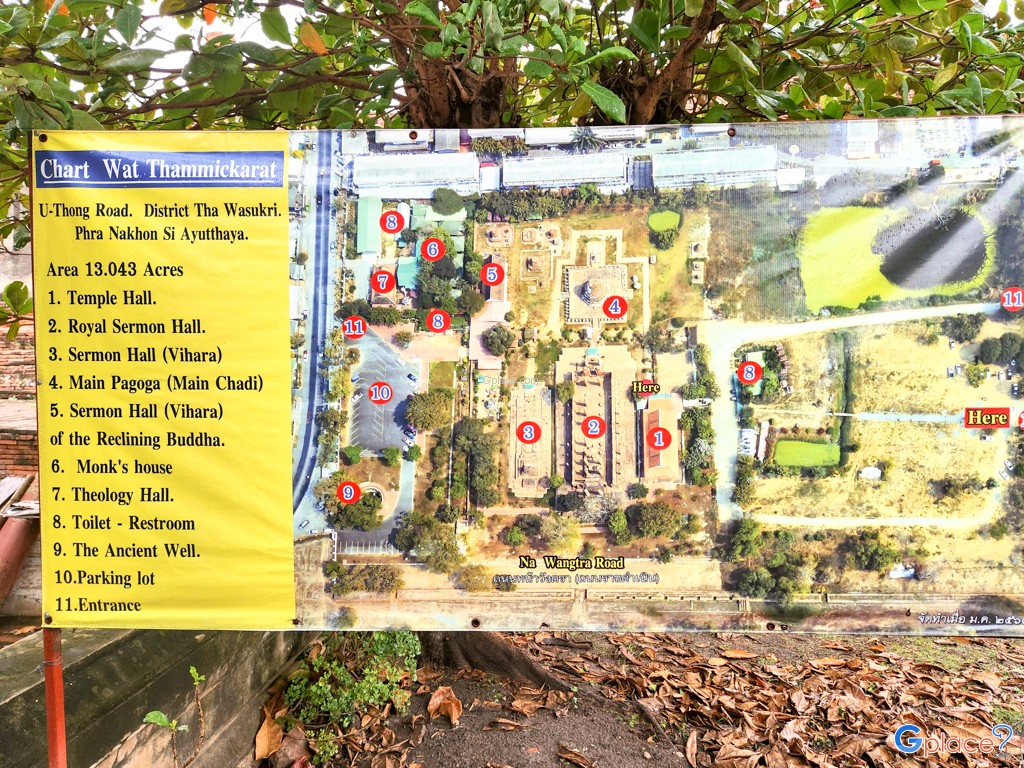
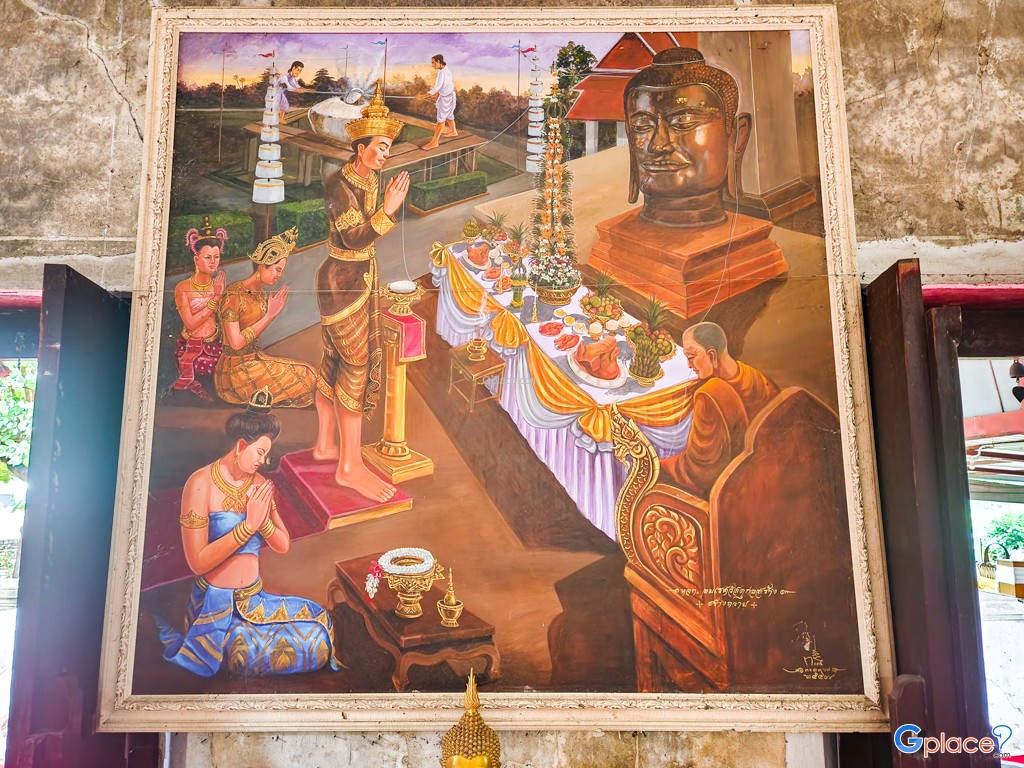
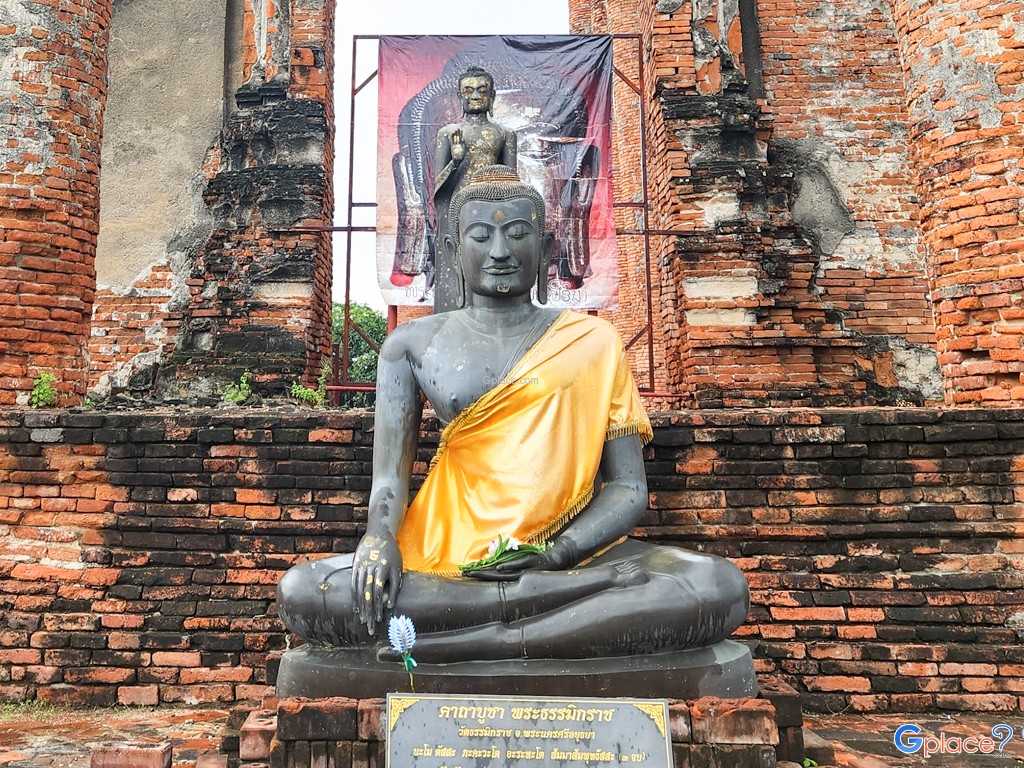
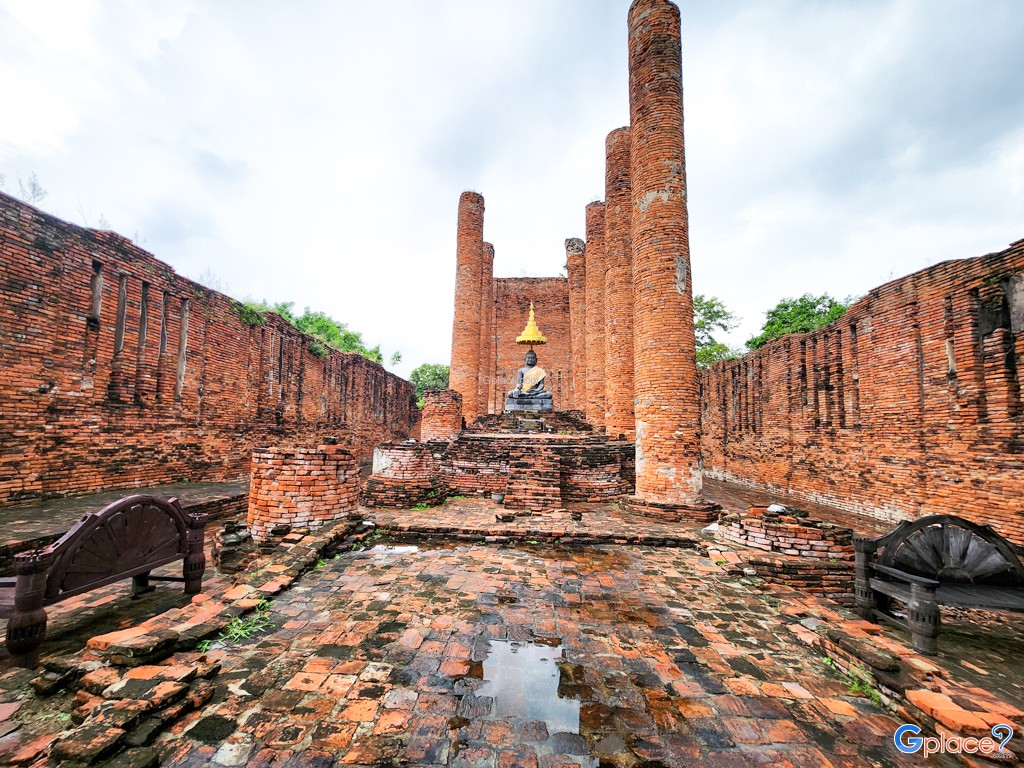
Within the temple grounds stands the Nine-Chamber Royal Vihara, which once housed the head of Phra Thammikarat, a large bronze Buddha image with a solemn and awe-inspiring expression. According to ancient beliefs, this sacred Buddha head was revered for its power in oath-taking ceremonies and prayers related to legal matters, making the temple closely associated with faith, justice, and spiritual authority.
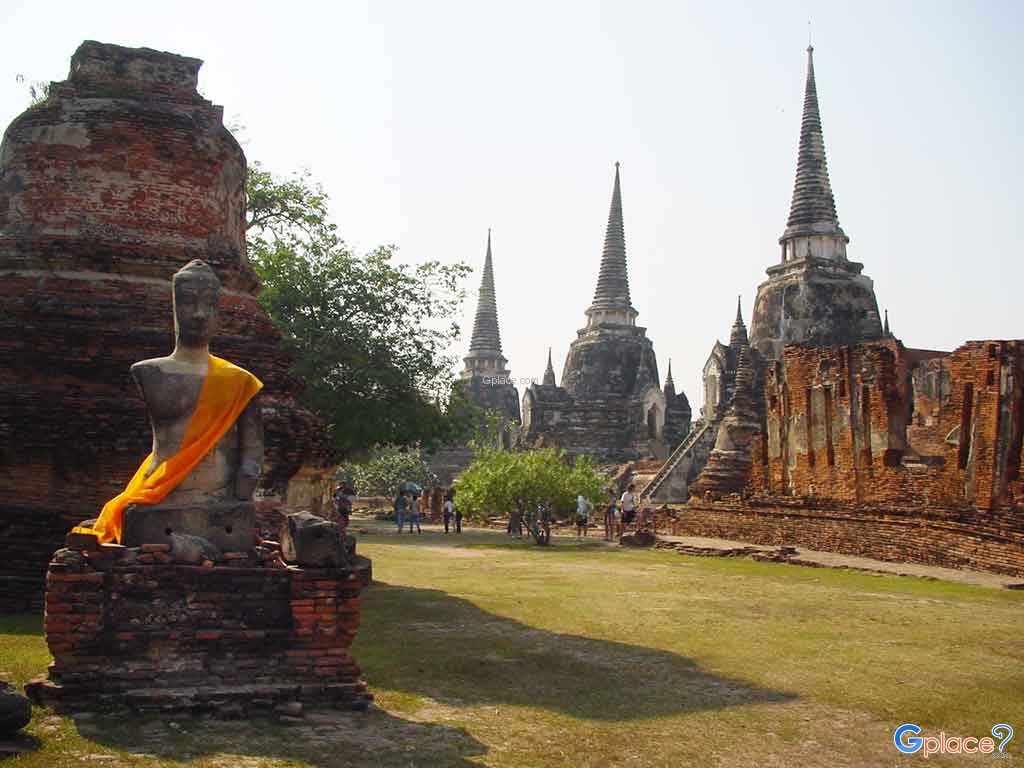
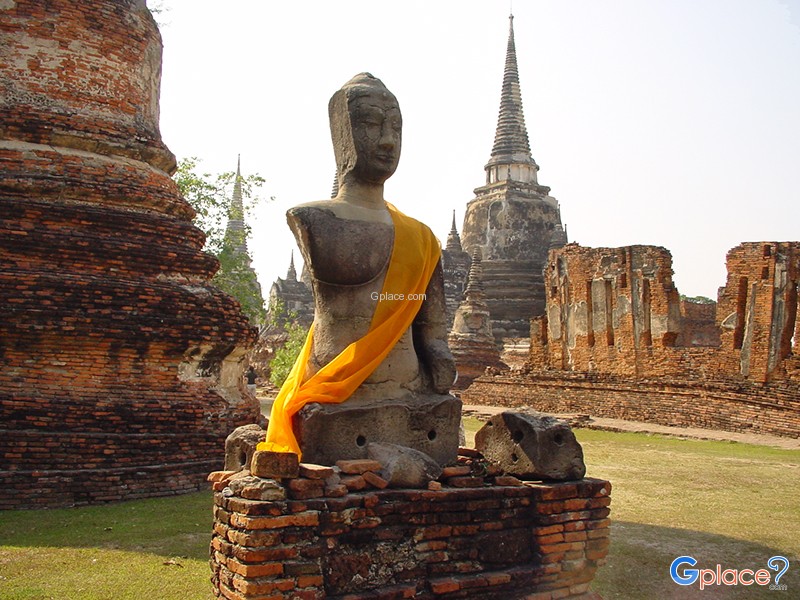
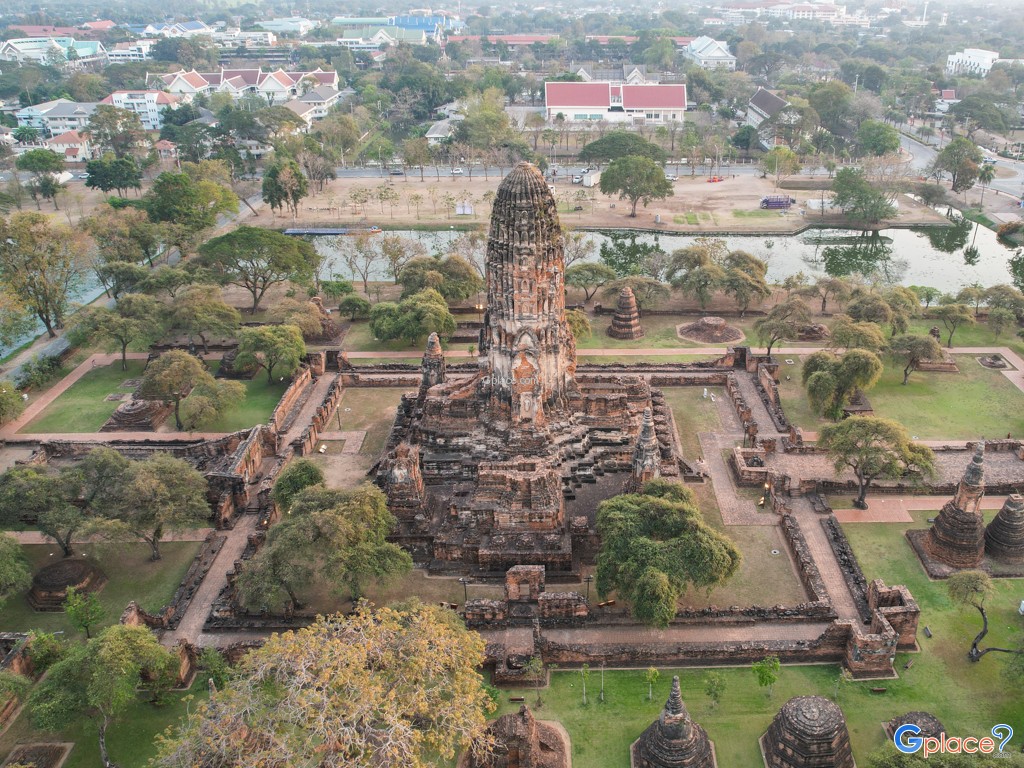
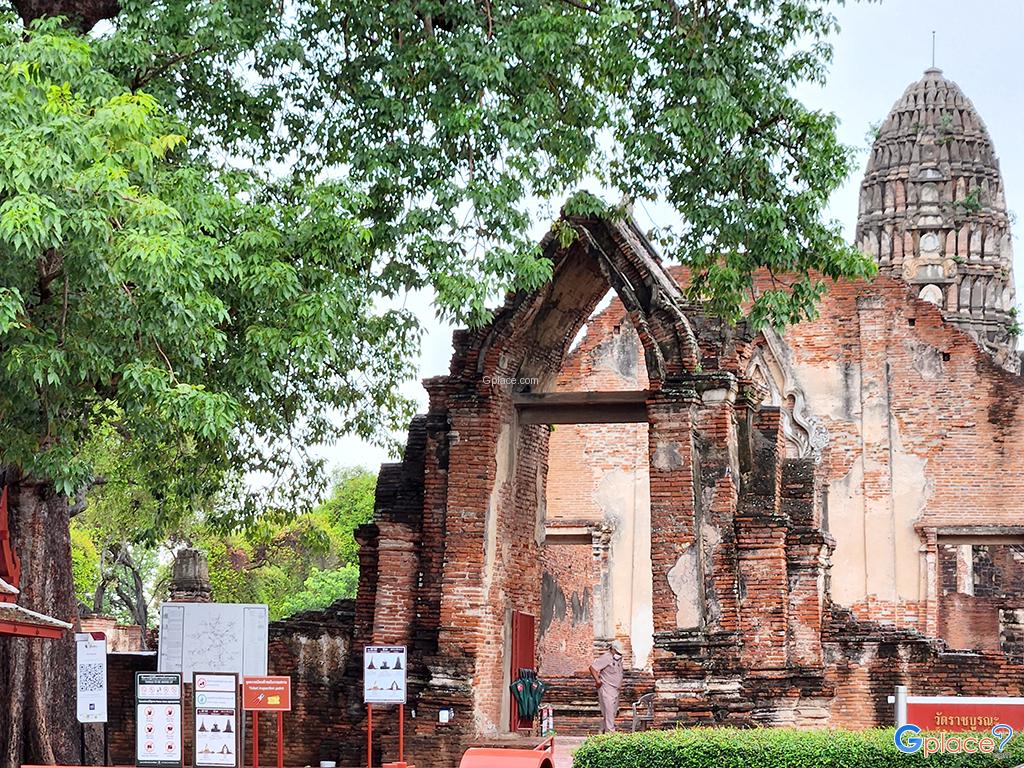
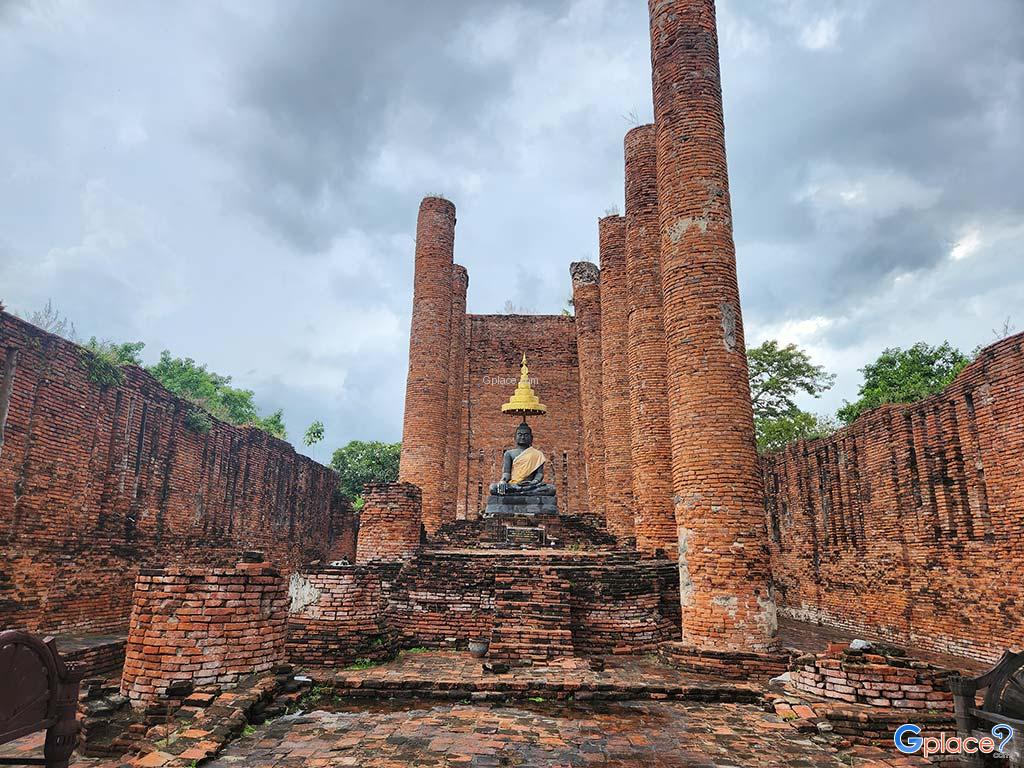
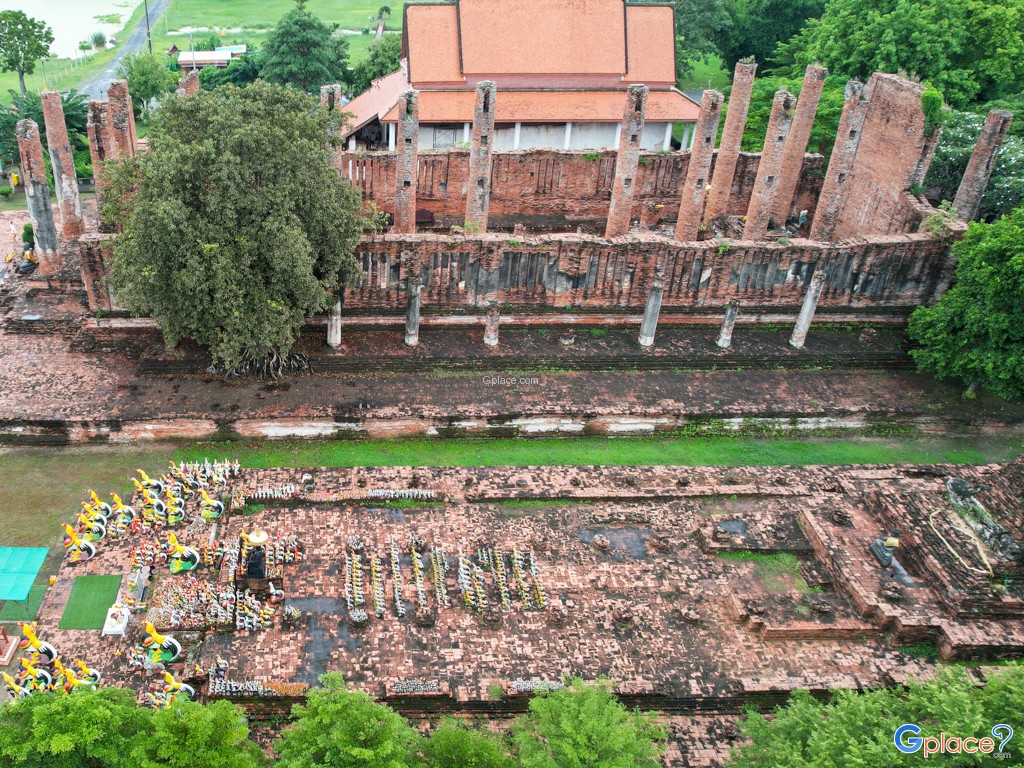
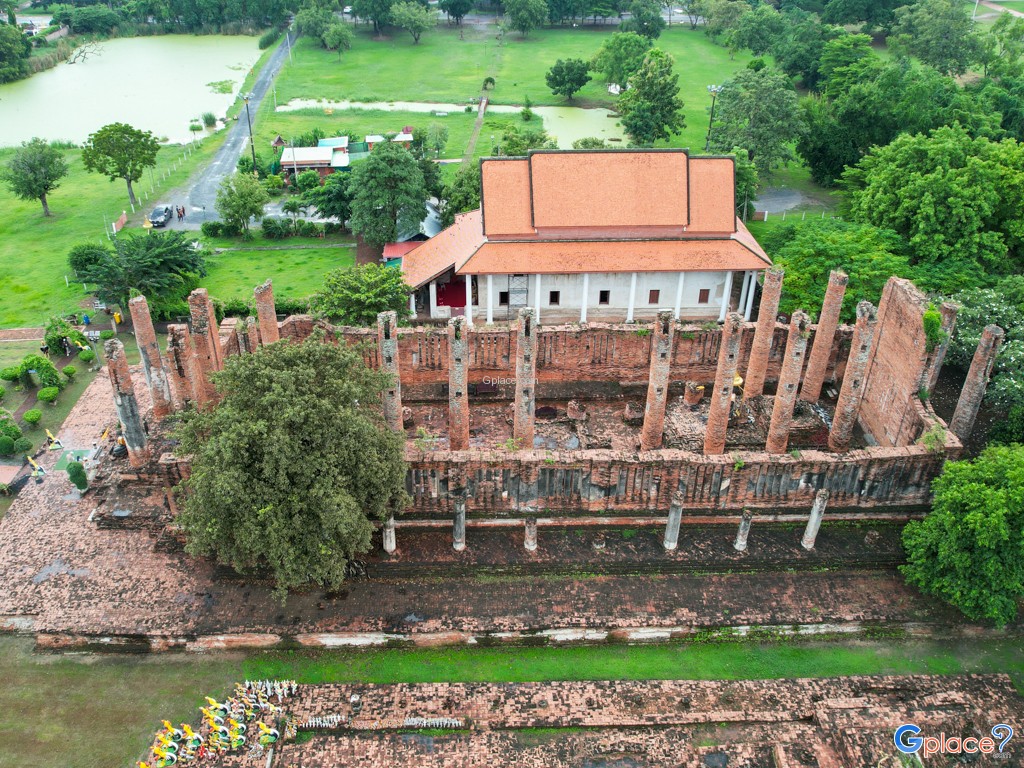
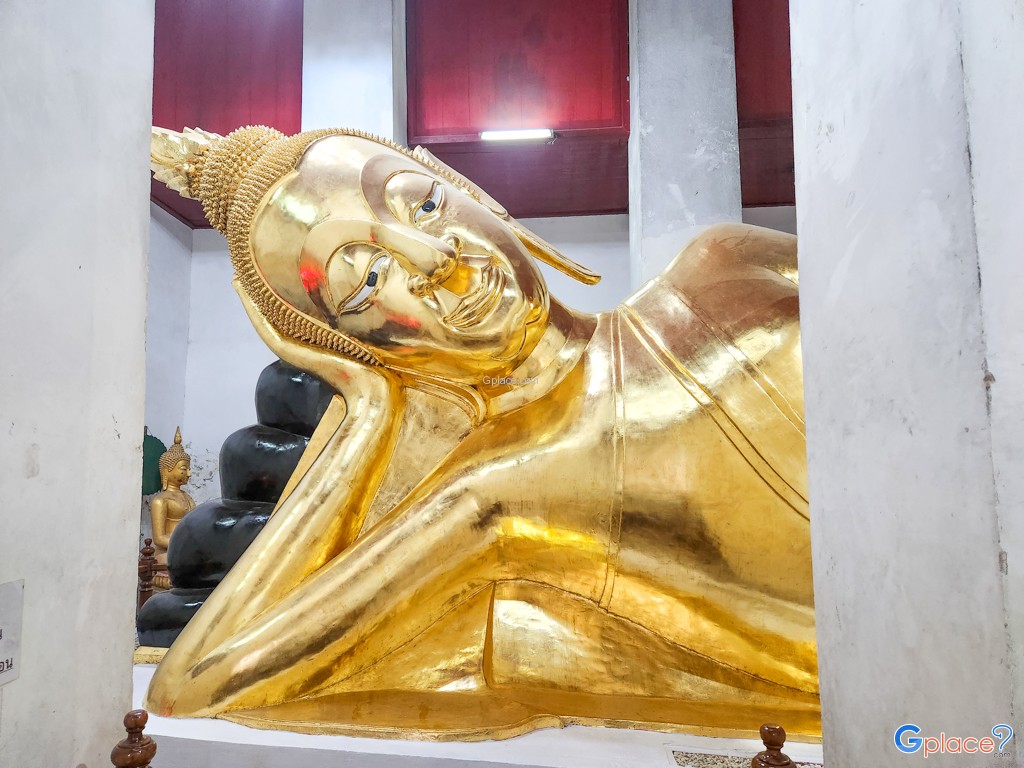
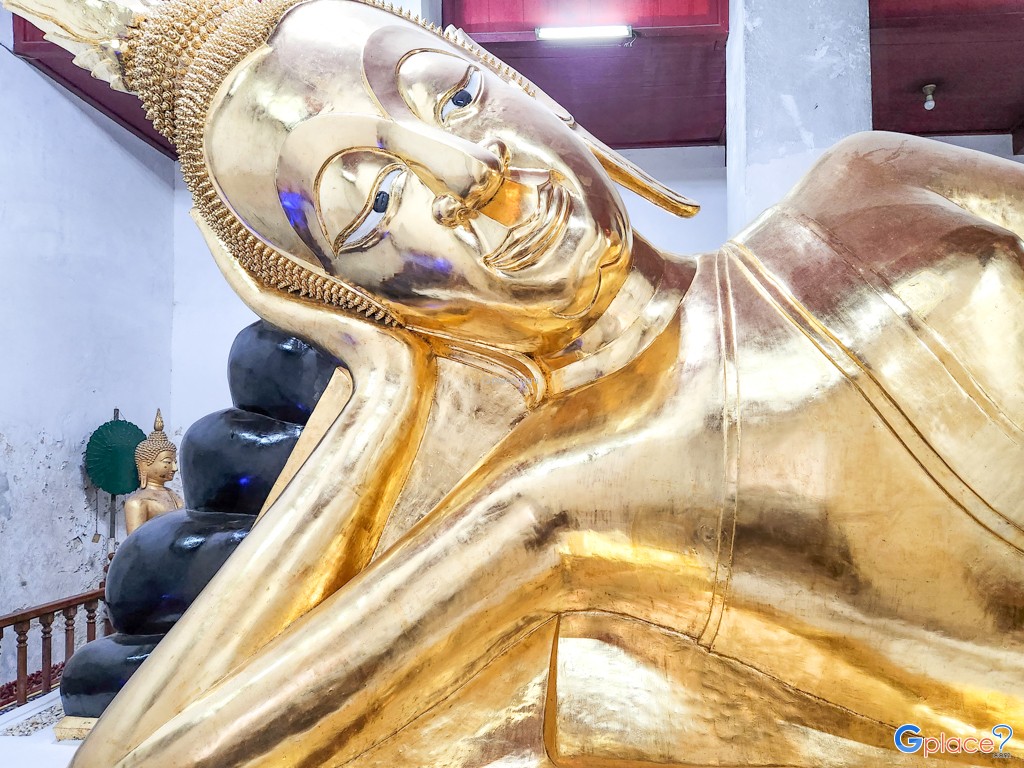
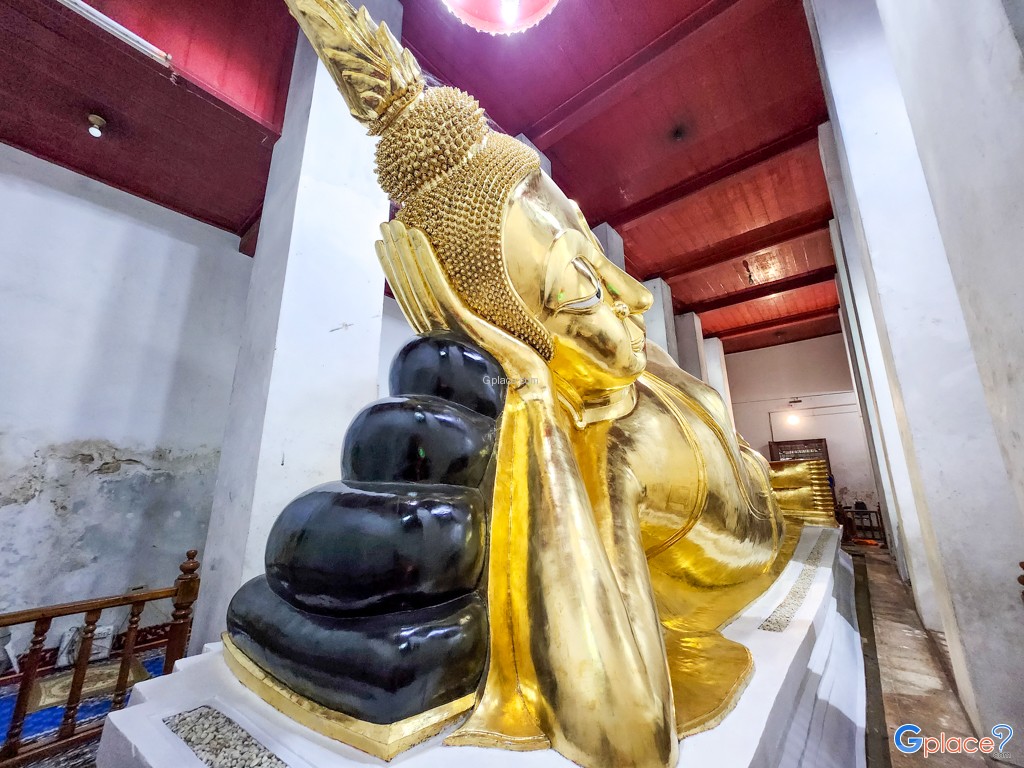
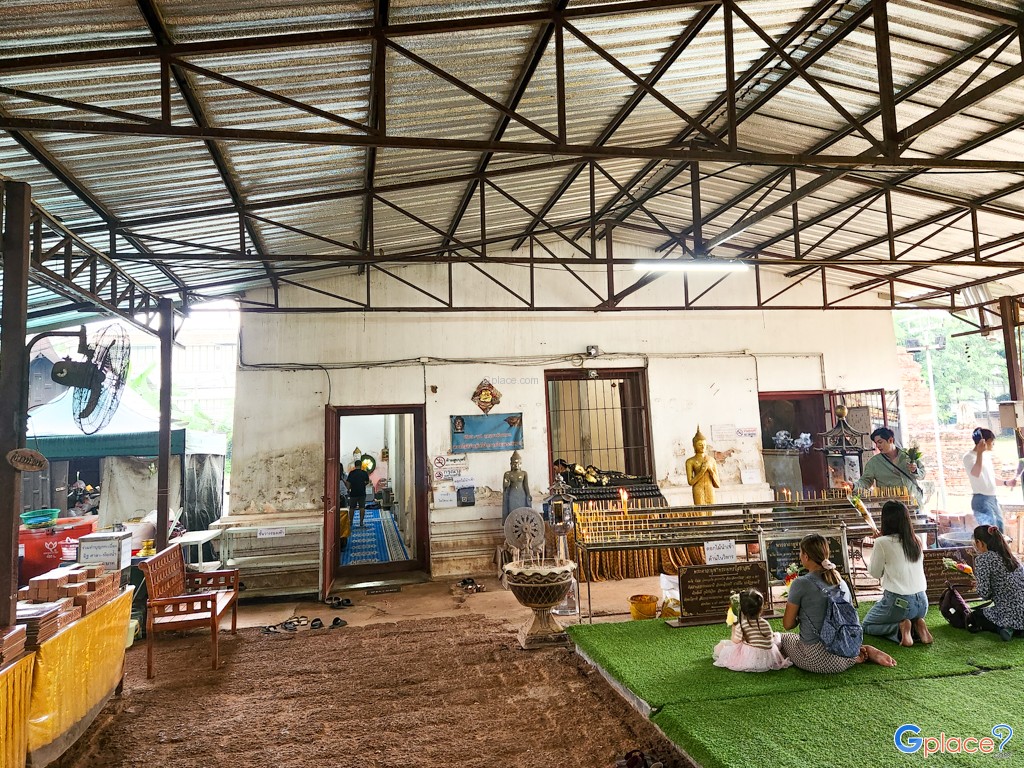
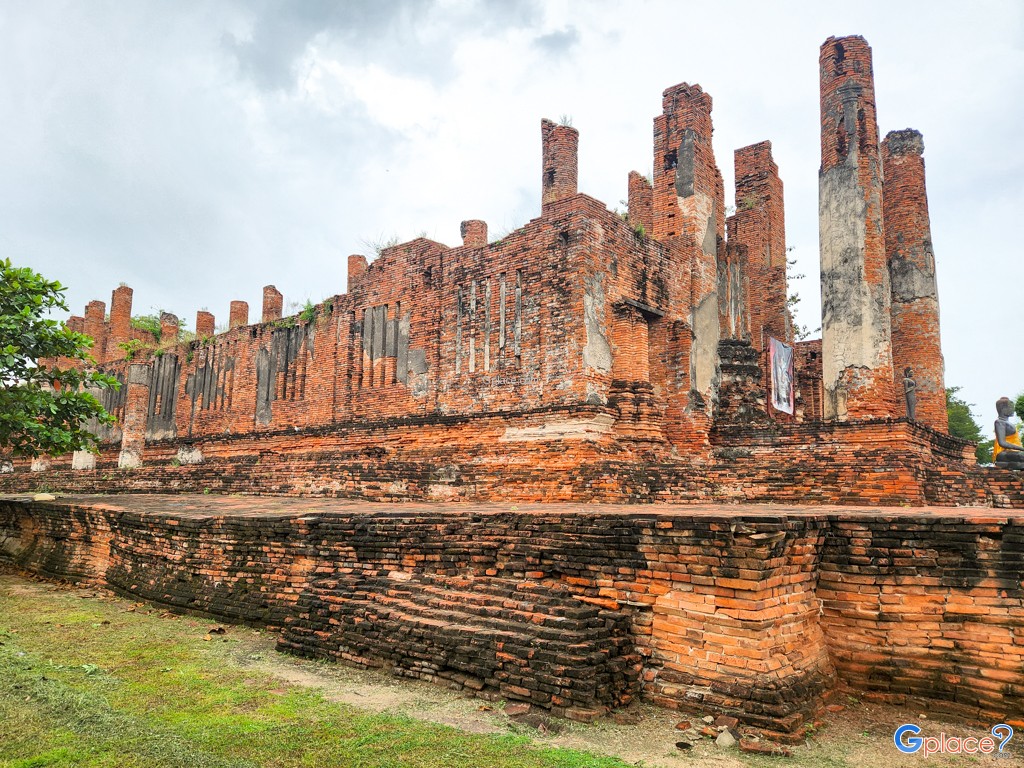
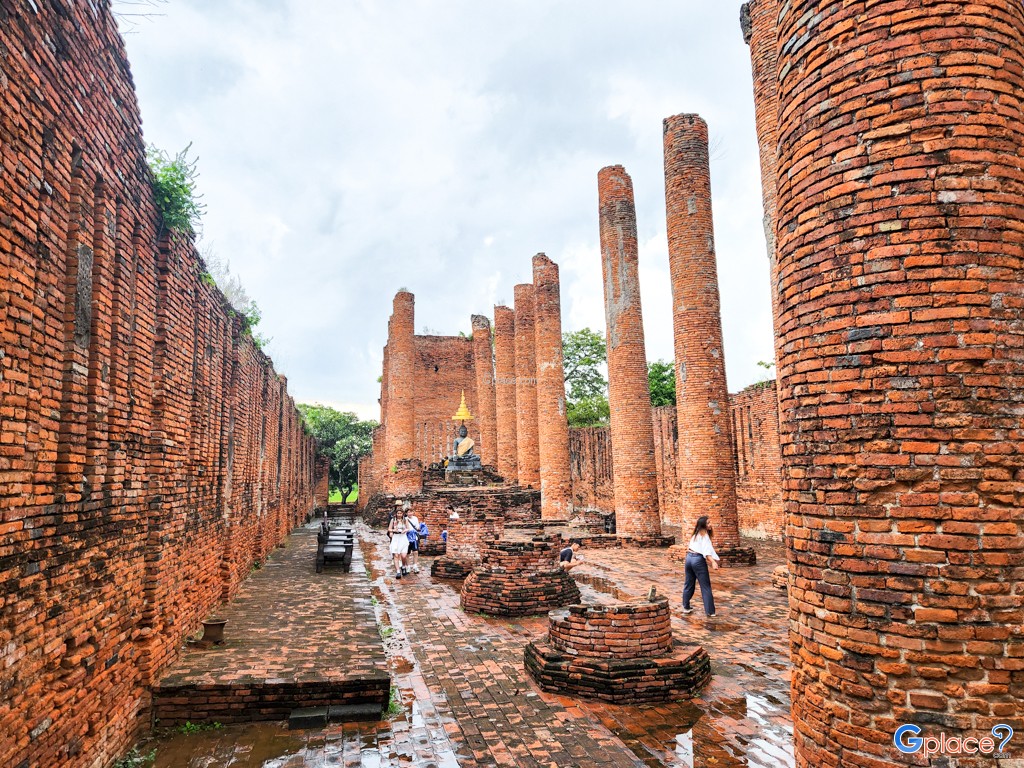
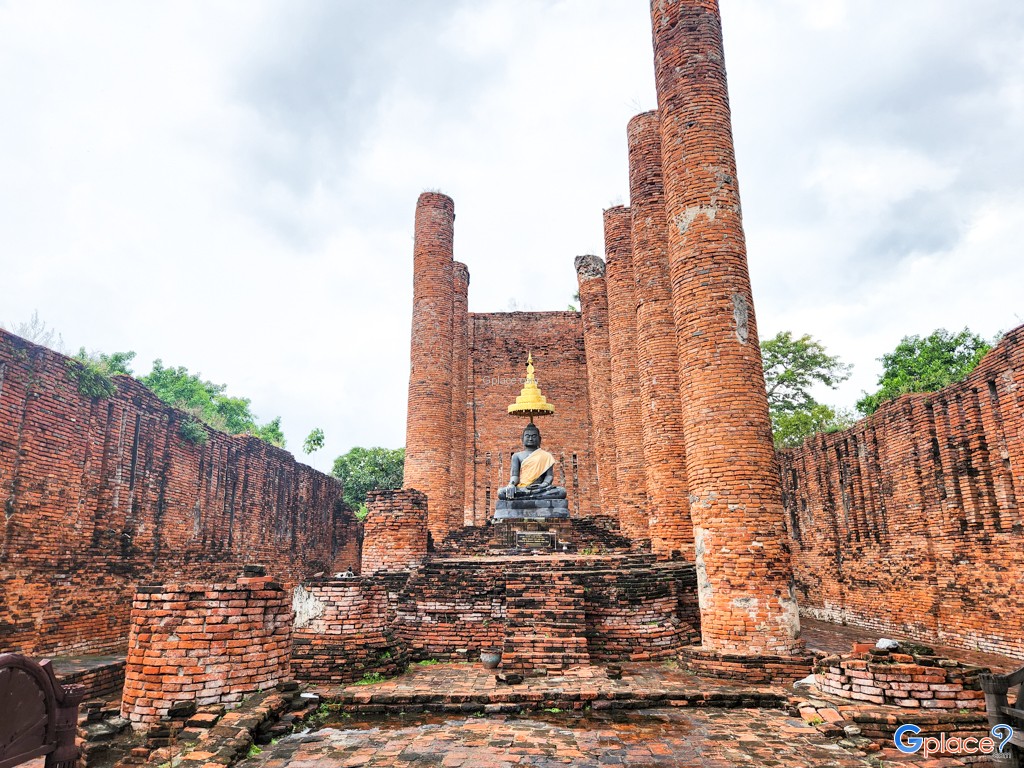
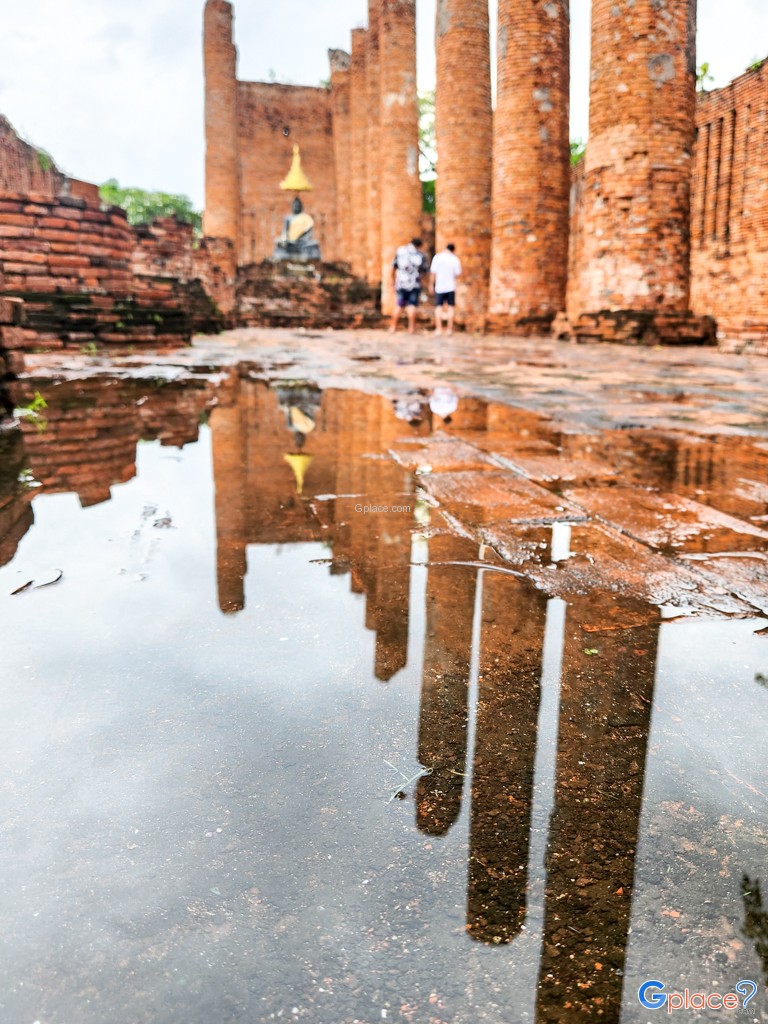
The overall atmosphere of Thammikarat Temple is imbued with a deep sense of serenity and sacredness. Although only large brick columns and ruins remain, these remnants convey the former grandeur of the main hall, which faced the Lopburi River. The site also includes the Reclining Buddha Vihara, where a reclining Buddha image measuring approximately 12 meters in length is enshrined. Local belief holds that paying respect here brings blessings related to health and well-being, allowing the temple to function as both an archaeological site and a living place of devotion.
Thammikarat Temple is also highly regarded by photographers, artists, and admirers of traditional Thai art. The interplay of light and shadow across the ancient brick columns and weathered lion sculptures creates striking visual compositions. Views from the vihara toward the Singha-Lom Chedi framed by large trees are particularly popular, offering inspiration drawn from powerful Buddhist art and architectural details that continue to convey the story of the past.
Visitors are invited to experience the spiritual power and seek auspicious blessings by paying homage to Luang Pho Kae at Thammikarat Temple, a historical jewel of Thailand that continues to preserve the living breath of its glorious past.
How to Get There
Private Car:
- Located on U-Thong Road near the Ancient Palace, with ample parking inside.
Train:
- Get off at Ayutthaya Station and take a "Frog-nose" Tuk-Tuk to the temple.
Rental Bike/Scooter:
- A very convenient stop on the main road around the city island.
Travel Tips
Best Season:
- November - February offers pleasant weather, perfect for exploring the outdoor lion pagoda.
Footwear:
- Sneakers or covered shoes are recommended for walking on brick and soil surfaces.
Photography:
- Late afternoon light hitting the viharn and Buddha head creates a truly mystical photographic effect.
Food & Culture:
- Try the delicious boat noodles and unique Thai desserts available in front of the temple.
Planning:
- Being centrally located, it is easy to combine this visit with nearby Wat Ratchaburana or Wat Phra Si Sanphet.
Admission Fee
-
Local visitors: Free
-
Foreign visitors: Free (Subject to Fine Arts Department updates)
Opening Hours
-
Daily: 08:00 – 16:30
Thammikarat Temple

 Share
Share
 Thammikarat Temple, U-Thong Road, Tha Wasukri, Phra Nakhon Si Ayutthaya, Phra Nakhon Si Ayutthaya, Thailand
Map
Thammikarat Temple, U-Thong Road, Tha Wasukri, Phra Nakhon Si Ayutthaya, Phra Nakhon Si Ayutthaya, Thailand
Map
 Open now : 8.30 - 16.30
Mon8.30 - 16.30
Tue8.30 - 16.30
Wed8.30 - 16.30
Thu8.30 - 16.30
Fri8.30 - 16.30
Sat8.30 - 16.30
Sun8.30 - 16.30



 92
92