 Attractions
  Hotel
Hotel  Restaurant
  Shopping
  Abroad





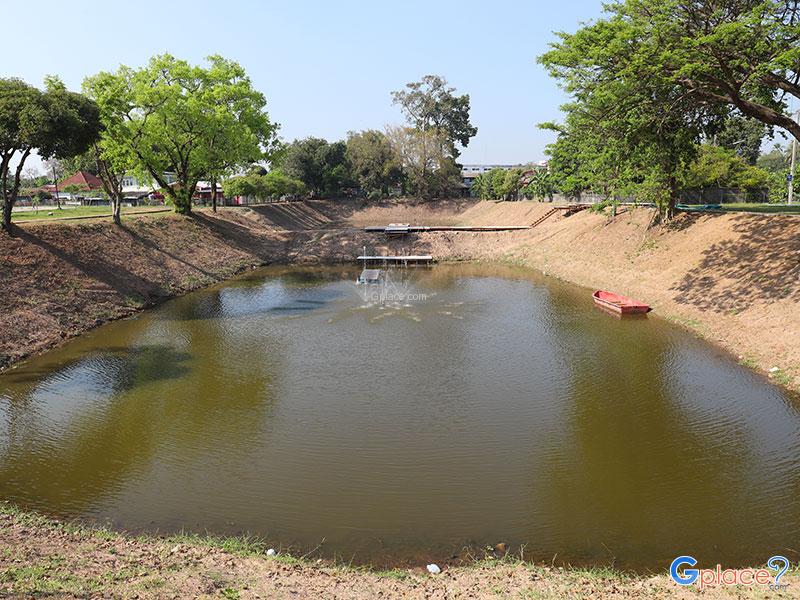

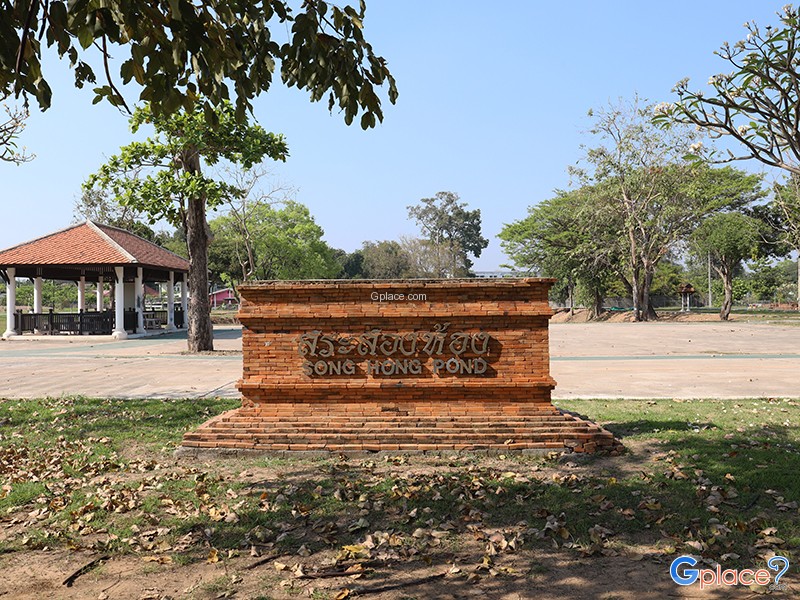
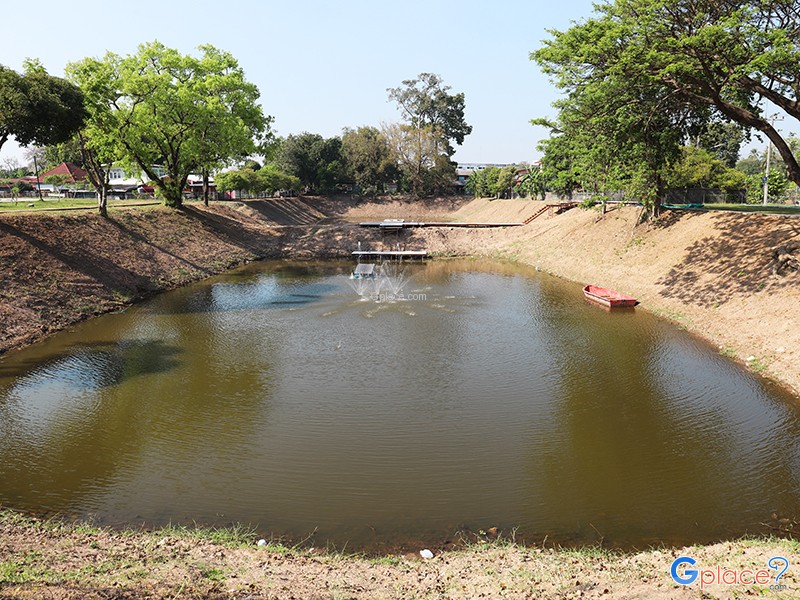
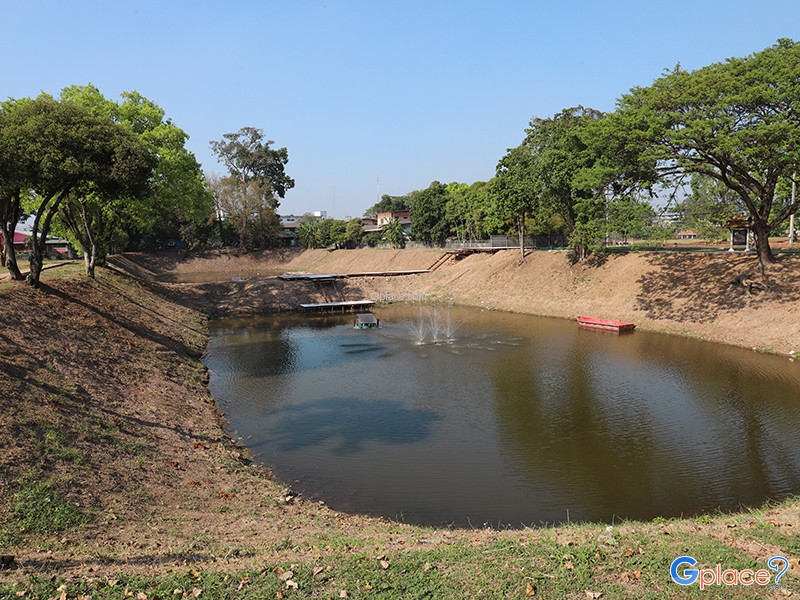
“A large rectangular ancient reservoir featuring a central mound that visually divides the water into two sections, giving rise to the name “Sa Song Hong.” The site reflects the historic landscape of Chan Royal Palace, closely connected with the early life of King Naresuan the Great.”
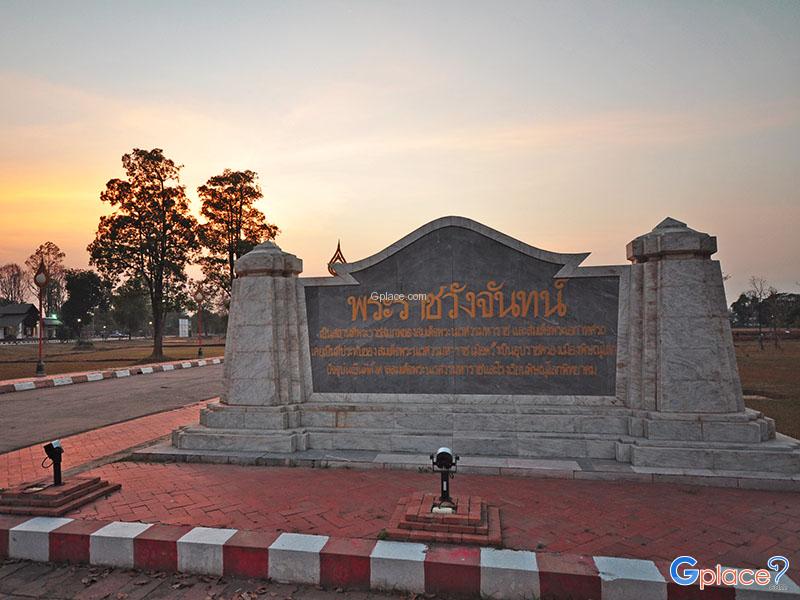
Sa Song Hong is an important historical reservoir associated with the Chan Royal Palace, one of the most significant historical sites in Phitsanulok. The reservoir is located to the west of the palace complex, historically outside the original palace walls, forming part of the surrounding royal landscape during the city's early development.
In the past, the reservoir was known as “Nong Song Hong.” It has the form of a large rectangular pond, with a raised mound or small island situated across the middle of the reservoir. This mound visually divides the water into two sections, making it appear as if there are two connected ponds. This distinctive feature eventually led to the name “Sa Song Hong,” meaning “Two-Chamber Reservoir.”
Historically, the reservoir is believed to have been constructed around the same time as Chan Royal Palace, likely during the late Sukhothai period continuing into the early Ayutthaya period. It may have served as an important water source for the royal residence and was possibly used for ceremonial purposes such as royal bathing rituals or coronation-related ceremonies performed when rulers or royal representatives stayed in Phitsanulok. During that era, Phitsanulok was considered an important royal secondary capital.
Some historical interpretations also suggest that Sa Song Hong might have been a recreational or leisure area for the royal family while residing at Chan Royal Palace. The surrounding area is historically significant because King Naresuan the Great was born within the palace grounds, making nearby locations—including this reservoir—closely linked to the early history of the legendary Siamese king.
For local residents of Phitsanulok, Sa Song Hong is regarded as an important historical site that should be preserved alongside the Chan Royal Palace ruins. It represents evidence of the ancient urban layout and royal environment that once existed in the city historically known as Song Khwae, the old name of Phitsanulok.
At one time, the reservoir area suffered from a lack of maintenance, resulting in deterioration and overgrown vegetation around the banks. However, increasing awareness of its historical value has led to efforts to improve the surrounding landscape so that Sa Song Hong can continue to serve as an educational and cultural heritage site for visitors and future generations.
How to Get There
- By Car: Travel to the Chan Royal Palace Historical Area, located next to King Naresuan Camp in Phitsanulok. Visitors can park at the Chan Royal Palace Historical Center and walk westward within the historical grounds to reach Sa Song Hong Reservoir.
Travel Tips
-
The best time to visit is 08:00–10:00 AM or 04:00–05:30 PM when the weather is cooler and the reflection on the water is most beautiful.
-
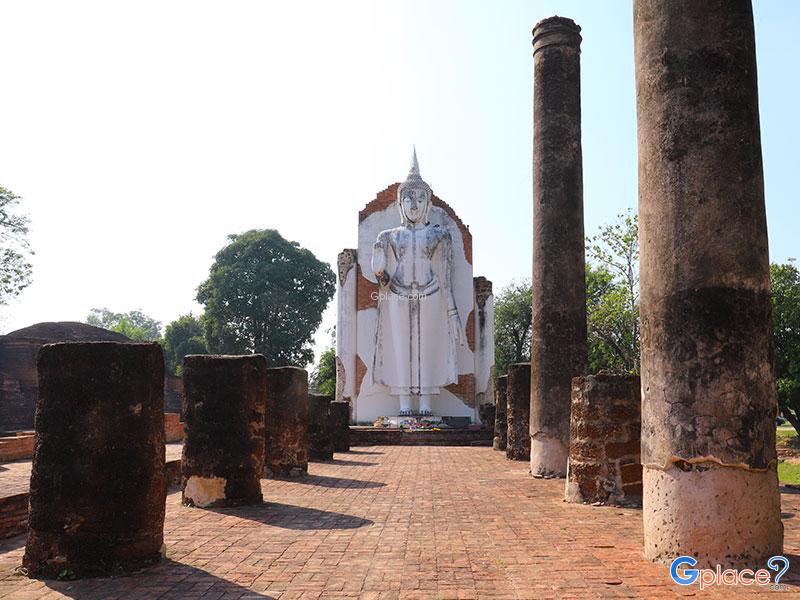
Combine your visit with nearby attractions such as King Naresuan Shrine, Wat Wihan Thong, and the Chan Royal Palace Historical Center.
-
Large trees surrounding the reservoir create a peaceful atmosphere suitable for walking and photography.
-
Learning about the history of Chan Royal Palace beforehand will enhance your understanding of the site.
-
Help preserve the historical environment by keeping the area clean and respecting the heritage site.
Admission Fee:
- Free admission
Opening Hours:
- Open daily 07:00 AM – 06:00 PM
(According to the opening hours of the Chan Royal Palace historical site)
Sa Song Hong Ancient Reservoir

 Share
Share
 Wang Chan Road, Nai Mueang, Mueang Phitsanulok, Phitsanulok 65000
Map
Wang Chan Road, Nai Mueang, Mueang Phitsanulok, Phitsanulok 65000
Map
 Closed today
Mon7.00 - 18.00
Tue7.00 - 18.00
Wed7.00 - 18.00
Thu7.00 - 18.00
Fri7.00 - 18.00
Sat7.00 - 18.00
Sun7.00 - 18.00

 https://www.thai-tour.com/thai-tour/north/pitsanulok/data/place/pic_srasonghong.html

 2506
2506