 Attractions
  Hotel
Hotel  Restaurant
  Shopping
  Abroad





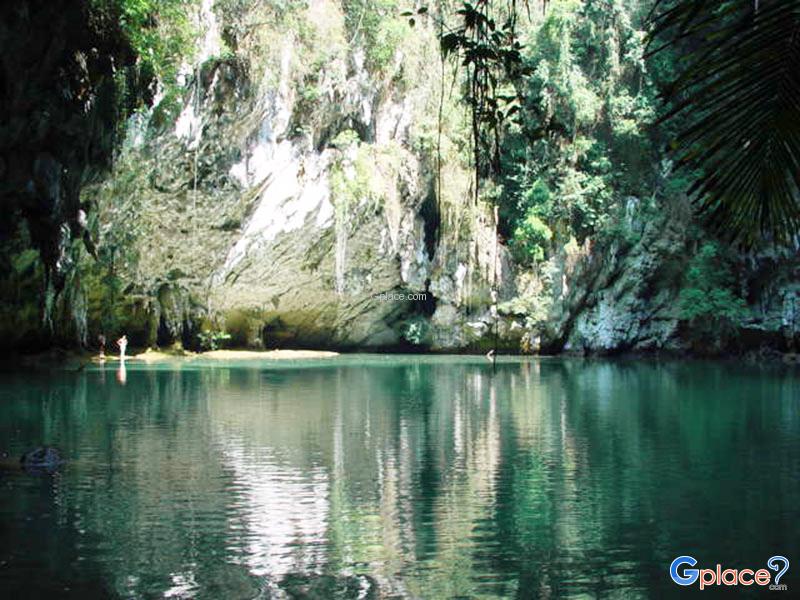

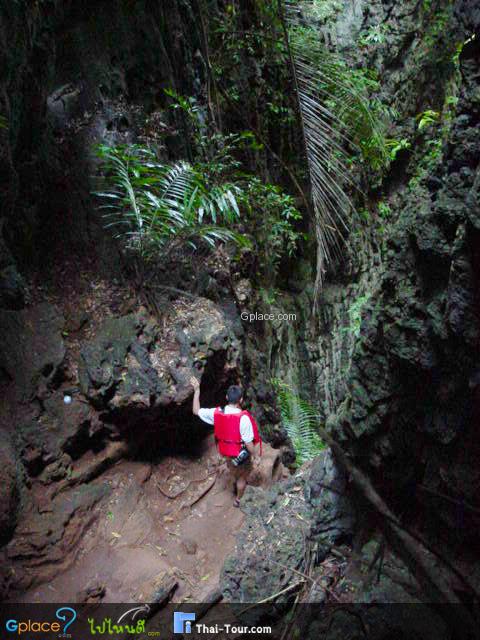
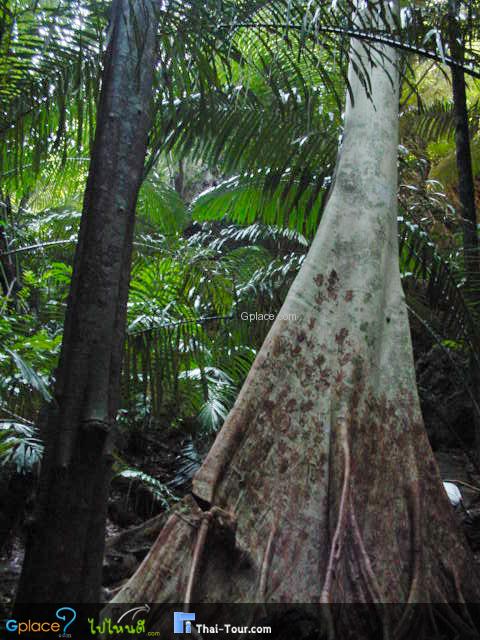
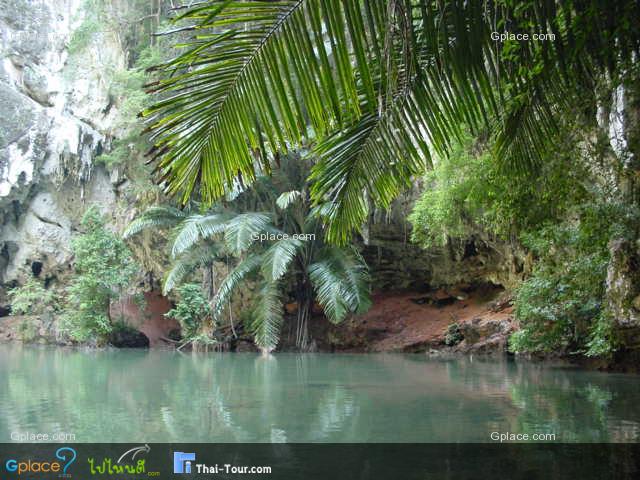
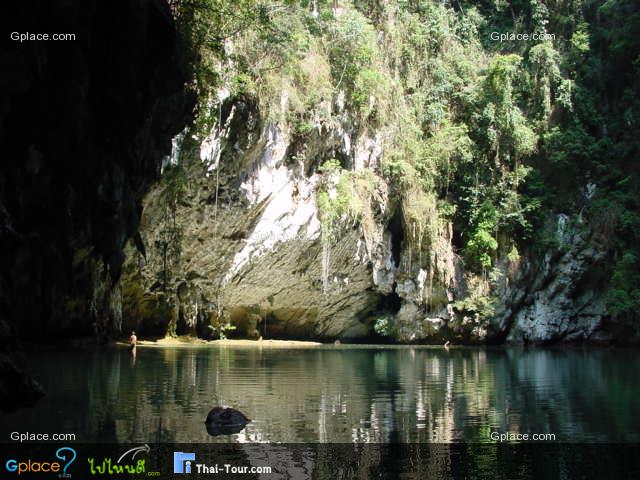
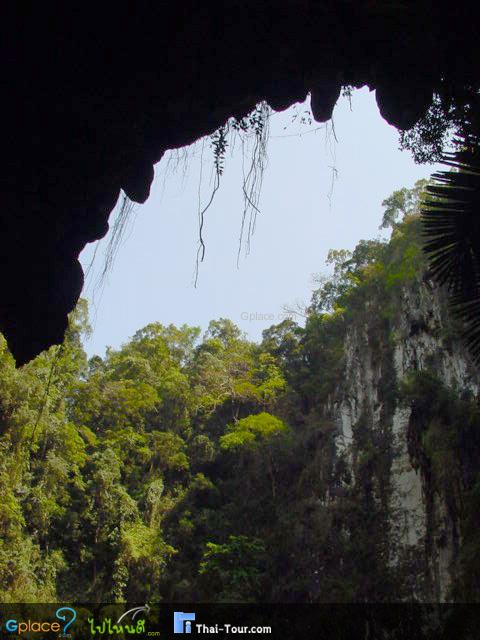
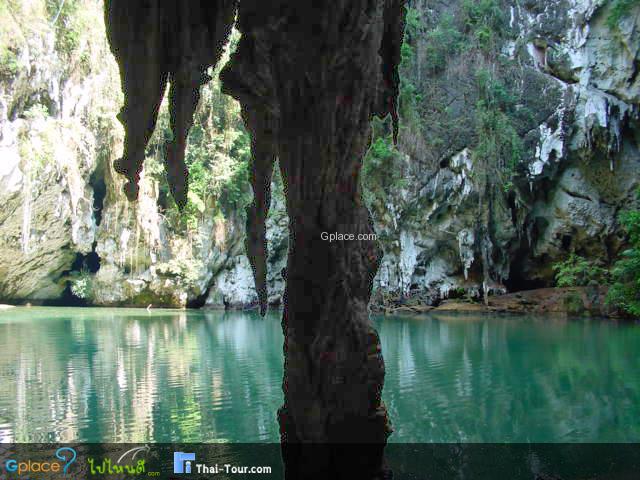
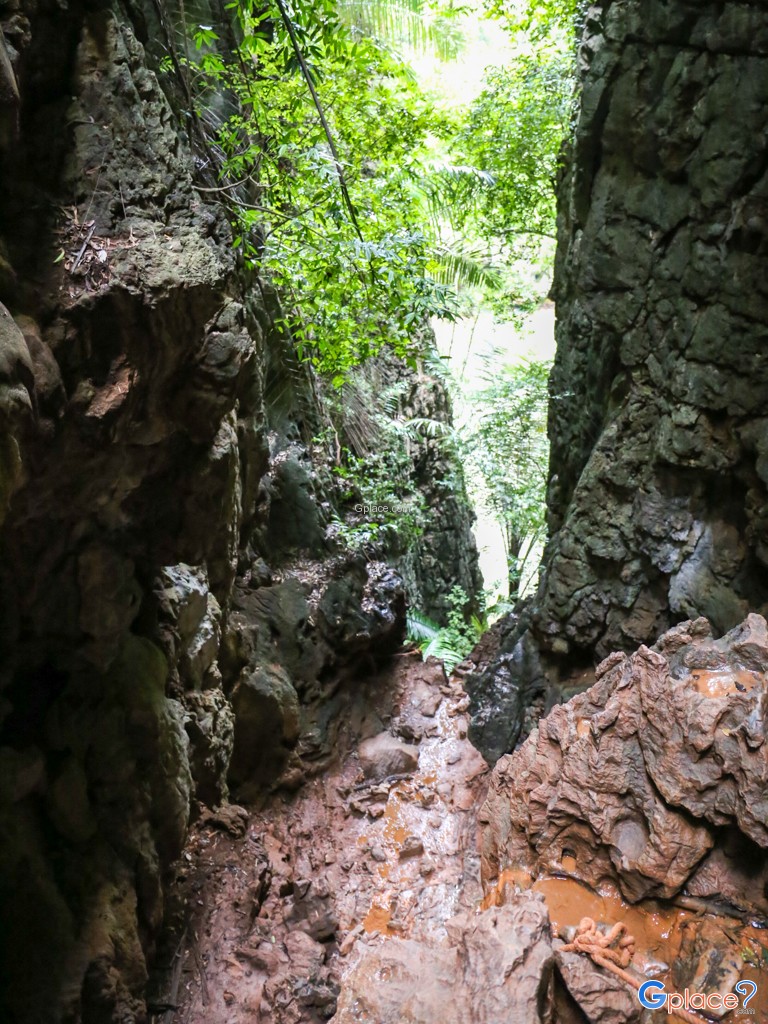
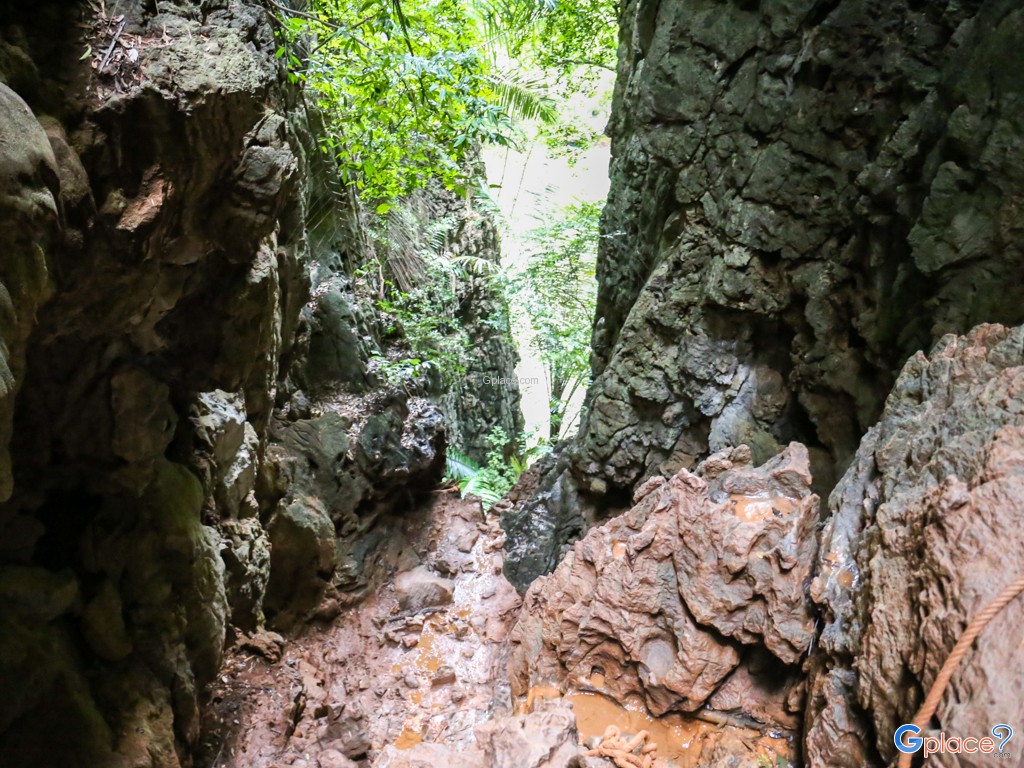
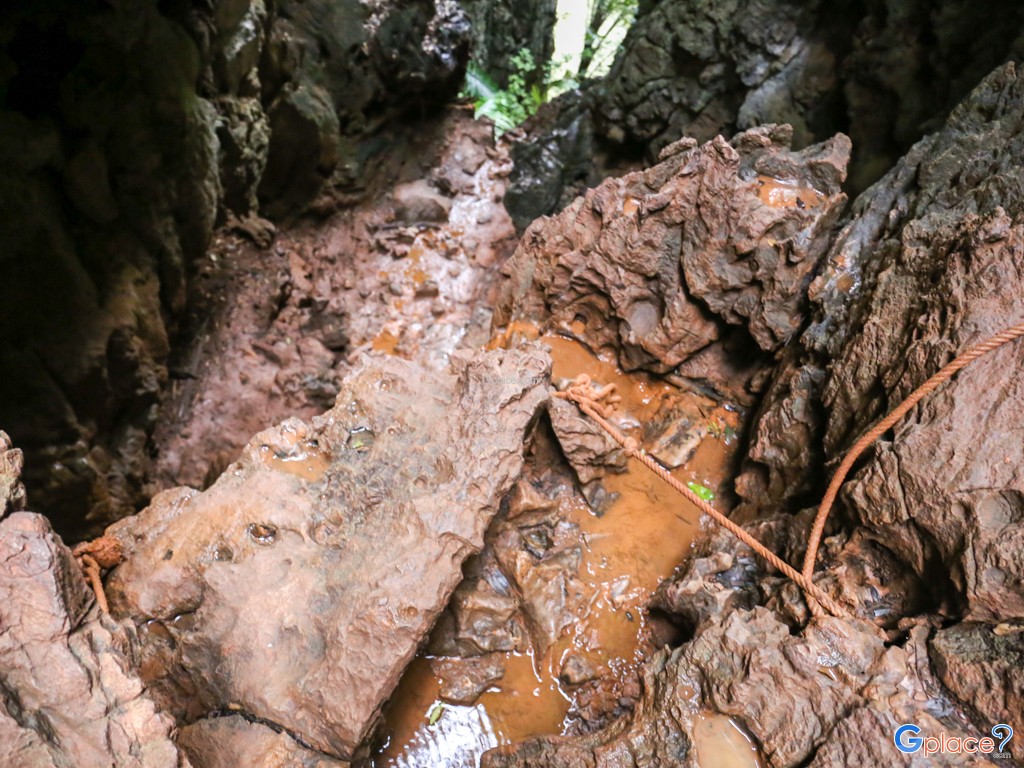
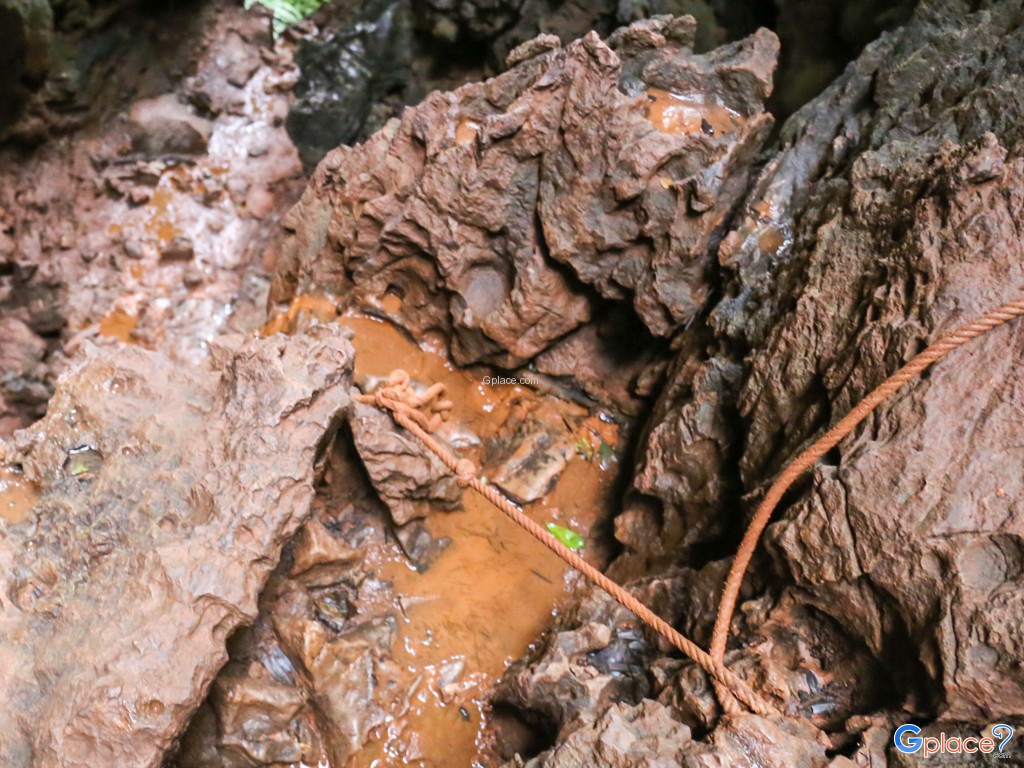
“Challenge your limits by climbing through an adventurous limestone and tree-root trail to discover Railay Lagoon, a mysterious emerald-green pool hidden quietly within a towering valley.”
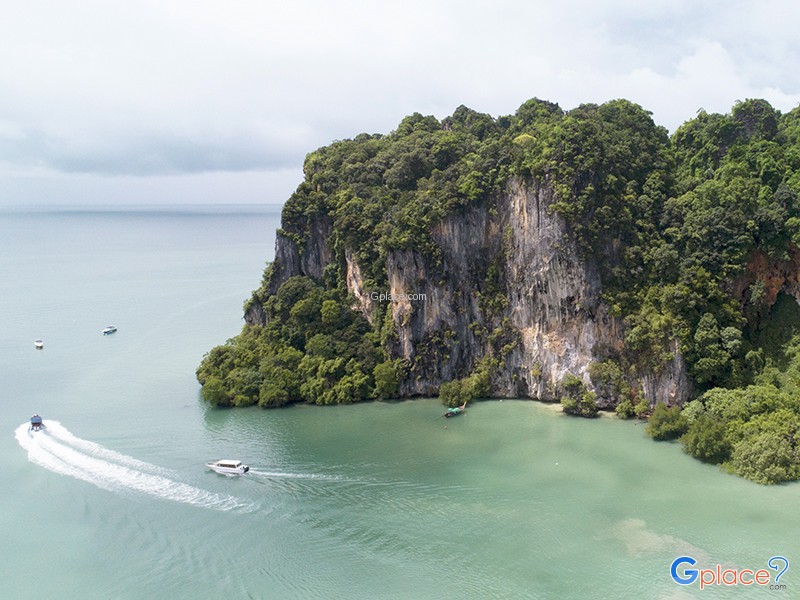
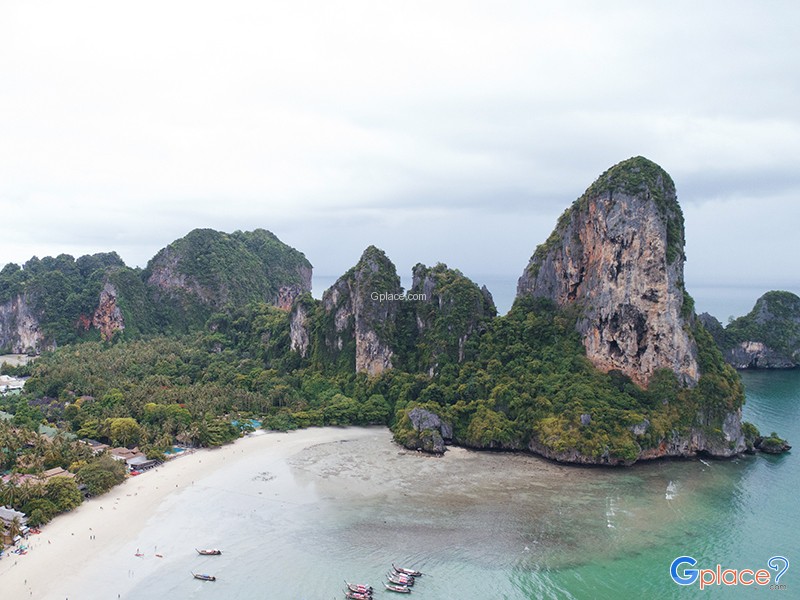
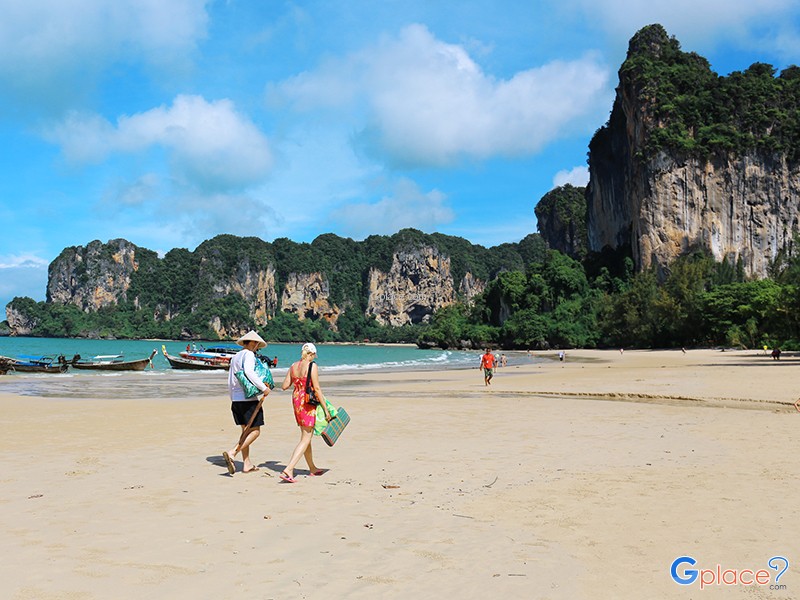
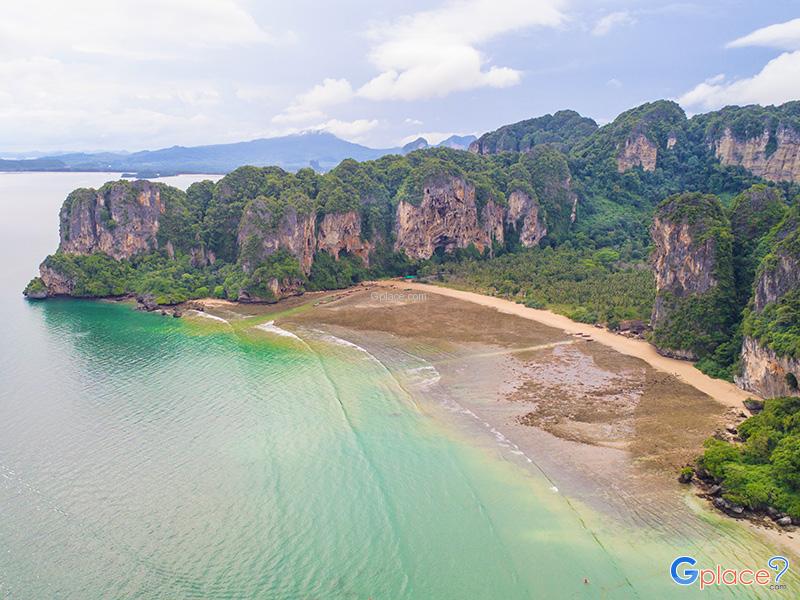
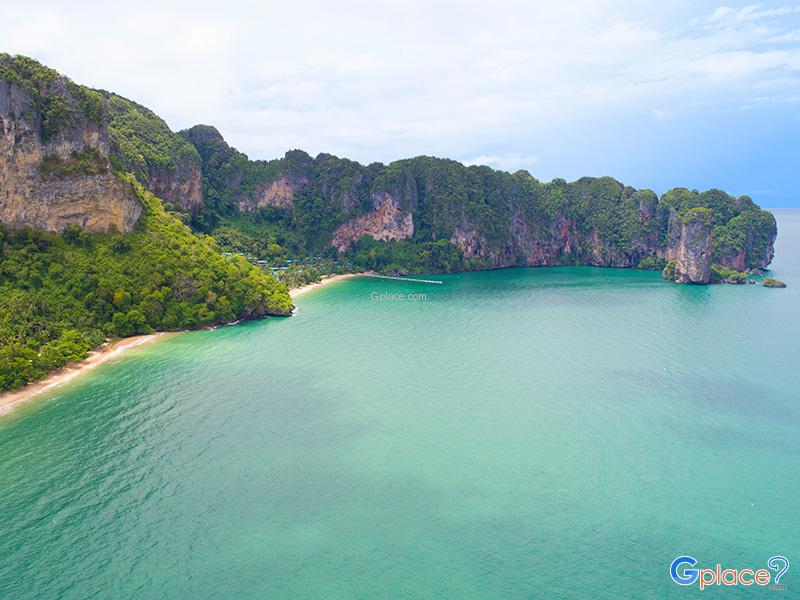
Railay Lagoon, known among Thai travelers as Phra Nang Lagoon, is one of the hidden gems and most adventurous unseen attractions on the Railay Peninsula. While most visitors come to Railay for beach relaxation or cliff climbing, Railay Lagoon offers the charm of another world concealed behind limestone cliffs. The most memorable feature of this destination is its mystery and complete isolation from the outside world. The lagoon appears as a circular pool surrounded by steep cliffs on all sides, resembling a private natural swimming pool protected within the heart of the mountains.
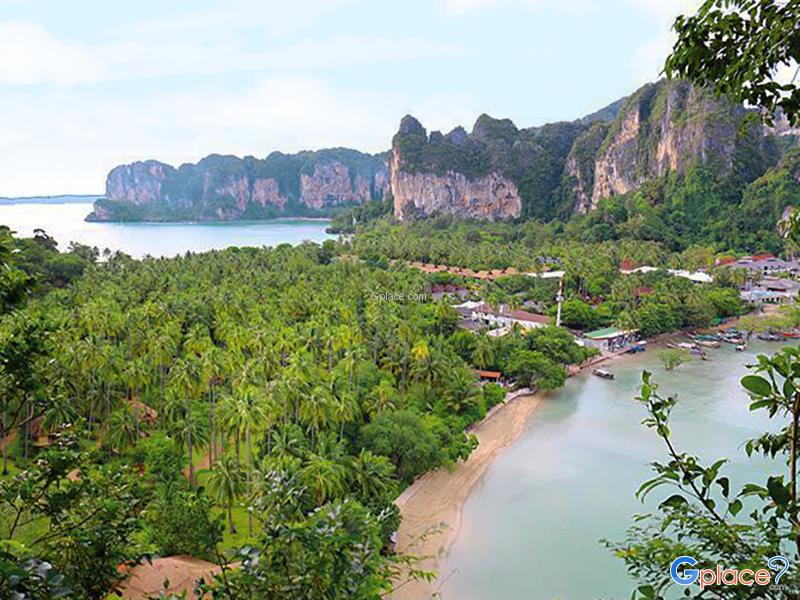
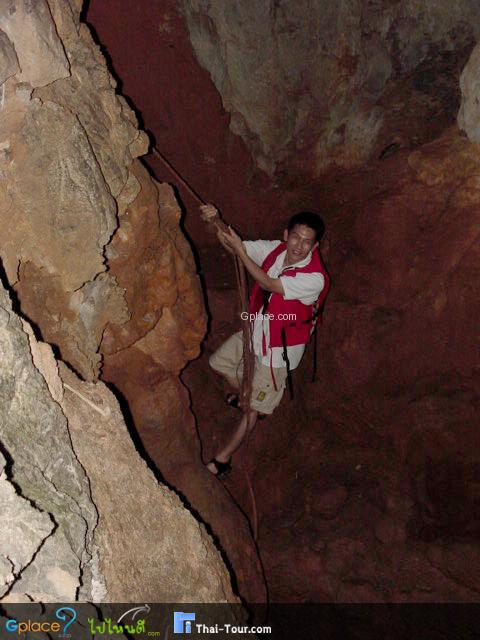
The highlight and adventure of Railay Lagoon begins with its challenging trekking route. The path leading to the lagoon is not an easy walk. It starts with a steep climb over slippery red soil and tree roots at the junction between East Railay and Phra Nang Beach. Visitors must use both arm and leg strength to hold ropes, climb limestone cliffs, and descend into the valley below. Along the way, hikers pass the Railay Viewpoint, which offers impressive views of both East Railay and West Railay side by side. From there, the trail continues down through rugged rocks into the lagoon below. The water inside Railay Lagoon changes color depending on sunlight and tidal conditions. At certain times it appears as a clear jade-green pool, while at other times it recedes, revealing sandy ground alongside the roots of hillside vegetation.
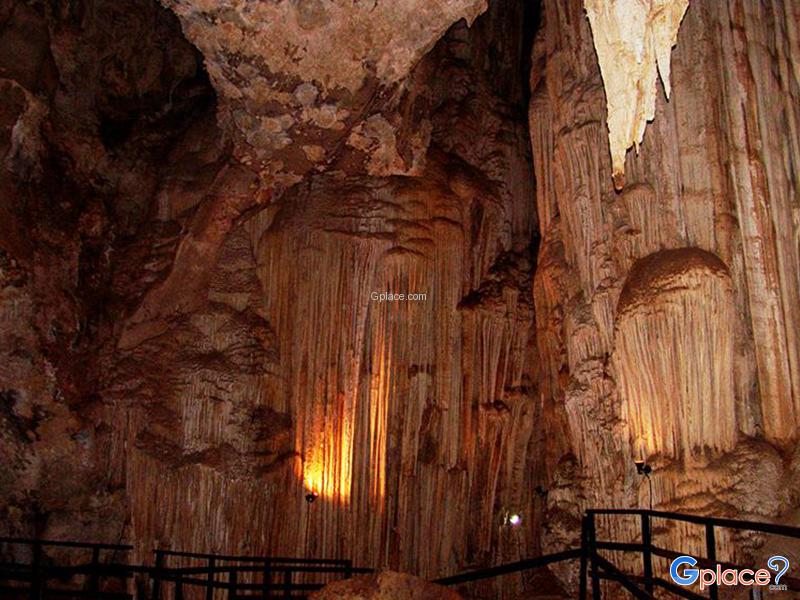
The beauty of Railay Lagoon is not about comfort but about achievement and tranquility. The atmosphere inside the lagoon is cool and humid, filled with the moisture of tropical rainforest and the sound of water droplets falling from stalactites along the cliffs. Standing in the middle of this vast natural rock chamber allows visitors to appreciate how small humans are compared to the age and power of nature. Visiting Railay Lagoon is therefore an ultimate adventure experience on the Railay Peninsula, offering sweat, excitement, and unforgettable memories for every adventurous traveler.
How to Get There
- Private Car: There is no road access to the Railay Peninsula from the mainland. Drive to Ao Nang Pier, Noppharat Thara Pier, or Ao Nam Mao Pier, where parking facilities are available, and then take a longtail boat to Railay.
- Public Transportation: Take a local songthaew from Krabi Town to Ao Nang or Ao Nam Mao Pier, then purchase a longtail boat ticket to Railay.
- Boat Transfer and Access to the Climbing Point: Take a longtail boat to East Railay Beach or Phra Nang Beach. Walk along the connecting trail between the two beaches, where the entrance to the lagoon trail is located at the foot of the hill. Warning signs and climbing ropes are clearly provided.
Travel Tips
- It is recommended to check the tide schedule before visiting. The best time is during a medium tide when the lagoon is filled with beautiful emerald-green water. During very low tide, it becomes a muddy basin, while very high tide can be dangerous and leave no standing area. Start the climb in the morning to avoid darkness.
- Recommended activities include climbing and trekking through muddy natural trails, stopping at the Railay Viewpoint for photographs, and viewing the hidden lagoon within the valley.
- This route is very dangerous and slippery. It is not suitable for children, elderly visitors, or those with knee problems. Proper hiking shoes or sneakers with excellent grip are required (flip-flops should never be worn). Wear clothing suitable for getting dirty with red mud, carry drinking water, and use a dry bag backpack to keep your hands free for climbing ropes.
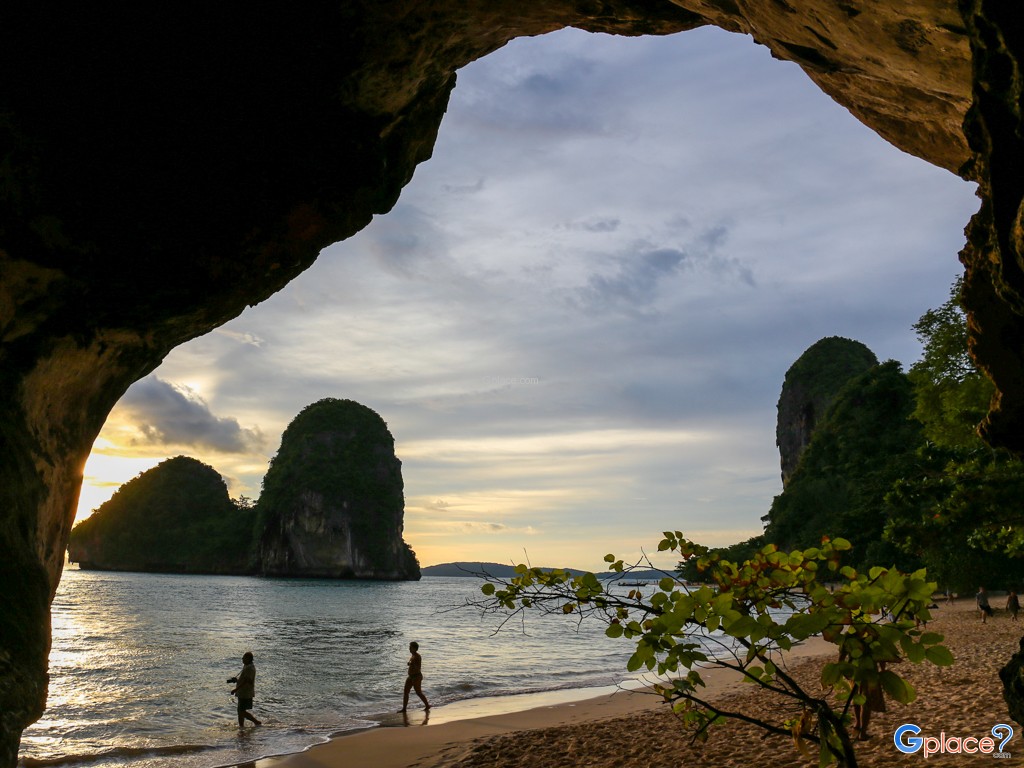
- Nearby attractions include Phra Nang Cave, West Railay Beach, and the East Railay rock-climbing area.
Entrance Fee:
- No entrance fee.
Opening Hours:
- Open 24 hours (however, visitors are strongly advised and recommended to visit only during daylight hours between 08:30 AM – 04:00 PM. Climbing during rain or poor visibility is strictly prohibited due to life-threatening risks).
Railay Lagoon

 Share
Share
 Railay Peninsula, T. Sai Thai, A. Mueang, Krabi 81000
Map
Railay Peninsula, T. Sai Thai, A. Mueang, Krabi 81000
Map
 Open now



 3
3