 Attractions
  Hotel
Hotel  Restaurant
  Shopping
  Abroad





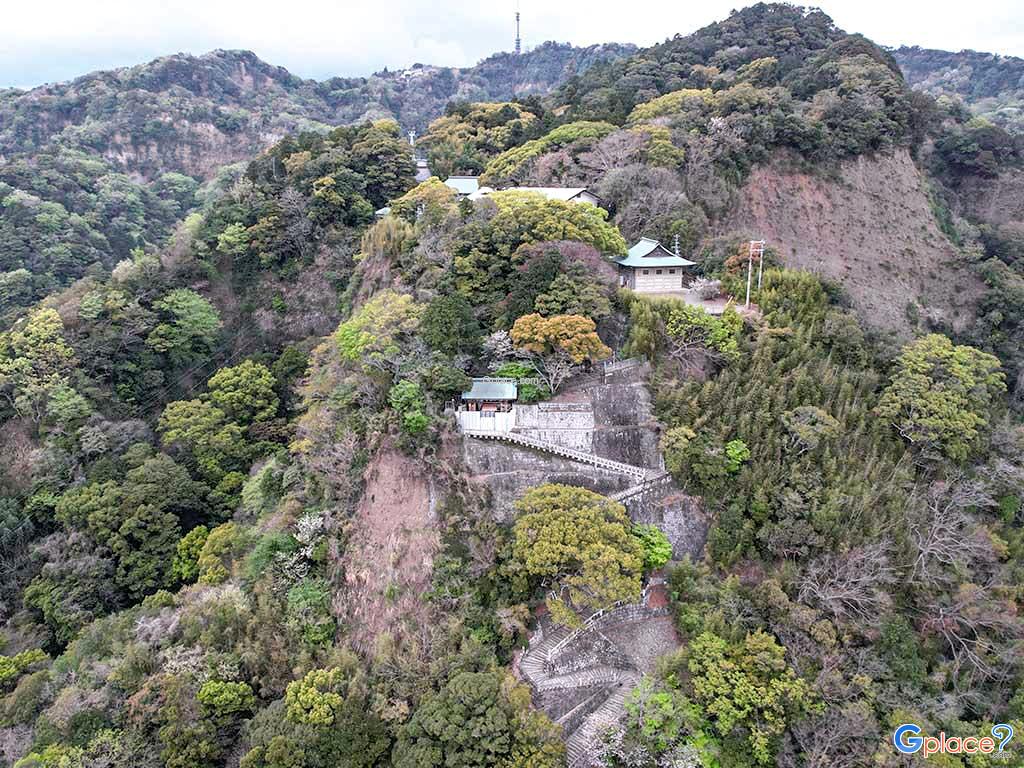

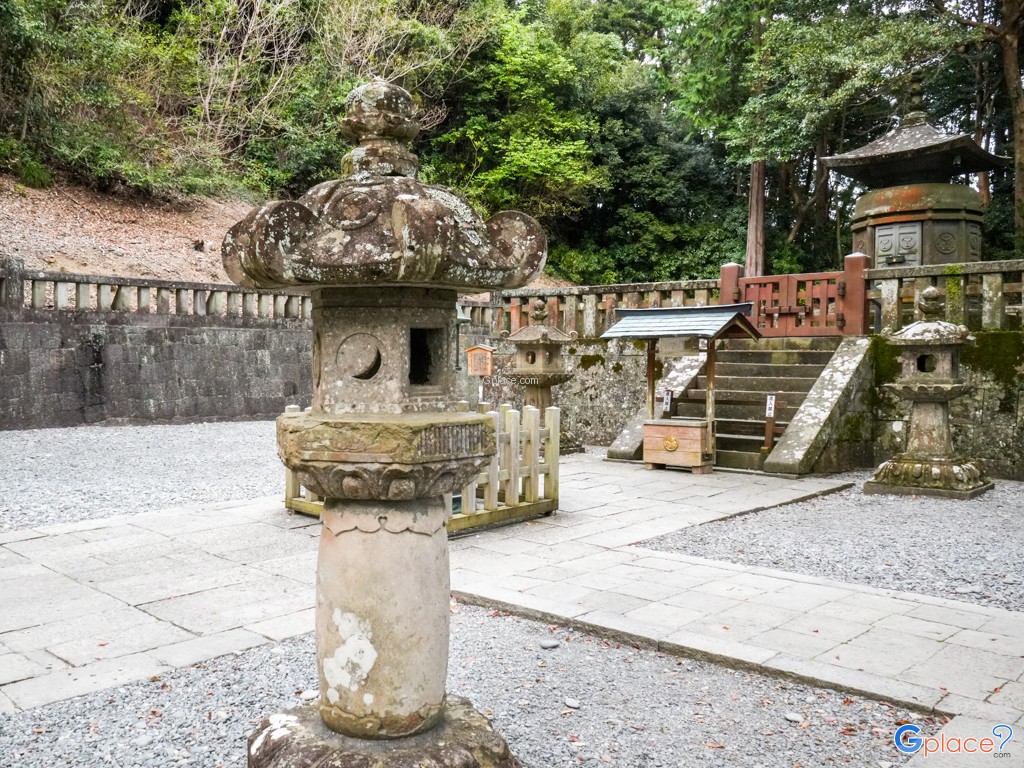
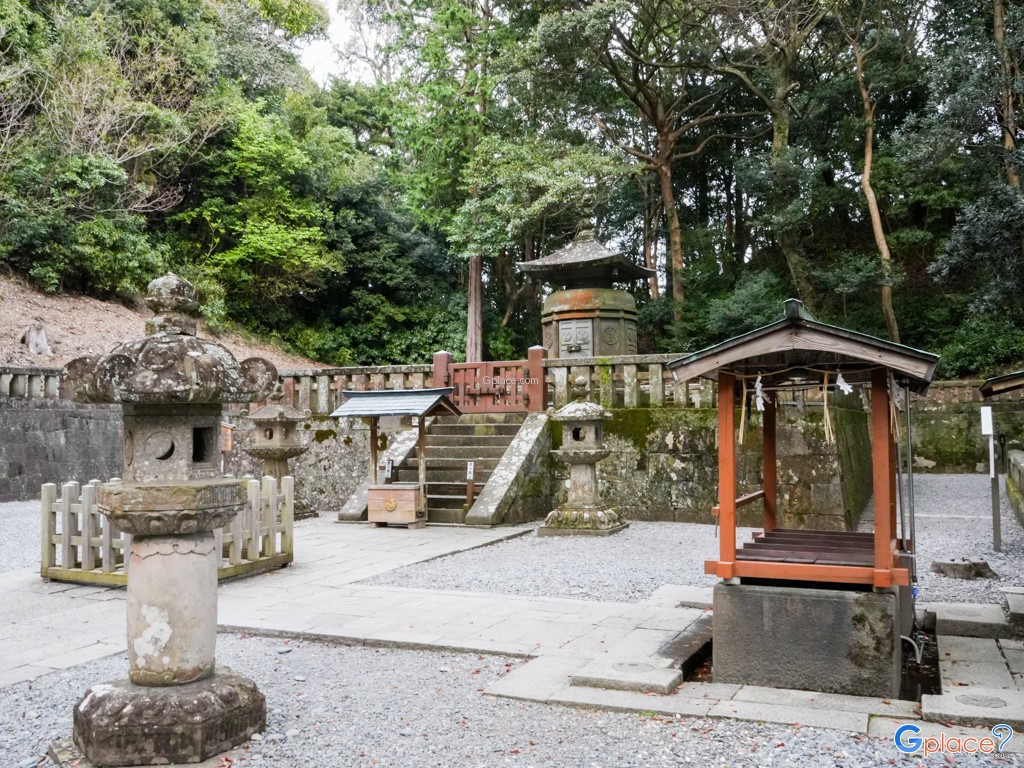
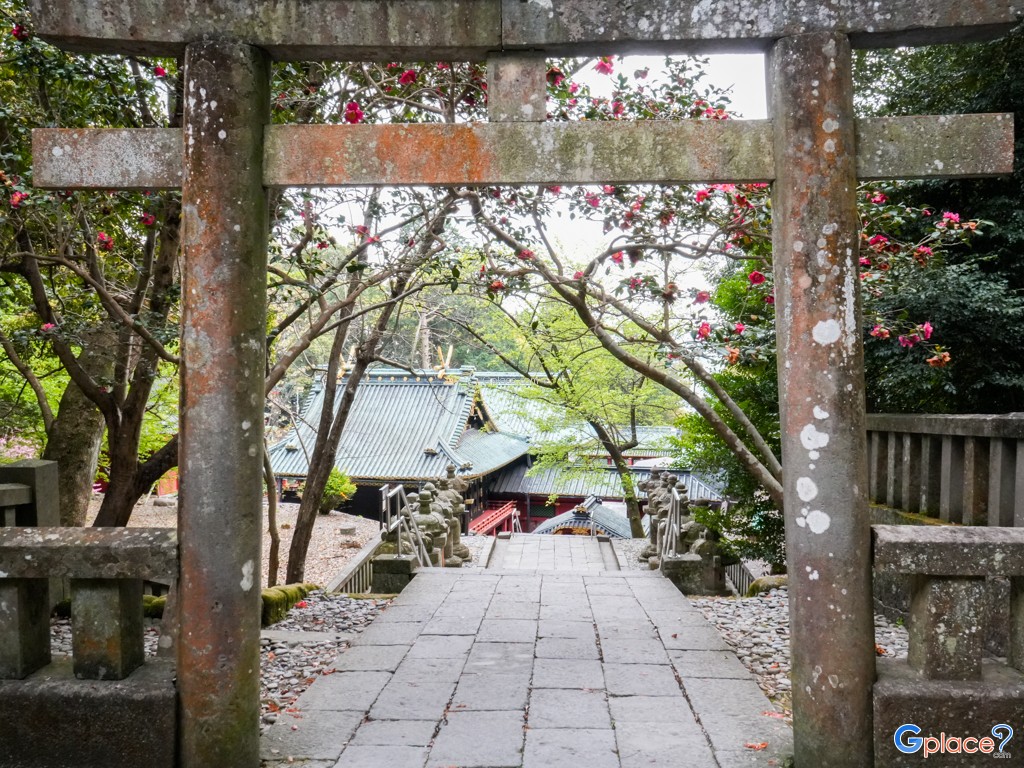
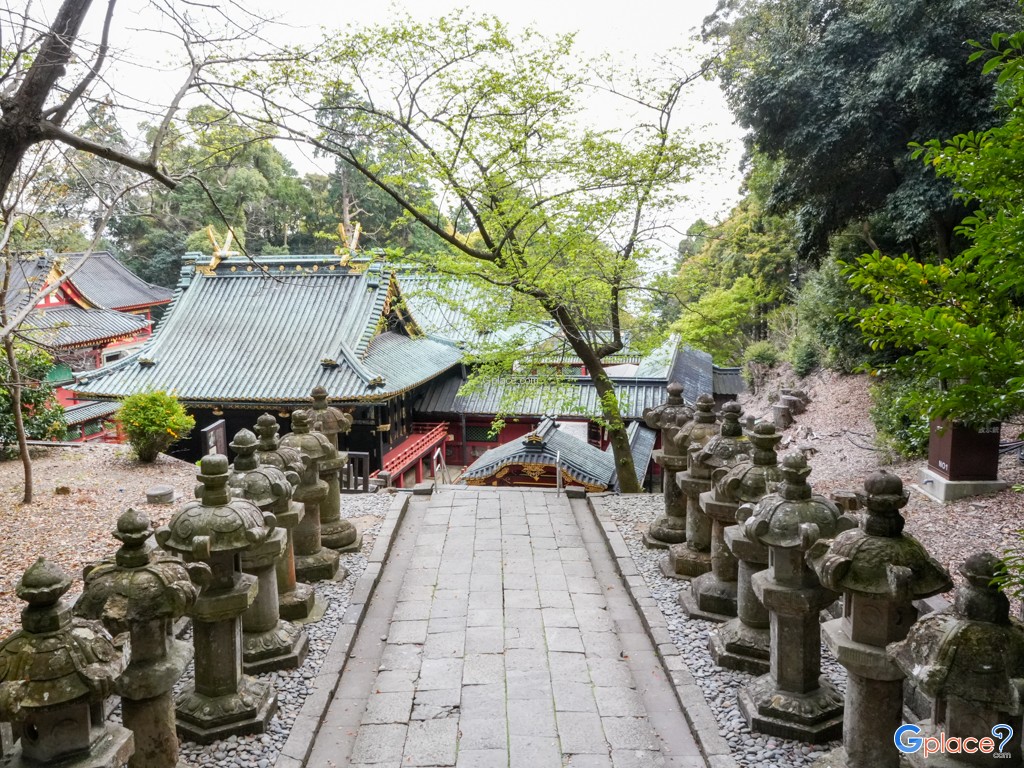
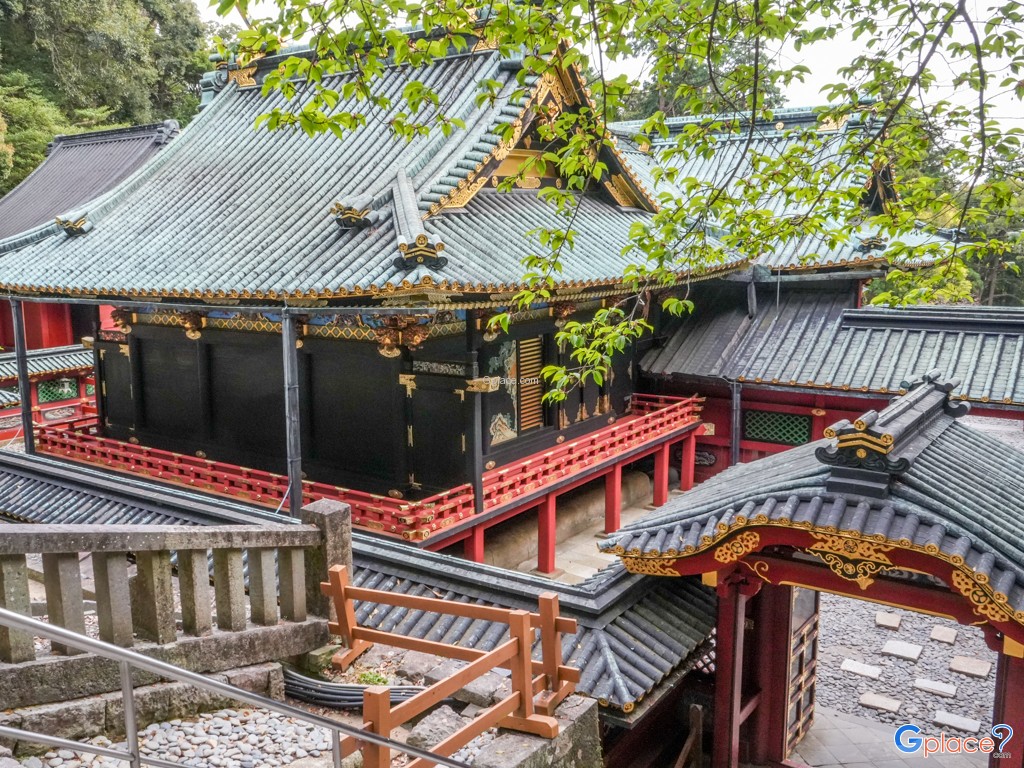
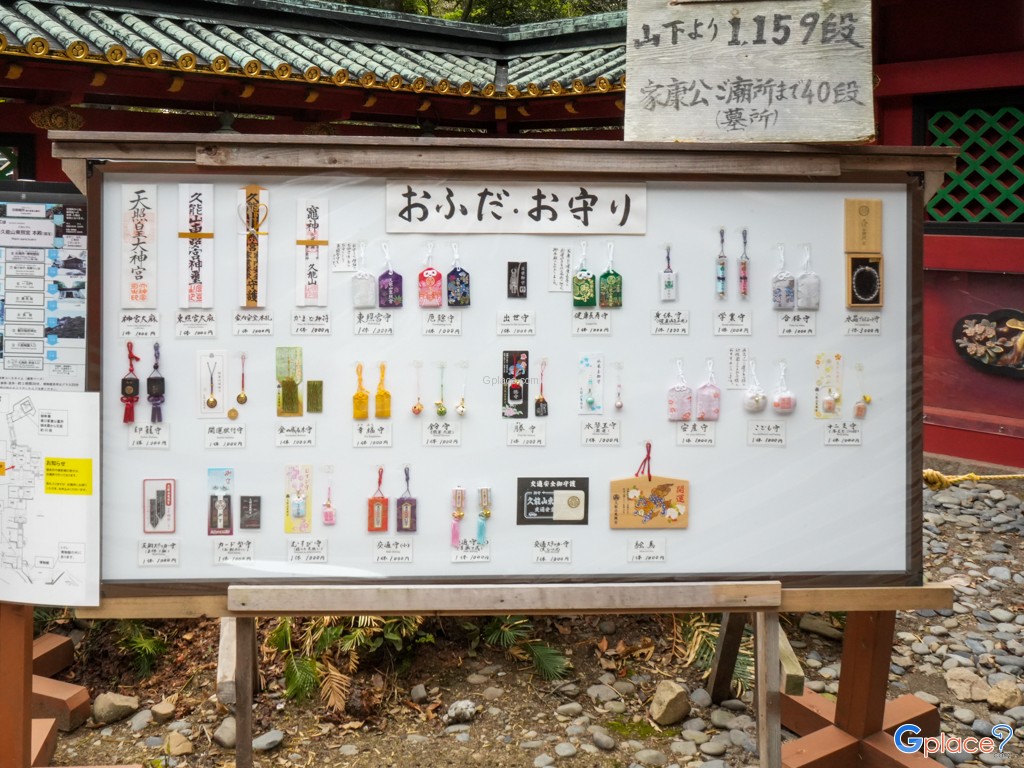
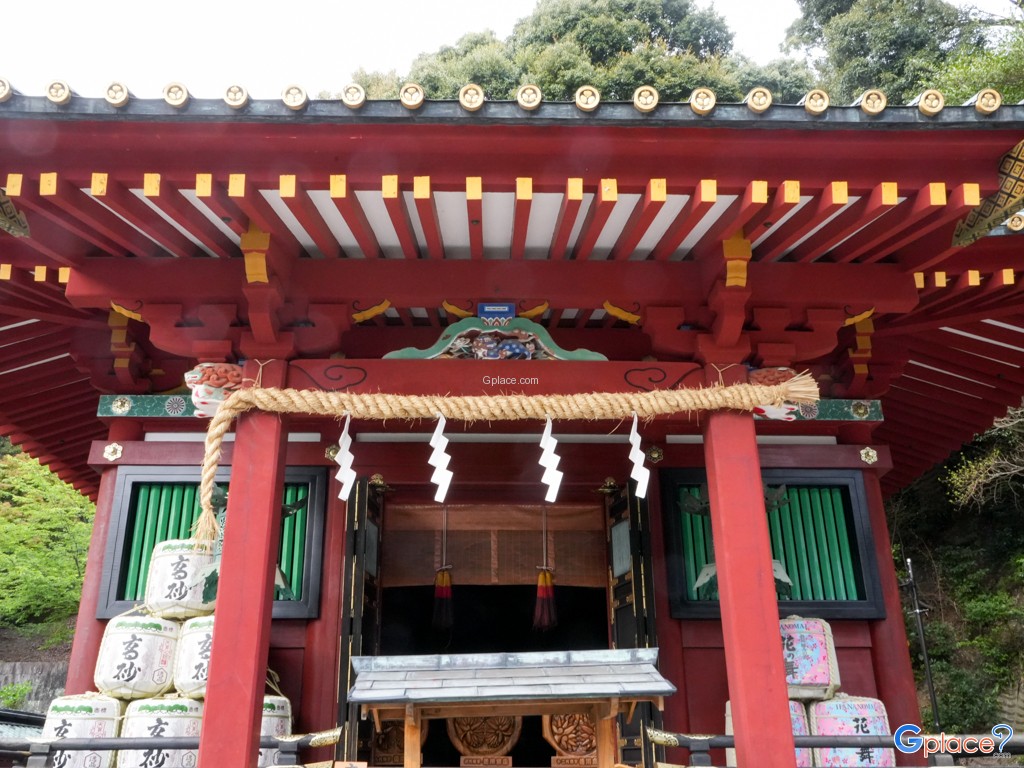
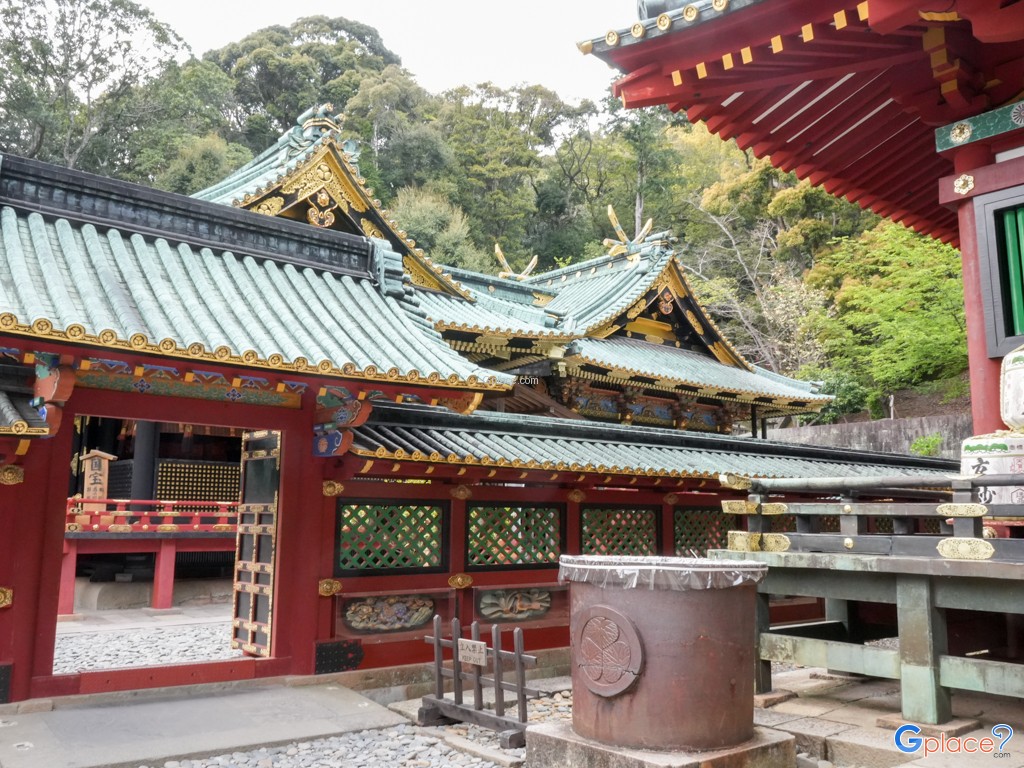
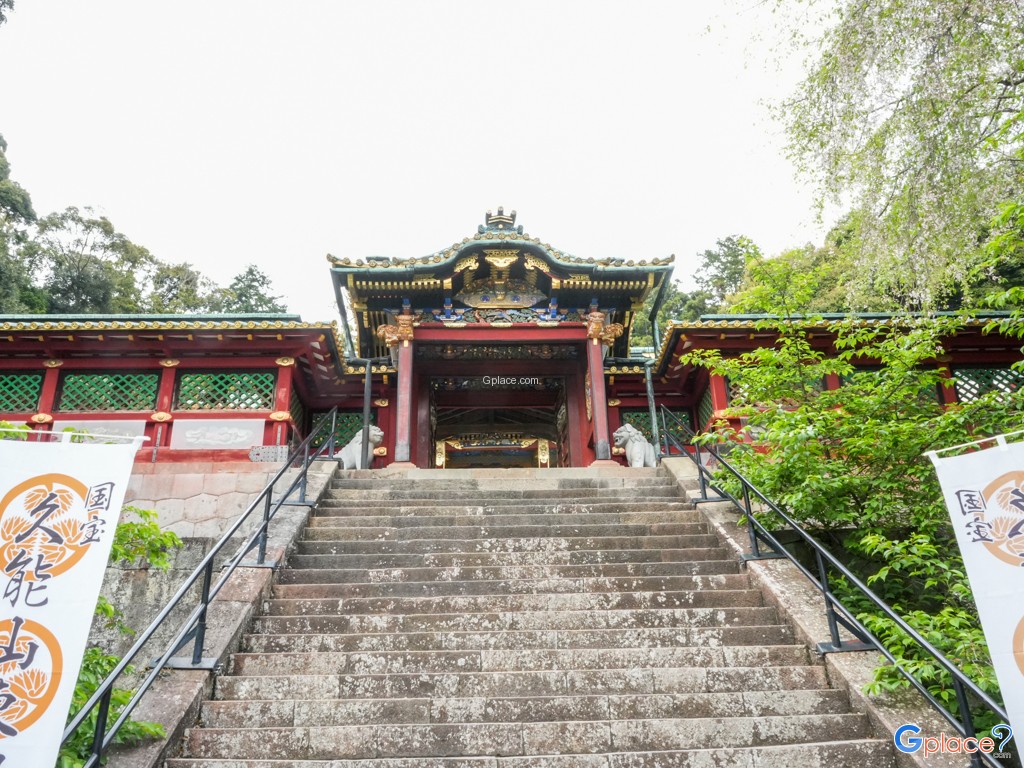
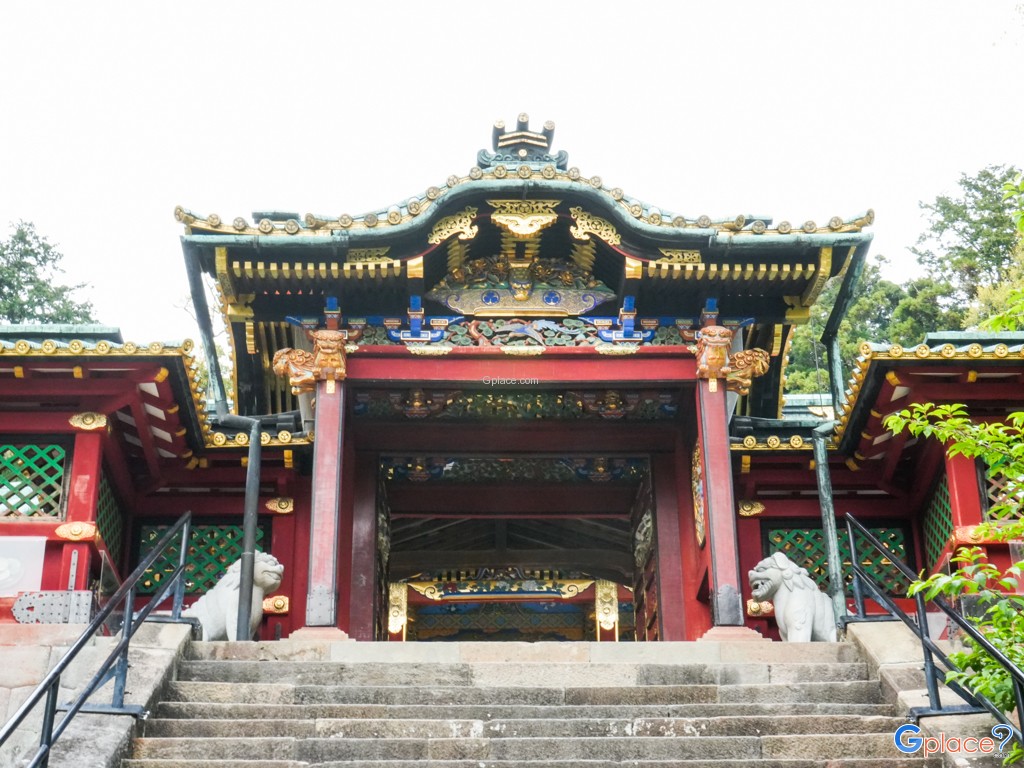
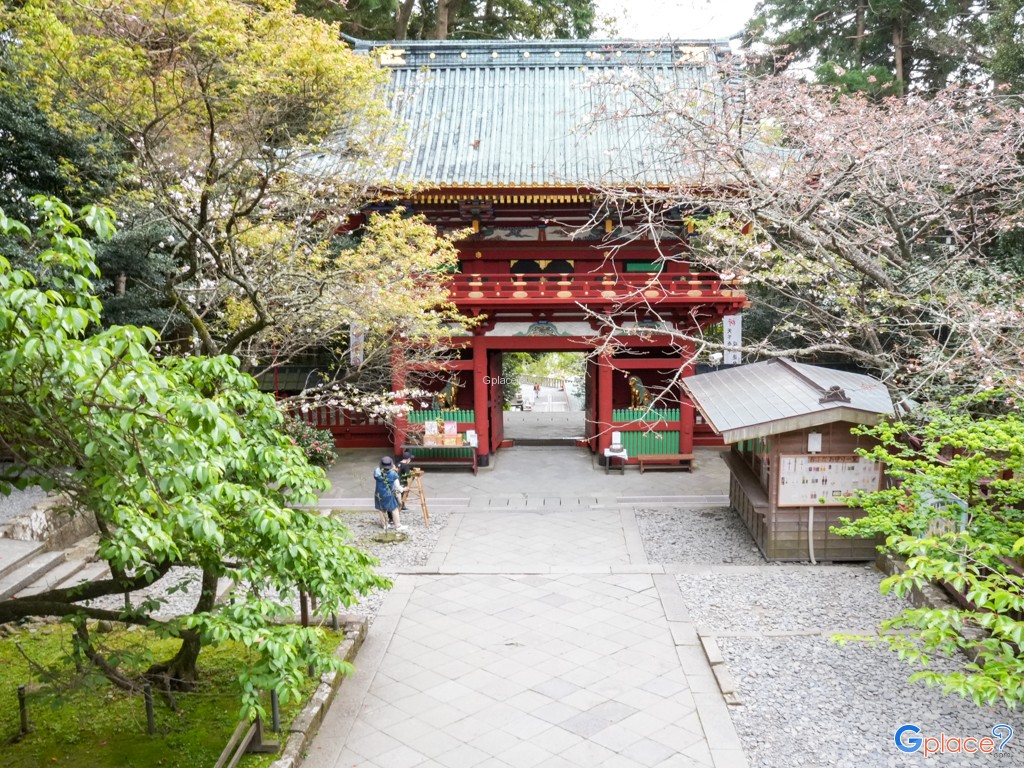

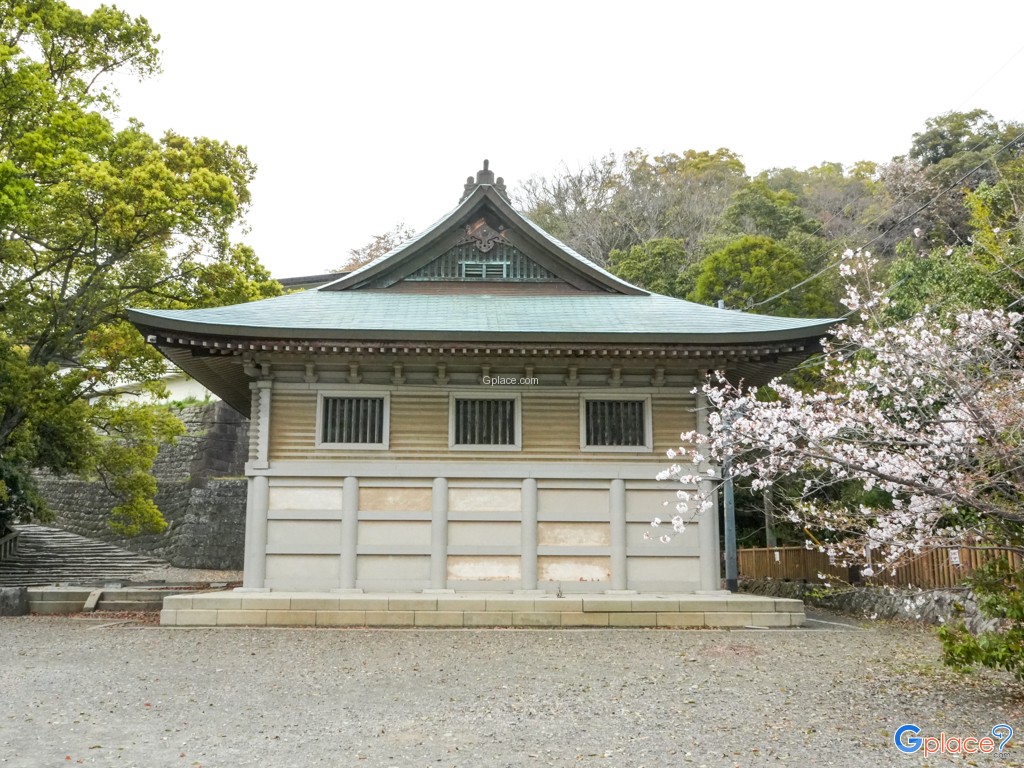
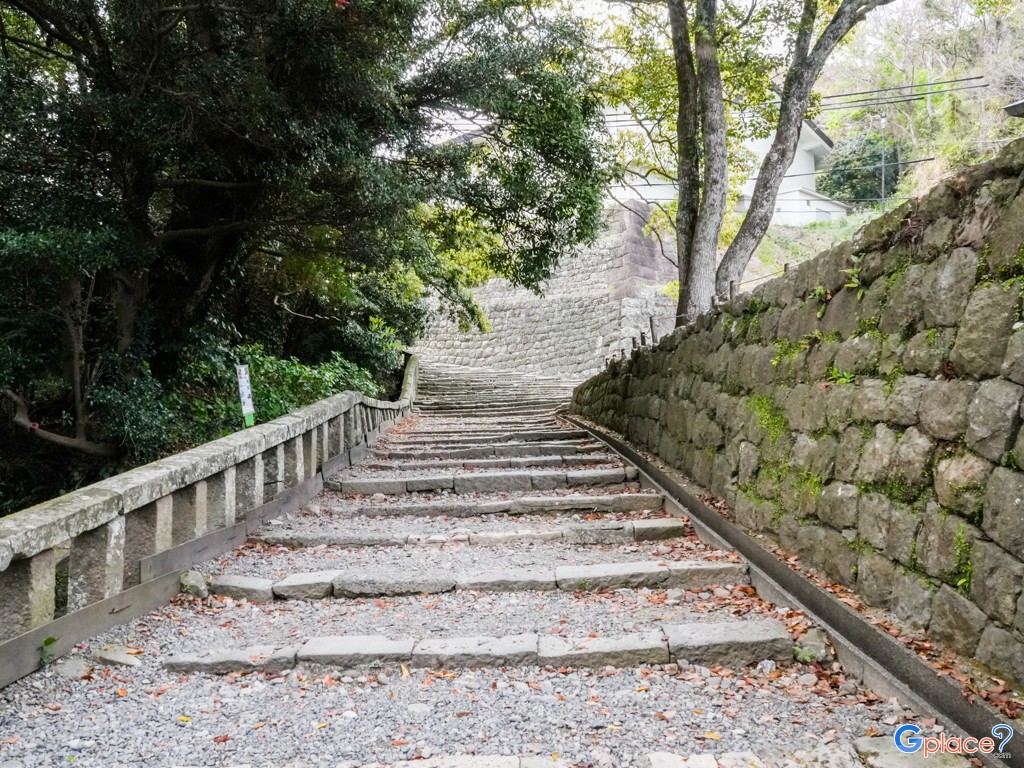
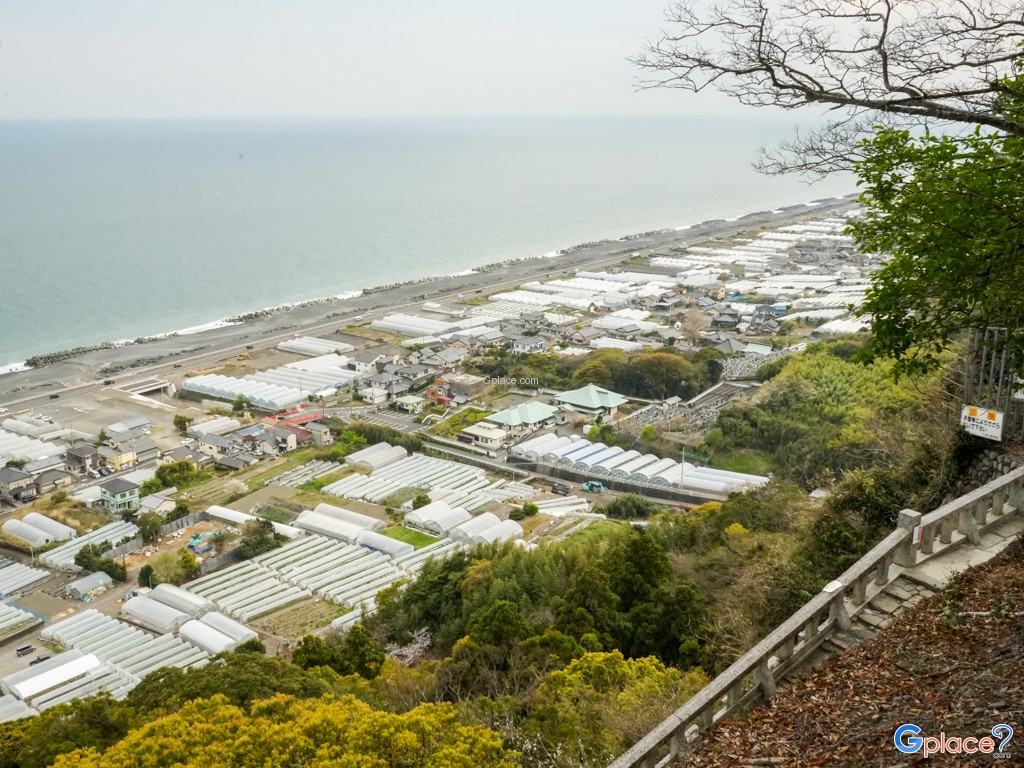
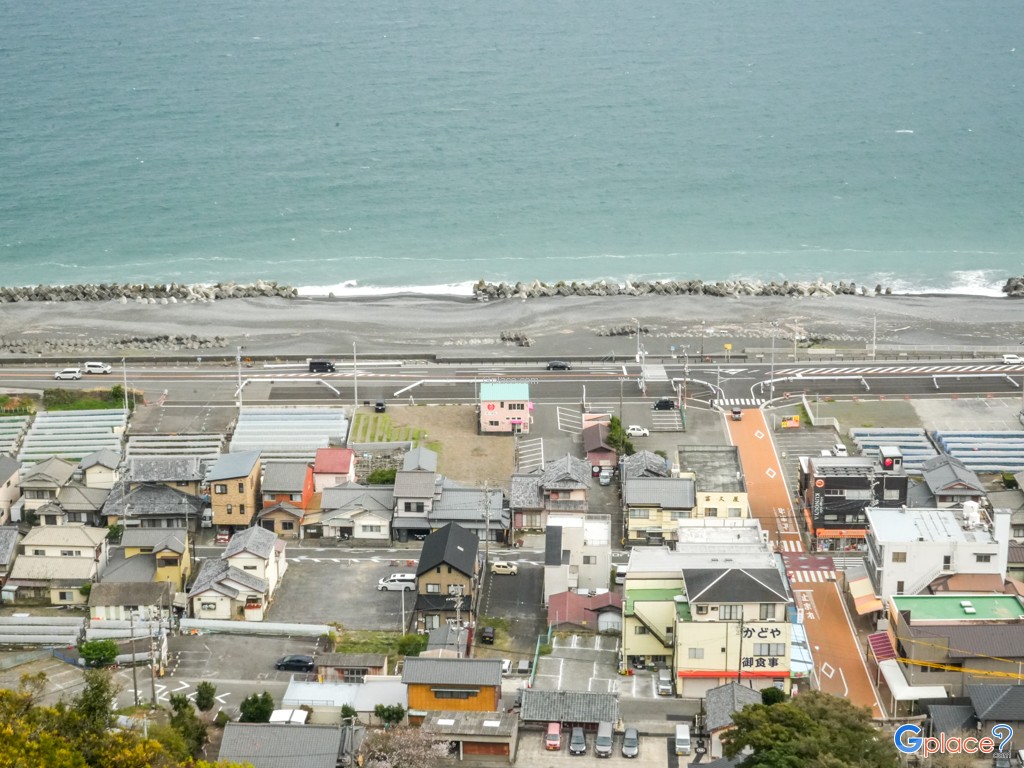
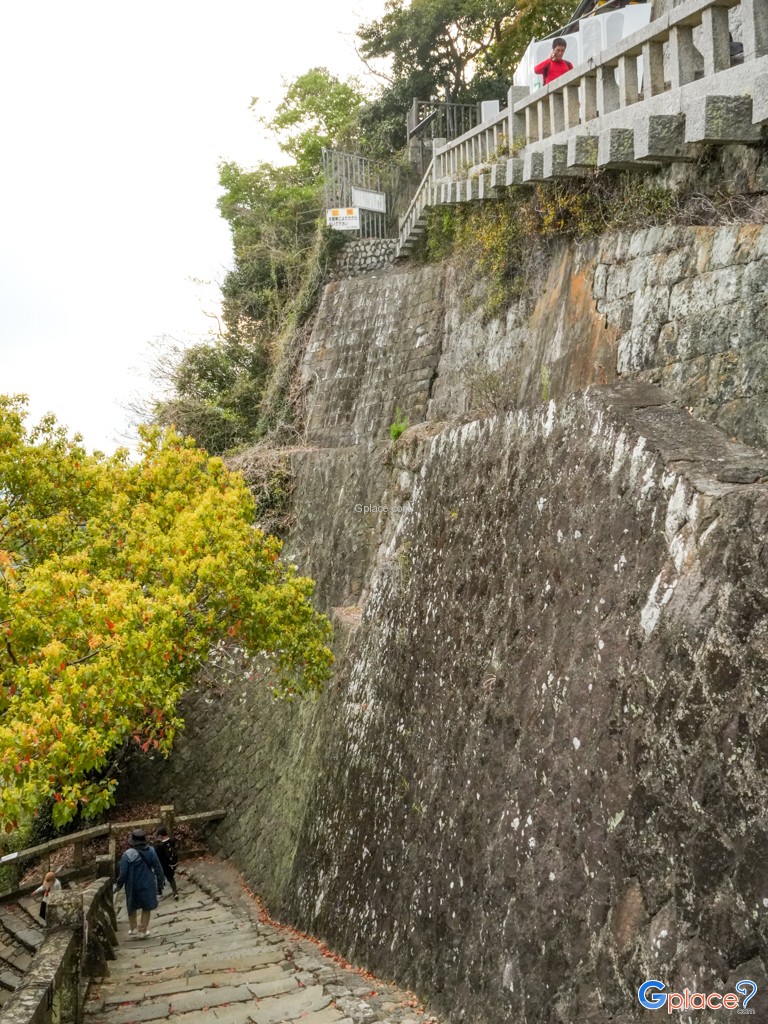
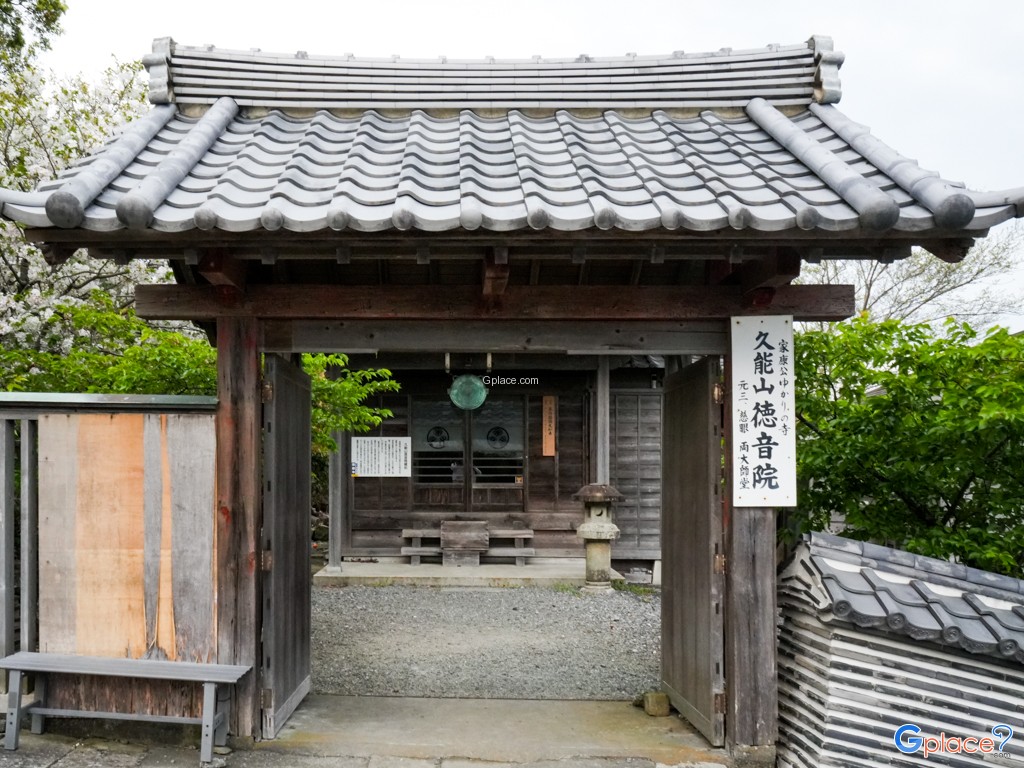
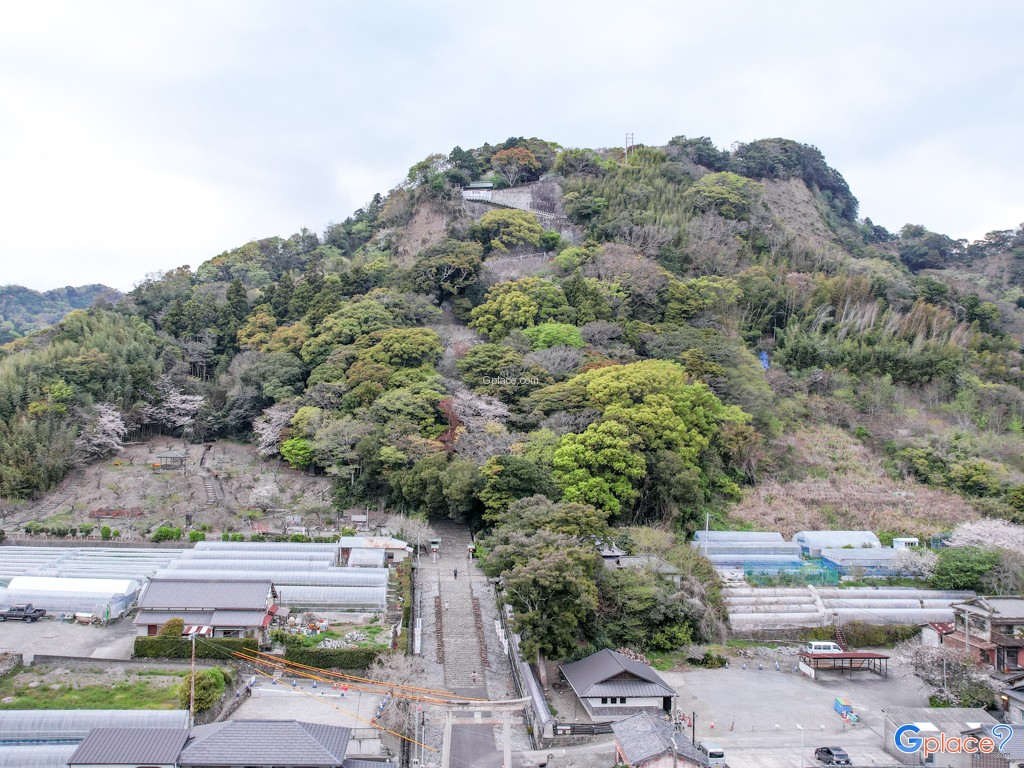
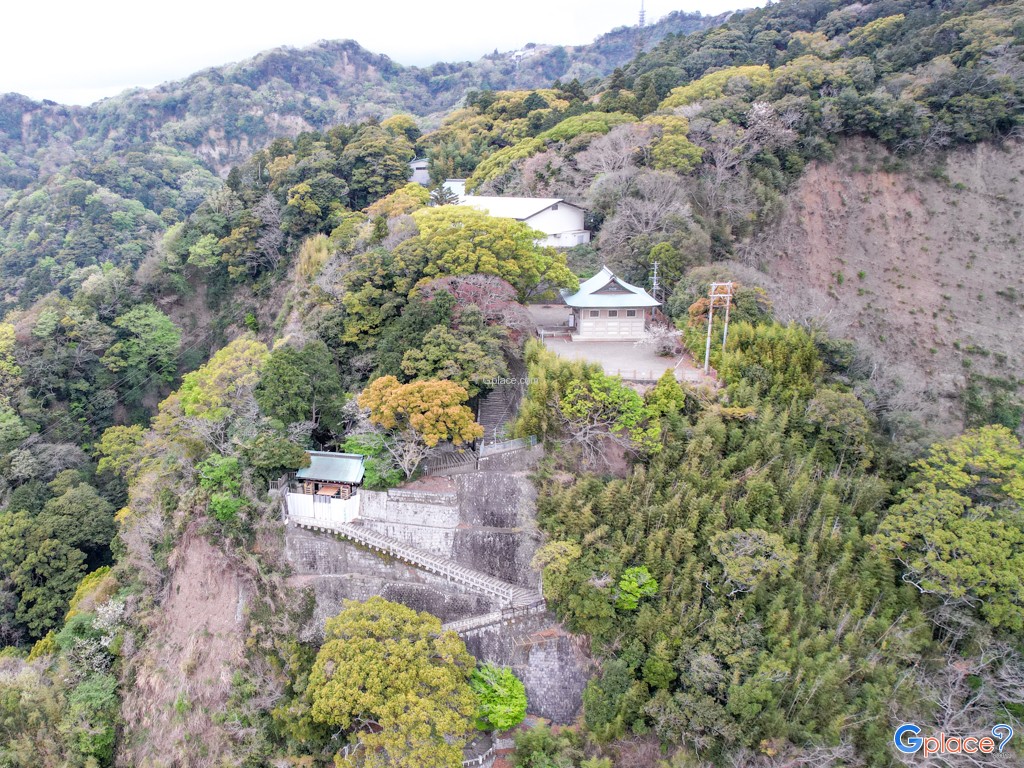
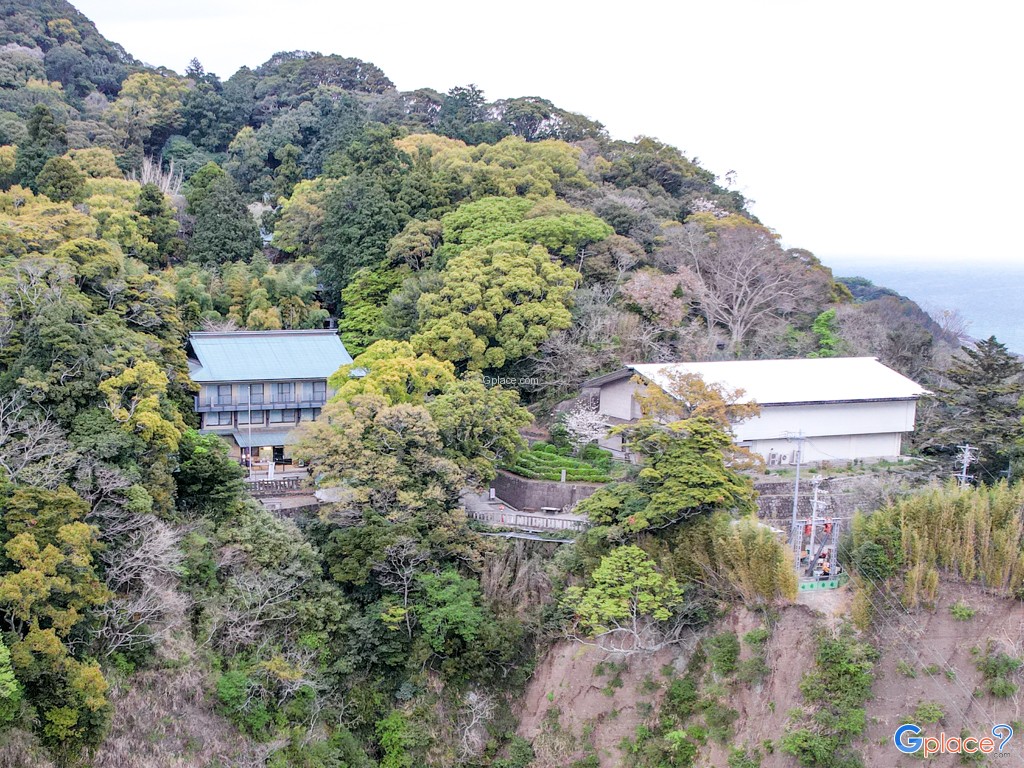
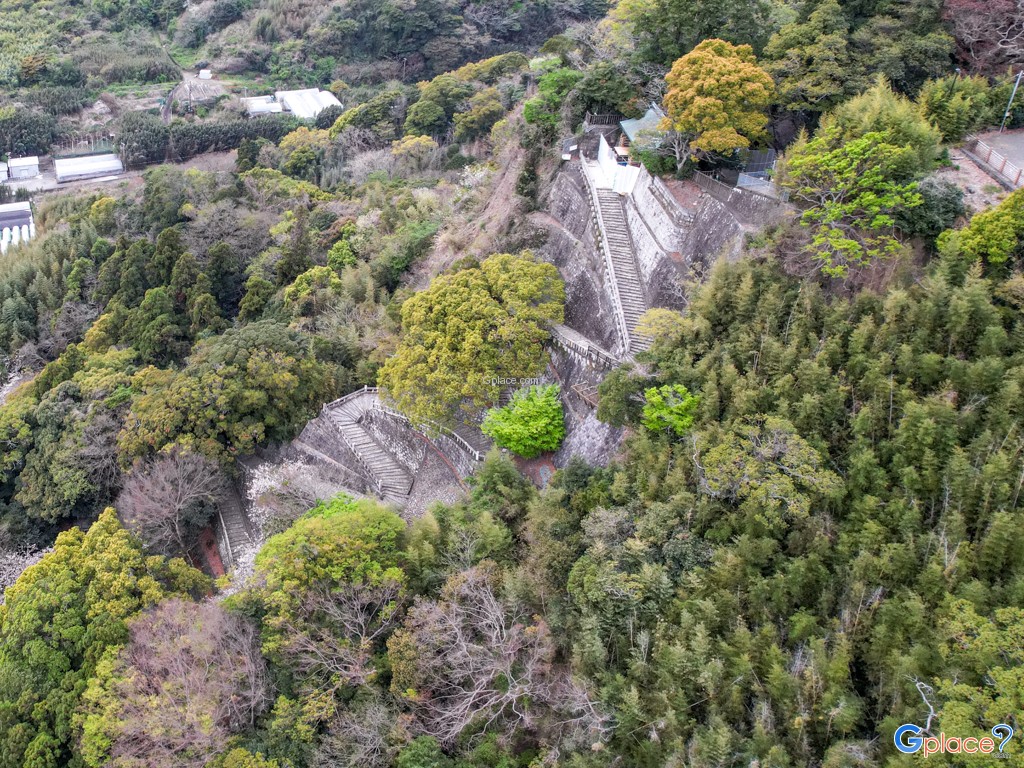
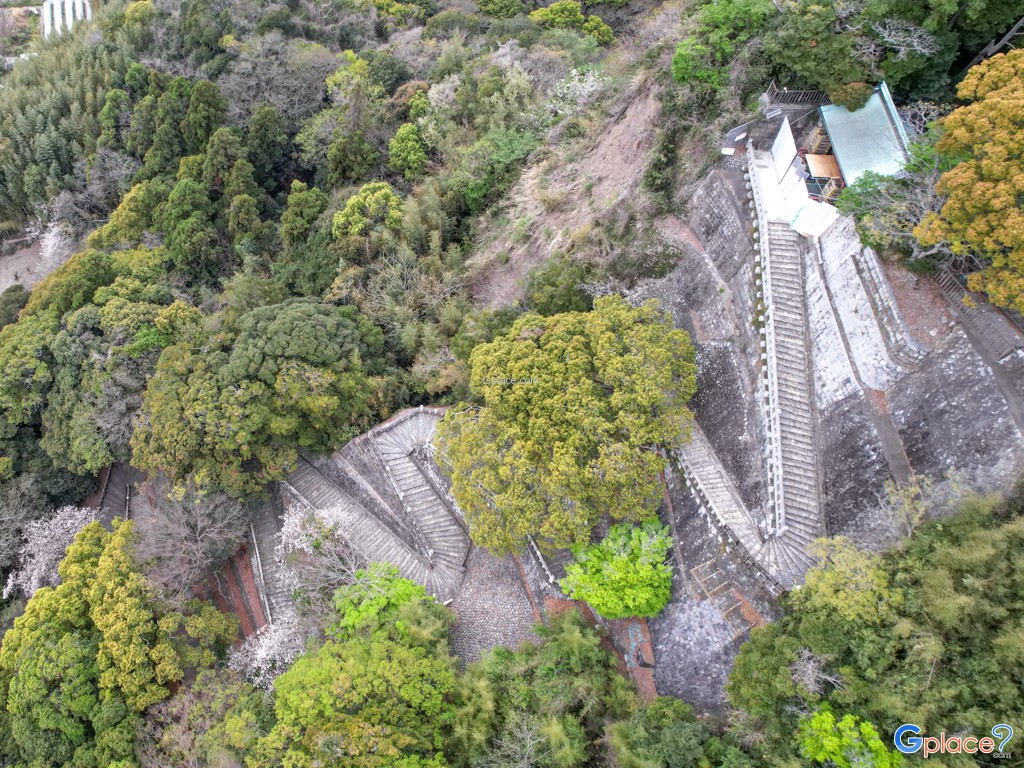
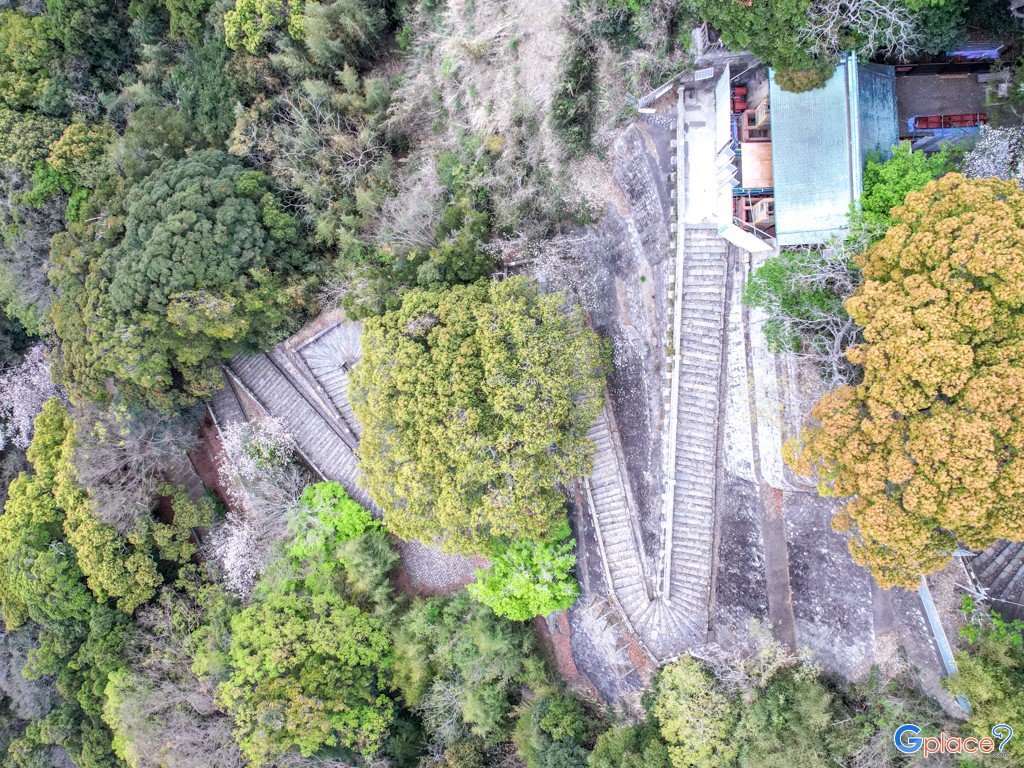
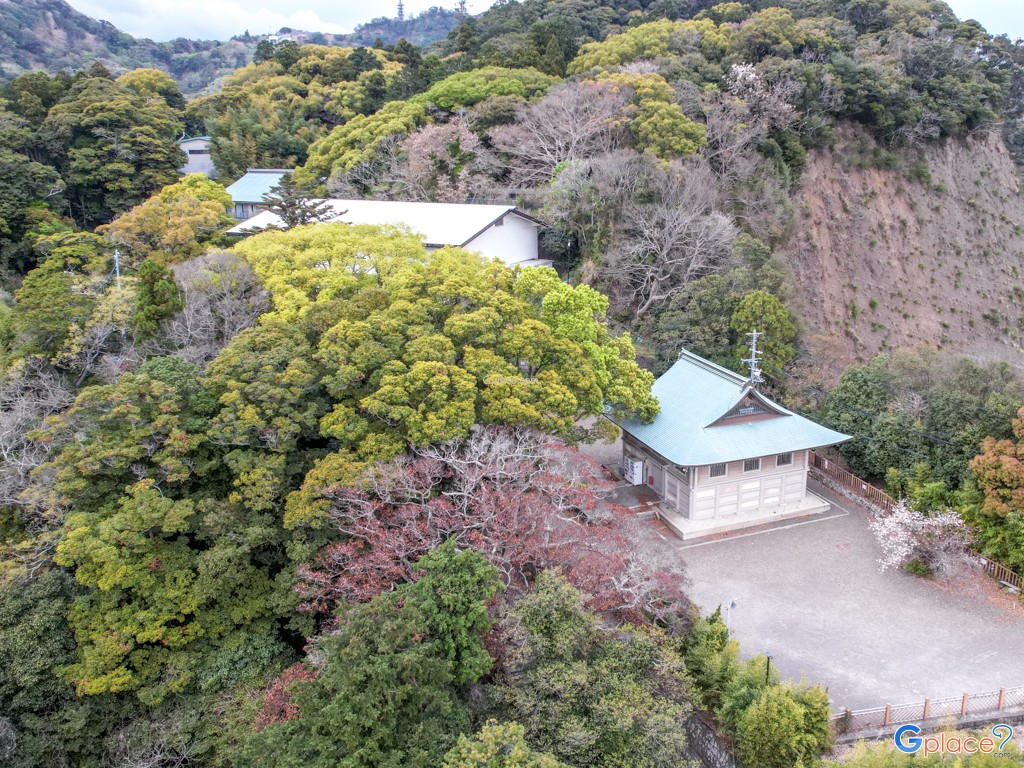

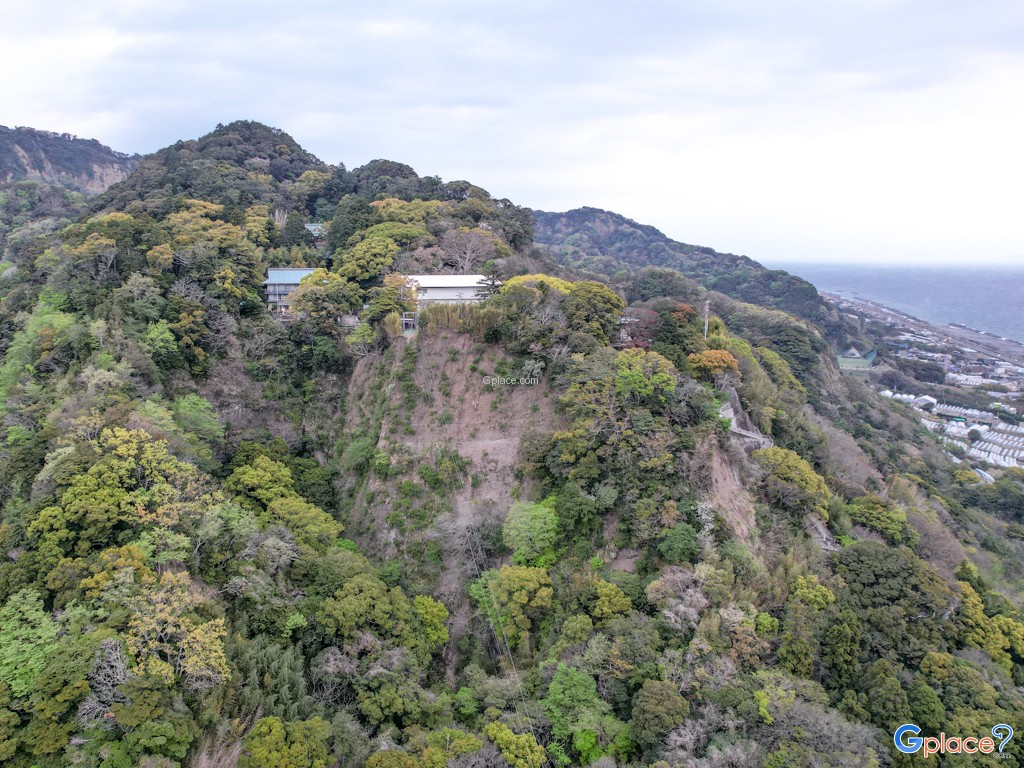
“The original Toshogu Shrine that enshrines Tokugawa Ieyasu, featuring Japan’s earliest Gongen-zukuri architecture and a historic mountain approach of over 1,000 stone steps.”
Kunozan Toshogu Shrine holds exceptional historical significance as the original burial site of Tokugawa Ieyasu, the founder of the Tokugawa Shogunate. Before his remains were transferred to Nikko, Ieyasu was laid to rest here, and his spirit continues to be enshrined as Tosho Daigongen, making this site a cornerstone of Japanese history and Shinto belief.
Architecturally, the shrine is regarded as the origin of the Gongen-zukuri style, a layout that later influenced the construction of the famous Nikko Toshogu. The shrine’s main structures are officially designated as National Treasures of Japan, reflecting their outstanding cultural and artistic value. These key structures include:
-
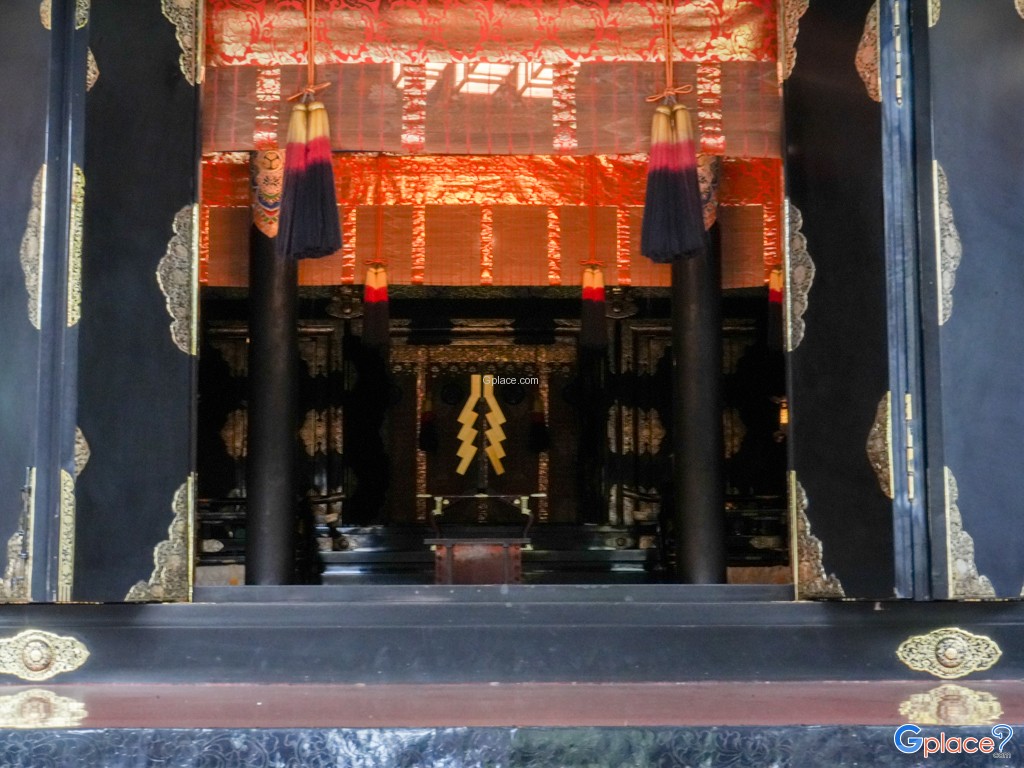
Main Hall (Honden)
The most sacred building of the shrine, where the spirit of Tokugawa Ieyasu is enshrined. It represents the spiritual core of the complex and is adorned with elaborate wood carvings and gold leaf characteristic of Momoyama-period craftsmanship. -
Stone Room (Ishi-no-ma)
A ceremonial hall connecting the Main Hall and the Worship Hall. This space plays an important role in Shinto rituals and embodies the defining structural concept of Gongen-zukuri, emphasizing continuity between sacred spaces. -
Worship Hall (Haiden)
The area where visitors offer prayers and participate in rituals. Its grand scale and refined decorative details express both religious devotion and the artistic sophistication of the shrine.
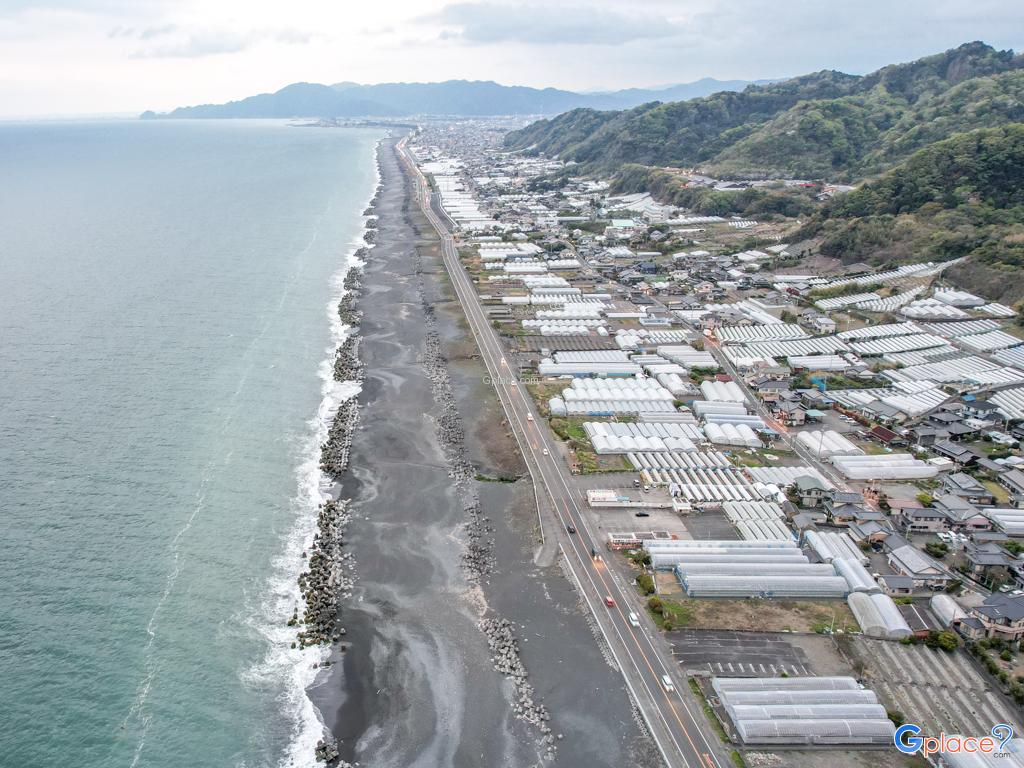
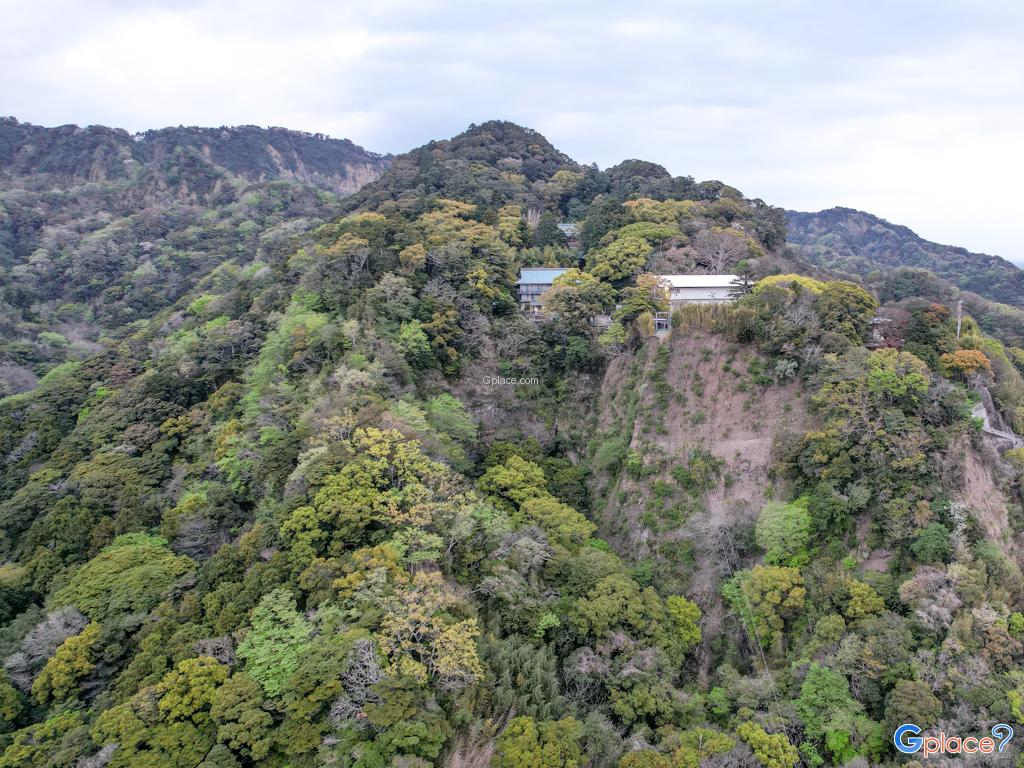
Constructed during the Momoyama period, Kunozan Toshogu is distinguished by its vibrant colors, intricate carvings, and lavish use of gold leaf—features that set it apart from more restrained shrine designs. Perched on the slopes of Mount Kuno, the shrine also offers sweeping views of Suruga Bay, seamlessly blending historical grandeur with natural beauty.
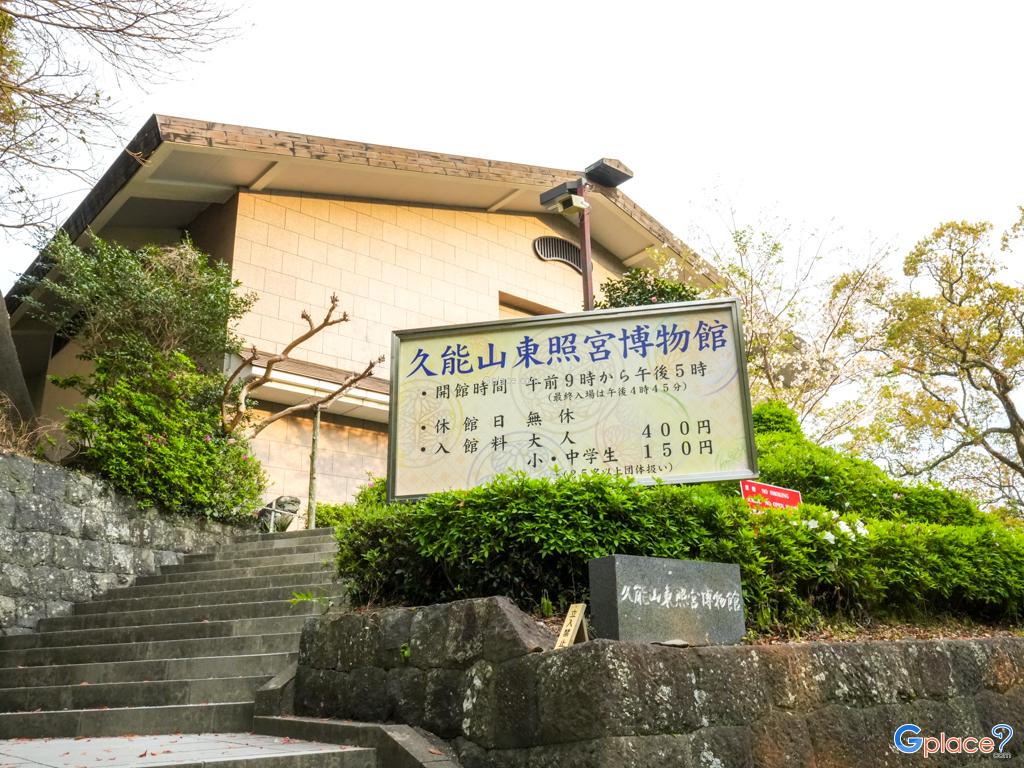
Within the grounds, a museum displays personal belongings of Tokugawa Ieyasu, including his armor and a rare 16th-century clock, providing further insight into the life and legacy of one of Japan’s most influential historical figures.
How to Get There
-
From Shizuoka Station
Take a bus and transfer at Otani, then continue toward the foot of Mount Kuno. -
From Shimizu Station
Take a bus to Kunozan-shita Bus Stop (about 30 minutes), then walk uphill and climb approximately 1,000 stone steps, taking around 20 minutes to reach the shrine. -
Nihondaira Ropeway
The ropeway provides direct access to the shrine entrance. However, the ropeway station is located on the opposite side of the mountain, several kilometers away, and may not be convenient for travelers with limited time.
Travel Tips
-
The Kuno area at the foot of the mountain is famous for Ishigaki Ichigo (Stone Wall Strawberries), available from January to May.
-
In late February, the shrine grounds are especially beautiful with blooming plum blossoms.
-
Wear comfortable walking shoes, particularly if taking the stone-step route.
-
On clear days, Mount Fuji can be seen from the nearby Nihondaira Plateau.
Admission Fee:
-
Shrine only: ¥500
-
Museum only: ¥400
-
Combination ticket: ¥800
Opening Time:
-
Daily: 9:00 AM – 5:00 PM (last entry at 4:50 PM)
-
Winter season (October–March): closes at 4:00 PM
Kunozan Toshogu

 Share
Share
 389 Negoya Suruga Ward, Shizuoka, Shizuoka Prefecture 422-8011
Map
389 Negoya Suruga Ward, Shizuoka, Shizuoka Prefecture 422-8011
Map
 Open now : 9.00 - 16.30
Mon9.00 - 16.30
Tue9.00 - 16.30
Wed9.00 - 16.30
Thu9.00 - 16.30
Fri9.00 - 16.30
Sat9.00 - 16.30
Sun9.00 - 16.30



 366
366