 Attractions
  Hotel
Hotel  Restaurant
  Shopping
  Abroad





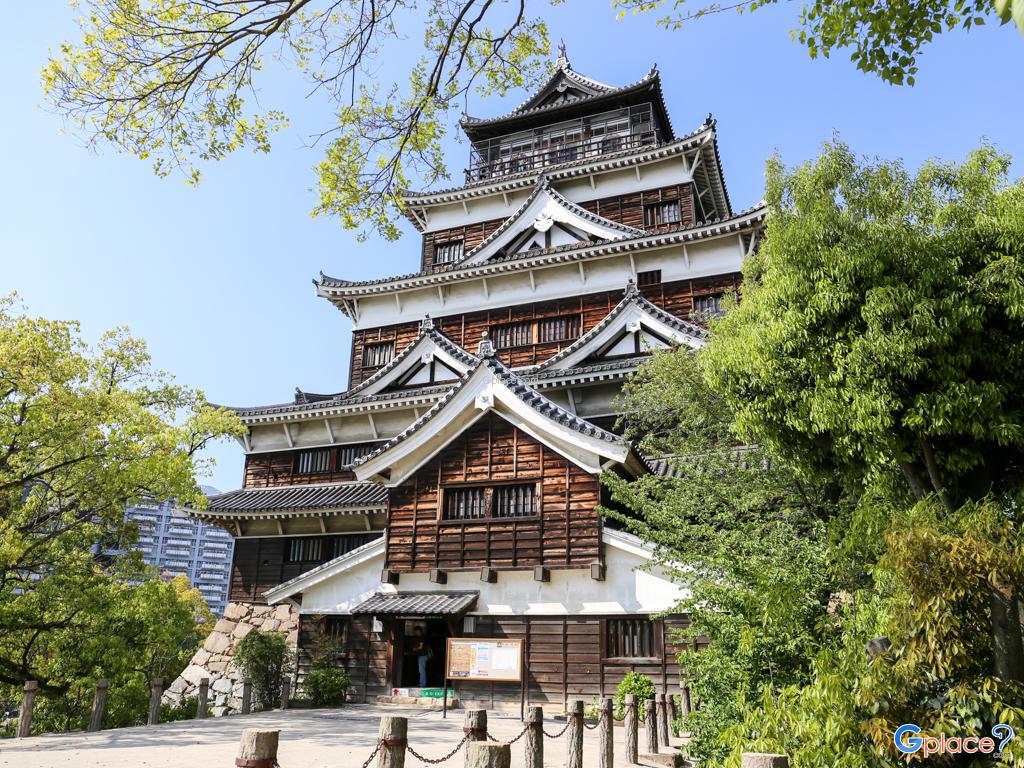

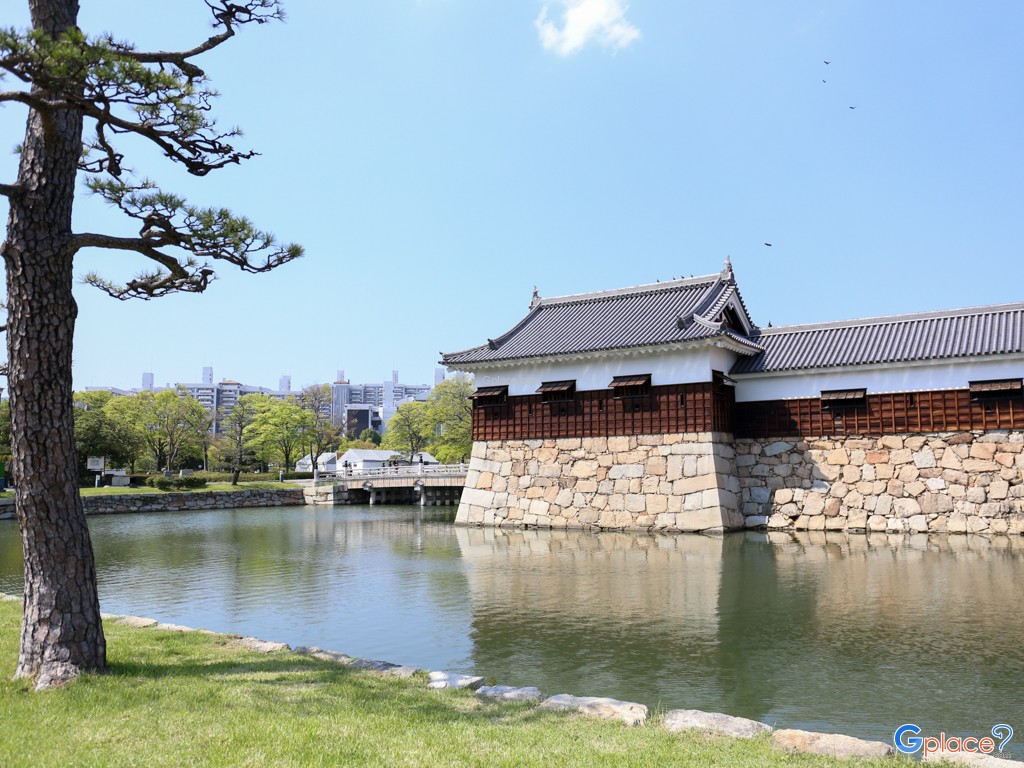
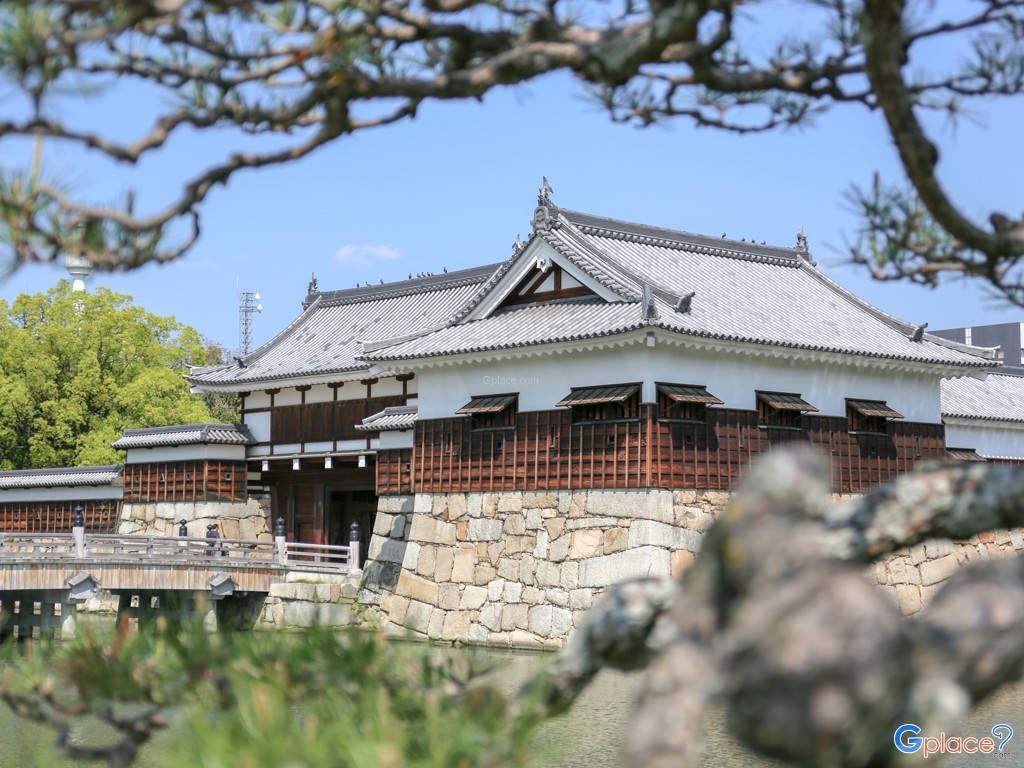
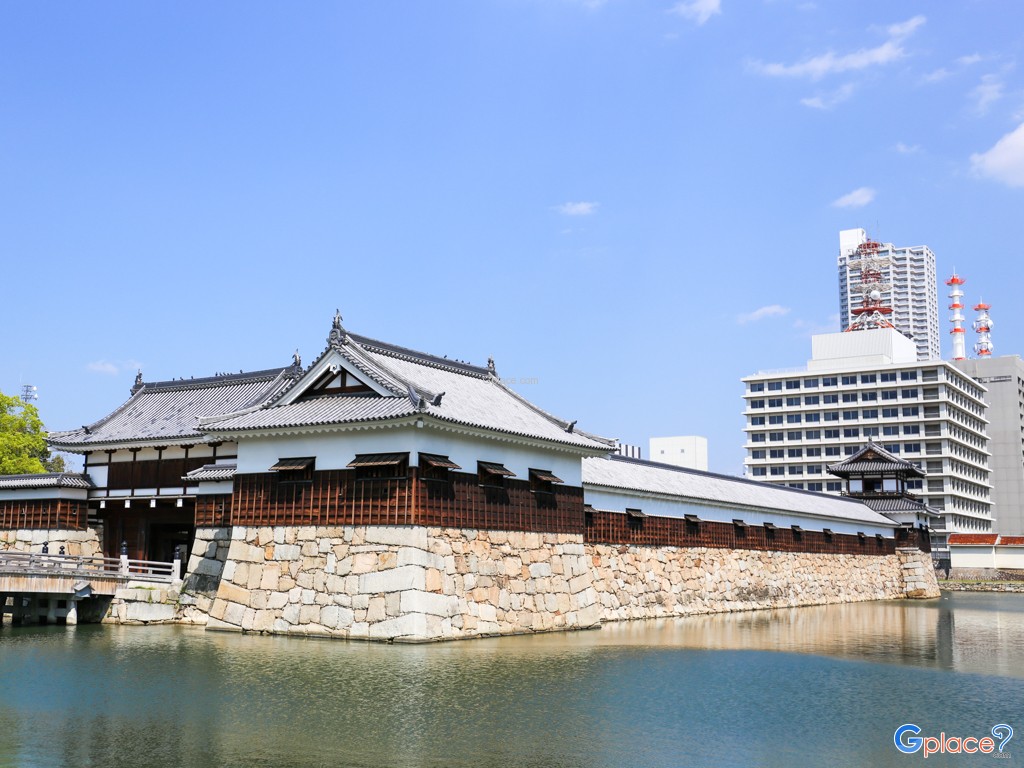
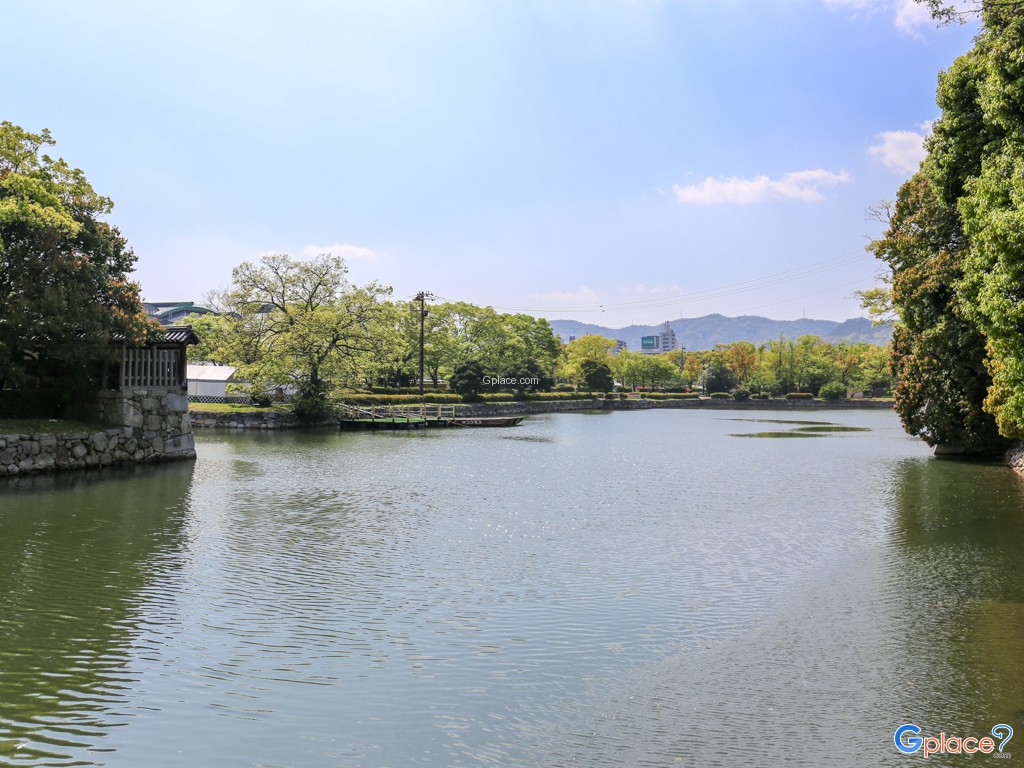
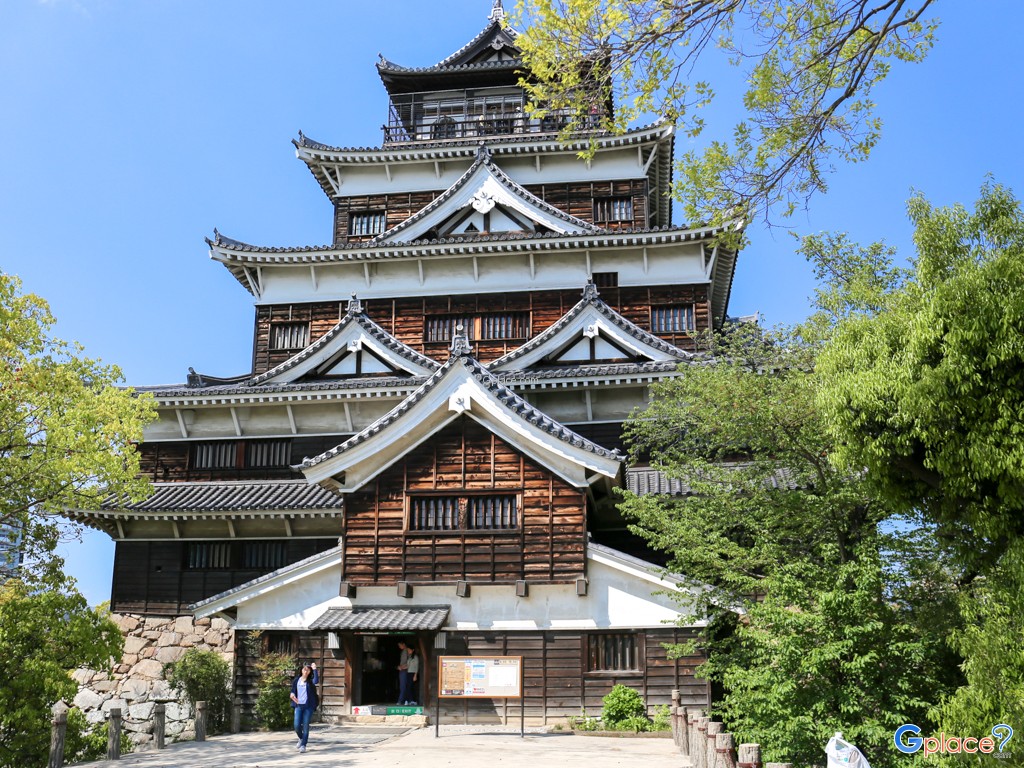
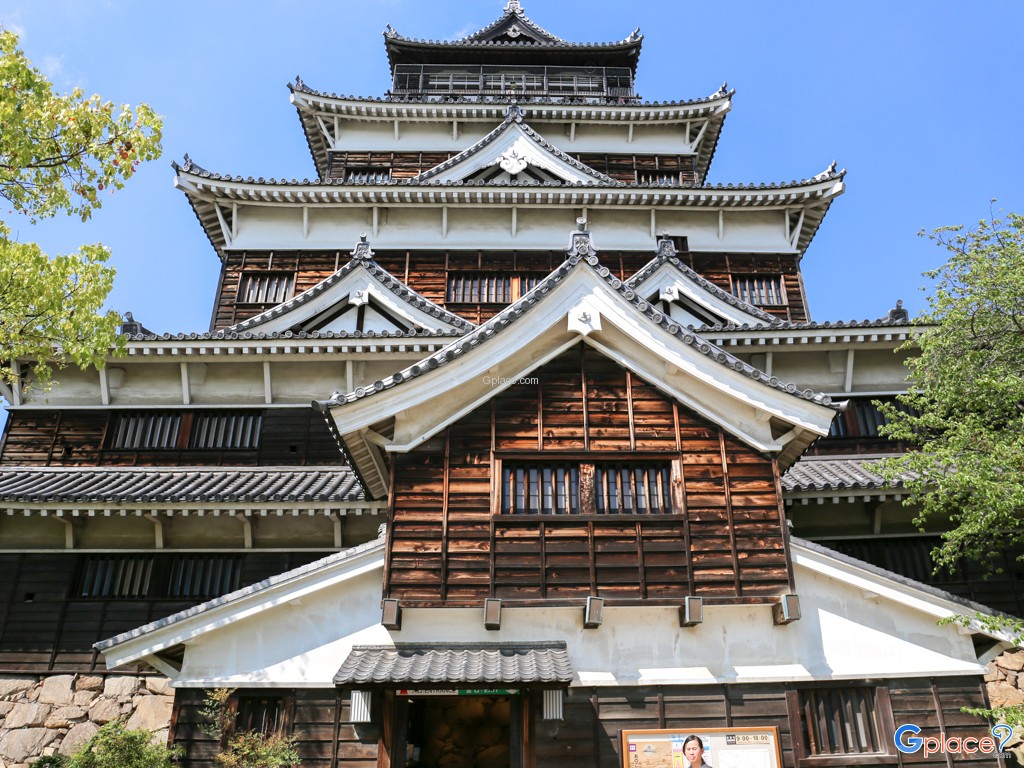


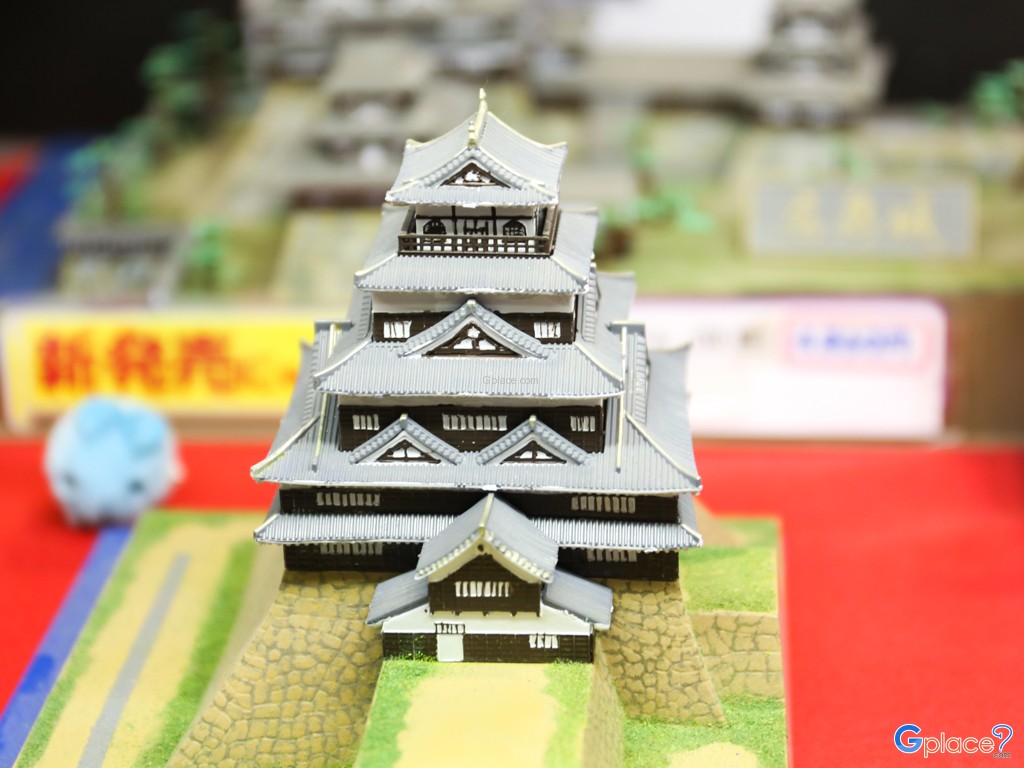
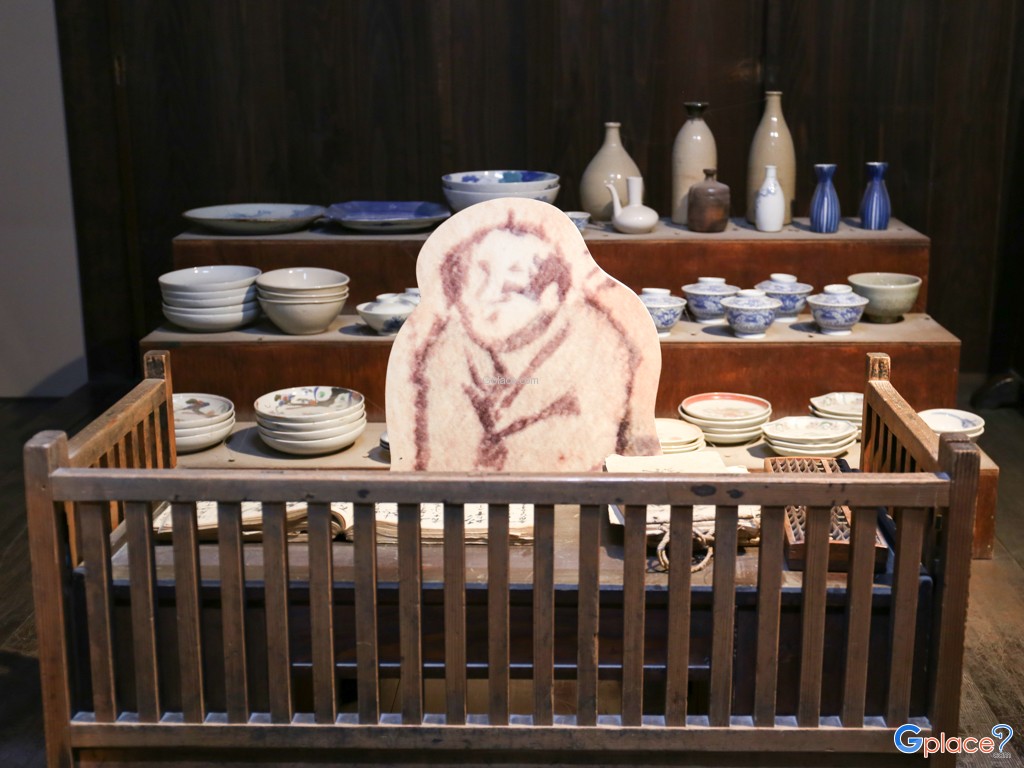
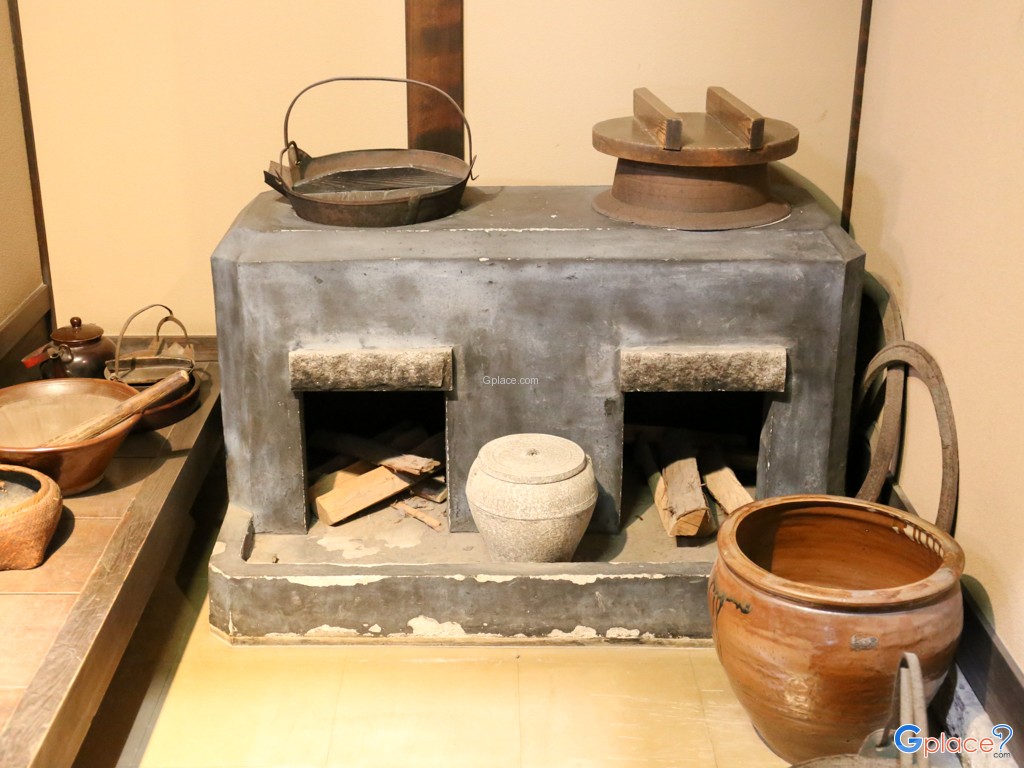
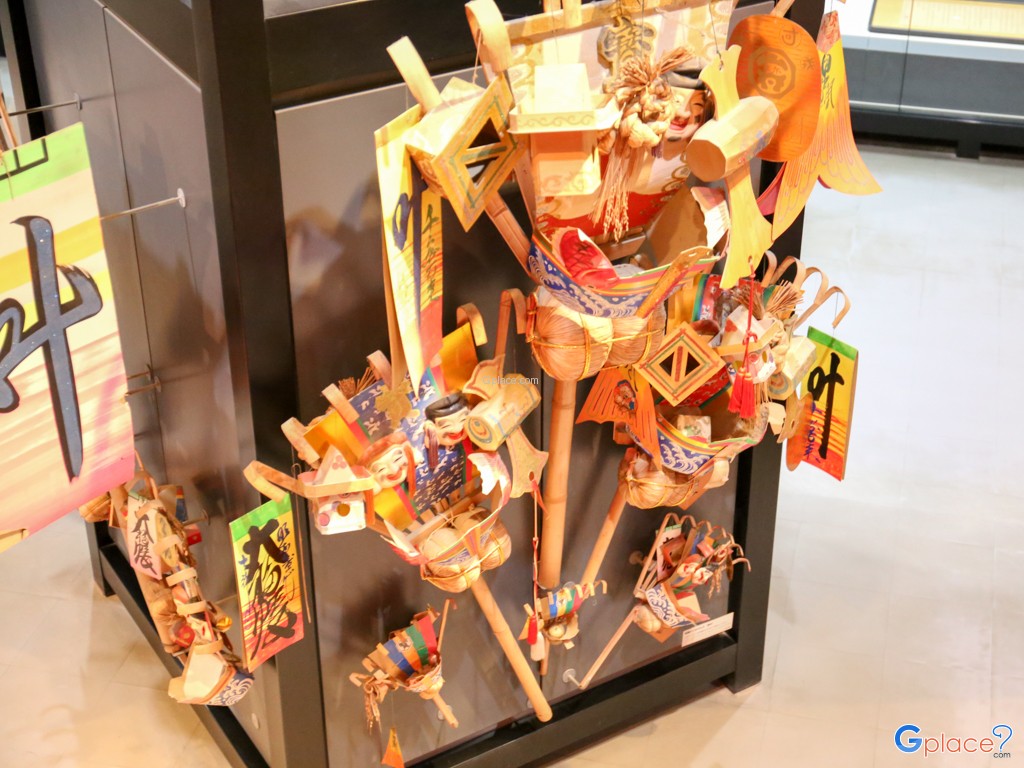
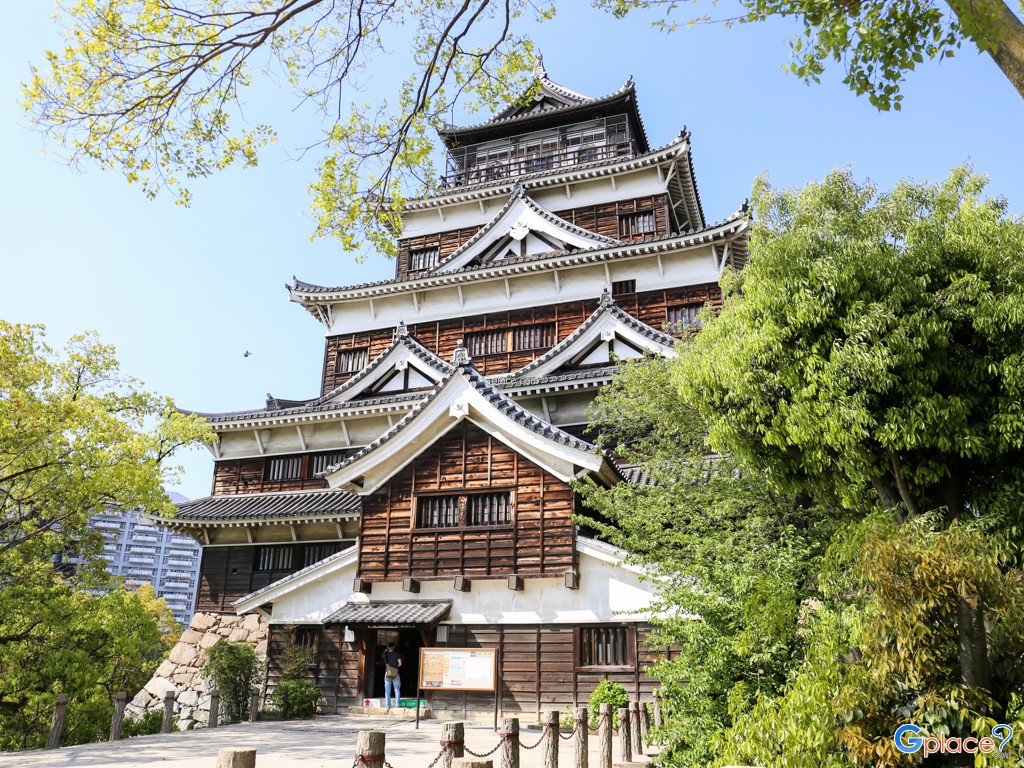
“A faithfully rebuilt 16th-century flatland castle that symbolizes Hiroshima’s resilience and now serves as a museum of samurai culture and local history.”
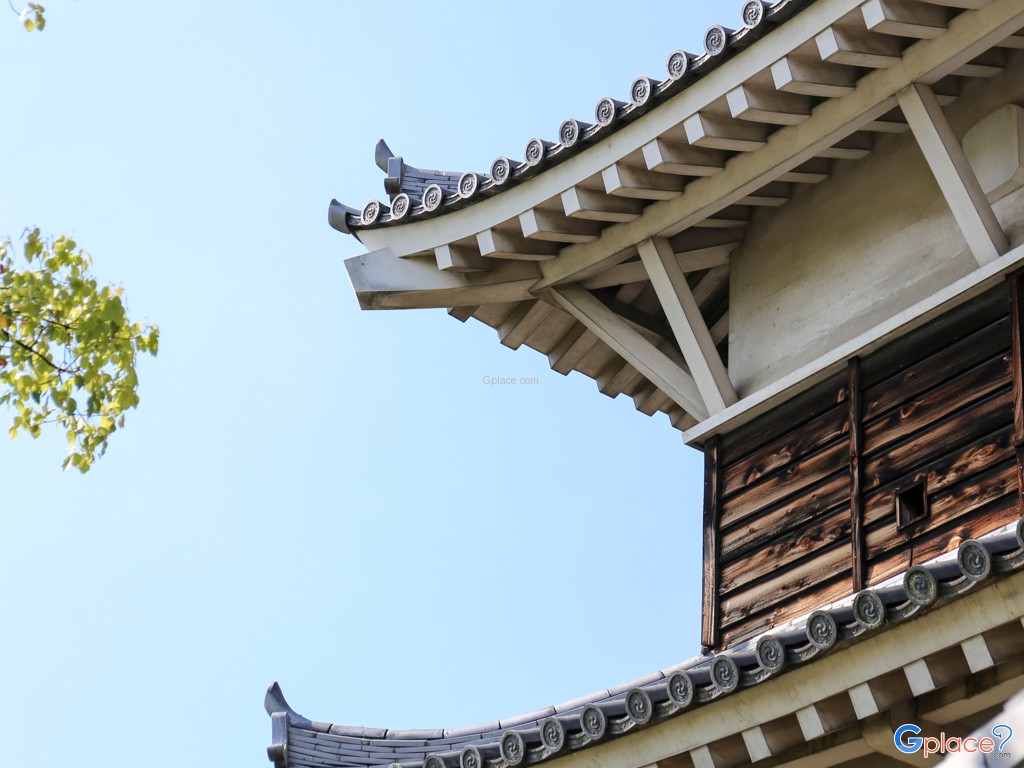
Hiroshima Castle (Hiroshima-jō), known poetically as Carp Castle, stands as one of Hiroshima’s most iconic cultural landmarks. Though the current structure is a modern reconstruction, it preserves the dignity, architectural beauty, and historical importance of the original 16th-century castle. Rising five stories above a large park filled with seasonal blossoms—especially cherry trees in spring—the castle offers visitors a rich journey through the world of samurai armor, feudal administration, and the growth of Hiroshima as a castle town.
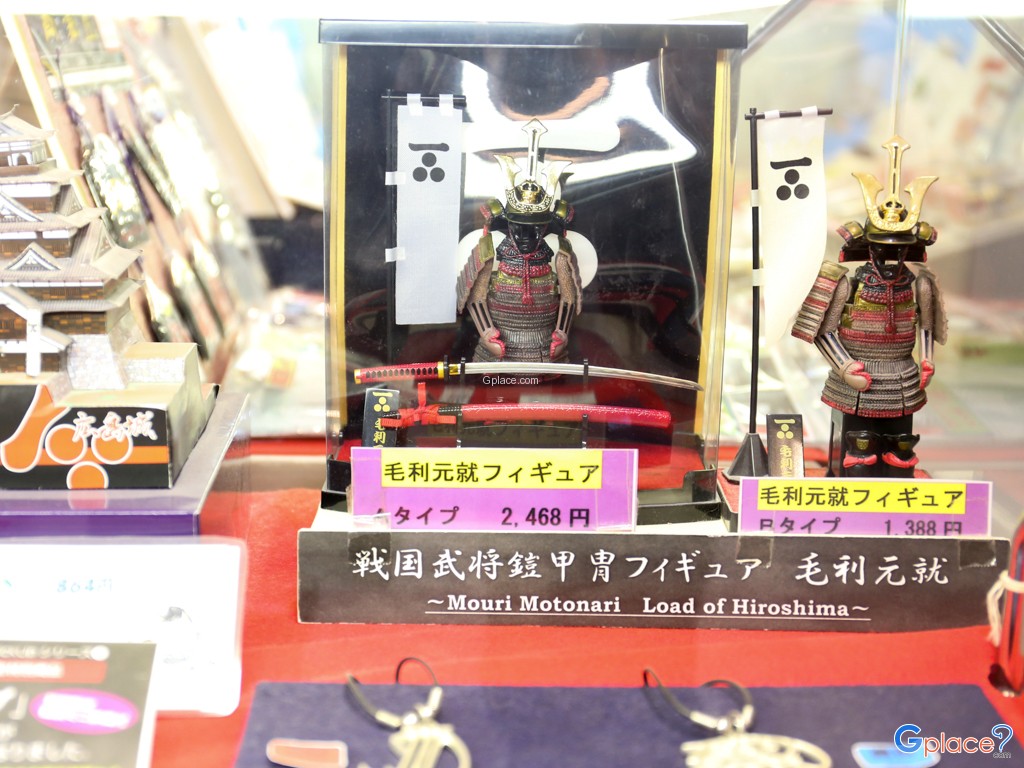
The original castle was constructed from 1589 to 1599 by Mōri Terumoto, one of the most influential daimyo of the time. Hiroshima developed around the castle as a political, military, and commercial hub, reflecting a classic Japanese “castle-town” structure.
Designated a National Treasure in 1931, the castle tragically fell during the atomic bombing on August 6, 1945, when the blast—just over one kilometer away—obliterated the wooden tower. Only the stone walls, foundations, and moat survived. In 1958, the main tower was reconstructed using ferro-concrete, faithfully retaining the original exterior appearance. This reconstruction became a symbolic monument of Hiroshima’s recovery and determination to preserve its history.
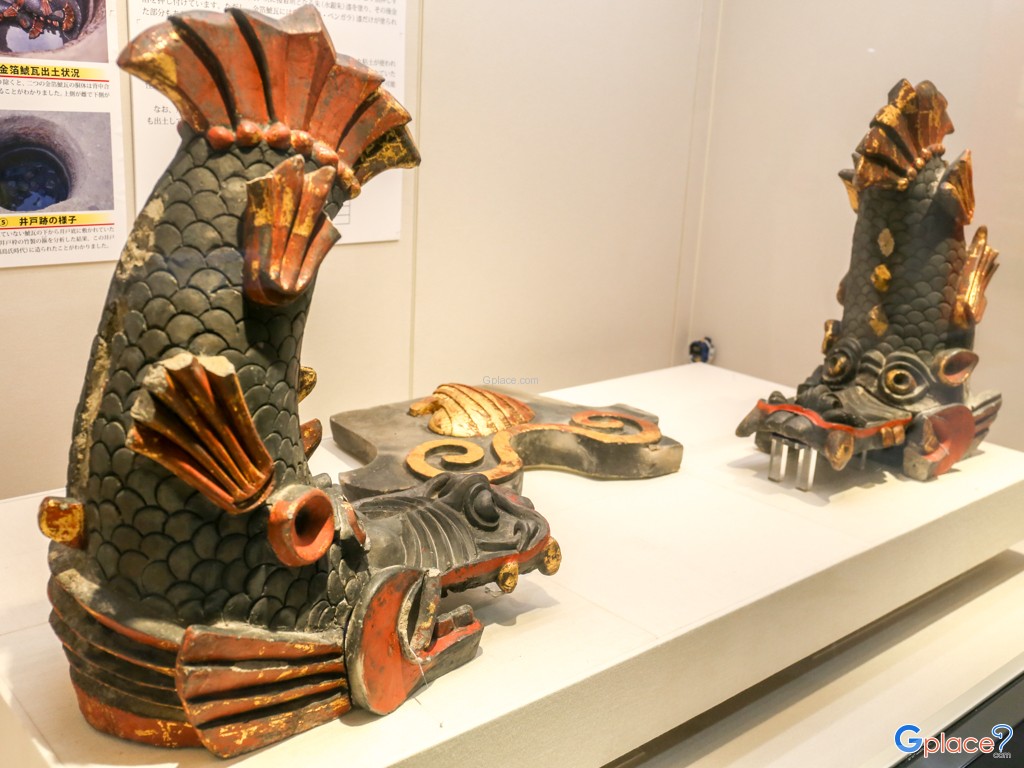
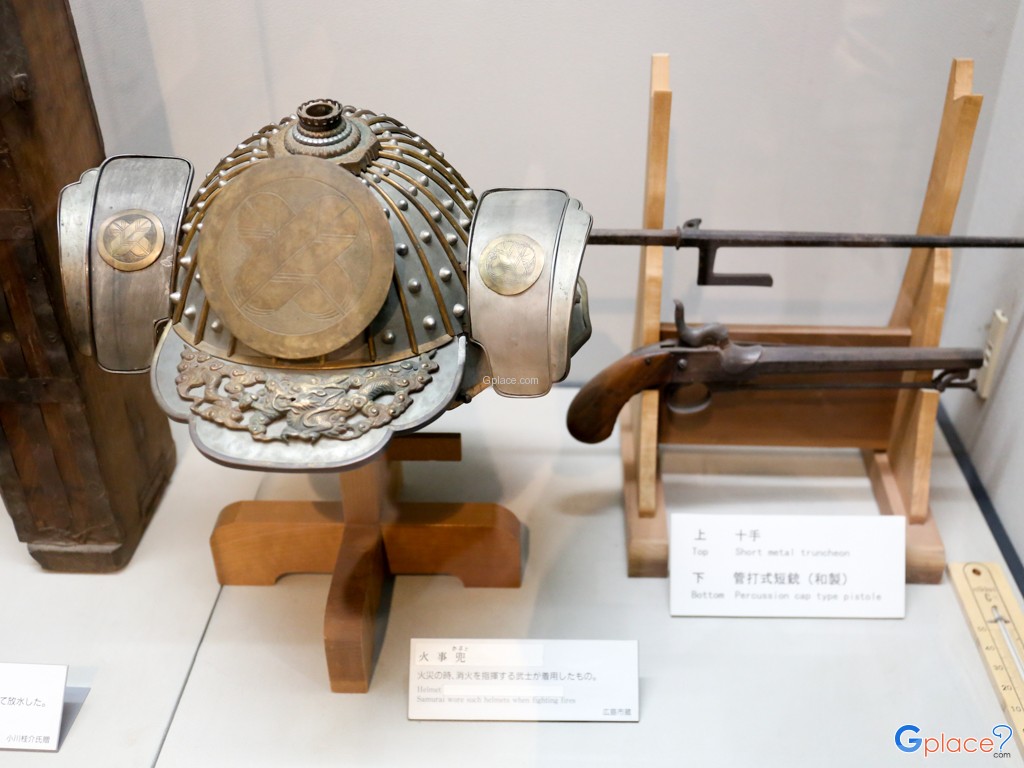
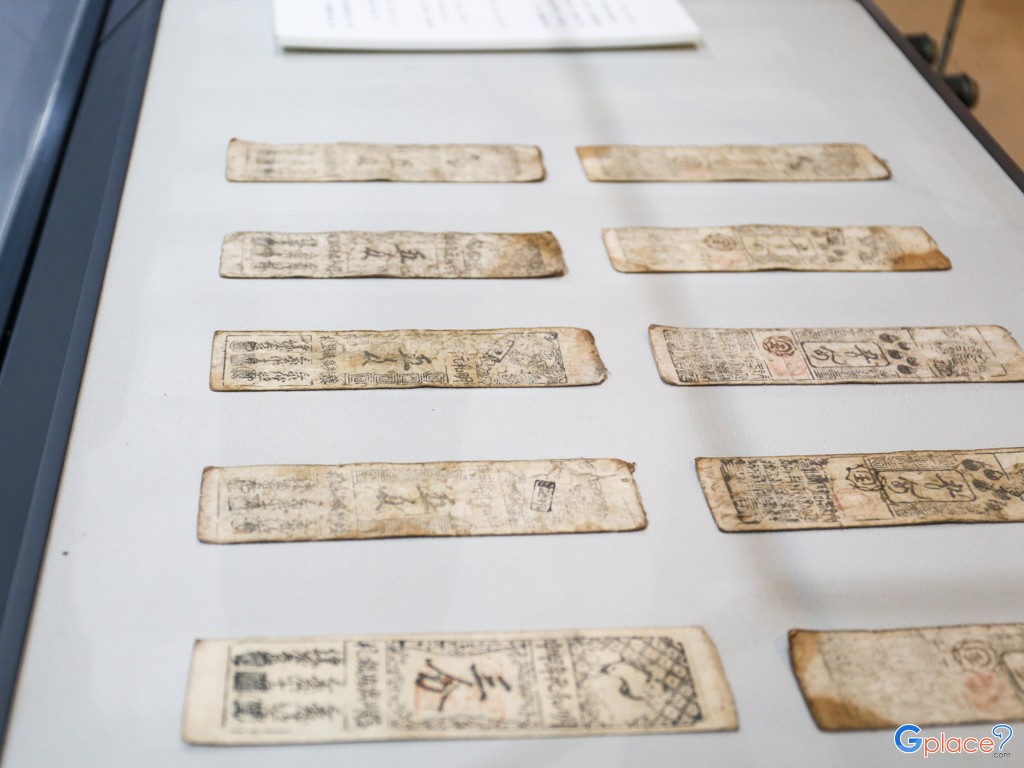
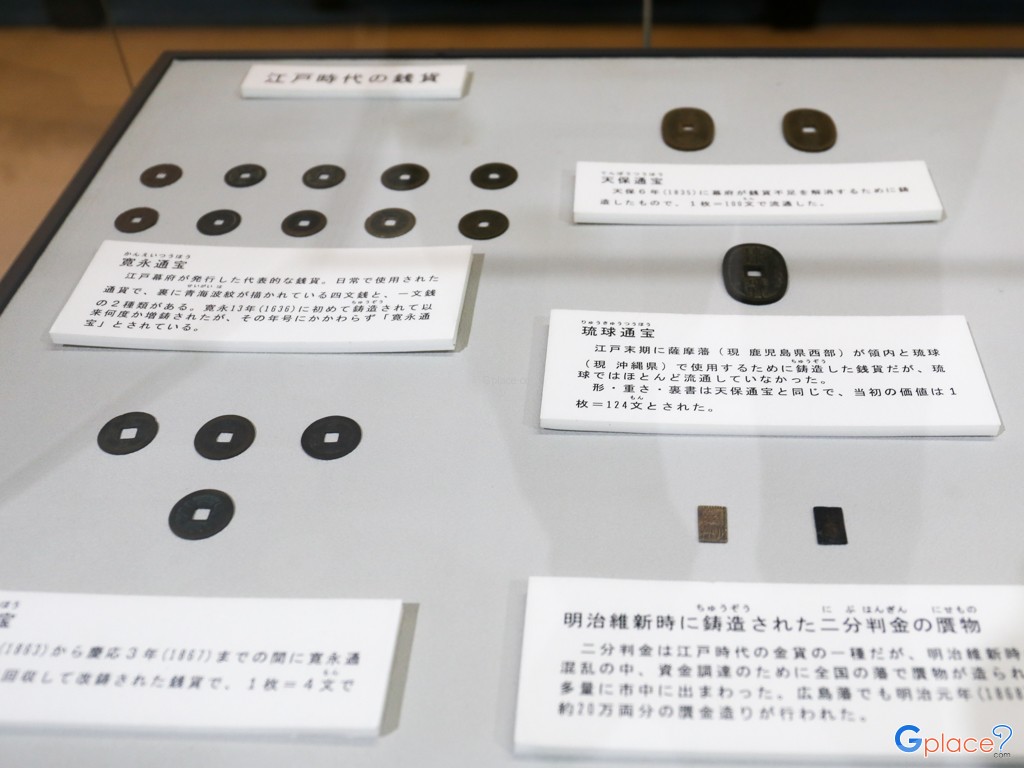
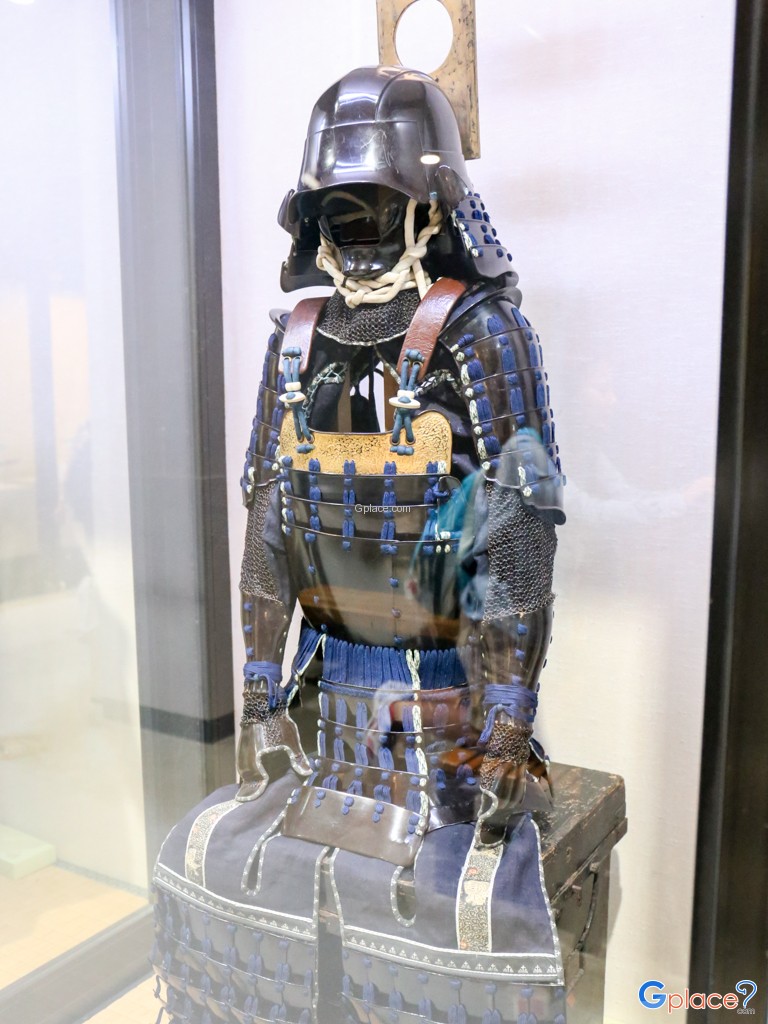
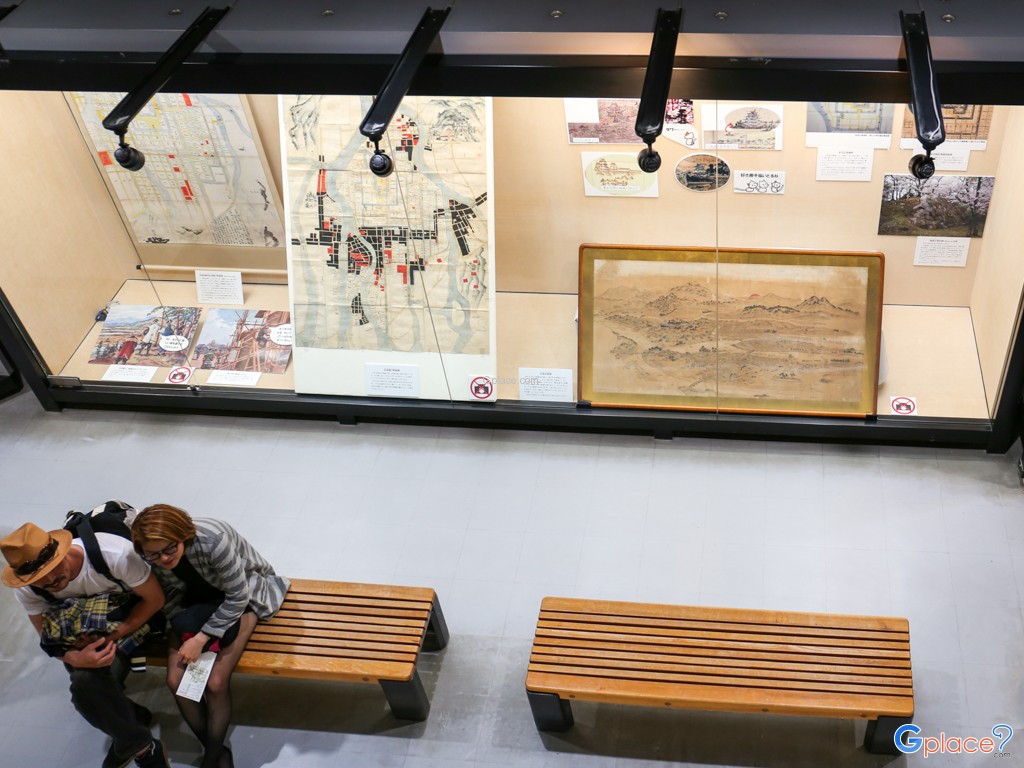
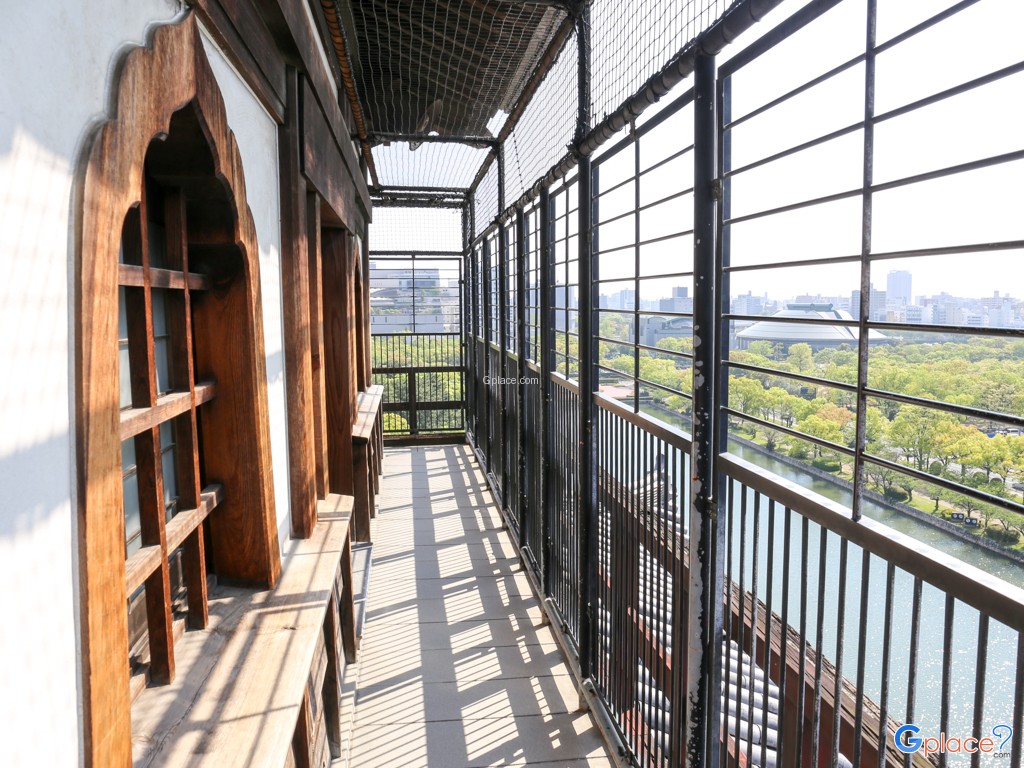
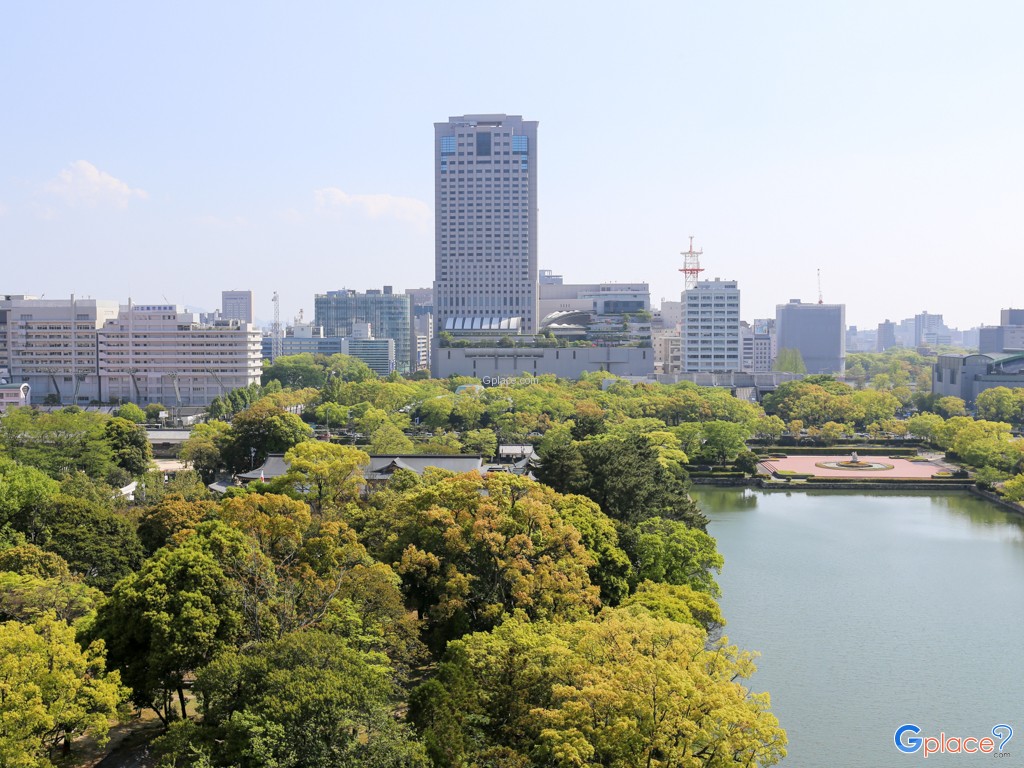
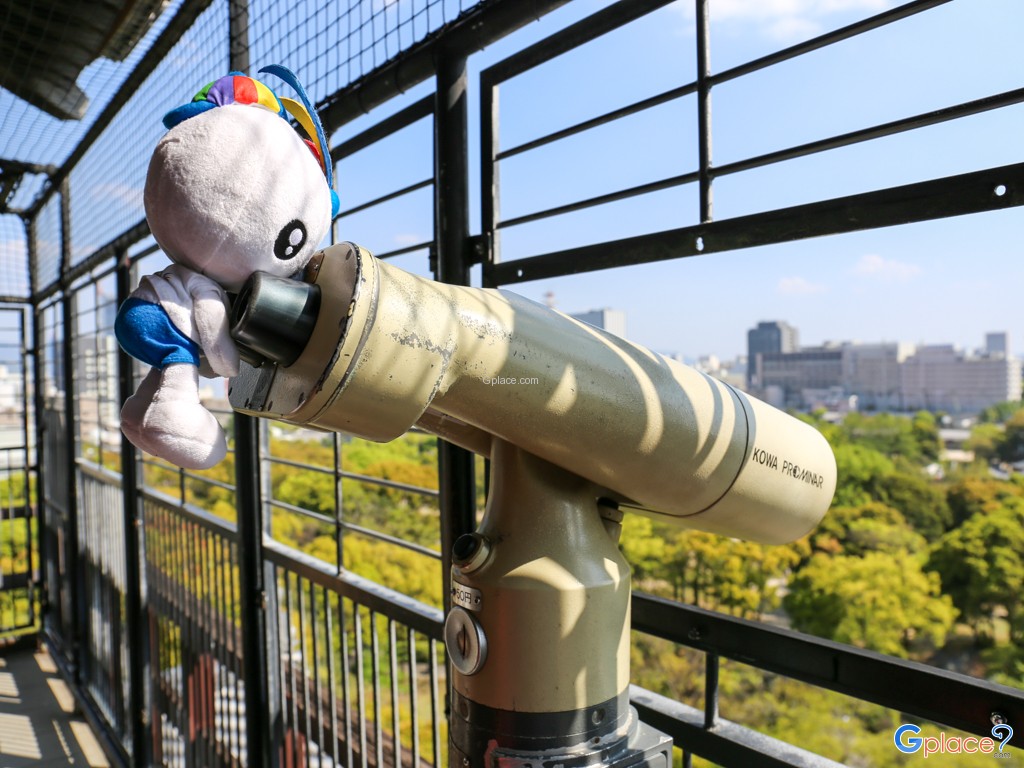
Inside today’s tower is a history museum showcasing samurai armor, swords, historical documents, castle-town culture, and interactive displays. The 5th-floor observation deck grants sweeping views across Hiroshima City and its surrounding mountains.
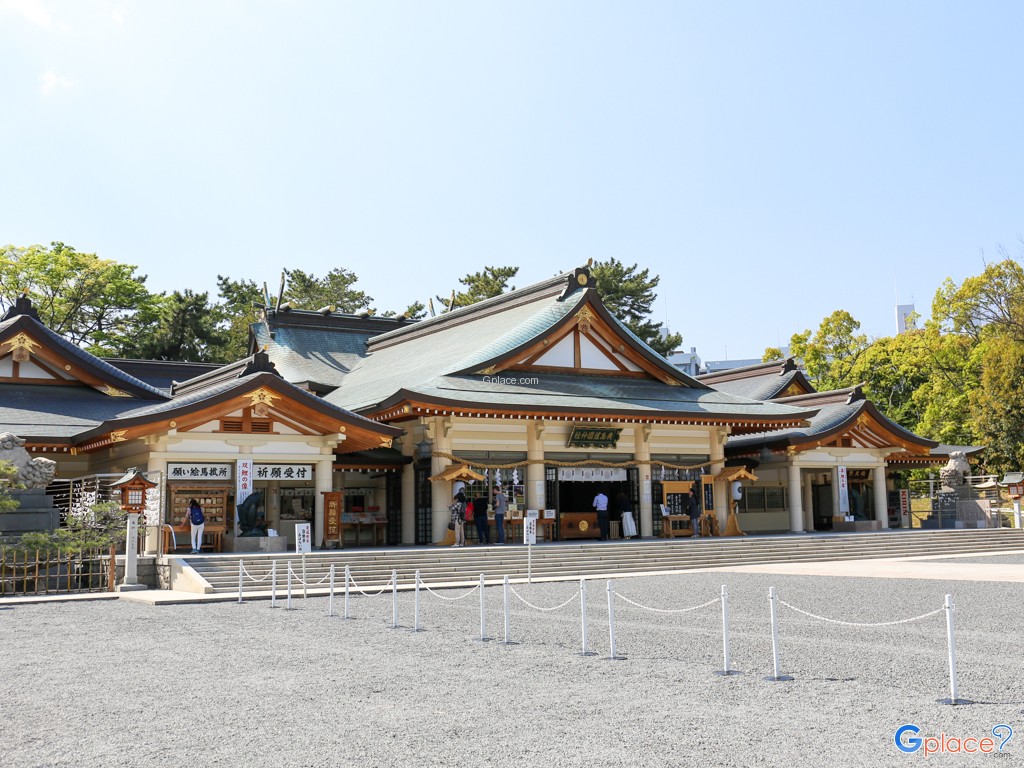
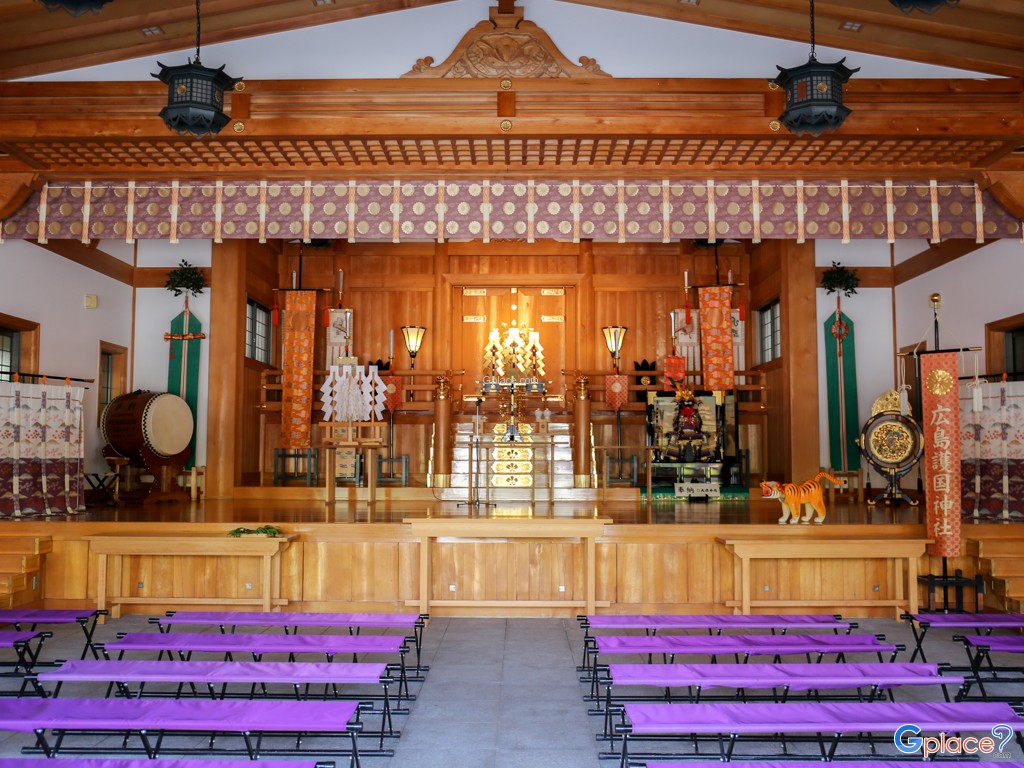
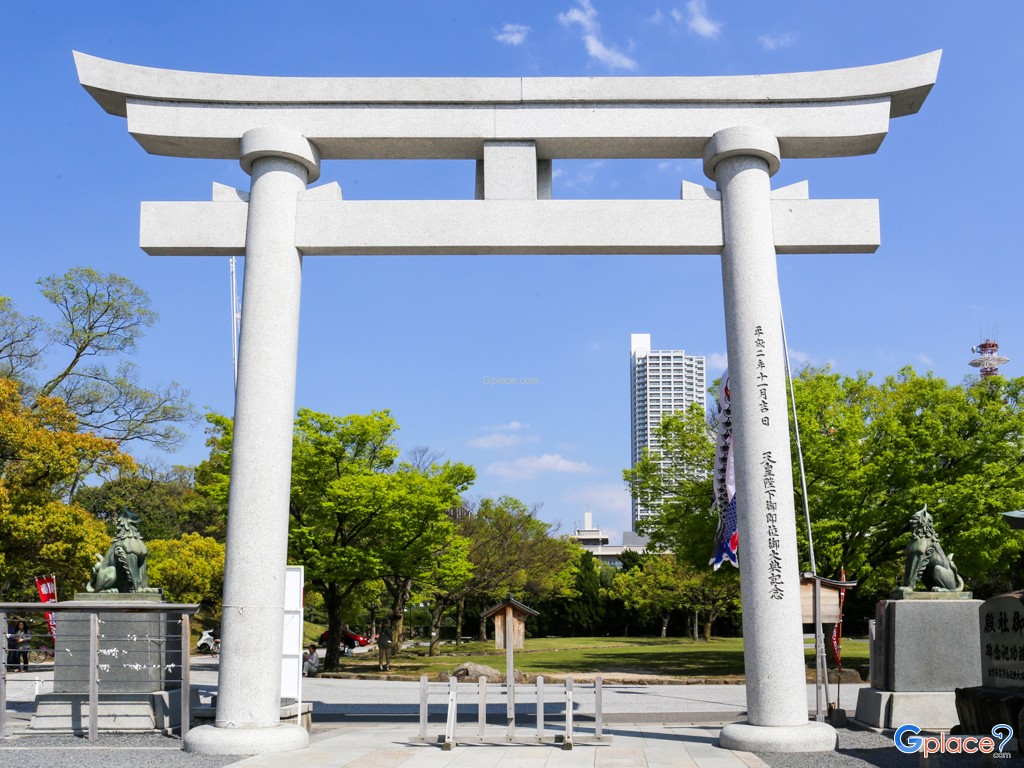
Throughout the castle grounds, visitors will find reconstructed gates, turrets, the Ninomaru structures, the Hiroshima Gokoku Shrine, and several “survivor trees”—including holly, willow, and eucalyptus trees that lived through the atomic blast and continue to grow today, serving as living memorials of resilience.
How to Get There
-
By Streetcar: From Hiroshima Station, take tram lines 1, 2, or 6 to Kamiya-cho-higashi or Kamiya-cho-nishi (10–15 minutes). From either stop, walk about 10 minutes to the castle entrance.
-
By Bus: The Hiroshima Loop Bus (Meipuru-pu) stops conveniently close to the castle grounds.
-
By Car: Paid parking is available nearby, though it may be limited during sakura season.
-
On Foot: Easily walkable from central Hiroshima districts such as Hatchobori and Kamiya-cho.
Travel Tips
-
Visit during late March to early April when sakura bloom around the moat and park areas.
-
Winter hours differ, so plan ahead (see Section 10).
-
The current concrete tower will close in March 2026 for long-term reconstruction into a traditional wooden castle tower.
-
Sunset from the observation deck offers excellent photo opportunities.
-
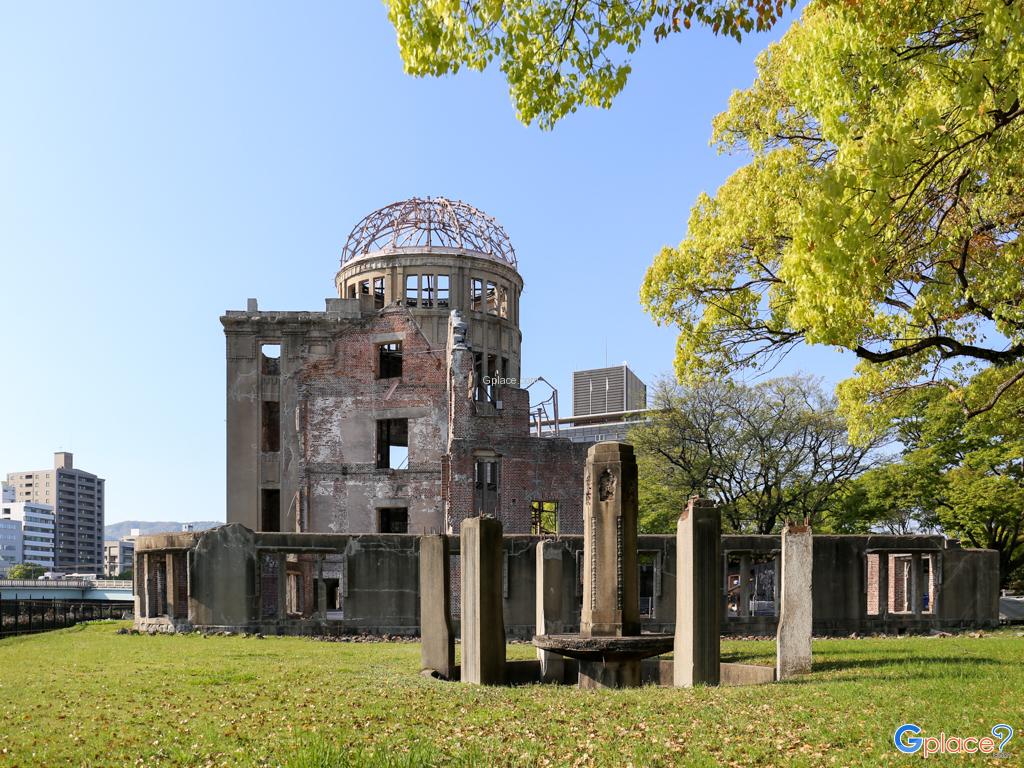
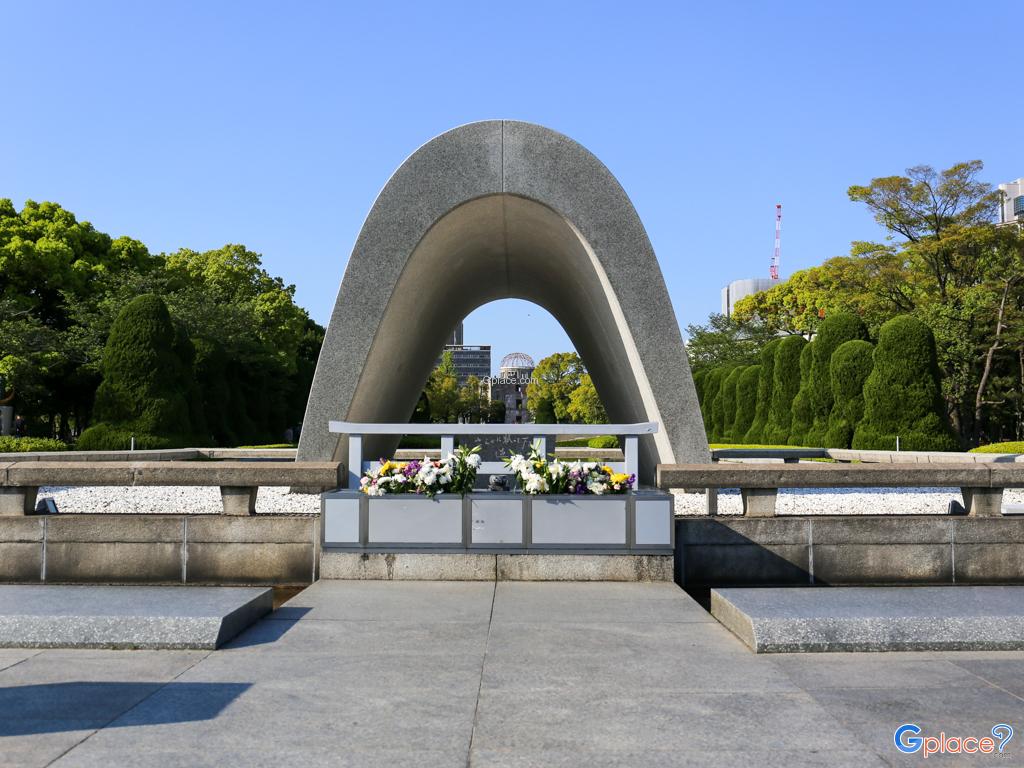
Combine this visit with the Atomic Bomb Dome and Hiroshima Peace Memorial Park, located within walking distance.
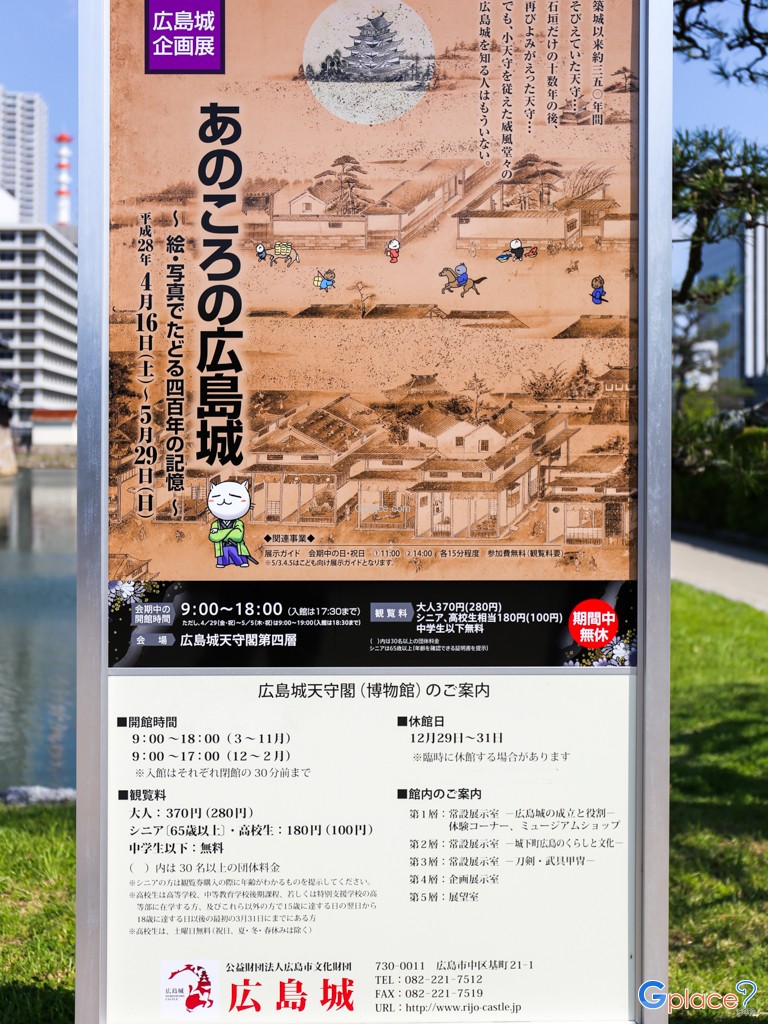
Admission Fee:
-
Adults: 370 JPY
-
Children/Students: approx. 180 JPY
(Fees may vary during special exhibitions.)
Opening Time:
-
Standard: 9:00 AM – 6:00 PM (last entry 30 minutes before closing)
-
Winter (Dec–Feb): 9:00 AM – 5:00 PM
Hiroshima Castle

 Share
Share
 21-1 Motomachi, Naka Ward, Hiroshima City, Japan
Map
21-1 Motomachi, Naka Ward, Hiroshima City, Japan
Map
 Closed today
Mon9.00 - 17.00
Tue9.00 - 17.00
Wed9.00 - 17.00
Thu9.00 - 17.00
Fri9.00 - 17.00
Sat9.00 - 17.00
Sun9.00 - 17.00



 86
86