 Attractions
  Hotel
Hotel  Restaurant
  Shopping
  Abroad






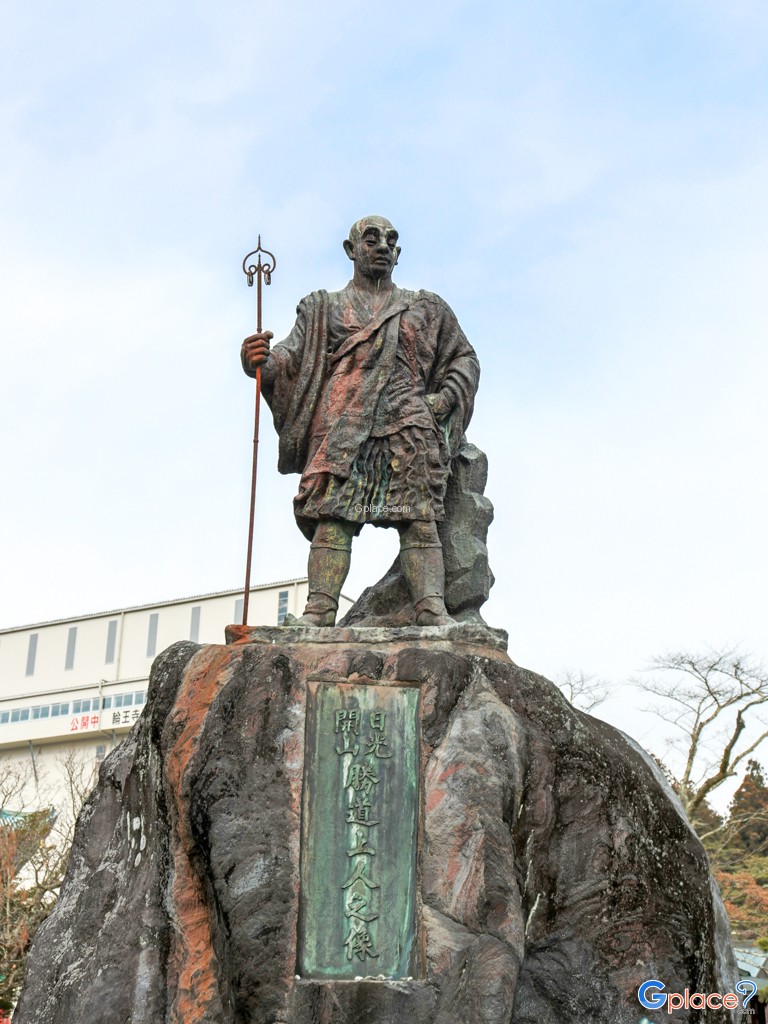
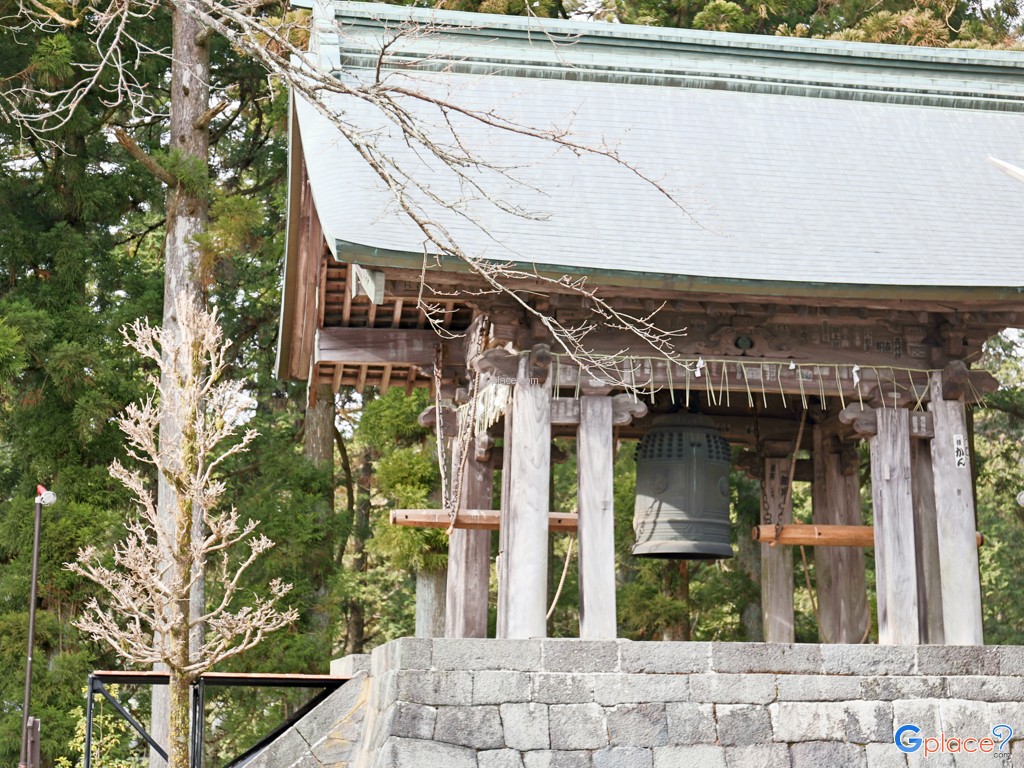

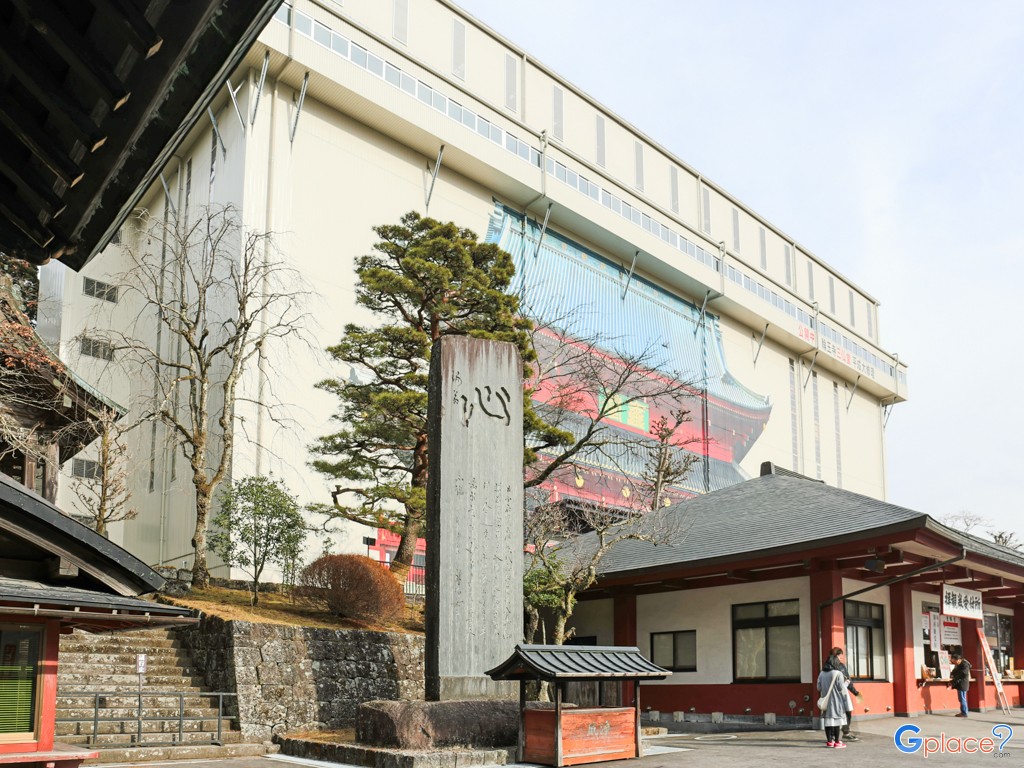
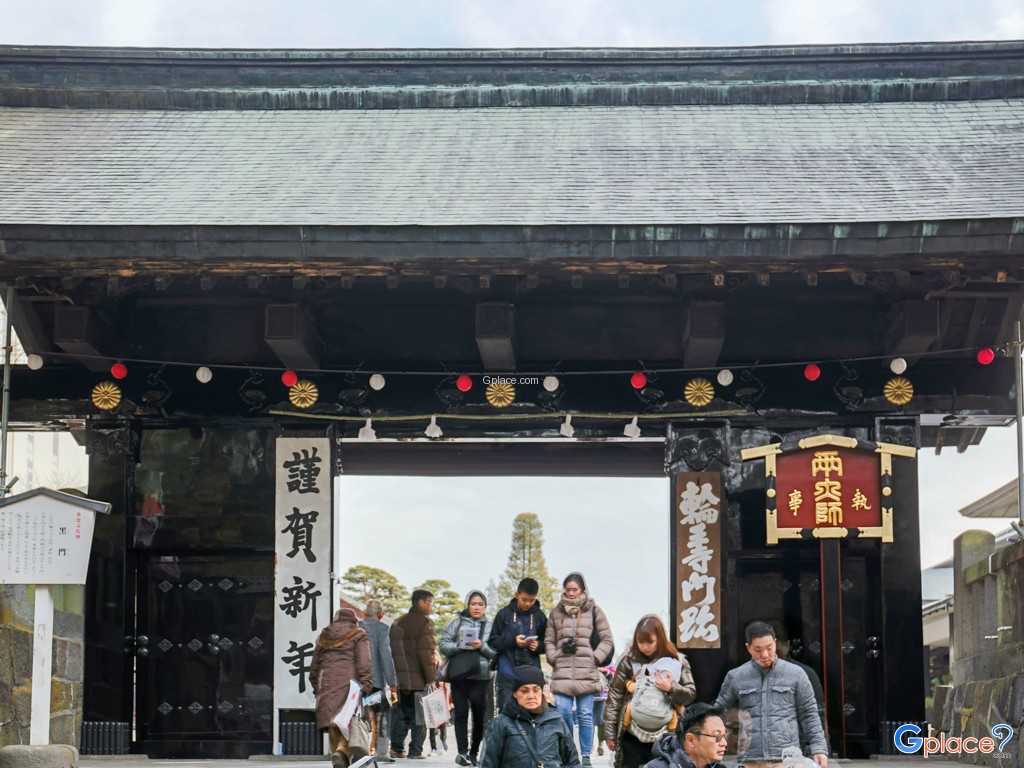

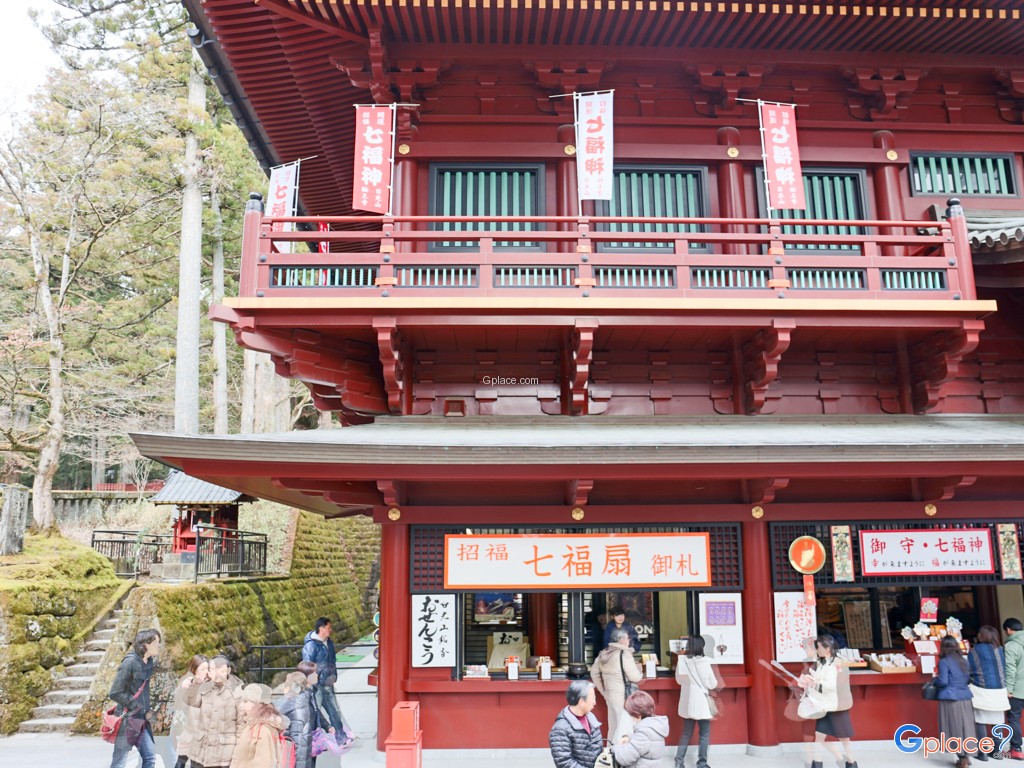
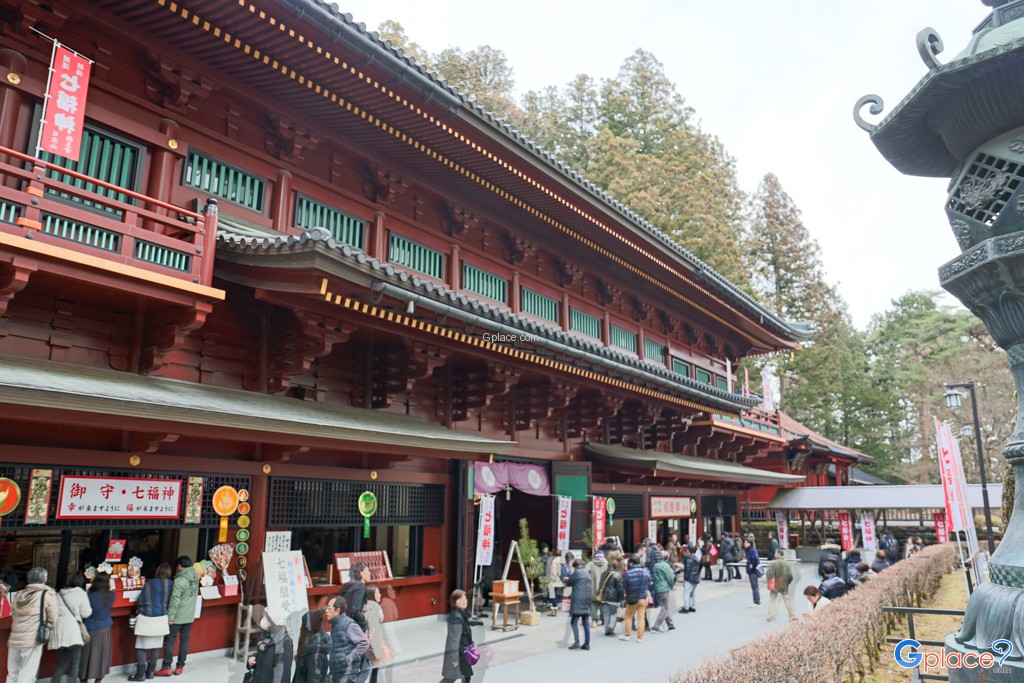
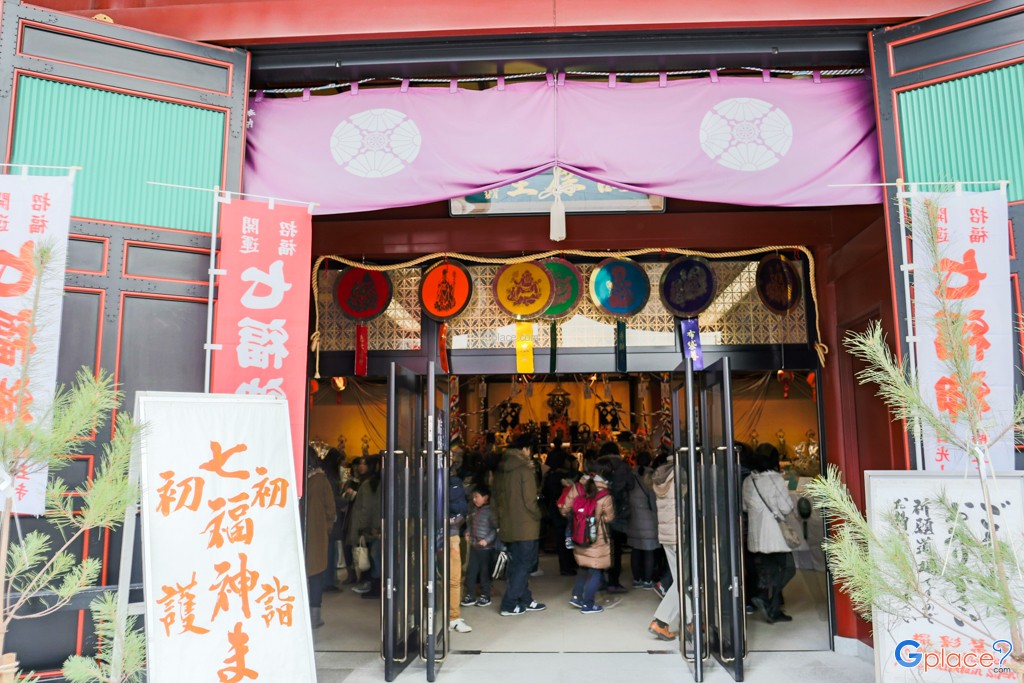
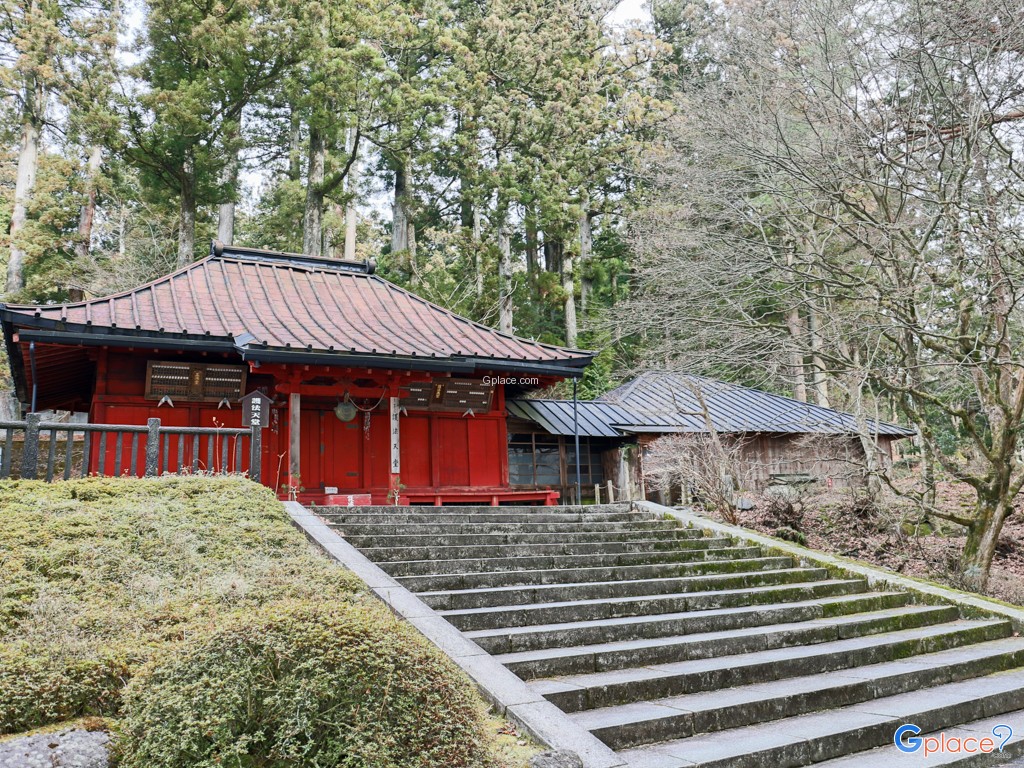
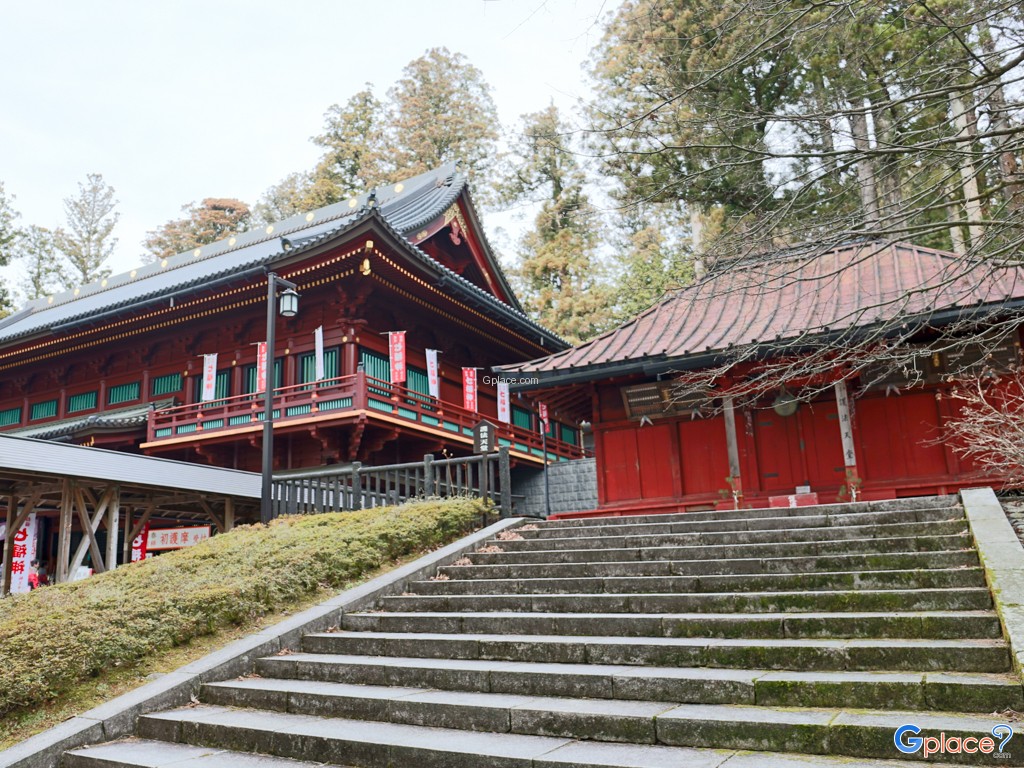
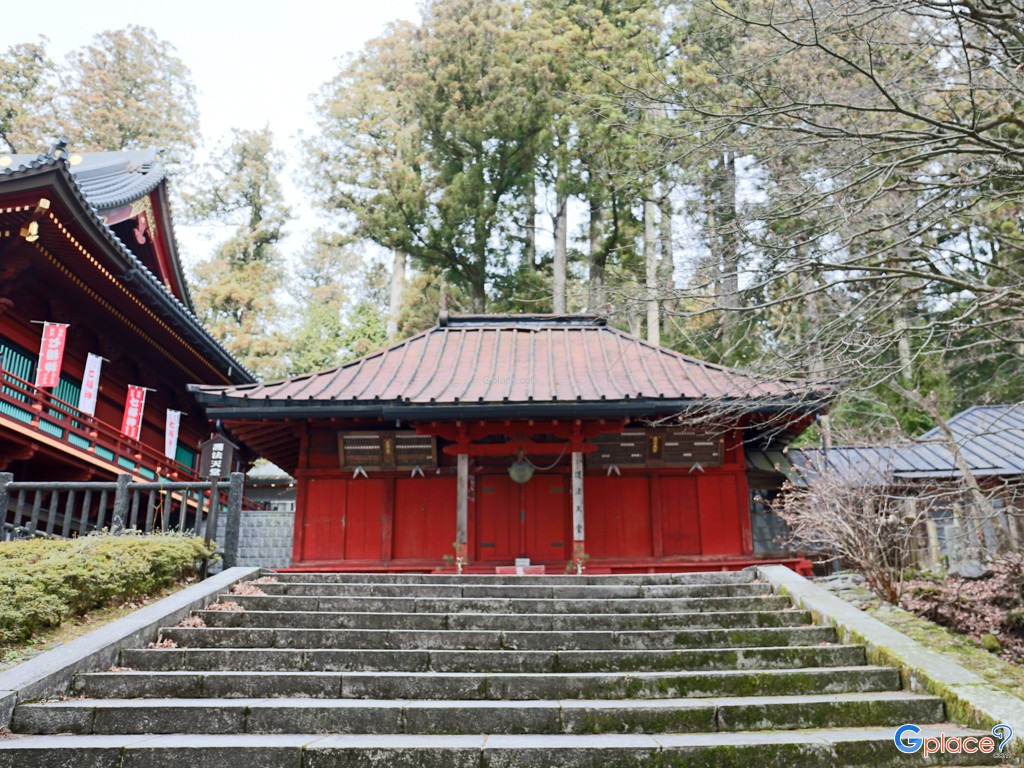
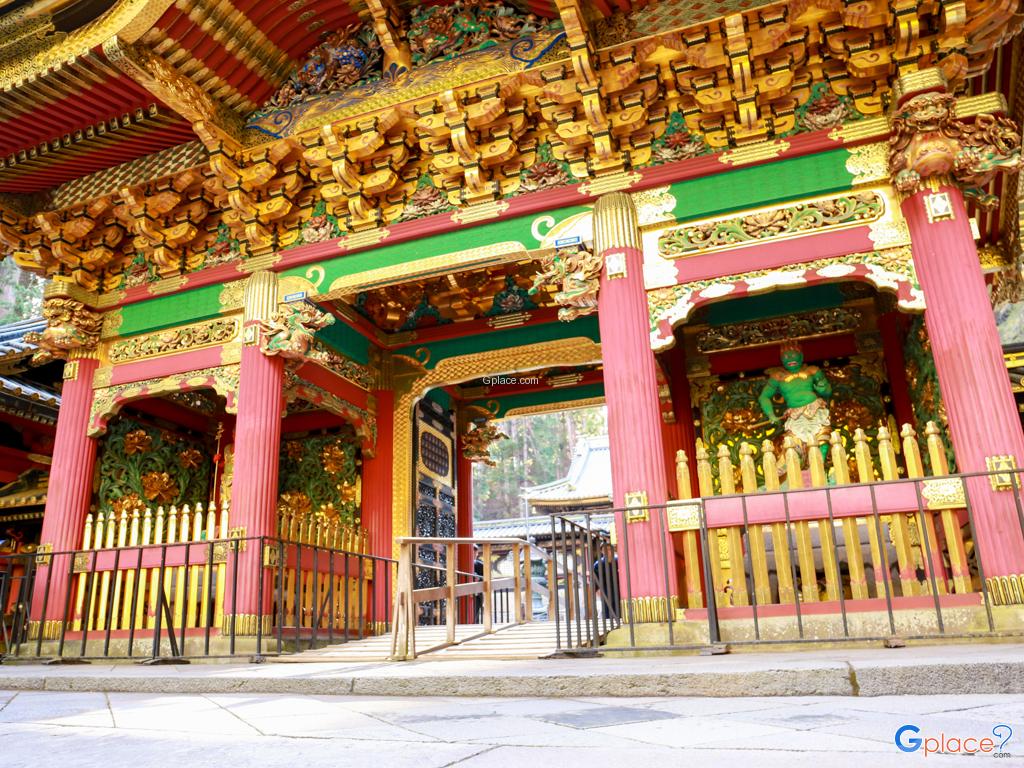
“Experience the grandeur of golden Buddhist artistry beneath the roof of this World Heritage sanctuary, and immerse yourself in the serenity of a secret Edo-period garden, revered as the crowning jewel of Nikko”
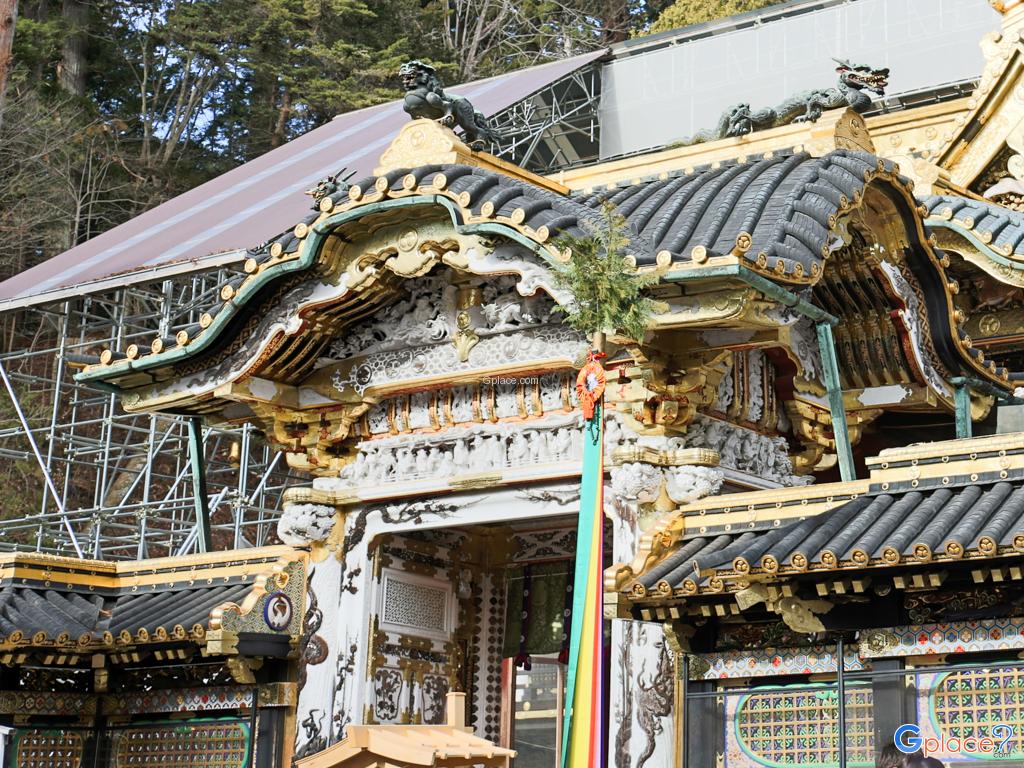
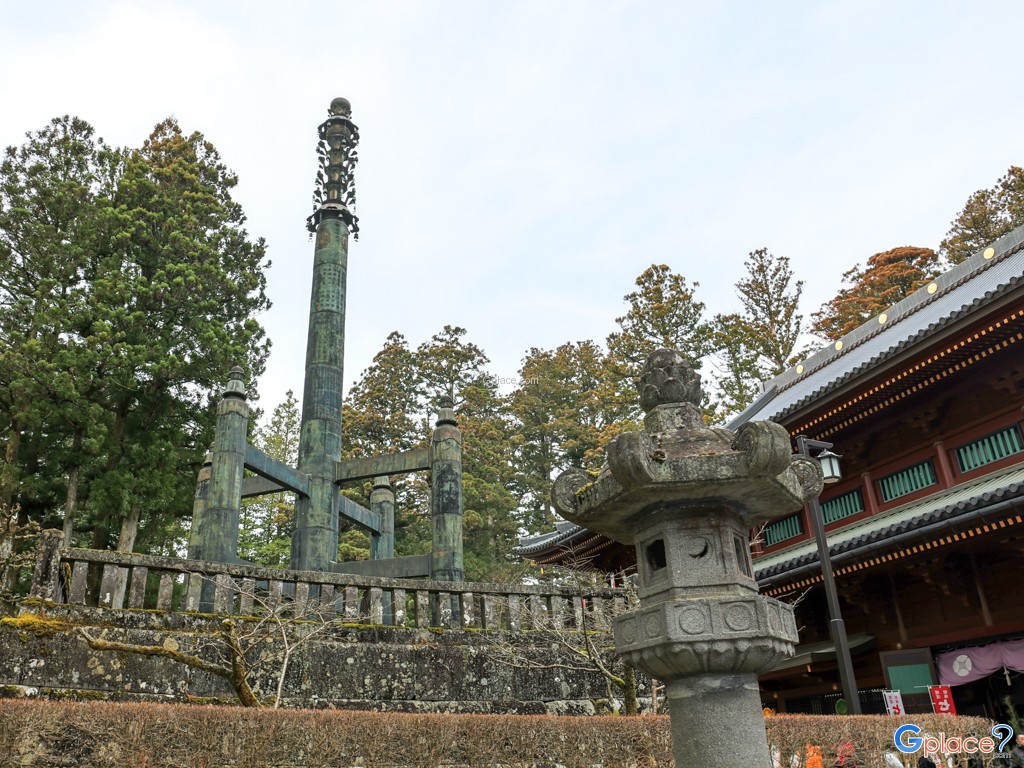
Rinnoji Temple is not merely a place of worship but the spiritual cornerstone of Nikko’s recognition as a UNESCO World Heritage site. Established in the 8th century by the hermit monk Shodo Shonin, the temple rose to unprecedented prominence during the Edo period. It became the administrative and religious center of Nikko when the Tokugawa Shogunate chose this sacred mountain range as the site for their dynastic shrines, cementing Rinno-ji’s role as a guardian of the nation’s peace and prosperity.
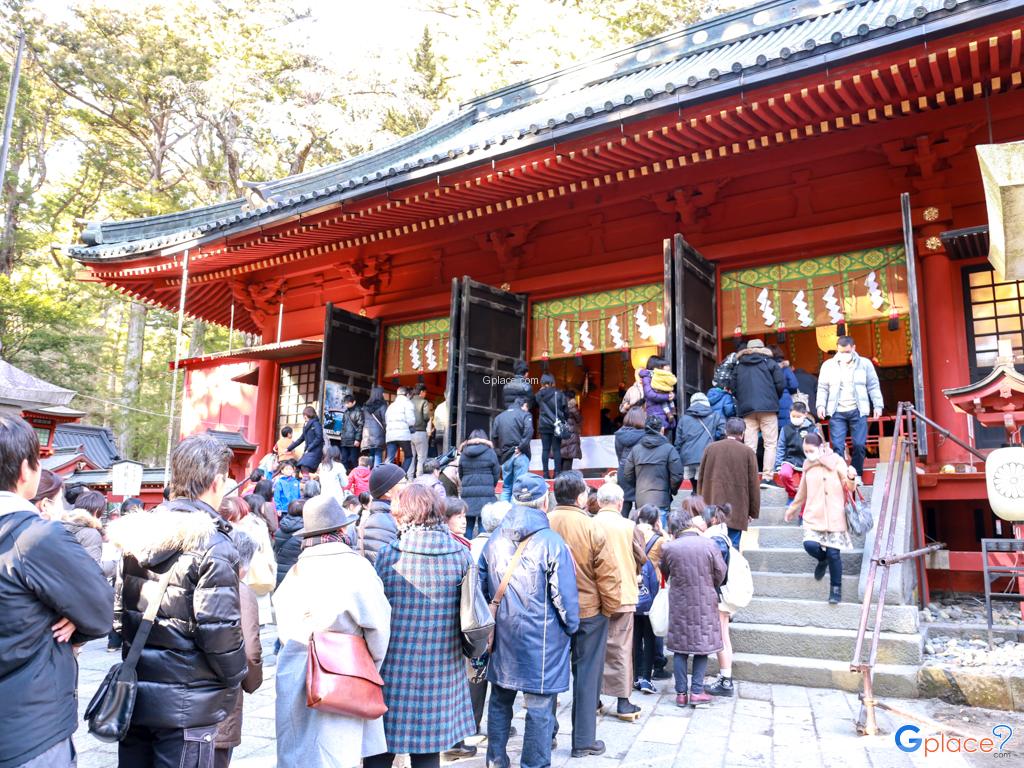
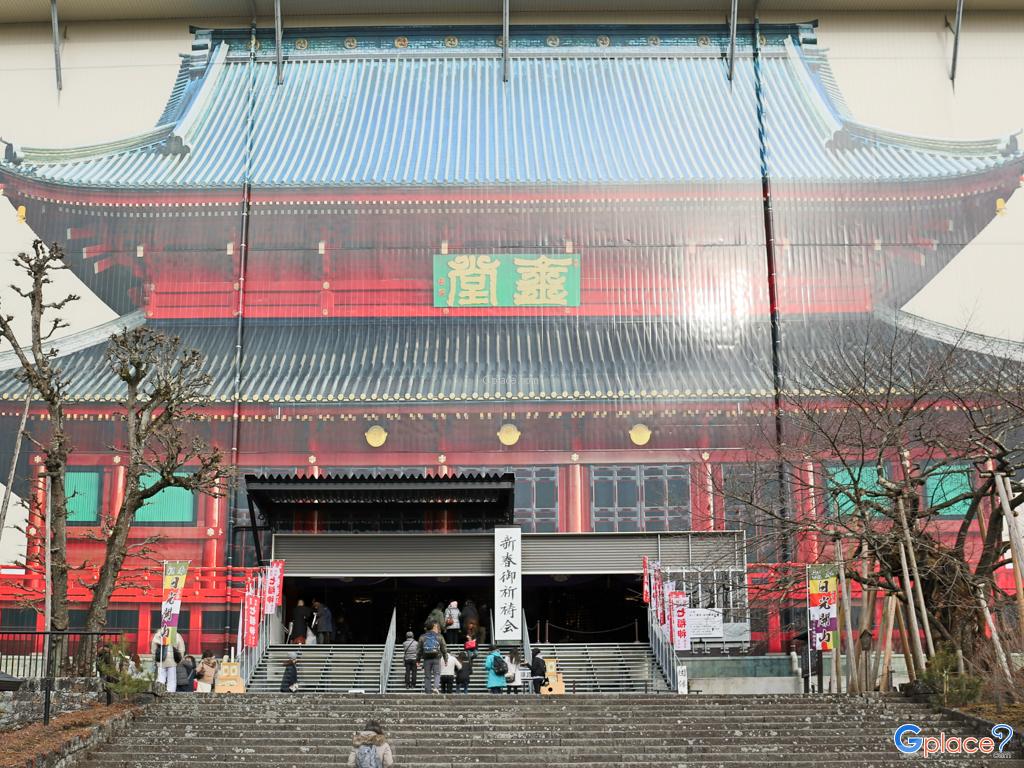
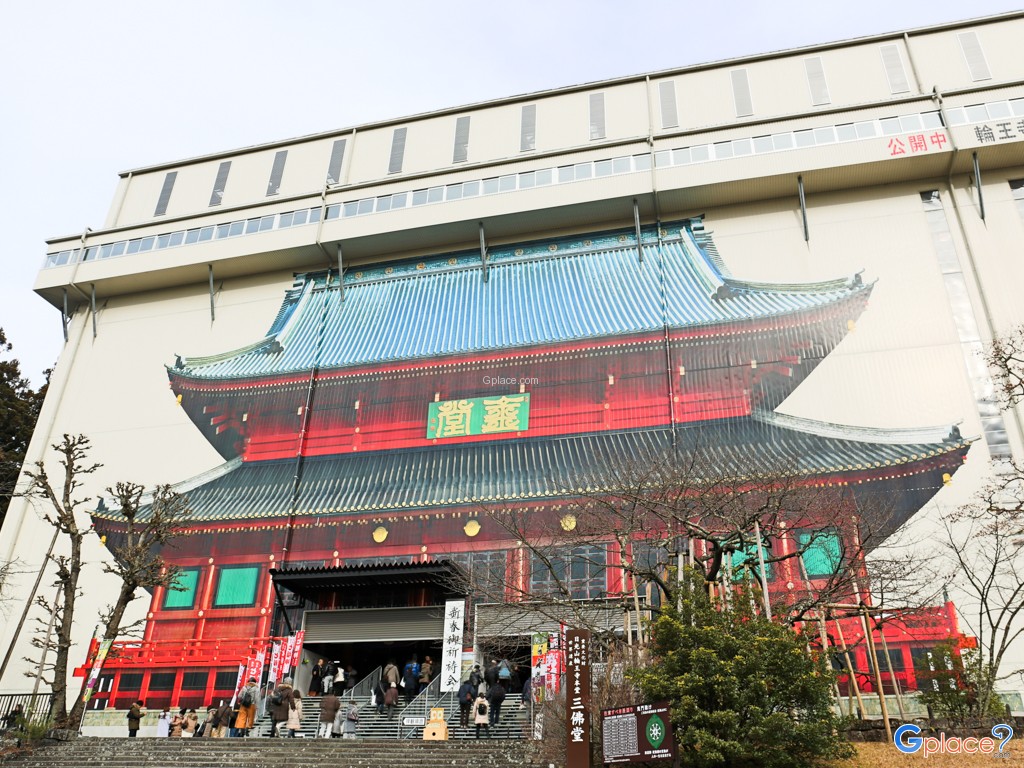
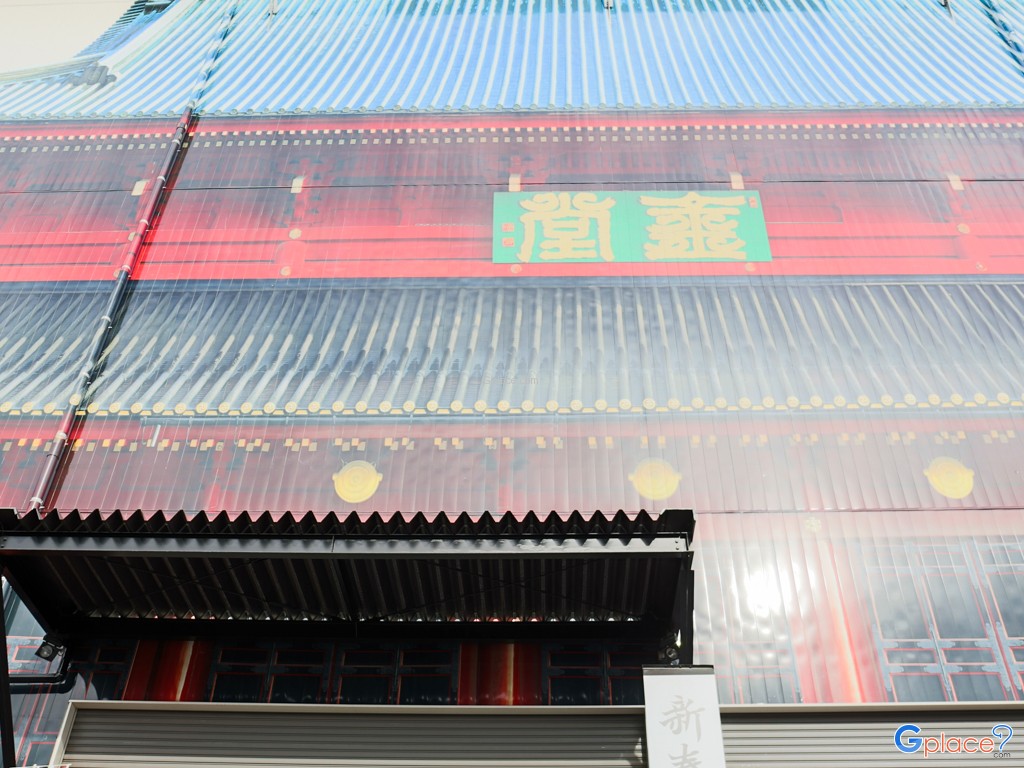
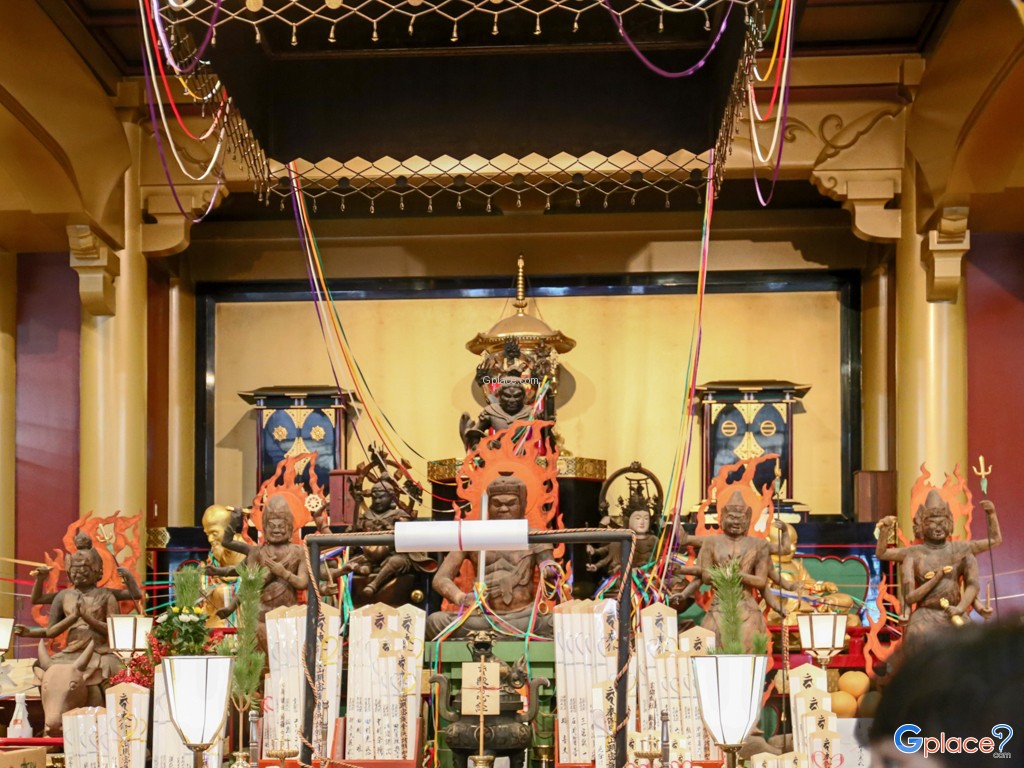
The temple’s architectural crown jewel is the Sanbutsudo Hall, a registered National Treasure and the largest wooden building in Eastern Japan. Inside, the atmosphere is heavy with incense and history, dominated by three colossal lacquered-gold statues representing the Buddhist manifestations of Nikko’s three sacred mountain deities. This unique iconography serves as a living testament to "Shinbutsu-shugo," the sophisticated syncretism of Buddhism and Shinto that defined Japanese faith for a millennium.
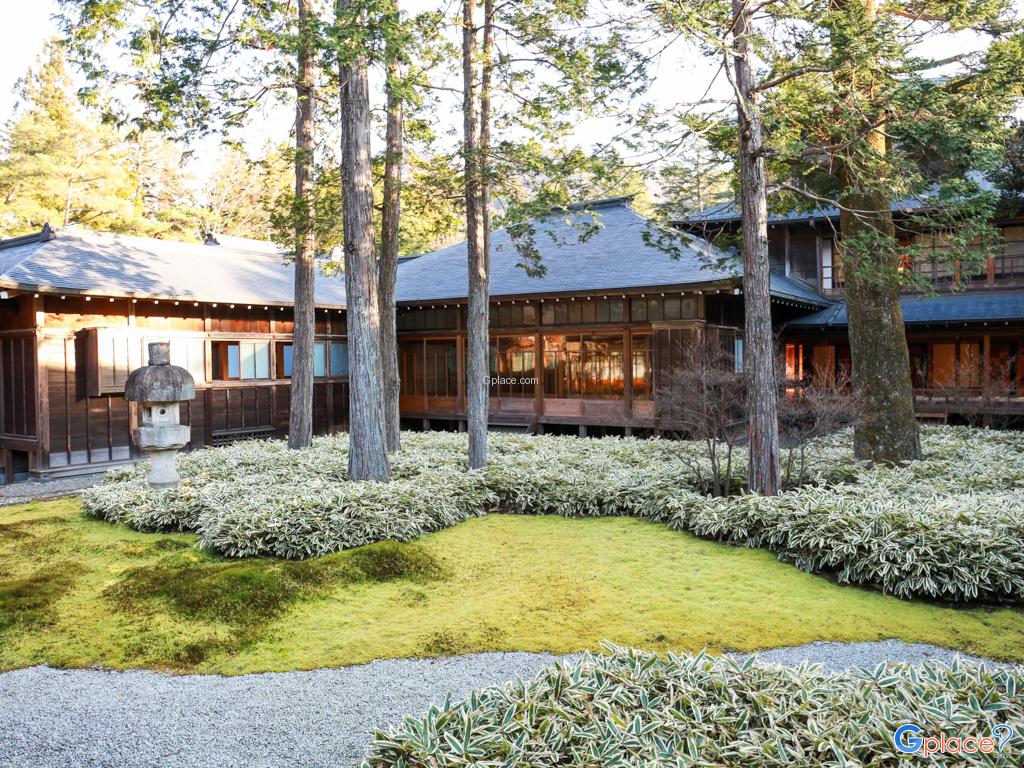
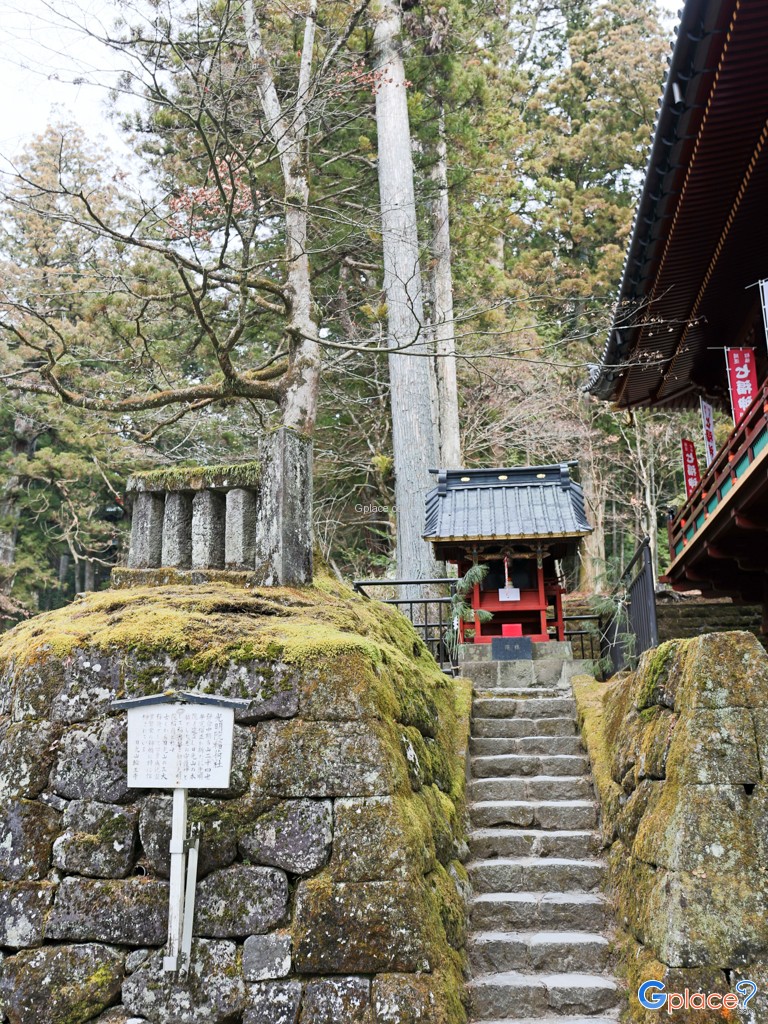
The temple grounds exude a profound sense of antiquity and tranquility. Beyond the massive halls lies the Shoyoen Garden, a masterpiece of Edo-period landscape design. This "stroll-style" garden is meticulously crafted to mirror the natural vistas of Lake Chuzenji and Mount Nantai. During the autumn season, the garden transforms into a vibrant canvas of deep vermillion and gold, as ancient maple trees frame the temple’s scarlet facades, creating a visual harmony that has inspired poets and monks for centuries.
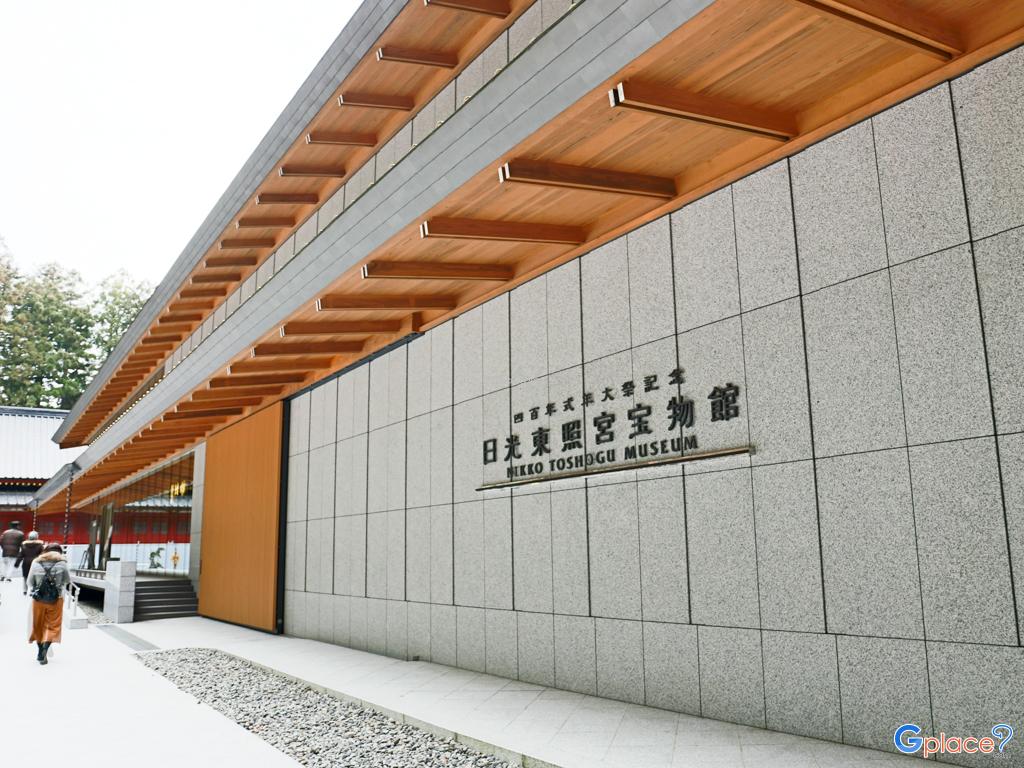
For historians, photographers, and connoisseurs of Japanese art, Rinno-ji is a sanctuary of cultural wealth. The temple’s Treasure House (Homitsu-den) archives over 30,000 artifacts, including exquisite calligraphy, ceremonial armor, and sacred scrolls that are rarely seen elsewhere. It is a destination for those seeking to move beyond the surface of tourism and touch the true essence of Japanese heritage, where every weathered timber and golden leaf tells a story of devotion and power.
How to Get There
-
By Bus: From JR Nikko or Tobu Nikko Station, take the World Heritage Bus and alight at Rinnoji-mae stop approx. 10 minutes.
-
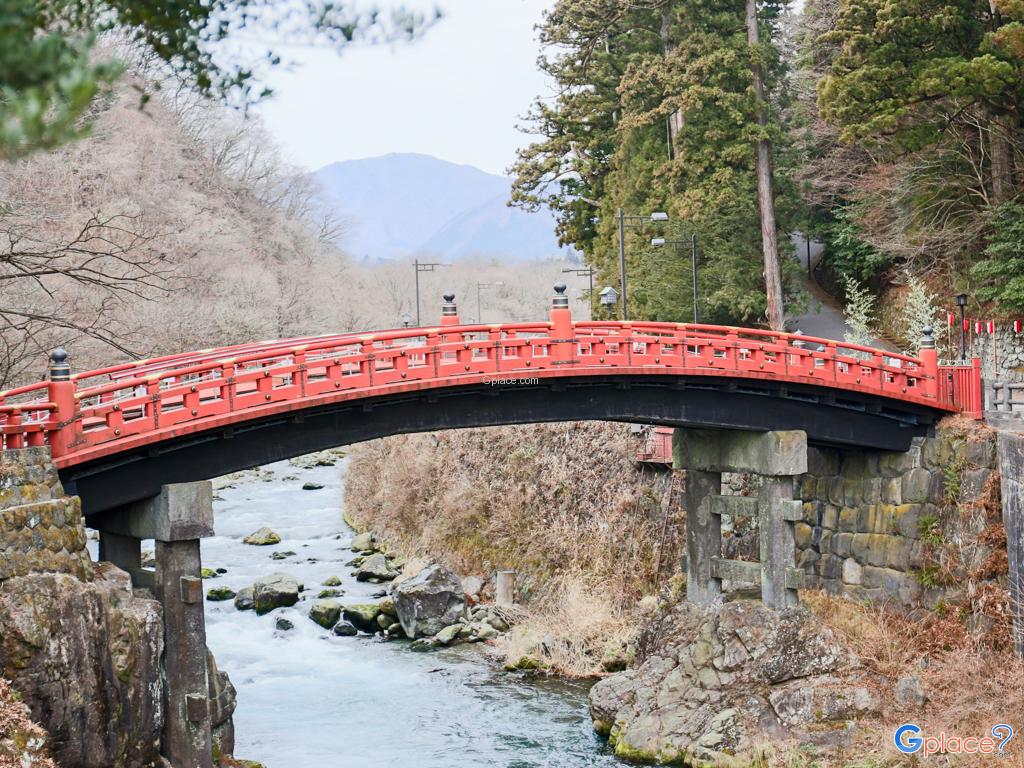
On Foot: A scenic 10-15 minute walk uphill from the iconic Shinkyo Bridge through the historic forest path.
Travel Tips
-
Best Visiting Season: Early to mid-November is spectacular for the autumn foliage. Check for special evening "Light-up" events in Shoyoen Garden during this period.
-
Footwear: Visitors must remove shoes to enter the Sanbutsudo Hall. Thick socks are highly recommended during the colder months (late autumn to spring).
-
Photography: Photography and filming are strictly prohibited inside the main halls to preserve the sanctity of the deities. Outdoor photography in the gardens is welcome.
-
Planning: Purchase the combination ticket (Temple + Garden + Treasure House) for a comprehensive cultural experience.
Admission Fee:
- Sanbutsudo Hall only: Adult 400 JPY, Child 200 JPY
- Combination Ticket Sanbutsudo Hall, Treasure House, and Shoyoen Garden: Adult 900 JPY, Child 500 JPY
Opening Hours:
-
April - October: 08:00 – 17:00
-
November - March: 08:00 – 16:00
-
Ticket sales end 30 minutes before closing
Rinnoji Temple

 Share
Share
 〒321-1431 Tochigi-ken, Nikkō-shi, Sannai
Map
〒321-1431 Tochigi-ken, Nikkō-shi, Sannai
Map
 Open now : 8.00 - 16.00
Mon8.00 - 16.00
Tue8.00 - 16.00
Wed8.00 - 16.00
Thu8.00 - 16.00
Fri8.00 - 16.00
Sat8.00 - 16.00
Sun8.00 - 16.00



 313
313