 Attractions
  Hotel
Hotel  Restaurant
  Shopping
  Abroad





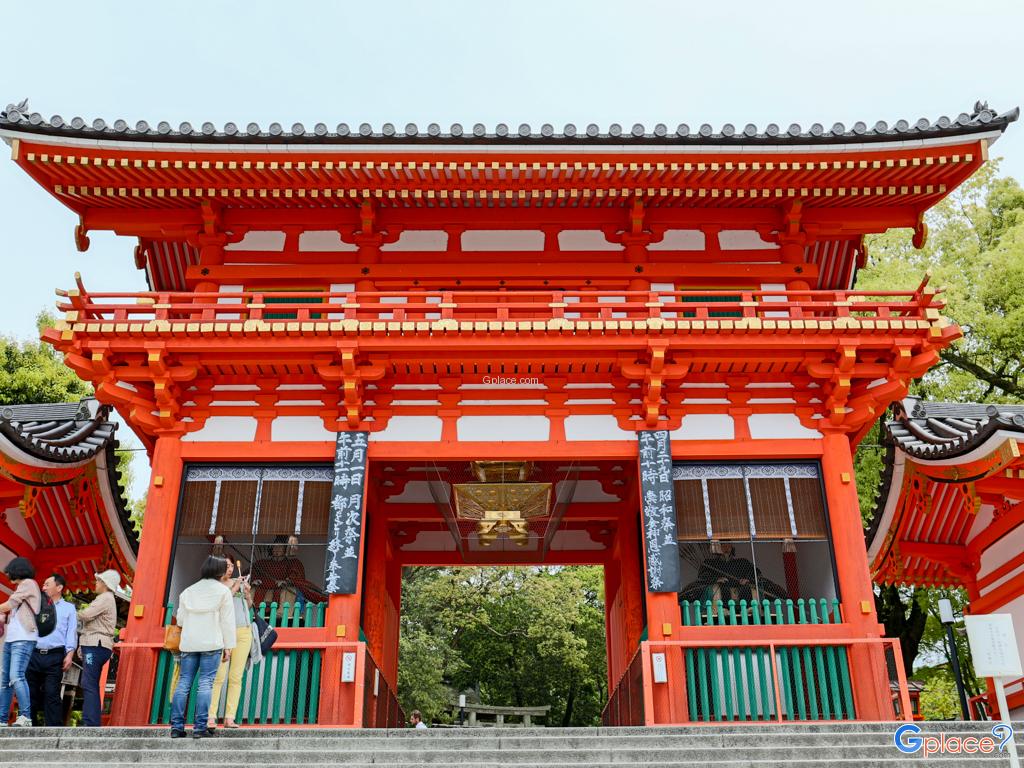


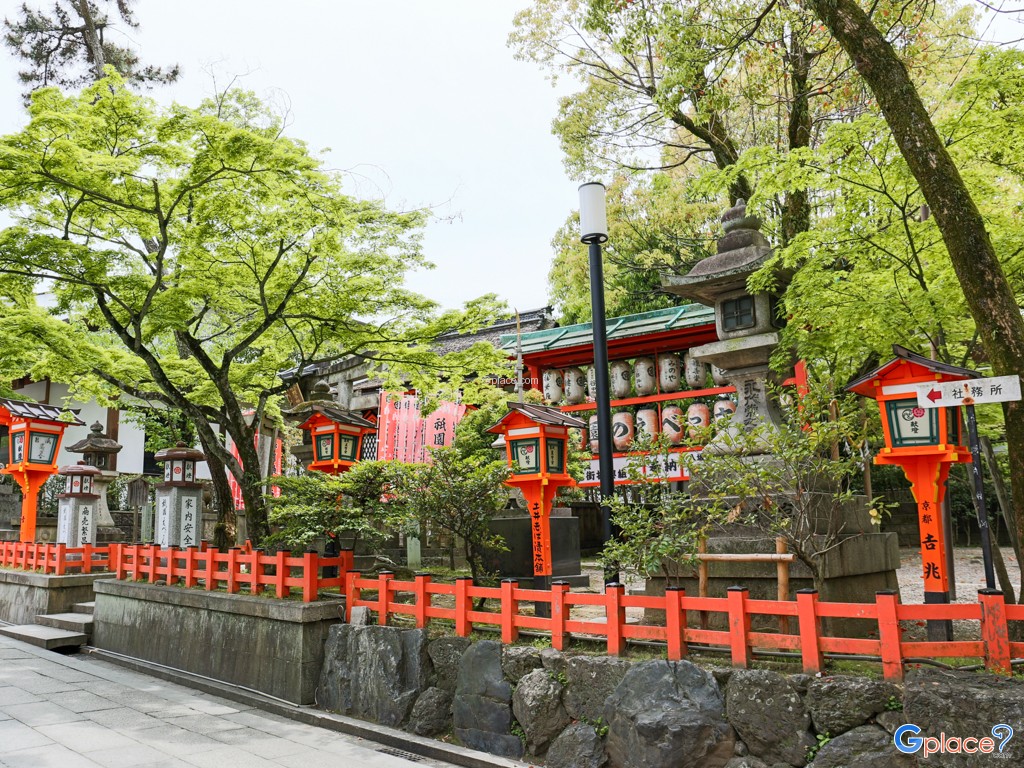
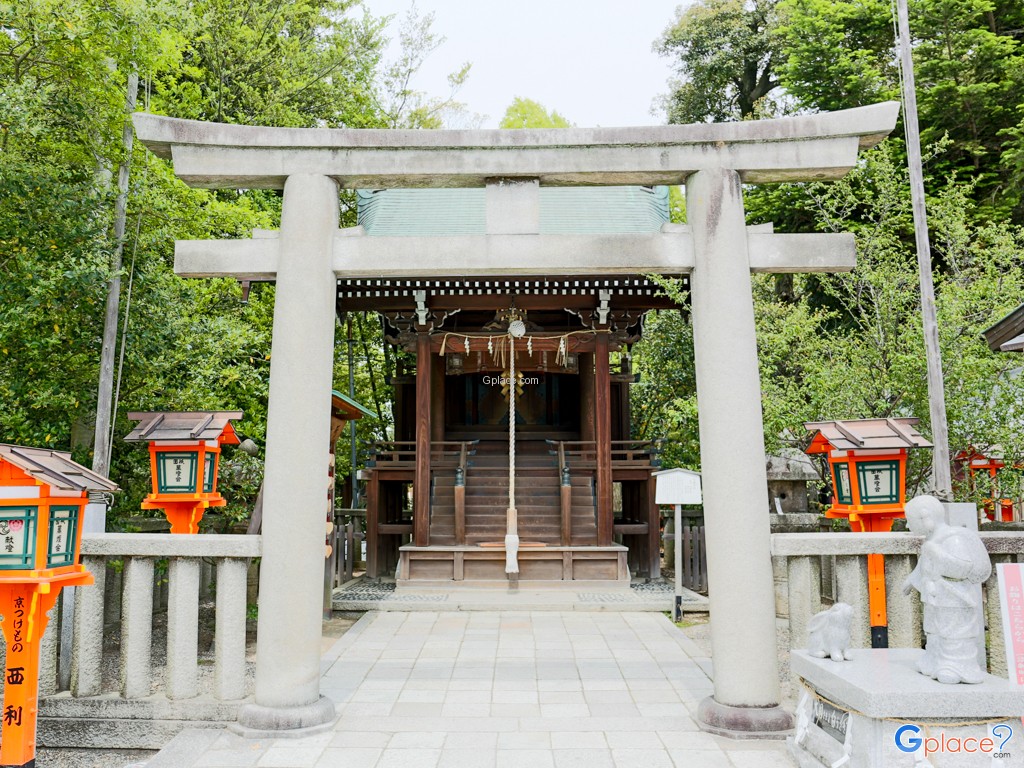
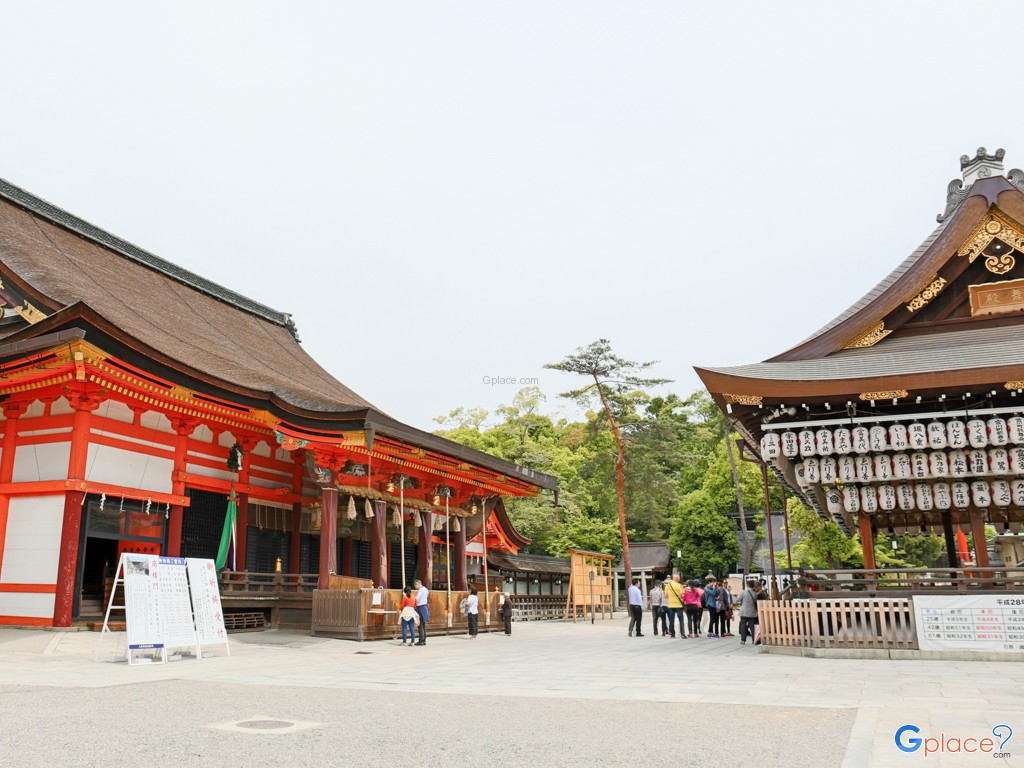
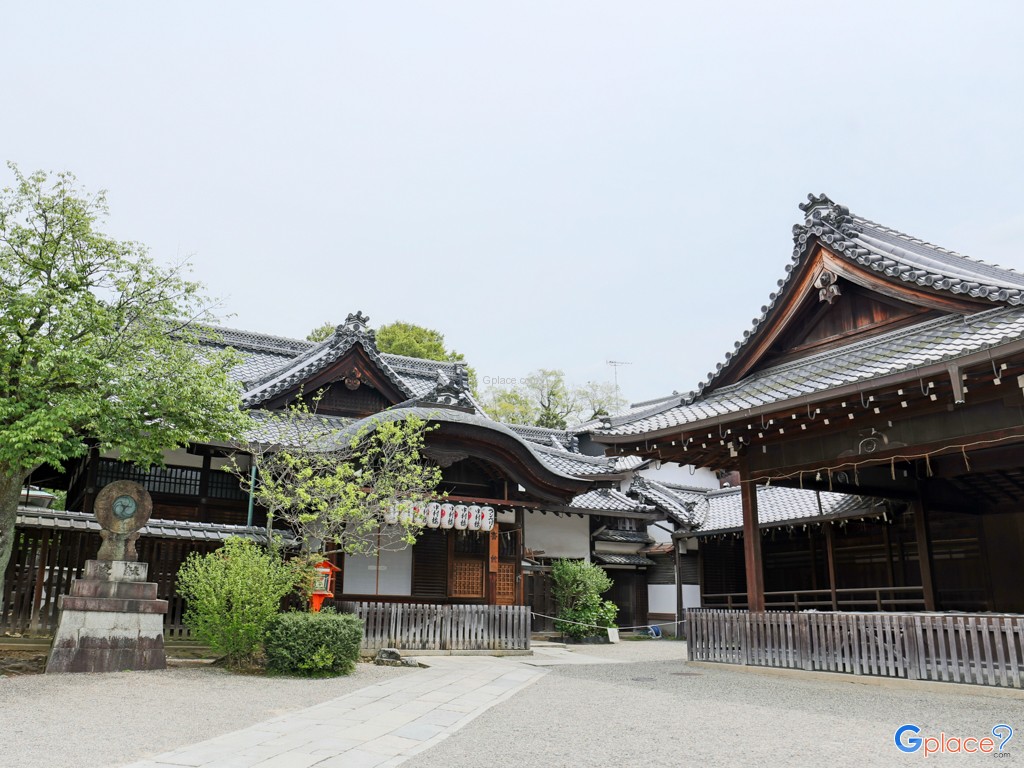
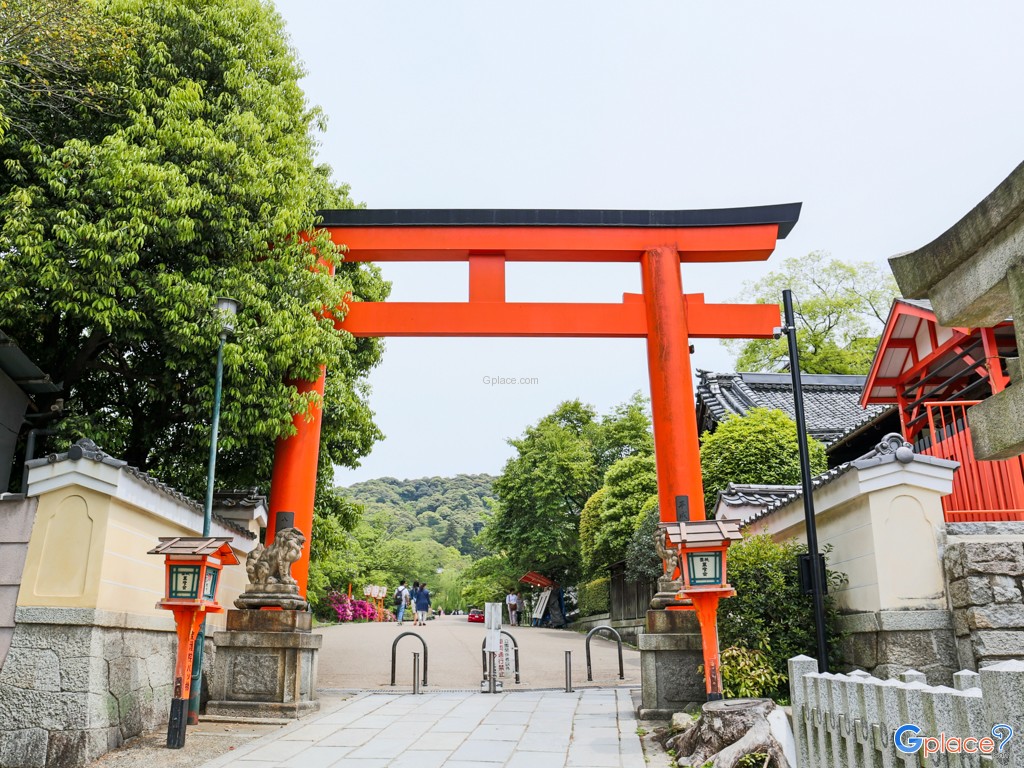
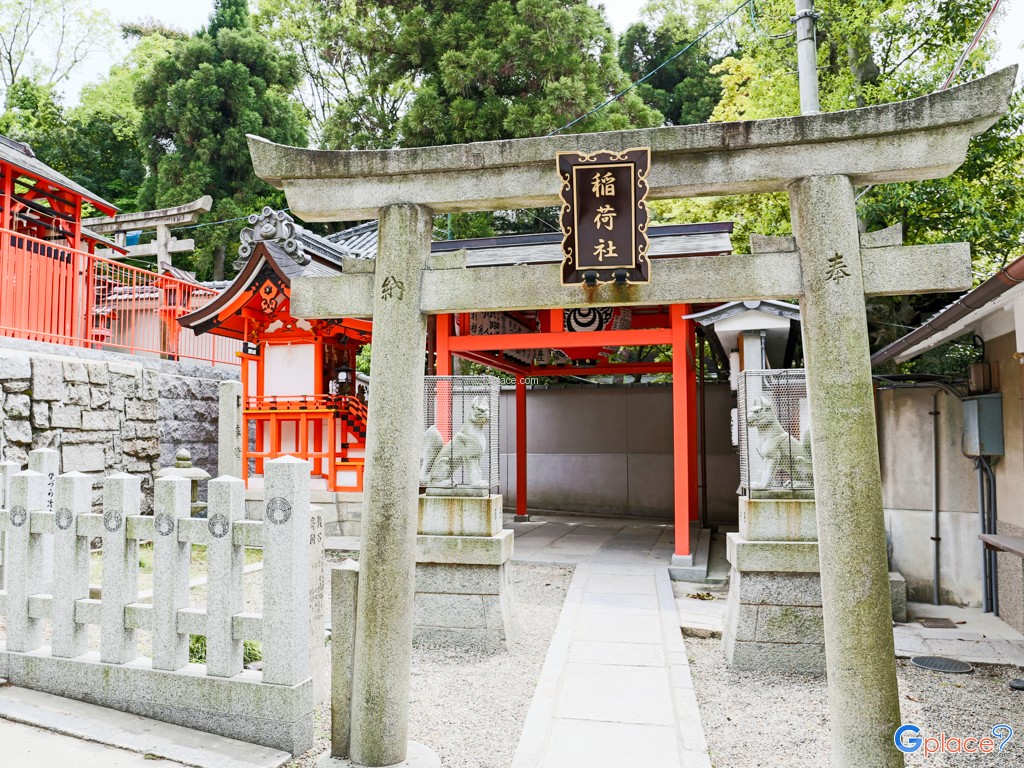
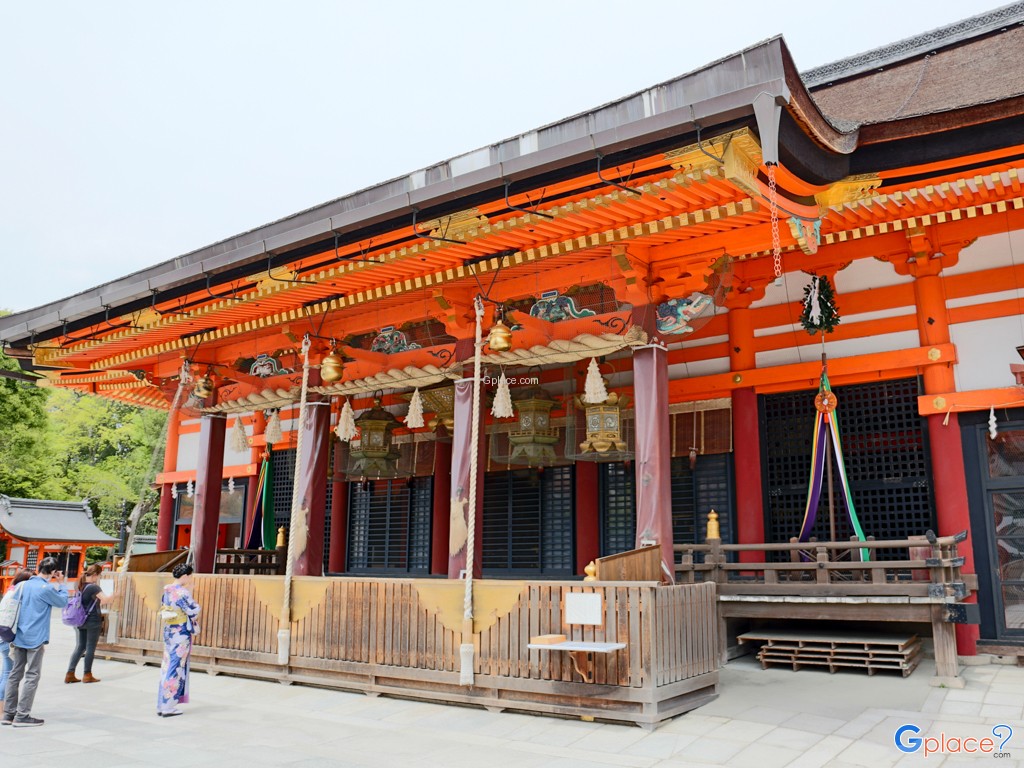

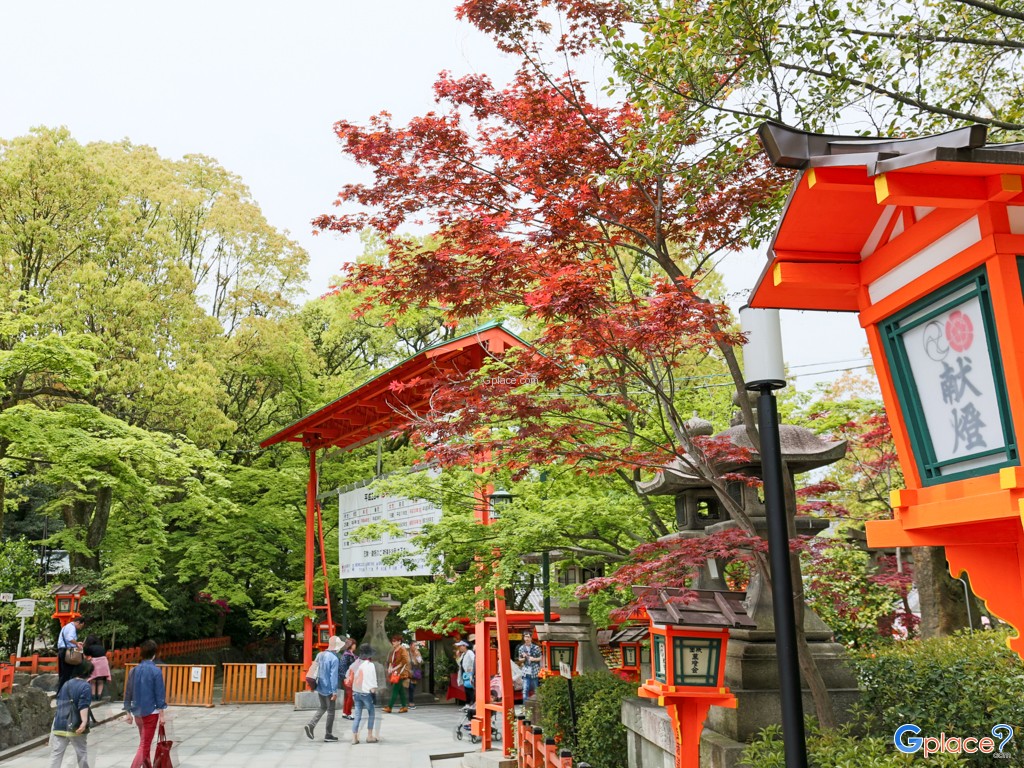
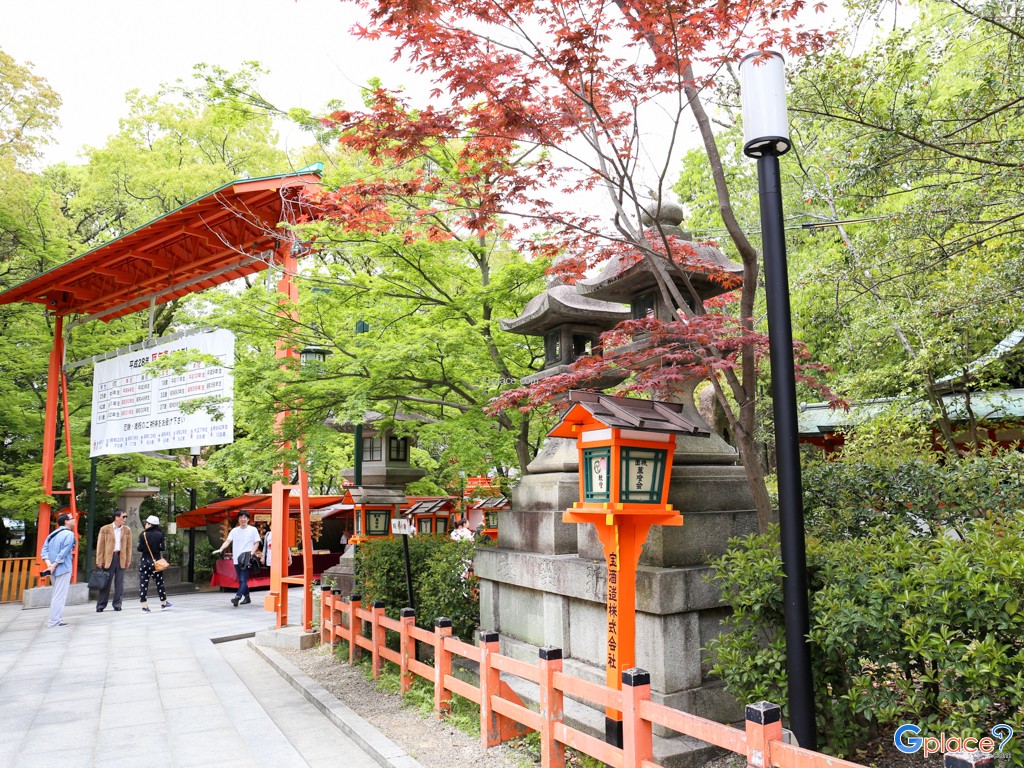
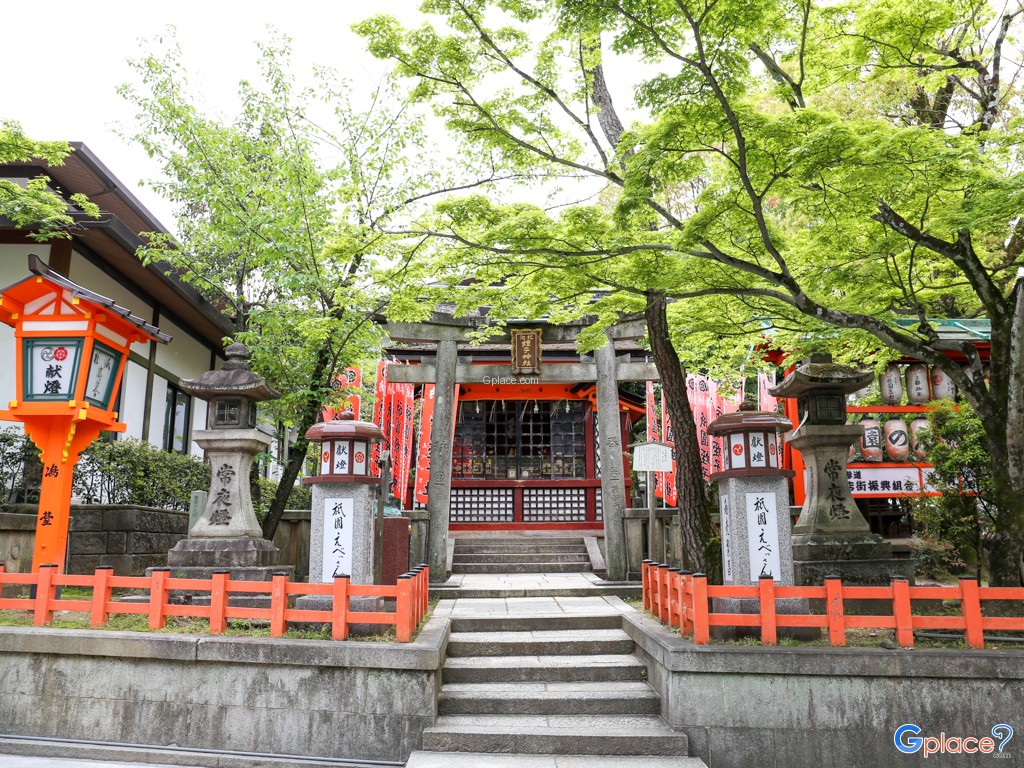
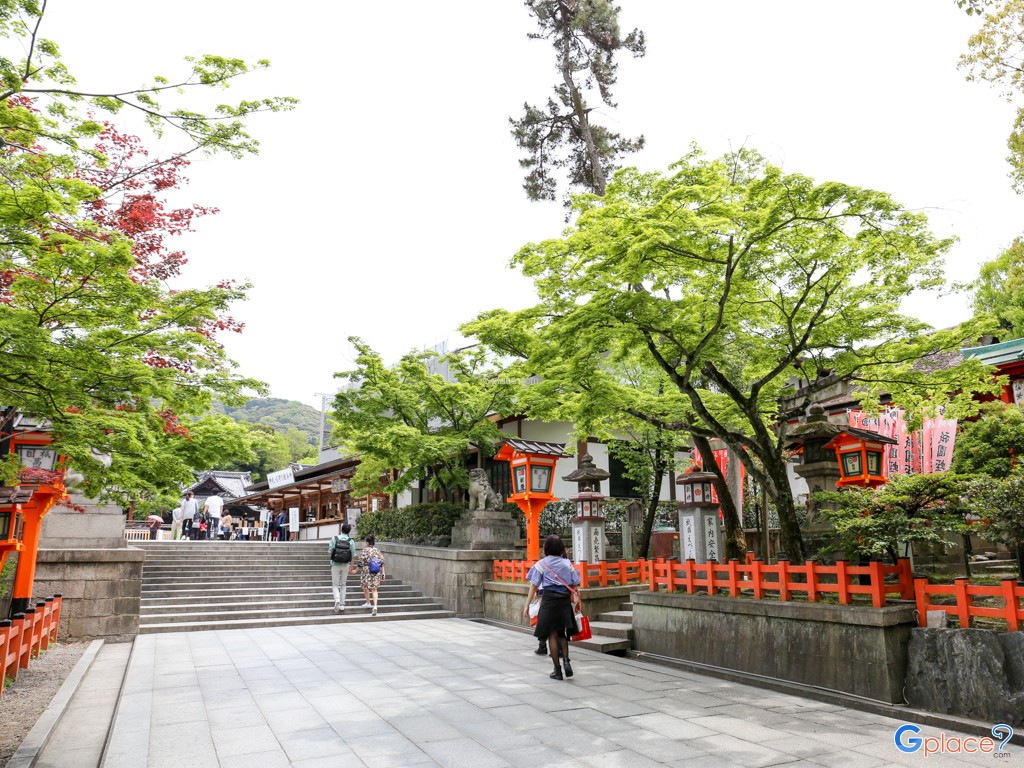
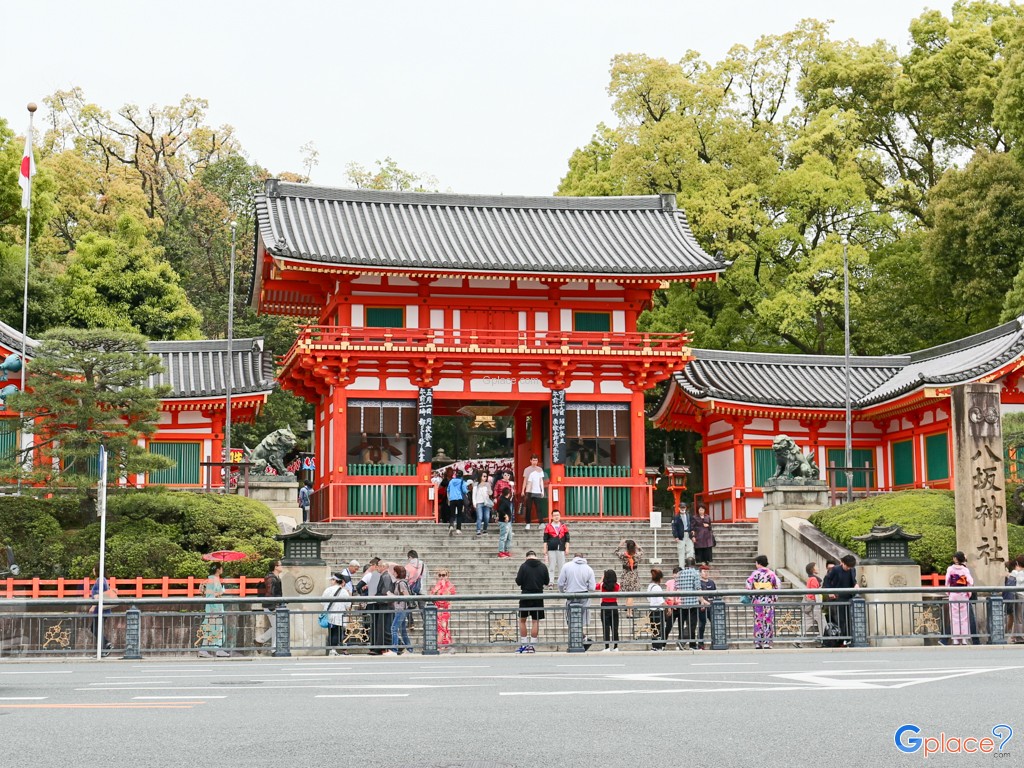
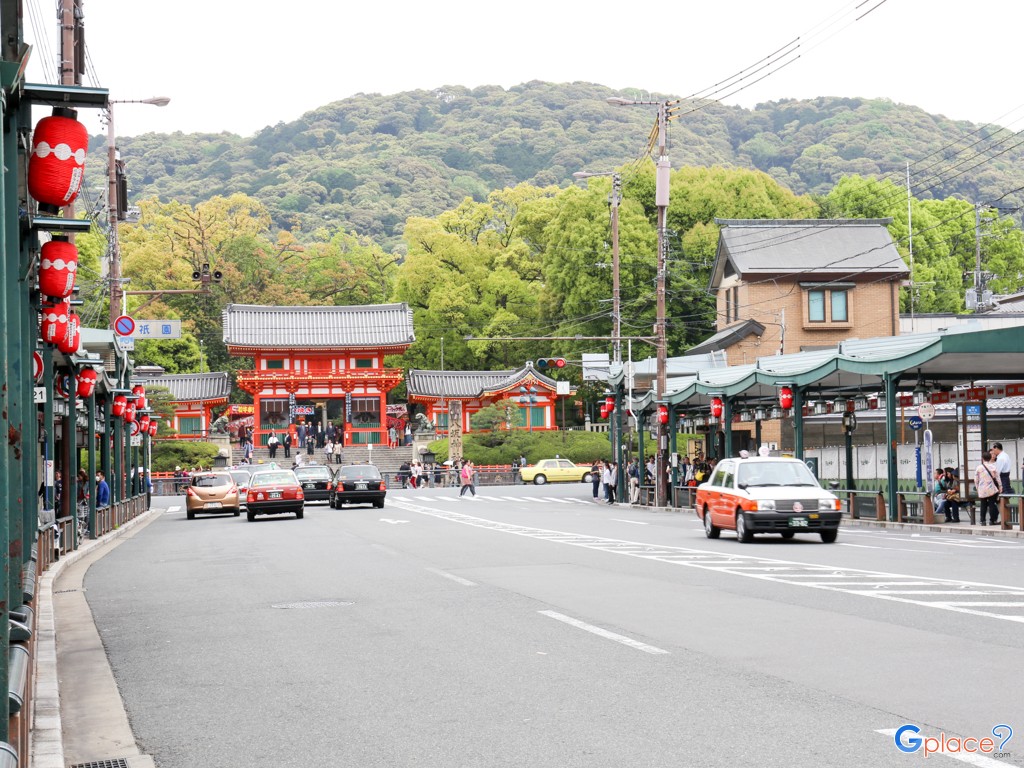
“A 24-hour shrine featuring the lantern-filled Buden Hall, the powerful deity Susanoo-no-Mikoto, and the iconic red Nishi-ro-mon Gate—one of Kyoto’s most photographed landmarks.”
Yasaka Shrine, affectionately known by locals as “Gion-san,” is one of Kyoto’s oldest and most significant Shinto shrines, with a history spanning more than 1,350 years. Located at the eastern end of Shijo Street, it serves as a symbolic gateway between modern downtown Kyoto and the traditional world of the Gion district.
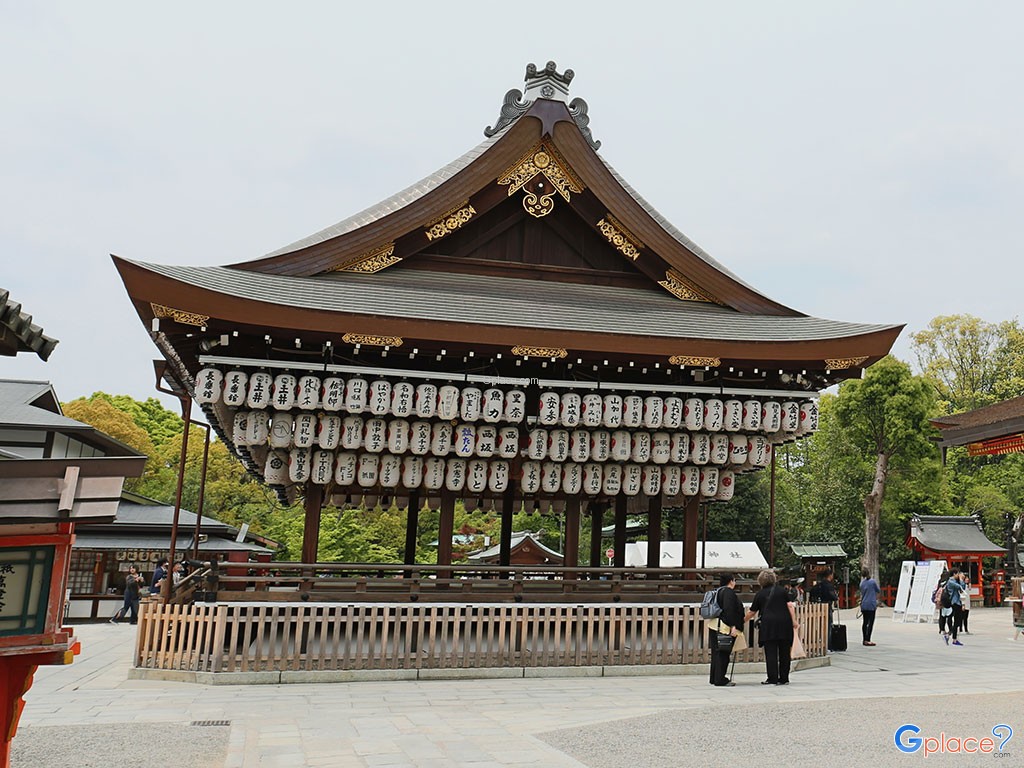
At the heart of the shrine stands the Buden Hall, a wooden ceremonial pavilion positioned in the central courtyard. This structure is famously adorned with hundreds of lanterns that illuminate the shrine grounds after sunset. At night, the softly glowing lanterns create an atmosphere that is both mystical and romantic, making Yasaka Shrine one of Kyoto’s most beautiful places for evening strolls and night photography. The shrine’s 24-hour opening further enhances its appeal as a peaceful retreat after dark.
The main deity enshrined here is Susanoo-no-Mikoto, a powerful Shinto god believed to ward off misfortune, disease, and negative energy. This belief forms the spiritual foundation of the Gion Matsuri, which originated as a ritual to drive away epidemics and has since evolved into one of Japan’s most famous and grand festivals, held annually in July.
Within the shrine grounds, visitors should not miss Utsukushi Gozen-sha, a sub-shrine dedicated to beauty and charm. Sacred water found here is traditionally used to gently touch the face or skin, symbolizing a wish for both outer beauty and inner purity. Yasaka Shrine is also widely believed to grant blessings related to love and romantic relationships, making it especially popular among couples and young visitors.
Behind the shrine, a path leads directly into Maruyama Park, Kyoto’s most celebrated cherry blossom viewing spot. In spring, the park’s iconic weeping cherry tree (Shidarezakura) becomes one of the city’s most photographed seasonal highlights.
How to Get There
-
Kyoto City Bus: Routes 100 or 206
Get off at Gion Bus Stop, then walk about 5 minutes -
Keihan Railway: Get off at Gion-Shijo Station
Walk approximately 5–10 minutes -
Hankyu Railway: Get off at Kyoto Kawaramachi Station
Walk approximately 10–15 minutes
Travel Tips
-
Best photo spot: The bright red Nishi-ro-mon Gate on the west side, facing Shijo Street—an iconic Gion landmark
-
Best time to visit: Dusk to early evening (Magic Hour) for the most atmospheric lantern photos
-
Festival season: If visiting in July during Gion Matsuri, book accommodations well in advance, as the city becomes extremely crowded
Admission fee:
- Free admission
Opening time:
- Open 24 hours daily
Yasaka Shrine

 Share
Share
 625 Gion-machi Kitagawa, Higashiyama-ku, Kyoto-shi
Map
625 Gion-machi Kitagawa, Higashiyama-ku, Kyoto-shi
Map
 Open now



 388
388