 Attractions
  Hotel
Hotel  Restaurant
  Shopping
  Abroad






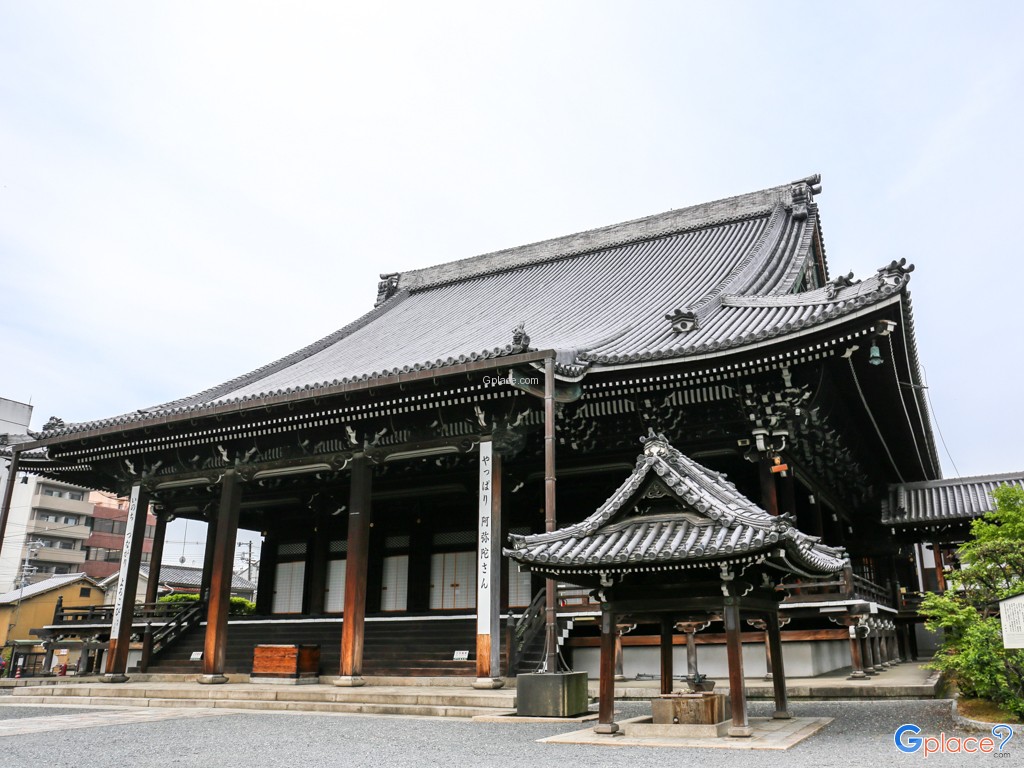
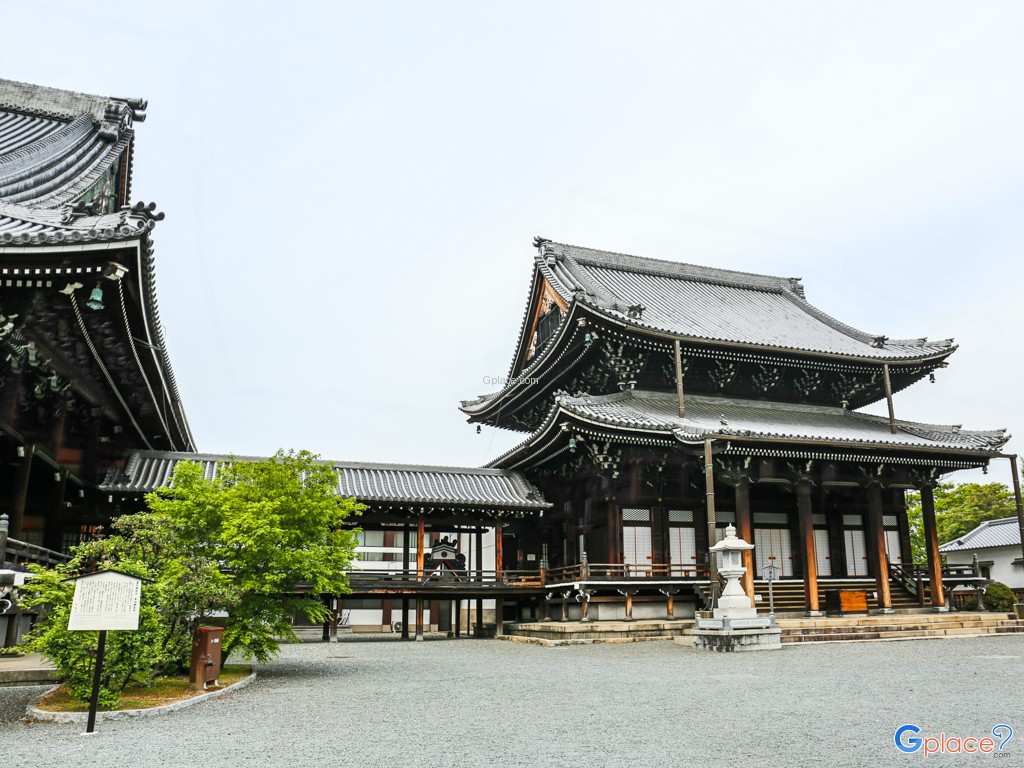
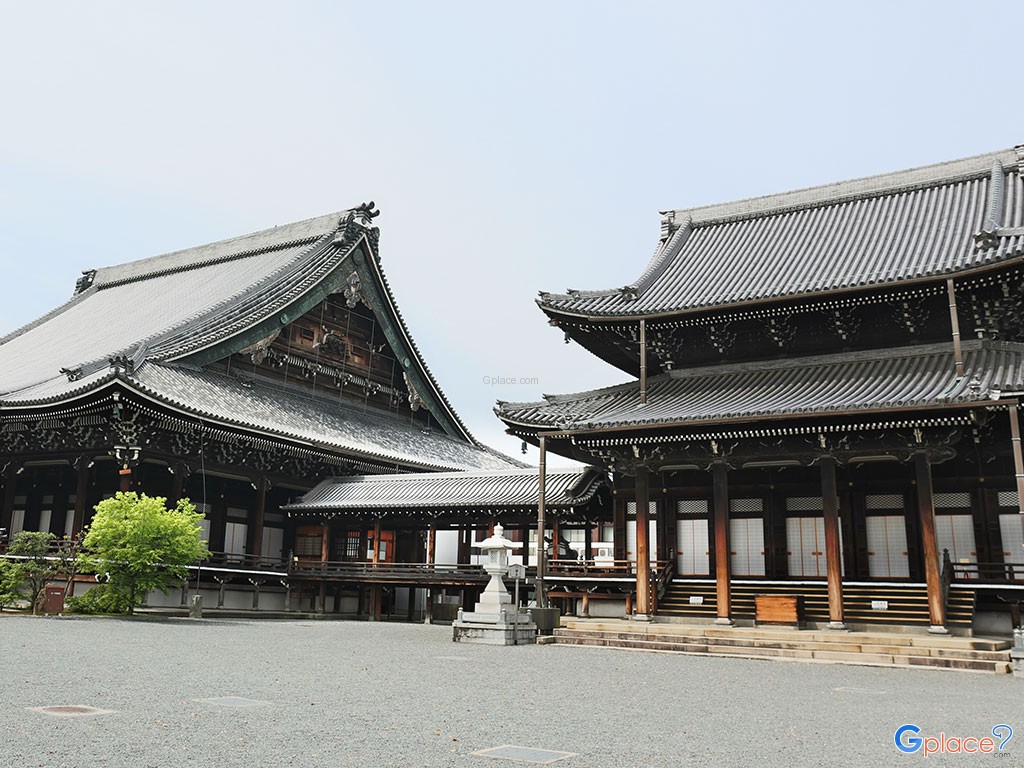
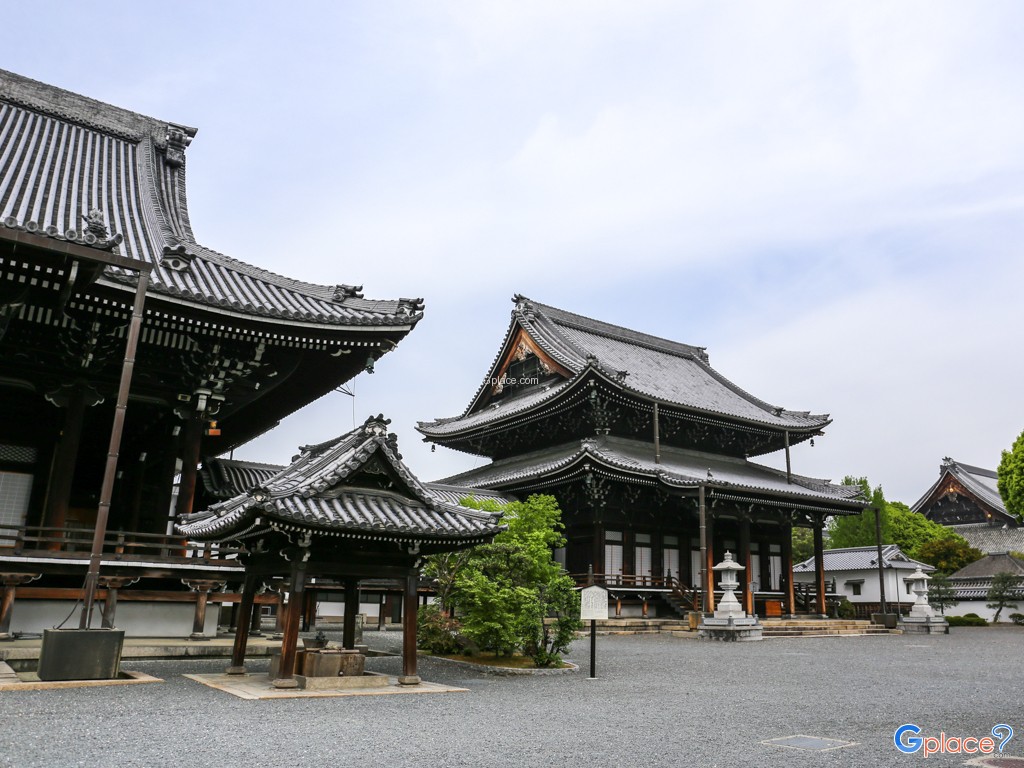
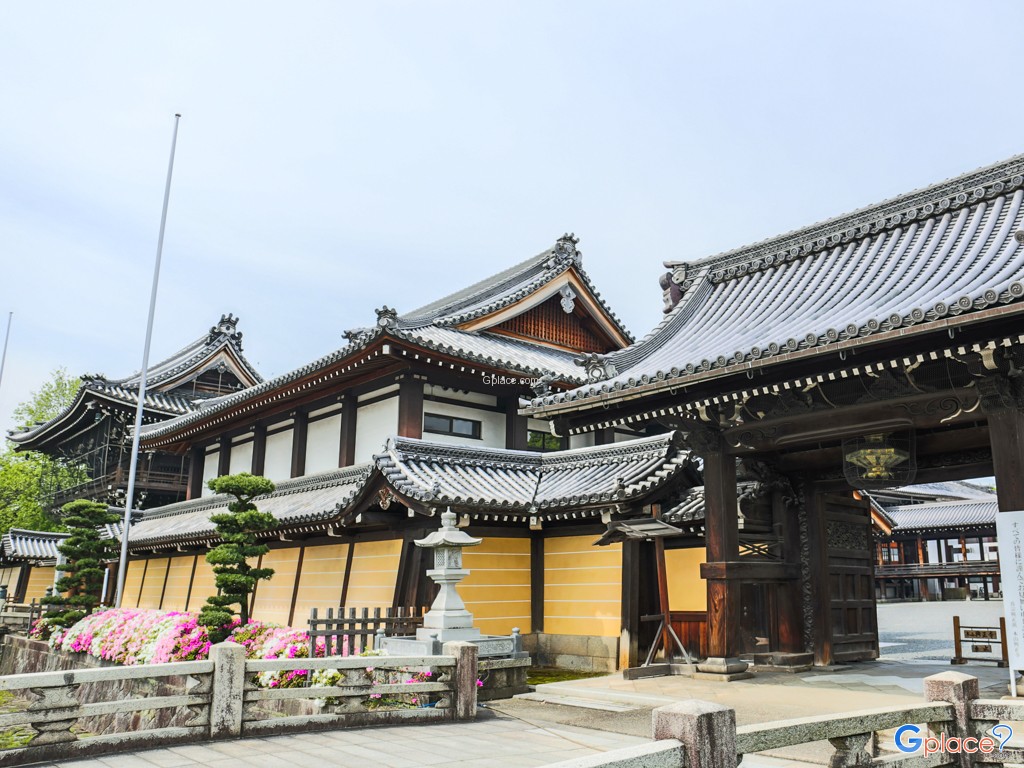
“A majestic wooden temple over 800 years old, peaceful, uncrowded, and free to visit—just steps from Kyoto Station.”
Kosho-ji was founded in 1212 by Shinran Shonin, the founder of Jodo Shinshu (Pure Land Buddhism), after he was pardoned from exile. The temple was originally established in the Yamashina area and later relocated to its present site in 1591, on land granted by Toyotomi Hideyoshi.
The name “Kosho-ji” means “Prospering the Right Dharma”, a title bestowed by Emperor Juntoku in honor of Prince Shotoku, the pioneer of Buddhism in Japan.
Although the temple historically moved alongside Hongan-ji, it formally declared independence in 1876, establishing its own sect known as Shinshu Kosho-ha, symbolizing its long-standing commitment to doctrinal integrity.
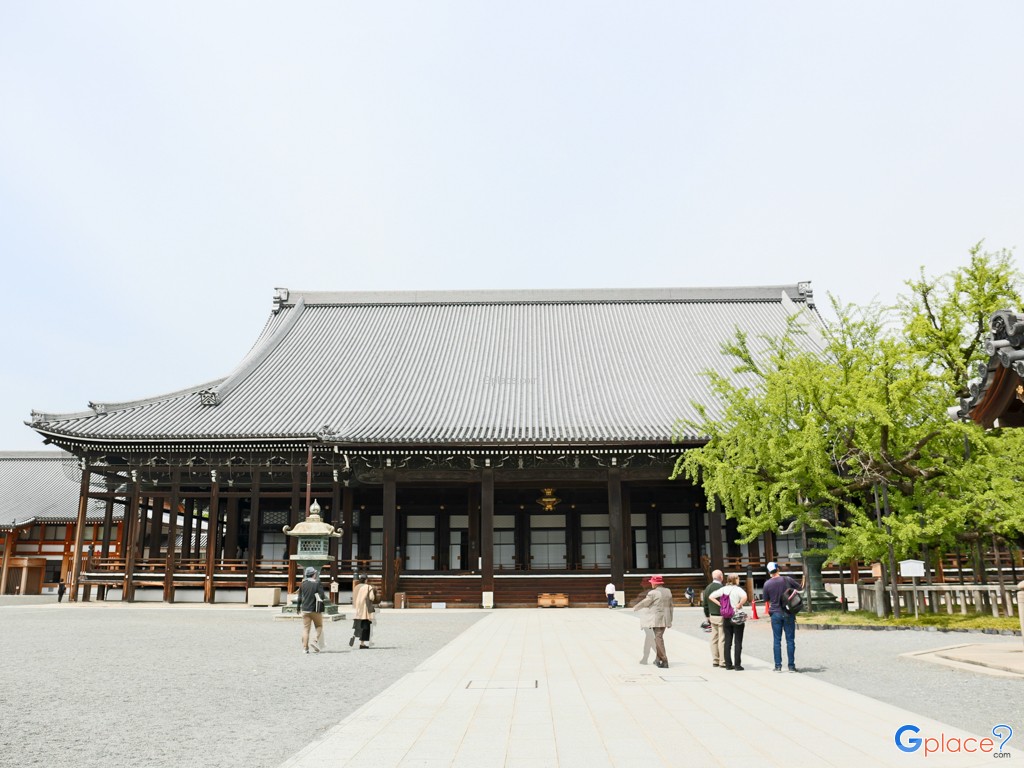
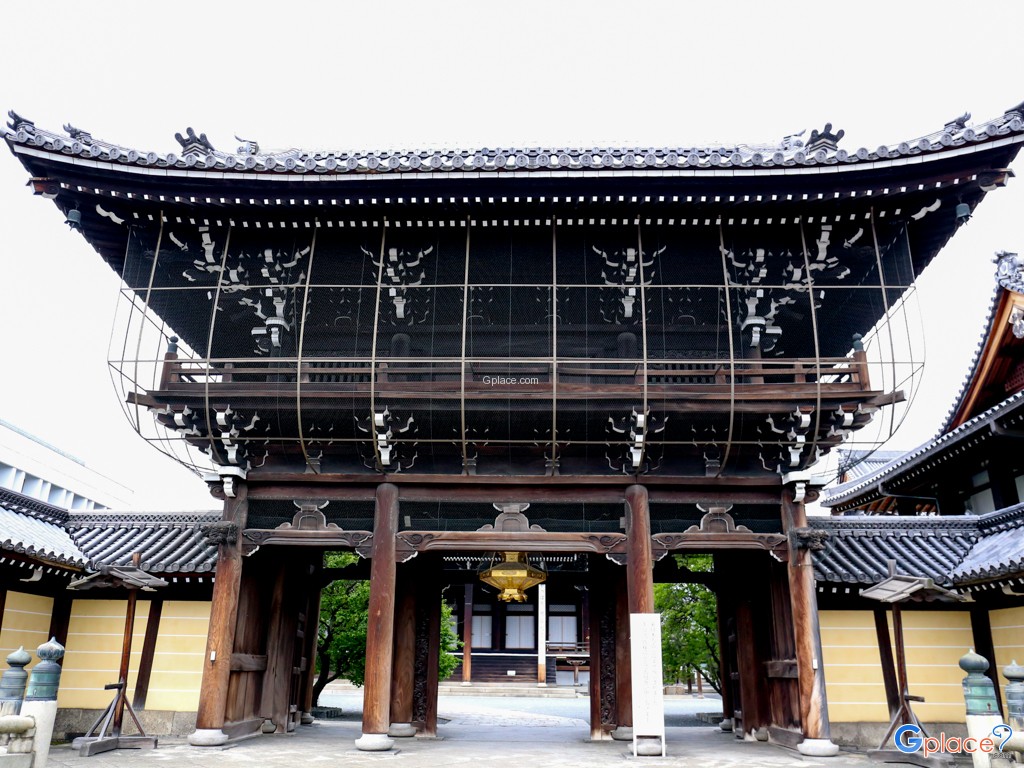
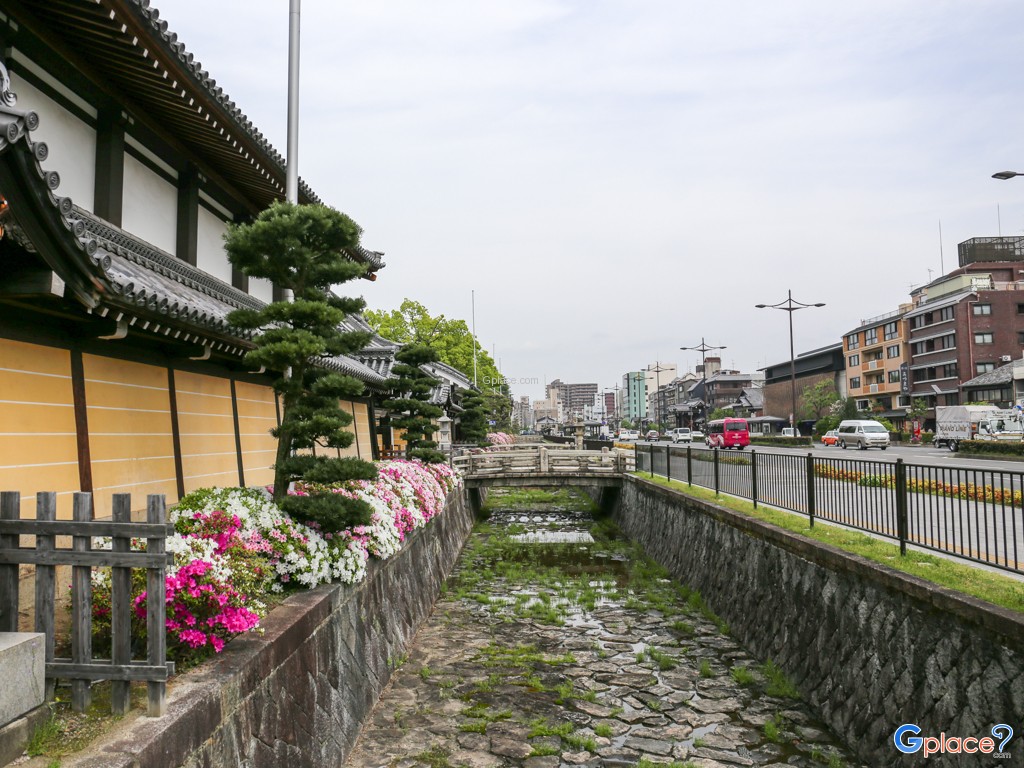
Despite sharing a boundary with Nishi Hongan-ji, Kosho-ji is easy to distinguish. The temple features a refined Sanmon Gate with elegant wooden carvings, white plaster walls, and a surrounding moat—hallmarks of a high-ranking temple. Its close ties to the aristocratic Takatsukasa family granted Kosho-ji Monzeki status, meaning it was supported by imperial and noble families, which explains its dignified and refined architectural style.
The temple grounds are dominated by two enormous wooden halls rebuilt after a major fire in 1902:
-
Goei-do (Founder's Hall), completed in 1912, enshrining Shinran Shonin
-
Amida-do (Hall of Amida Buddha), completed in 1915, serving as the main hall for religious ceremonies
Two historic structures survived the fire and remain today: the Belfry (1774) and the Sutra Repository (Kyozo, 1848), both invaluable examples of traditional temple architecture.
How to Get There
-
On foot: About 10–15 minutes from Kyoto Station
-
Kyoto City Bus:
Get off at Nishi Honganji-mae or Horikawa-Shichijo, then walk 3–5 minutes
Travel Tips
-
Flea Market: Held on the 28th of every month, featuring antiques, handmade goods, and local food
-
Best season: Late February to early March, when plum blossoms bloom beautifully
-
Photography: Far less crowded than nearby temples—ideal for capturing wooden architecture
-
Quiet escape: A perfect place to slow down after visiting busy tourist spots
Admission Fee:
- Free admission
Opening Time:
- Open daily, approximately 06:00 – 17:00
Kosho ji Temple Shimogyo

 Share
Share
 70 Shichijo Kamiru Hanazonocho, Shimogyo-ku, Kyoto City, Japan
Map
70 Shichijo Kamiru Hanazonocho, Shimogyo-ku, Kyoto City, Japan
Map
 Open now : 6.00 - 17.00
Mon6.00 - 17.00
Tue6.00 - 17.00
Wed6.00 - 17.00
Thu6.00 - 17.00
Fri6.00 - 17.00
Sat6.00 - 17.00
Sun6.00 - 17.00



 137
137