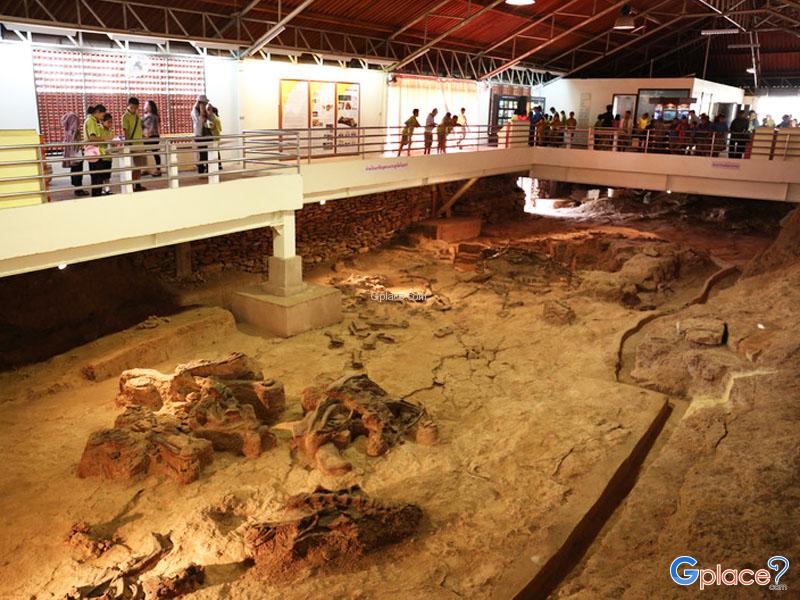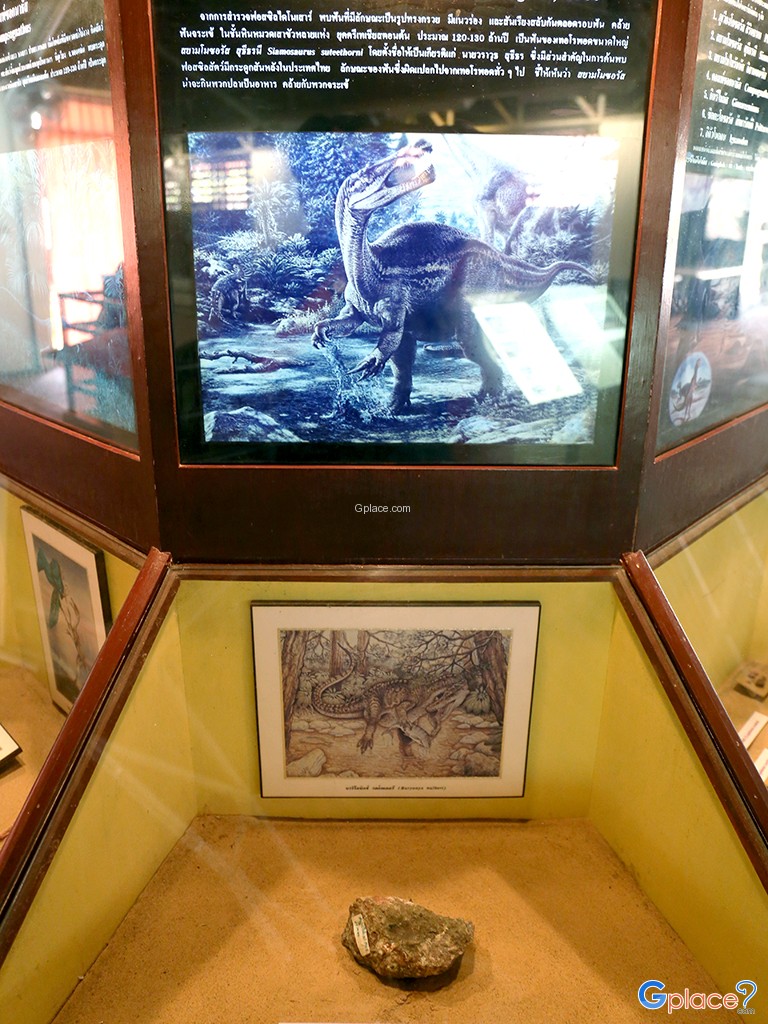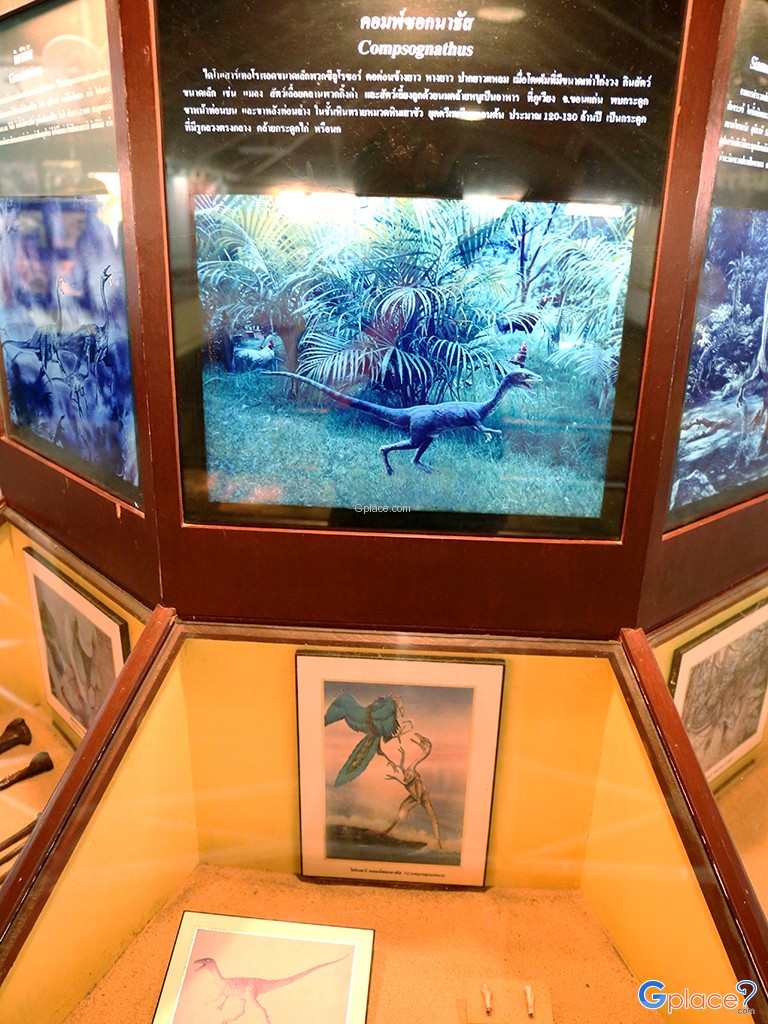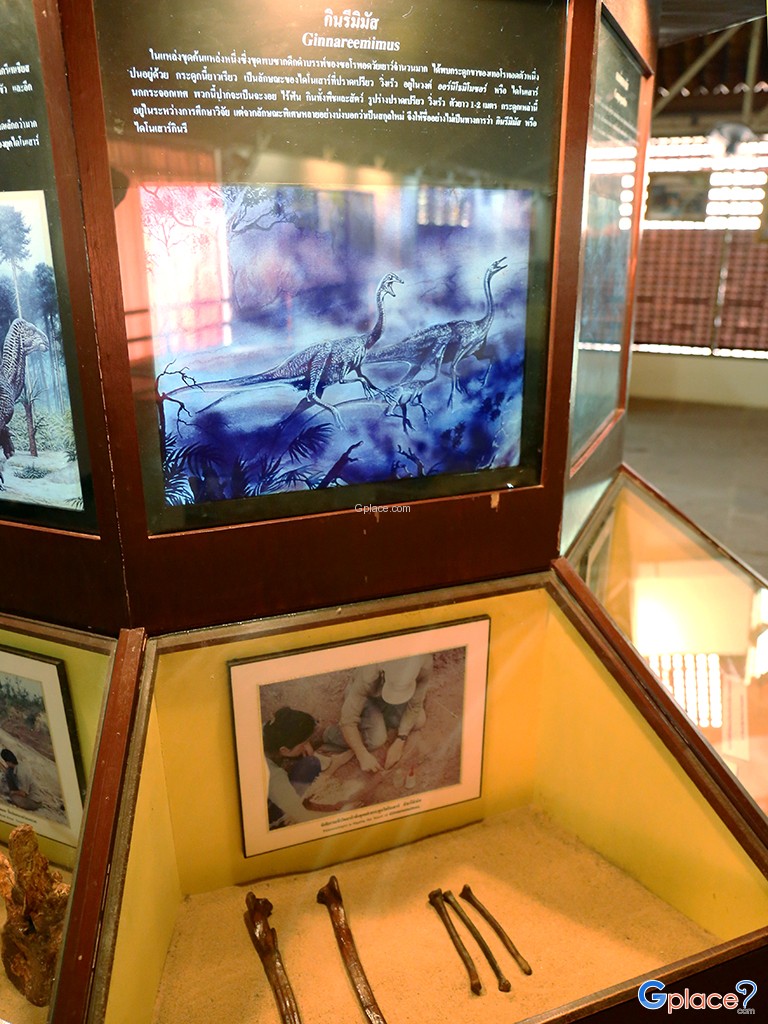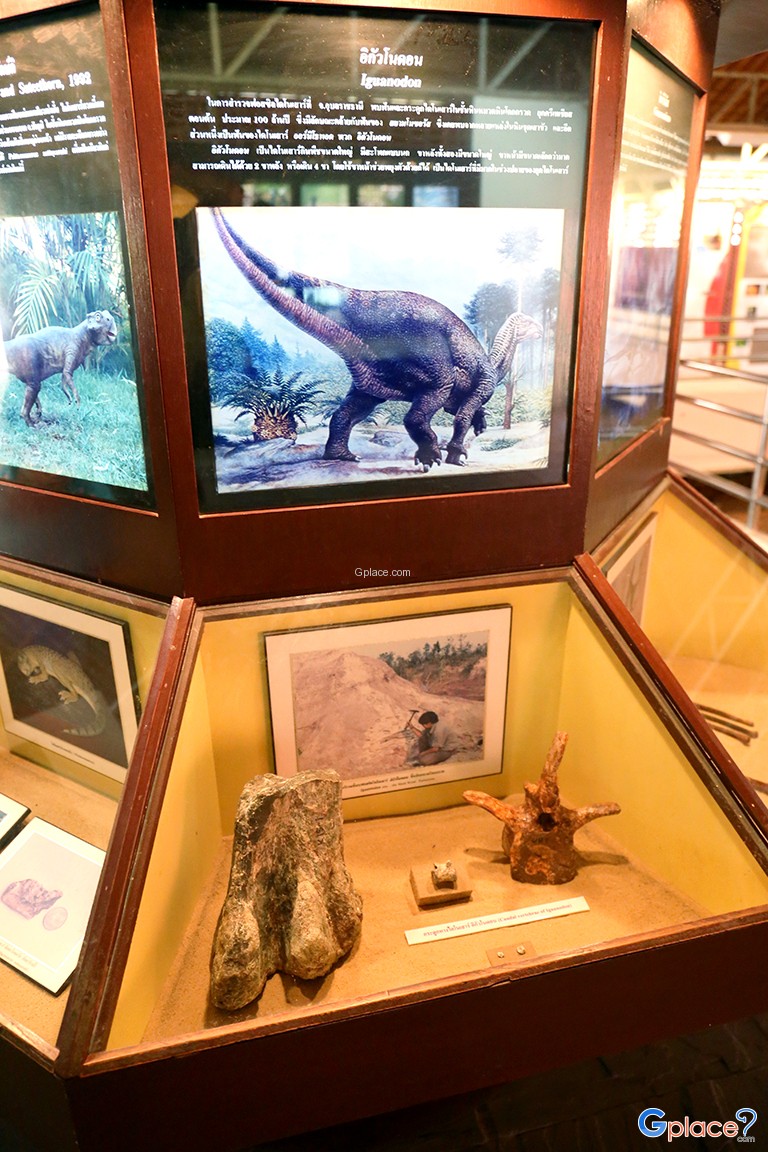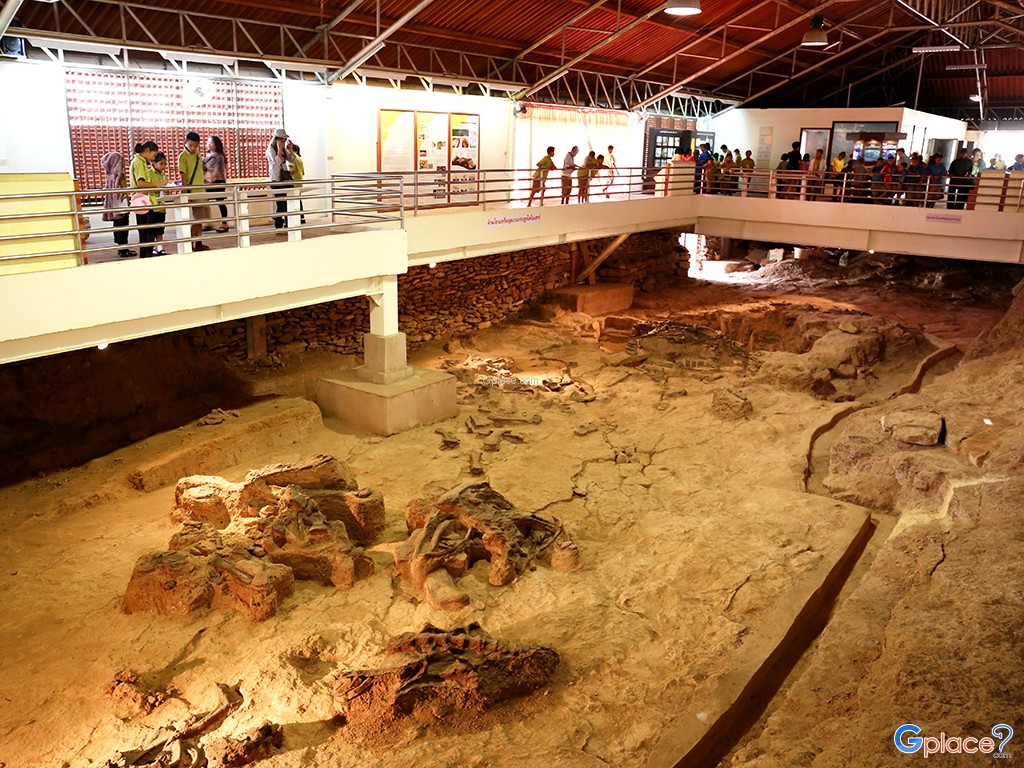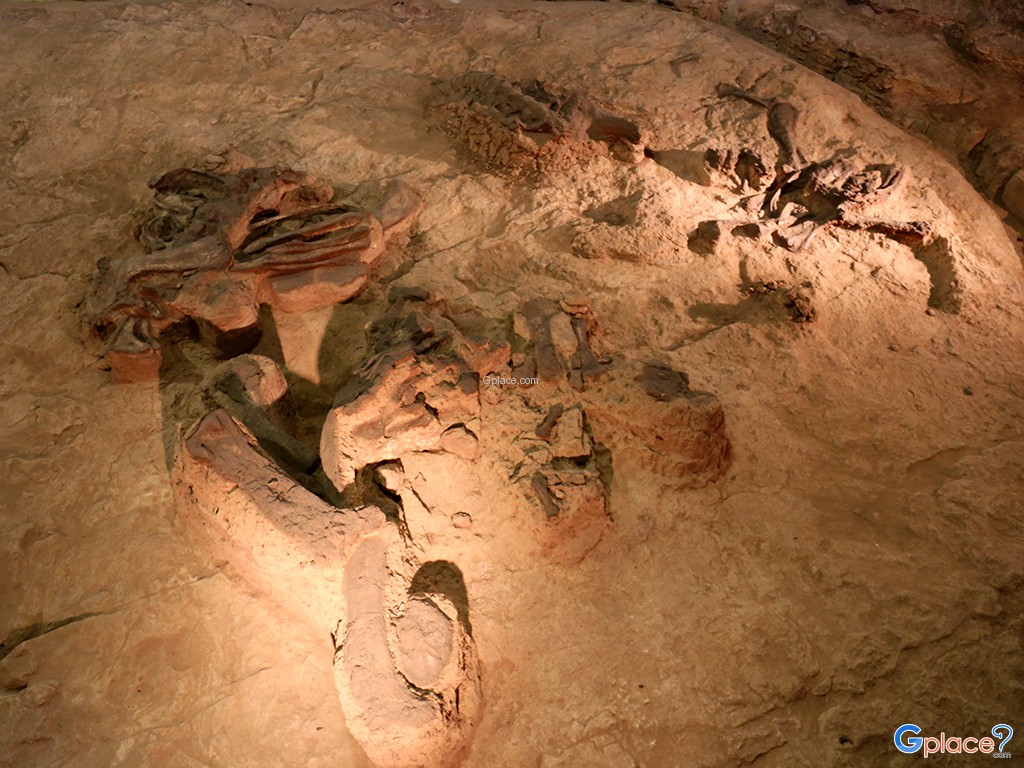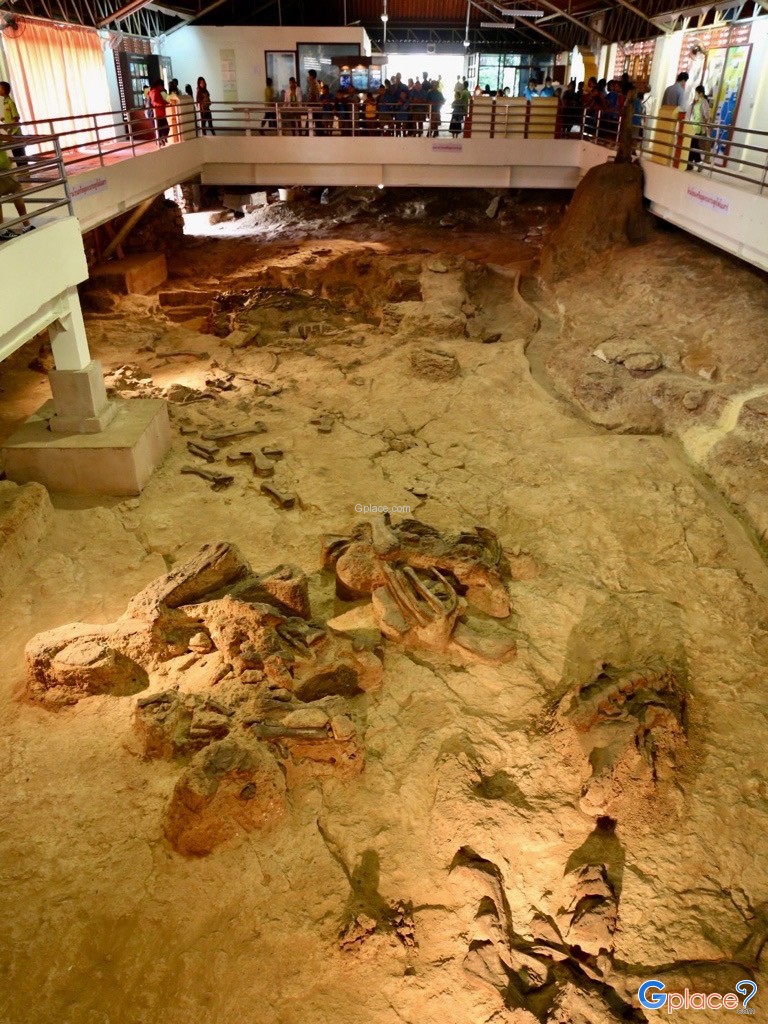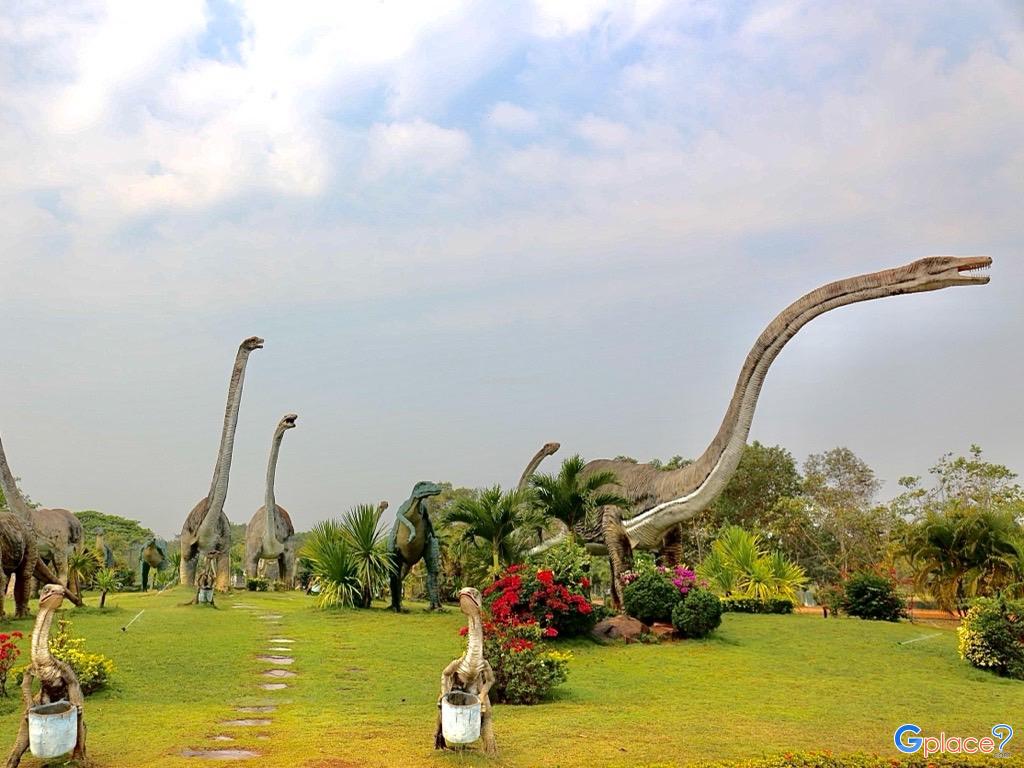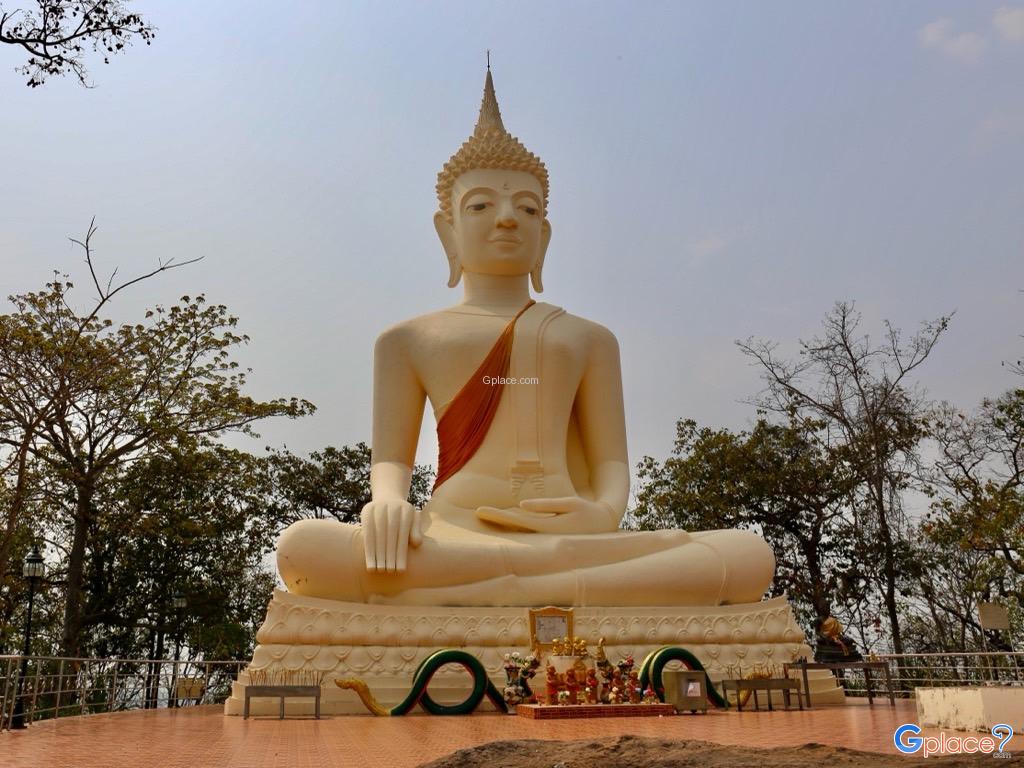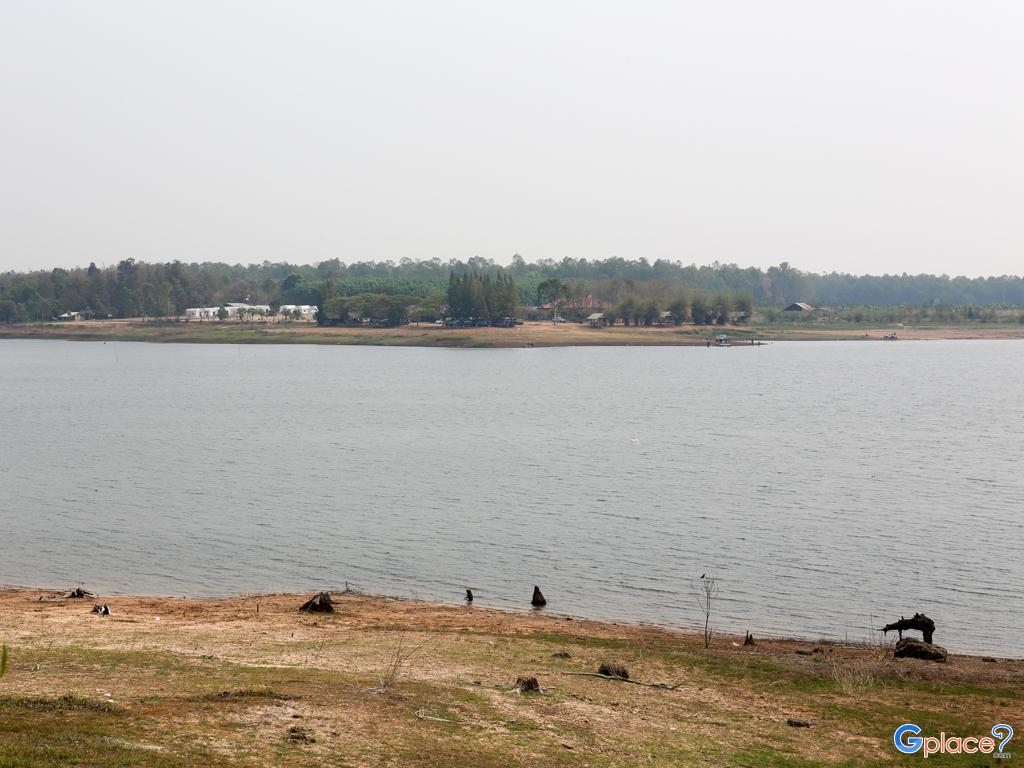
“Dinosaur Fossil Excavation Building; the discovery site is at Phu Noi, along the Phu Phan mountain range.”

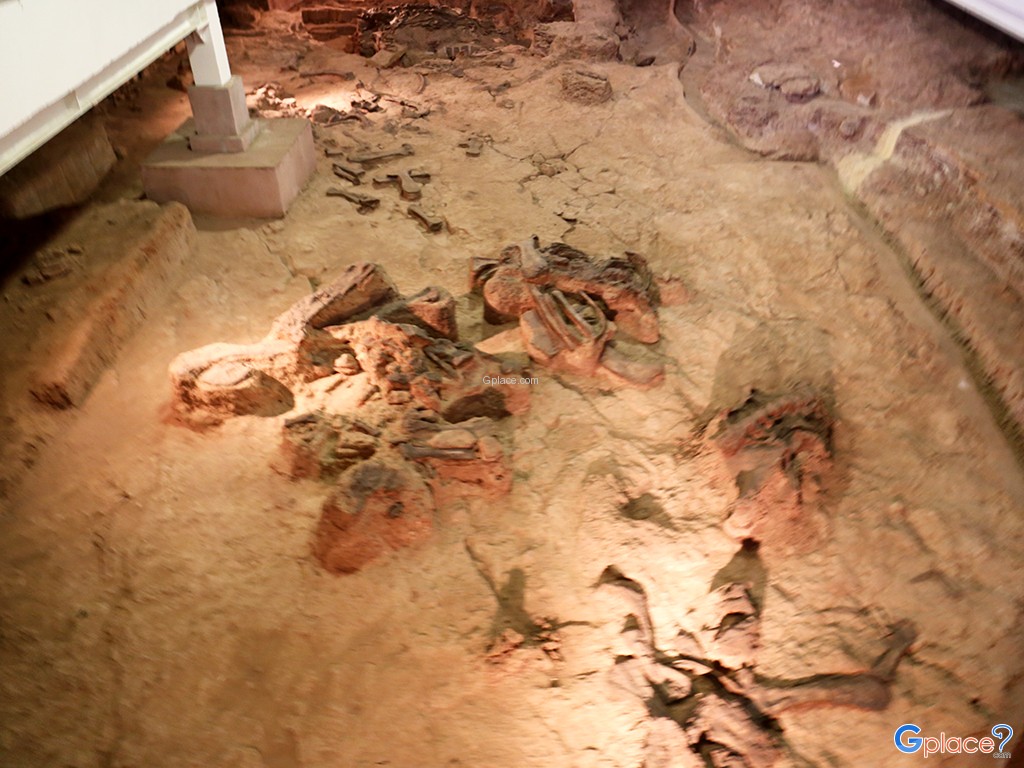
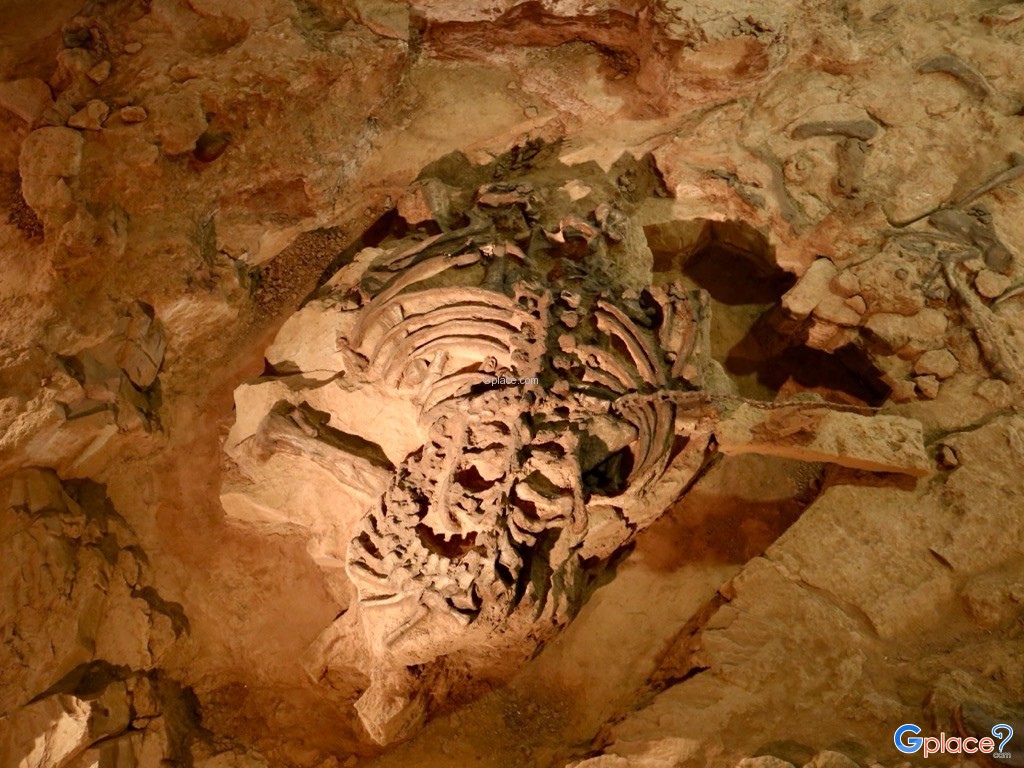
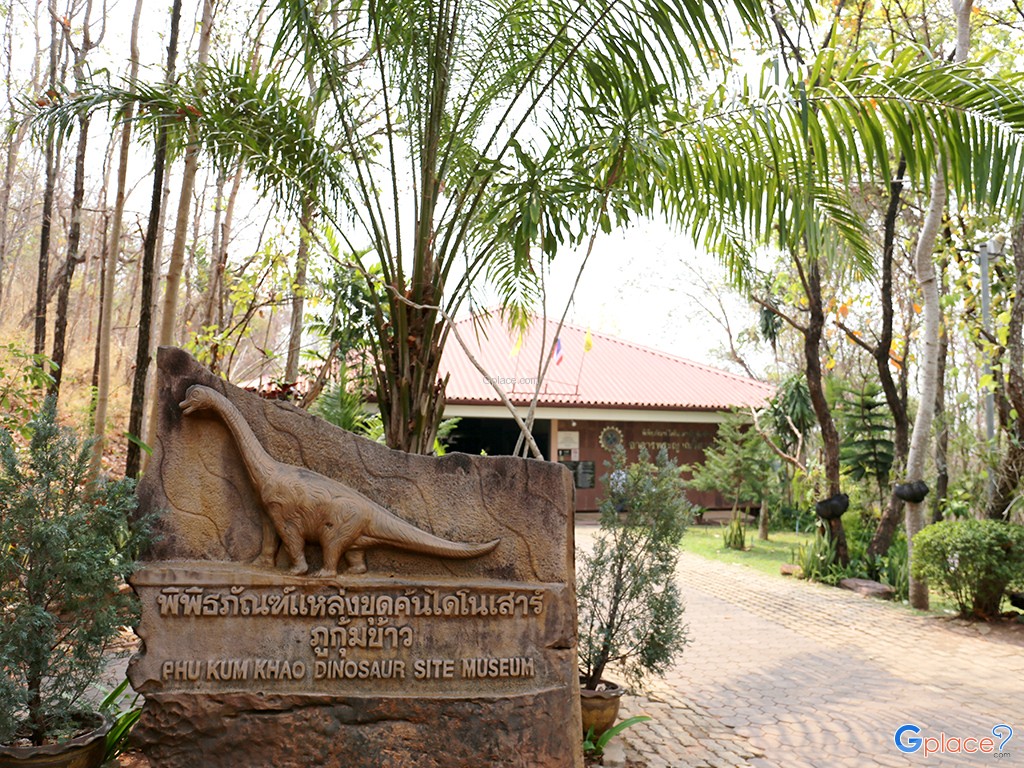
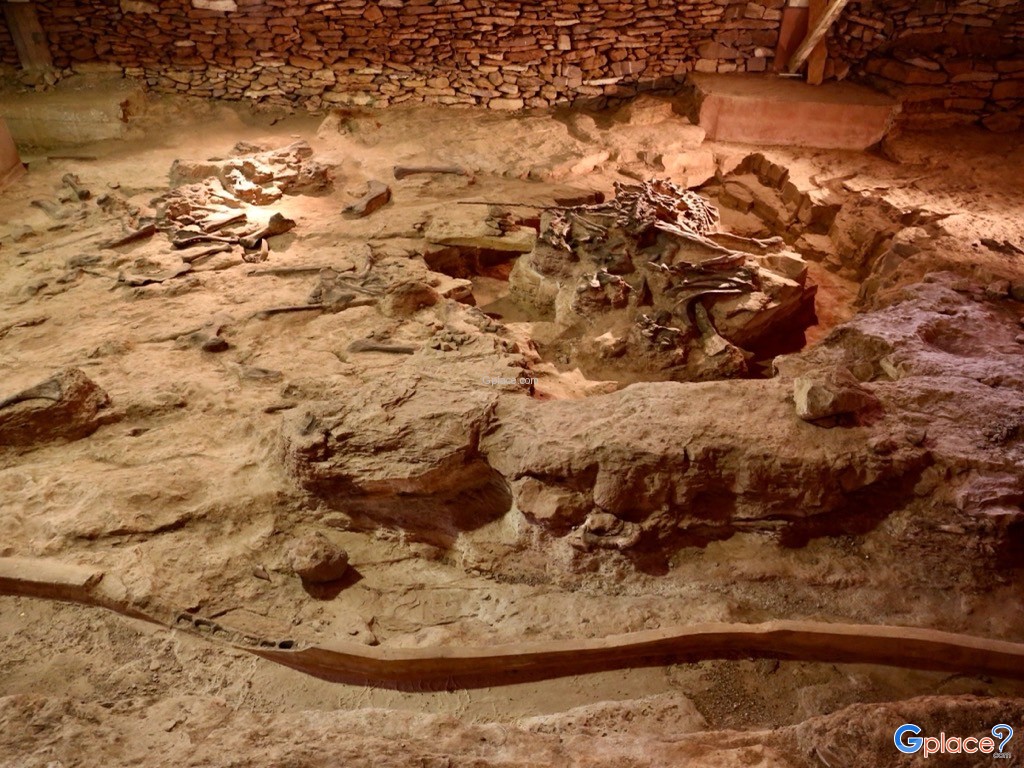
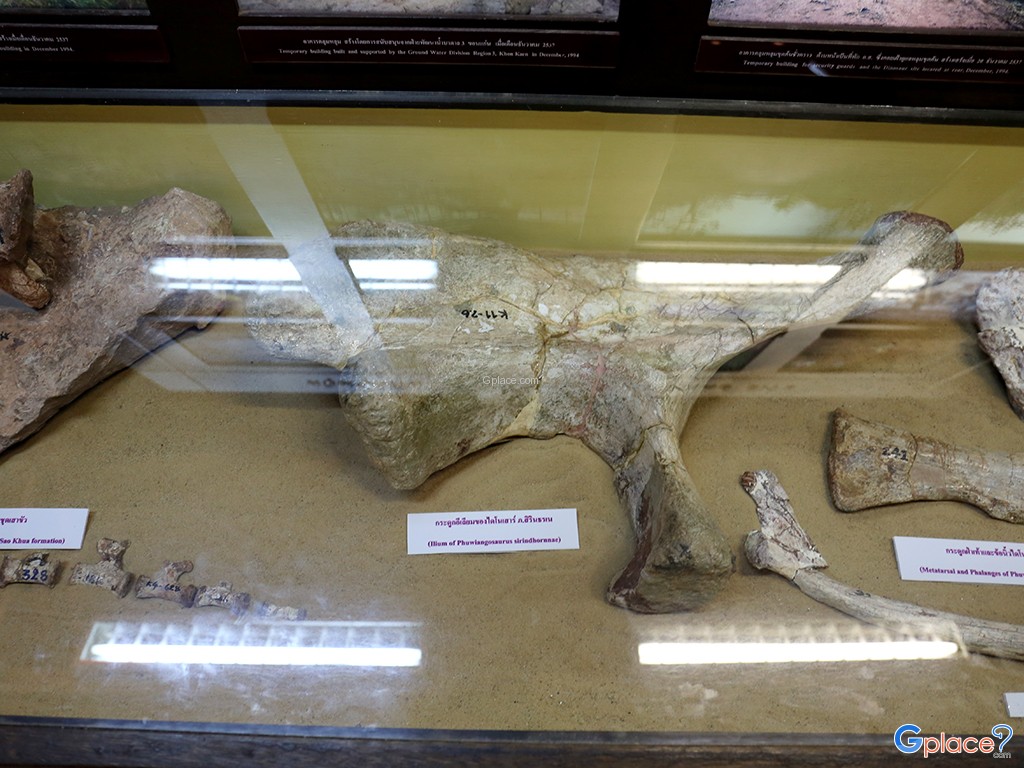
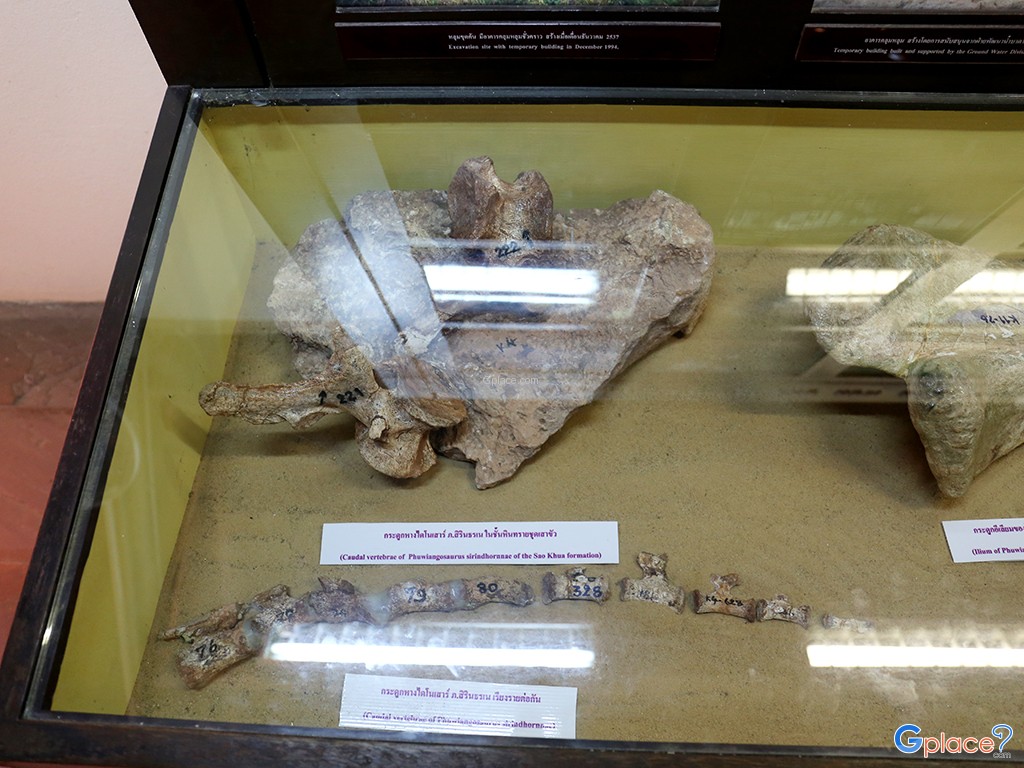
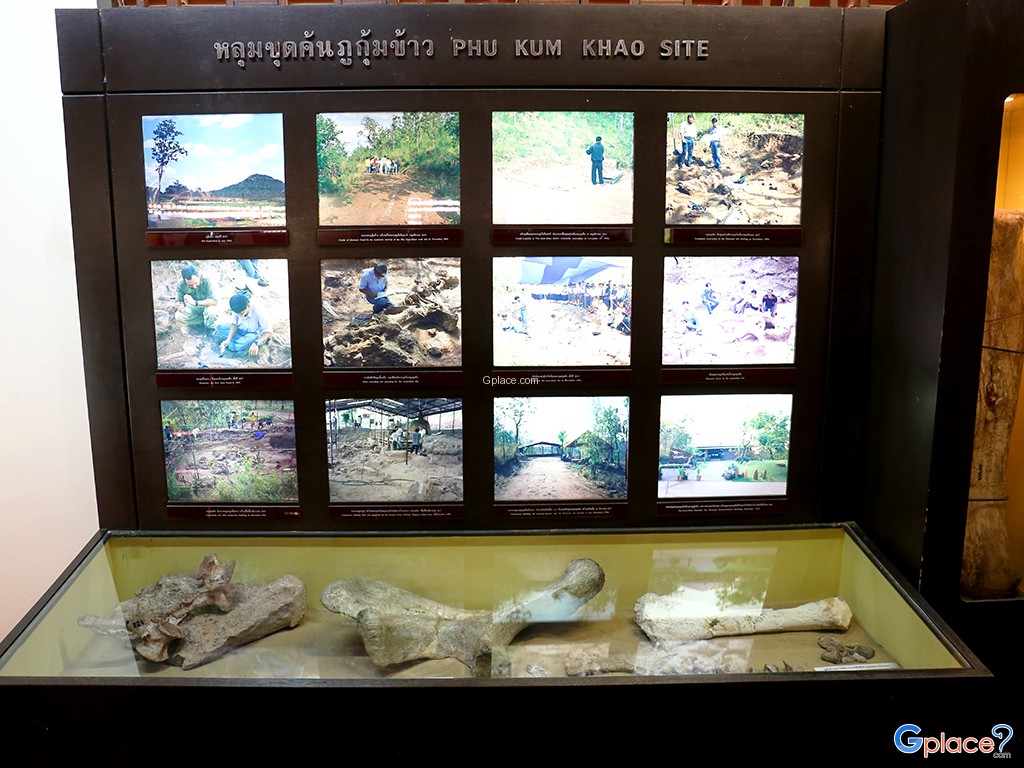
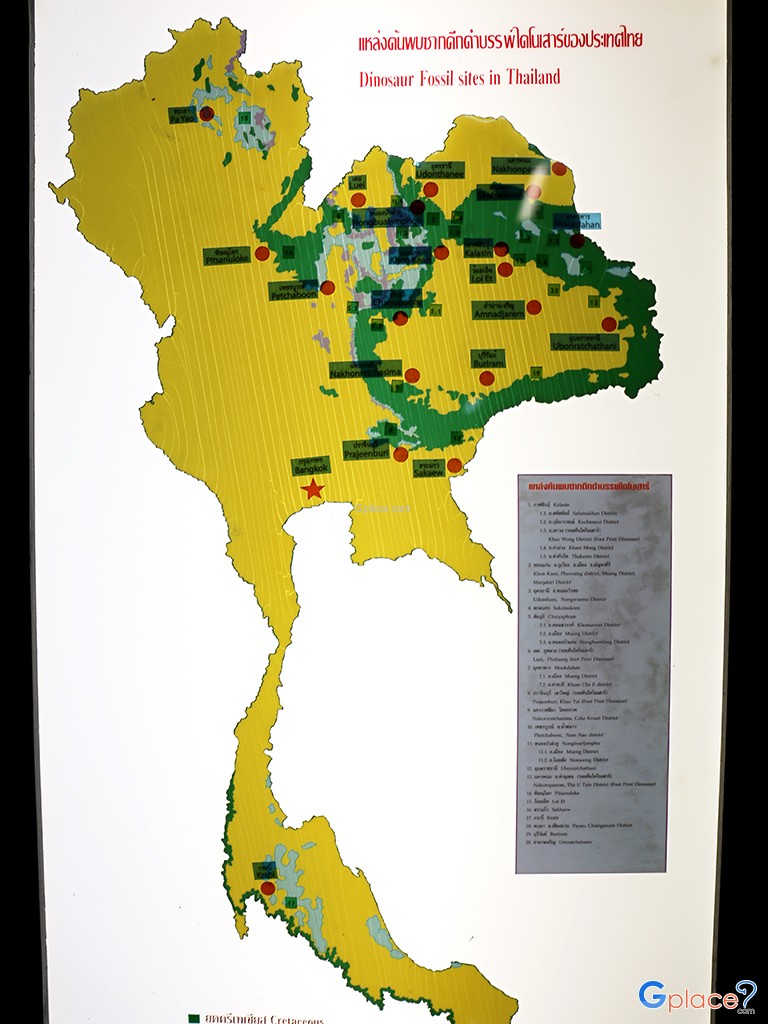
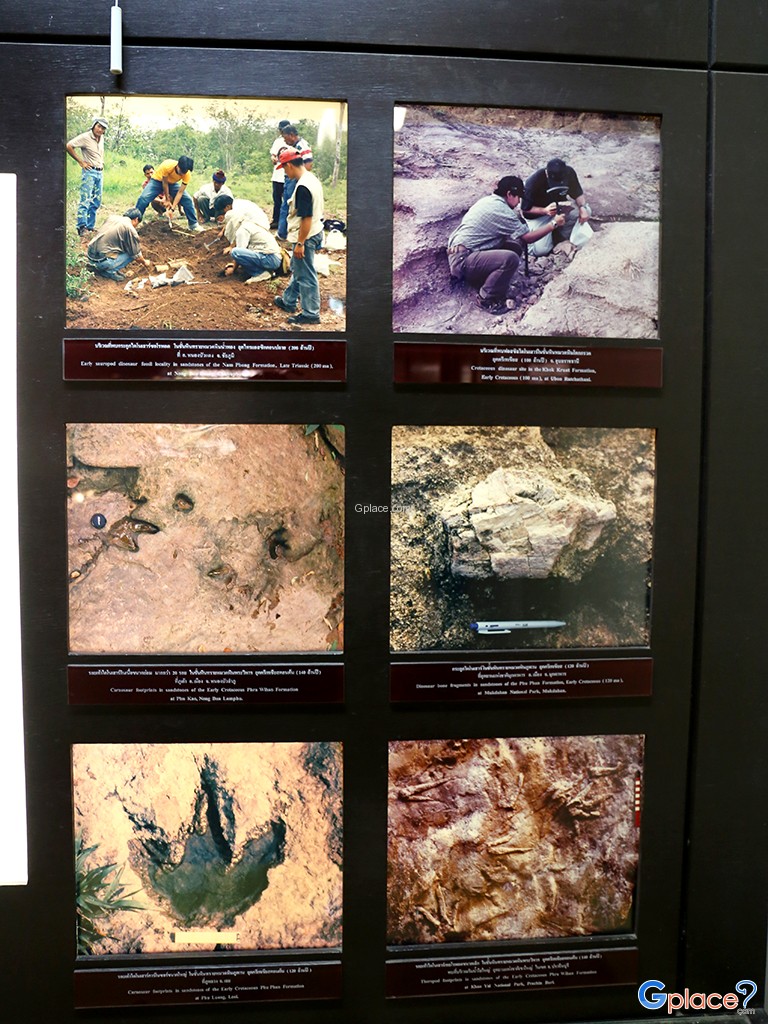
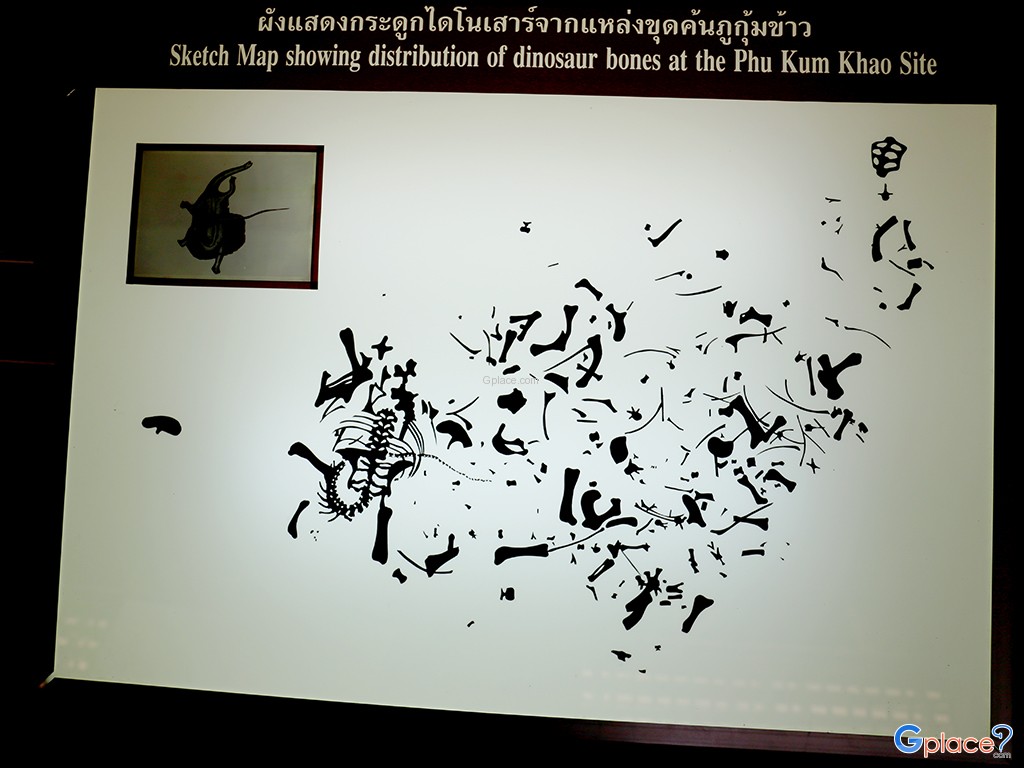
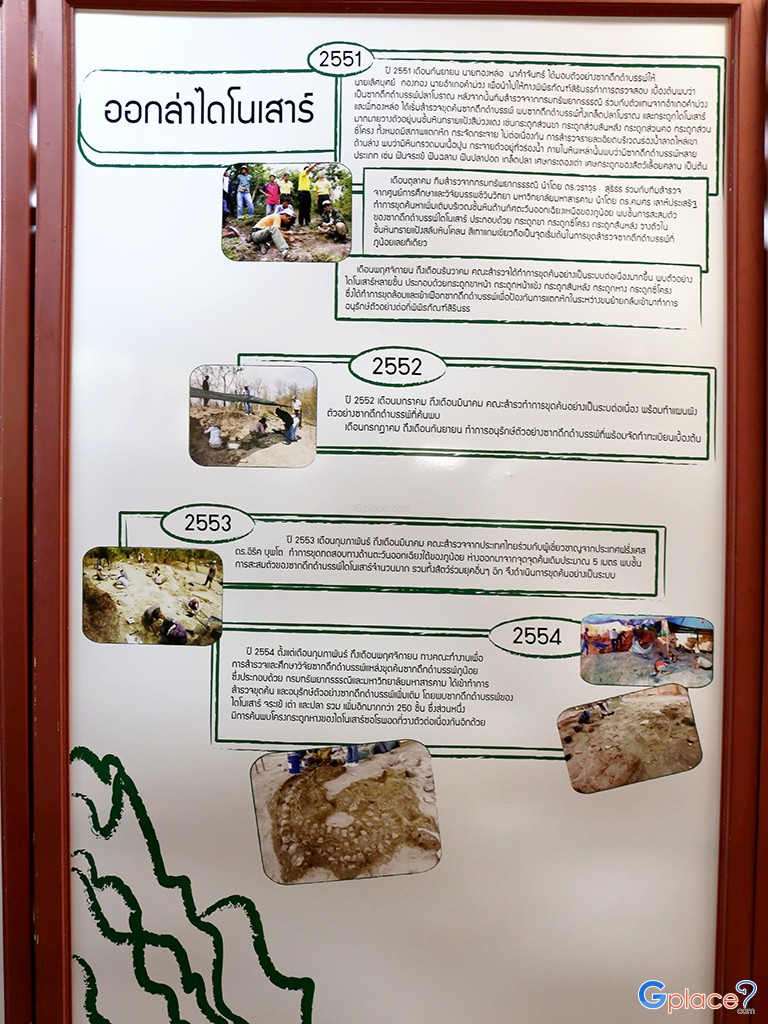
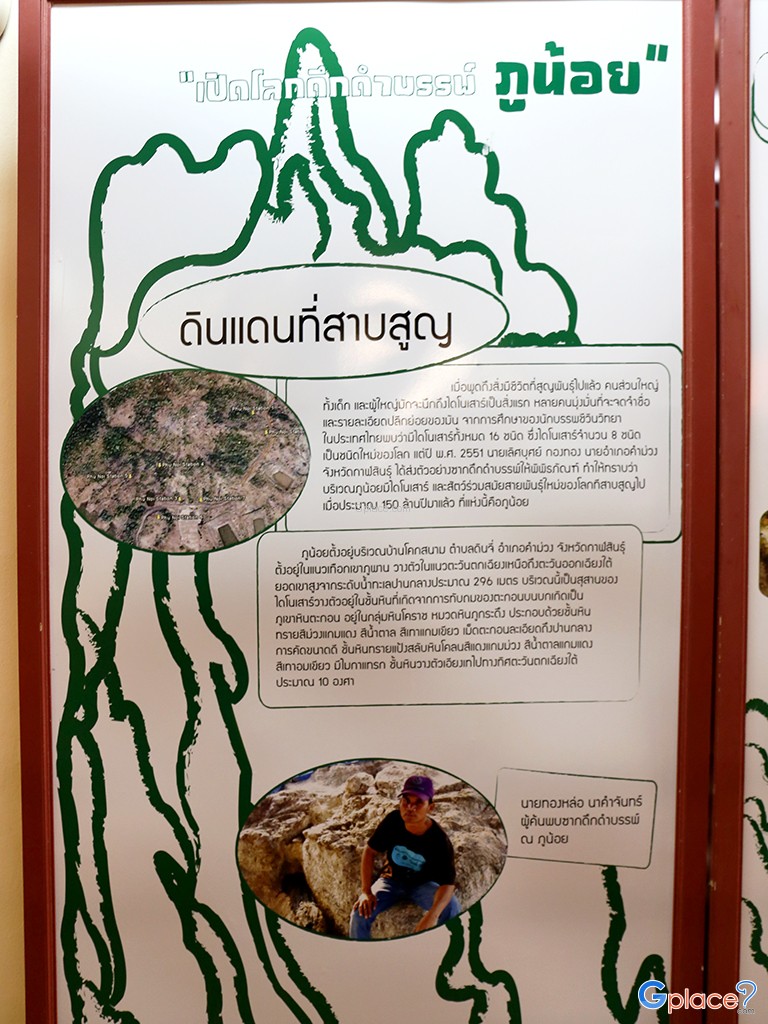
The Dinosaur Fossil Excavation Site Building is located in the same area as Sirindhorn Museum and is considered one of the most important in-situ fossil excavation sites in Thailand and Southeast Asia. This is because the fossils are preserved in their original rock layers exactly where they were discovered, without being removed for display in the same way as in conventional museums. As a result, visitors can observe rare geological and paleontological evidence up close in the actual natural context that existed approximately 100–120 million years ago during the Early Cretaceous period.The Phu Kum Khao area lies within the Sao Khua Formation, a significant sedimentary rock formation in northeastern Thailand. Its geological composition consists of alternating layers of sandstone and red to grey mudstone, formed by sediment accumulation in ancient river systems and floodplain environments. Such conditions were highly favorable for the rapid burial of organisms, allowing dinosaur bones and other coexisting life forms to be preserved for millions of years without completely decomposing. The discovery history of this site began in 1994 when Phra Khru Wichit Sahatsakhun, the abbot of Wat Sak Kaeo, discovered large fossilized bones protruding from the ground near the Phu Kum Khao hill area. The discovery was reported to government authorities, and the Department of Mineral Resources subsequently conducted systematic surveys and excavations. These investigations revealed that the site contained a dense concentration of herbivorous dinosaur fossils, with bones distributed within the same geological layer. This provided significant evidence reflecting both the ancient environment and the behavior of prehistoric animals.
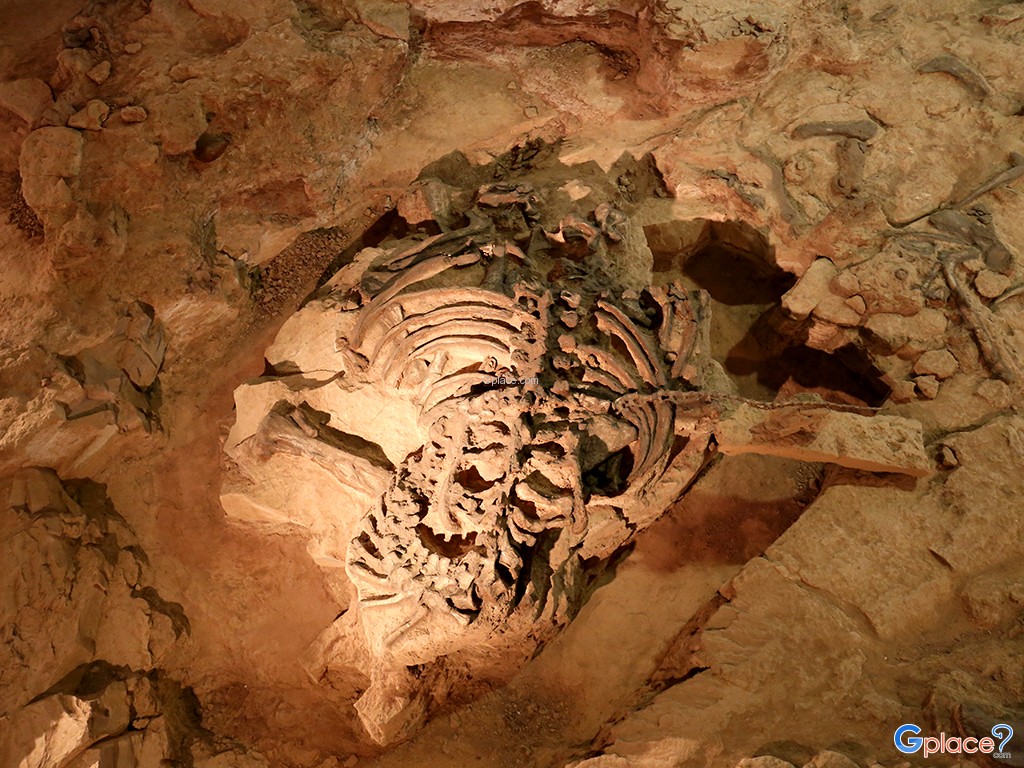
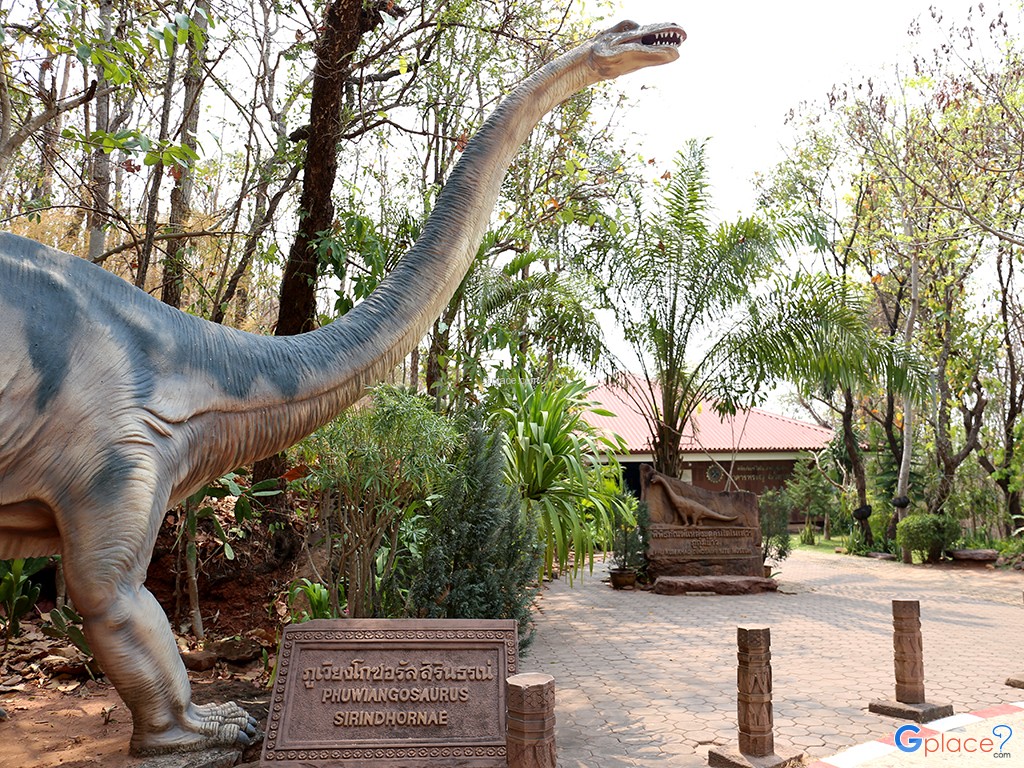
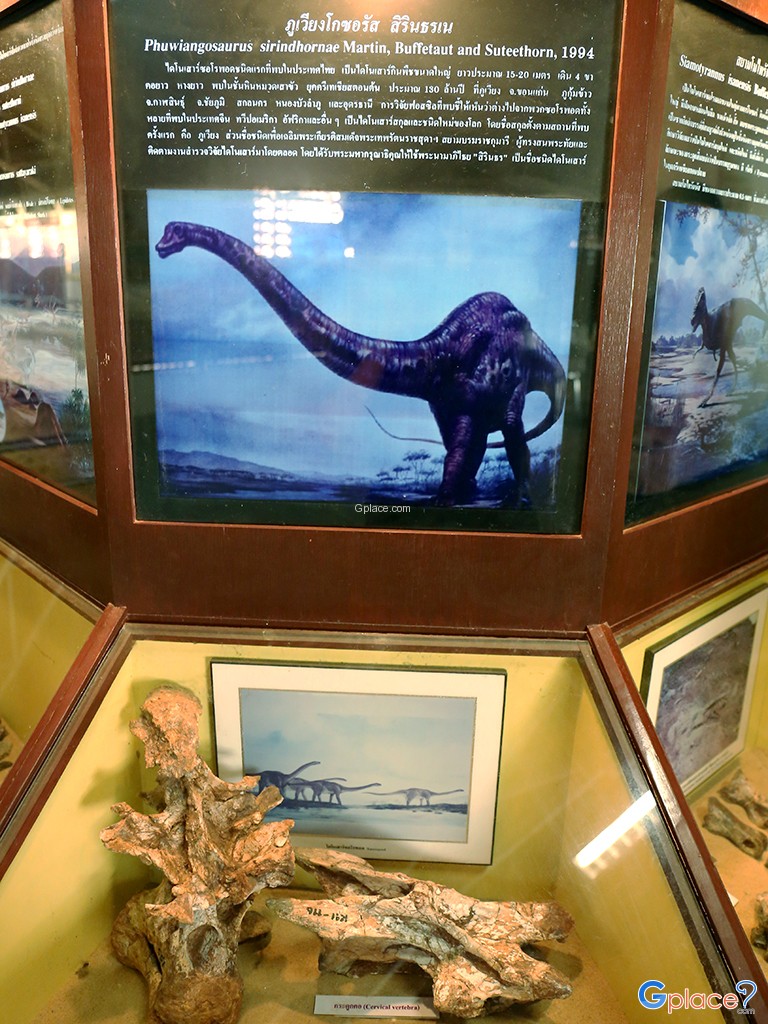
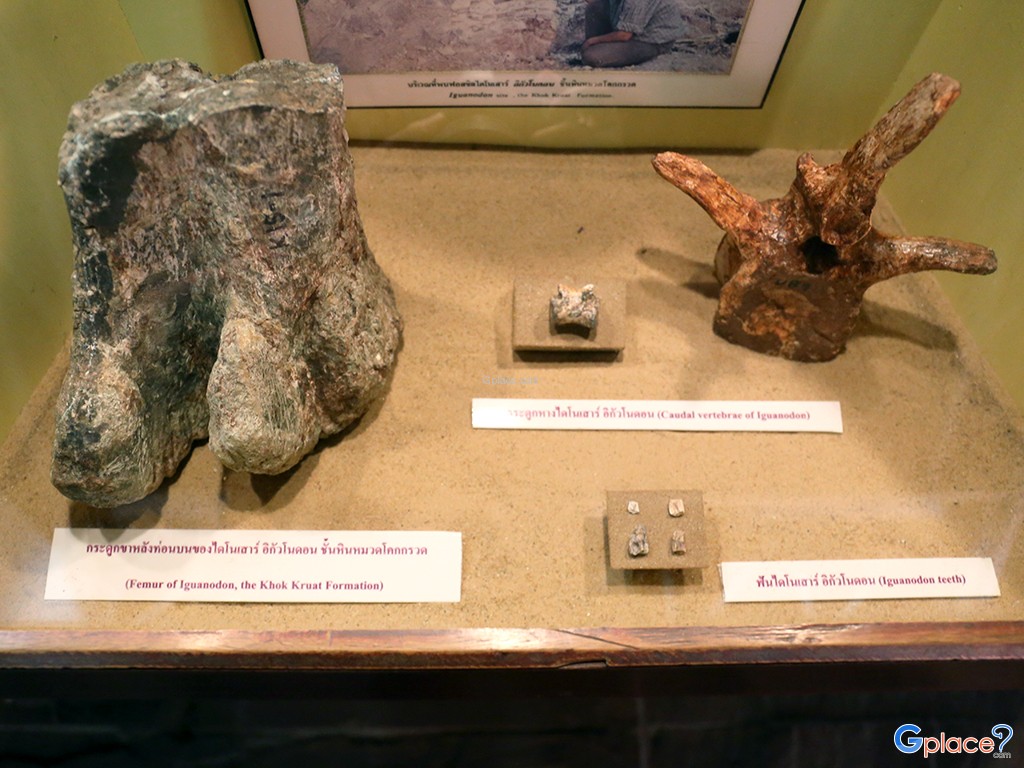
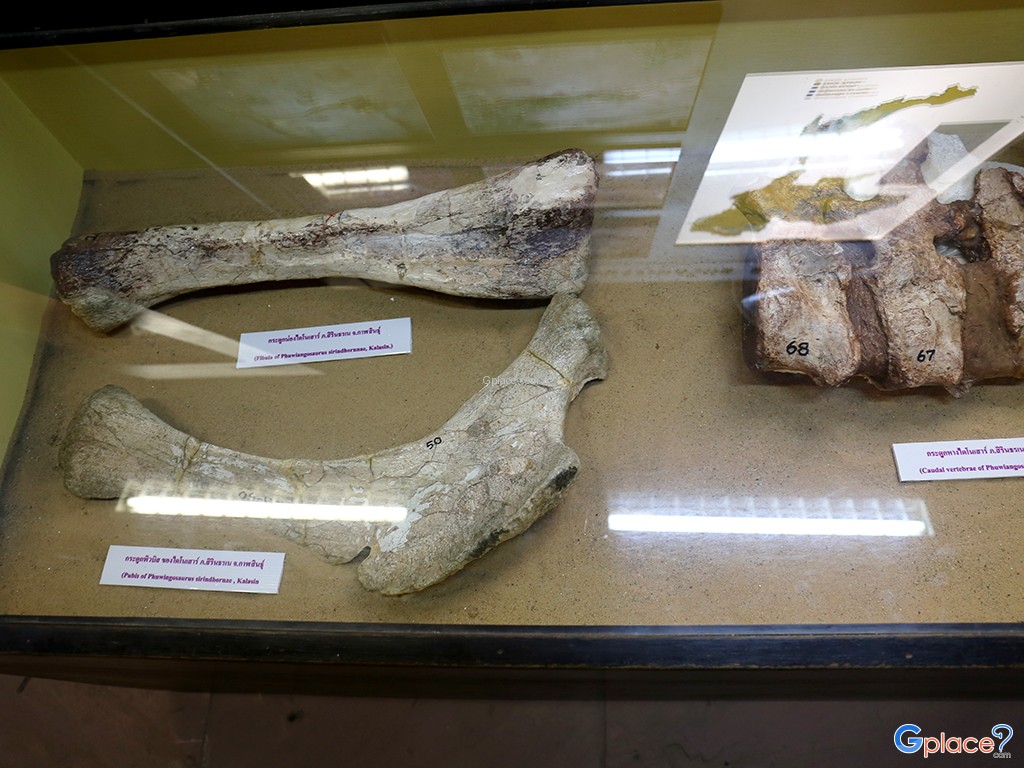
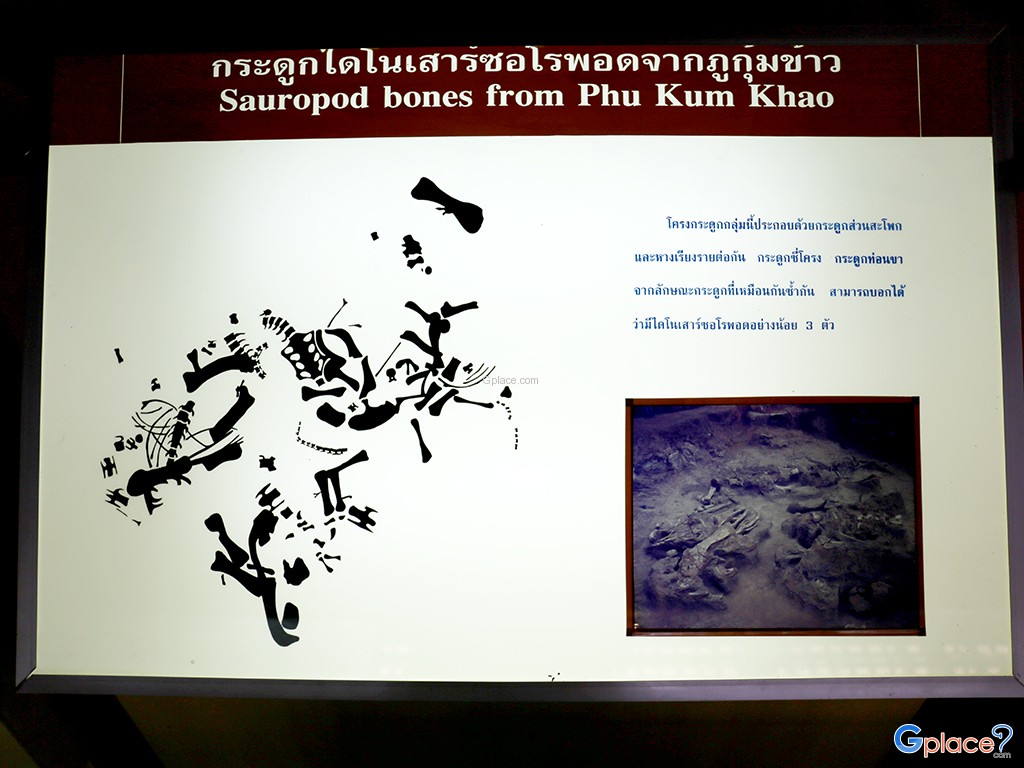
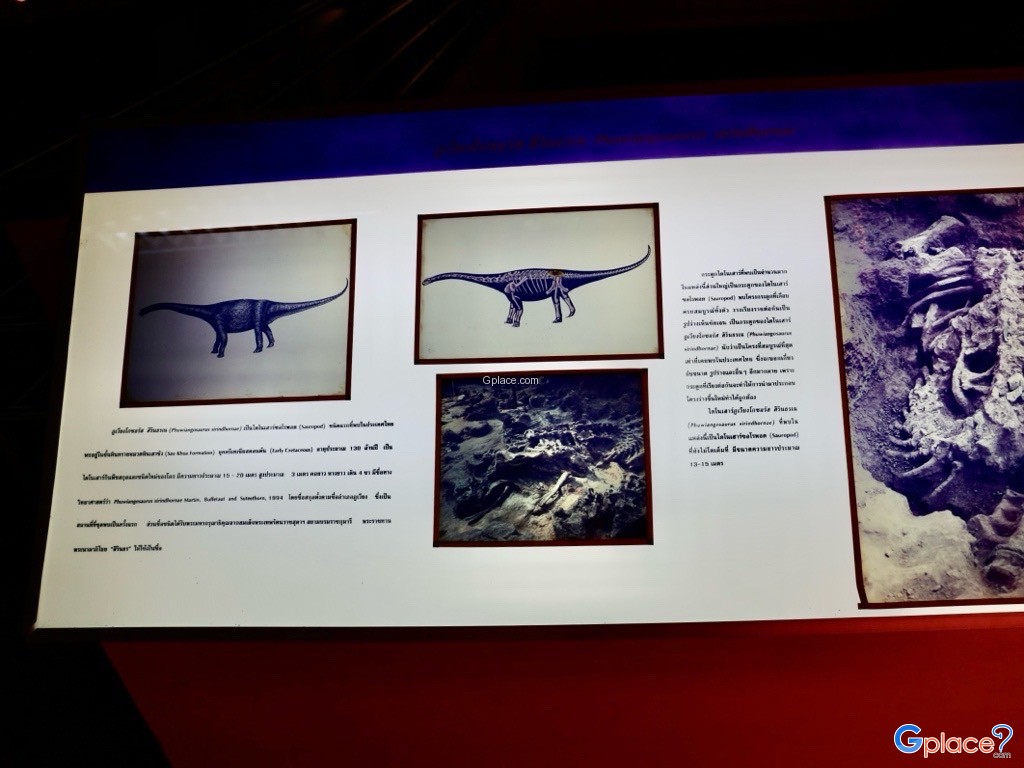
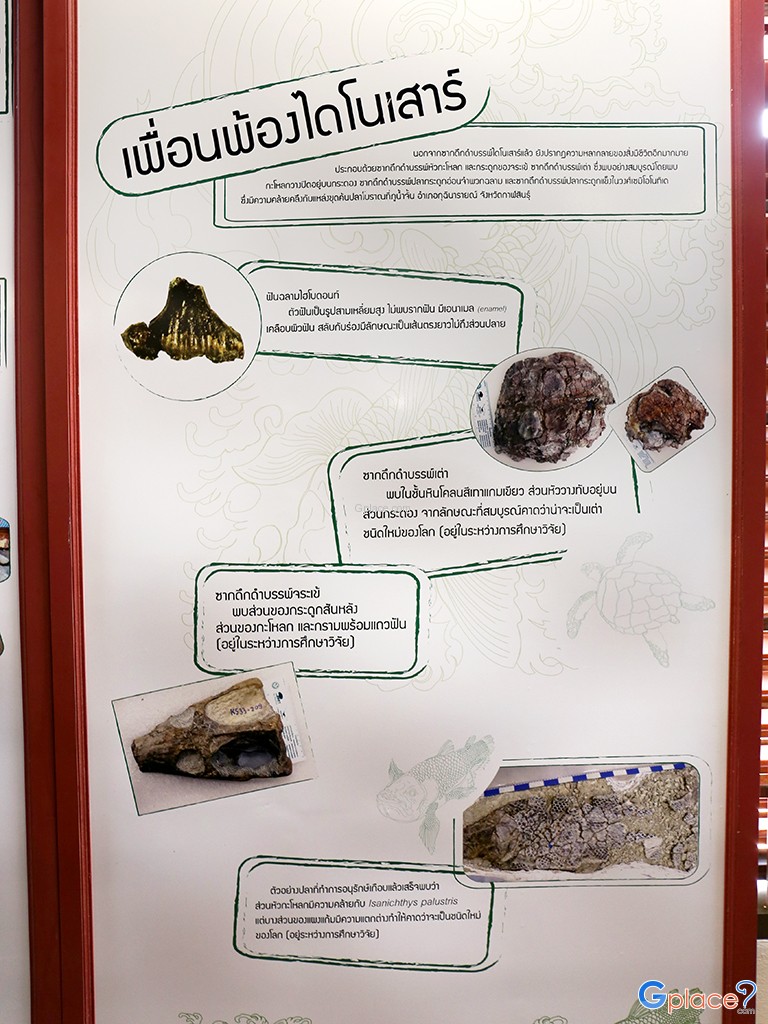
One of the most important dinosaurs discovered at this site is Phuwiangosaurus sirindhornae, a large sauropod dinosaur characterized by its long neck, massive body, and herbivorous diet. Excavation evidence suggests that multiple skeletons were found in close proximity, leading scientists to hypothesize that these animals may have lived in herds, or alternatively, that a natural event may have caused several individuals to die within a short period before being rapidly buried by sediment. In addition, fossils of other contemporary animals such as ancient turtles, prehistoric crocodiles, and teeth of carnivorous dinosaurs have also been discovered, helping to complete a more comprehensive picture of the ancient ecosystem.To ensure preservation and protection from weathering, a large protective building was constructed over the excavation site. The structure was designed to maintain environmental stability within the site. Inside, elevated walkways allow visitors to view the fossil-bearing rock layers closely without direct contact, ensuring the preservation of both the fossils and their original geological context. At the same time, it provides opportunities for the general public, students, and researchers to learn about scientific excavation methods using real evidence rather than reconstructed models or assembled skeletons.

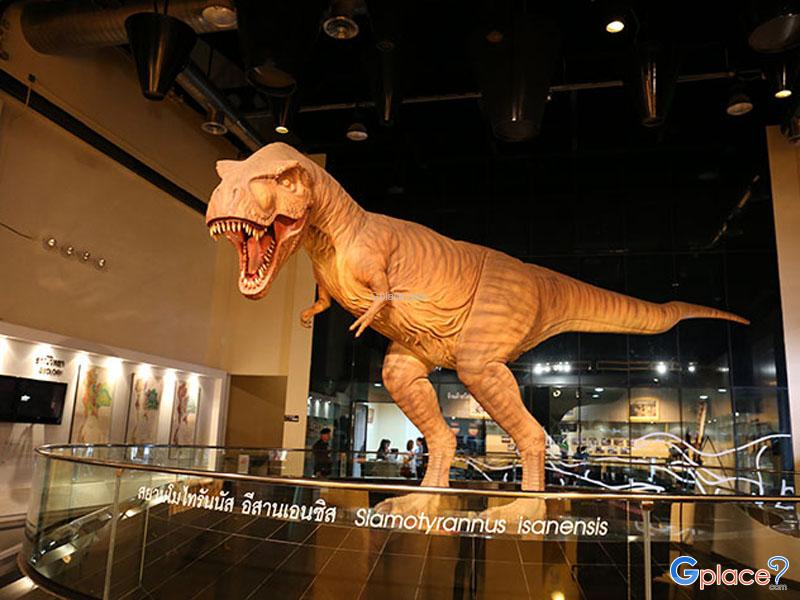
The excavation process at this site follows strict international paleontological standards. It begins with geological surveying and fossil identification, followed by detailed mapping of fossil positions. Small tools such as brushes and metal needles are used for careful excavation, and chemical consolidants are applied to strengthen fragile bones. Three-dimensional mapping of fossil positions is also conducted for further laboratory study. These processes highlight the importance of the site as a living natural laboratory that continuously contributes to scientific knowledge.In terms of education and tourism, the excavation building plays an important role due to its close proximity to Sirindhorn Museum, which serves as a central exhibition facility explaining the broader context of the dinosaur era—from the origin of life and geological evolution to the mass extinction of dinosaurs. This allows visitors to connect theoretical knowledge from the museum with real physical evidence at the excavation site. Together, these two components create a complete and immersive learning experience that is both easy to understand and academically meaningful, suitable for students, researchers, and general visitors interested in Earth’s prehistoric past.


How to Get There
  • By car: From Kalasin city, take Highway 227 (Kalasin–Sahatsakhan) for approximately 28 kilometers. Then turn onto the route heading to Wat Sak Kaeo / Sirindhorn Museum and continue for about 2 kilometers until reaching the Phu Kum Khao excavation area.
  • By public transport: Take the Kalasin–Sahatsakhan bus from Kalasin Bus Terminal, then continue by local taxi or motorcycle taxi to the Phu Kum Khao area.

Travel Tips
  • It is highly recommended to plan a visit together with Sirindhorn Museum, as it helps visitors understand the full context—from the history of the dinosaur era to the real fossil evidence at the excavation site.
  • Visitors should allocate at least half a day to a full day, as the area includes both indoor museum exhibitions and the excavation site, which require time for exploration and reading informational displays.
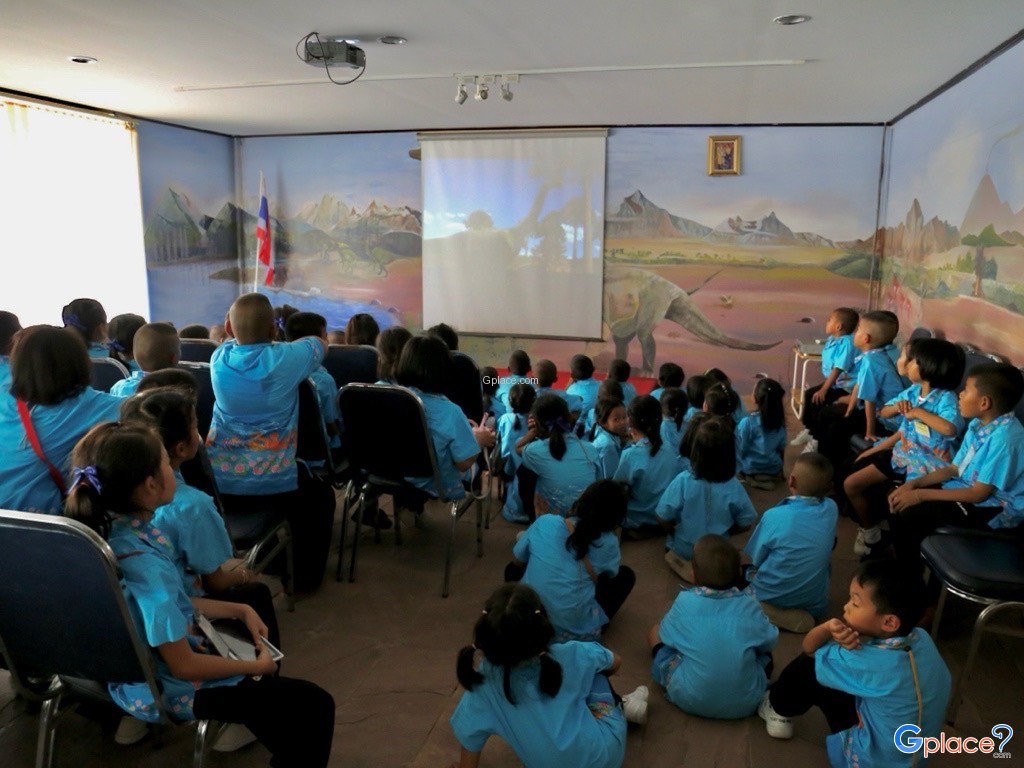
  • The site is especially suitable for families and student groups, as it offers easy-to-understand exhibits, informative signage, and safe elevated walkways for children and elderly visitors.
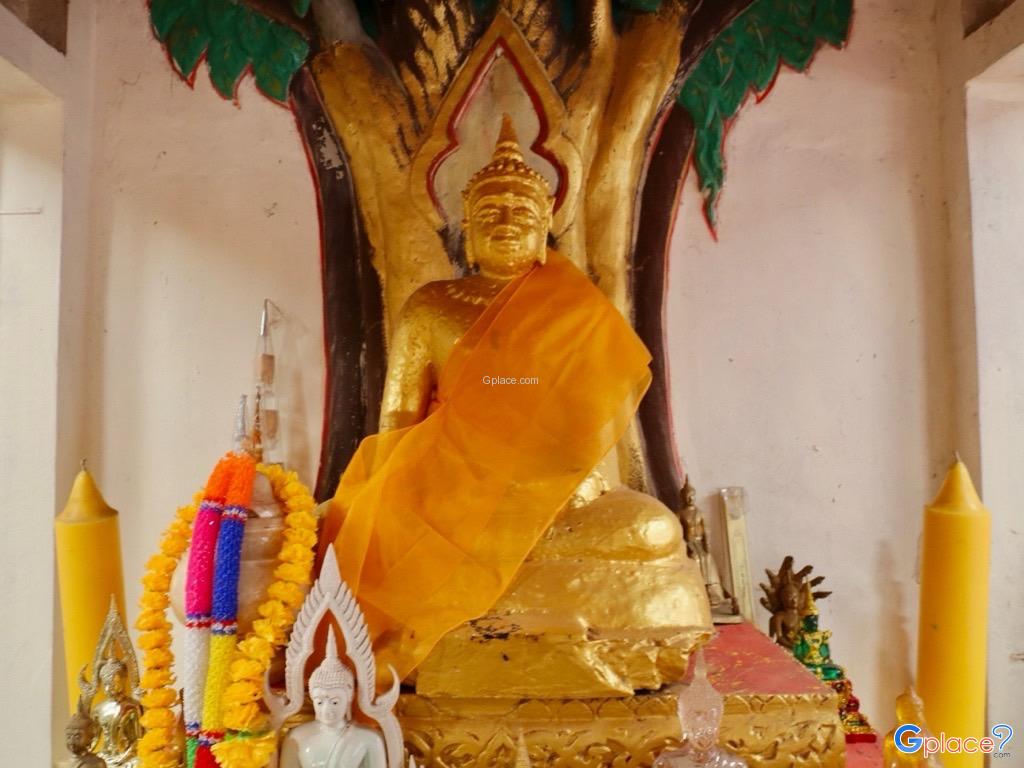
  • The trip can also be combined with nearby attractions such as Wat Sak Kaeo and the Phu Kum Khao viewpoint, allowing visitors to experience nature, culture, and science in a single day.
  • It is best to visit during cooler hours of the day, such as morning or early afternoon, for a more comfortable walking experience and better natural lighting for photography inside the building.

Admission Fee:

  • Thai Citizens: Adults 50 THB / Children 20 THB
  • Foreigners: Adults 100 THB / Children 50 THB
  • Free: Students in uniform, monks and novices, senior citizens 60 years and older
  • (Rates may change as announced by the museum)

Opening Hours:

  • Open Tuesday – Sunday (Closed Monday)
  • 09:00 AM – 5:00 PM

Dinosaur Fossil Excavation Site Building

Share

Phu Kum Khao, Sahatsakhan, Kalasin 46140 Map

List 0 review | art & culture,attractions,place,Learning center,archaeological site,museum

Closed today

Mon -
Tue9.00 - 17.00
Wed9.00 - 17.00
Thu9.00 - 17.00
Fri9.00 - 17.00
Sat9.00 - 17.00
Sun9.00 - 17.00


1

Recommend trips

Manage your trips

Delete

All reviews

(List 0 review)

Nearby Places

Wat Sakkawan Wat Sakkawan

(List 0 review)

Distance 0.16 Kilometer

sirindhorn Museum sirindhorn Museum

(List 0 review)

Distance 0.16 Kilometer

Phu Kum Khao Dinosaur Park Research Center Phu Kum Khao Dinosaur Park Research Center

(List 0 review)

Distance 0.90 Kilometer

Phu Sing Buddhist Sanctuary Phu Sing Buddhist Sanctuary

(List 0 review)

Distance 2.57 Kilometer

Laem Non Wiset Laem Non Wiset

(List 0 review)

Distance 6.47 Kilometer

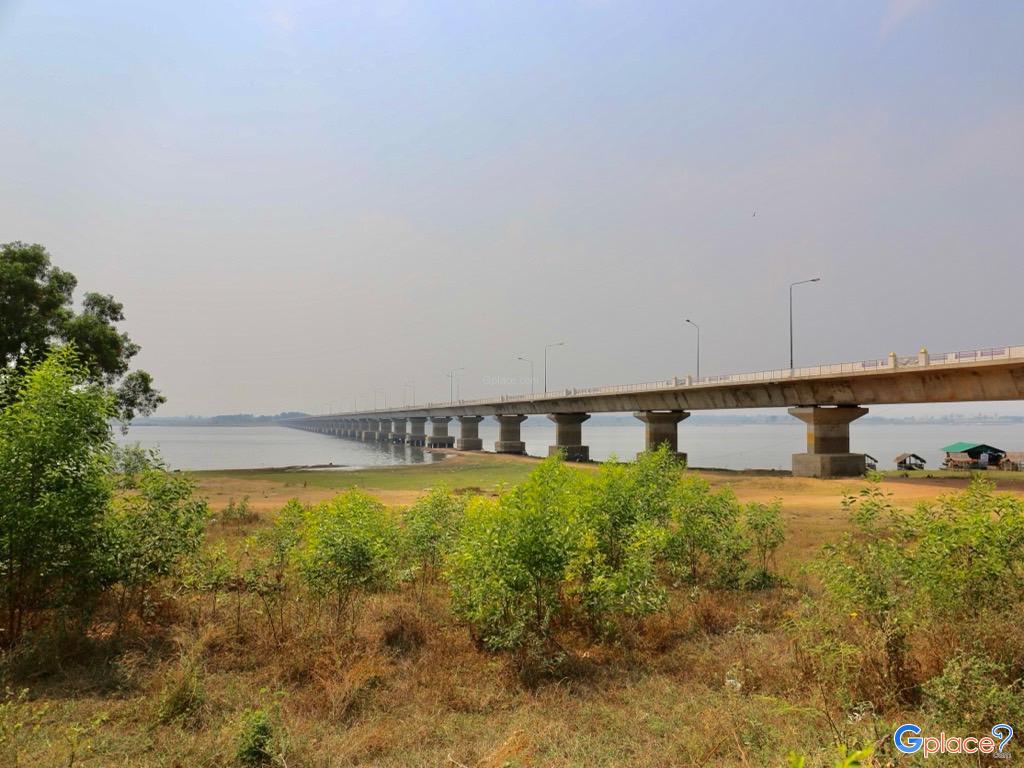
Thepsuda Bridge Thepsuda Bridge

(List 0 review)

Distance 6.69 Kilometer

Last visit

Klong Muang Beach Klong Muang Beach (List 0 review)