 Attractions
  Hotel
Hotel  Restaurant
  Shopping
  Abroad





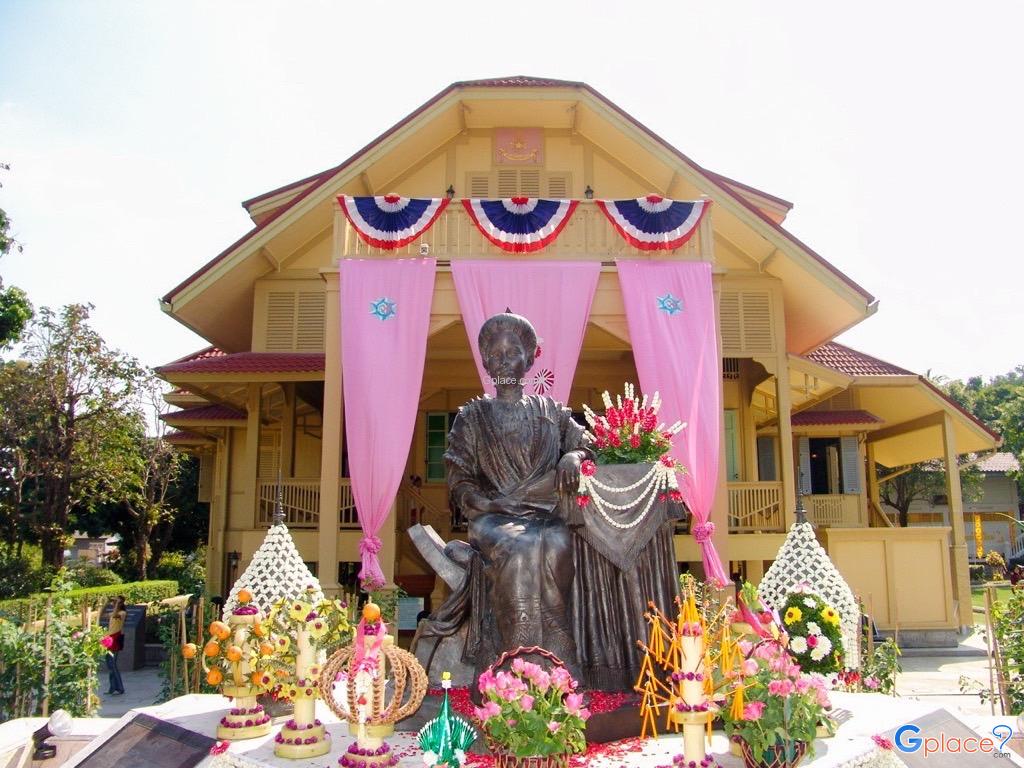


“A historic palace of Princess Dara Rasmi, distinguished by Lanna-Western architecture and a textile exhibition.”
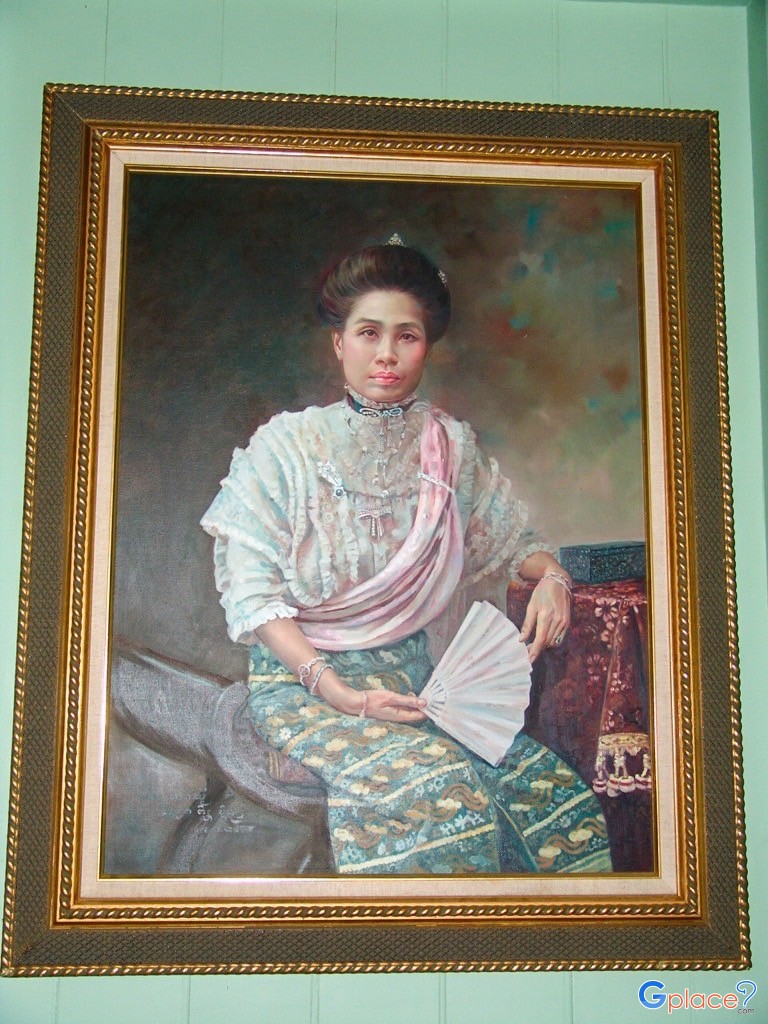
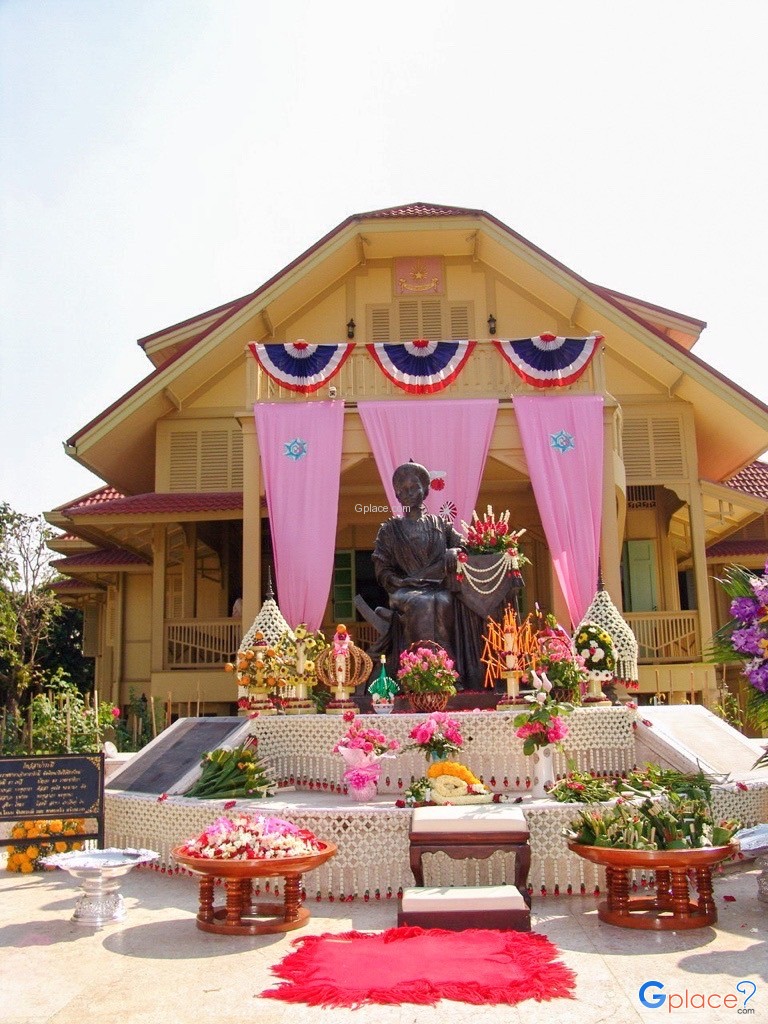
Dara Phirom Palace Museum (Dara Phirom Palace Museum) is the former palace of Royal Consort Princess Dara Rasmi, daughter of Chao Inthawichayanon, the 7th Ruler of Chiang Mai, and royal consort of King Chulalongkorn (Rama V). She was an important figure in Lanna history during the transition toward the modern unification of Siam. She played a role in connecting the Chiang Mai royal court and the Siamese royal court, while preserving the identity, language, traditions, and arts and culture of Lanna.
The palace was built in 1914 B.E. (1914) after Royal Consort Princess Dara Rasmi returned to reside permanently in Chiang Mai following the passing of King Chulalongkorn in 1910 B.E. (1910). At that time, the Mae Rim area was fertile agricultural land with a cool and pleasant climate. She therefore selected it as her residence and as a place to carry out work related to agriculture, education, and the promotion of local people’s way of life.
The name “Dara Phirom” is connected to the name of Royal Consort Princess Dara Rasmi. The word “Dara” means a star, while “Phirom” means delight, pleasure, or beauty. The palace can therefore be interpreted as a place of delight for a star, while also reflecting the royal name that the people of Lanna held in great respect.
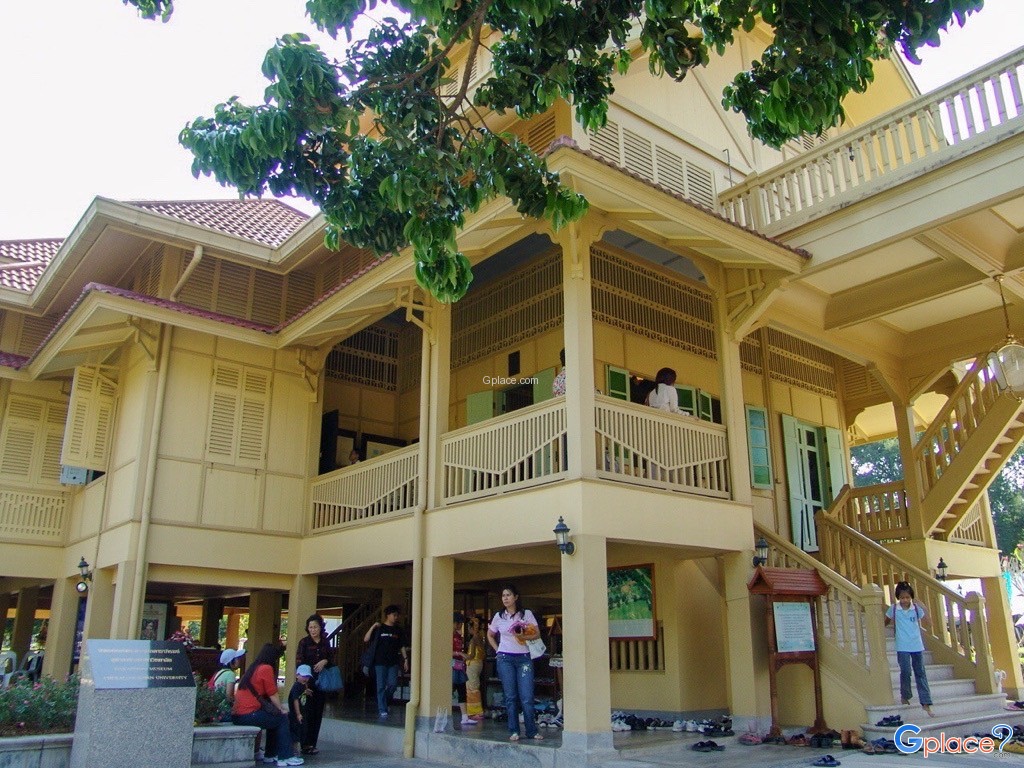
The palace is a two-storey half-brick, half-wood building, painted in an eggshell cream color. It was designed in Western colonial-style architecture popular during the reign of King Rama V, combined with Lanna elements and tropical construction wisdom, such as wide verandas, ventilation openings, tall windows, and a roof designed for good air circulation. The building is notable for its well-proportioned layout, including reception areas, private quarters, and functional spaces for royal attendants.
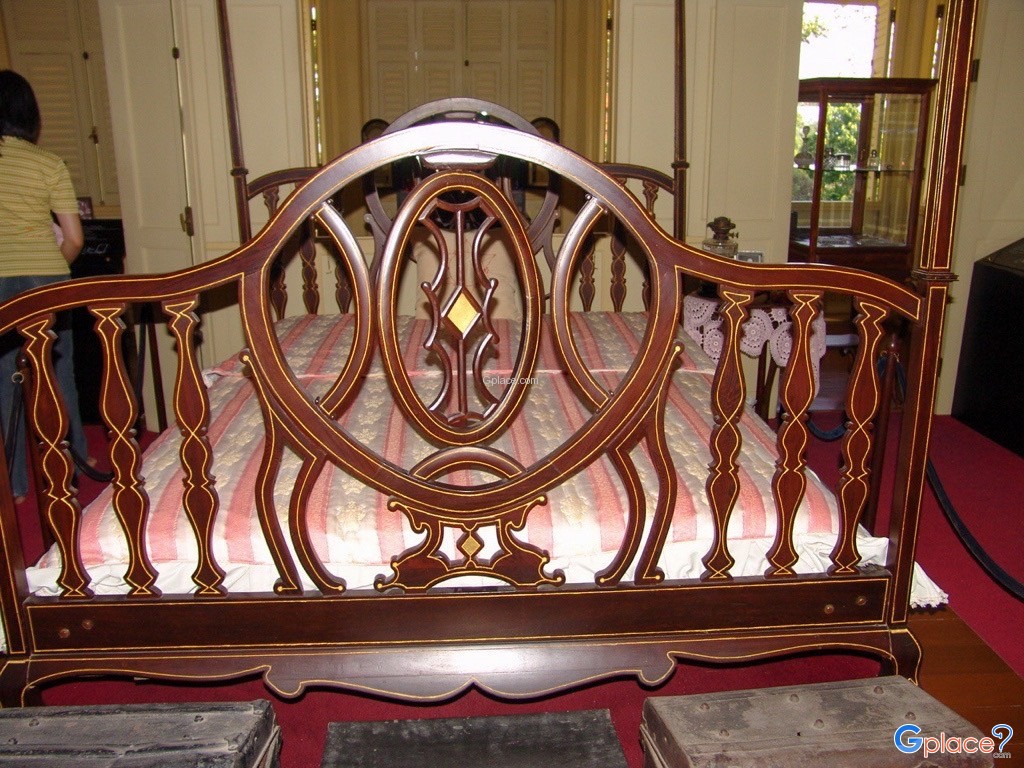
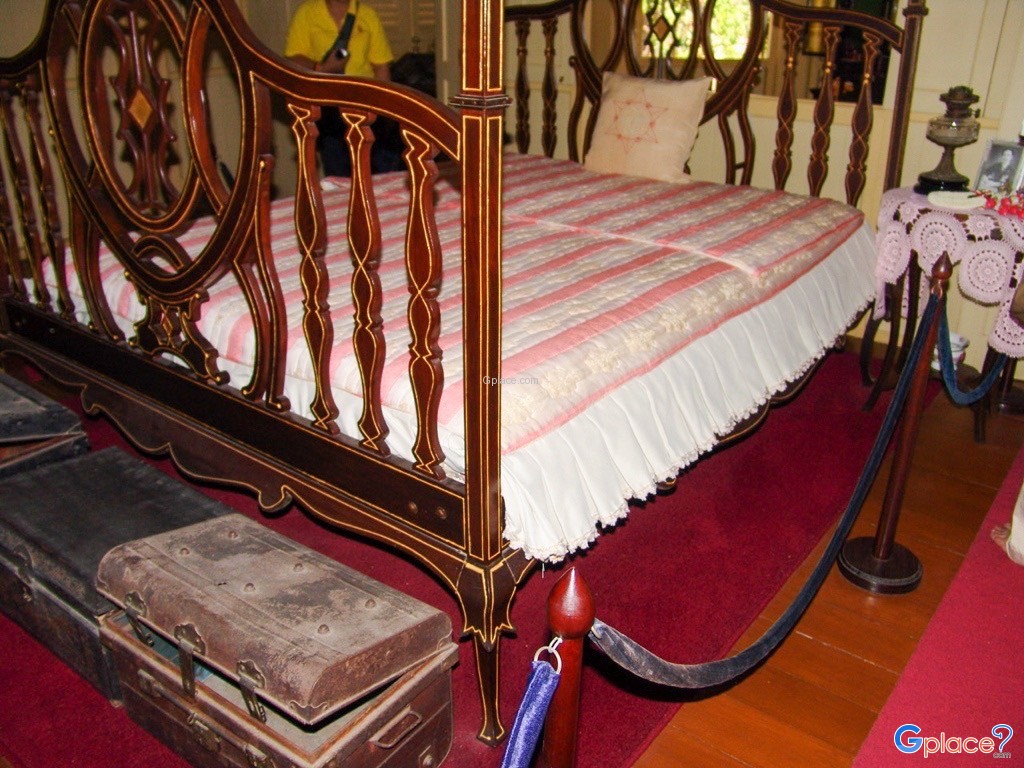
Inside the museum, various rooms have been arranged to closely reflect their original atmosphere, including the bedchamber, bathing room, reception room, dining room, and exhibition rooms for personal belongings. The interiors retain antique furniture, cut-glassware, wooden cabinets, dressing tables, historic portraits, and objects that reflect the lifestyle of Lanna’s upper class during the early 20th century. Visitors can therefore see details of daily life within the palace, including tastes that blended Lanna culture with the Siamese royal court.
One of the museum’s key features is the Lanna textile and costume exhibition, displaying royal garments, teen jok tube skirts, lai kham tube skirts, and local woven textiles with finely detailed patterns. Royal Consort Princess Dara Rasmi played an important role in encouraging Lanna weavers to preserve their traditional knowledge. She also supported the adaptation of local woven textiles for use in the royal court and daily life, allowing Lanna textiles to gain broad recognition and become cultural heritage that remains valuable today.
She also placed importance on agriculture and improving the quality of life for local people. The land around the palace was used as an experimental plot for cool-climate crops, fruit trees, garden crops, and various economic crops, in order to study the suitability of Mae Rim’s soil and climate. The results of these experiments helped promote agricultural knowledge among local communities and reflected her vision of enabling people to become sustainably self-reliant.
Around the palace is the Chulalongkorn Rose Garden, featuring large pink roses that are thornless and fragrant. Royal Consort Princess Dara Rasmi propagated the roses and gave them this name in remembrance of her royal husband. The garden is not only a beautiful place to relax, but also a symbol of the bond between her and King Chulalongkorn. It is also an important photo spot at the museum, especially when the roses are in bloom.
After Royal Consort Princess Dara Rasmi passed away in 1933 B.E. (1933), the palace was cared for and its role changed over time. Later, Chulalongkorn University took responsibility for its restoration and development as a museum, with the aim of conserving the historic building, collecting evidence related to her life, and passing on the story of Lanna to future generations. The restoration focused on preserving the palace’s original form, along with exhibitions that help visitors understand the historical context in a systematic way.
Dara Phirom Palace Museum is therefore not merely a place that collects antiques. It is a learning space reflecting the history of relations between Siam and Lanna, the role of women in the royal court, the preservation of local woven textiles, and ideas for community development through agriculture. It is suitable for visitors interested in history, arts and culture, architecture, and those wishing to experience the atmosphere of a historic palace in Mae Rim, Chiang Mai.
How to Get There
-
By Private Car: From Chiang Mai city, take Chiang Mai–Fang Road, or Highway No. 107, toward Mae Rim District. When you reach the Mae Rim District Office area, look for the entrance to the 5th Border Patrol Police Regional Headquarters on the left-hand side. There are clear signs directing visitors to Dara Phirom Palace Museum. You can drive in and park in the parking area in front of the museum.
-
By Public Transportation: Take a yellow songthaew on the Chiang Mai–Mae Rim route, or a local vehicle heading toward Fang District. Get off at the entrance to the 5th Border Patrol Police Regional Headquarters, then walk a short distance to the museum.
Travel Tips
- Remove your shoes before entering the palace to help protect the exhibition areas and valuable antiques.
- Photography and video recording are not permitted inside the building, but you may take photos outside the palace and in the rose garden.
- Dress politely and appropriately; avoid shorts above the knee, sleeveless tops, and spaghetti-strap tops.
- Allow around 45–60 minutes for your visit to explore the exhibition details thoroughly.
- Combine your visit with other Mae Rim attractions, such as Mae Sa Waterfall, Queen Sirikit Botanic Garden, and Mon Jam.
Admission Fee:
- Adults: 20 THB
- Children / Students (in uniform): 10 THB
- Monks / Persons with disabilities: Free admission
Opening Hours:
- Open Tuesday–Sunday from 09:00–16:30
- Closed every Monday
- Note: Opening days and hours may change on public holidays or during special events. Please check the latest information before visiting.
Dara Phirom Palace Museum

 Share
Share
 Rim Tai, Mae Rim, Chiang Mai 50180
Map
Rim Tai, Mae Rim, Chiang Mai 50180
Map
 Closed today
Mon -
Tue9.00 - 16.30
Wed9.00 - 16.30
Thu9.00 - 16.30
Fri9.00 - 16.30
Sat9.00 - 16.30
Sun9.00 - 16.30

 https://www.thai-tour.com/thai-tour/north/chiangmai/data/pic_daraphirom-palace.htm

 7290
7290