 Attractions
  Hotel
Hotel  Restaurant
  Shopping
  Abroad





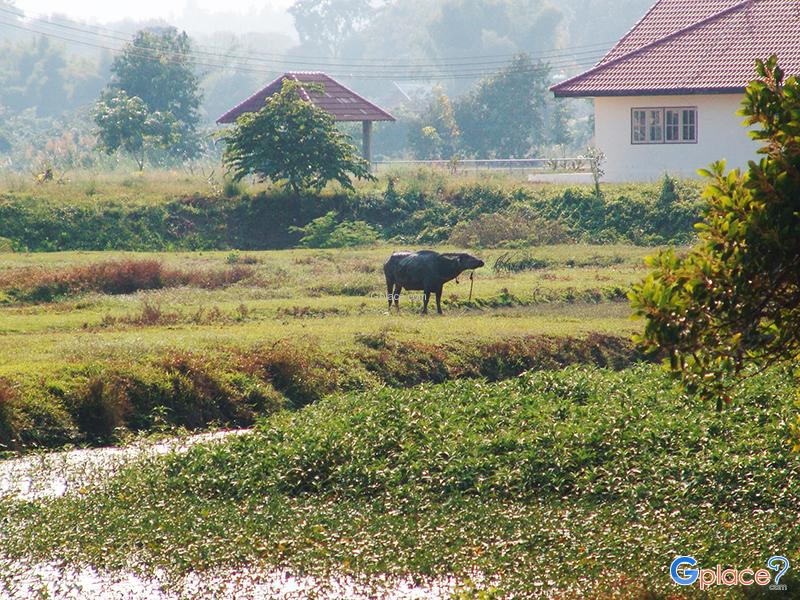

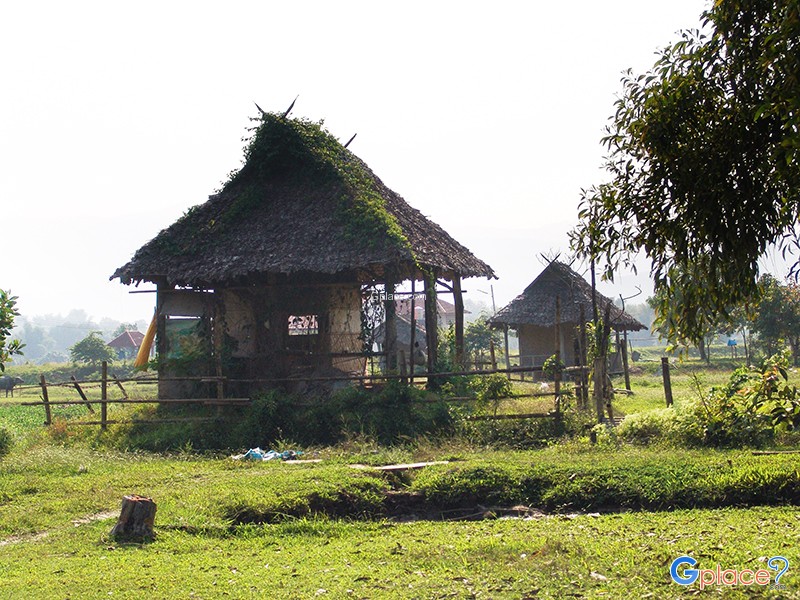
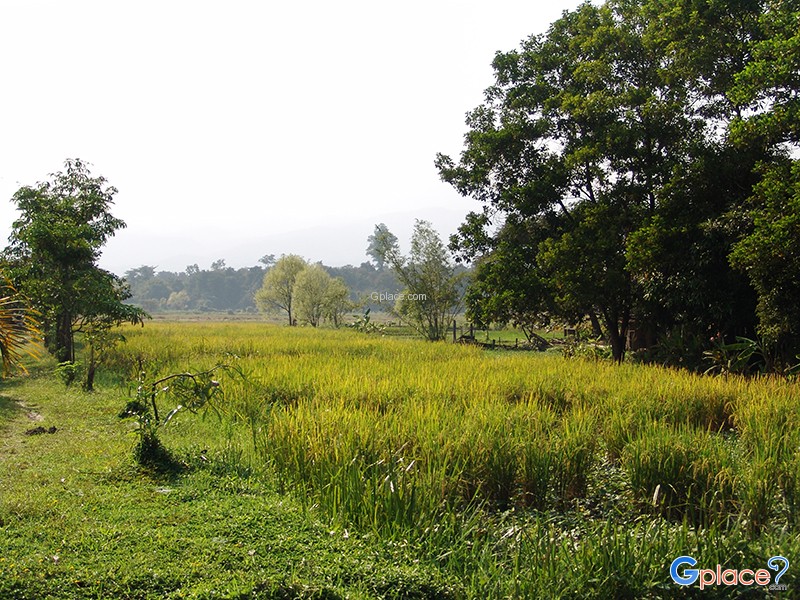
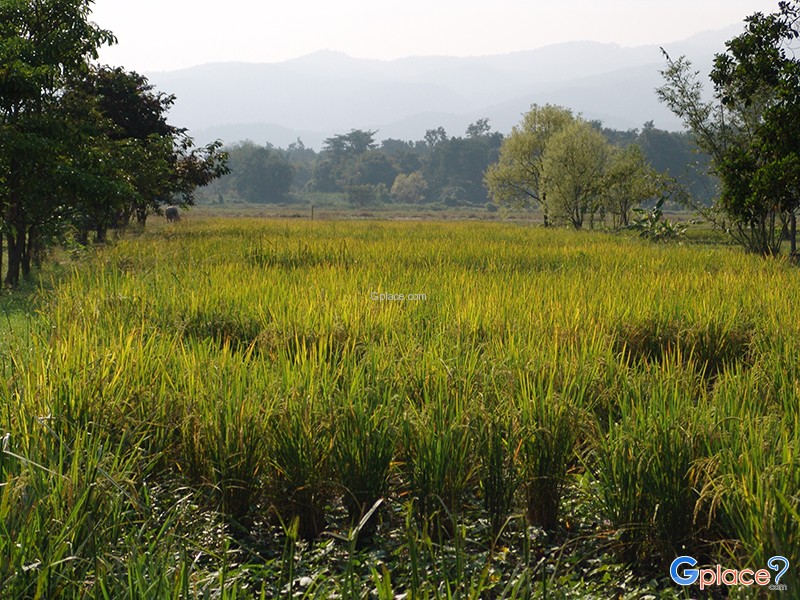
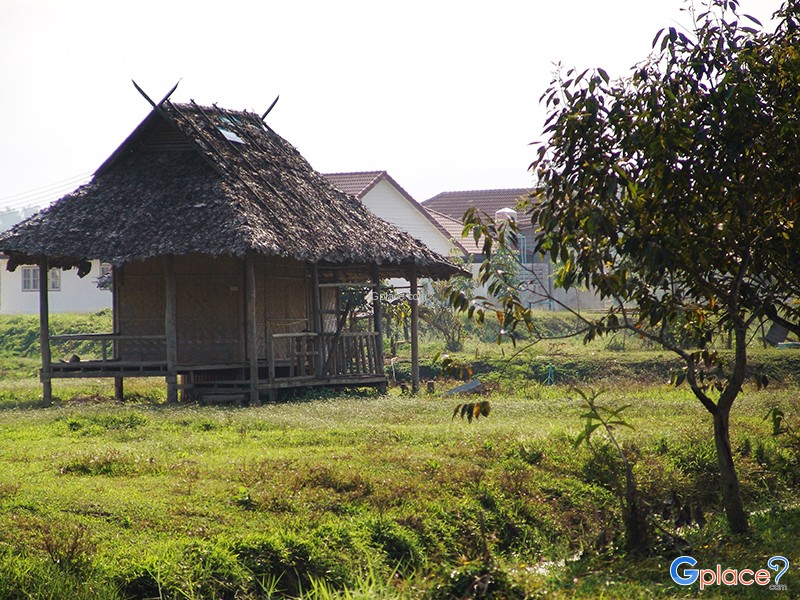
“Thai buffalo training school, white buffaloes and dwarf buffaloes, traditional plowing demonstrations, and buffalo-cart rides through a countryside atmosphere.”
Thai Buffalo Conservation Village (Thai Buffalo Conservation Village), also known as the Thai Buffalo Camp, is a conservation-oriented tourism attraction and living museum that presents the long-standing bond between Thai people and the Thai water buffalo, commonly called “kwai” or buffalo. The buffalo has played an important role in Thailand’s agricultural society for generations, before agricultural machinery replaced animal labor in many areas. Thai Buffalo Conservation Village therefore aims to conserve Thai water buffaloes, pass on the farmers’ way of life, and build understanding of the value of local wisdom among visitors of all ages.
The area is designed with an atmosphere resembling a traditional Thai rural community. It features farmers’ huts, rice granaries, buffalo pens, rice-threshing yards, rice fields, and traditional farming tools, helping visitors closely visualize the daily life of farming families. Many items, including plows, harrows, yokes, ox carts, winnowing trays, and rice mortars, reflect the stages of rice cultivation and crop management during the era when buffalo labor was at the heart of Thai agriculture.
In the past, buffaloes did not only plow fields. They also pulled carts, transported harvests, and were part of villagers’ everyday lives. The relationship between buffaloes and their handlers was built through continuous care, including feeding, taking them to bathe, cleaning their bodies, and training them to respond to commands. Thai Buffalo Conservation Village presents these stories through activities and demonstrations, allowing visitors to understand that buffaloes have good memories, can learn, and have emotions and feelings.
A popular learning area is the Thai Buffalo Training School, which demonstrates the process of training buffaloes to become familiar with people and basic commands. Visitors may see buffaloes respond to calls, walk along designated routes, stop, kneel, greet, or cross obstacles. However, performances and activity formats may change depending on the time and the animals’ readiness. Buffalo handlers closely control and care for the animals. This presentation reflects the learning ability of buffaloes as well as the importance of proper animal care and animal welfare.
Another important activity is the demonstration of plowing rice fields with buffaloes, showing the use of plows and yokes to prepare soil for rice cultivation. Visitors can learn about the process, from leading buffaloes into the fields and directing their movement to plowing the soil and leveling the land before rice transplanting. At certain times, there may also be demonstrations of rice threshing, rice winnowing, and transporting harvests by buffalo cart, helping connect the full picture of traditional rice production from the beginning through the post-harvest stage.
Thai Buffalo Conservation Village may also display buffaloes with distinctive characteristics, such as white buffaloes, which have lighter skin and hair than typical buffaloes, as well as small-sized or dwarf buffaloes in some areas. Each buffalo has different physical features, personalities, and care histories. Viewing buffaloes up close provides visitors with an opportunity to learn how to observe buffalo characteristics, such as horns, skin, body shape, and natural behavior. Visitors should always follow the instructions of buffalo handlers.
For visitors who wish to take part in hands-on activities, some periods may offer opportunities to feed buffaloes, ride a buffalo cart, try riding on a buffalo’s back, take photographs in a rice-field setting, or join farmer-lifestyle workshops, such as rice planting, rice harvesting, or traditional cooking. Activities depend on the season, weather conditions, and the venue’s program. Joining activities under staff supervision helps ensure a safe experience and avoids disturbing the animals.
In terms of conservation, Thai Buffalo Conservation Village plays a role in raising awareness about the declining number of Thai water buffaloes due to changes in the agricultural sector, as well as the need to preserve native buffalo genetics. Proper buffalo care requires adequate grazing areas, sufficient roughage, clean water sources, mud wallows or areas for buffaloes to cool down, as well as health checks and disease prevention under veterinary guidance. Learning about these aspects helps visitors see conservation as an approach that includes animals, people, and agricultural ecosystems.
The atmosphere of Thai Buffalo Conservation Village is suitable for family travel, out-of-class learning for children and youth, school and university groups, as well as visitors interested in Lanna culture and Thai agricultural life. Visitors can spend time walking around, taking photographs, listening to stories from buffalo handlers, and enjoying the simplicity of Chiang Mai’s rural landscape.
A visit to Thai Buffalo Conservation Village is therefore not only about viewing buffaloes or joining outdoor activities. It is also an opportunity to look back at the foundations of Thai agricultural society through stories of animal labor, farmers’ wisdom, rice production, and the conservation of Thai water buffaloes so that they continue to hold value in the modern world.
How to Get There
-
By Private Car: From Chiang Mai city, take Highway 107 toward Mae Rim. Then turn left onto Highway 1096, the Mae Rim–Samoeng route. Follow the signs to the attraction. Parking is available for visitors.
-
By Public Transportation: Take a red songthaew from Chiang Mai city to Mae Rim District, then transfer to the yellow local songthaew on the Mae Rim–Samoeng route. Alternatively, a rental car with a driver is available for greater convenience.
Note: It is recommended to check the location of the Thai Buffalo Conservation Village or Thai Buffalo Camp in advance, as there may be several places in Chiang Mai using similar names.
Travel Tips
- Get close to the buffaloes: Visitors can purchase grass or food to feed the buffaloes, but should strictly follow the instructions of the buffalo handlers.
- Try farmer activities: If available, visitors can try a buffalo-cart ride or ride on a buffalo’s back for souvenir photographs under staff supervision.
- Dress appropriately: Most areas are open-air activity grounds. Bring a hat, umbrella, or sunscreen, and wear shoes suitable for walking on soil or through fields.
- Check activity schedules: Buffalo plowing demonstrations, rice threshing, and smart buffalo shows may be arranged in rounds. Ask about show times before entering.
- Plan a Mae Rim route trip: The attraction can be visited on the same day as Mae Sa Waterfall, Queen Sirikit Botanic Garden, or other attractions along the Mae Rim–Samoeng route.
Admission Fee:
- There is an admission fee of approximately 100–200 THB for adults and 50–100 THB for children. Prices may vary depending on activity packages, such as buffalo-cart rides, buffalo feeding, or farmer-lifestyle workshops.
Note: Please check the latest admission fees with the attraction before traveling.
Opening Hours:
- Open daily, Monday–Sunday, from 8:30 AM–5:00 PM.
- Buffalo plowing demonstrations and smart buffalo shows may be scheduled at specific times. Please check the activity timetable with the attraction upon arrival or before visiting.
Thai Buffalo Conservation Village

 Share
Share
 300/2 Chiang Mai–Fang Road, Rim Nuea, Mae Rim, Chiang Mai 50180
Map
300/2 Chiang Mai–Fang Road, Rim Nuea, Mae Rim, Chiang Mai 50180
Map
 Closed today
Mon8.30 - 17.00
Tue8.30 - 17.00
Wed8.30 - 17.00
Thu8.30 - 17.00
Fri8.30 - 17.00
Sat8.30 - 17.00
Sun8.30 - 17.00

 https://www.thai-tour.com/thai-tour/north/chiangmai/data/pic_thai-buffalo-village.html

 6814
6814