
 Attractions
  Hotel
Hotel  Restaurant
  Shopping
  Abroad





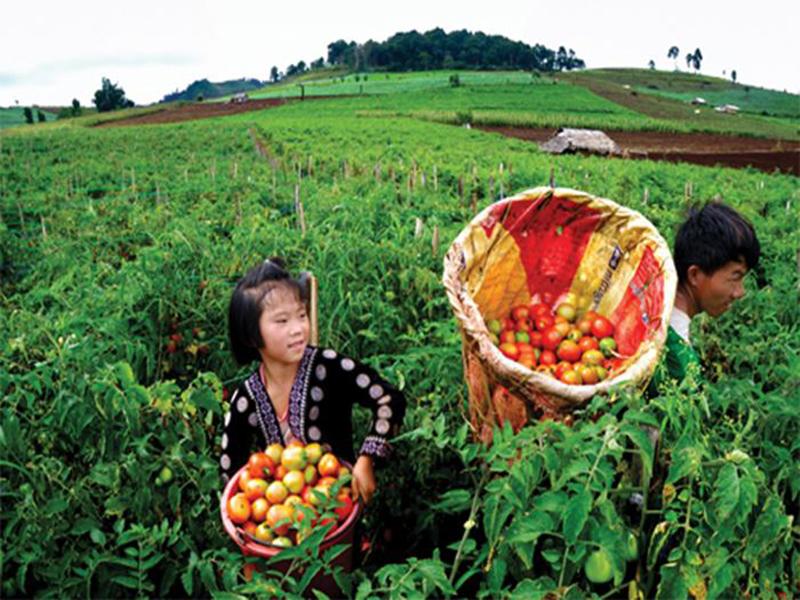

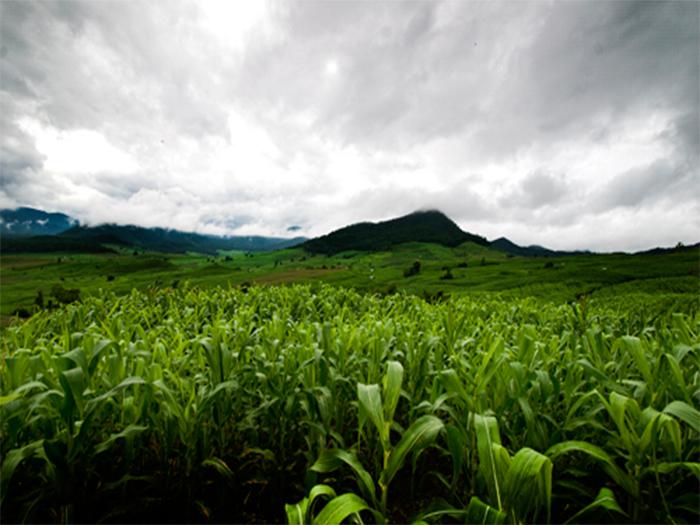
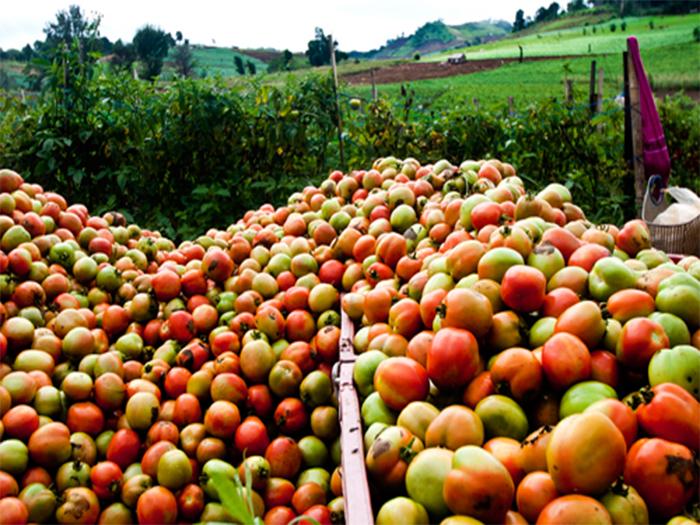
“Explore Royal Project farms, cold-climate plants, fresh produce, high-altitude community way of life, and the rich natural beauty of Mae Chaem.”
Pang Ung Royal Project Development Center is one of the Royal Project Development Centers under the Royal Project Foundation, established following the royal initiatives of His Majesty King Bhumibol Adulyadej The Great. It aims to address issues such as opium cultivation, shifting cultivation, and encroachment on watershed forests by promoting suitable high-altitude agricultural occupations, coupled with natural resource conservation and improving the quality of life for ethnic hill tribe communities.
The center's area is situated at an elevation of approximately 1,200–1,400 meters above sea level, resulting in cool weather throughout the year. This climate is ideal for researching and cultivating a variety of cold-climate plants, including vegetables, fruits, and flowers, which are important products of the Royal Project Foundation, especially those requiring low temperatures and high quality for distribution to markets nationwide.
Within the center, operations include research, experimentation, and transfer of high-altitude agricultural technology to local farmers. This covers everything from selecting plant varieties, soil improvement, water management, reducing chemical use, biological pest control, to harvesting and quality grading of produce, enabling farmers to produce safe, standard-compliant agricultural products and generate sustainable income.
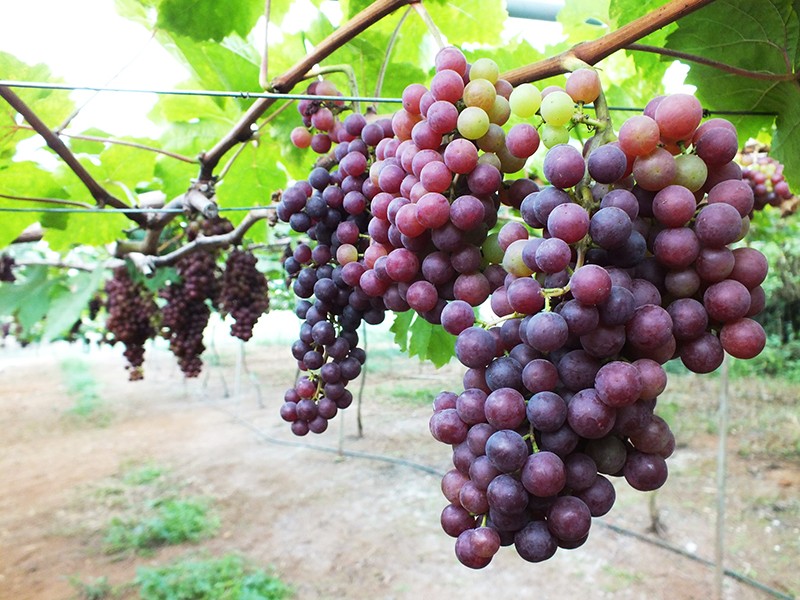
Tourists can explore demonstration plots of cold-climate plants that change with the seasons, such as cabbage, broccoli, cauliflower, salad greens, carrots, beetroots, Royal Project tomatoes, as well as temperate fruits like avocado, persimmon, strawberry, passion fruit, and macadamia during certain times of the year. There are also seedling nurseries, mushroom houses, seed production greenhouses, and cold-climate flower beds used for both education and developing new varieties.
Another important role of the center is to be a sustainable agricultural learning center that provides opportunities for students, academics, farmers, and tourists to learn about safe food production processes, from upstream to downstream, as well as the Sufficiency Economy Philosophy and the King's Philosophy, which are core principles of the Royal Project Foundation's operations.
In addition to the agricultural plots, the surrounding area is home to Hmong and Karen (Pgaz K'Nyau) ethnic hill tribe communities that still preserve their indigenous wisdom, way of life, and traditional culture. Tourists can experience community life, observe agriculture on sloped areas, learn about environmentally friendly rotational cropping, and purchase handicrafts and processed products from the community to directly support local incomes.
During the cool season, from approximately November to February, the weather is very cold, and sea of fog often appears in the mornings, making the Pang Ung Royal Project Development Center particularly scenic. During the late rainy season to early winter, the surrounding area is lush with forests and agricultural plots in production, suitable for photography, relaxation, and nature study.
The center also has a fresh produce sales point from the Royal Project, with seasonal products such as organic vegetables, temperate fruits, flowers, herbs, tea, coffee, and various processed products that meet the Royal Project Foundation's standards. Tourists can buy these as souvenirs and directly support the income of local farmers.
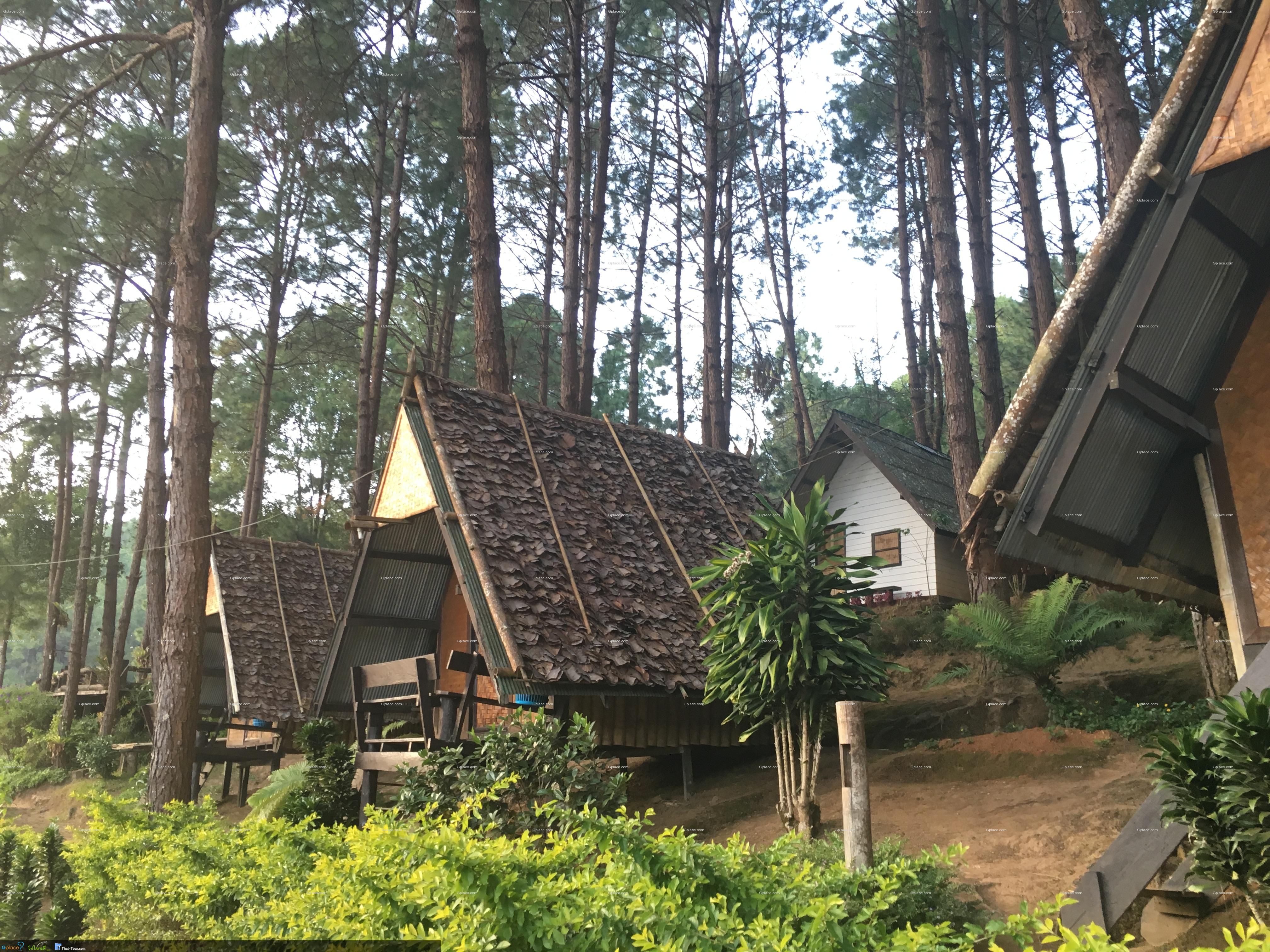
For those wishing to relax amidst nature, you can choose to stay in Royal Project guesthouses or homestays in nearby villages to experience the atmosphere of a high-altitude village, wake up to cold air, and watch the sunrise over the mountains, which is the charm of Mae Suek, still peaceful and uncrowded unlike many famous tourist destinations.
It is important to note that Pang Ung Royal Project Development Center is not "Pang Ung," the reservoir in Mae Hong Son Province, but a Royal Project Development Center in Mae Chaem District, Chiang Mai Province, sharing the same name. Tourists should verify their destination before traveling. This place stands out as an agritourism destination, a learning center for high-altitude development, and an example of the success of the King's Philosophy in forest restoration, creating livelihoods, and sustainably improving the quality of life for high-altitude communities.
How to Get There
-
From Chiang Mai city, take Highway 108 (Chiang Mai–Hot) past Chom Thong District. Then turn right onto Highway 1009 (the route up Doi Inthanon National Park). Upon reaching the national park checkpoint, turn onto Highway 1192 towards Mae Chaem District. From Mae Chaem town, follow the route to Mae Suek Sub-district and drive according to the signs for Pang Ung Royal Project Development Center. The final section is a winding and steep mountain road; caution should be exercised while driving. Private cars, pickup trucks, and motorcycles are able to access the center.
Travel Tips
- Prepare warm clothing, as temperatures in the morning and at night may drop below 10–15 degrees Celsius.
- If you wish to purchase vegetables, fruits, or cold-climate flowers, inquire about the harvest season before traveling, as each type has a different season.
- Follow designated paths, do not step on planting beds, and do not harvest produce without permission.
- Support local produce and products to help generate income for farmers in the area.
- If you wish to stay in Royal Project guesthouses or homestays, it is advisable to book in advance, especially during long holidays and the cold season.
- You can combine your trip with Wat Kong Karn, Kong Karn Wooden Bridge, Teen Jok Woven Fabric Village, Wat Phut En and other attractions in Mae Chaem District within one day or for an overnight stay.
Admission Fee:
- Free admission (No entry fee to the area. If you wish to purchase produce or participate in activities, please inquire with staff at the center for more details).
Pang Ung Royal Project

 Share
Share
 Mae Suek Sub-district, Mae Chaem District, Chiang Mai Province 50270
Map
Mae Suek Sub-district, Mae Chaem District, Chiang Mai Province 50270
Map
 Open now : 8.00 - 16.30
Mon8.00 - 16.30
Tue8.00 - 16.30
Wed8.00 - 16.30
Thu8.00 - 16.30
Fri8.00 - 16.30
Sat8.00 - 16.30
Sun8.00 - 16.30



 2237
2237