 Attractions
  Hotel
Hotel  Restaurant
  Shopping
  Abroad





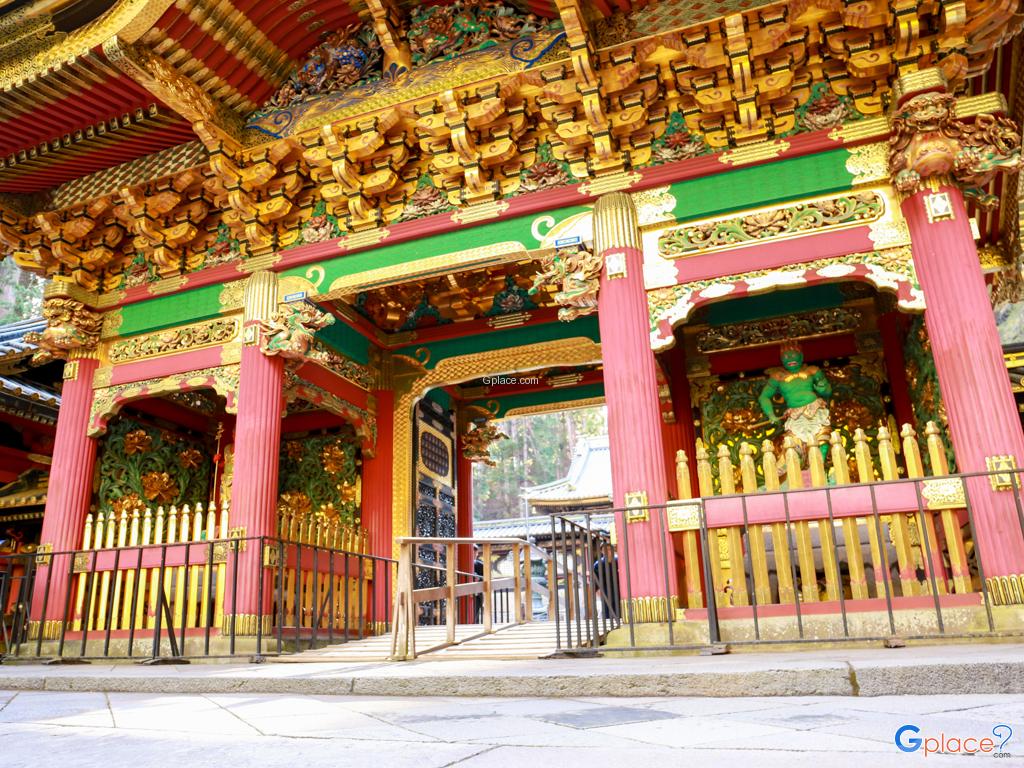

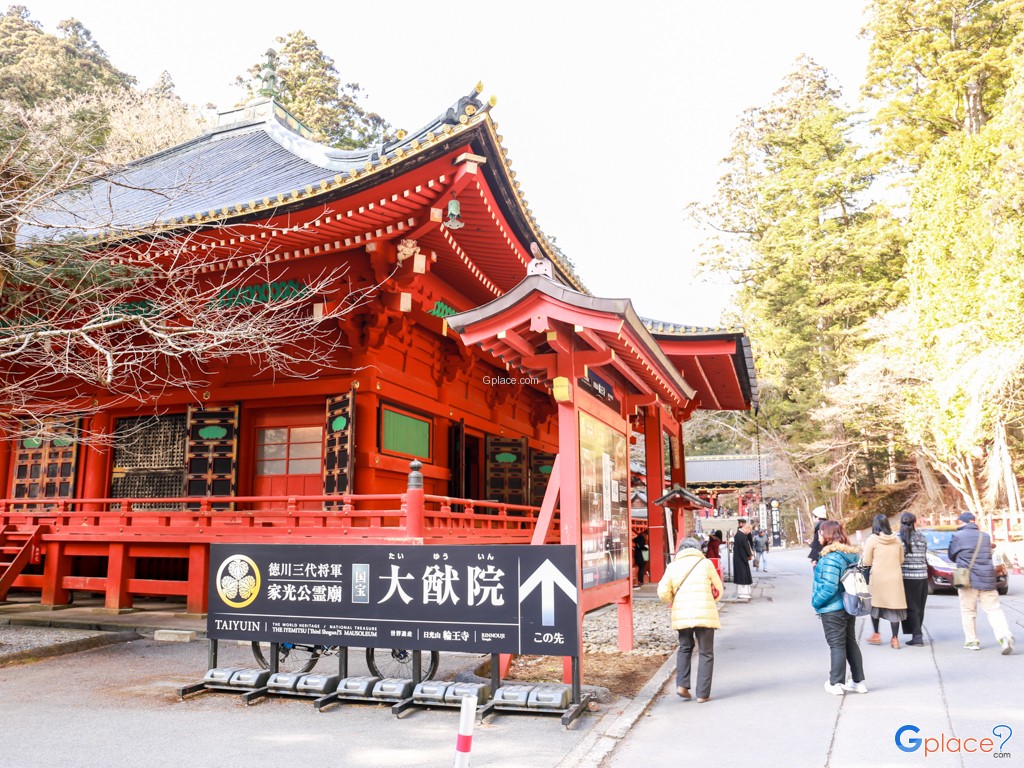
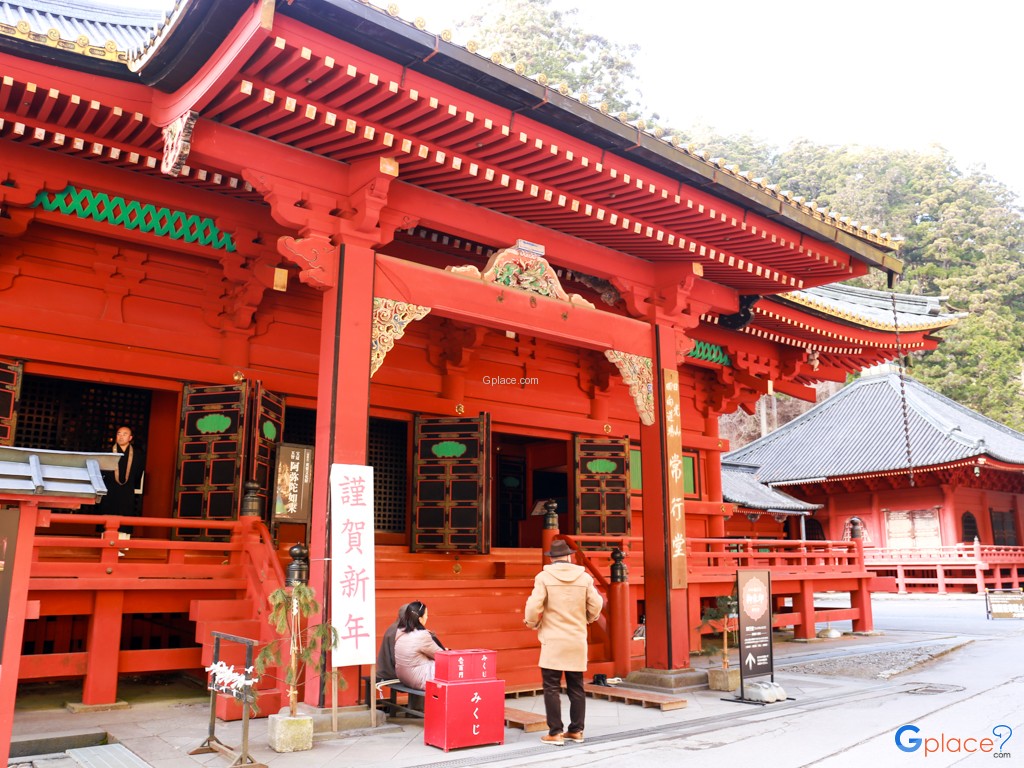
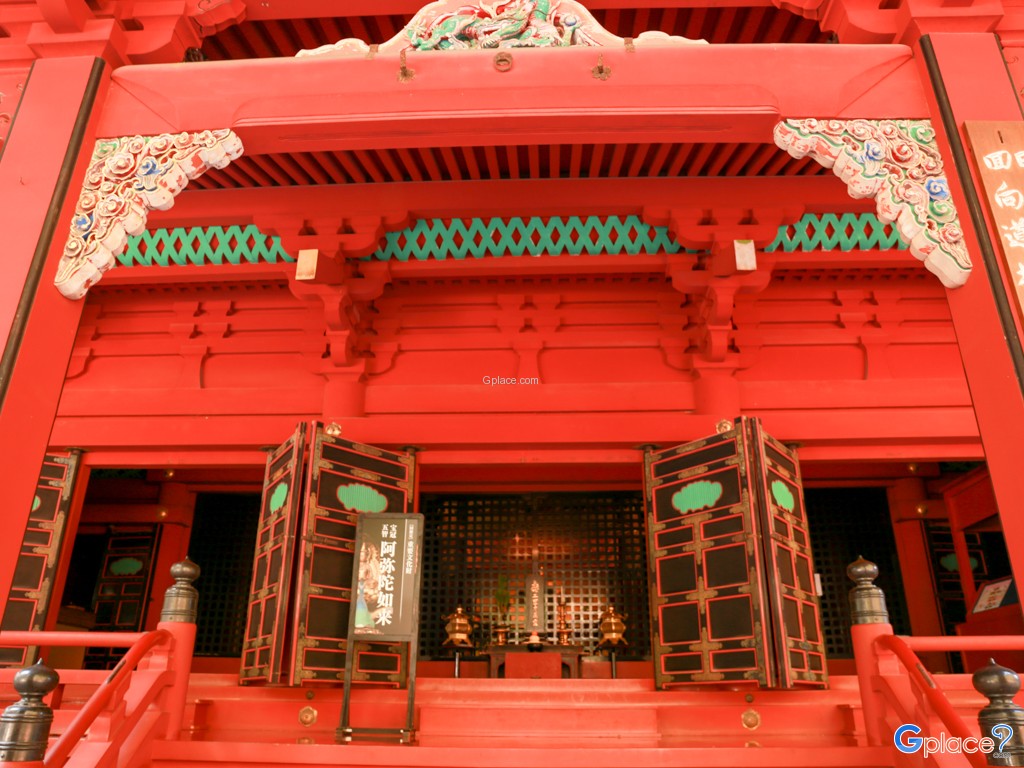
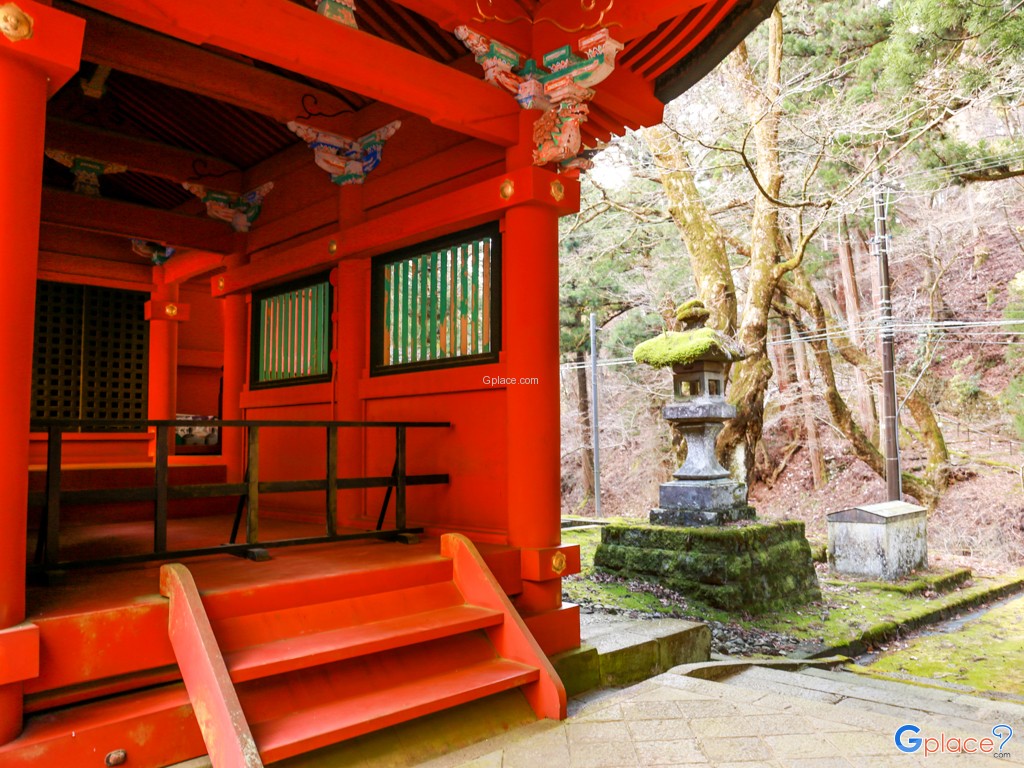
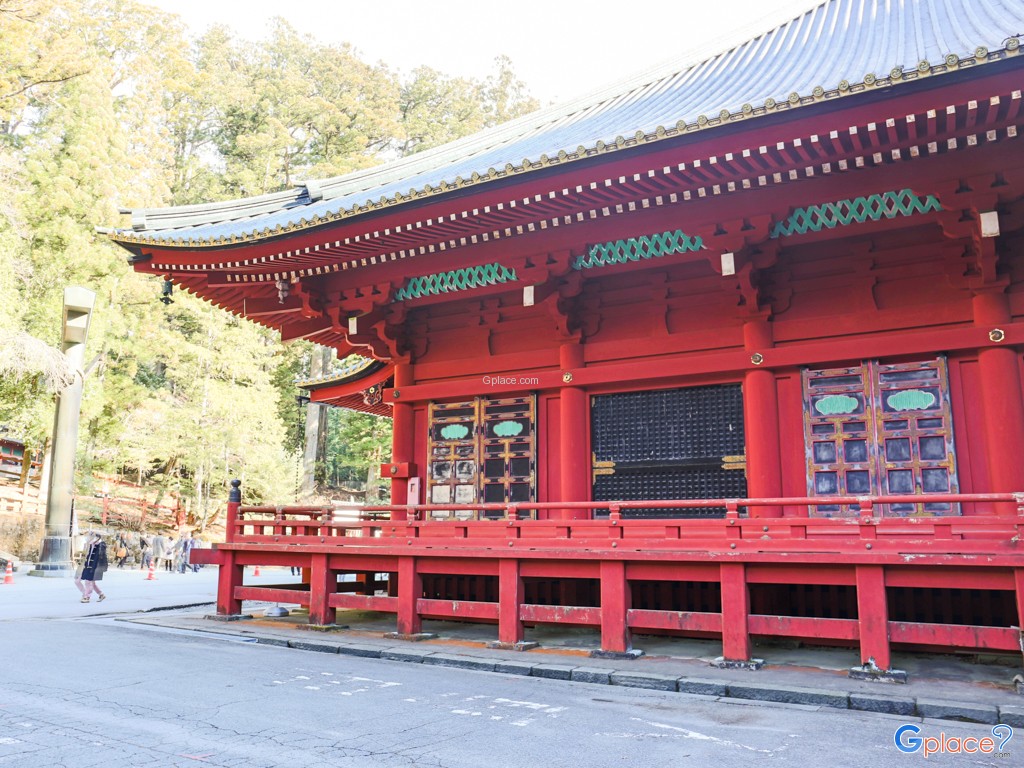
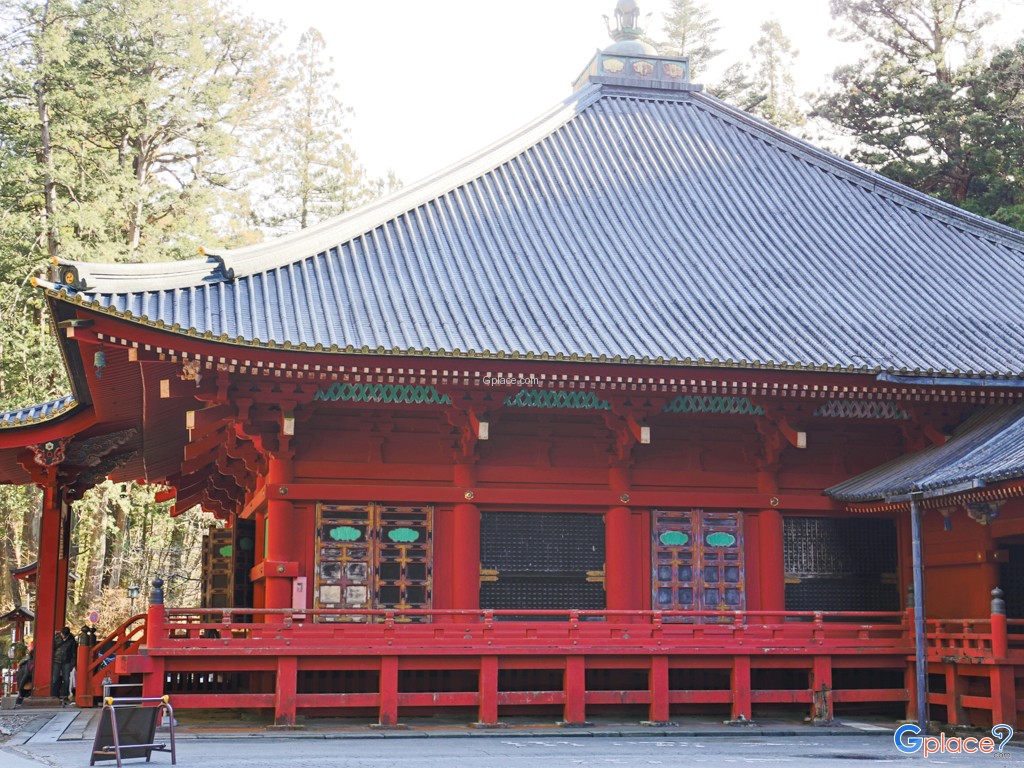
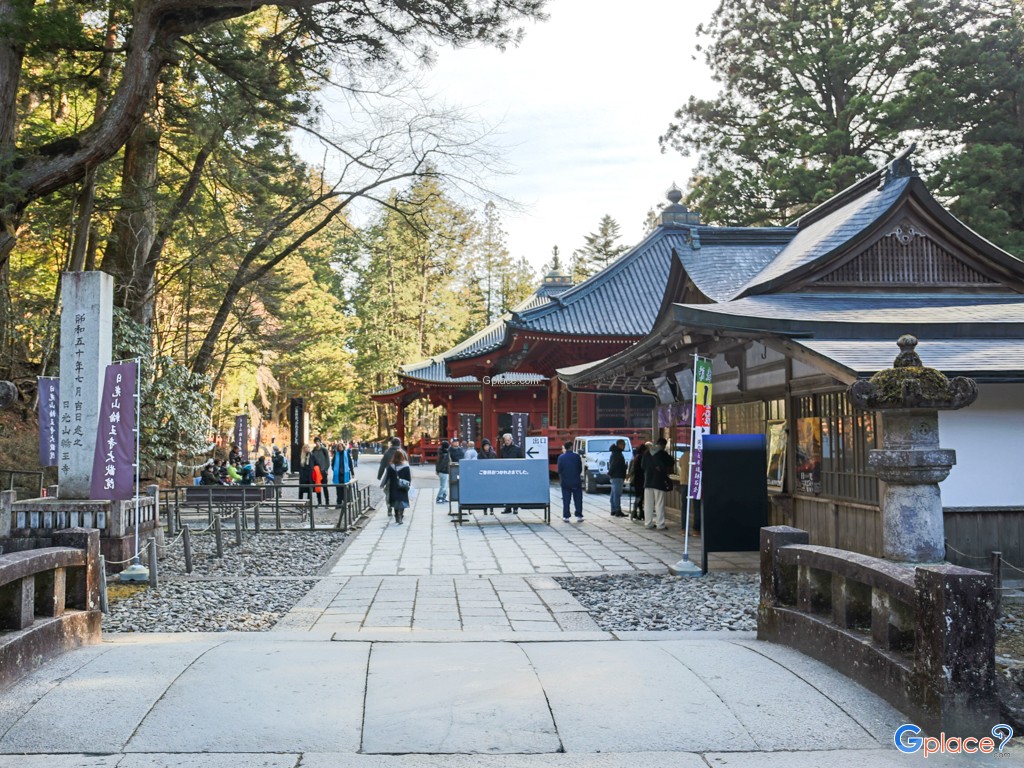
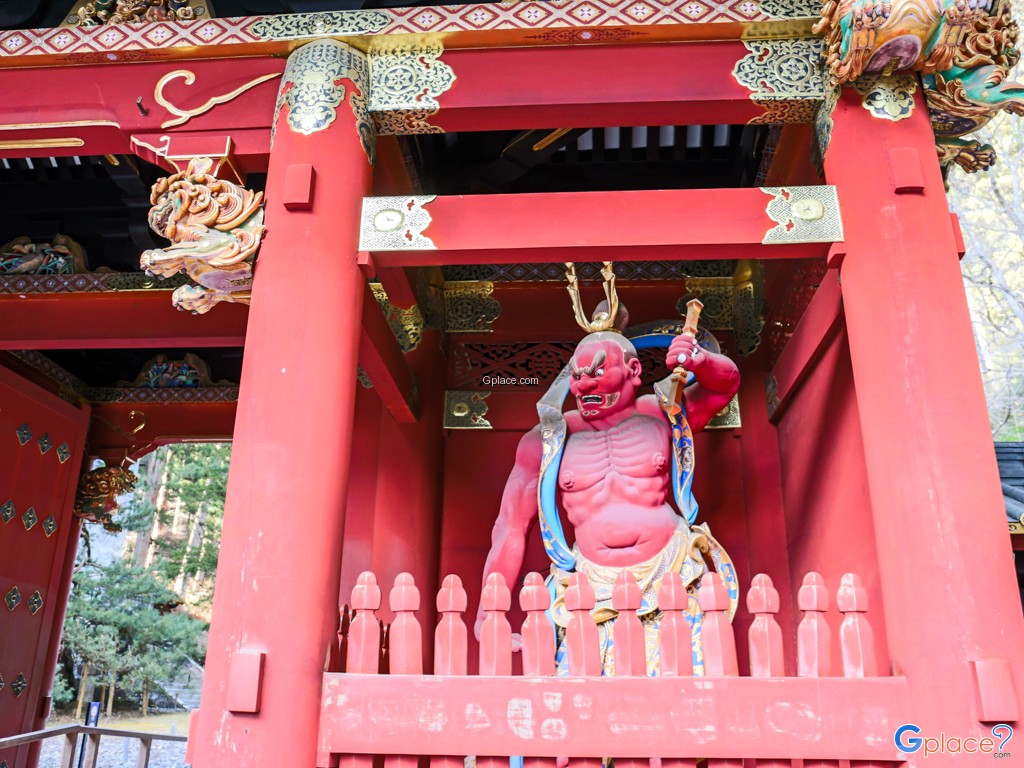
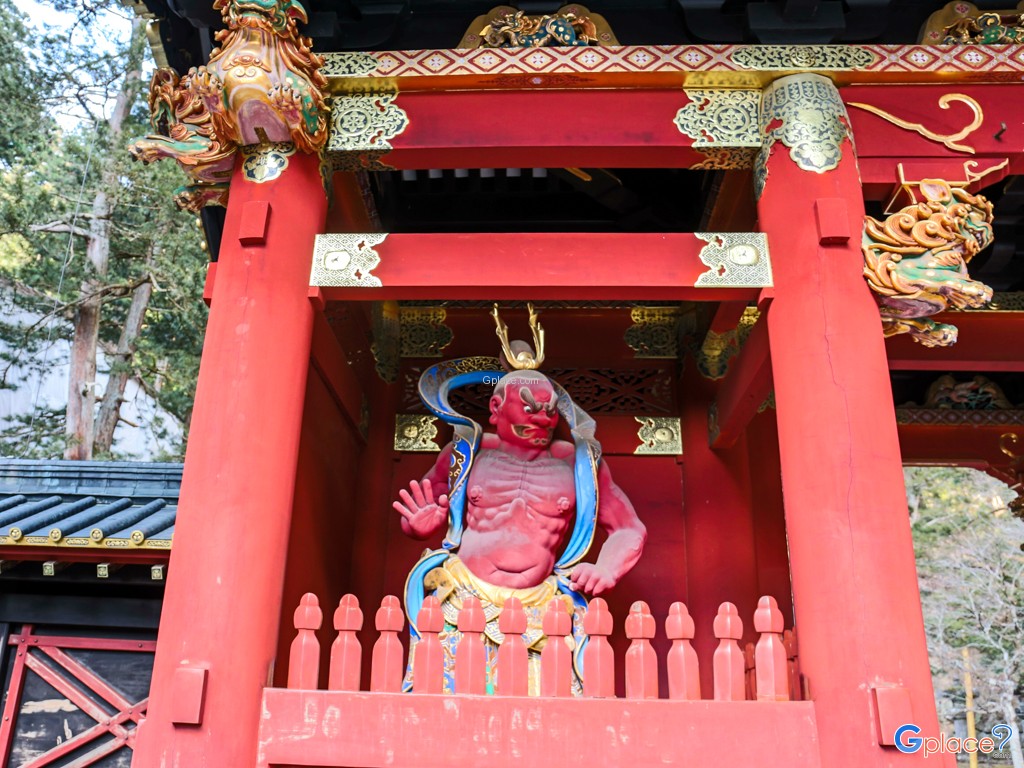
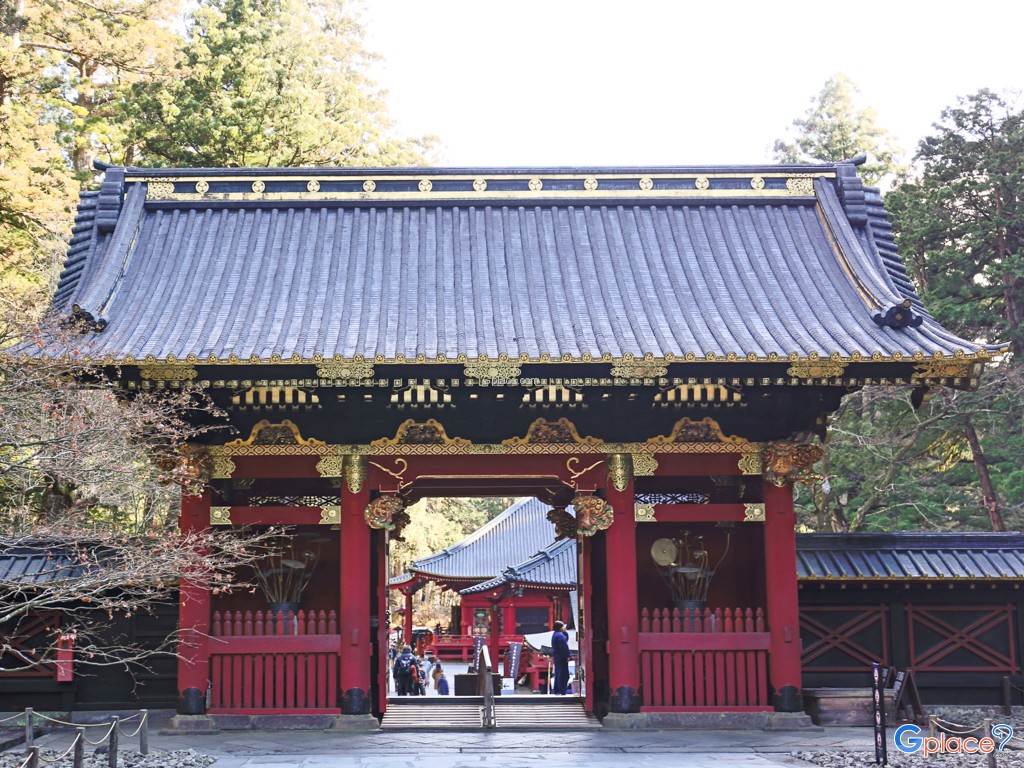
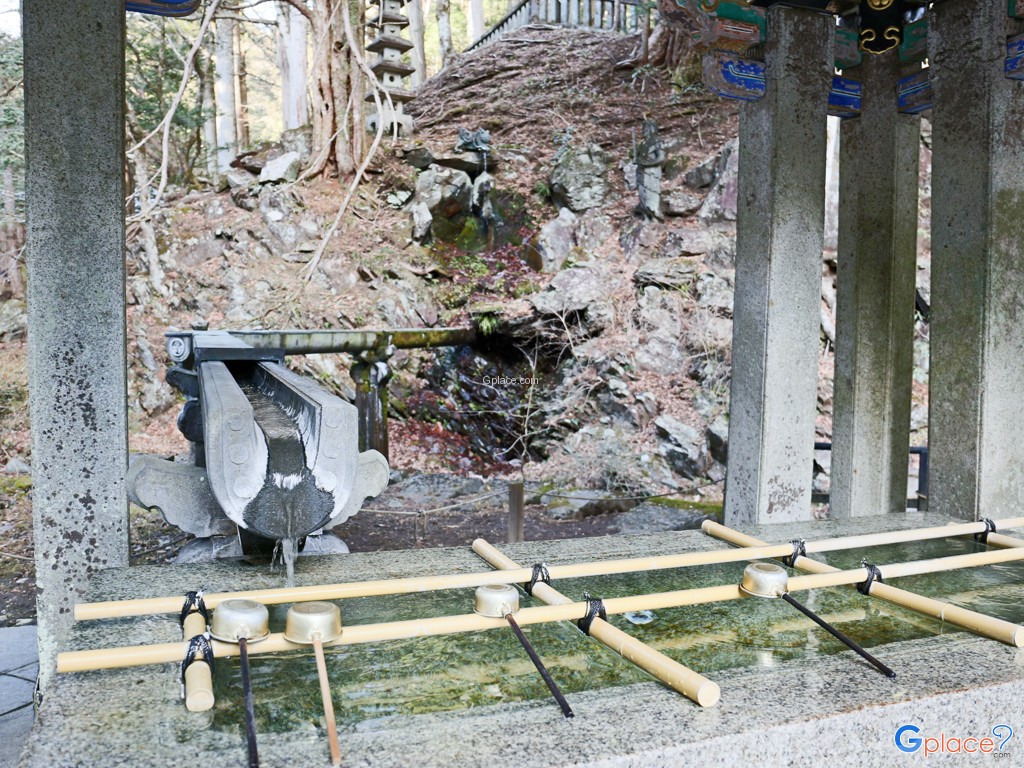
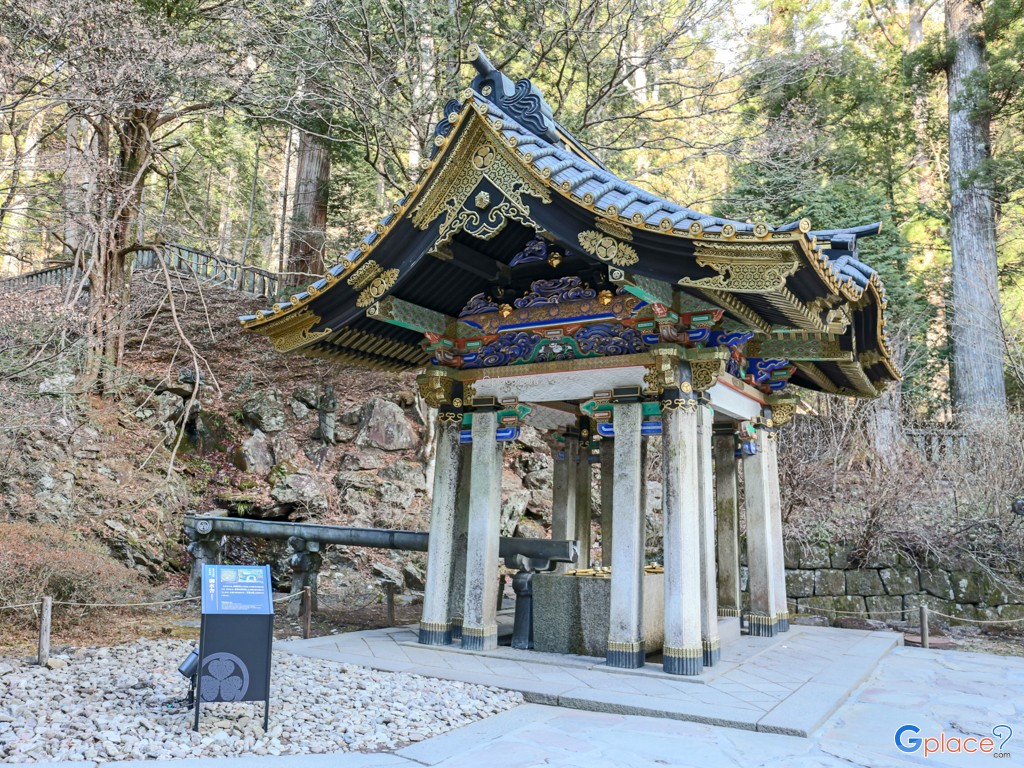
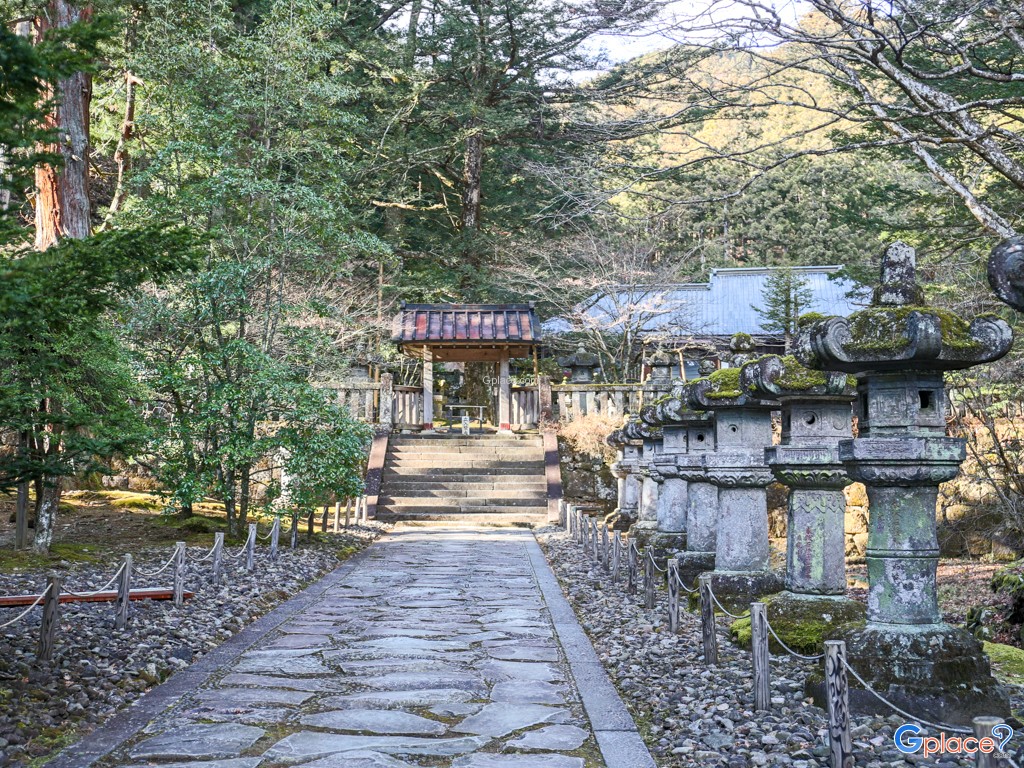
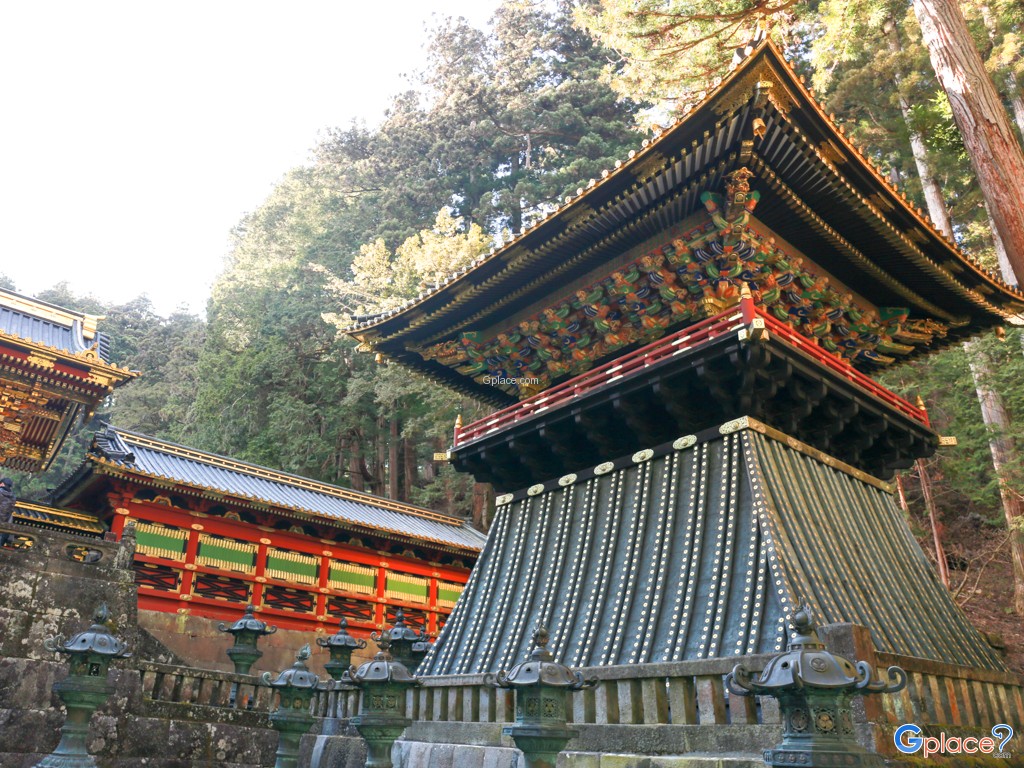

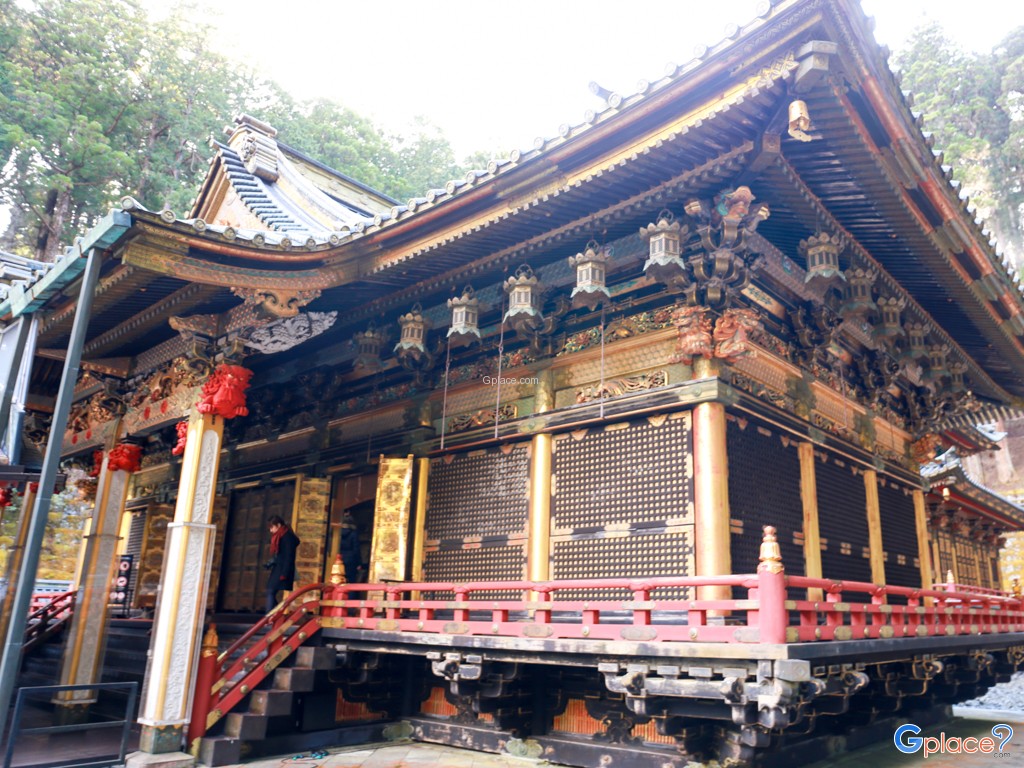
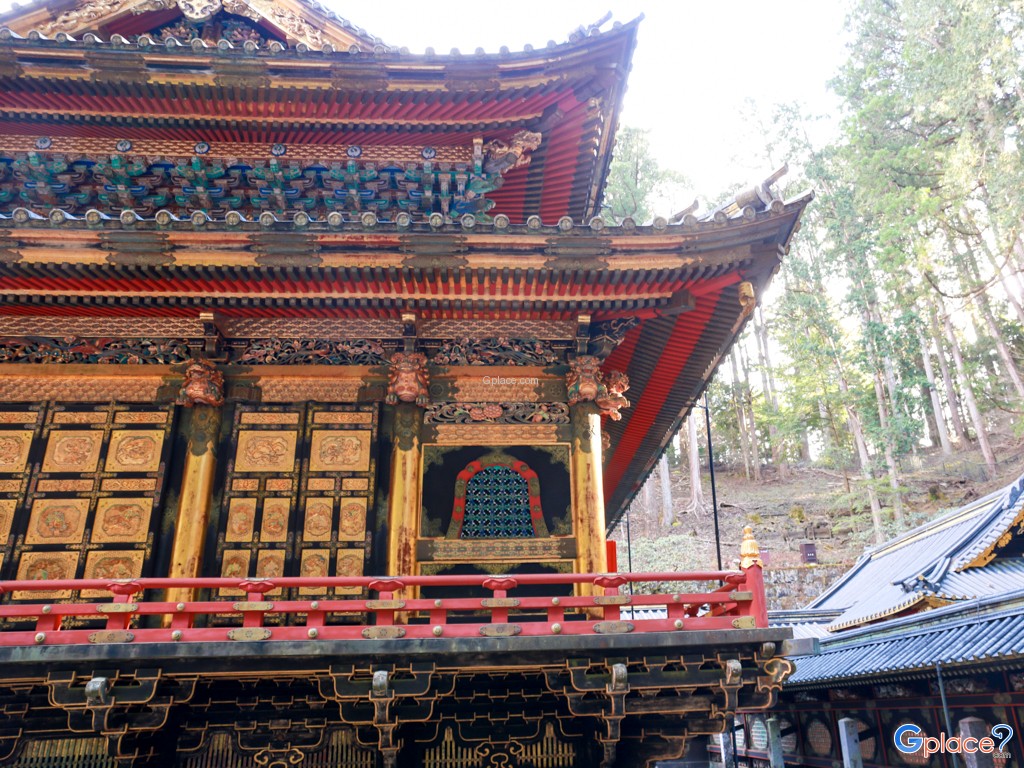
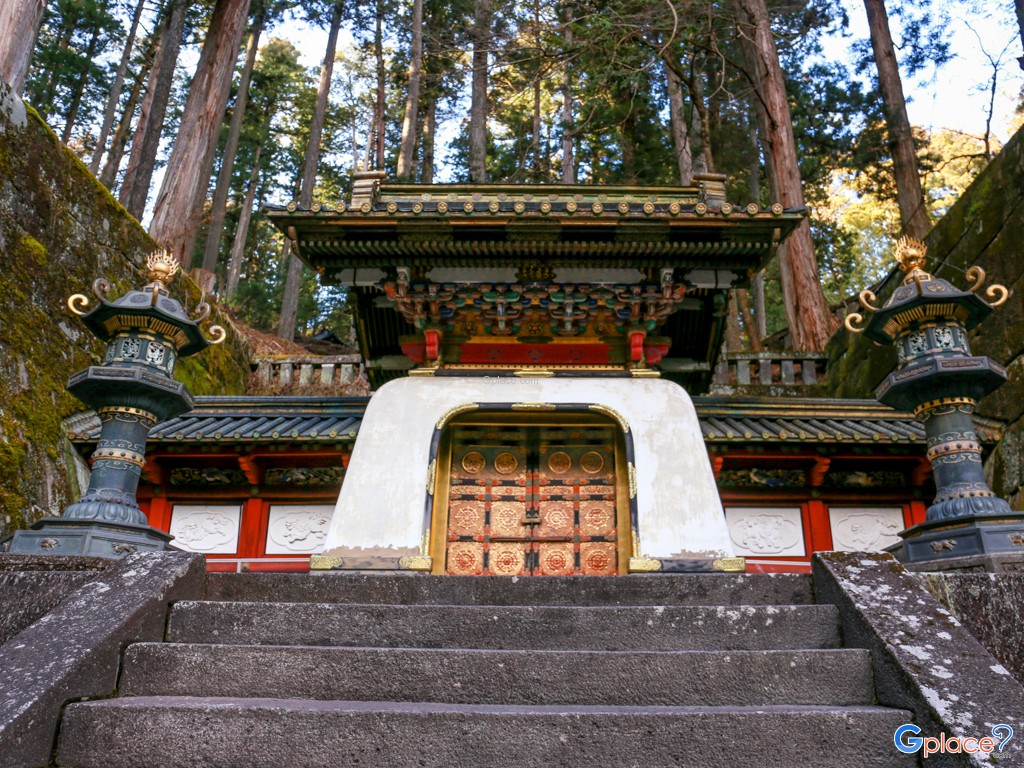
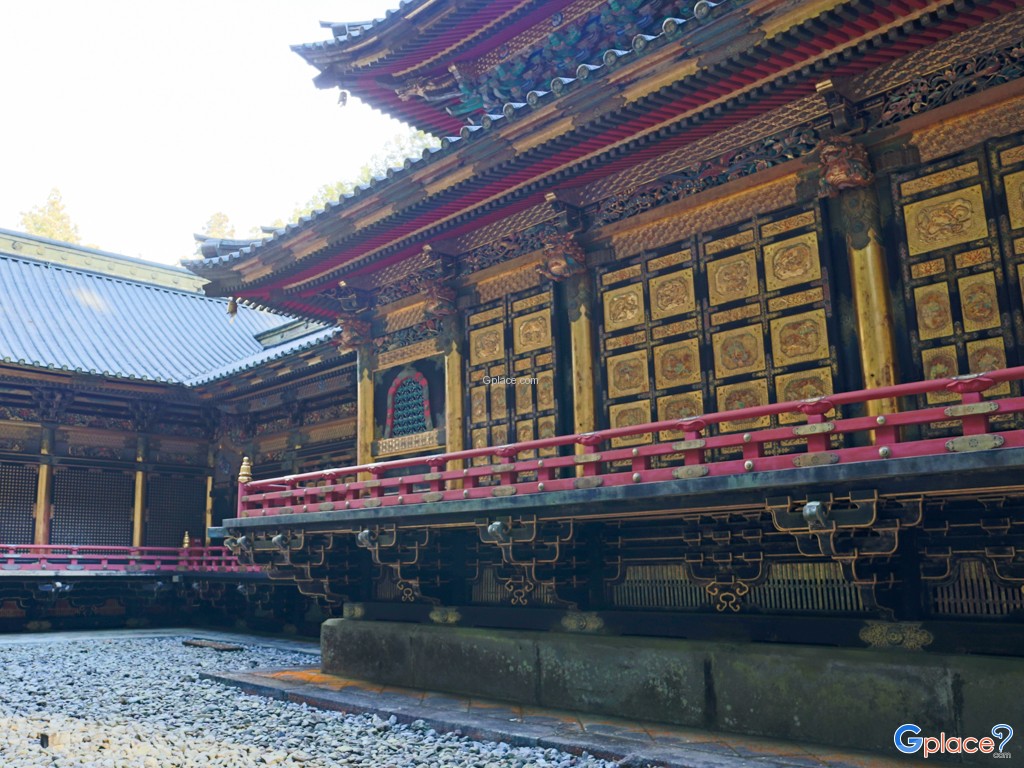
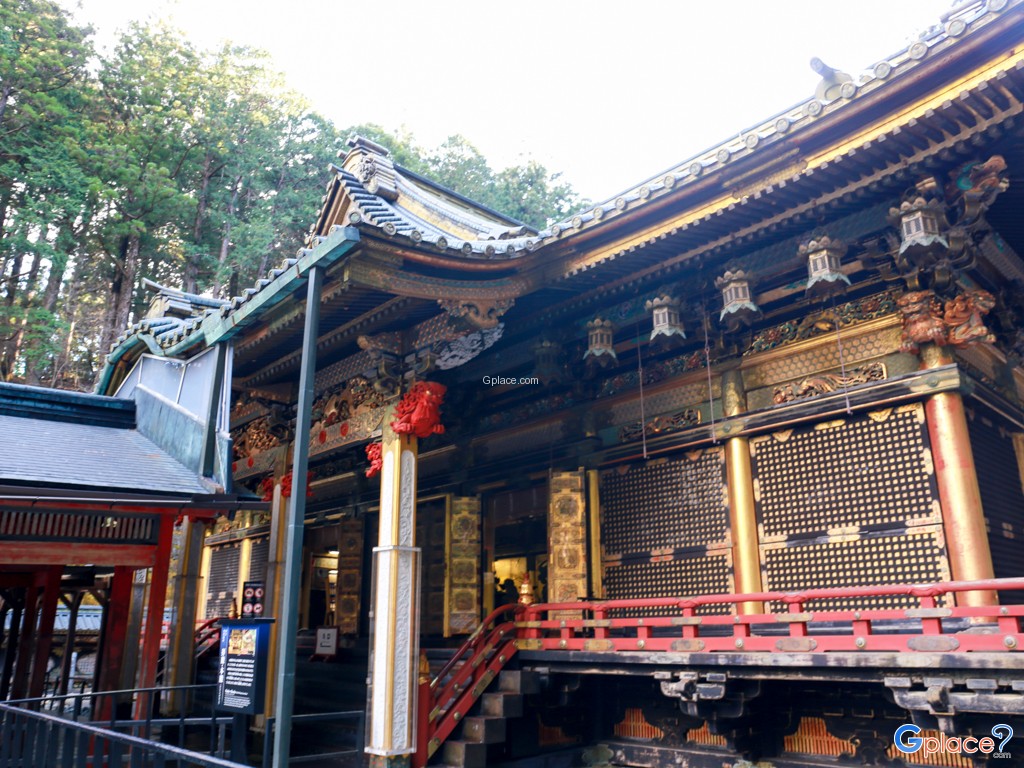
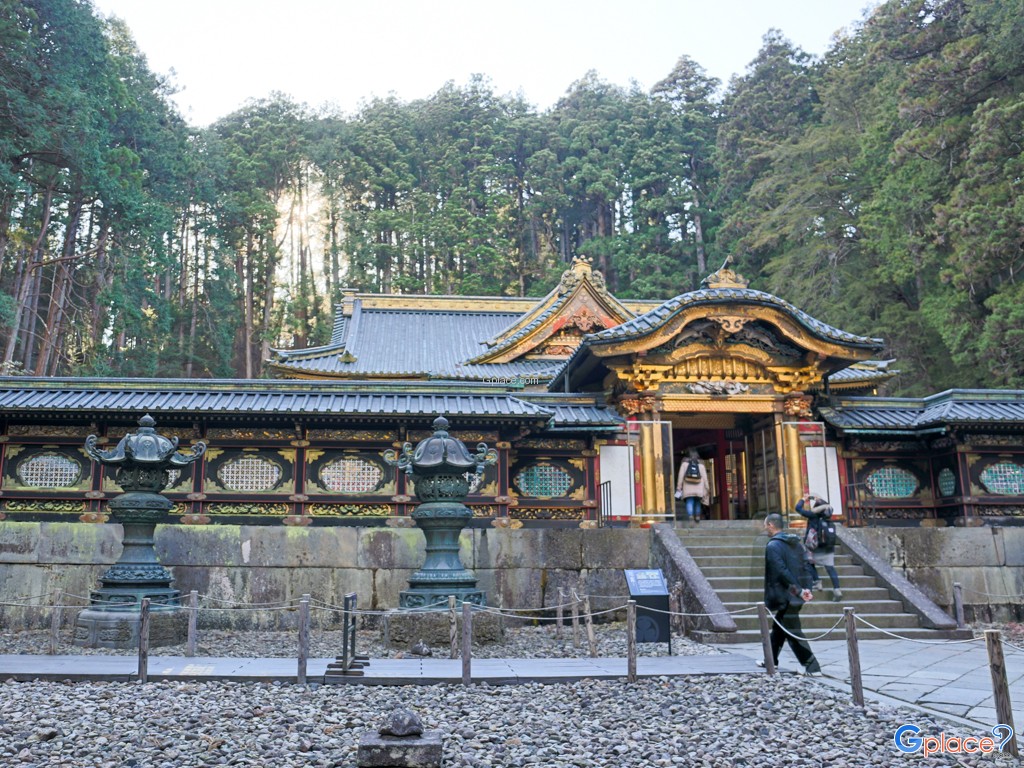
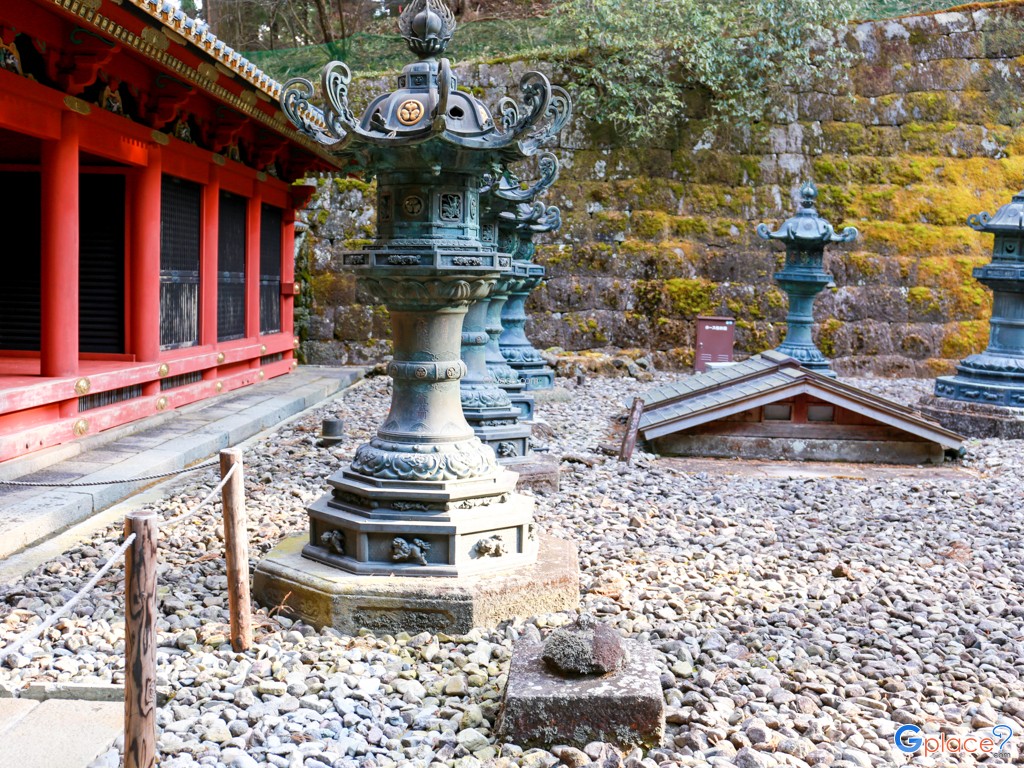
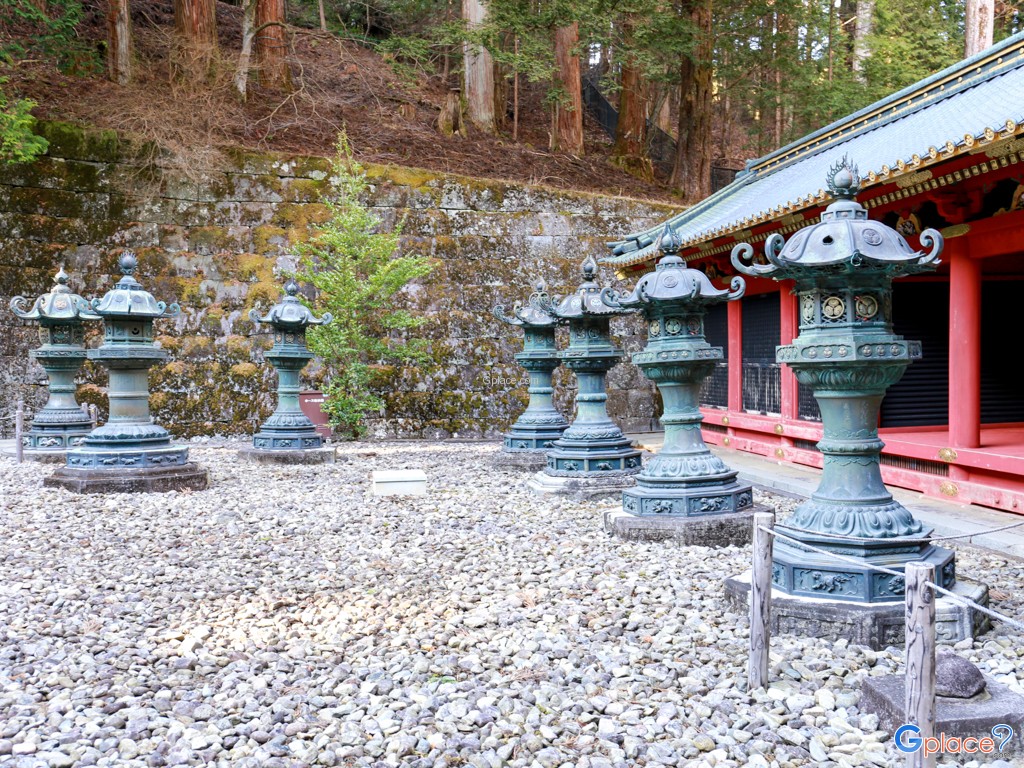
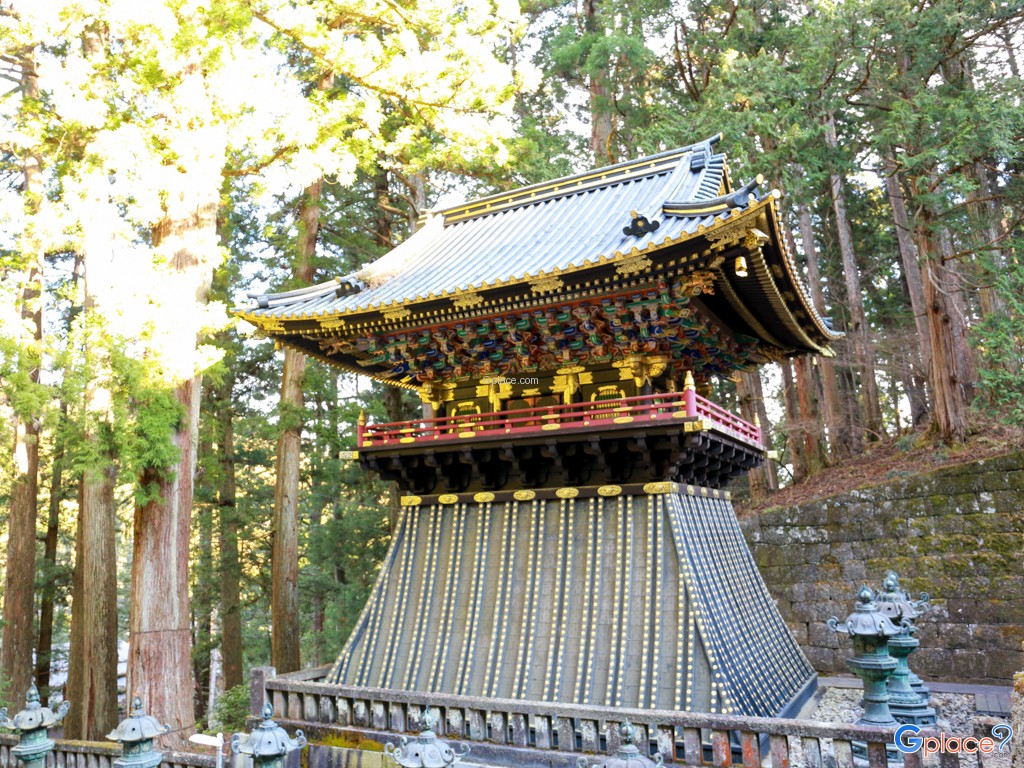
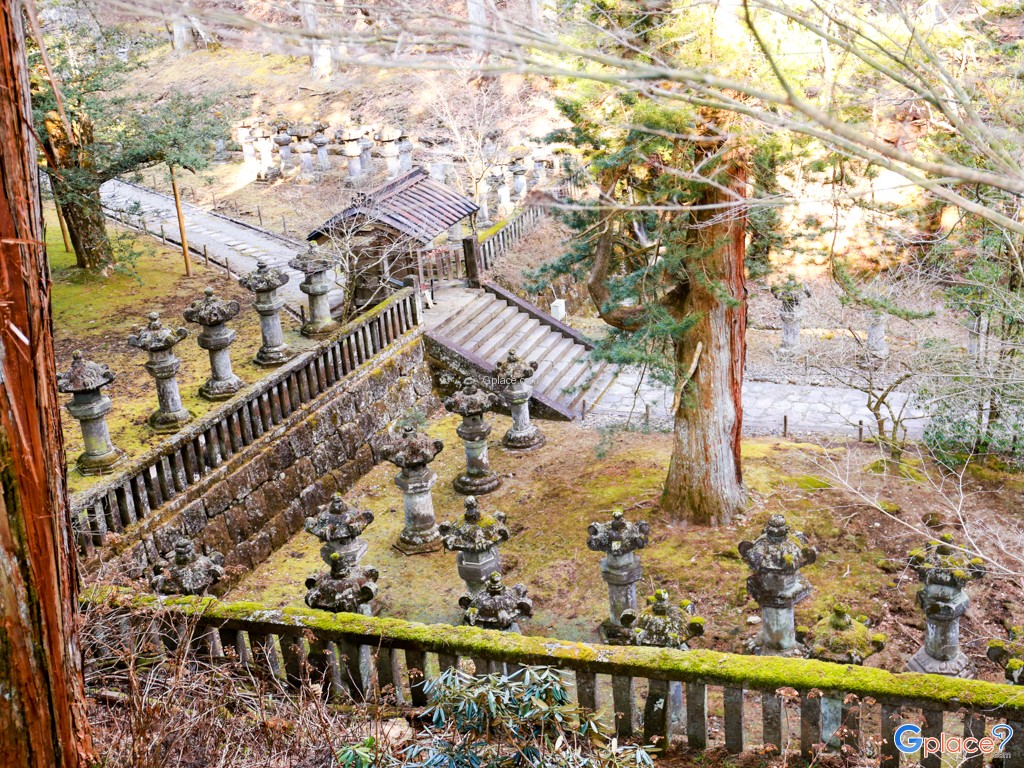
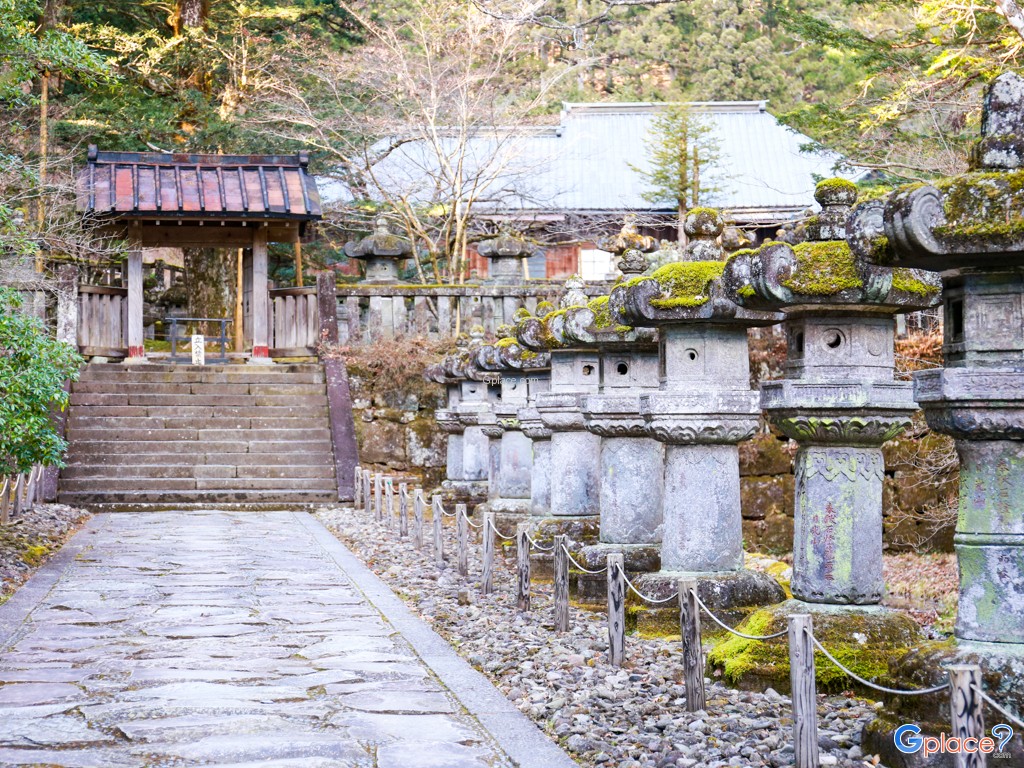
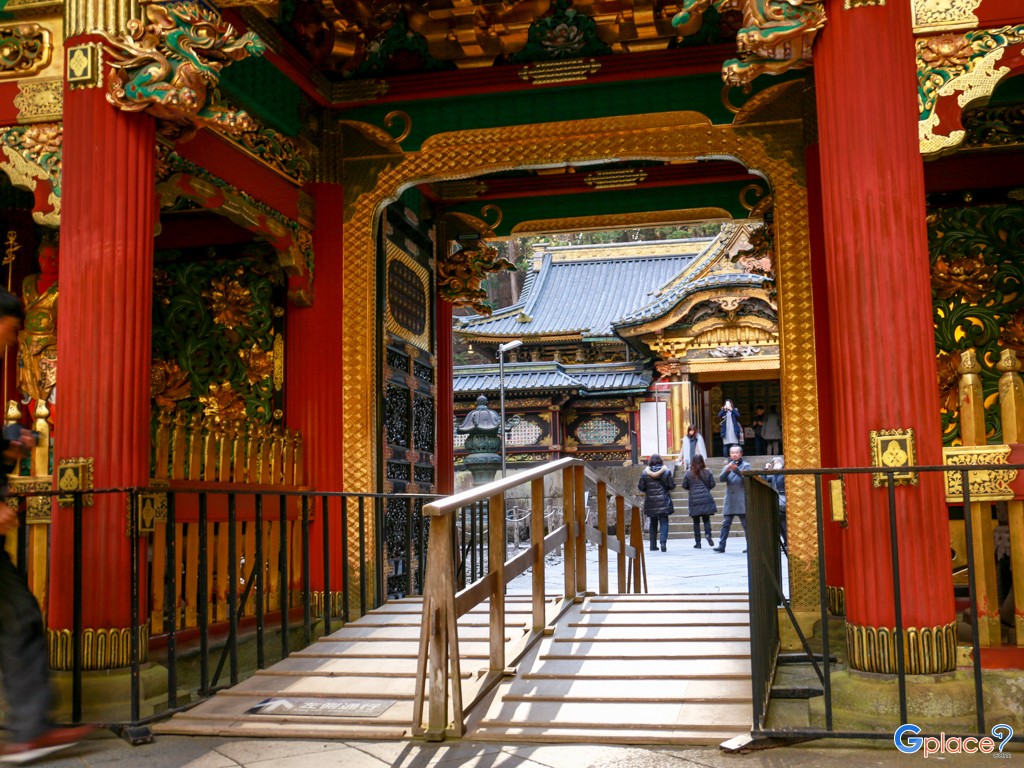
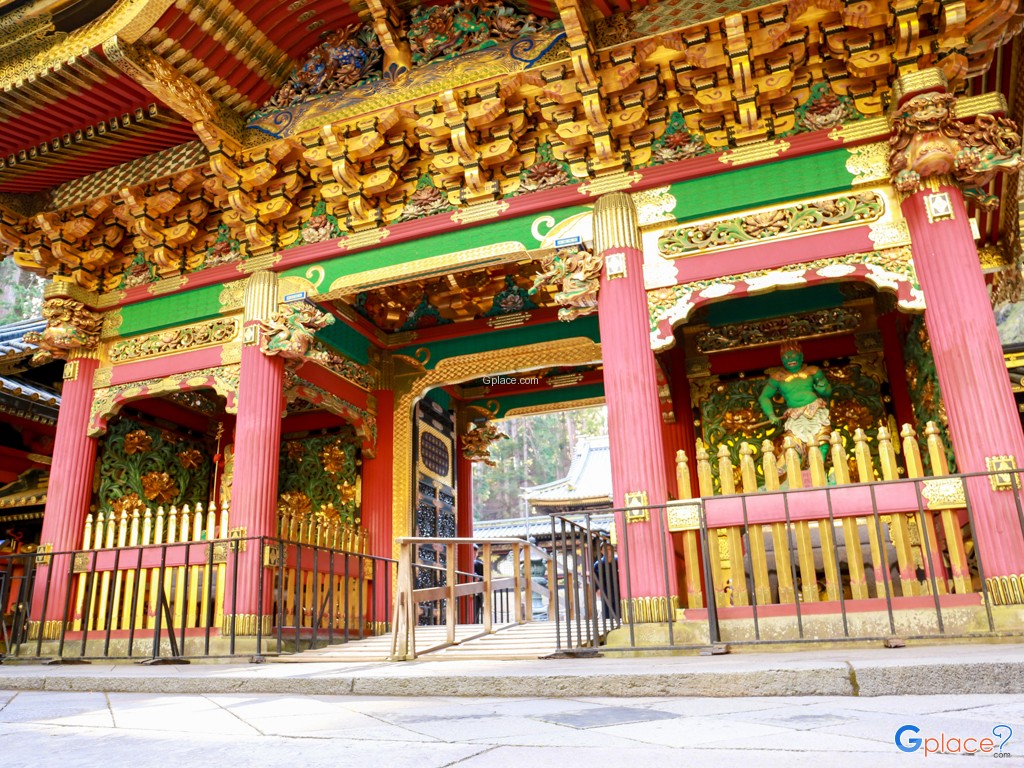
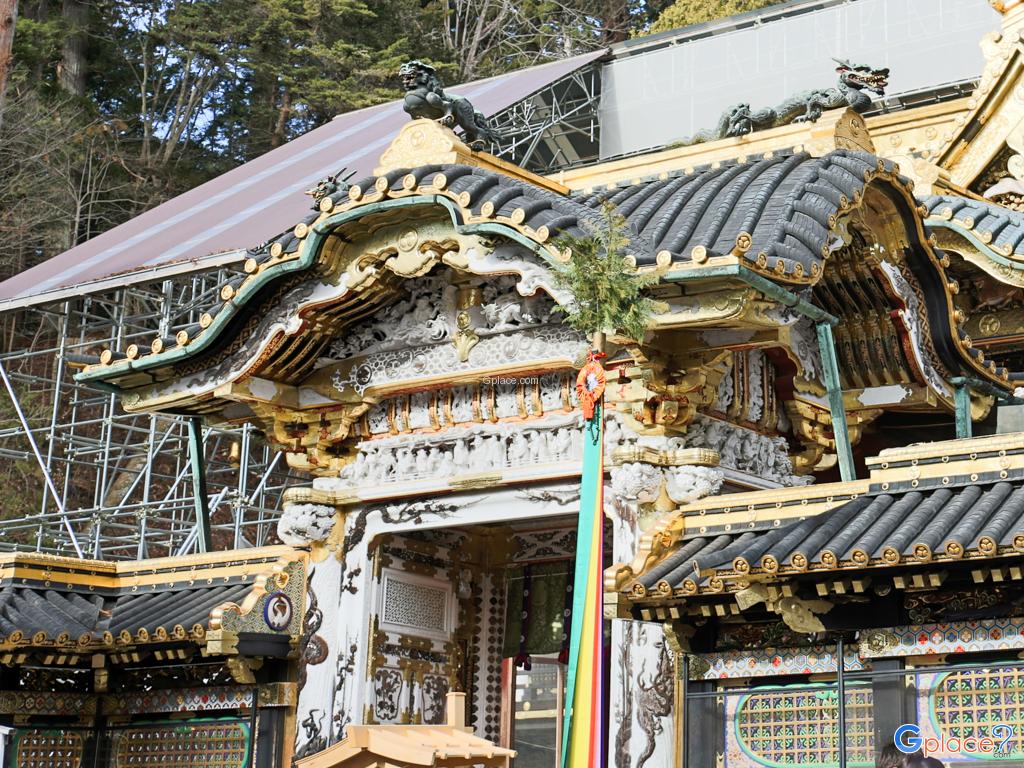
“A beautiful complex of Buddhist and Shinto architecture featuring gold-leaf decorations against black-lacquered wood, surrounded by ancient cedar trees.”
Taiyuin Temple is the final resting place of Tokugawa Iemitsu, the third Shogun of the Tokugawa dynasty. Iemitsu had great respect for his grandfather, Tokugawa Ieyasu. Therefore, he requested that his mausoleum be built in a modest style compared to the nearby Toshogu Shrine. Although it is smaller, Taiyuin is highly detailed and displays excellent craftsmanship from the early Edo period.
The unique feature of this temple is the black and gold color scheme. Unlike other bright shrines, Taiyuin uses dark colors to show solemnity and respect. The structure is built along the mountain slope. Visitors must pass through several impressive gates, such as the Niomon Gate and the Yashamon Gate, which are decorated with intricate statues and carvings.
Main Hall (Honden) is the most important part of the temple and is a registered National Treasure. The interior is decorated with gold leaf and traditional paintings. The building is a perfect example of Shinbutsu Shugo, which is a historical blend of Buddhist and Shinto elements. This religious harmony was common in Japan before the Meiji period.
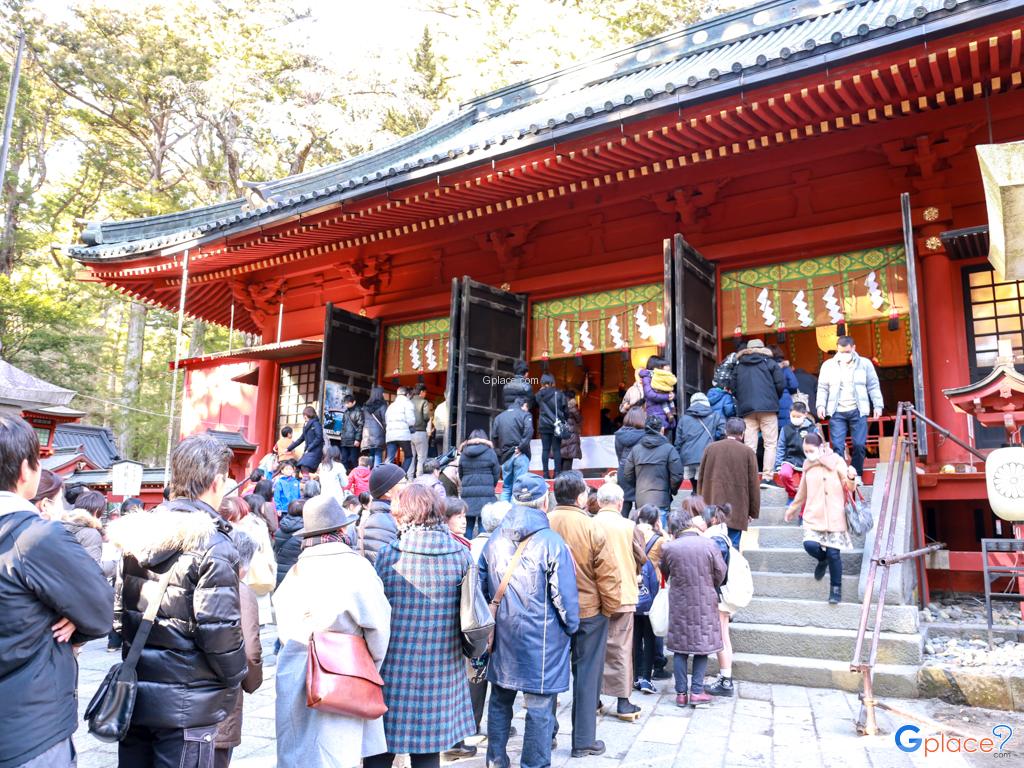
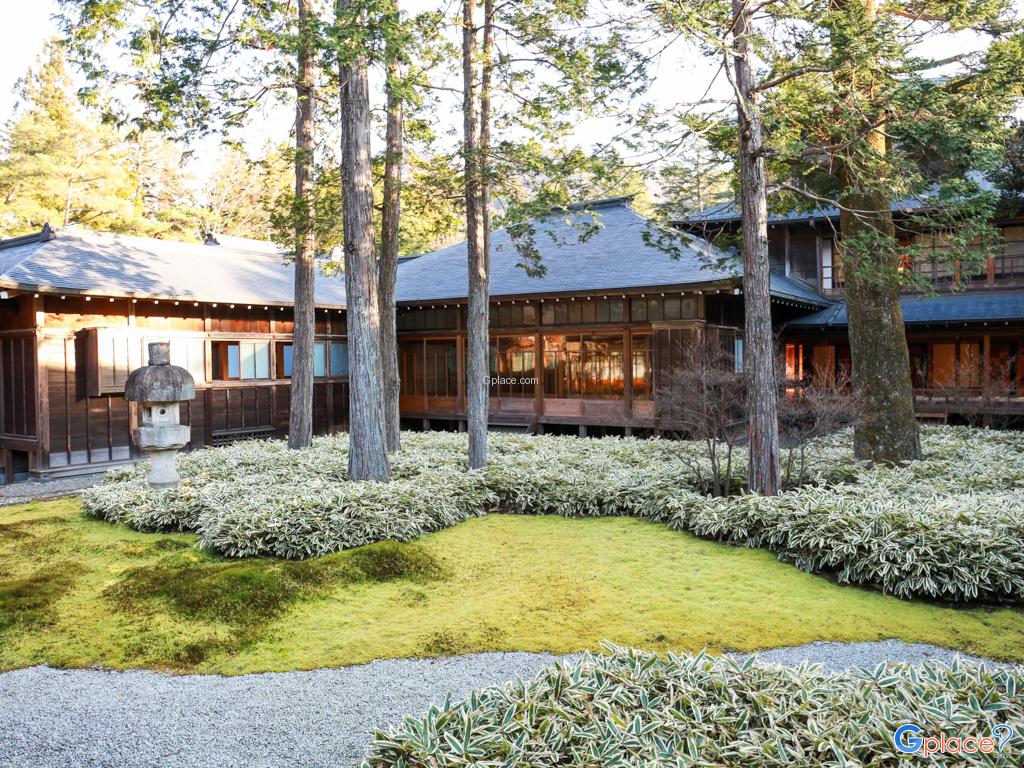
The atmosphere of the temple is quiet and peaceful because it is surrounded by tall cedar trees. The natural environment changes with the seasons, providing a different experience throughout the year. For photographers and history enthusiasts, the temple offers many points of interest, from the stone lanterns to the complex wood carvings that represent Japanese artistic heritage.
How to Get There
- It is located approximately 500 meters to the west of Toshogu Shrine.
From Tobu Nikko Station or JR Nikko Station, the site can be reached by a 50-minute walk or a 15-minute bus ride.
Travel Tips
-
Best Time to Visit: The best months are late October to early November for autumn leaves, or May for fresh green foliage.
-
Footwear: Wear comfortable walking shoes because there are many stone stairs and uphill paths.
-
Photography: Photography is allowed in the outdoor areas, but it is strictly prohibited inside the buildings.
-
Local Food: Try "Yuba" (tofu skin), which is a famous local specialty of Nikko, available at restaurants near the temple.
-
Planning: Buying a Nikko Pass is recommended for unlimited bus travel and discounts on local transport.
Admission Fee:
- Adults: 550 JPY and Children: 250 JPY
Opening Hours:
-
April to October: 08:00 – 17:00
-
November to March: 08:00 – 16:00
-
Last entry is 30 minutes before closing time
Taiyuin Temple

 Share
Share
 321-1431 Nikko City, Tochigi, Japan
Map
321-1431 Nikko City, Tochigi, Japan
Map
 Closed today
Mon8.00 - 17.00
Tue8.00 - 17.00
Wed8.00 - 17.00
Thu8.00 - 17.00
Fri8.00 - 17.00
Sat8.00 - 17.00
Sun8.00 - 17.00



 361
361