 Attractions
  Hotel
Hotel  Restaurant
  Shopping
  Abroad





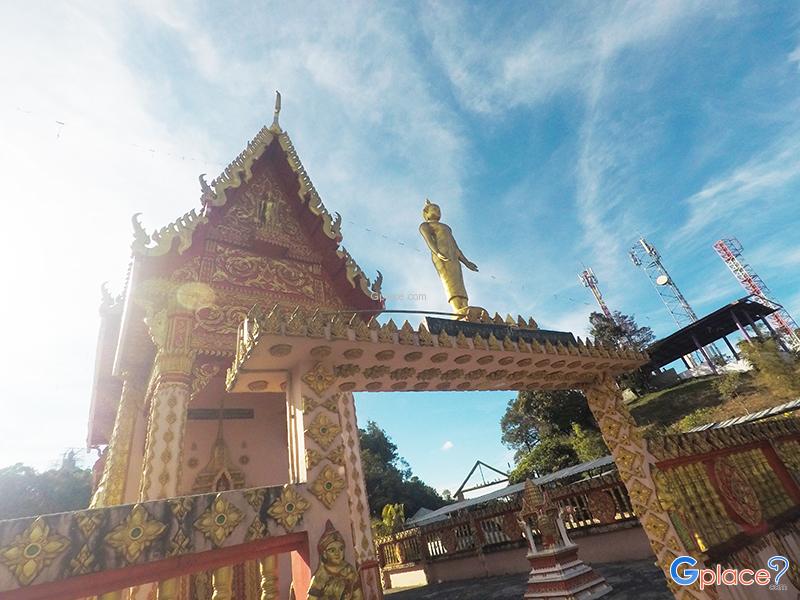

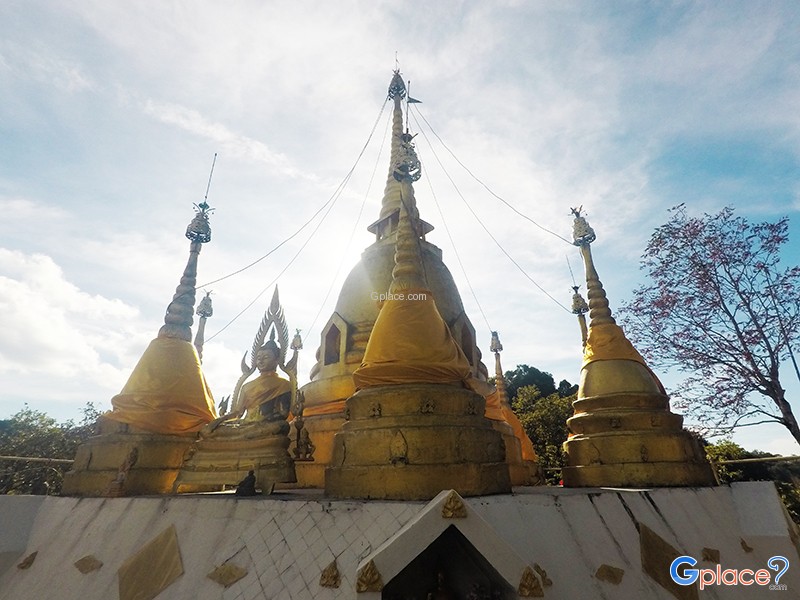
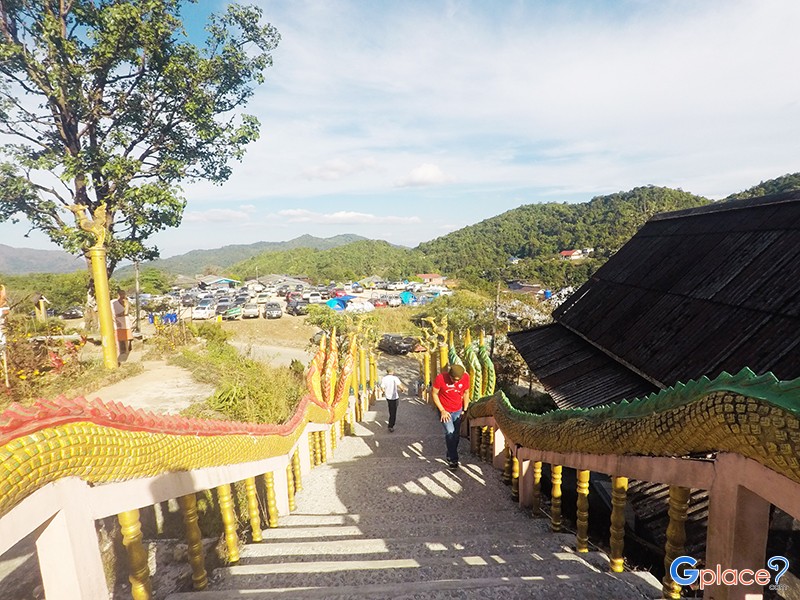
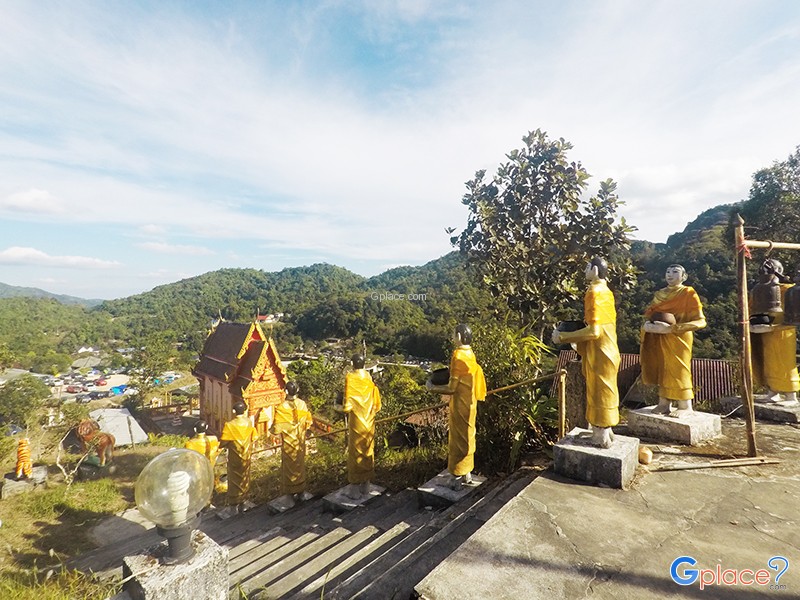

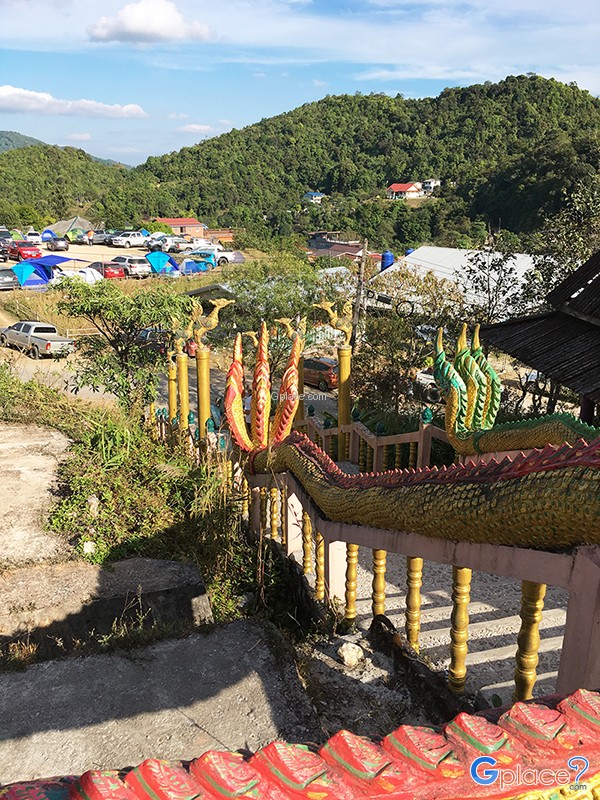
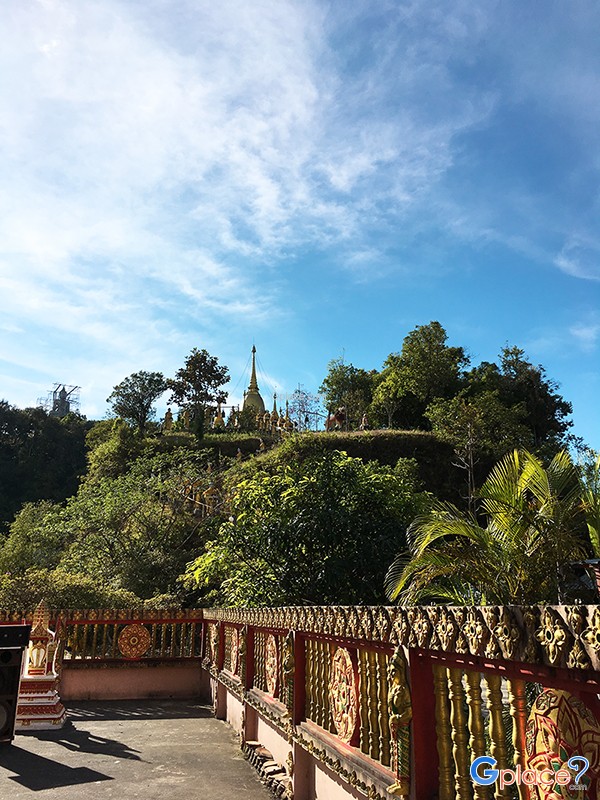
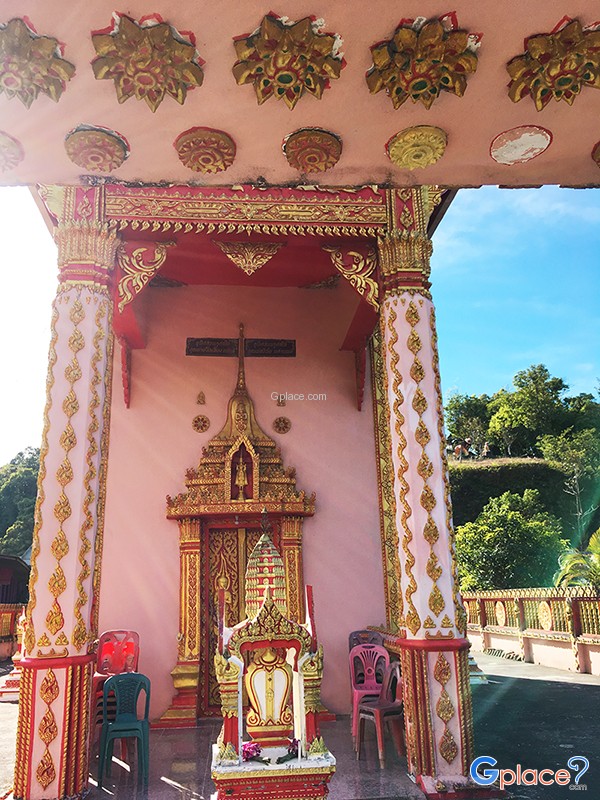
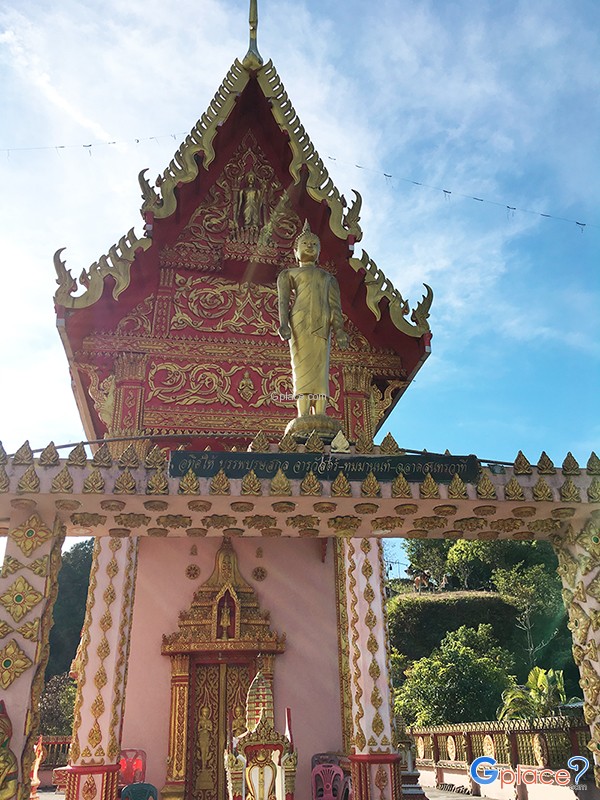
“Golden Burmese pagoda atop a hill, offering panoramic views of Ban Etong village amidst mist and mountains, perfectly blending border cultures in Pilok.”
Wat Muang Pilok, or "Wat Pilok Samakkhi Tham" as some locals call it, is an important temple in the Ban E-Tong community, Thong Pha Phum District, Kanchanaburi Province. Nestled amidst the mountains near the Thai-Myanmar border, this temple has served as a spiritual center for the local people since the heyday of Pilok's tin mining industry decades ago. The surrounding atmosphere is tranquil, with cool temperatures year-round, and often shrouded in mist, especially during the rainy and winter seasons. This gives the temple a distinct charm compared to other temples in Kanchanaburi.
The Ban E-Tong and Pilok mining areas were historically significant mining centers for Thailand. Thai, Mon, and Myanmar people lived and worked there, resulting in a unique blend of cultures. This is evident in the temple's architecture, which shows influences from Burmese and Mon art, particularly the golden pagoda and some decorative motifs that differ from typical central Thai temples. The temple houses several Buddha statues, as well as wooden pavilions and religious ceremonial areas still used by the villagers in their daily lives. This reflects the fact that the temple is not just a tourist attraction but also plays a vital role in the lives of the local community.
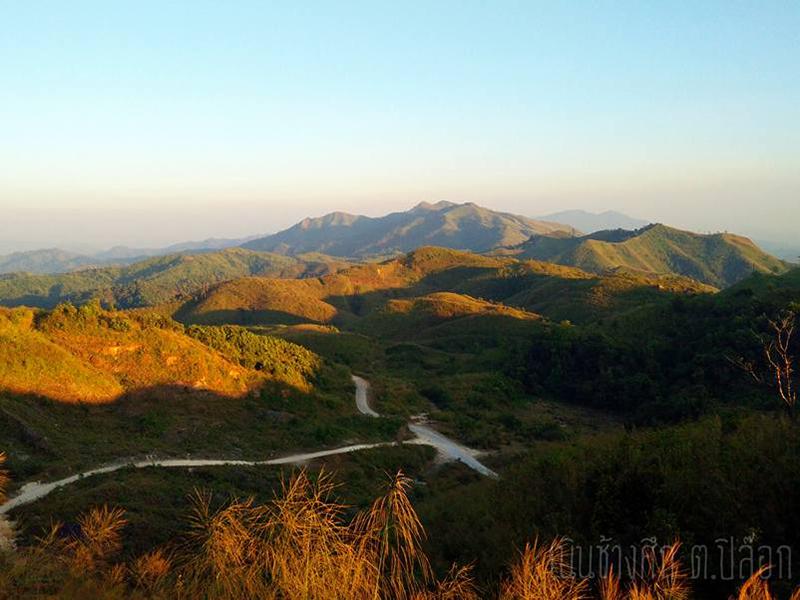
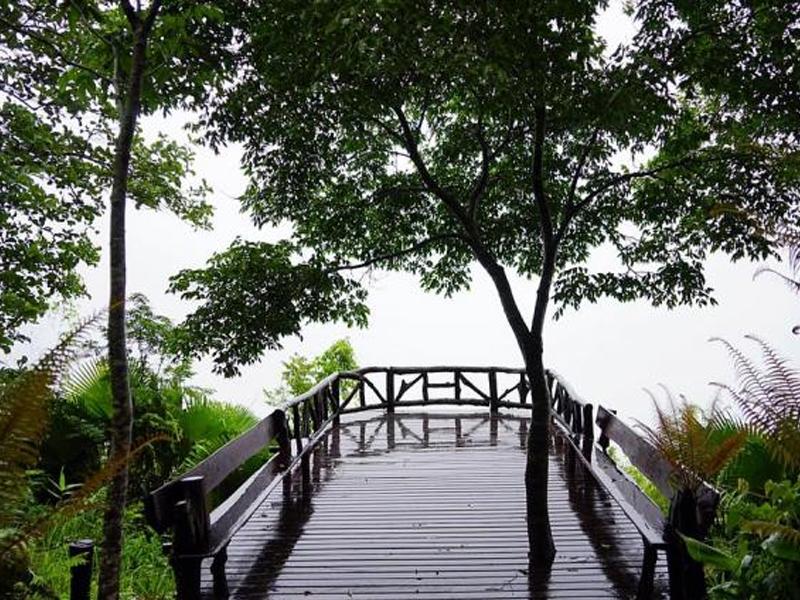
One of the highlights that makes Wat Muang Pilok known to tourists is... Located on a small hill, the temple offers clear views of the village of E-Tong, the village well, and the surrounding intricate mountain range. Tourists can climb the stairs to the top of the temple for panoramic views. In the early morning, mist often blankets the village, creating a serene and beautiful atmosphere, especially after rain or during the cooler months of late year. Many choose to relax, take photos, and enjoy the natural scenery from this vantage point.
Beyond its scenic beauty, Wat Meuang Pilok reflects the historical significance of the mining community. E-Tong was once a bustling area due to tin mining before the industry declined. Today, the village has adapted to nature and cultural tourism, but the temple remains a link between the past and present. Tourists visiting E-Tong often stop by to pay respects, offer prayers, and experience the simple atmosphere of this border community that has preserved its original character.
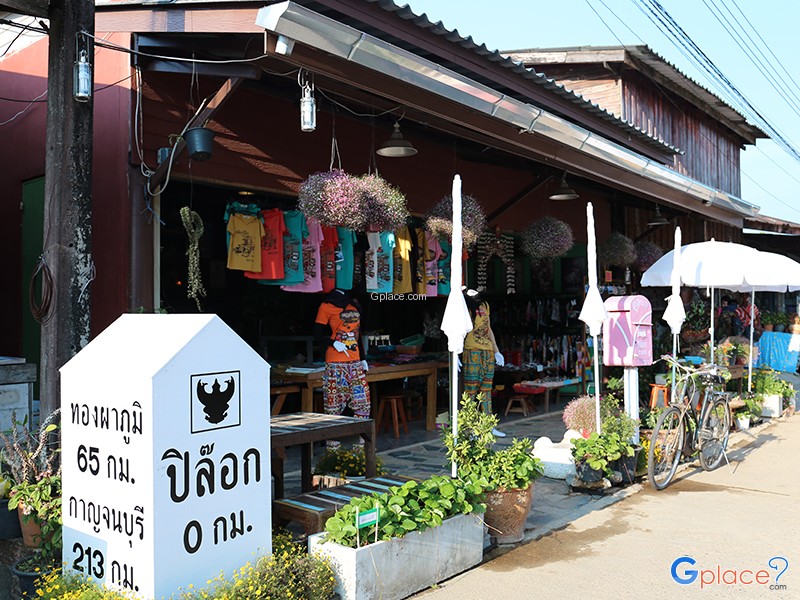
This temple also provides visitors with a firsthand view of the border community's way of life. Around the temple, one can see villagers living simply, with local shops, old wooden houses, and the atmosphere of a village nestled in the mountains—a stark contrast to major tourist destinations. Many tourists enjoy walking from the E-Tong market to the temple, as it's not far and allows for a leisurely stroll to enjoy the views. Breathe in the fresh air and relax completely amidst nature. Wat Meuang Pilok is another place that reflects the charm of Ban E-Tong, encompassing history, culture, and nature all in one location.
How to Get There
- From Thong Pha Phum district, take Highway 3272 towards Ban Etong (approximately 70 km). The road involves navigating 399 sharp mountain curves. Once you arrive at Ban Etong village, the temple is located on the left side and is easily accessible on foot from any local guesthouse.
Travel Tips
- Visit early in the morning to experience the mist over Ban Etong.
- The rainy season offers the coolest weather and lush mountain scenery.
- Bring a jacket as mornings can be quite cold.
- Drive carefully because the mountain road has many sharp curves.
Admission Fees:
- Free admission
Opening Hours:
- 06:00 AM – 06:00 PM
Wat Muang Pilok

 Share
Share
 T.Pilok, A.Thong Pha Phum, Kanchanaburi, 71180
Map
T.Pilok, A.Thong Pha Phum, Kanchanaburi, 71180
Map
 Closed today
Mon6.00 - 18.00
Tue6.00 - 18.00
Wed6.00 - 18.00
Thu6.00 - 18.00
Fri6.00 - 18.00
Sat6.00 - 18.00
Sun6.00 - 18.00



 51
51