 Attractions
  Hotel
Hotel  Restaurant
  Shopping
  Abroad





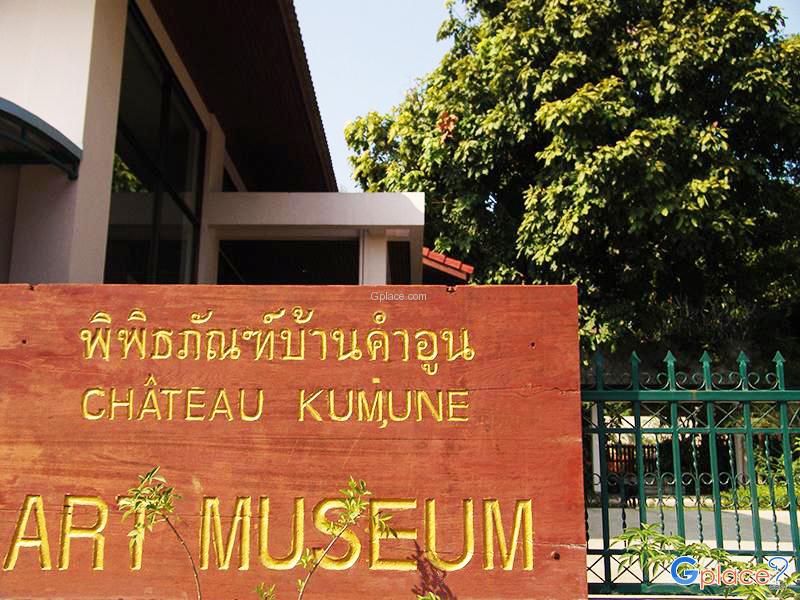

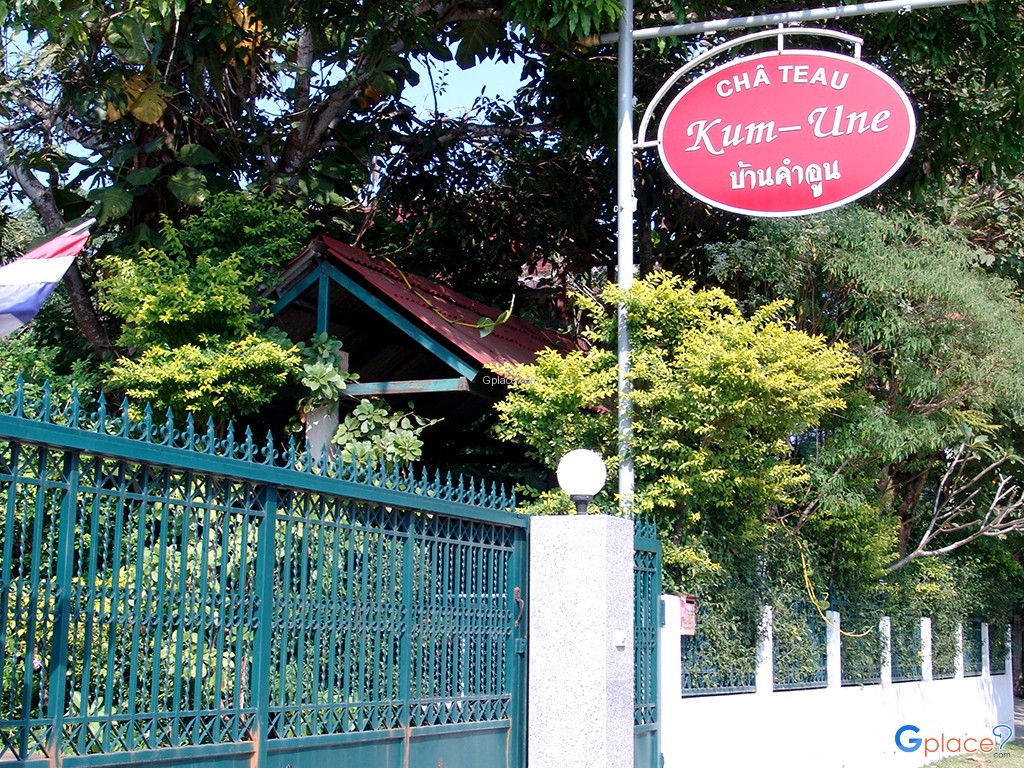
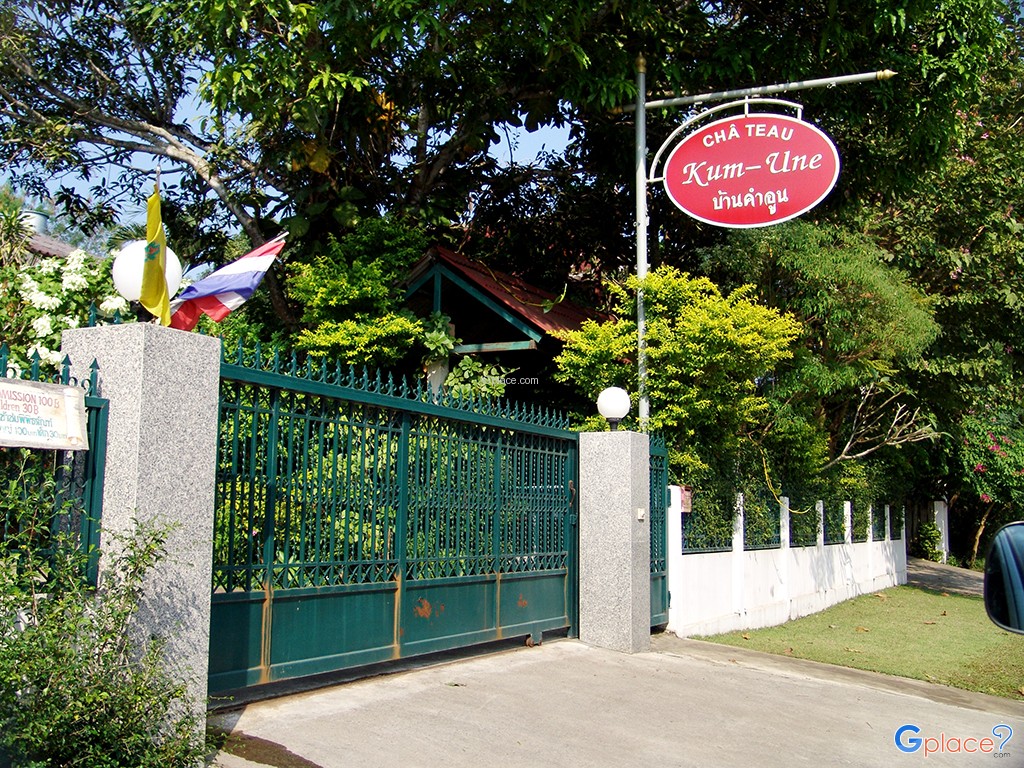
“Historic teakwood houses, collections of silverware, lacquerware, antique Buddha images, and an antique gallery featuring collectibles from across Southeast Asia.”
Baan Kham Oon Museum (Baan Kham Oon Museum), also known as Ruen Kham Oon, is a private cultural conservation space and antique gallery in the Wat Ket neighborhood of Chiang Mai. It operates together with Baan Kham Oon Gallery & Antiques, guided by the core idea of preserving and passing on the value of antiques, handicrafts, and ways of life from the past through the arrangement of collections within historic wooden houses with a distinctive atmosphere.
Baan Kham Oon stands out for its group of over-century-old teakwood houses, reflecting applied Lanna architecture harmoniously blended with Western colonial influences. Key elements such as teak pillars, wooden floors, louvered windows, verandas, ventilation openings, staircases, and carved decorative details create the image of a wealthy Chiang Mai residence from the era when trade and teak concessions were flourishing.
Visiting the houses is therefore valuable both architecturally and as an opportunity to view the collections, because the buildings themselves are part of the exhibition. Visitors can observe house-design features suited to the northern climate, including raised floors, natural ventilation, wide eaves, and the use of teakwood, a strong and durable material that was important to Chiang Mai in the past.
The Wat Ket neighborhood, where Baan Kham Oon is located, has played an important role in Chiang Mai’s history for a long time. It lies near the Ping River, which once served as a major route for transportation, trade, and the movement of goods in Northern Thailand, especially teakwood and products from surrounding communities. The neighborhood retains traces of merchant communities, wealthy families, foreign residents, and people from diverse cultural backgrounds who came to trade and interact. Baan Kham Oon therefore helps visitors visualize Chiang Mai during its transition toward modernity.
Inside the museum and gallery is a collection of antiques, art objects, and collectibles from Lanna, Myanmar, China, and various parts of Southeast Asia. These include antique silverware, gold-gilded lacquerware, Buddha images, art objects, jewelry, traditional woven textiles, furniture, and home decorations. These objects have been carefully selected and preserved to reflect the beauty of craftsmanship, as well as the tastes and ways of life of people in the past.
The silverware collection is among the most interesting sections, demonstrating the skills of artisans through repoussé work, openwork carving, and metal-forming techniques. The motifs often feature flowers, vines, auspicious animals, and Buddhist beliefs. Some silver objects were once used as jewelry, vessels, or ceremonial items, making them both evidence of craftsmanship and records of social and cultural history.
The lacquerware collection demonstrates the knowledge of using lacquer sap to coat the surfaces of containers and utensils, making them durable and glossy before decorating them with gold, red, or gilding techniques. This type of craftsmanship was connected to daily life, ceremonies, and household use in Lanna. Meanwhile, woven textiles and clothing reflect weaving skills, dyeing techniques, material selection, as well as the status and tastes of wearers in different periods.
Another valuable section is the collection of antique Buddha images and religious art objects, allowing visitors to observe differences in artistic styles from Lanna, Chiang Saen, and Myanmar through details such as facial features, hair, robes, bases, and decorative motifs. This diversity reflects the movement of beliefs and the exchange of art and culture among lands throughout the region.
Baan Kham Oon does not function only as a museum exhibition space. It also operates as a gallery and collectible space for those interested in art objects, antiques, and home decoration with meaningful pieces. Visitors can therefore experience the concept of bringing antiques, traditional craftsmanship, and natural materials into contemporary living.
With the beauty of its teakwood houses and the atmosphere of an old mansion, Baan Kham Oon has also gained attention as a venue for wedding ceremonies, private parties, fashion photography, and pre-wedding photo shoots, especially for those seeking a warm and classic contemporary Lanna setting. On days when events are held, some areas may have restricted access, so visitors should check details before traveling.
A visit to Baan Kham Oon Museum is therefore more than simply viewing antiques. It is a journey through the stories of teakwood houses, an old trading community along the Ping River, and artworks from diverse cultures. It is ideal for visitors interested in Lanna architecture, local history, handicrafts, antique collections, and those wishing to experience the charm of the Wat Ket neighborhood in depth.
How to Get There
- By private car: From the Chiang Mai Old City side, drive across Nawarat Bridge or Nakhon Ping Bridge toward the Wat Ket side. Enter Charoen Rat Road and continue straight until you see the large teakwood house by the roadside. Parking is available within the premises.
- By public transport: Take a red songthaew to the Wat Ket neighborhood, or walk across Chan Som Bridge (Kua Khaek) from the Kad Luang or Warorot Market side, then continue along Charoen Rat Road for a short distance.
Travel Tips
- Check the event schedule before traveling, as weddings, private parties, or special activities may limit access to some areas.
- Remove your shoes before entering the teakwood houses and dress politely.
- Do not touch any antiques unless permission has been granted by staff.
- Ask in advance if you wish to arrange fashion photography, pre-wedding photography, or visits to private collections, as additional conditions and fees may apply.
- Continue exploring Wat Ket Karam, the Wat Ket Community Museum, and cafés along the Ping River to fully experience the charm of this historic neighborhood.
Admission Fee:
- Free admission for visitors who come to browse or shop in the gallery area.
- However, special fees or conditions may apply for fashion photography, pre-wedding photography, venue rental for events, or access to private collections in certain areas. It is recommended to contact the venue directly for details before visiting.
Opening Hours:
- Open daily, Monday–Sunday, from 9:30 AM to 5:30 PM.
Baan Kham Oon Museum

 Share
Share
 No. 53 Charoen Rat Road, Wat Ket, Mueang Chiang Mai, Chiang Mai 50000
Map
No. 53 Charoen Rat Road, Wat Ket, Mueang Chiang Mai, Chiang Mai 50000
Map
 Closed today
Mon9.30 - 17.30
Tue9.30 - 17.30
Wed9.30 - 17.30
Thu9.30 - 17.30
Fri9.30 - 17.30
Sat9.30 - 17.30
Sun9.30 - 17.30

 https://www.thai-tour.com/thai-tour/north/chiangmai/data/pic_ban-kam-oon.html

 7194
7194