
 Attractions
  Hotel
Hotel  Restaurant
  Shopping
  Abroad





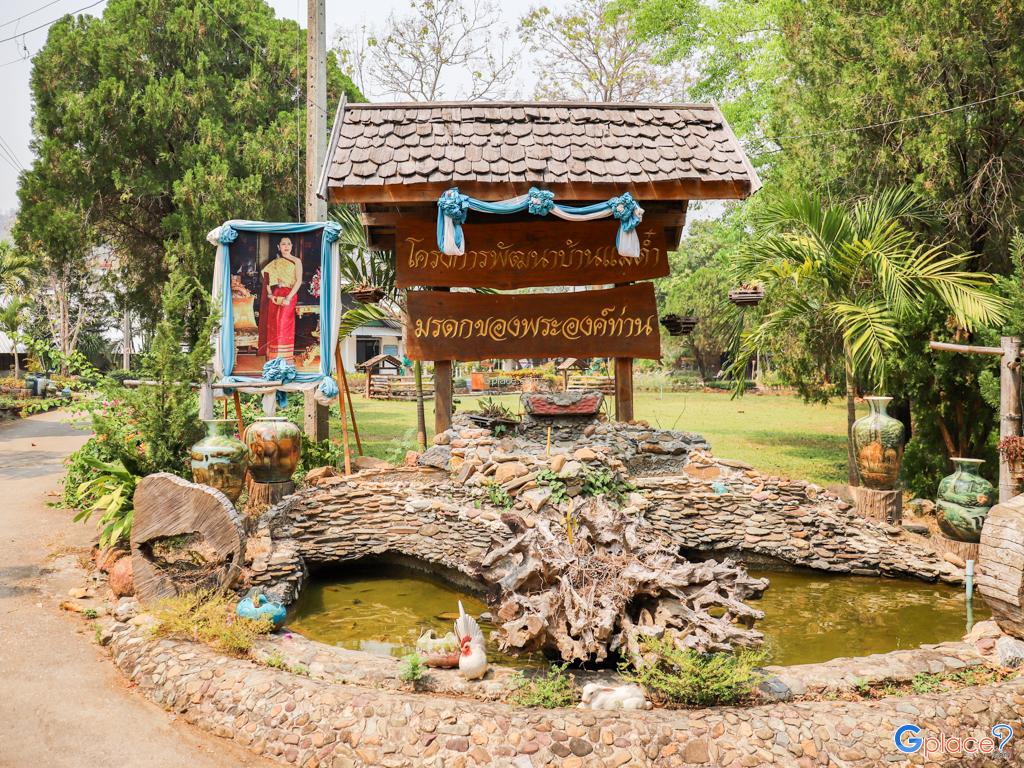

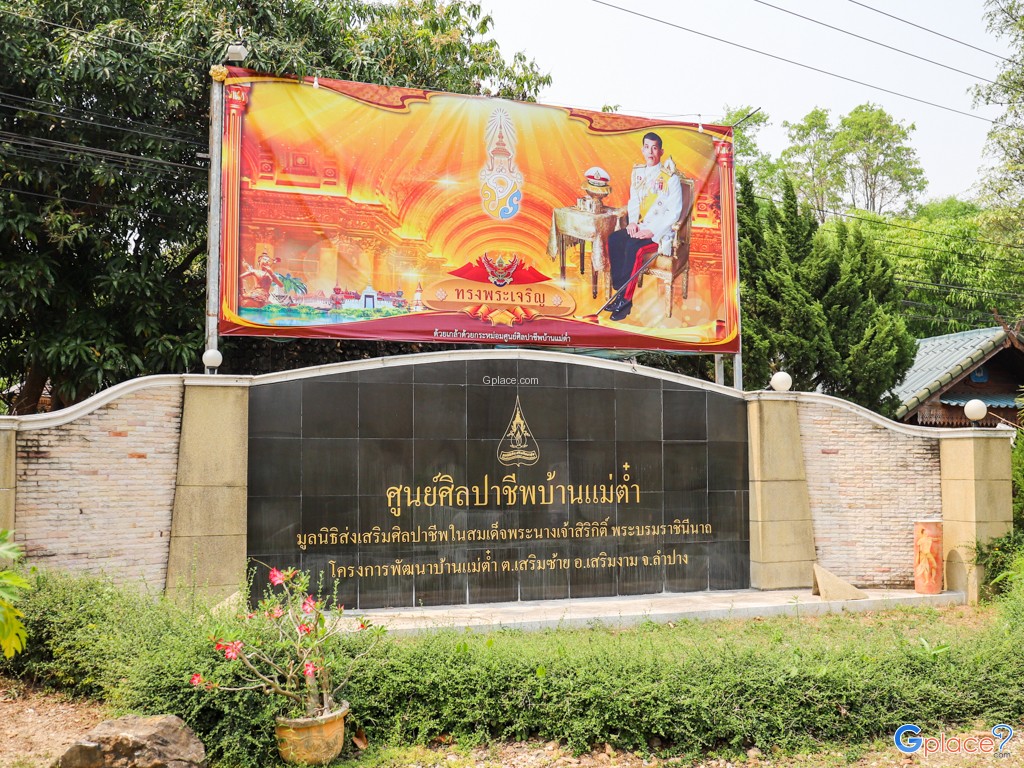
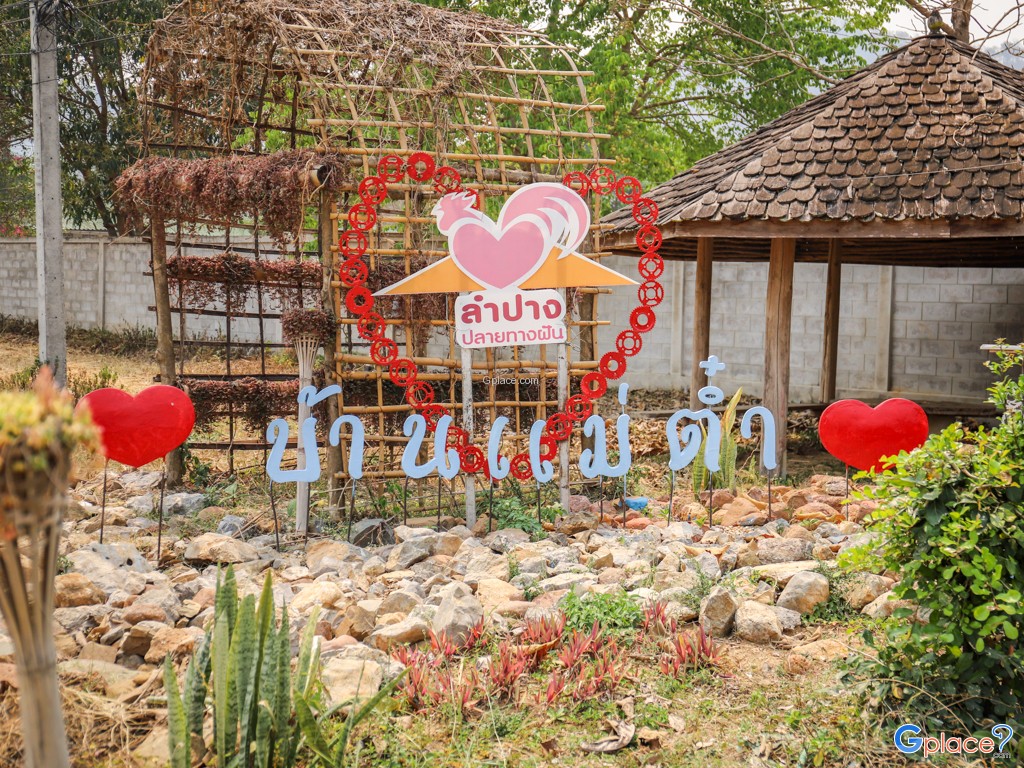
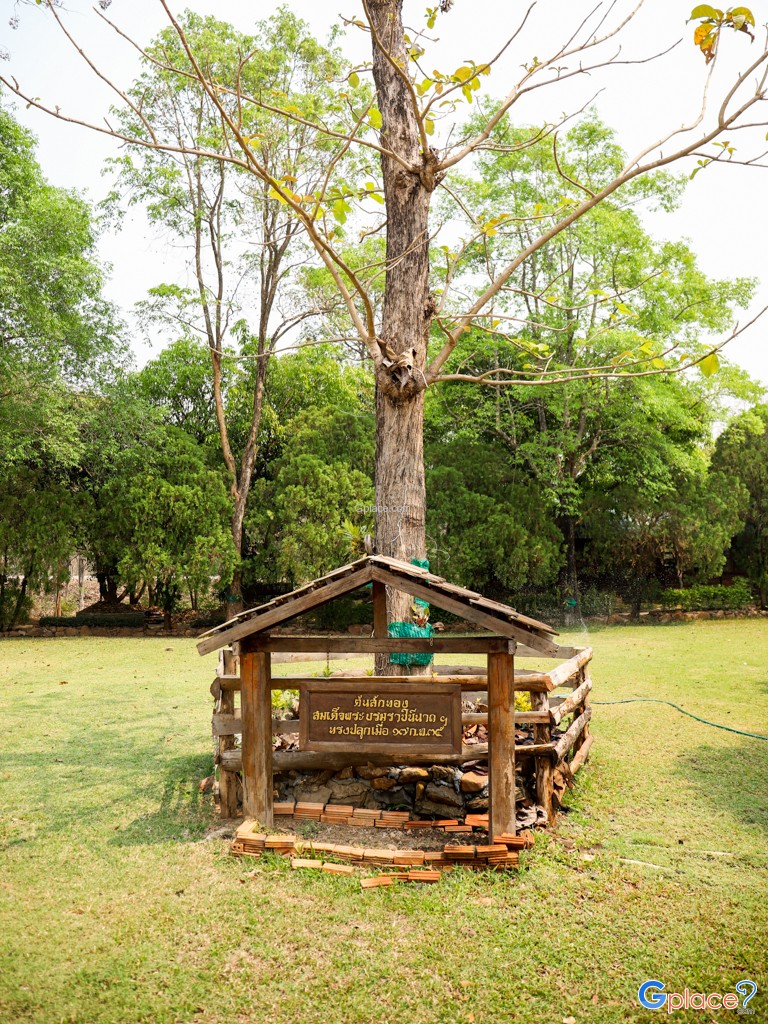
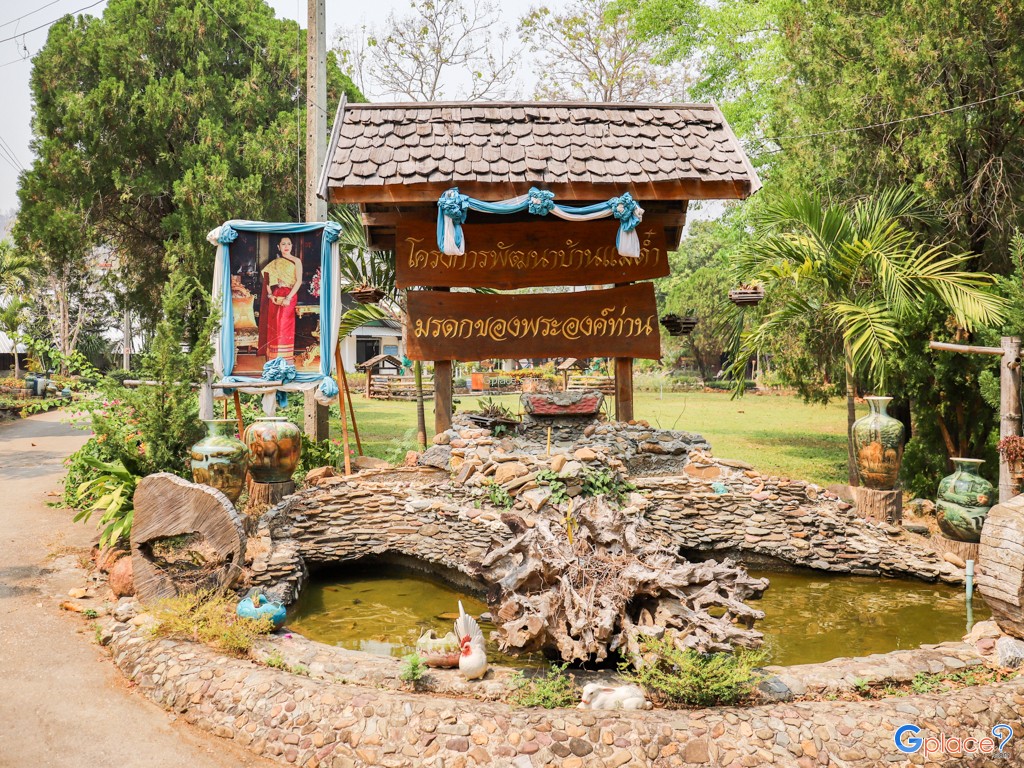


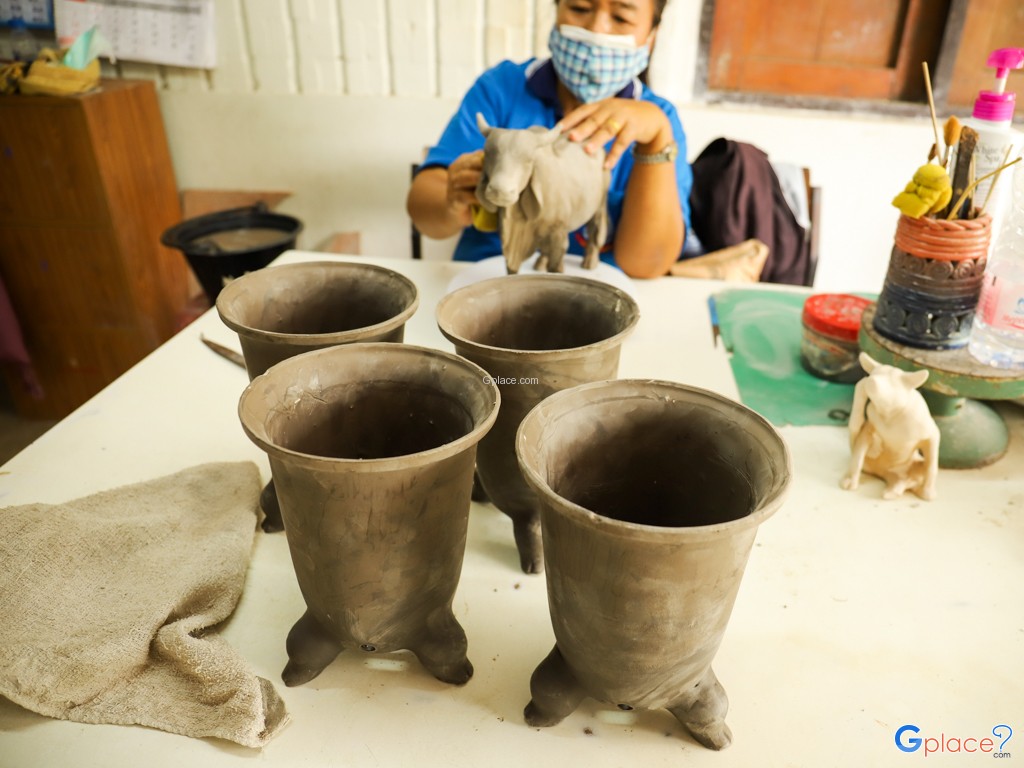
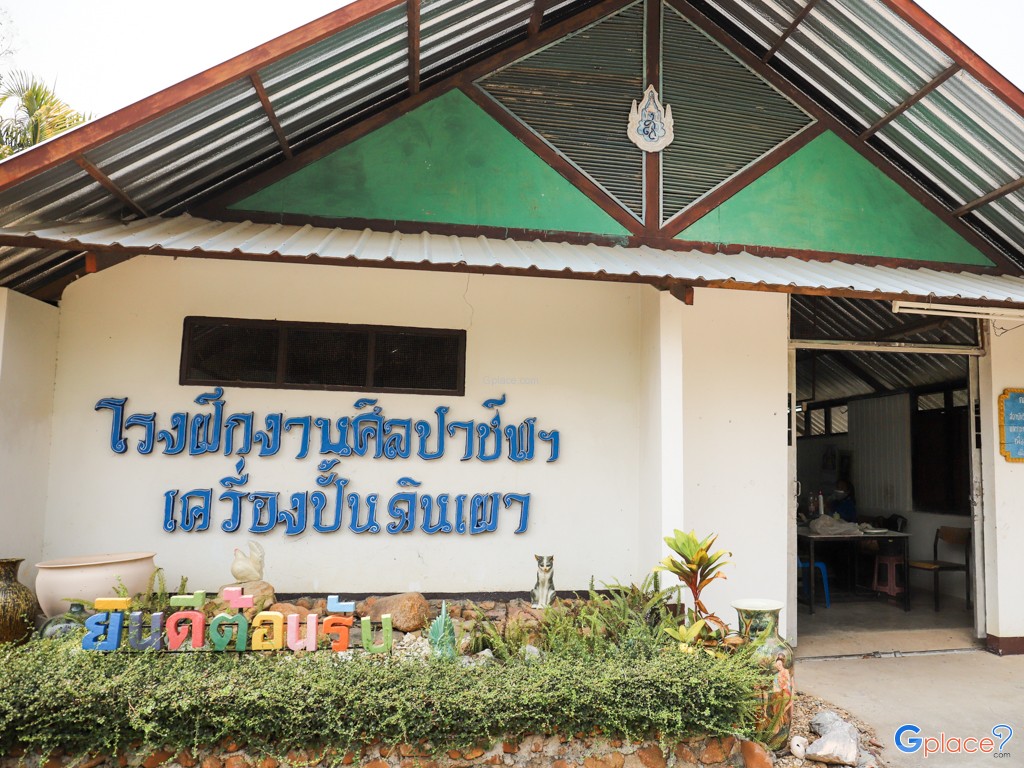
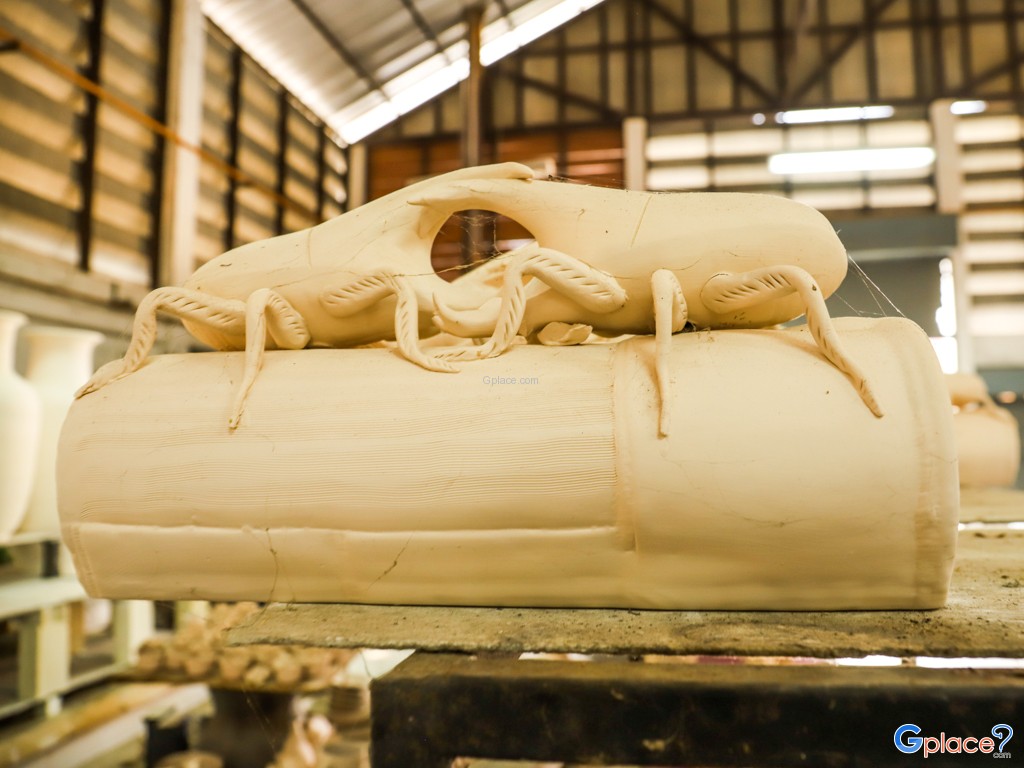

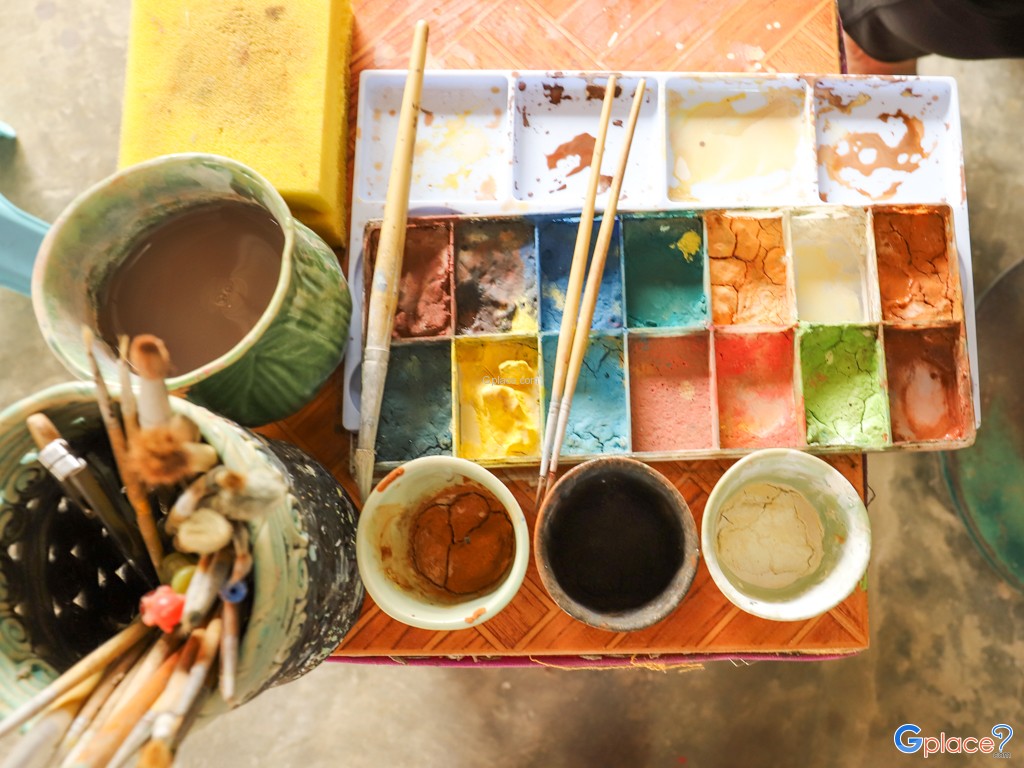

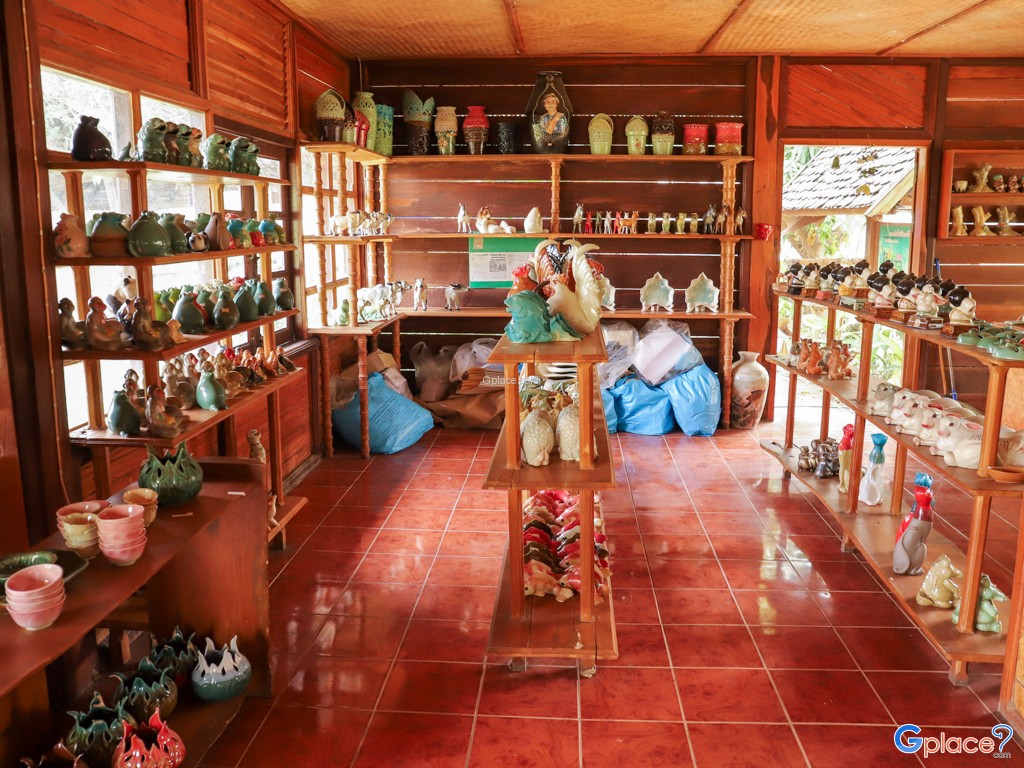
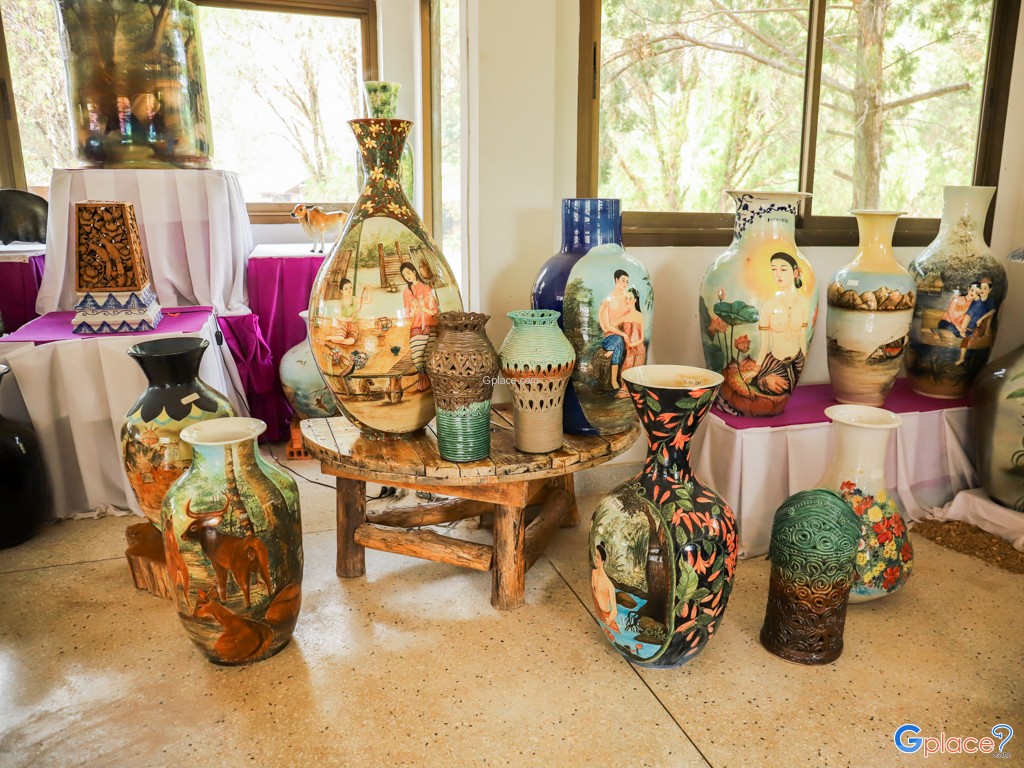
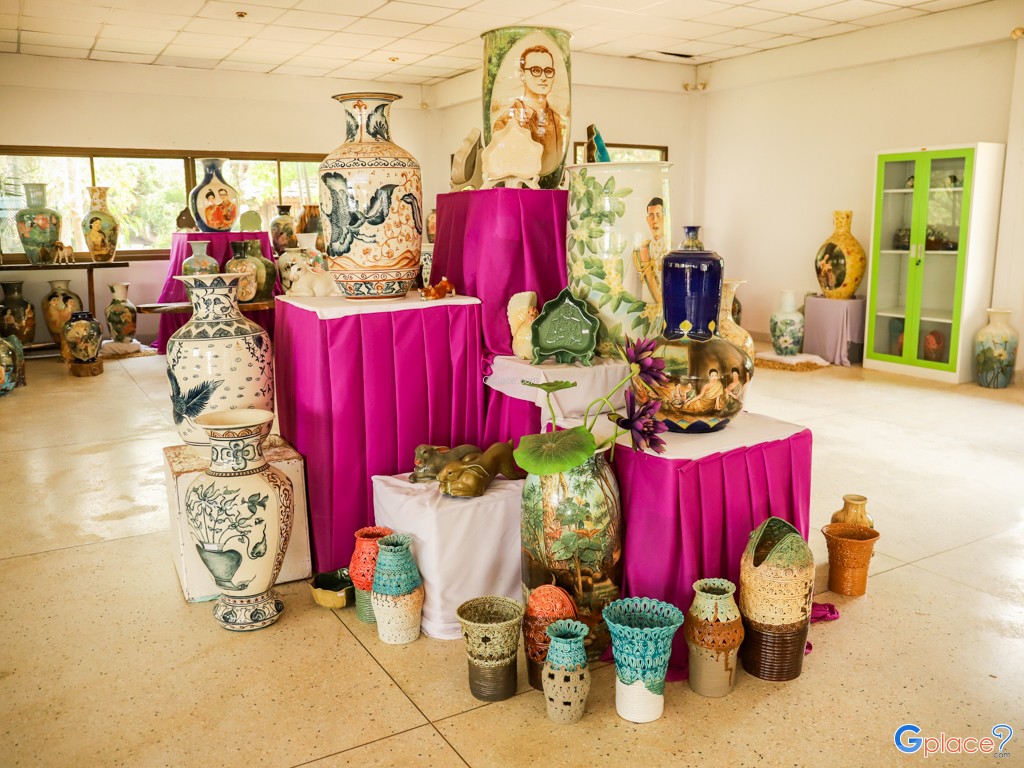
“Ban Mae Tam Arts and Crafts Center is a learning center for handicrafts under the Royal Initiative. It is outstanding for its unique silk and cotton weaving patterns, reflecting the story of community development through forest conservation and sustainable job creation.”
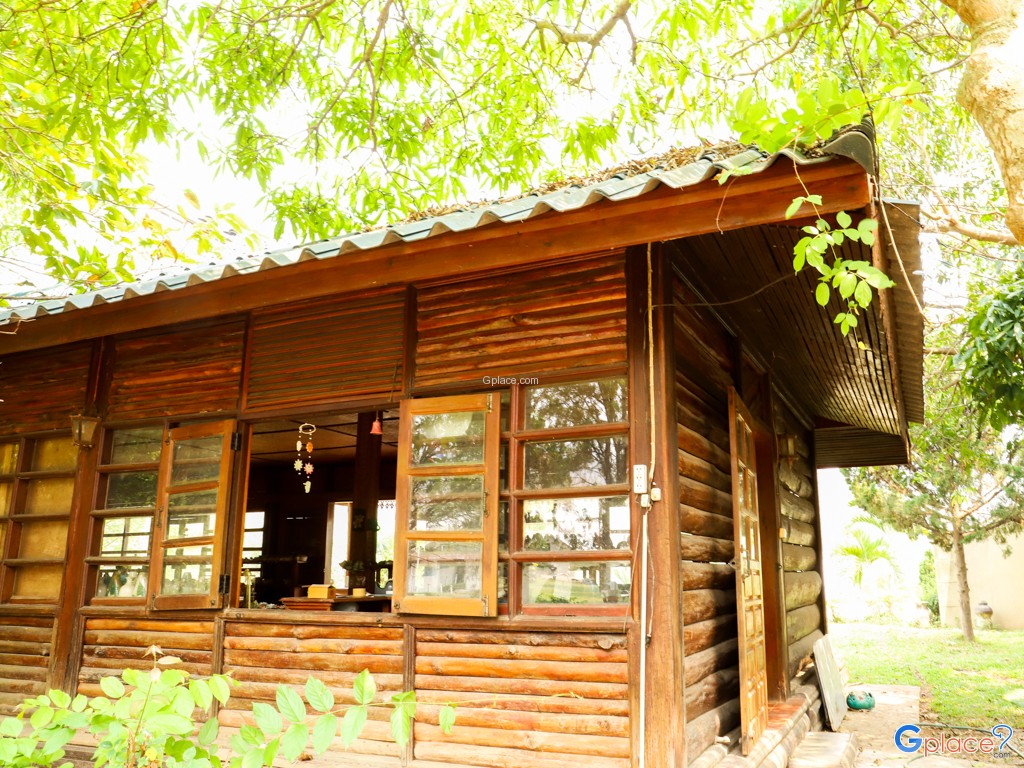
Ban Mae Tam Arts and Crafts Center is located in Ban Mae Tam, Moo 1, Tambon Serng Sai, Amphoe Serngam, Lampang Province, approximately 30 kilometers from Lampang city. It is one of the Royal Initiative projects that plays an important role in improving the quality of life of people in the area and is a learning center for local handicrafts that reflect the local wisdom of the Mae Tam community.
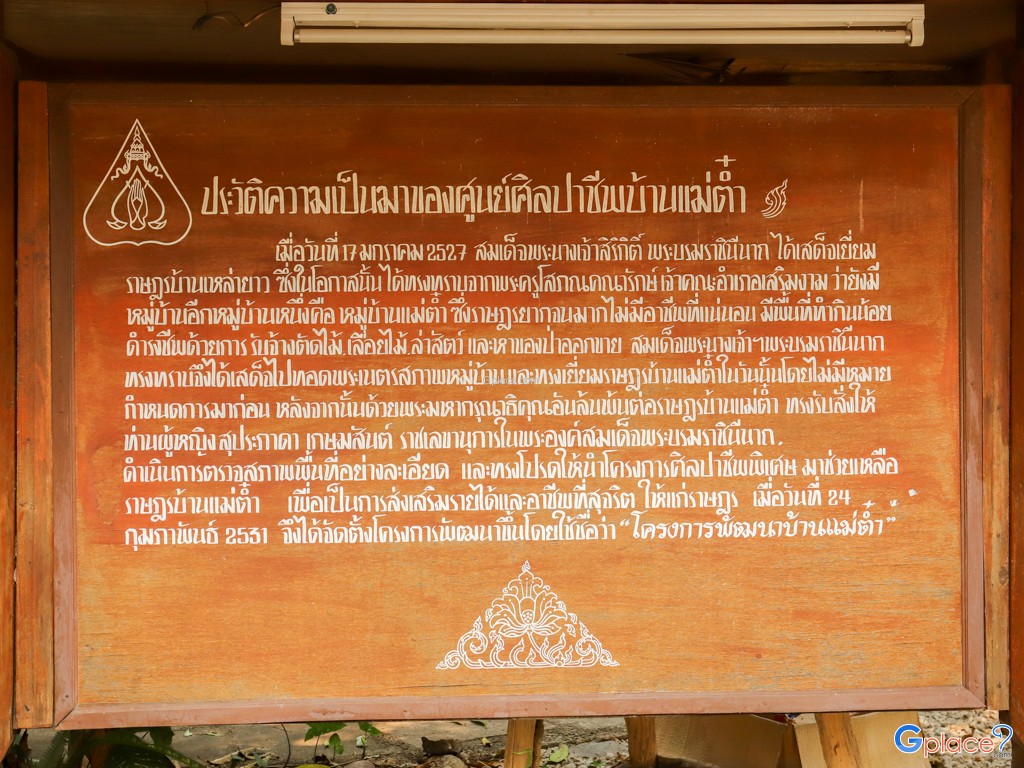
The history of this Arts and Crafts Center began on January 17, 1984, when Her Majesty Queen Sirikit The Queen Mother (when she held the title of Her Majesty the Queen) traveled with Her Royal Highness Princess Maha Chakri Sirindhorn to visit the people in Serngam District, Lampang Province. Phra Kru Sophon Khunarak, the abbot of Serngam District, reported on the living conditions of the people of Ban Mae Tam, which is a village with mostly mountainous terrain and only a small plain for rice cultivation. Many villagers had to practice shifting cultivation and work as hired laborers cutting and selling wood for a living.
The area was originally a fertile teak forest, but deforestation and clearing for shifting cultivation significantly reduced forest resources. Although natural resources were used as a source of income, villagers remained poor due to limited cultivation areas and a lack of appropriate agricultural knowledge.
With the compassionate heart of caring for the people, Her Majesty Queen Sirikit The Queen Mother issued a royal command to Thanpuying Supraprada Kasemsant, the Queen's Private Secretary, to survey the village on January 27, 1984, and initiated the establishment of the Ban Mae Tam Arts and Crafts Center to create stable jobs for the people and reduce deforestation.
The activities of the Ban Mae Tam Arts and Crafts Center are divided into 3 main activities:
1. Forest and Wildlife Conservation Activities
Planting trees, propagating seedlings, restoring local plants, patrolling to prevent illegal logging, preventing forest fires, and preventing hunting to maintain the integrity of the forest in the area.
2. Agricultural Activities
Establishing agricultural demonstration plots, such as orange cultivation, vegetable cultivation, and experimental planting of various crops, for villagers to study as examples. Supporting rice and vegetable seeds, as well as raising animals such as chickens and pigs, to supplement household income.
3. Arts and Crafts Activities
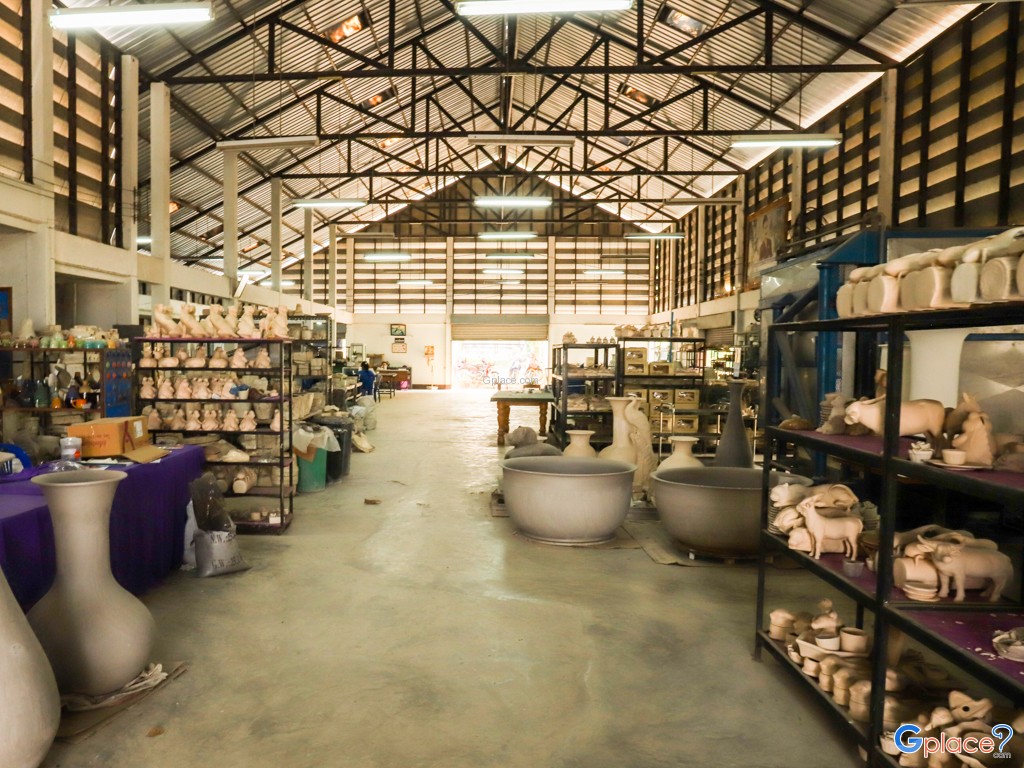
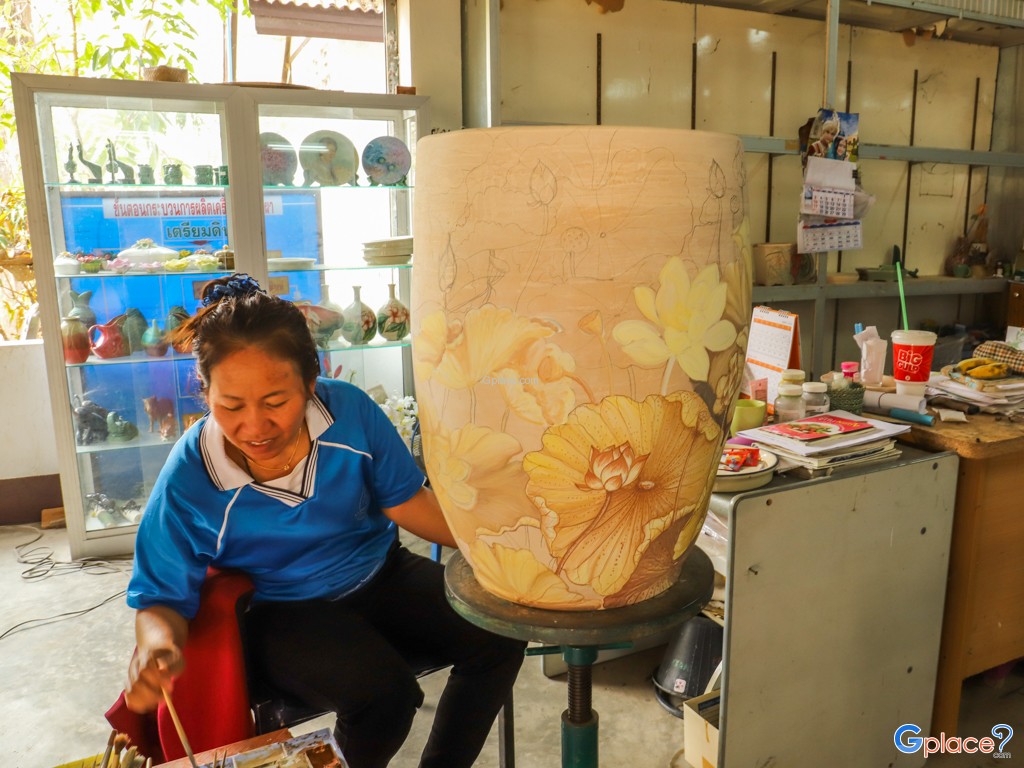
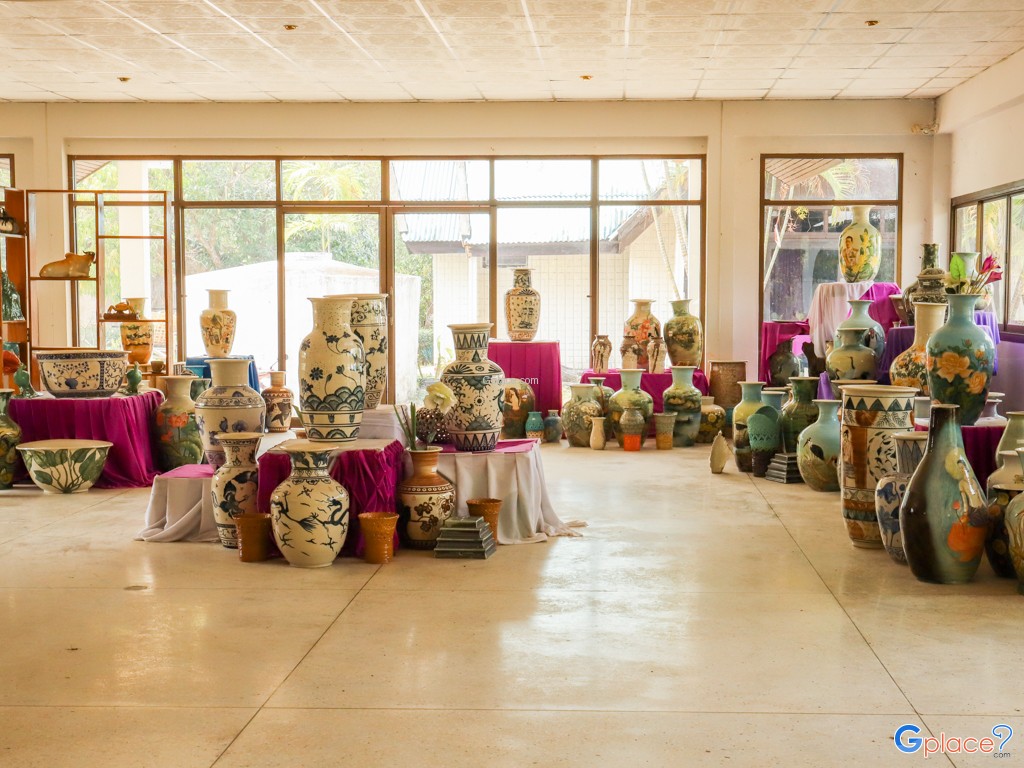
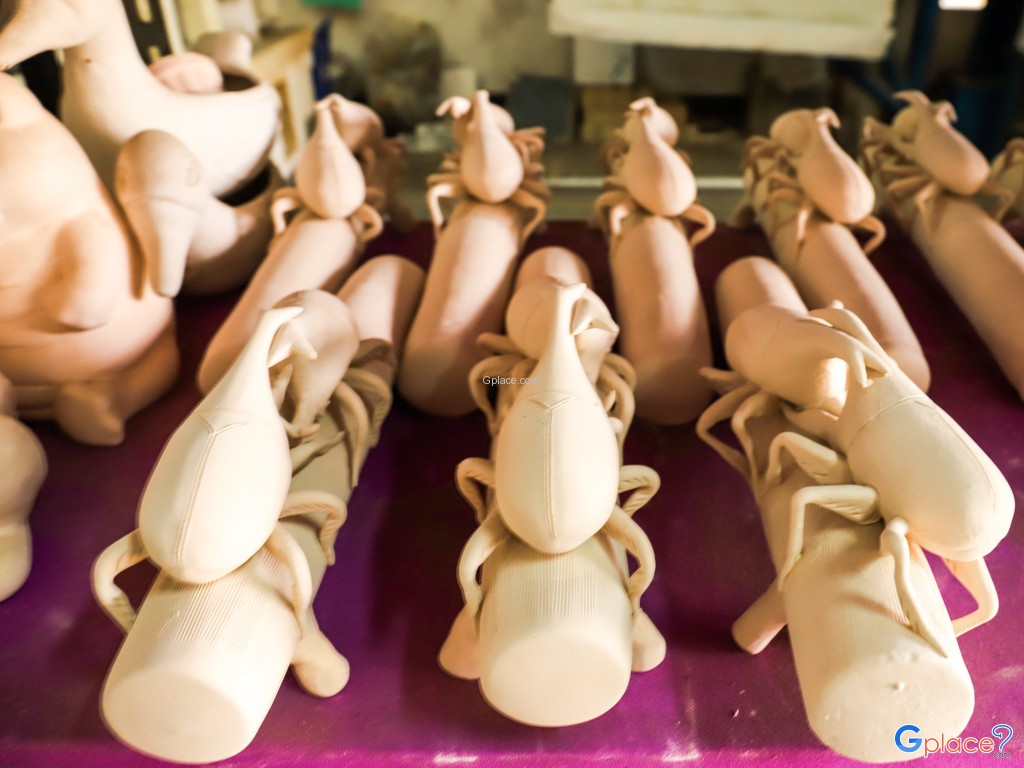
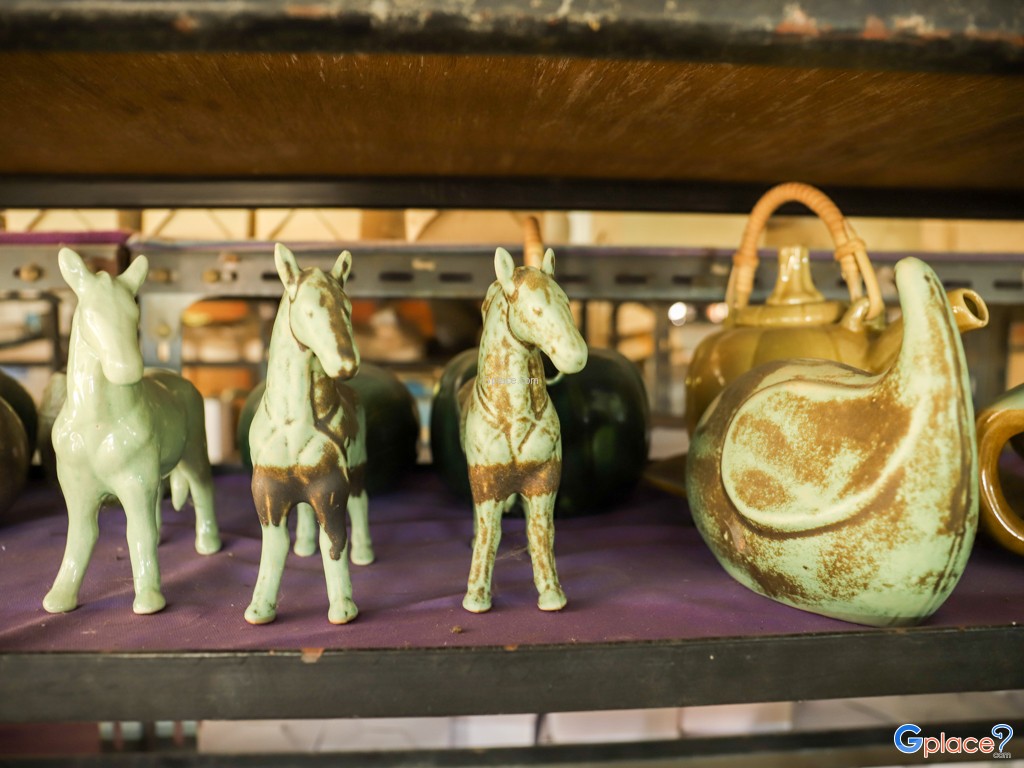
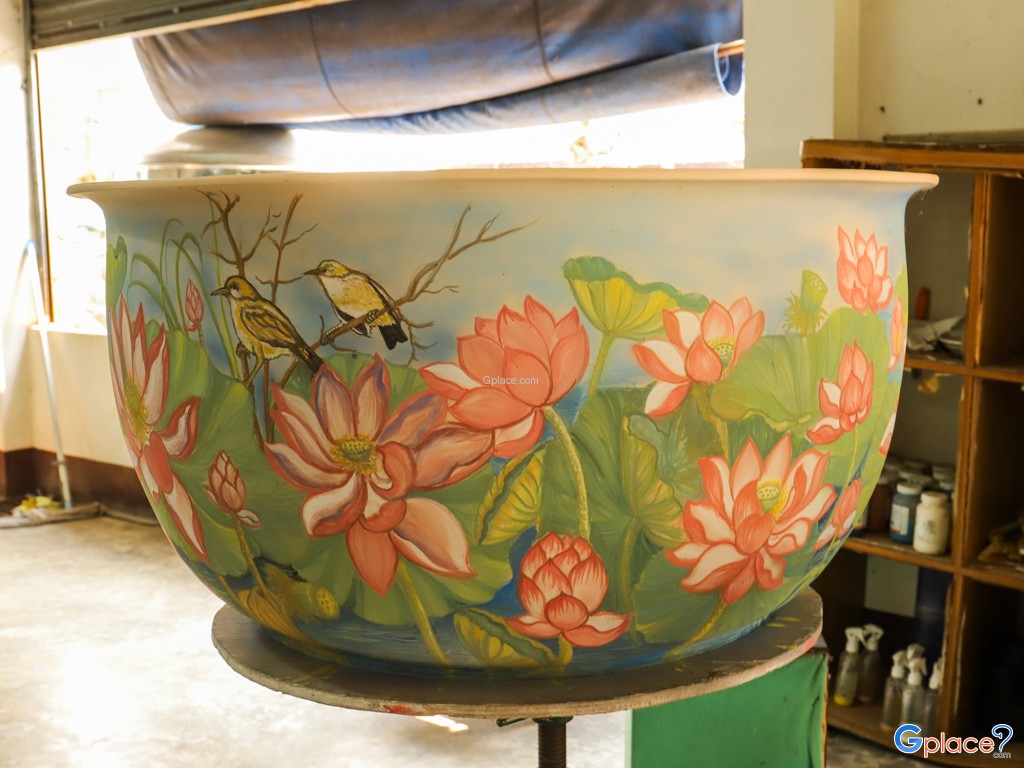
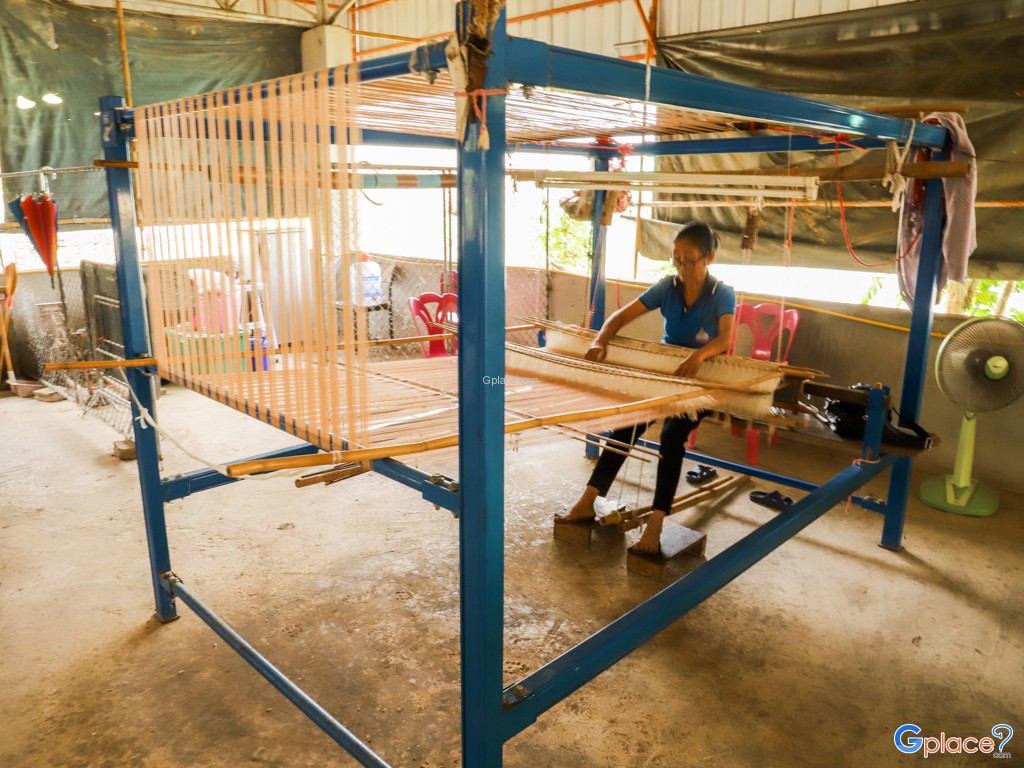
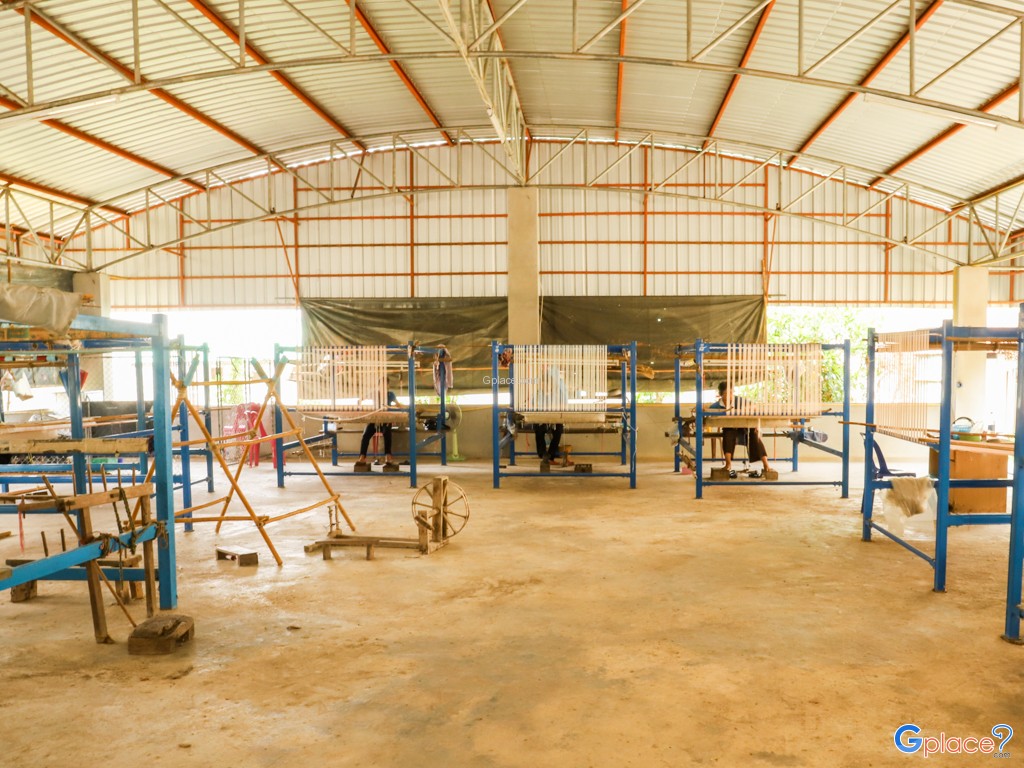
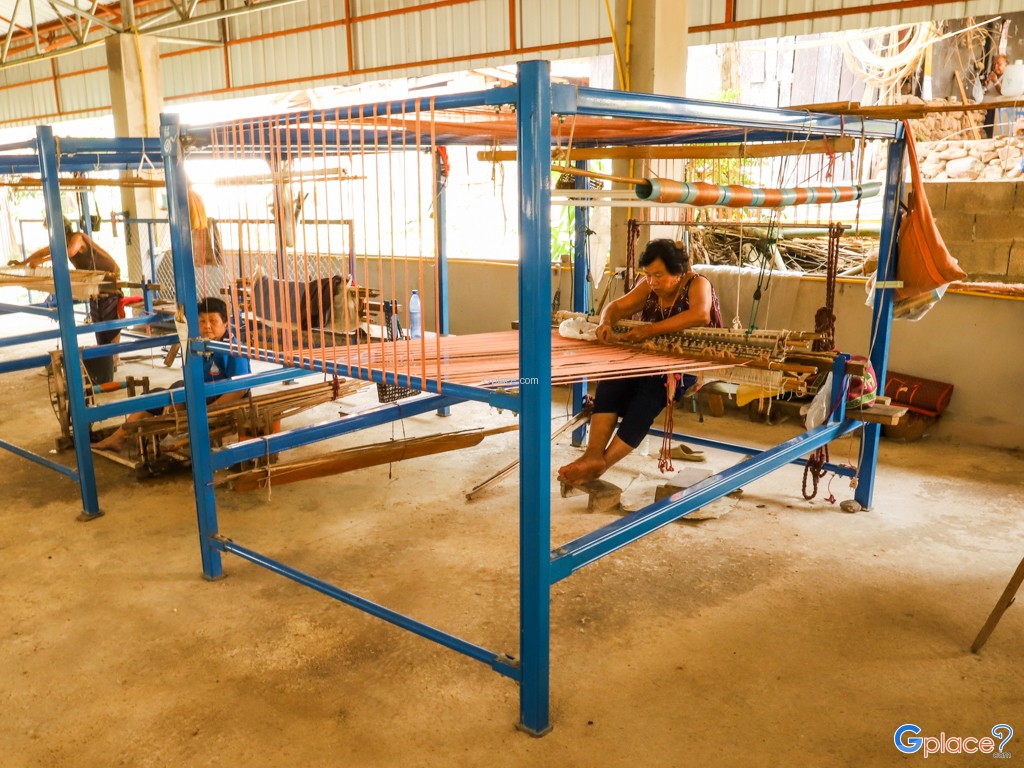
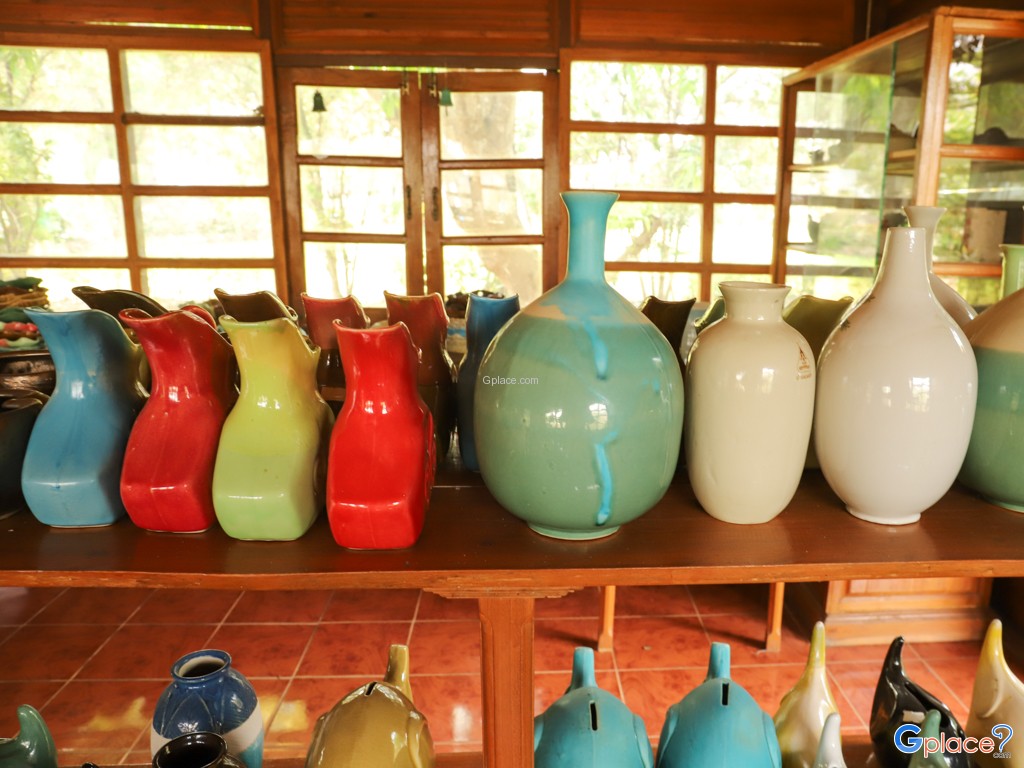
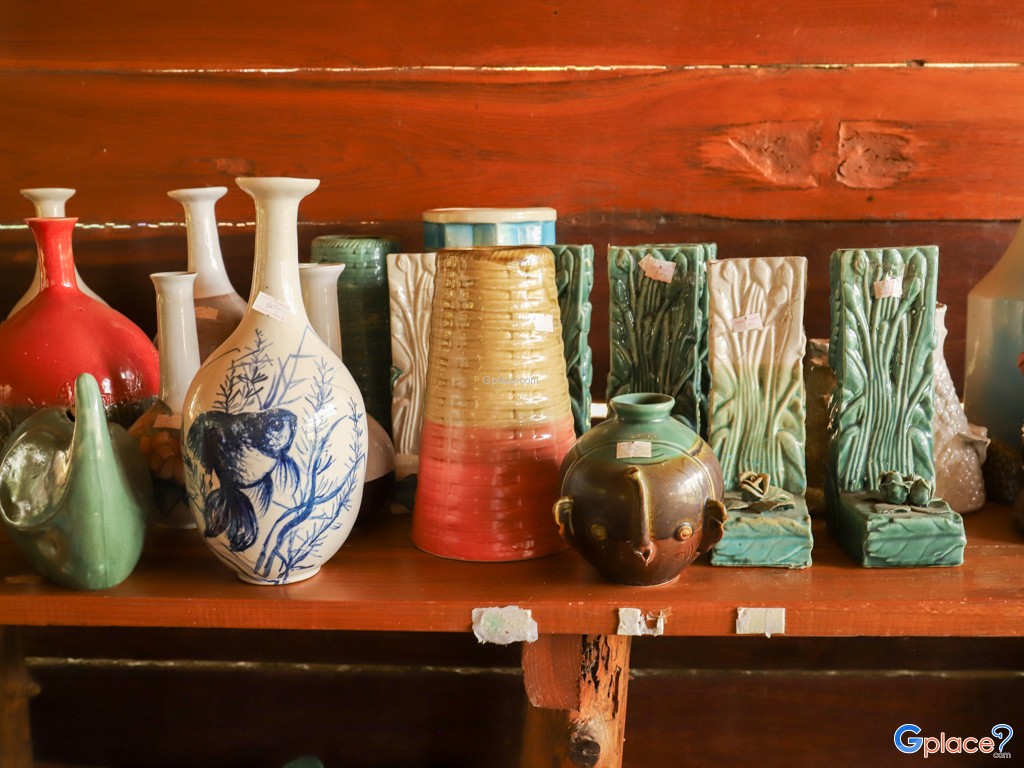
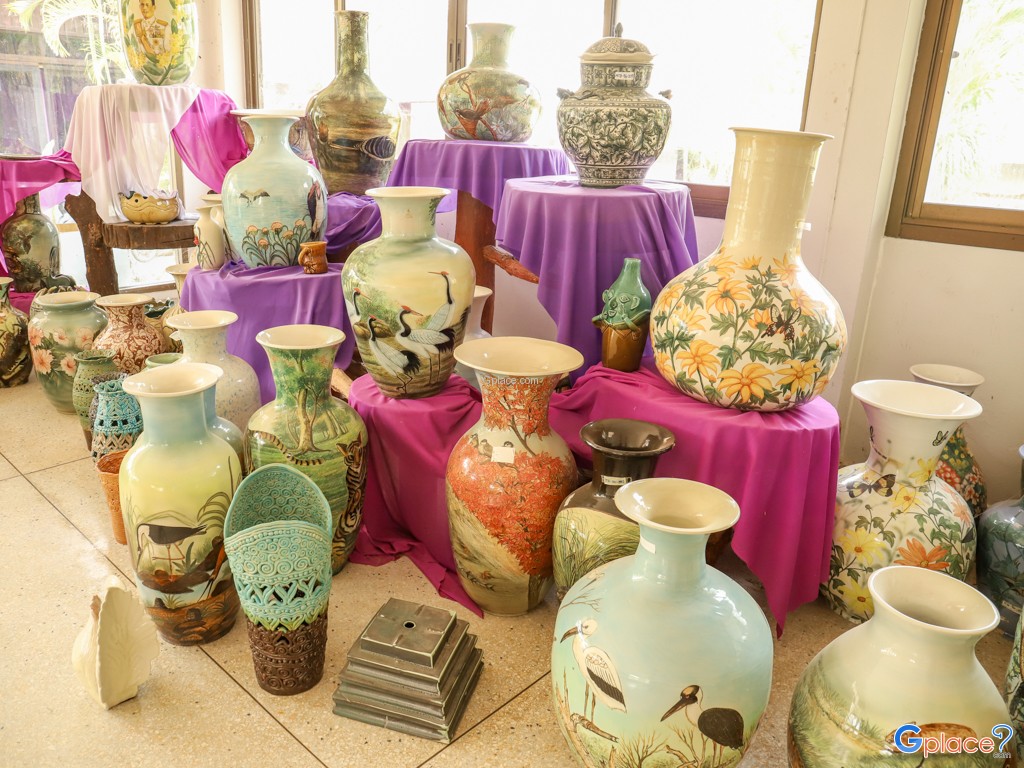
Starting with cotton weaving, the weaving workshop building was completed in March 1984. Later, pottery (ceramics) was developed with cooperation from the Ministry of Science and Technology and support from the Ceramics Industry Research and Development Center, which sent experts to transfer knowledge to the villagers.
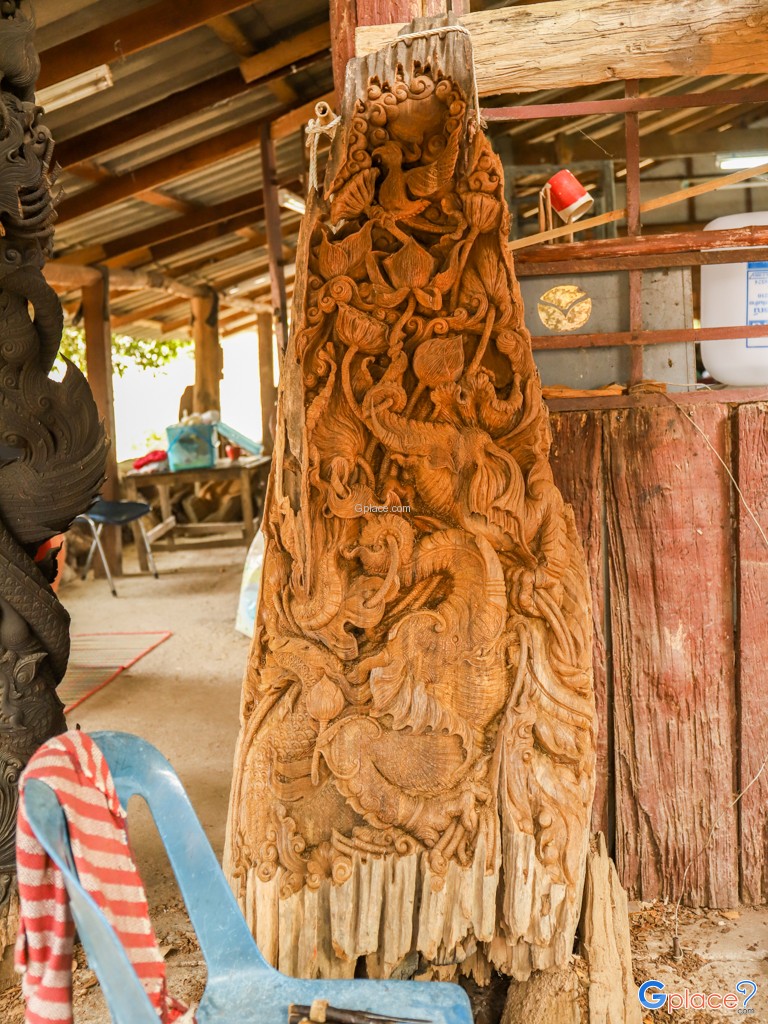
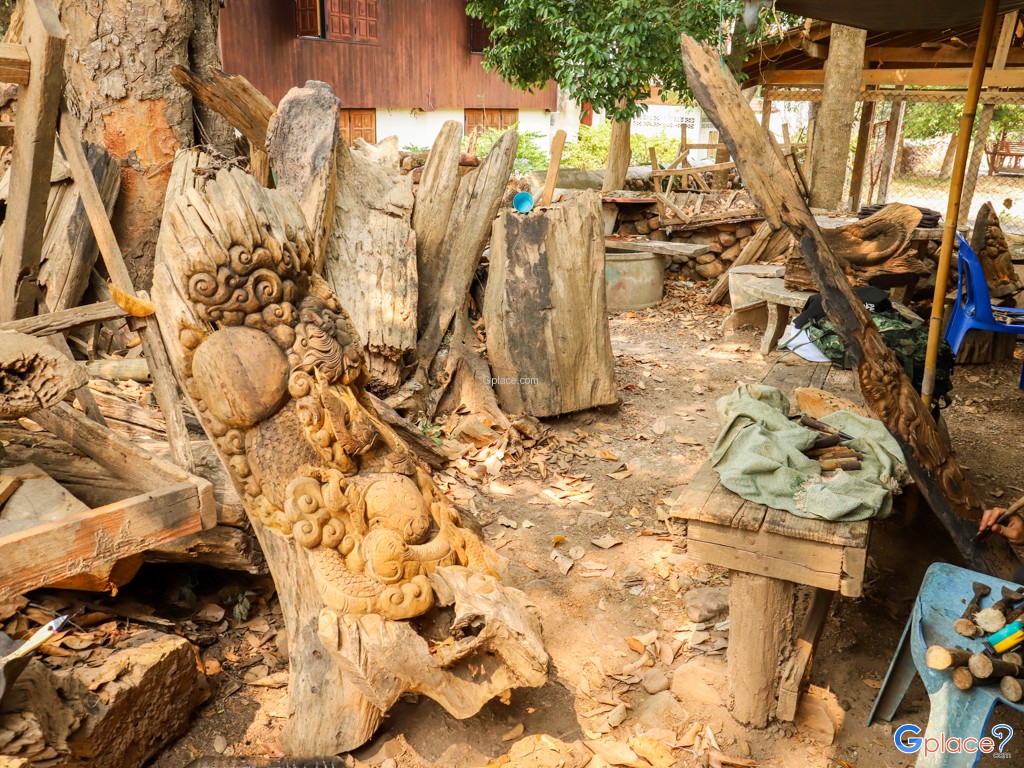
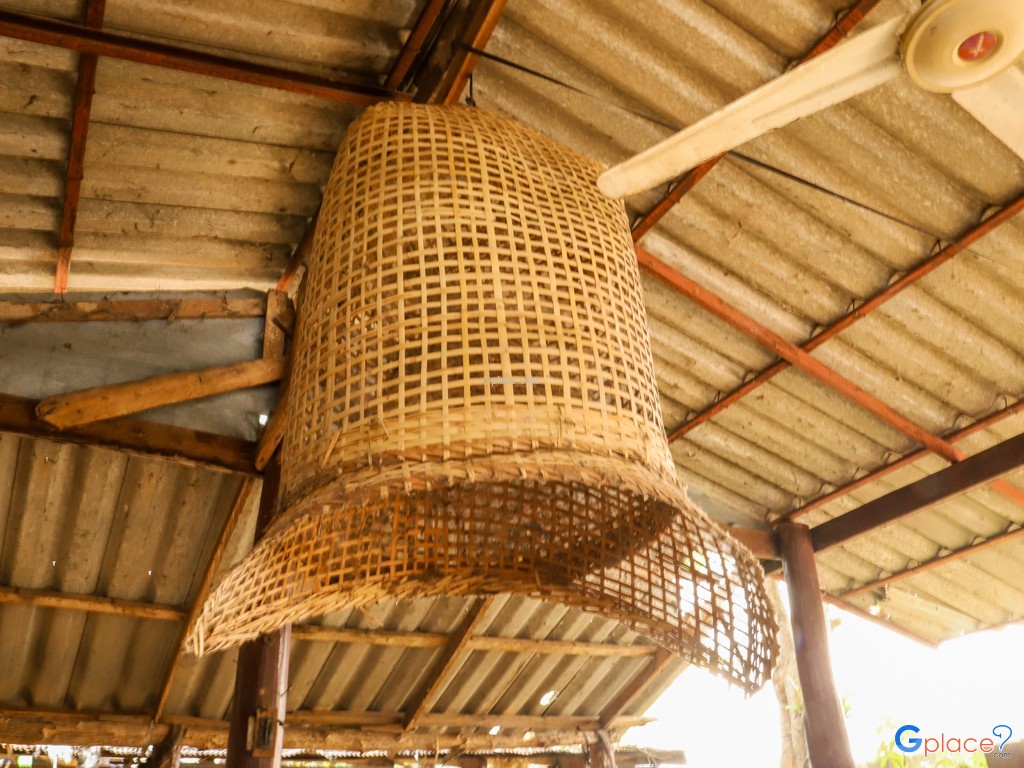
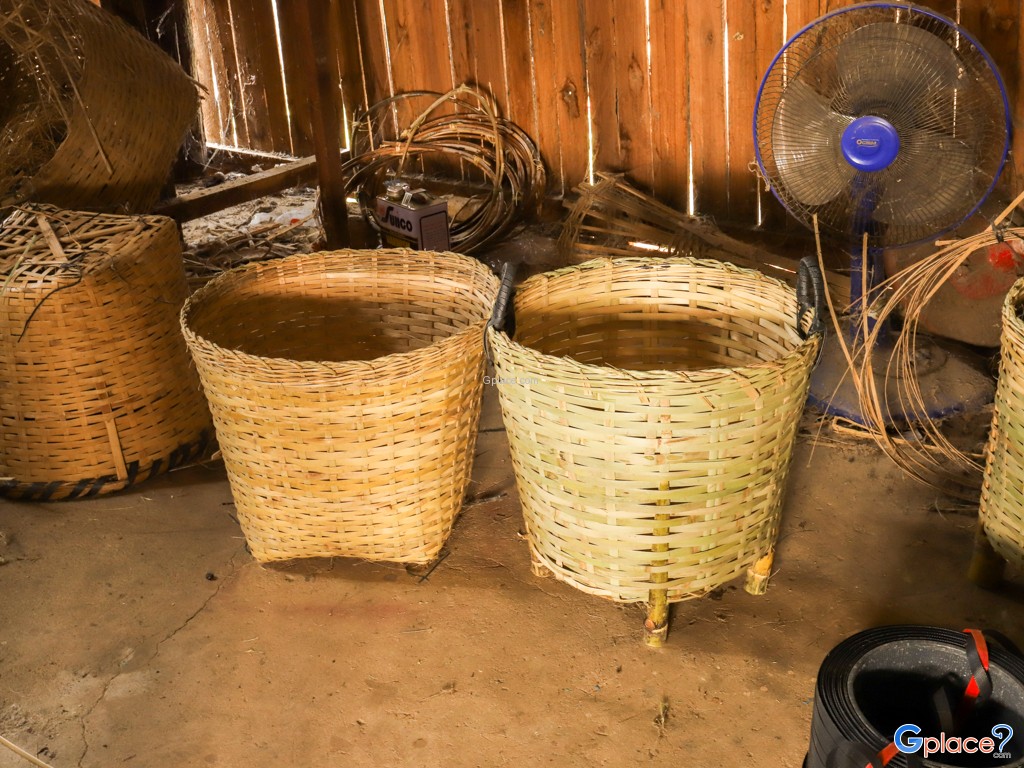
In addition, the center developed skills in wood carving, silk weaving, mulberry cultivation and silkworm raising, and bamboo basketry. The products are sold at affordable prices, providing supplementary income for families and helping to preserve the local wisdom of the community.
Today, the Ban Mae Tam Arts and Crafts Center is both a learning center for local handicrafts, a study center for community development under the Royal Initiative, and a cultural tourism destination that provides tourists with the opportunity to learn about the local handicraft production process and experience the simple way of life of the community amidst the nature of Serngam District.
How to Get There
- Private Car: From Lampang city, take Highway 1034 (Lampang – Ko Kha), then take Highway 1274 towards Serngam District and continue to Tambon Serng Sai, approximately 30 kilometers. The paved road makes traveling easy.
Travel Tips
-
It is recommended to visit during 09:00 – 15:00 on weekdays to observe the work of the arts and crafts group.
-
Hand-woven cotton fabrics with local patterns and exquisite raised silk fabrics are available.
-
Purchasing products directly helps generate income for local villagers.
-
You can take beautiful pictures of the weaving process and the atmosphere of community life.
-
You should dress politely as the area is a community learning center.
Admission Fee:
- Free admission
Opening Hours:
- Monday – Friday: 08:30 – 16:30
Closed: Saturday – Sunday and public holidays
Ban Mae Tam Arts and Crafts Center

 Share
Share
 Moo 1, Tambon Serng Sai, Amphoe Serngam, Lampang Province 52210
Map
Moo 1, Tambon Serng Sai, Amphoe Serngam, Lampang Province 52210
Map
 Open now : 8.30 - 16.30
Mon8.30 - 16.30
Tue8.30 - 16.30
Wed8.30 - 16.30
Thu8.30 - 16.30
Fri8.30 - 16.30
Sat -
Sun -


 krittidej.kongmalee@gmail.com
 6
6