 Attractions
  Hotel
Hotel  Restaurant
  Shopping
  Abroad





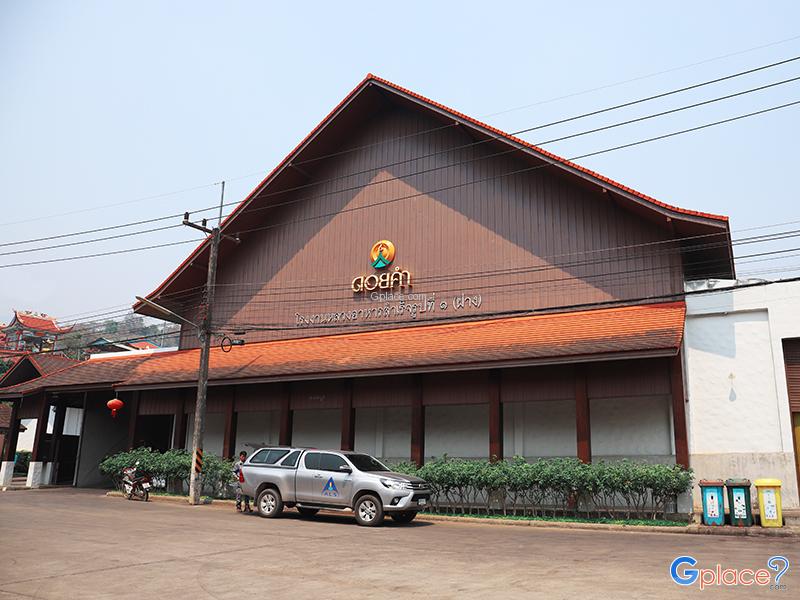

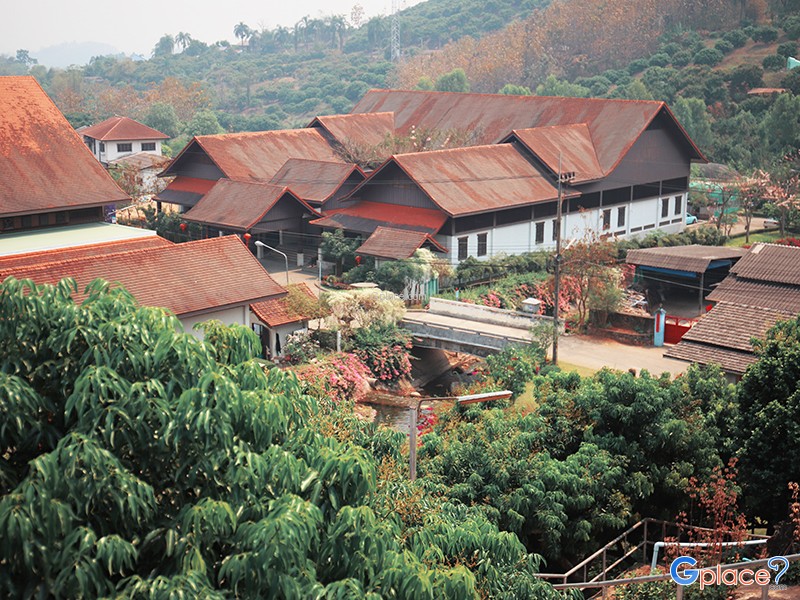
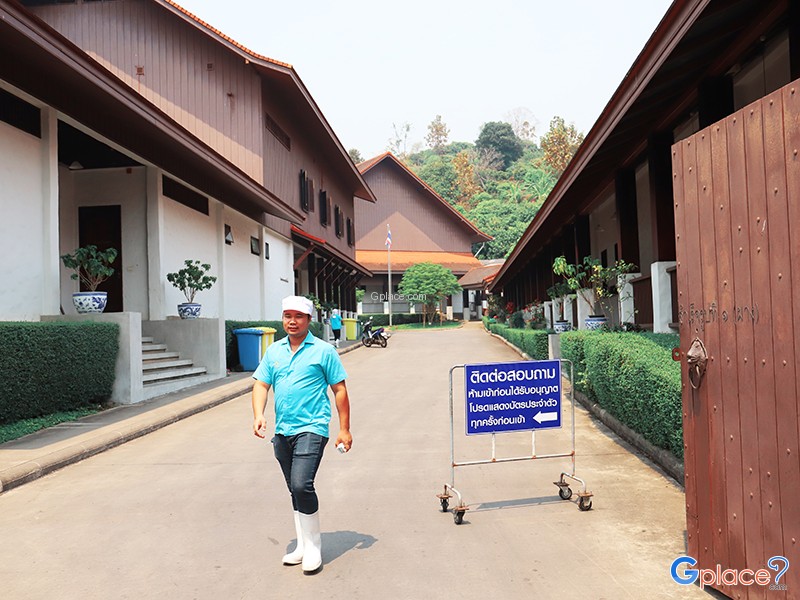
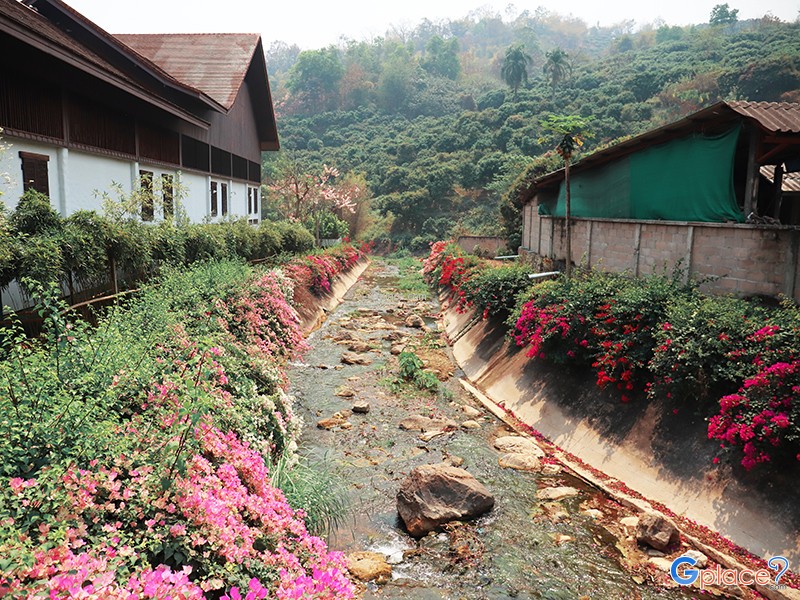
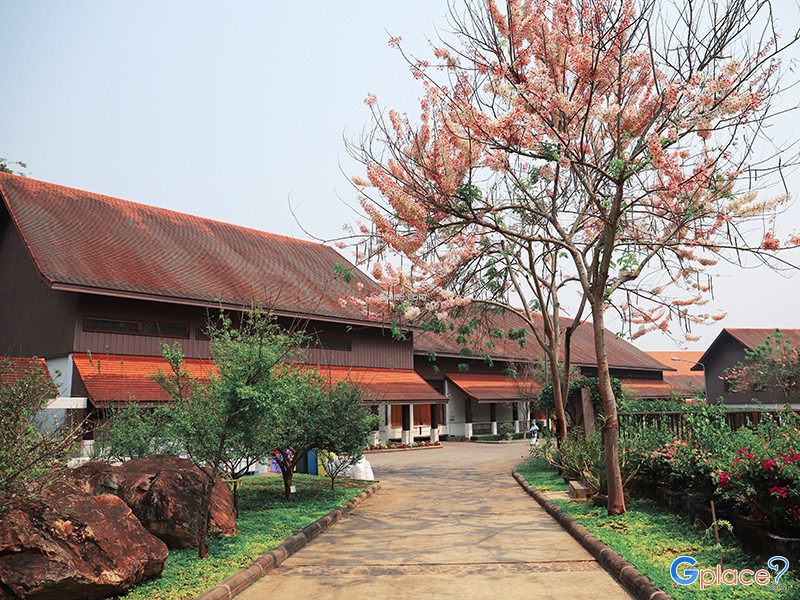
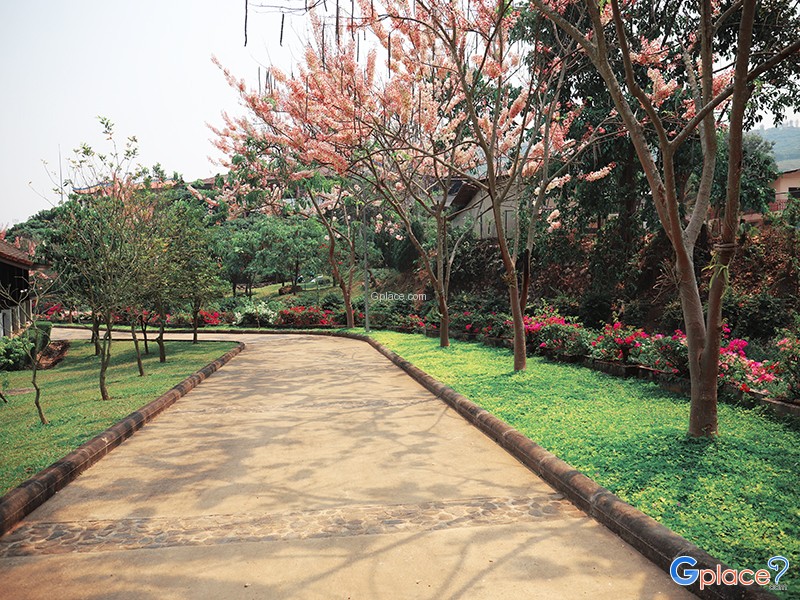
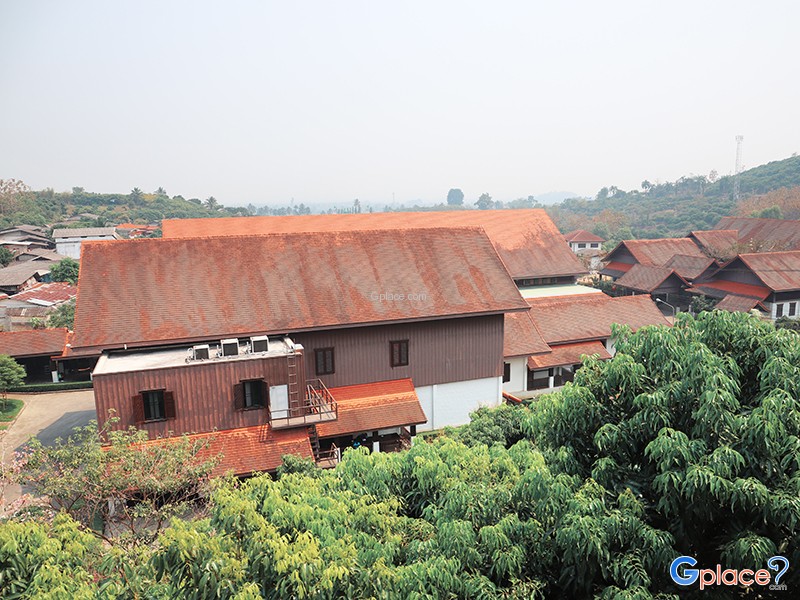
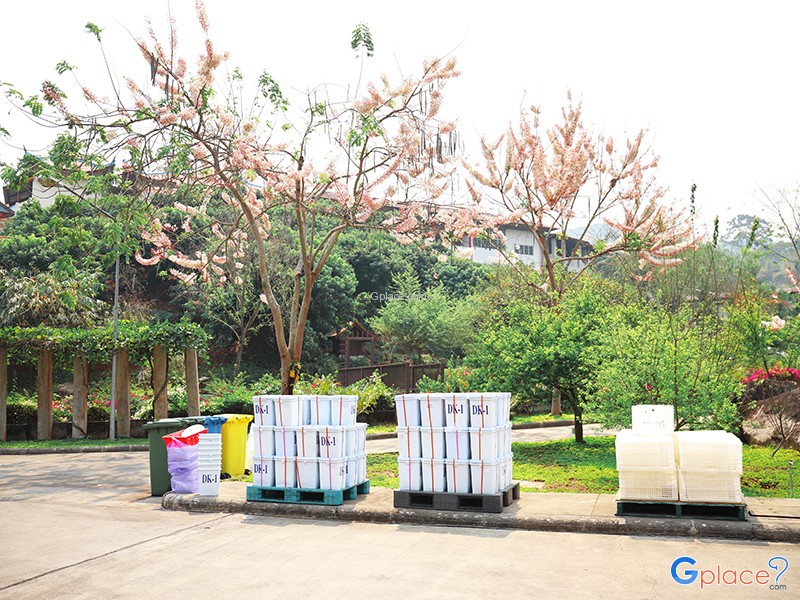
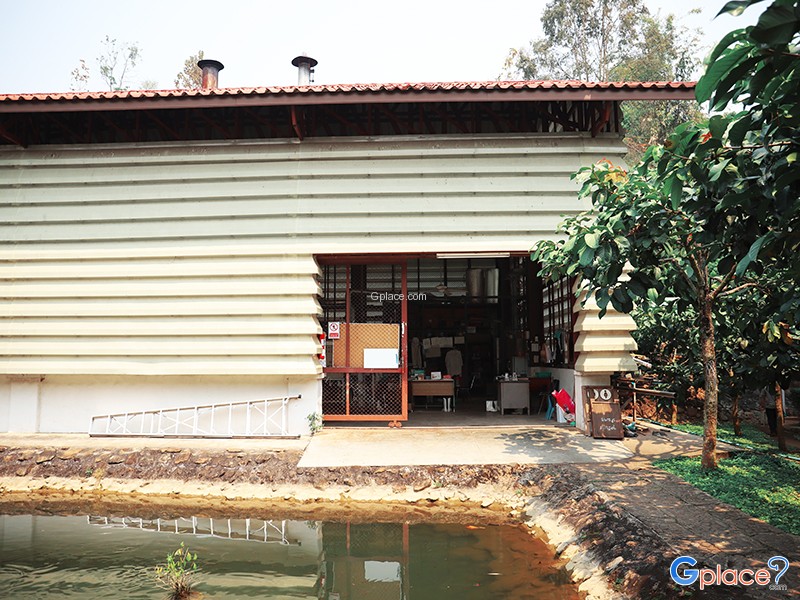
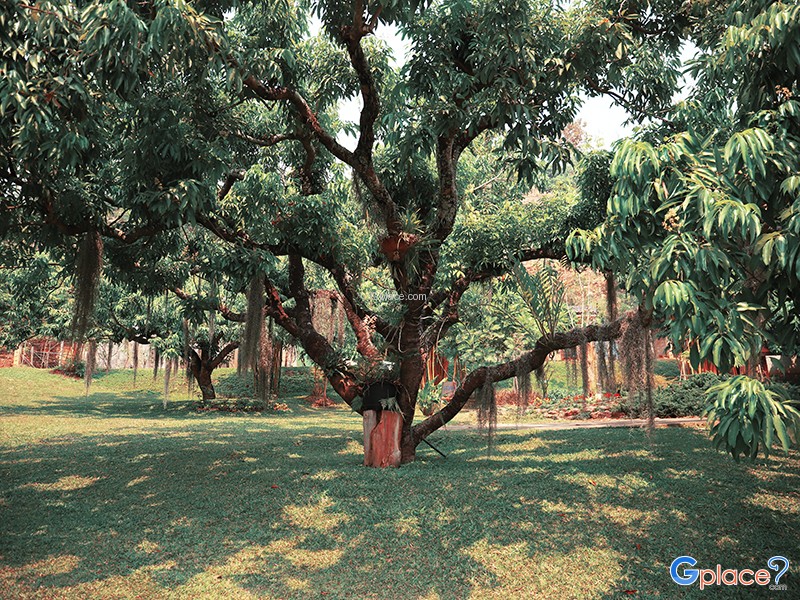
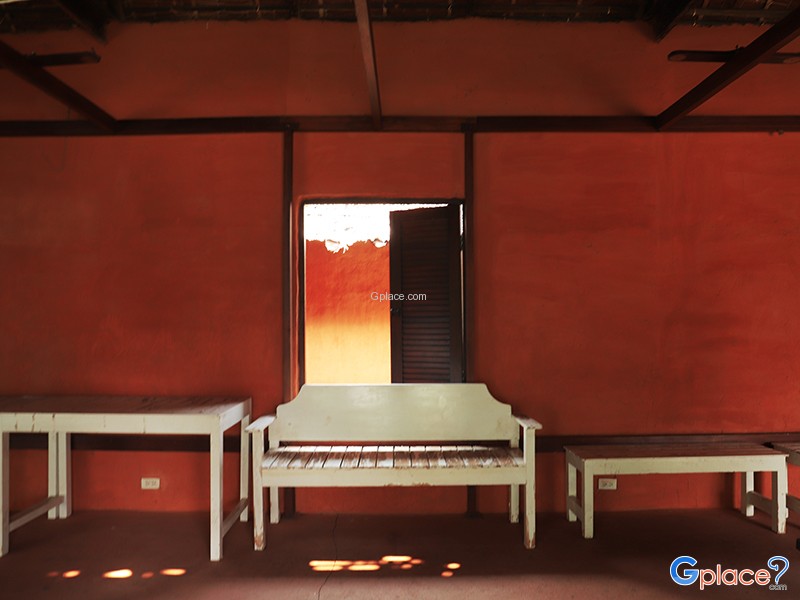
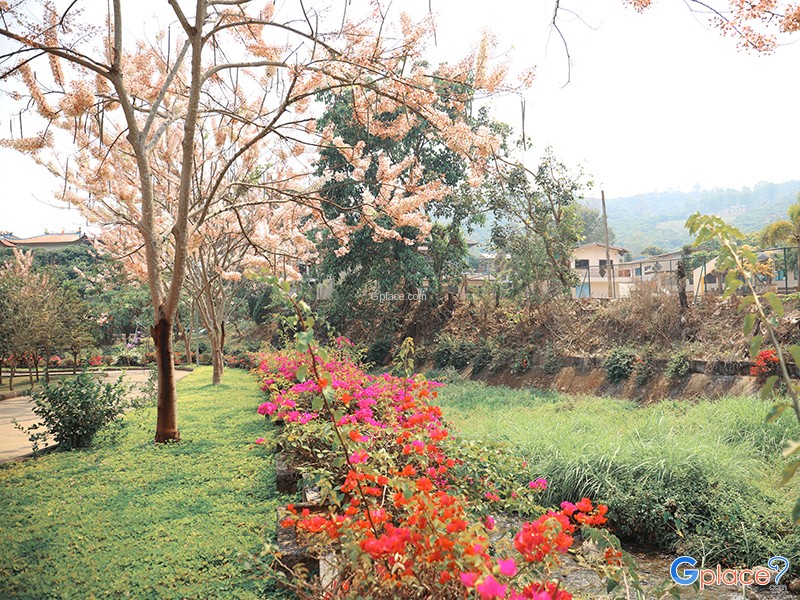
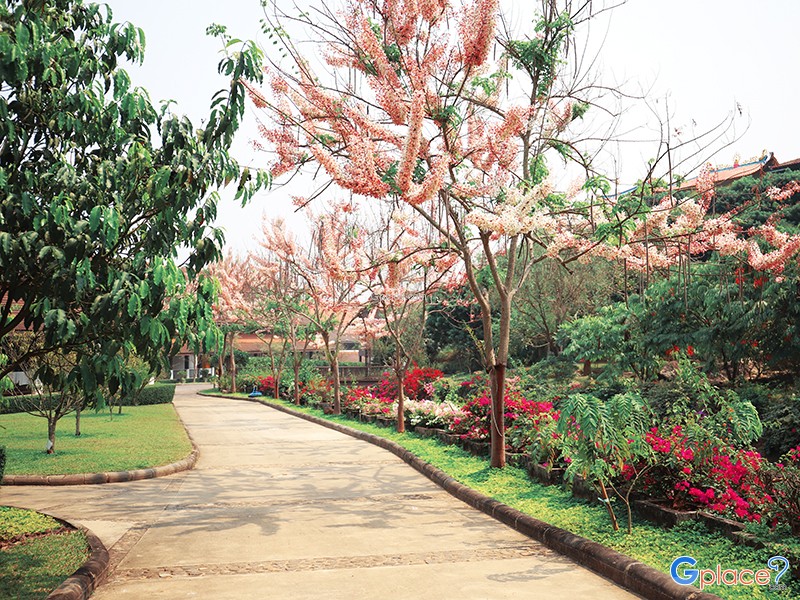
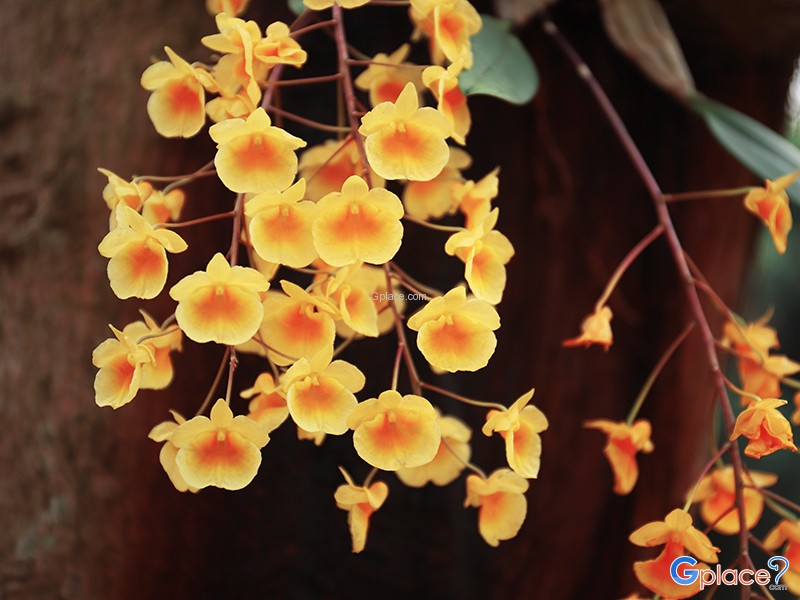
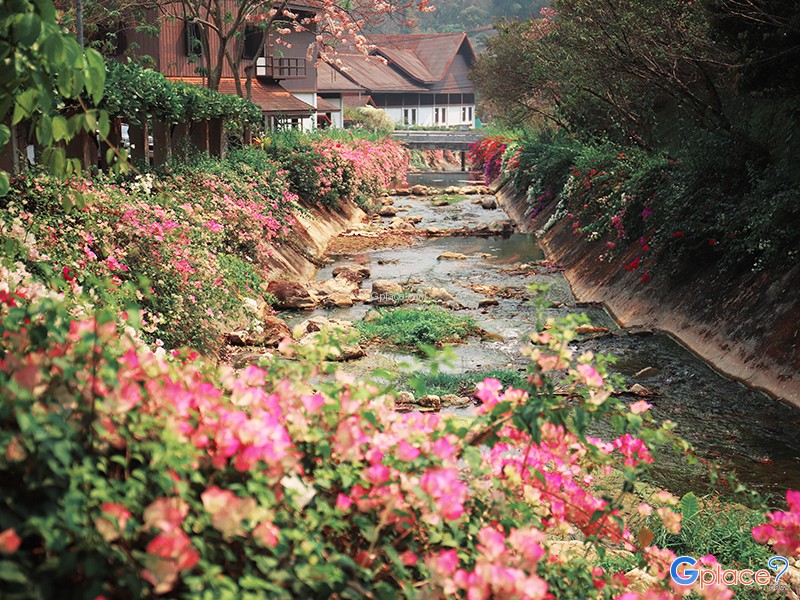
“The origin of the Doi Kham brand and a living museum that conveys royal initiatives, the restoration of Ban Yang community, and Yunnanese Chinese cultural traditions at the foothills of Doi Ang Khang.”
First Royal Factory No. 1 (Fang) (First Royal Factory) was established in 1972 under the royal initiative of His Majesty King Bhumibol Adulyadej The Great to address poverty, opium cultivation, and forest encroachment in the Doi Ang Khang area and nearby highland communities. Its central concept was to create stable alternative livelihoods for local communities by purchasing agricultural produce at fair prices and processing it into food products. This added value to local crops, reduced risks caused by fluctuating produce prices, and ensured farmers had a consistent market for their goods.
Before the factory was established, many highland farmers faced limited access to markets. Temperate-climate produce spoiled easily and transportation costs were high, forcing farmers to rely on middlemen. Having a processing factory close to the cultivation areas therefore became an important mechanism for purchasing produce quickly, especially fruits and highland crops such as strawberries, plums, peaches, tomatoes, and passion fruit, which could be processed into fruit juices, jams, dried fruits, and a wide variety of ready-to-eat food products.
This factory is regarded as Thailand’s first Royal Factory and an important starting point for products under the Doi Kham brand, which is widely recognized by Thai people today. Its significance goes beyond food production, as it reflects a development model connecting every stage from upstream to downstream: crop cultivation support, agricultural knowledge transfer, produce purchasing, processing, quality control, and distribution. This system enabled communities to benefit sustainably from their own resources and labor.
The royal initiative also supported natural-resource restoration. When farmers had alternative livelihoods through cultivating economic crops suitable for the area, pressure to expand farmland and clear forests was reduced. The Royal Factory therefore represents a development approach that places people, forests, water, and livelihoods together, aiming to create long-term stability rather than only solving immediate problems.
In 2006, Ban Yang and the factory area were severely affected by flooding and mudslides, causing extensive damage to the factory, homes, and the way of life of local residents. After the disaster, the area was restored and rebuilt through cooperation between the Crown Property Bureau and Doi Kham Food Products Co., Ltd. The recovery effort focused not only on repairing buildings, but also on restoring livelihoods, improving safety, and strengthening the Ban Yang community.
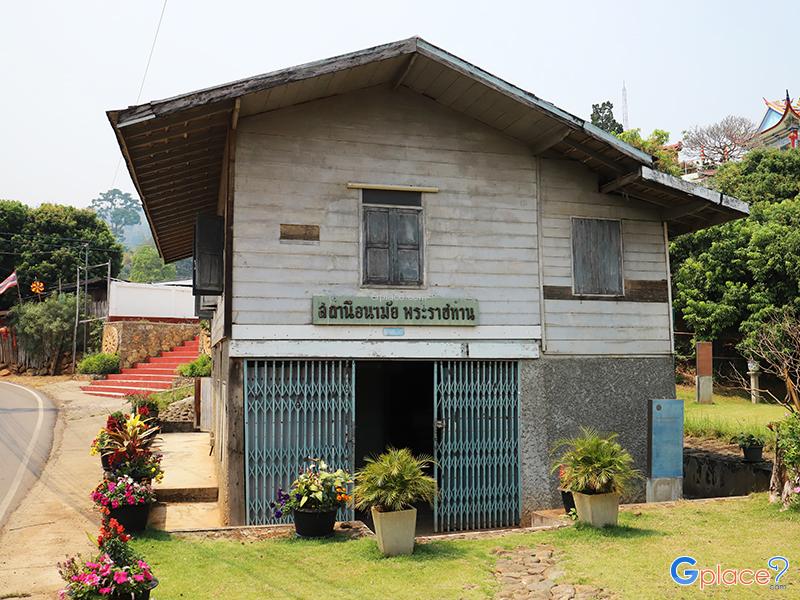
Following the restoration, the Royal Factory Museum No. 1 (Ban Yang) was established as a place to collect and share the history of the Royal Factory, development under royal initiatives, and lessons learned from the disaster. Inside are exhibitions of photographs, documents, former machinery, and production equipment, as well as interpretive displays explaining the transformation of the community from the past to the present. These exhibits allow visitors to clearly understand highland development through tangible stories and evidence.
The museum is therefore more than a place displaying old objects. It is a living learning space for school students, university students, study-visit groups, and travelers interested in community development, agro-industrial food processing, natural-resource management, and disaster preparedness. Its content helps visitors understand how a single factory can play a role in the economy, society, and environment of the surrounding community.
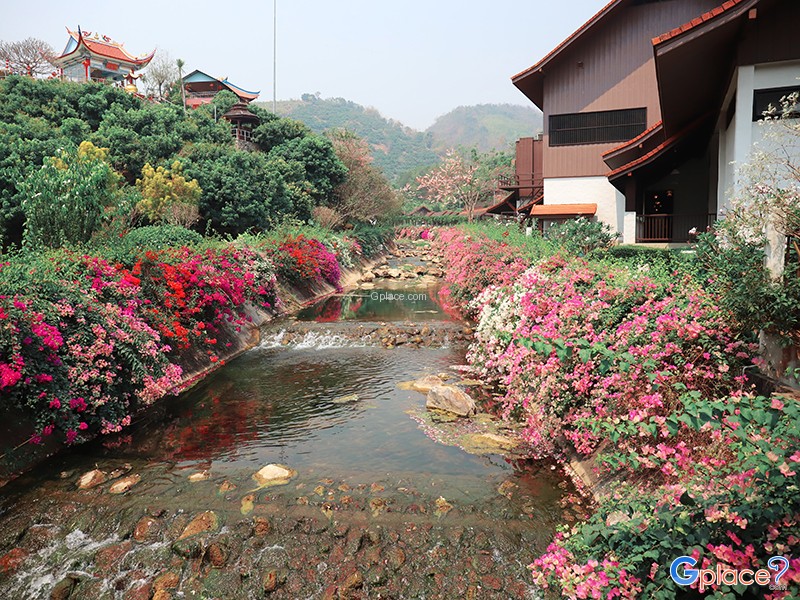
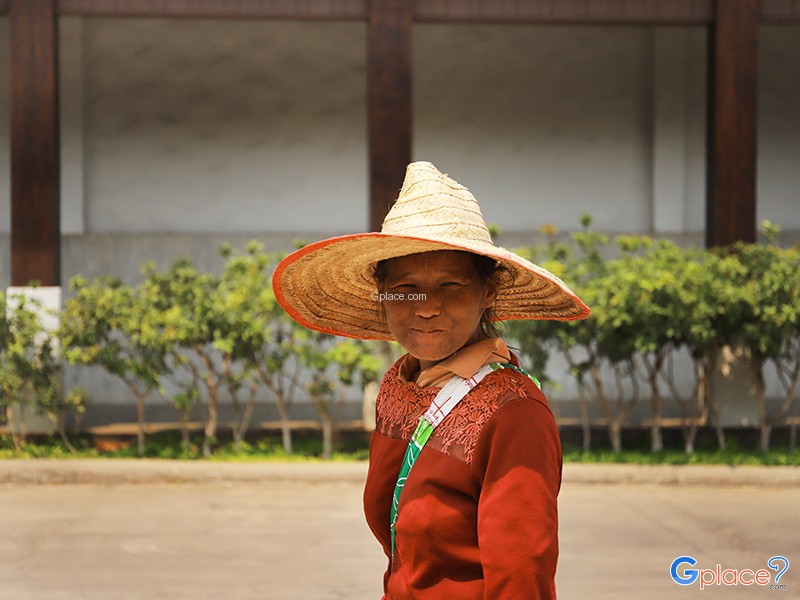
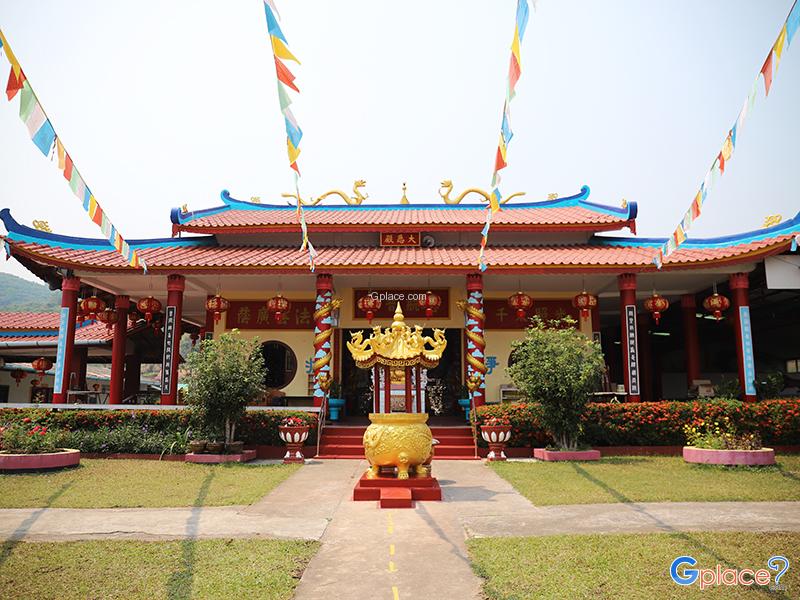
The surrounding area is part of Ban Yang Community, a culturally diverse community where Yunnanese Chinese, also known as Chin Haw, Thai Buddhists, and Muslims live together harmoniously. Visitors can experience the community atmosphere, see traditional earthen houses, taste local food, and purchase Doi Kham products or local souvenirs. This creates a travel experience closely connected with the way of life of local people.
For travelers heading to Doi Ang Khang, First Royal Factory No. 1 is an ideal stop both before going up the mountain and on the return journey, as it is located along the old route near the entrance to Doi Ang Khang. Visitors can spend time learning about the area’s important history, shopping for souvenirs, and continuing onward to attractions on Doi Ang Khang along the same route.
How to Get There
-
By Private Car: From Chiang Mai city, take Highway No. 107 toward Fang District. Before reaching Fang town, around kilometer marker 137, turn left following the signs to Doi Ang Khang via Route No. 1249, also known as the old route. Continue for approximately 6 kilometers to Ban Yang Community. First Royal Factory No. 1 is located on the right-hand side and has parking available.
-
By Public Transportation: Take a public bus from Chiang Mai to Fang District, or get off near the entrance to Doi Ang Khang close to Wat Hat Samran. From there, visitors can continue by motorcycle taxi or a local songthaew to Ban Yang and the Royal Factory.
Travel Tips
- Visit before going up Doi Ang Khang, as the Royal Factory is located at the foothills and is easily accessible from the old route.
- Allow enough time to visit the museum and learn about the history of the Royal Factory and the restoration of Ban Yang Community.
- Buy Doi Kham products from the on-site shop as souvenirs, especially fruit juices, jams, and dried fruits.
- Explore Ban Yang Community to experience Yunnanese Chinese culture, traditional earthen houses, and local dishes such as mee sua, Yunnanese dumplings, and khanom wong.
- Dress respectfully and follow visitor regulations, especially when entering the museum exhibition area.
Admission Fee:
- Free admission. There is no entrance fee for both First Royal Factory No. 1 (Fang) and the Royal Factory Museum No. 1.
Opening Hours:
- Open Tuesday – Sunday from 8:30 AM – 4:30 PM.
- Closed every Monday.
First Royal Factory No 1 Fang

 Share
Share
 No. 13, Moo 12, Ban Yang, Mae Ngon, Fang, Chiang Mai 50320
Map
No. 13, Moo 12, Ban Yang, Mae Ngon, Fang, Chiang Mai 50320
Map
 Closed today
Mon -
Tue8.30 - 16.30
Wed8.30 - 16.30
Thu8.30 - 16.30
Fri8.30 - 16.30
Sat8.30 - 16.30
Sun8.30 - 16.30



 37
37
Recommend trips
All reviews
(List 0 review)Nearby Places
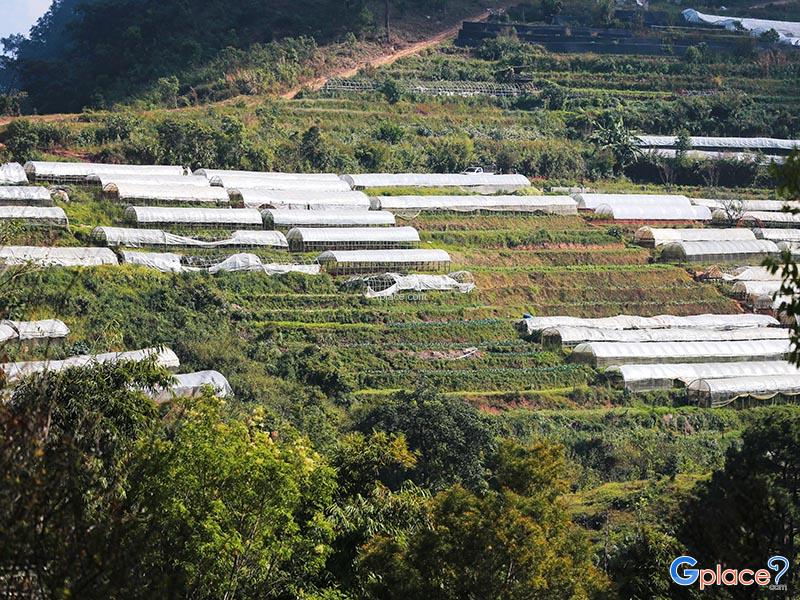 Organic Vegetable Demonstration Plots and Temperate Crop Gardens Ang Khang Royal Agricultural Station
(List 0 review)
Distance 8.48 Kilometer