
 Attractions
  Hotel
Hotel  Restaurant
  Shopping
  Abroad





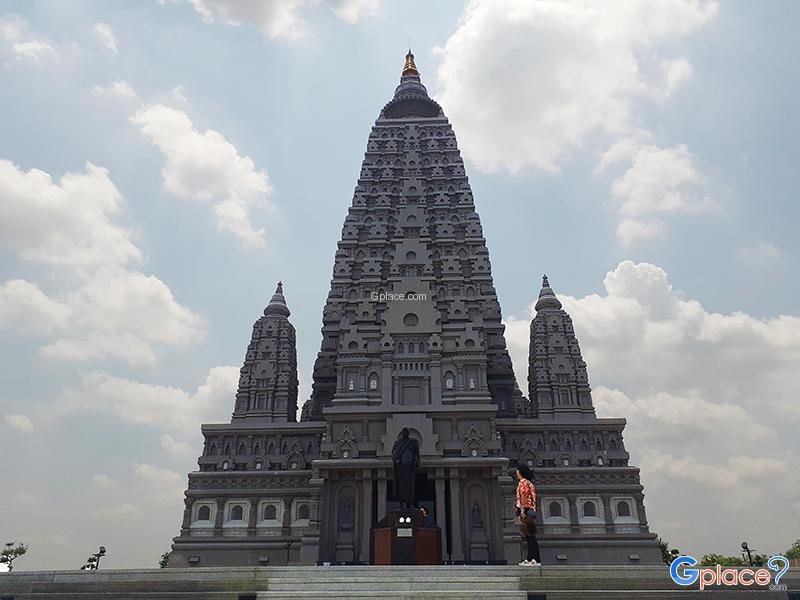


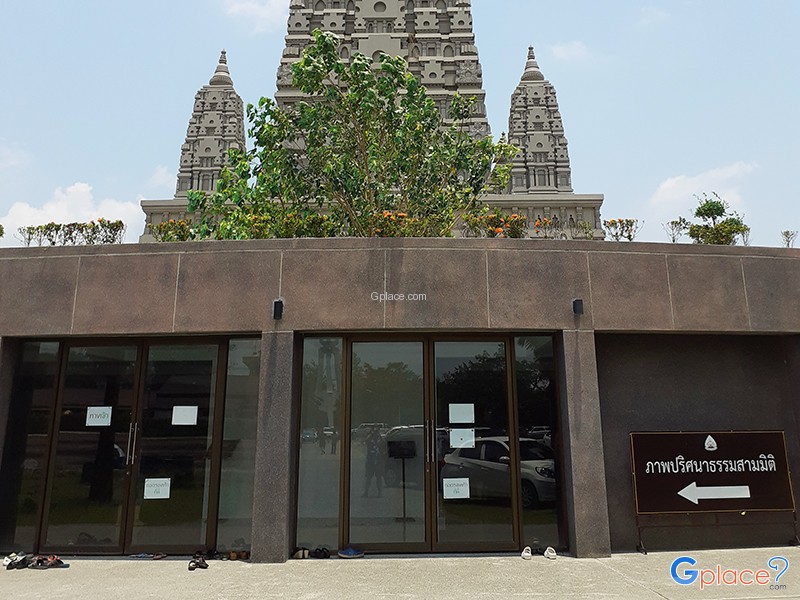
“Visit the majestic silver Mahabodhi pagoda replica and the world's first 3D Dhamma art museum, offering Buddhist wisdom through interactive art in a peaceful atmosphere.”
Wat Panyanantaram, located in Khlong Hok Subdistrict, Khlong Luang District, Pathum Thani Province, is renowned for its contemporary approach to Buddhist teachings and is a popular place for meditation practice in the province. The temple was founded by Phra Phrommangkhalacharn, or "Luang Pho Panyananta Bhikkhu," a prominent Buddhist preacher and disseminator who played a significant role in contemporary Thai Buddhism. He envisioned teachings that were easy to understand, relevant to daily life, and accessible to younger generations. Therefore, Wat Panyanantaram is not merely a place for religious activities, but also a center for systematic Dharma learning, spiritual training, and Vipassana meditation practice.
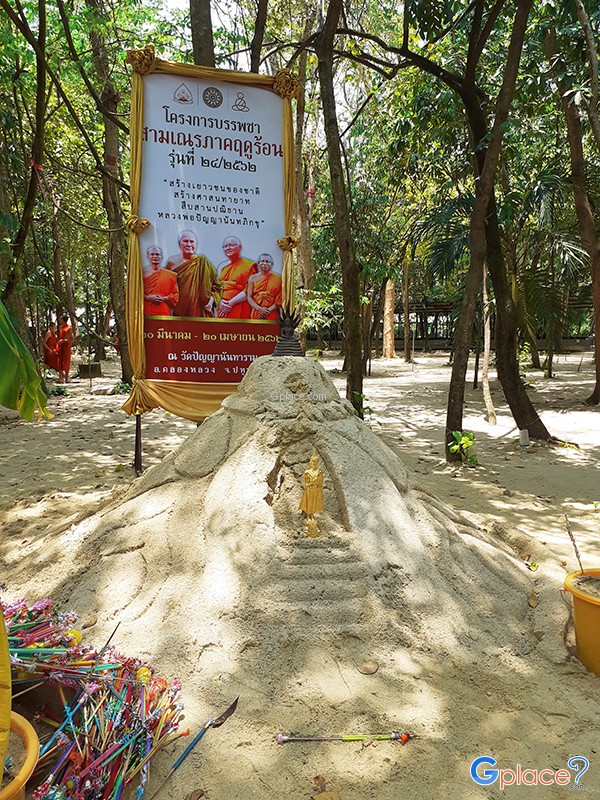
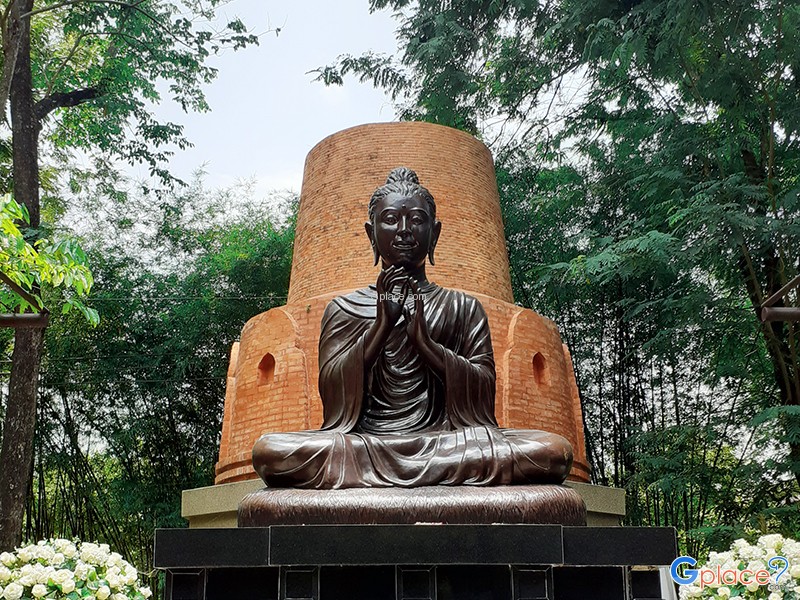
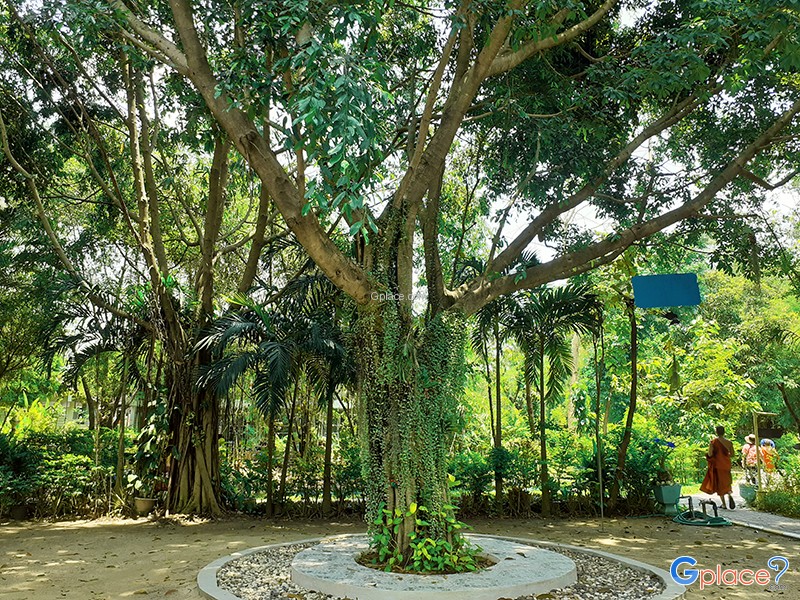
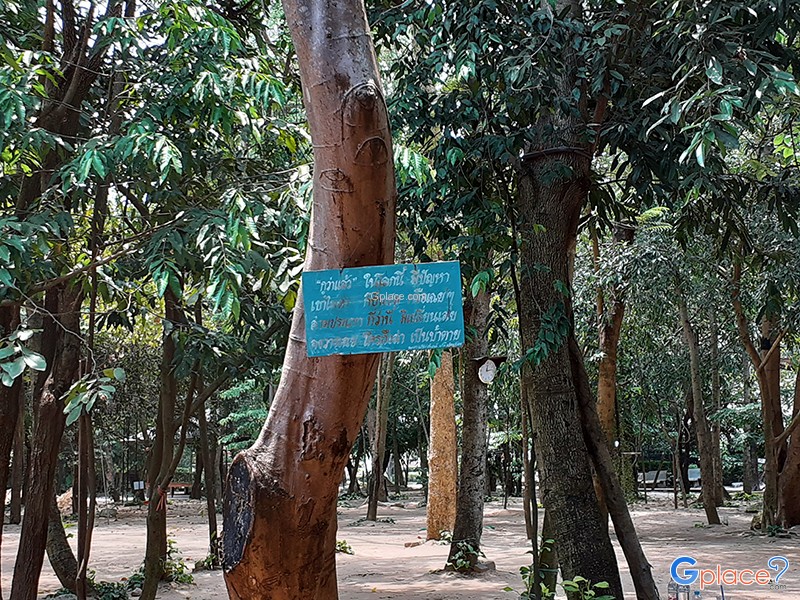
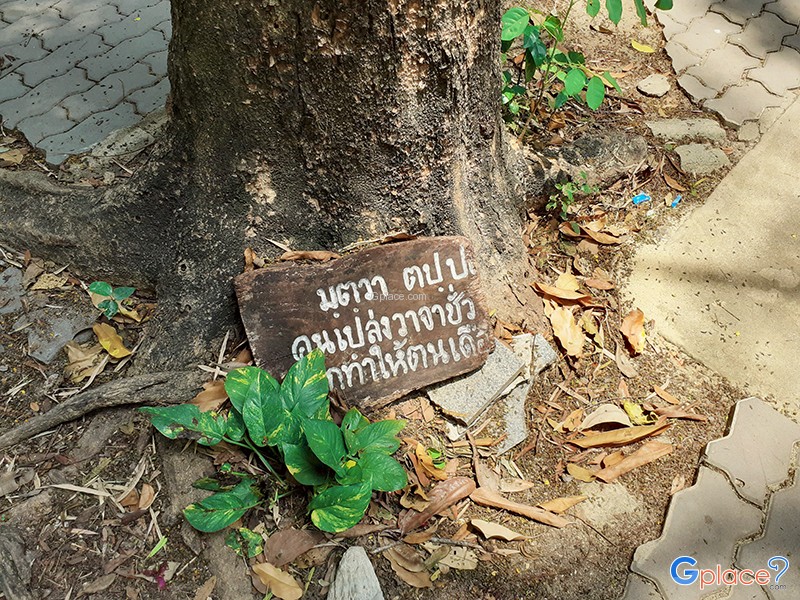
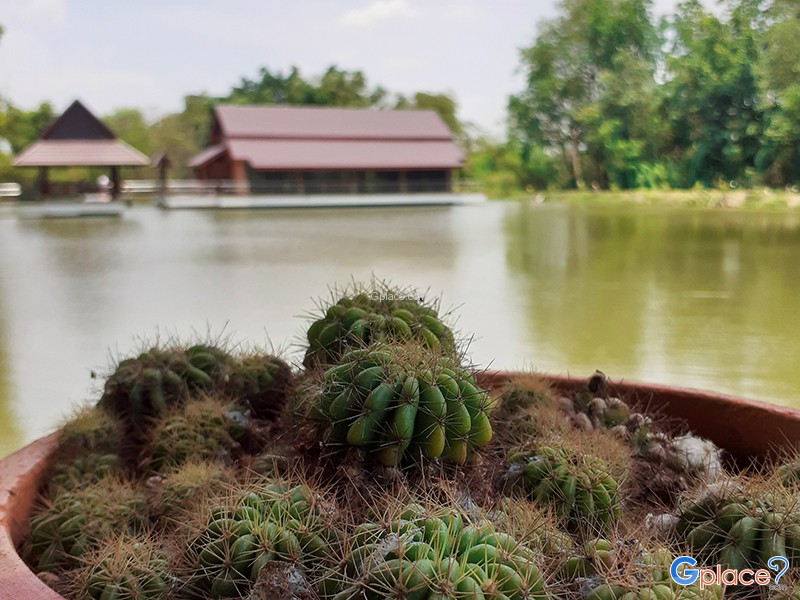
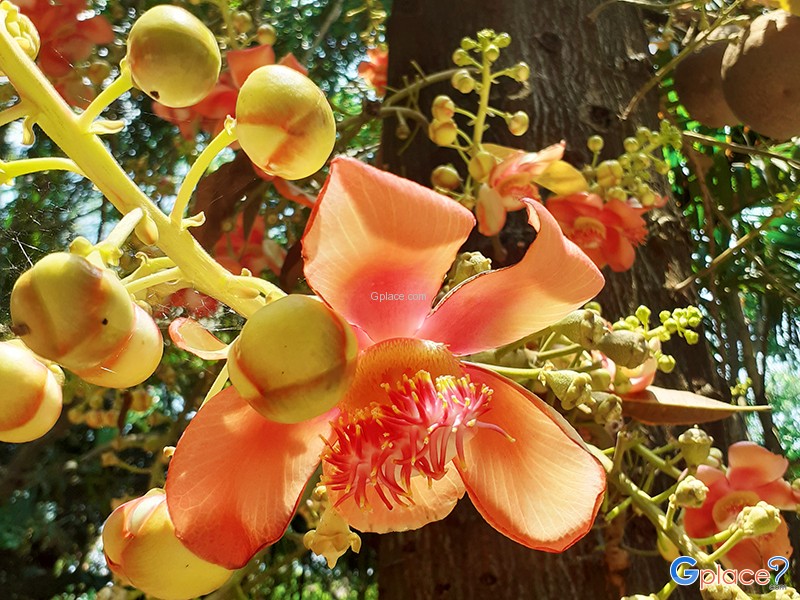
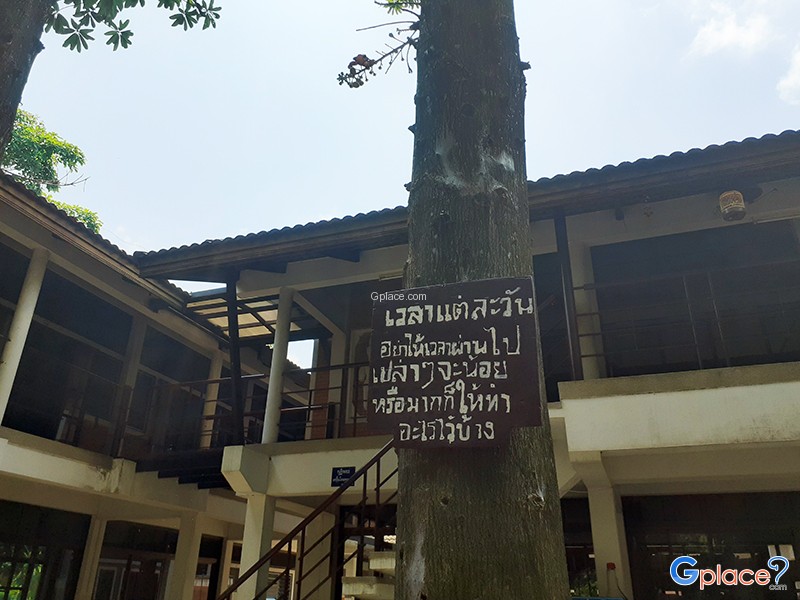
The atmosphere within the temple is peaceful, serene, and well-designed, unlike typical crowded tourist temples. The temple emphasizes cleanliness and simplicity, reflecting the practical Buddhist philosophy. Many visitors come to make merit, meditate, listen to sermons, and relax during weekends. The temple's spacious grounds and numerous large trees create a tranquil atmosphere ideal for mindfulness practice and escaping the hustle and bustle of the nearby city.
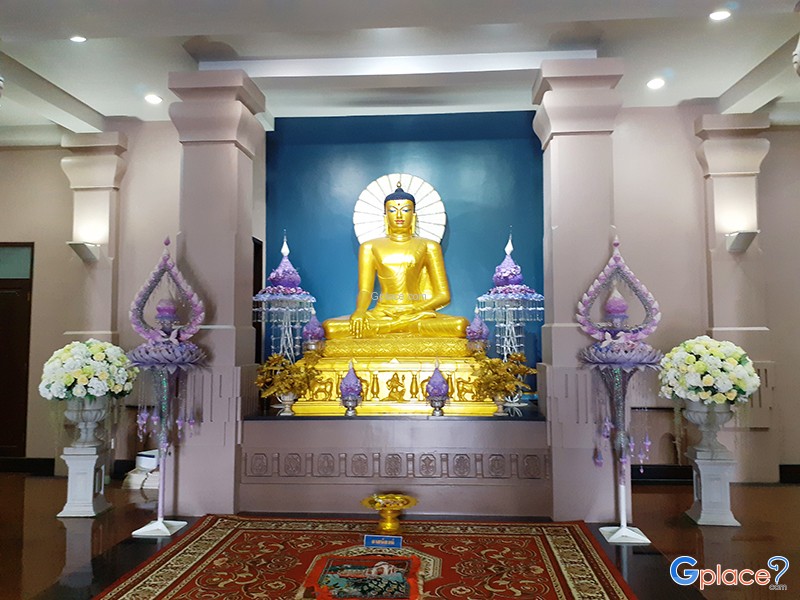
The most prominent feature of the temple is The "Bodh Gaya Pagoda," an architectural masterpiece inspired by the Mahabodhi Temple in Bodh Gaya, India—the site of the Buddha's enlightenment—is a striking, tall structure with a silver-gray color that stands out from typical Thai temples. Its architectural details are influenced by Indian Buddhist art, blended with contemporary Thai design, making it a significant landmark in Pathum Thani province. Tourists and devotees often take photos in front of the pagoda, especially during the morning or evening when sunlight reflects off the surface, creating beautiful nuances. Inside the pagoda, there are Buddha statues and areas for worship, designed for peaceful and orderly viewing.
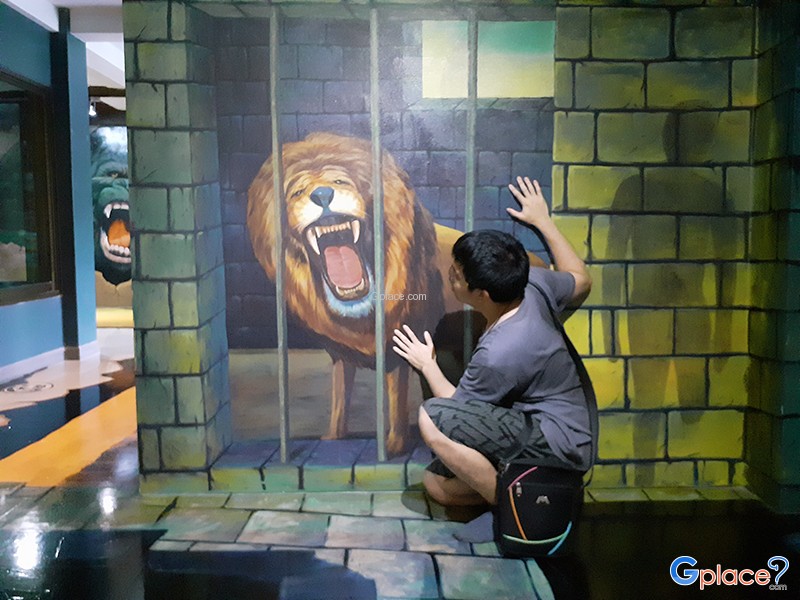
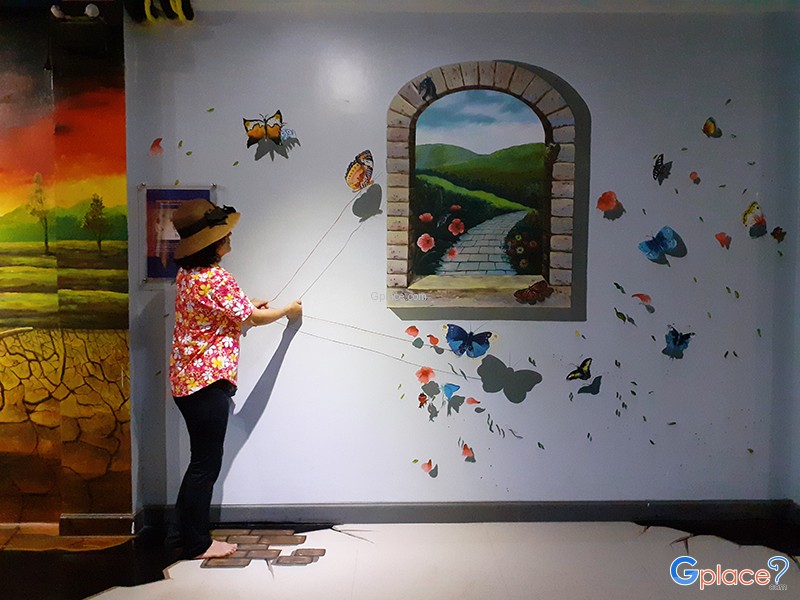
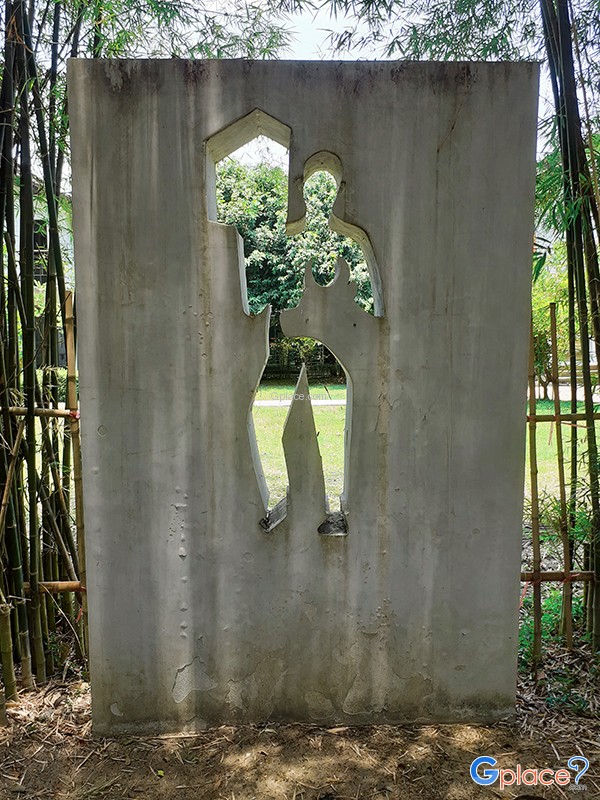
Another unique feature that has made Wat Panyanantaram widely known is the "3D Buddhist Enigma Paintings" zone located on the lower level of the pagoda. These paintings, created using three-dimensional art techniques, allow viewers to participate by taking photos and interpreting Buddhist teachings through easily understandable perspectives. The zone's core concept is to convey Buddhist principles such as the Four Noble Truths, the Law of Karma, the impermanence of life, and the truth about death through contemporary art, making them more accessible to younger generations or those unfamiliar with Buddhist studies. Many paintings are designed with hidden symbolic meanings. When viewed or photographed from a specific angle, realistic optical illusions are created, providing visitors with both fun and thought-provoking experiences.
Beyond its architectural and artistic beauty, Wat Panyanantaram plays a significant role in the dissemination of Buddhism and the practice of Dharma. The temple continuously organizes Dharma training, Vipassana meditation courses, and mental development activities for the public, students, and various organizations, following the teachings of Luang Por Panyananda Bhikkhu, who emphasized "building people" alongside the construction of religious sites. Therefore, the temple is recognized as one of the important centers of Buddhist learning in Pathum Thani province. Furthermore, it has received a royal visit from Her Royal Highness Princess Maha Chakri Sirindhorn, reflecting the temple's importance in both religion and education.
How to Get There
- From Bangkok, take Phahonyothin Road and turn into Khlong Luang Road (heading toward Nong Suea). Cross the bridge over Khlong 6 and continue for about 2 km. The entrance to Soi Wat Panya will be on your left with clear signage.
Travel Tips
- Dress modestly as the temple is a sacred religious site.
- Early morning visits offer cooler weather and a peaceful atmosphere.
- Late afternoon is ideal for photographing the pagoda in soft light.
- Shoes should be removed before entering the indoor Dhamma art zone.
Admission Fees:
- Free admission.
Opening Hours:
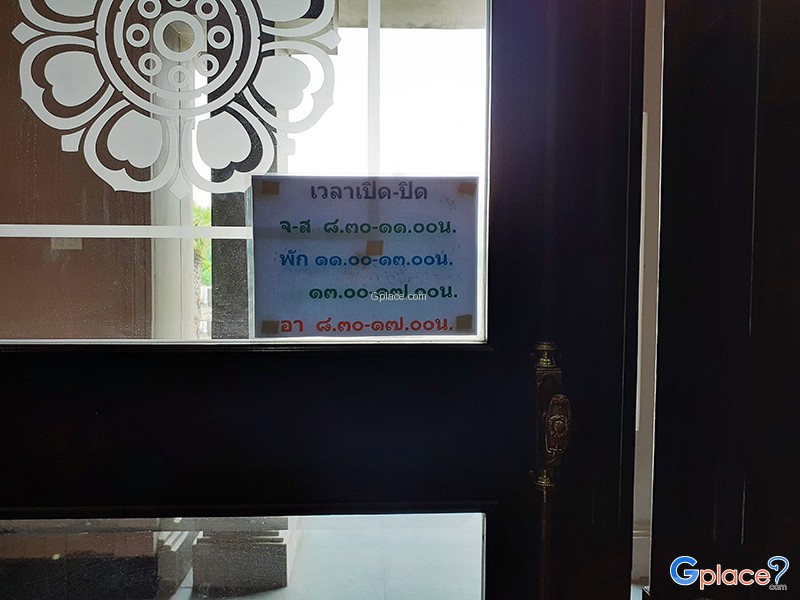
- Open daily from 08:00 AM – 04:30 PM.
Wat Panyanantaram

 Share
Share
 T.Khlong Hok, A.Khlong Luang, Pathum Thani, 12120
Map
T.Khlong Hok, A.Khlong Luang, Pathum Thani, 12120
Map
 Open now : 8.00 - 16.30
Mon8.00 - 16.30
Tue8.00 - 16.30
Wed8.00 - 16.30
Thu8.00 - 16.30
Fri8.00 - 16.30
Sat8.00 - 16.30
Sun8.00 - 16.30



 22
22