 Attractions
  Hotel
Hotel  Restaurant
  Shopping
  Abroad





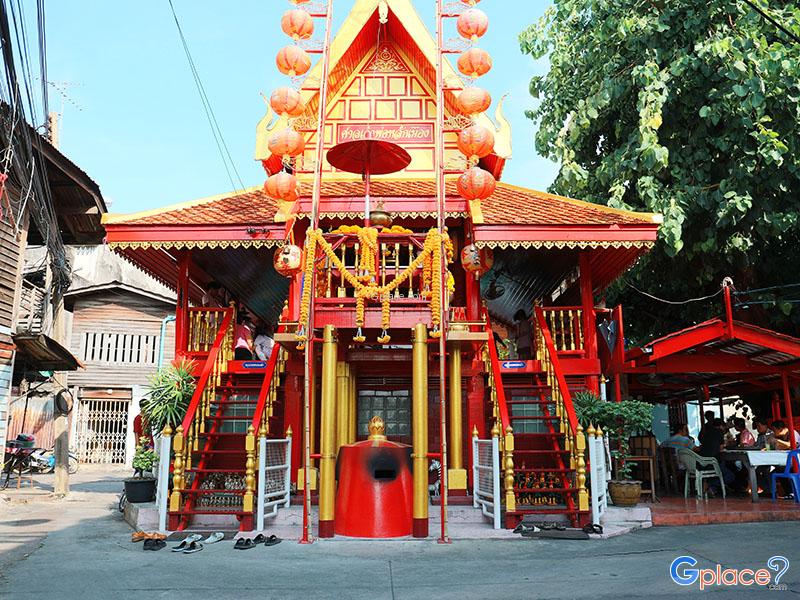

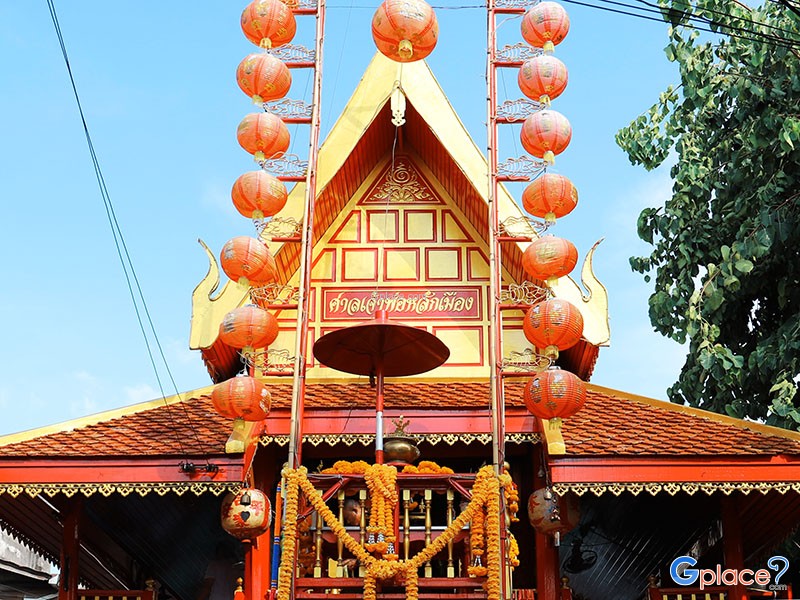

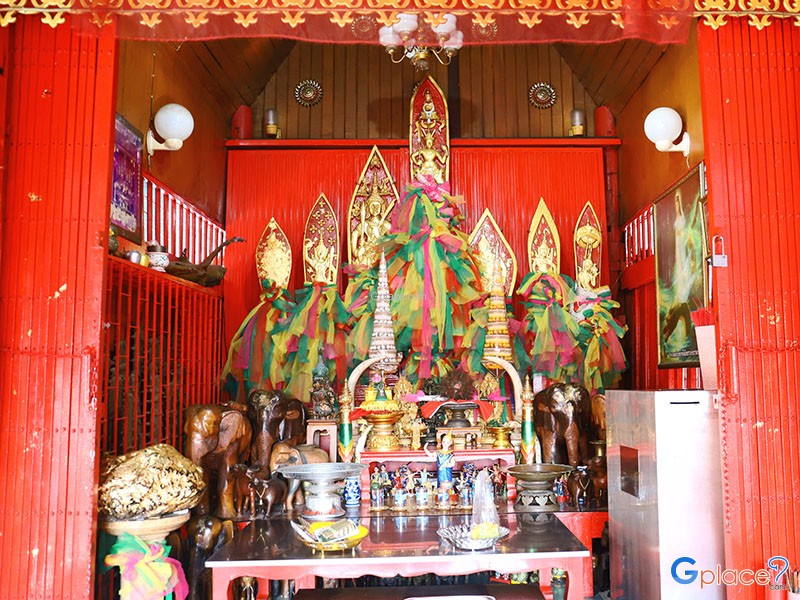
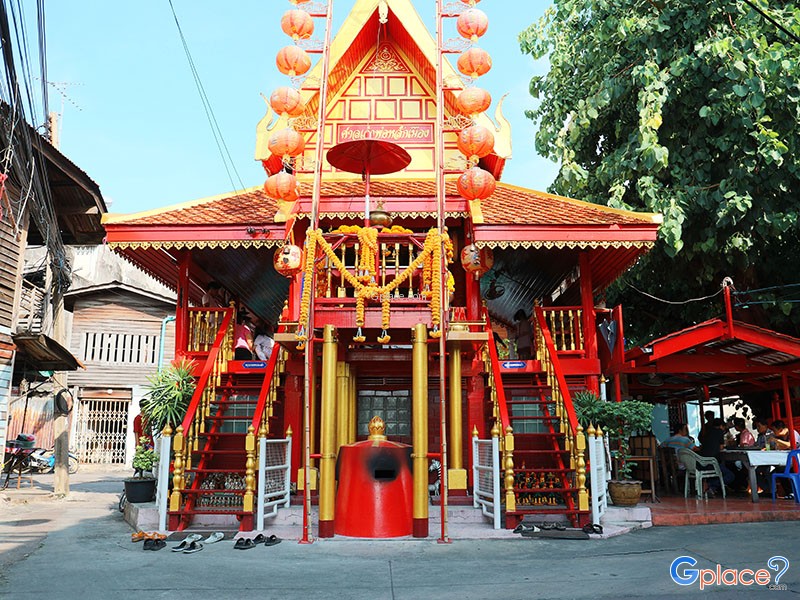
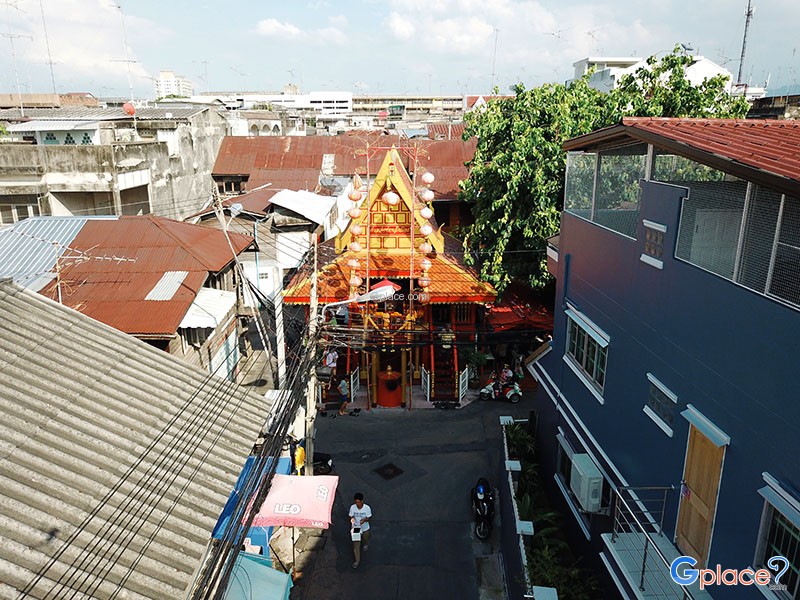
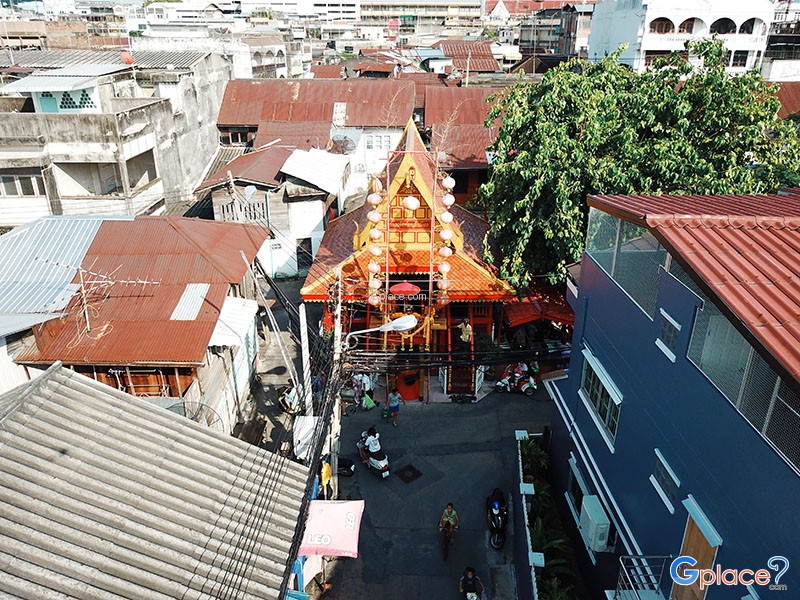
“Trace the history of the City Pillar’s establishment, which received the royal grace of King Rama IX for the anointing ceremony, serving as the ultimate symbol of unity for the people of Chonburi.”
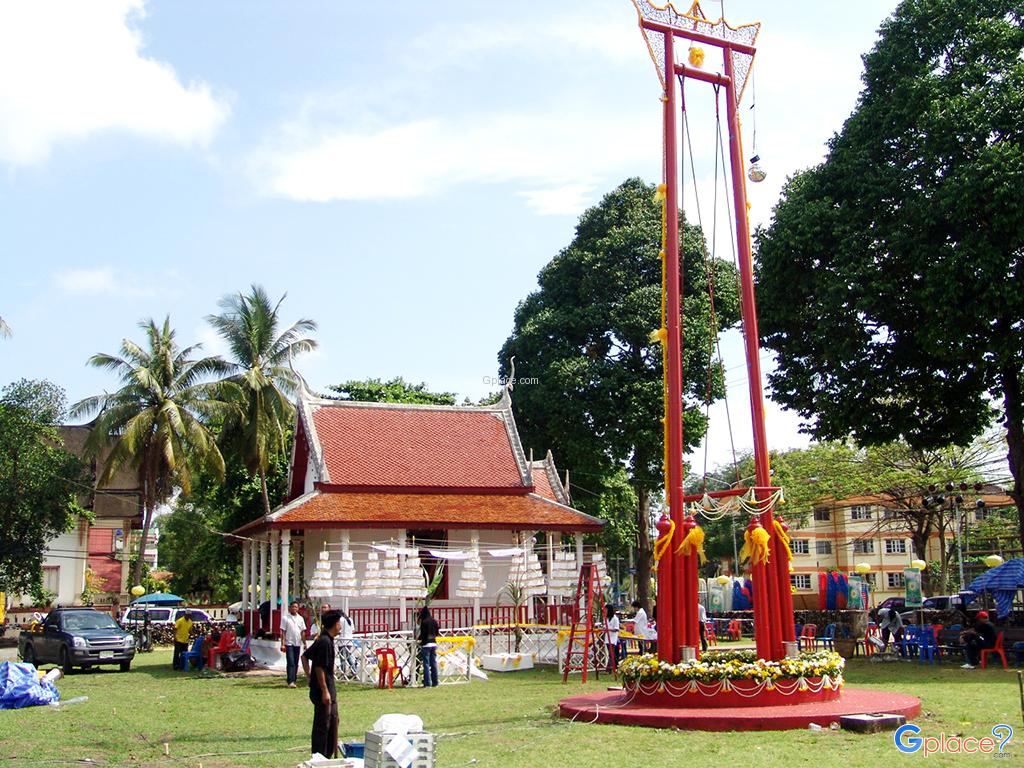
Chonburi City Pillar Shrine has a history that reflects the efforts of Chonburi's officials and citizens to create a Pillar of Victory for the province. The construction at its current site officially began in 1991 (B.E. 2534). It was driven by the desire for Chonburi to have a sacred monument symbolizing unity and auspiciousness, following the ancient belief that a perfect city must consist of important temples, a guardian Buddha image, and a City Pillar to house the guardian deities who protect the land.
The most significant event in its history occurred on May 19, 1992 (B.E. 2535), when His Majesty King Bhumibol Adulyadej the Great (Rama IX) graciously designated Her Royal Highness Princess Maha Chakri Sirindhorn to represent him in the foundation stone-laying ceremony. During this time, the King performed the sacred anointing of the City Pillar’s crest at the Chitralada Villa before it was ceremoniously enshrined. The pillar is made of Chaiyaphruck wood (Javanese Cassia), an auspicious wood symbolizing "Victory" and Greatness.
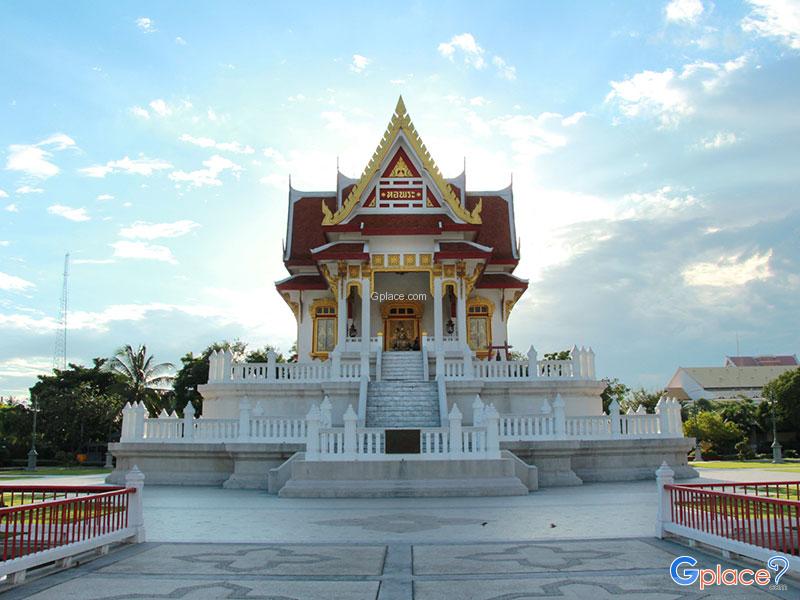
Regarding its architecture, the shrine was designed by the Fine Arts Department as a Chaturamuk (four-porched) structure with a spire-topped roof, masterfully blending Ayutthaya and Rattanakosin styles. The construction was completed with a grand celebration in 2001 (B.E. 2544). This marked the beginning of the area becoming the center for major provincial traditions, such as the Phra Phuttha Sihing pilgrimage and Songkran festivals, where sacred rituals are always held.
An important historical fact to note is the strategic selection of its site on Wachira Prakan Road, a historic street passing through the old commercial district near the original Provincial Hall. This ensures the shrine is at the heart of both administration and the people's daily lives. There are also local stories regarding the miraculously smooth construction process, leading citizens to believe that the guardian spirits have blessed Chonburi ever since.
Today, the shrine is not just a place of worship but a historical witness to Chonburi’s transition from a coastal town to a major economic hub. It preserves cultural roots and deep-seated beliefs, offering visitors a chance to learn about the faith intertwined with administrative power and the way of life in the East.
How to Get There
-
By Private Car: Drive on Sukhumvit Road toward District Mueang Chonburi. At the Phra Phuttha Sihing intersection, turn into Wachira Prakan Road; the shrine is on the right.
-
By Public Transport: Take a Bangkok-Chonburi bus to the Phra Phuttha Sihing Shrine, then walk about 300 meters.
-
Parking: Parking is available along Wachira Prakan Road or around the Chonburi Provincial Hall
Travel Tips
-
Recommended Time: For history buffs and photographers, 08:00 AM - 10:00 AM is best for beautiful light and fewer crowds.
-
Preparation: The area is an open courtyard and can be hot; bringing a hat or umbrella is recommended.
-
Key Detail: Observe the top of the pillar, which is carved into a four-faced Brahma, representing the "Four Sublime States of Mind" for city rulers.
-
Offerings: Marigolds (prosperity) and three-colored fabrics are popular, available at the service point inside.
-
Caution: Do not apply gold leaf directly to the original wooden pillar; please use the provided replica to preserve the authentic wood.
Admission Fee:
- No Admission Fee.
Opening Hours:
-
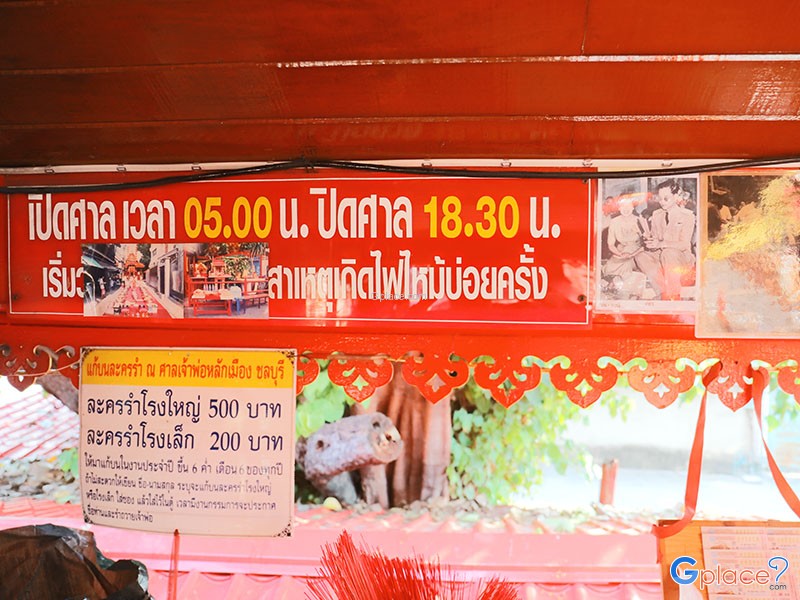
Daily: 07:00 AM – 18:30 PM
Chonburi City Pillar Shrine

 Share
Share
 Bang Pla Soi Subdistrict, Mueang Chonburi District, Chonburi
Map
Bang Pla Soi Subdistrict, Mueang Chonburi District, Chonburi
Map
 Closed today
Mon7.00 - 18.30
Tue7.00 - 18.30
Wed7.00 - 18.30
Thu7.00 - 18.30
Fri7.00 - 18.30
Sat7.00 - 18.30
Sun7.00 - 18.30



 106
106