
 Attractions
  Hotel
Hotel  Restaurant
  Shopping
  Abroad





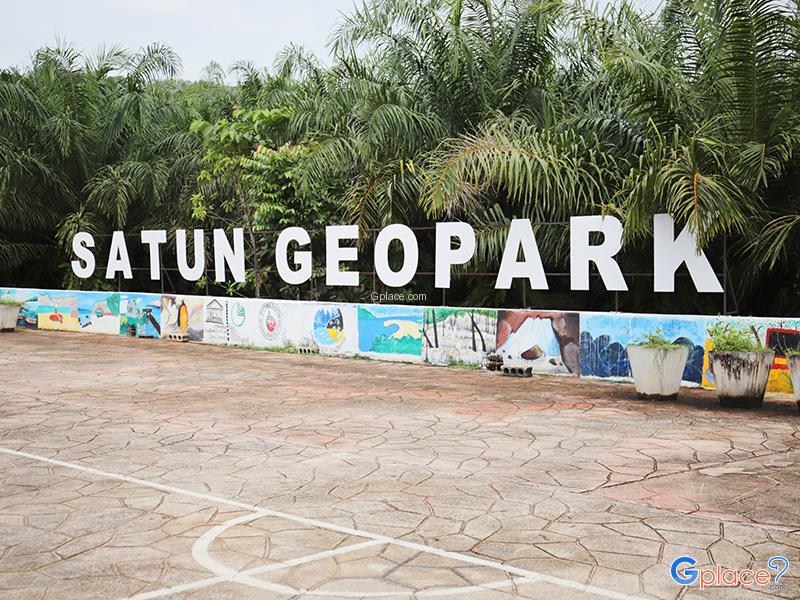

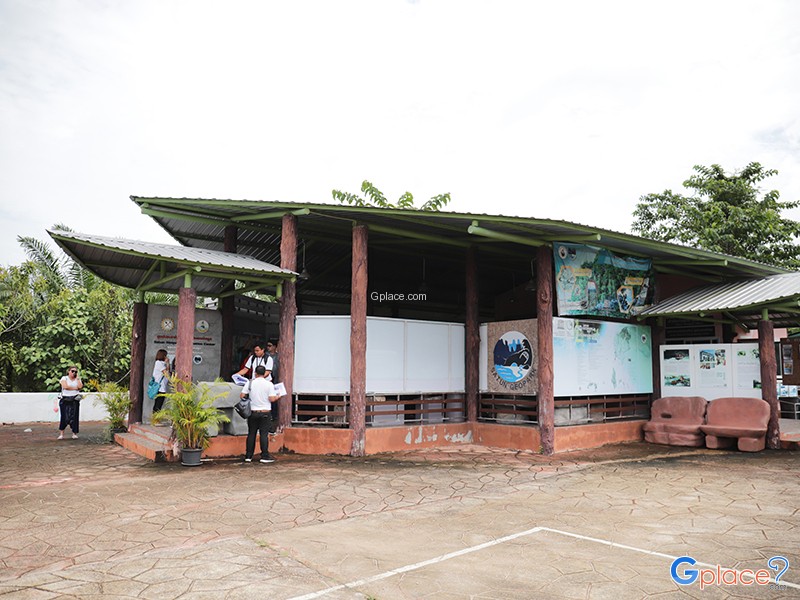
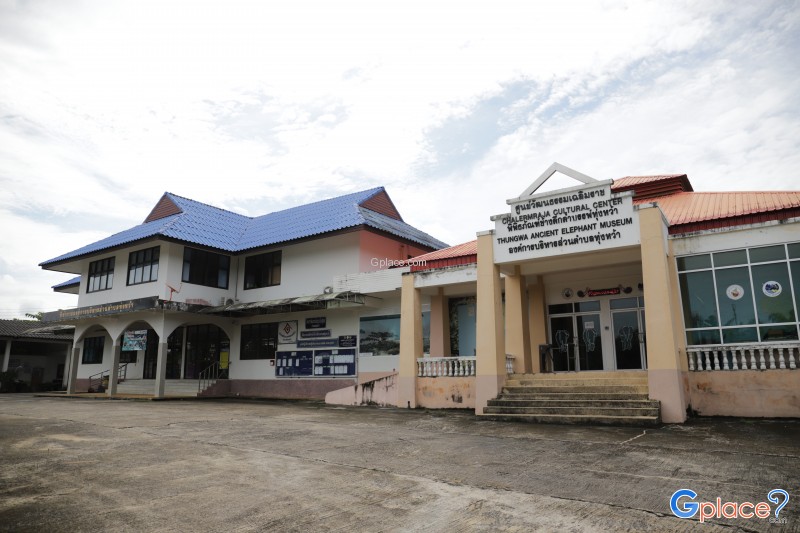

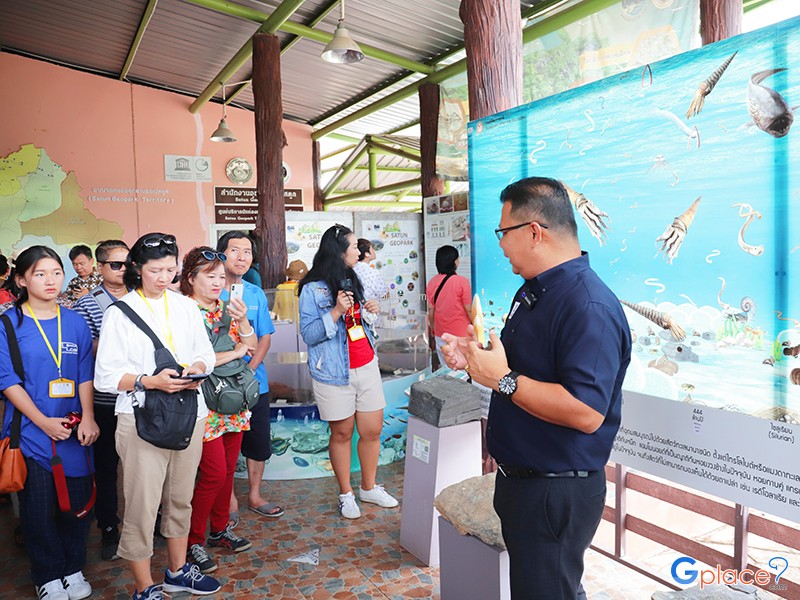
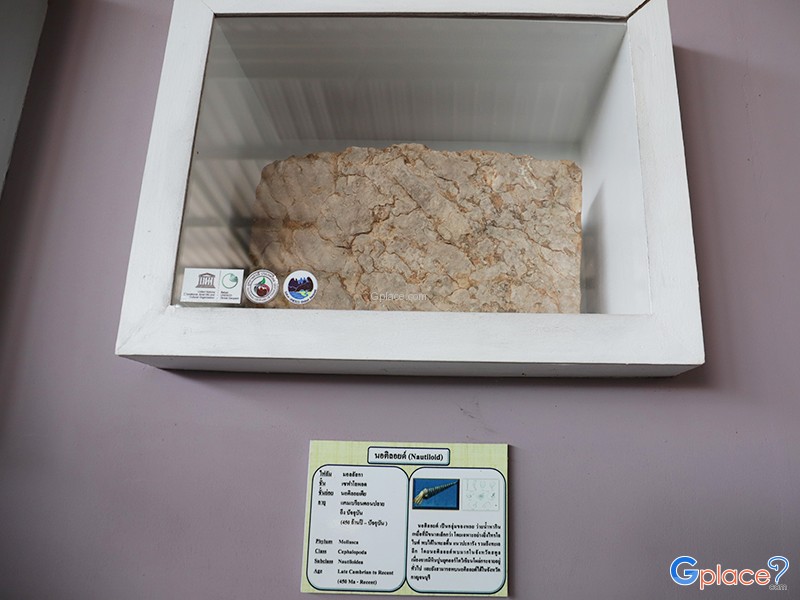
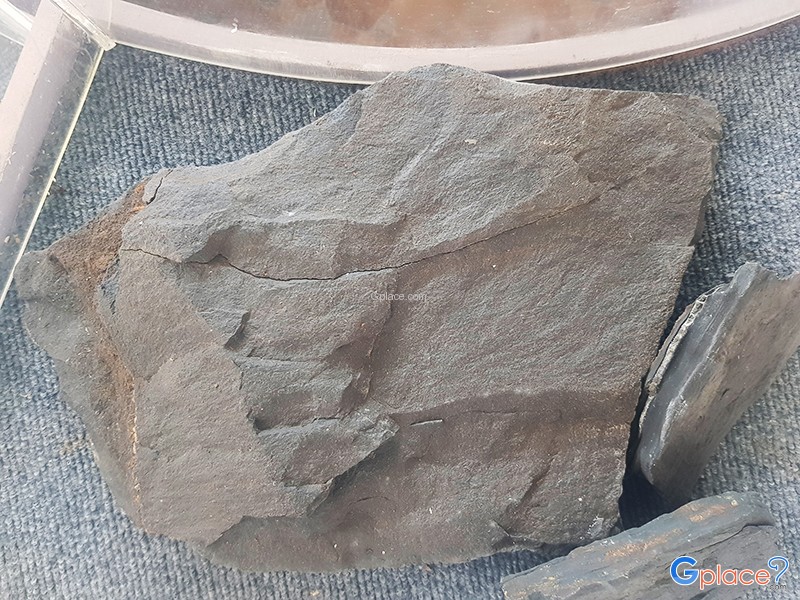
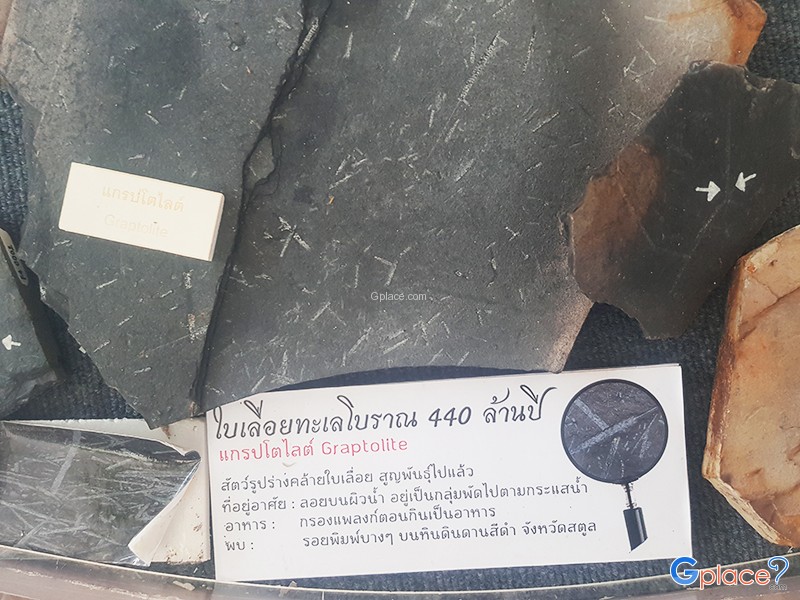
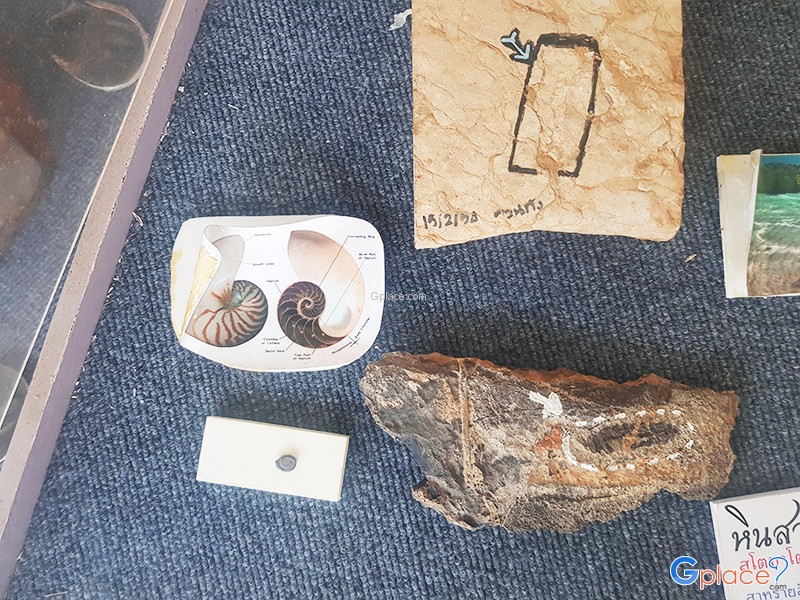

“Thailand's first Global Geopark center featuring Southeast Asia's most complete Paleozoic fossils and stunning prehistoric exhibitions, providing world-class geological knowledge recognized by UNESCO standards.”
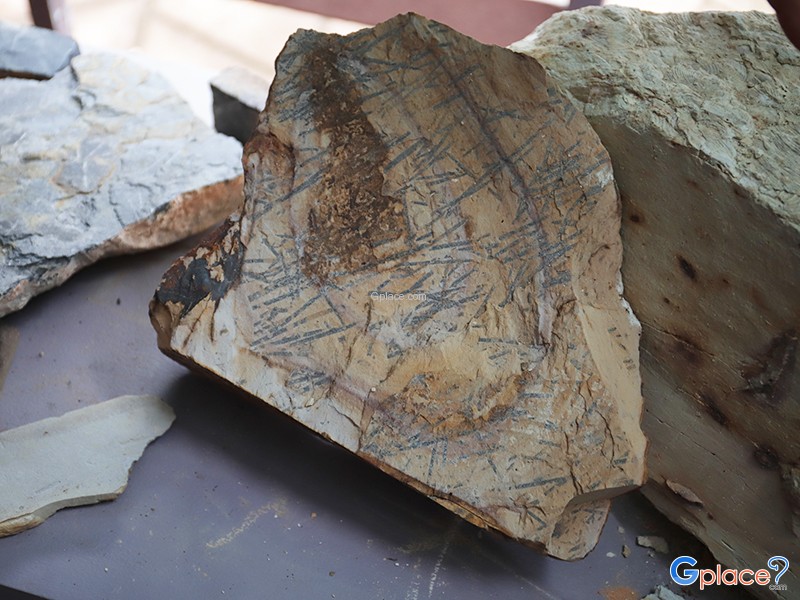
Satun Geopark Museum, situated within the Thung Wa Subdistrict Administrative Organization, serves as the primary gateway to Thailand’s first UNESCO Global Geopark. This site holds immense international significance as it provides evidence of fossils spanning all six periods of the Paleozoic Era—from the Cambrian to the Permian—covering a timeline of approximately 541 to 252 million years ago. Geological records indicate that the Satun area was once part of the Gondwana supercontinent's margin and existed as a shallow tropical sea with exceptionally high biodiversity hundreds of millions of years ago.
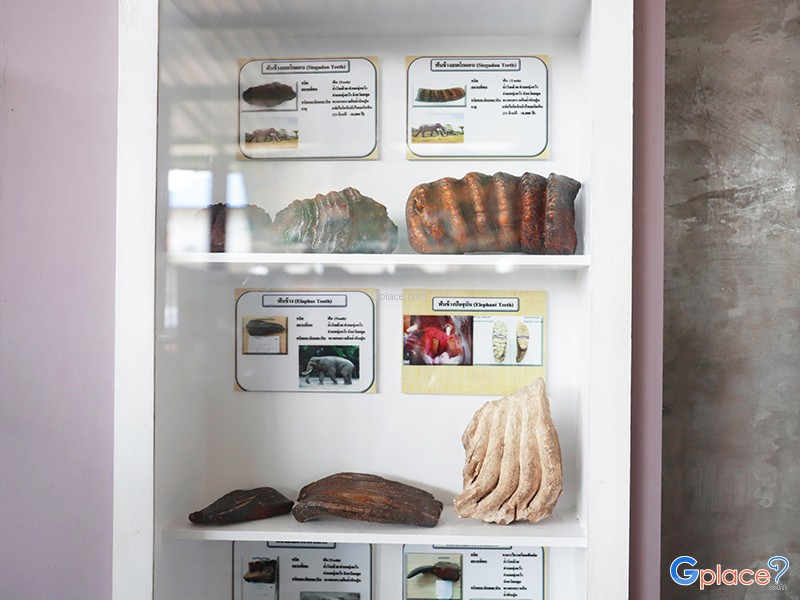
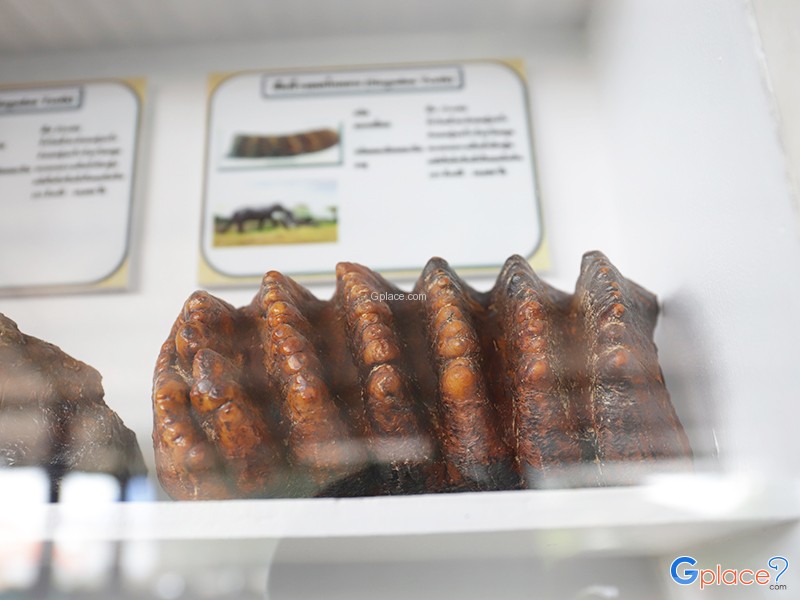
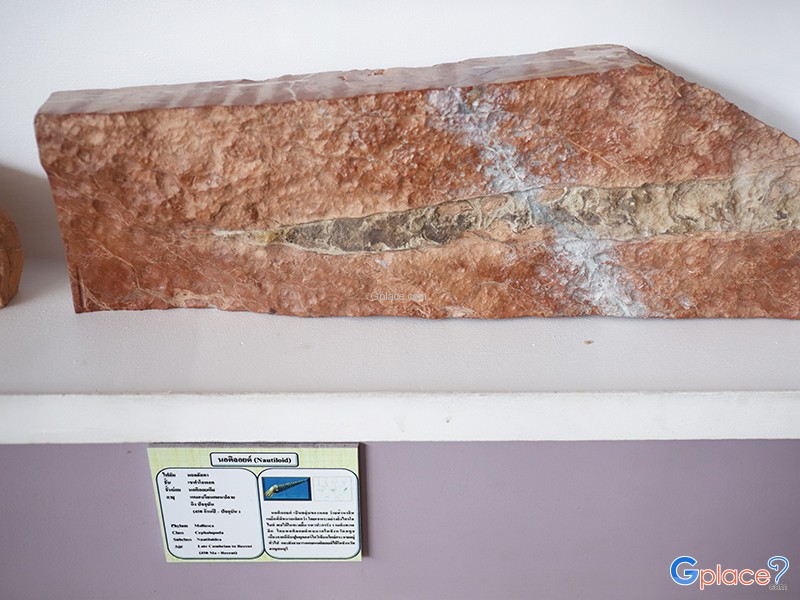
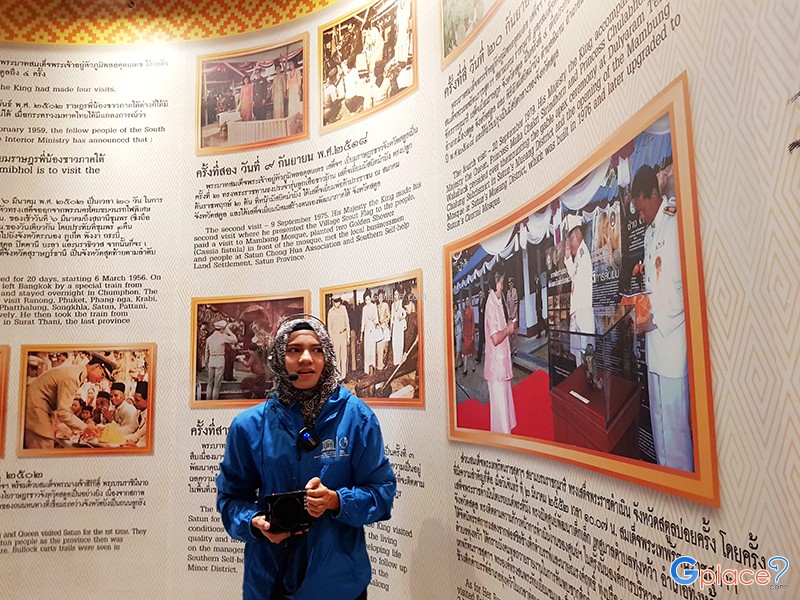
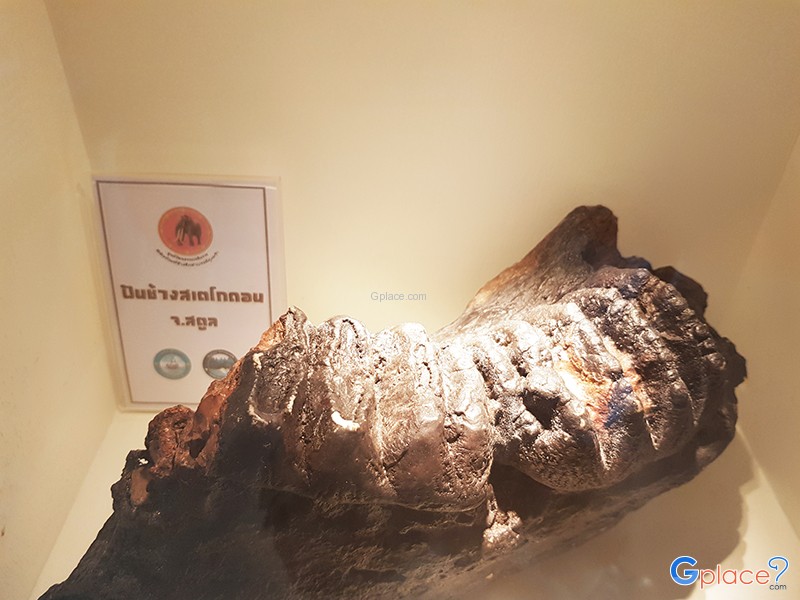
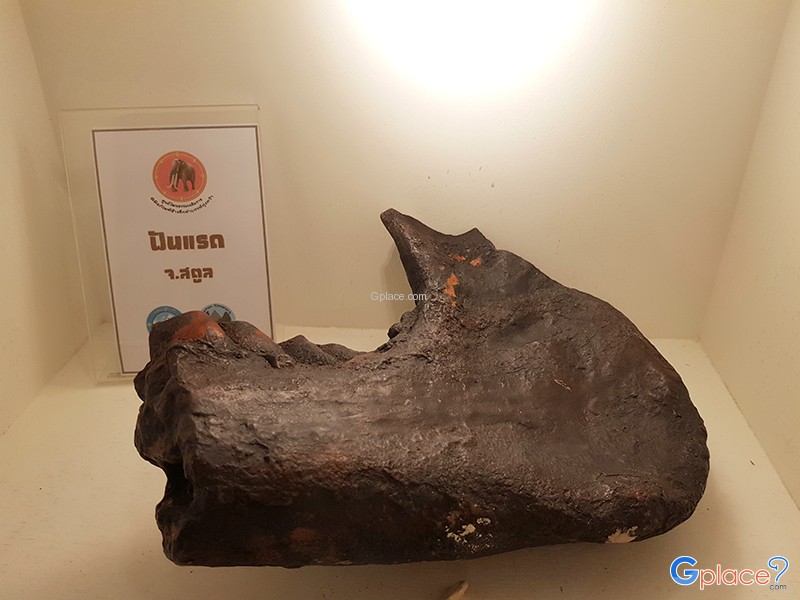
The museum’s interior is systematically organized to bridge the gap between complex geology and local history. The exhibition begins with the fundamental principles of plate tectonics and the formation of mountain ranges in Southern Thailand. The undisputed highlight is the display of "Nautiloids" (ancient shelled cephalopods) and "Trilobites" discovered in local shale and limestone layers. Furthermore, there is a dedicated section explaining the monumental discovery of a Stegodon elephant’s molar in the nearby Tham Le Stegodon (Stegodon Sea Cave). This discovery was a pivotal turning point that accelerated the area’s path to UNESCO status, as it confirmed the migration of Pleistocene mammals across the peninsula.
Beyond its academic contributions, the museum functions as a hub for sustainable tourism management. It integrates the concept of "Geo-Culture," showcasing how geological heritage is intertwined with local traditions, such as the adaptation of fossil patterns into community handicrafts and local cuisine. Visitors can explore the geological conservation processes driven by the Thung Wa community, where locals have transitioned into eco-tourism guides. Consequently, this museum is more than just a repository for artifacts; it is a living institution that reflects the continuous evolution of the Earth and the resilient connection between nature and humanity.
How to Get There
- From Satun city center, take Highway 404 heading towards Thung Wa District. The museum is located within the grounds of the Thung Wa Subdistrict Administrative Organization (SAO), with clear signage along the route.
Travel Tips
- Allow at least 1–2 hours to fully explore all exhibition zones
- Visit in the morning to avoid heat and crowds
- Ideal for families and children interested in fossils and geology
- Visit before heading to Tham Le Stegodon for better understanding
Admission Fees:
- Free admission.
Opening Hours:
- Monday – Friday, 08:30 AM – 04:30 PM (Closed on weekends and public holidays)
Satun Geopark Museum

 Share
Share
 T.Thung Wa, A. Thung Wa, Satun, 91120
Map
T.Thung Wa, A. Thung Wa, Satun, 91120
Map
 Closed today
Mon8.00 - 16.30
Tue8.00 - 16.30
Wed8.00 - 16.30
Thu8.00 - 16.30
Fri8.00 - 16.30
Sat -
Sun -



 24
24