 Attractions
  Hotel
Hotel  Restaurant
  Shopping
  Abroad






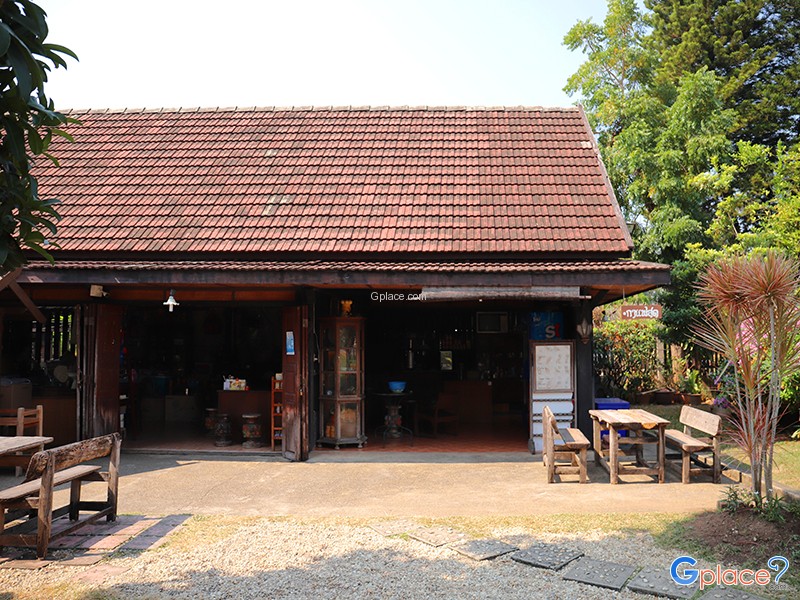
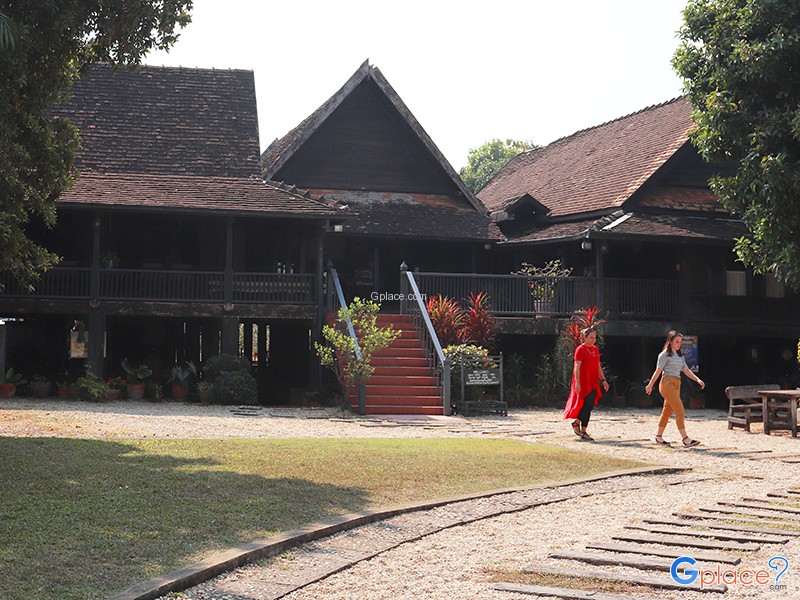
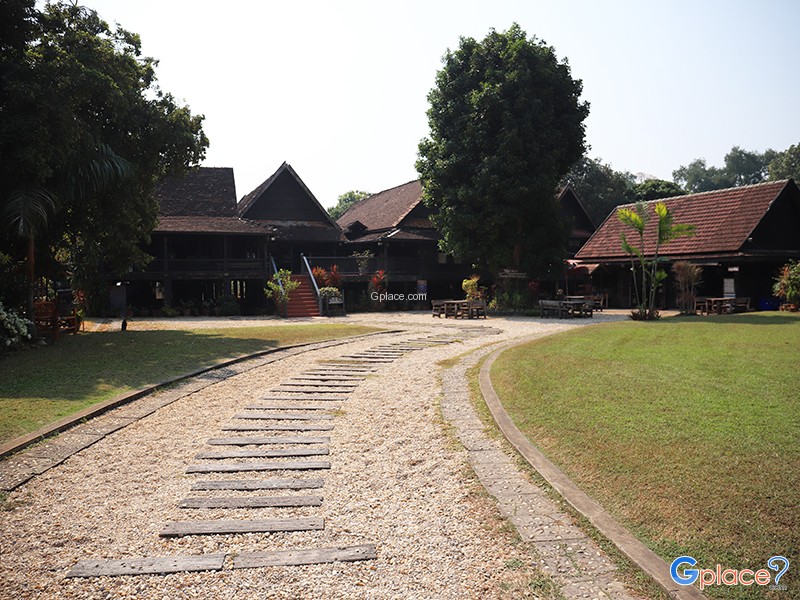
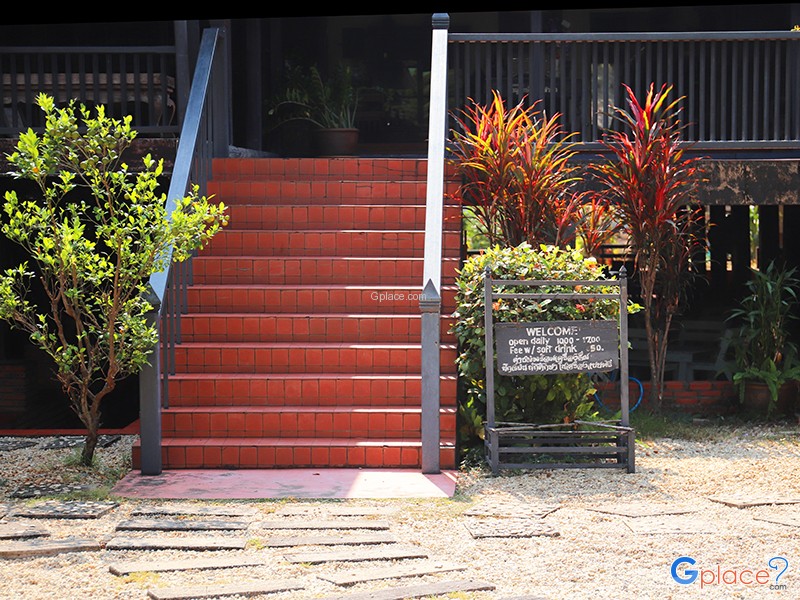
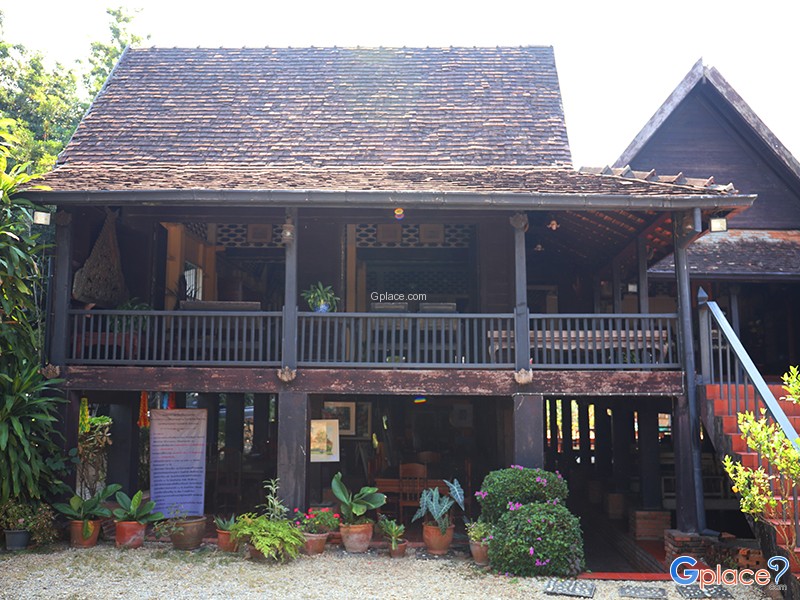
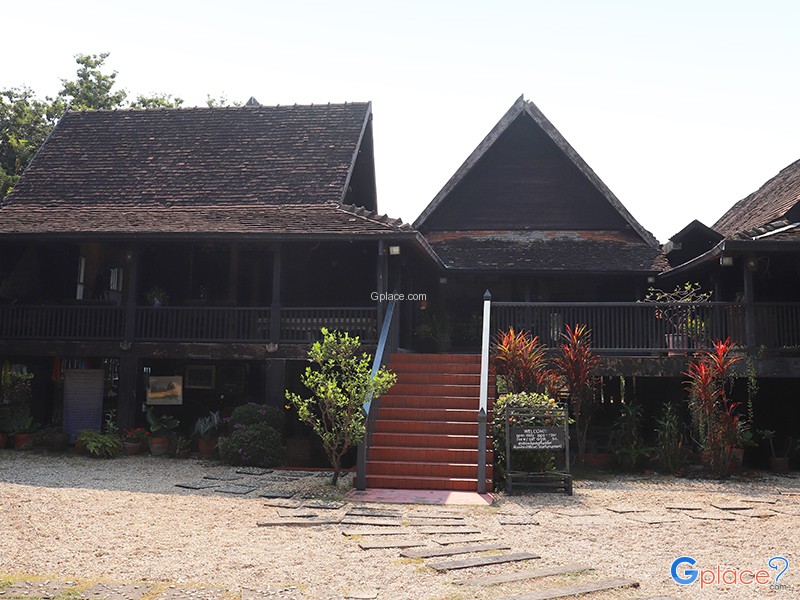
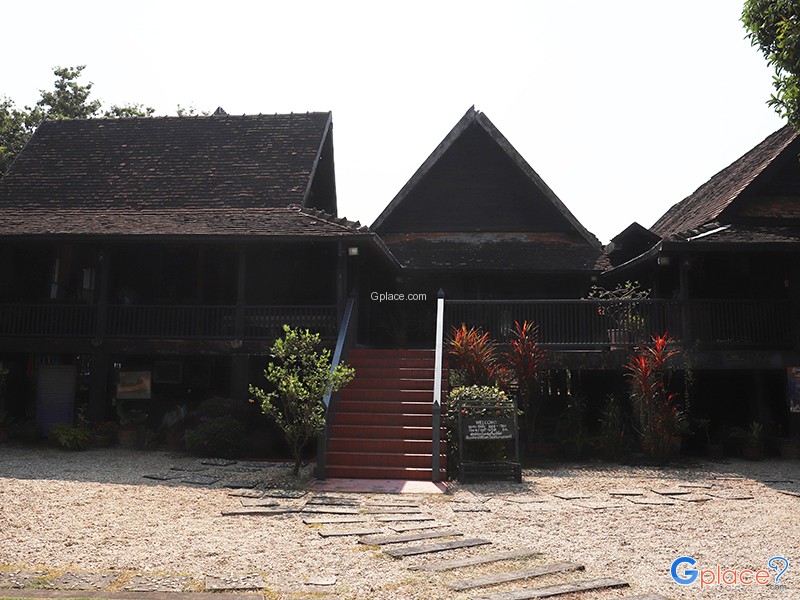
“A historic teakwood mansion supported by 116 teak pillars, showcasing a unique blend of Lanna and Burmese architecture, antique collections, and a 140–150-year-old Saraphi tree standing gracefully in front of the house.”
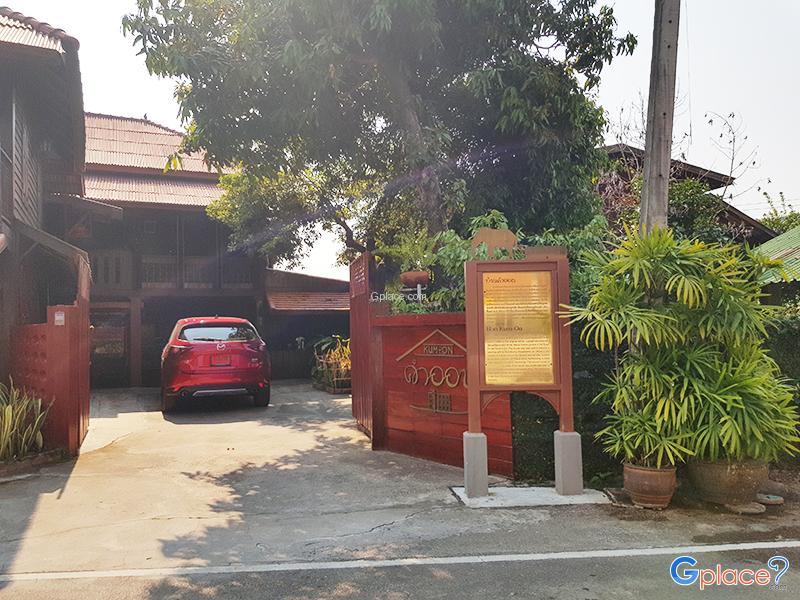
Baan Sao Nak (The House of Many Pillars) is one of the most famous historic houses in Lampang. Located in the old Wiang Nuea historic district, the house reflects the prosperity of Lampang during the golden age of the teak-logging industry.
The house was built around 1895 (B.E. 2438) by Maung Chan Ong, a wealthy Burmese teak merchant who settled in Lampang. He later became the ancestor of the Chantharawirot family, who have preserved the house as an important cultural heritage site.
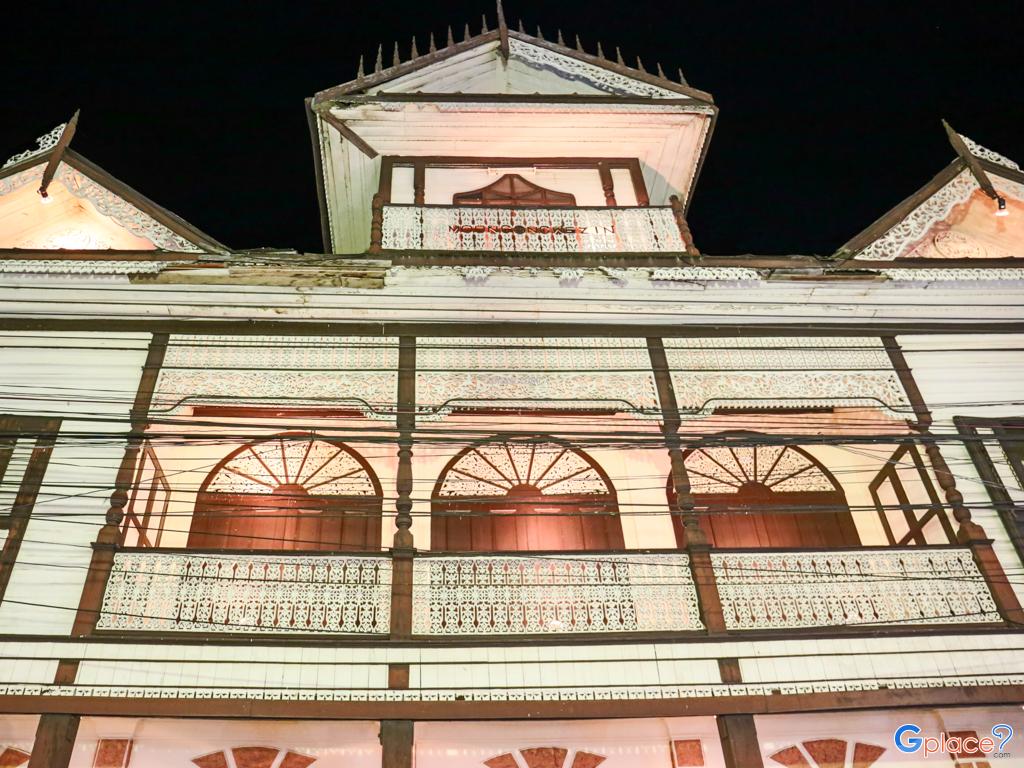
Constructed entirely from teakwood, the house follows the traditional Lanna “group house” style, consisting of several connected wooden structures with wide verandas. The building is supported by 116 teak pillars, which is the origin of the name “Baan Sao Nak.” In the northern Thai dialect, the word “Nak” means “many.”
Architecturally, the house represents a beautiful combination of Lanna and Burmese design elements. The roof structure follows the traditional Lanna style, while the surrounding verandas (phalai) reflect Burmese architectural influence. This blend reflects the cultural exchange that occurred during the era when Burmese teak merchants played a major role in Lampang’s economy.
In front of the house stands a Saraphi tree estimated to be around 140–150 years old, providing shade and adding to the charm of the property. In the past, Baan Sao Nak served as a venue for welcoming important guests, hosting Khantoke dinners, and organizing ceremonial events.
Today, the house is maintained by Khun Pimpachak Chivarak, a descendant of the family, and has been opened to the public as a cultural museum of Lampang. Inside the house, visitors can explore a collection of rare antiques and household items such as the elephant saddle of the Lampang ruler, antique chests, traditional fabric-pleating tools, iron safes, lacquerware, silverware, and historical photographs including portraits of Princess Dara Rasmi and the original house owners.
Around the property visitors can also see a traditional rice granary, which reflects the agricultural lifestyle of northern Thai communities in the past. With its unique architecture and cultural significance, Baan Sao Nak remains one of Lampang’s most important historical landmarks.
How to Get There
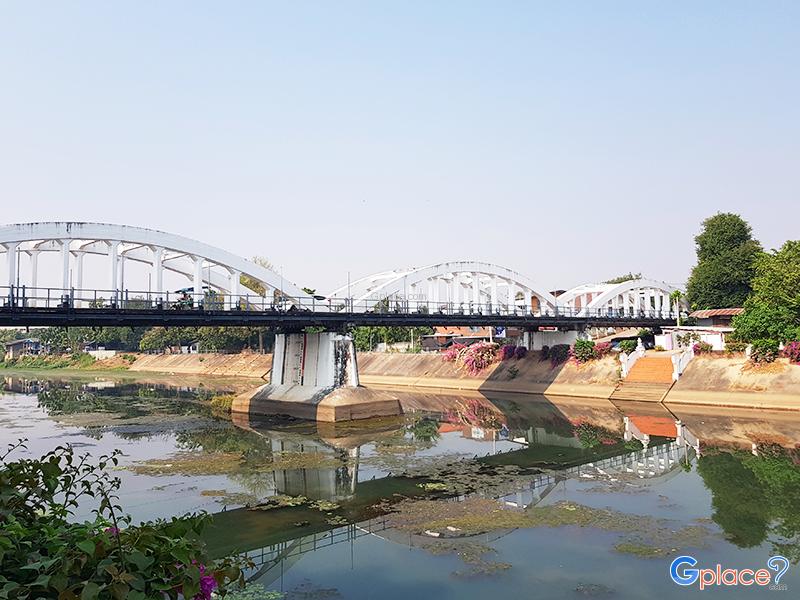
- By Car: From Lampang city center, cross Ratsadaphisek Bridge into the Wiang Nuea area, then follow Ratsadawatana Road. Direction signs to Baan Sao Nak are clearly visible, and parking is available in front of the house.
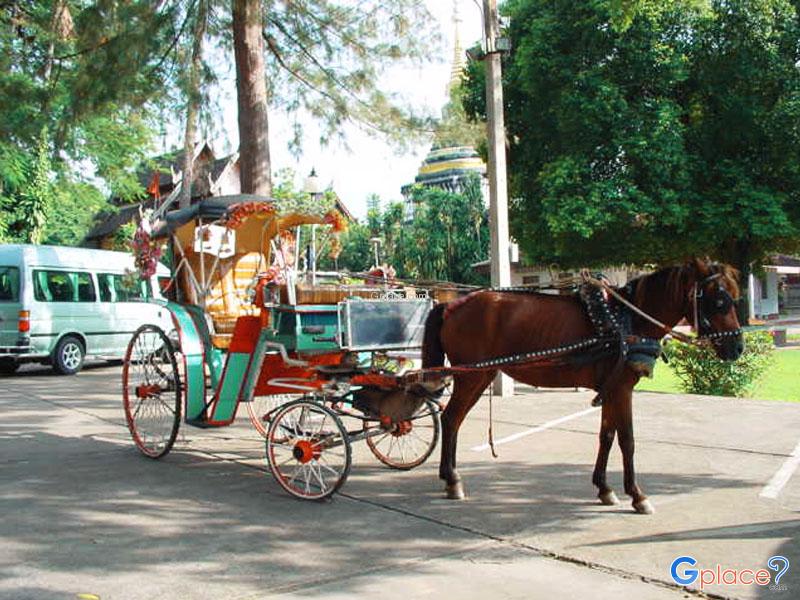
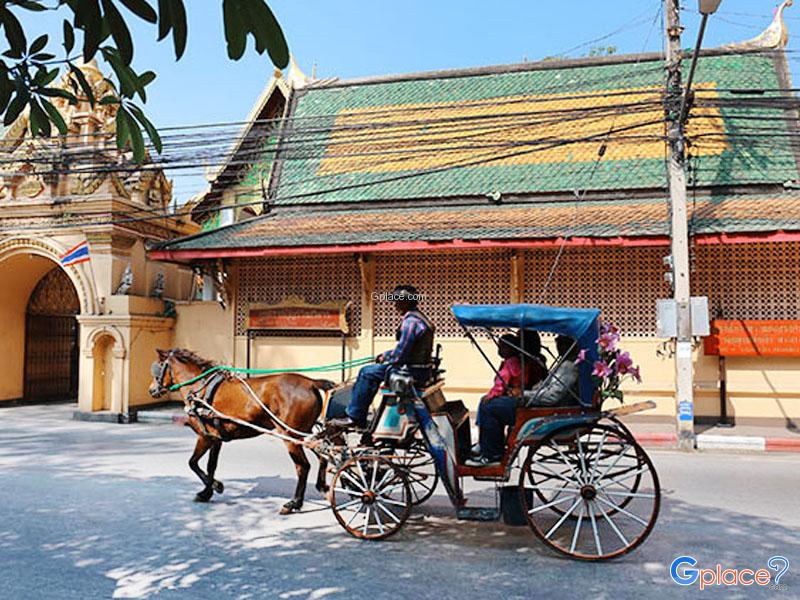
- Horse Carriage: Baan Sao Nak is one of the most popular stops on the Lampang horse-carriage sightseeing route, making it a convenient place to visit while exploring the old city.
Travel Tips
-
The most famous photo spot is under the house, where rows of teak pillars create a striking perspective.
-
The entrance fee includes herbal drinks and traditional local snacks.
-
Visit in the morning or late afternoon for the best natural light for photography.
-
Walk carefully inside the house as it is a historic wooden structure with delicate antiques.
-
You can combine this visit with nearby attractions such as Wat Pong Sanuk, Wat Sri Chum, and Lampang Old Town streets.
Admission Fee:
- Adults: 50 THB (includes herbal drink and local snack) Students: Discount available
Opening Hours:
- Open daily 10:00 AM – 5:00 PM
Baan Sao Nak

 Share
Share
 6 Ratsadawatana Road, Wiang Nuea, Mueang Lampang, Lampang 52000
Map
6 Ratsadawatana Road, Wiang Nuea, Mueang Lampang, Lampang 52000
Map
 Closed today
Mon10.00 - 17.00
Tue10.00 - 17.00
Wed10.00 - 17.00
Thu10.00 - 17.00
Fri10.00 - 17.00
Sat10.00 - 17.00
Sun10.00 - 17.00



 1032
1032