 Attractions
  Hotel
Hotel  Restaurant
  Shopping
  Abroad







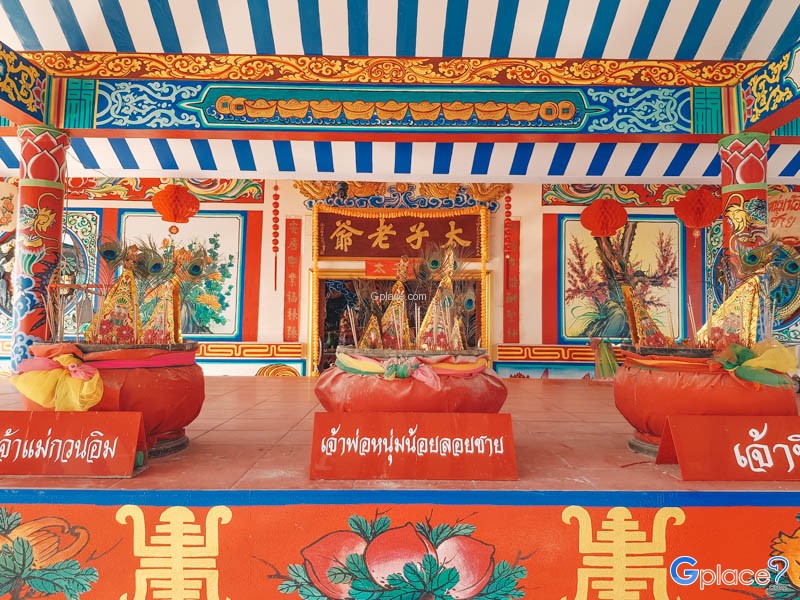
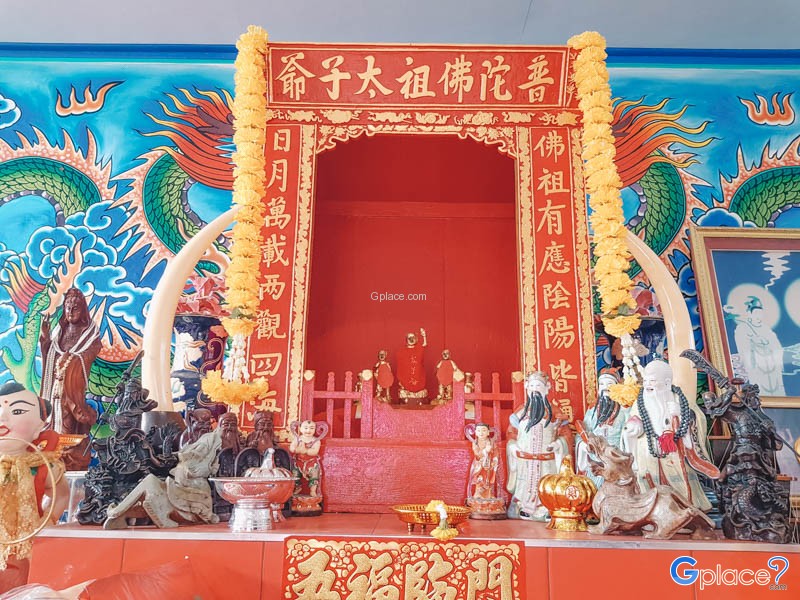
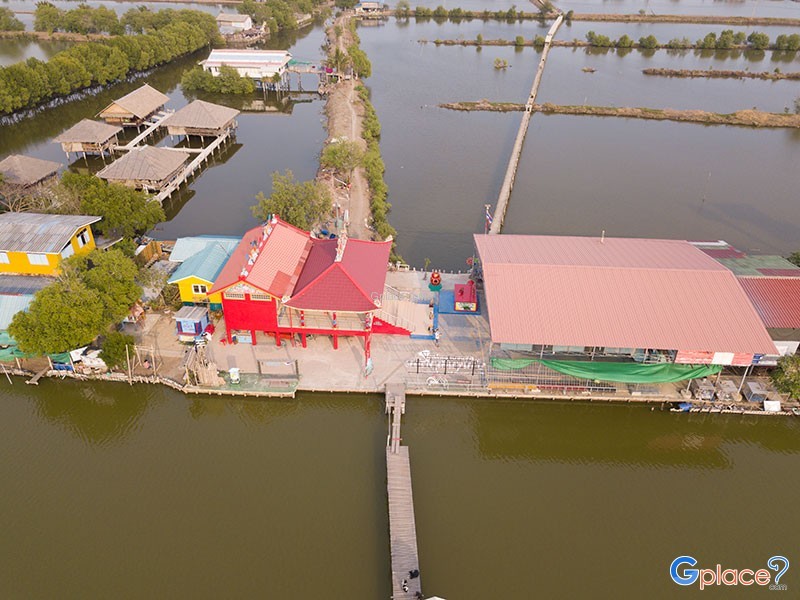
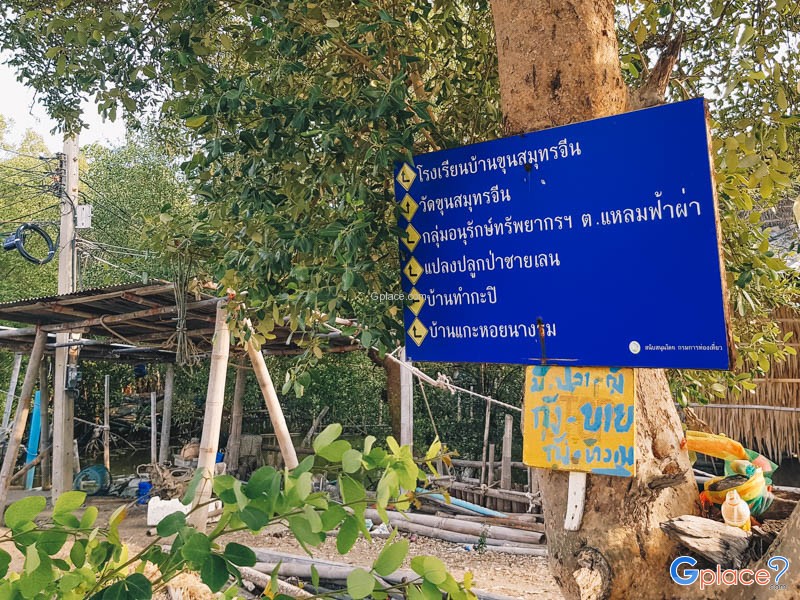
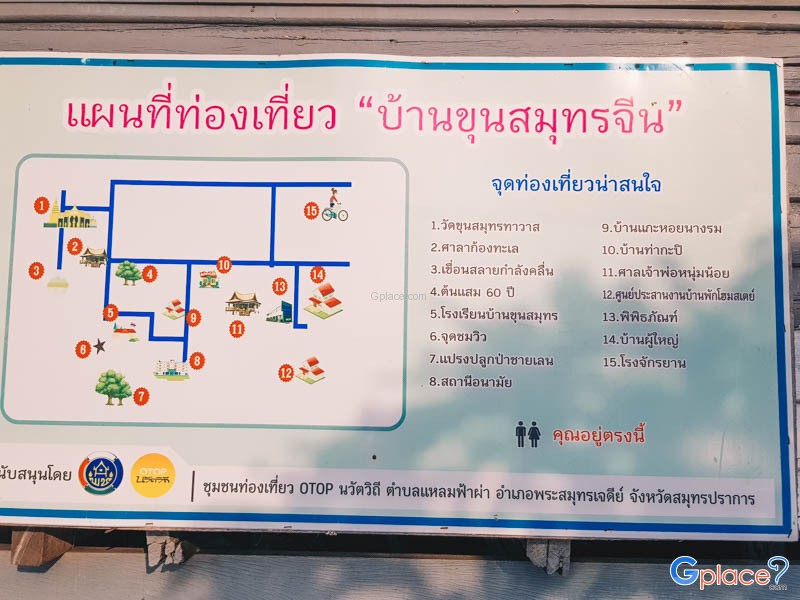
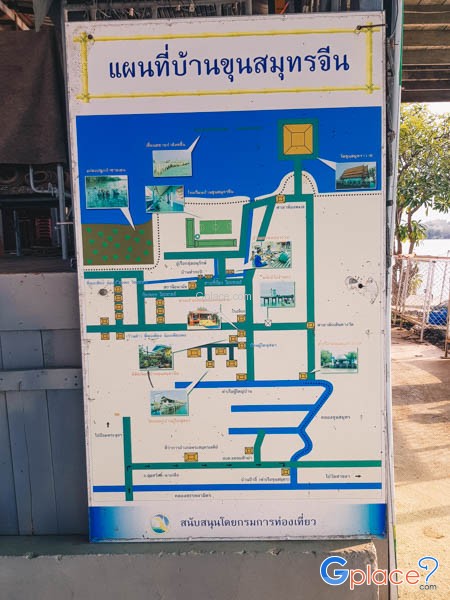
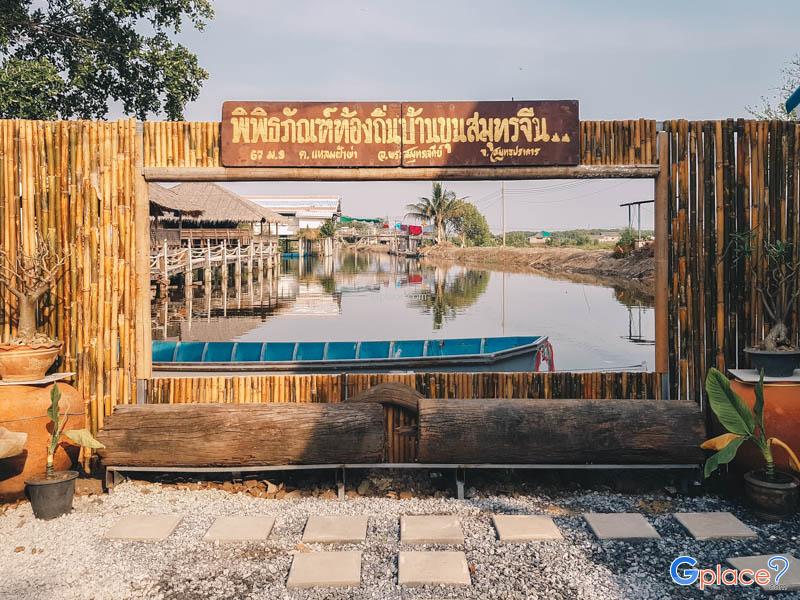
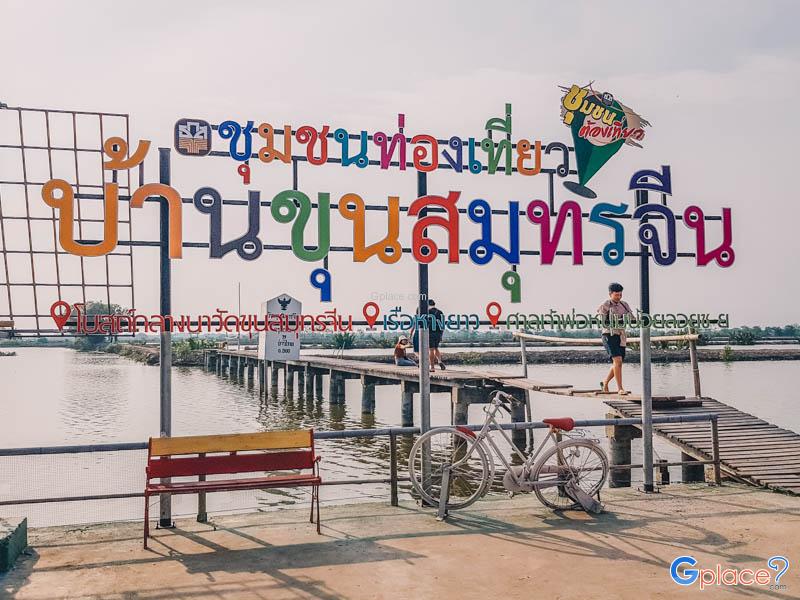
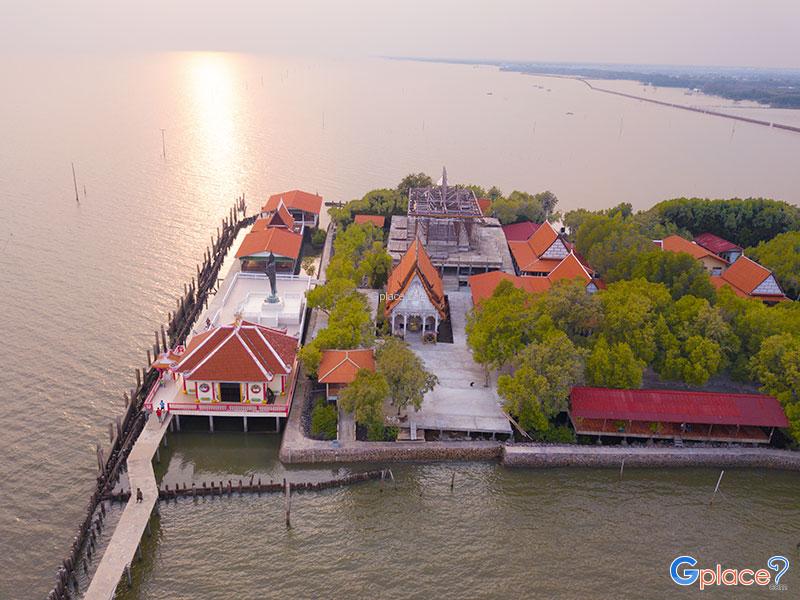
“ An ancient riverside shrine in Phra Samut Chedi, respected by locals and sailors, ideal for praying, sightseeing, and peaceful relaxation. ”
How to Get There
- By Car: Drive along Suk Sawat Road toward Phra Samut Chedi District, then follow signs toward the riverside near Phra Nakhon South Power Plant.
- By Boat: Take a ferry from Pak Nam side (near Samut Prakan Technical College or the Royal Thai Naval Academy area) to Phra Samut Chedi side, then continue by local transport.
Travel Tips
- Dress politely as the shrine is a respected sacred place.
- Popular offerings include marigold garlands, betel nuts, fruits, and red soft drinks.
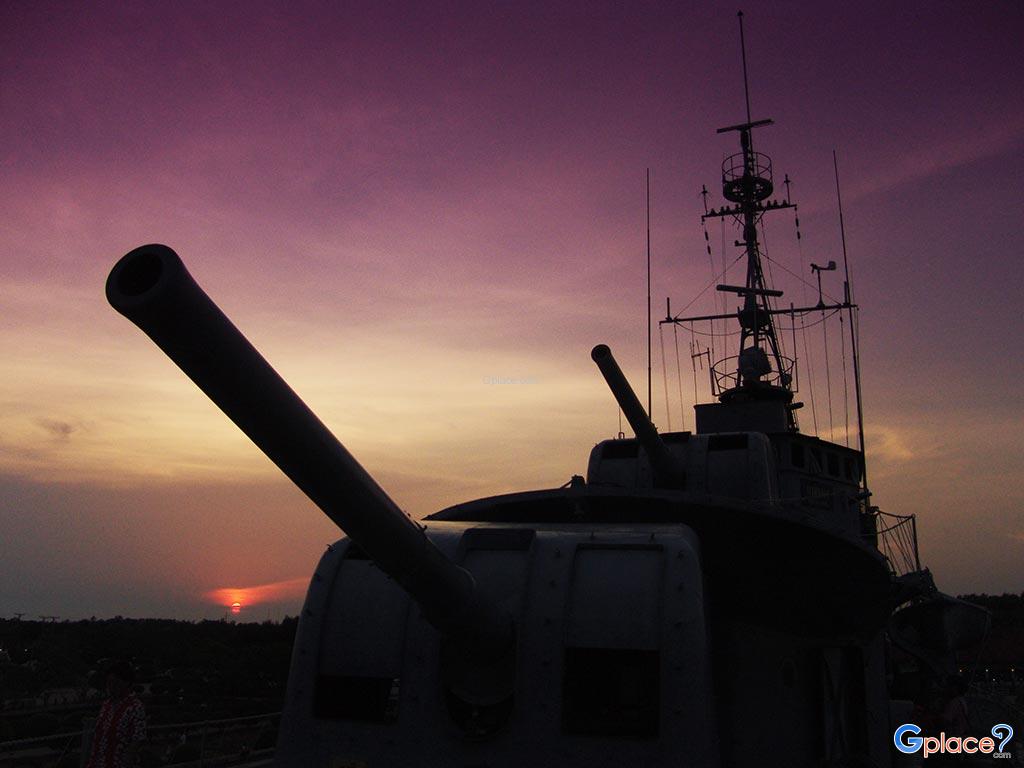
- The riverside atmosphere becomes especially beautiful during sunset, making it a great time for photography and relaxation.
- Visit on weekdays if you prefer a quieter atmosphere.
- Nearby attractions around Phra Samut Chedi can be visited on the same trip.
Admission Fee:
- Free admission (donations are welcome)
Opening Hours:
- Open daily from 08:00 AM – 05:00 PM (Hours may change during religious festivals or special occasions)
Chao Pho Noom Noi Loy Chai Shrine

 Share
Share
 Laem Fa Pha, Phra Samut Chedi, Samut Prakan 10290
Map
Laem Fa Pha, Phra Samut Chedi, Samut Prakan 10290
Map
List 0 review
|
City Pillar Shrine,place
 Open now : 8.00 - 17.00
Mon8.00 - 17.00
Tue8.00 - 17.00
Wed8.00 - 17.00
Thu8.00 - 17.00
Fri8.00 - 17.00
Sat8.00 - 17.00
Sun8.00 - 17.00



 41
41