 Attractions
  Hotel
Hotel  Restaurant
  Shopping
  Abroad





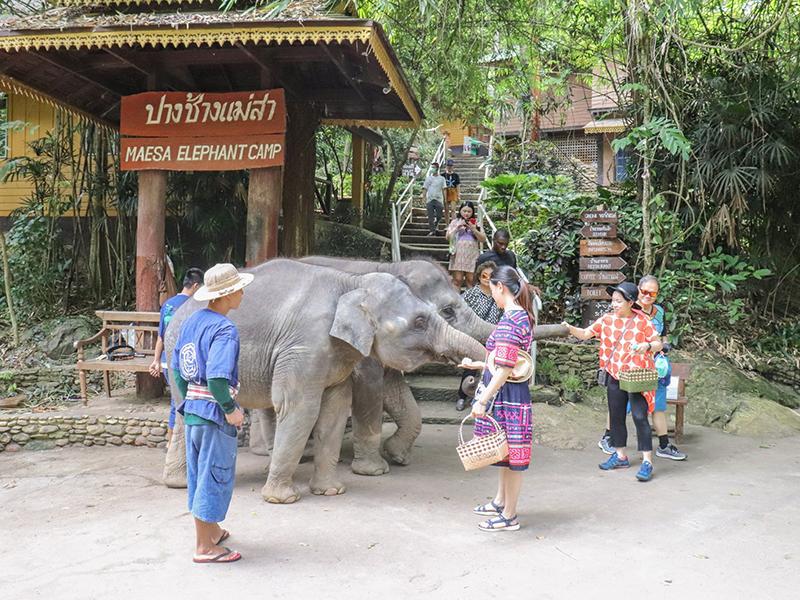

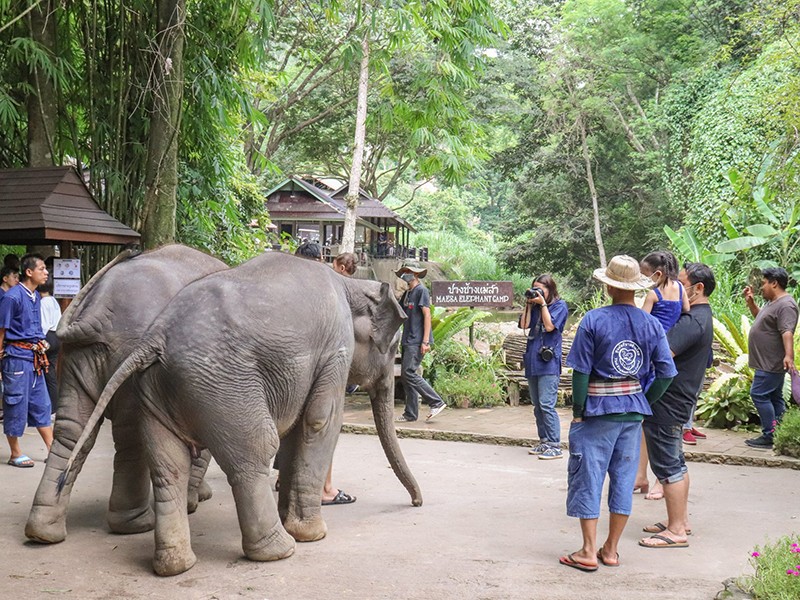


“Experience a new sustainable way of elephant care with no riding or performances, allowing visitors to learn about and coexist with elephants in a beautiful, natural environment.”
Maesa Elephant Camp began operations in 1976. It was one of the first elephant camps in the Mae Rim district to play a significant role in promoting Chiang Mai's tourism. The camp's history is filled with stories of Thai elephant conservation, starting from caring for elephants retired from the logging industry to becoming a large elephant village with one of the highest numbers of elephants in Northern Thailand. Over the decades, Maesa Elephant Camp has undergone a major transformation, especially in recent years, by completely abolishing elephant riding and traditional performances to become a fully-fledged Ethical Elephant Camp.
The reason Maesa Elephant Camp has gained international attention and respect is its adaptation for elephant welfare, emphasizing a lifestyle that allows elephants to live as naturally as possible. The history of removing the chairs (howdahs) from the backs of every elephant was a pivotal turning point that impressed animal lovers worldwide. This shift has made the camp a destination for travelers seeking peace and wanting to interact with elephants through kindness. Located in a steep valley with the Mae Sa stream flowing through, the atmosphere is filled with images of elephants roaming freely. Seeing mothers caring for their calves in an environment free from coercion is a magnificent sight that is rare to find today.
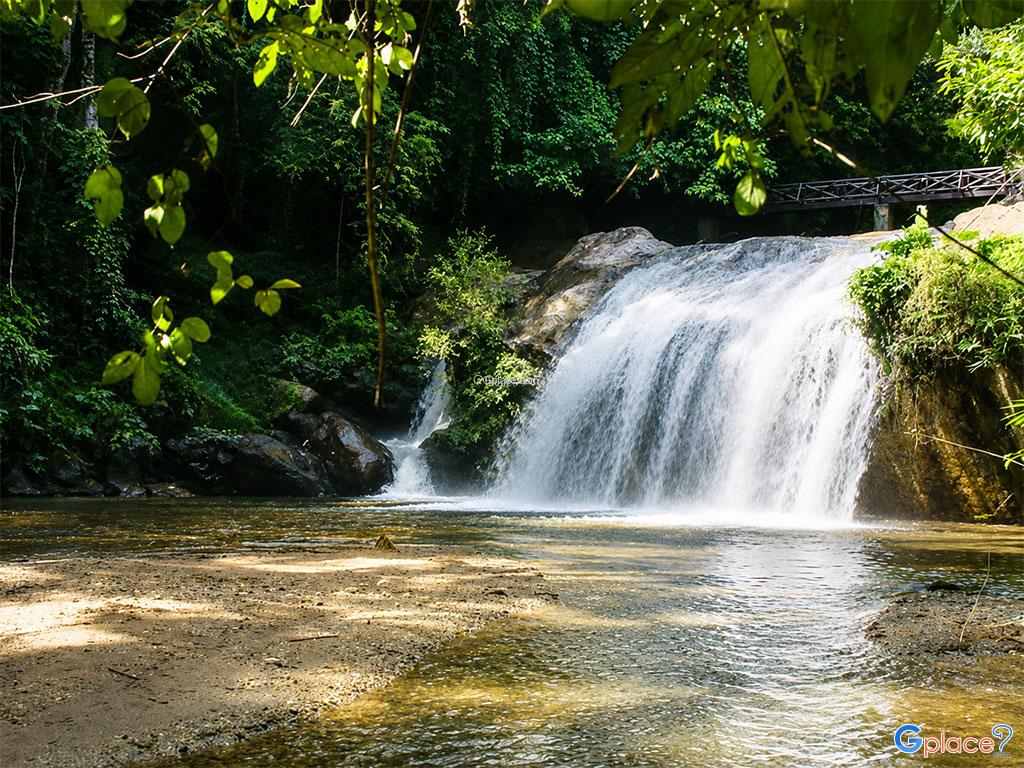
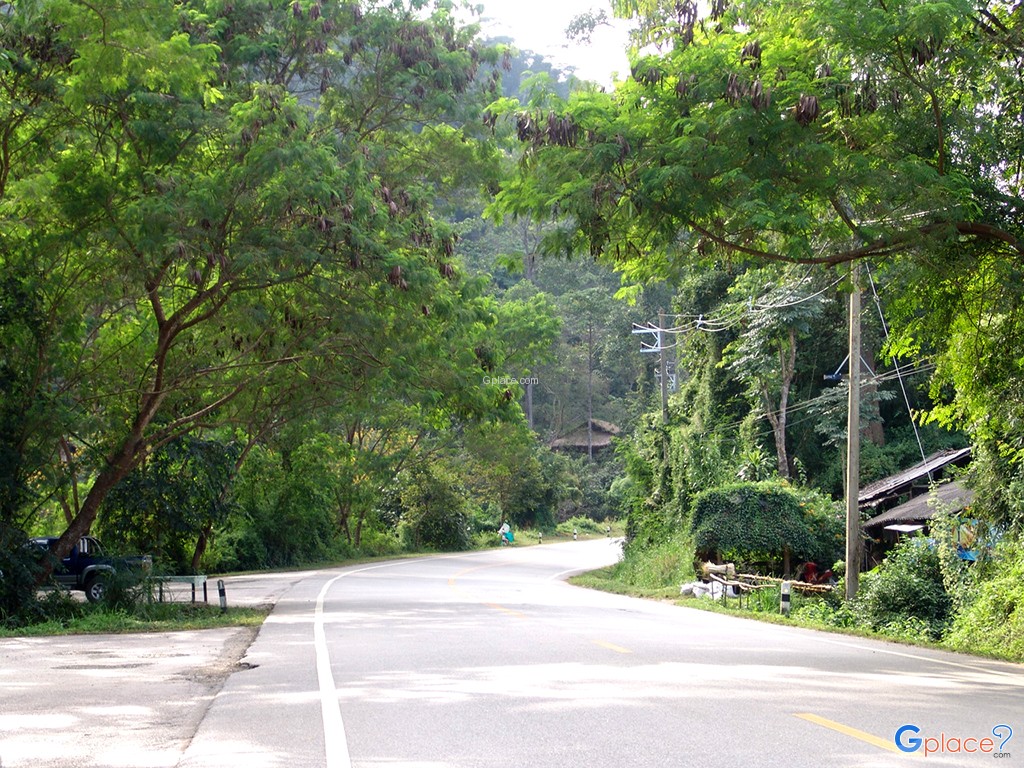
The general atmosphere of Maesa Elephant Camp is shady and verdant. Spanning over 30 rai, the area is surrounded by forests and valleys that provide natural shade and lower temperatures. As soon as you enter, you will hear the sound of flowing water and distant elephant calls. The atmosphere is friendly and relaxing, distinct from typical high-excitement tourist attractions. Visitors can explore nature trails, observe elephants feeding, and witness the generational bond between mahouts and elephants, reflecting a Lanna cultural heritage that has been intertwined with these majestic creatures for centuries.
A must-do activity when visiting is joining the Elephant Life Learning Program, such as walking with elephants into the forest to watch them forage, preparing herbal vitamins and food, hand-feeding them bananas and sugarcane, and watching them bathe in the natural stream. These activities do not only provide enjoyment but also offer significant insights into elephant behavior and proper conservation of Thai elephant species. For photographers, capturing elephants in their most natural state without riding equipment or tourists on their backs results in heartwarming images that truly communicate emotion and warmth.
Maesa Elephant Camp today is a symbol of hope and change in the Thai tourism industry. It is a place that offers valuable experiences through observation and learning rather than temporary entertainment. Visiting here will give you a deep understanding of "true elephant happiness" and provide positive energy from spending time in pure nature with these gentle giants. It is truly one of the most memorable and valuable experiences in the Mae Rim area.
How to Get There
-
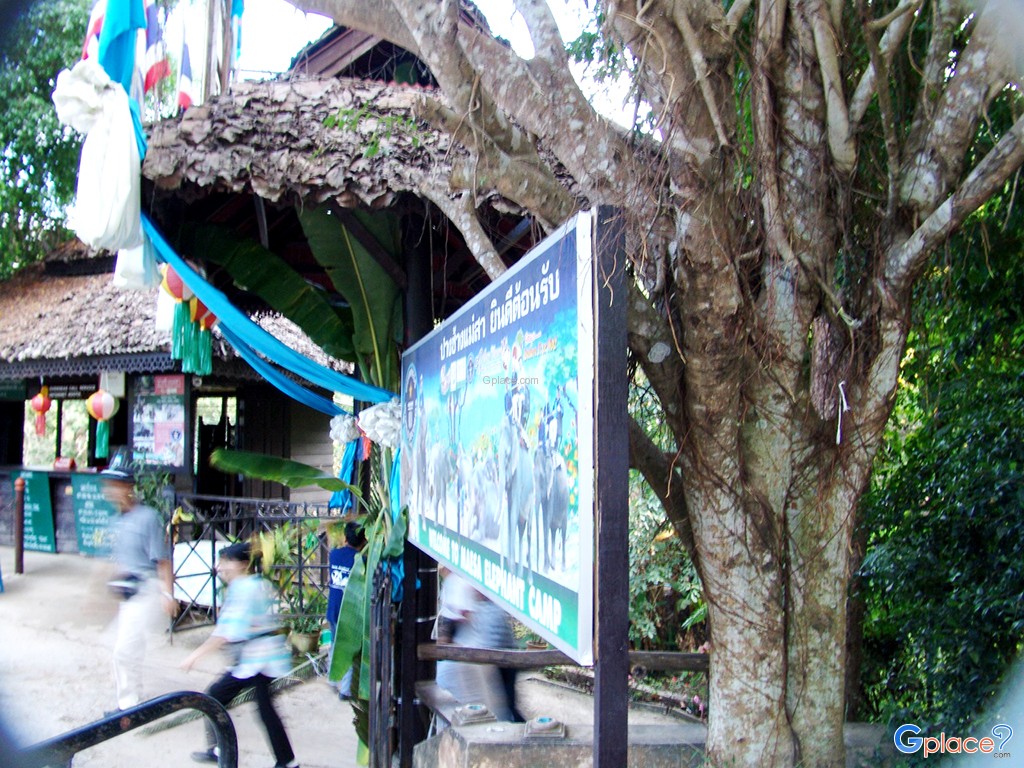
Private Car: From Chiang Mai city, take Highway 107 (Mae Rim), turn left onto Mae Rim-Samoeng Road (1096), and drive for about 10 km. The camp will be on your left with a large, visible sign.
-
Public Transport: Use the yellow songthaew (Chiang Mai-Mae Rim line) and transfer to a motorcycle taxi or local truck, or charter a "Red Truck" directly from the city.
-
Parking: Ample parking space is available for both private cars and tour buses.
Travel Tips
-
Best Visiting Season: Accessible year-round. The morning (09:00 - 11:00 AM) is the most active time as elephants participate in activities and bathing.
-
Preparation: Wear comfortable clothes and sneakers or shoes that can handle dirt. Bring a hat or umbrella for sunny open areas.
-
Photography: A telephoto lens is recommended to capture elephant behavior from a respectful distance without intruding on their space.
-
Activities: For full-day elephant care programs, it is recommended to book in advance via the website or official page so staff can prepare equipment and food.
-
Safety: Strictly follow the instructions of the mahouts when near elephants, especially during feeding or taking photos.
Admission Fee:
-
Local visitors: Adult 100 THB, Child 50 THB
-
Foreign visitors: Adult 200 THB, Child 100 THB
-
Updated 2026 - Prices may vary depending on the specific activity program selected
Opening Hours:
-
Open daily: 09:00 – 16:00
Maesa Elephant Camp

 Share
Share
 Mae Rim-Samoeng Road, Mae Raem Subdistrict, Mae Rim Distirct, Chiang Mai
Map
Mae Rim-Samoeng Road, Mae Raem Subdistrict, Mae Rim Distirct, Chiang Mai
Map
 Closed today
Mon9.00 - 16.00
Tue9.00 - 16.00
Wed9.00 - 16.00
Thu9.00 - 16.00
Fri9.00 - 16.00
Sat9.00 - 16.00
Sun9.00 - 16.00



 142
142