 Attractions
  Hotel
Hotel  Restaurant
  Shopping
  Abroad






“Pay homage to the relics of Luang Pu Waen Thanapalo, admire the Phra That Chedi on the hilltop, and experience the tranquility of Tham Phra Sabai, a natural limestone cave with a golden pagoda enshrined inside.”
Wat Tham Phra Sabai is a forest meditation temple located in Ban Nong Thoi, Na Khrua, Mae Tha, Lampang, about 40 kilometers from Lampang city. Surrounded by mountains and lush greenery, the temple offers a quiet and peaceful environment ideal for meditation, spiritual retreat, and relaxation in nature.
The temple is widely known for its natural cave called Tham Phra Sabai, a limestone cave with cool air throughout the year. Inside the cave, visitors will find a golden pagoda enshrined within the chamber, creating a serene and sacred atmosphere for meditation and contemplation.
Important Attractions within the Temple
-
Tham Phra Sabai Cave
A natural limestone cave with a calm and cool environment. Inside stands a golden pagoda, making it both a spiritual site and a unique natural attraction. -
Tham Yen and Tham Phra Chedi
Nearby natural caves that are also used as quiet places for meditation and spiritual practice. -
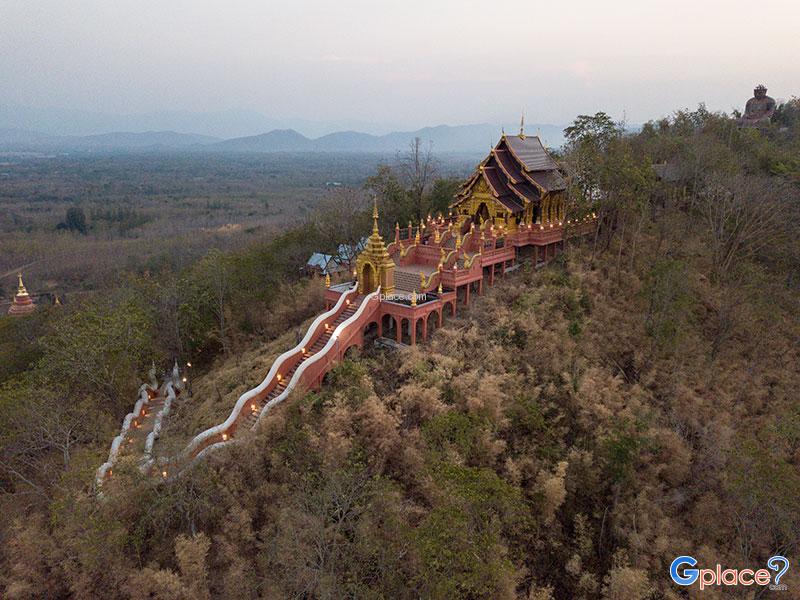
Hilltop Pagoda (Phra That Chedi)
A sacred pagoda built during the time of Luang Pu Waen Thanpalo and Than Phor Lee, believed to be a spiritually significant location where mysterious lights were once seen shining into the sky during Buddhist observance days. -
Natural Landscape
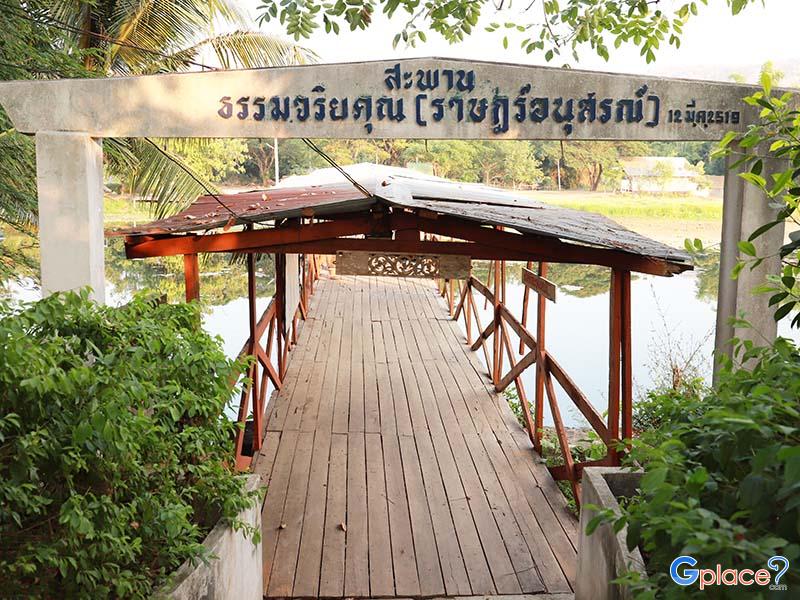
The temple grounds are beautifully landscaped with wooden terraces, large trees, and a natural pond inhabited by fish, creating a peaceful atmosphere perfect for quiet reflection.
History of Wat Tham Phra Sabai
The origin of the temple is closely connected to Luang Pu Waen Thanpalo, a revered monk of the Thai Forest Tradition. In 1947, while staying at Wat Pa Samran Nivas, he frequently experienced visions of a mountain deep in the forest with many caves, both small and large. In these visions, reaching the place required crossing a stream and climbing a forested hill.
Later, while Luang Pu Waen Thanpalo and Luang Pu Sim Phutthajaro were practicing meditation, the spirit of Chao Mae Thipwan Na Chiang Tung, a former devotee, reportedly appeared and requested that forest monks visit and teach at a place called Tham Kae Kao, which is now known as Tham Phra Sabai.
Afterward, Luang Pu Waen traveled to explore the mountain and discovered several caves in the area, including the large cave called Tham Kae Kao. He began staying there to meditate and gradually developed the area into a small forest monastery. At that time, the journey was difficult and required walking more than 20 kilometers between the cave and the temple where he stayed.
Initially, Luang Pu Waen named the cave “Tham Sabai” (Comfort Cave).
On 15 December 1948, Luang Pu Sim Phutthajaro visited him and jokingly asked,
“Who exactly is comfortable here?”
Luang Pu Waen replied,
“The monks are comfortable.”
Luang Pu Sim then suggested that the cave should be called “Phra Sabai” (Monks’ Comfort) instead. From that moment on, the cave was renamed “Tham Phra Sabai”, and the name has been used ever since.
Annual Religious Tradition
Every year on April 20, the temple hosts a special ceremony where devotees gather to pour water over the pagoda and bathe the Buddha images, a traditional act of merit-making and reverence.
How to Get There
- By Car: From Lampang city, drive toward Mae Tha District via Highway 1036. Continue to Na Khrua, where signs will guide you to Wat Tham Phra Sabai. The road leads directly to the temple and is accessible by car.
Travel Tips
-
Dress respectfully as the temple is a meditation monastery.
-
Keep noise to a minimum to maintain the peaceful atmosphere.
-
The cave interior can be cool; bringing a light jacket is recommended.
-
Walk carefully inside the cave as the ground may be slightly damp.
-
Visiting in the morning provides the most peaceful experience.
Admission Fee:
- Free
Opening Hours:
- Open daily 6:00 AM – 6:00 PM
Wat Tham Phra Sabai

 Share
Share
 Ban Nong Thoi, Na Khrua, Mae Tha, Lampang 52150
Map
Ban Nong Thoi, Na Khrua, Mae Tha, Lampang 52150
Map
 Open now : 6.00 - 18.00
Mon6.00 - 18.00
Tue6.00 - 18.00
Wed6.00 - 18.00
Thu6.00 - 18.00
Fri6.00 - 18.00
Sat6.00 - 18.00
Sun6.00 - 18.00



 75
75