 Attractions
  Hotel
Hotel  Restaurant
  Shopping
  Abroad





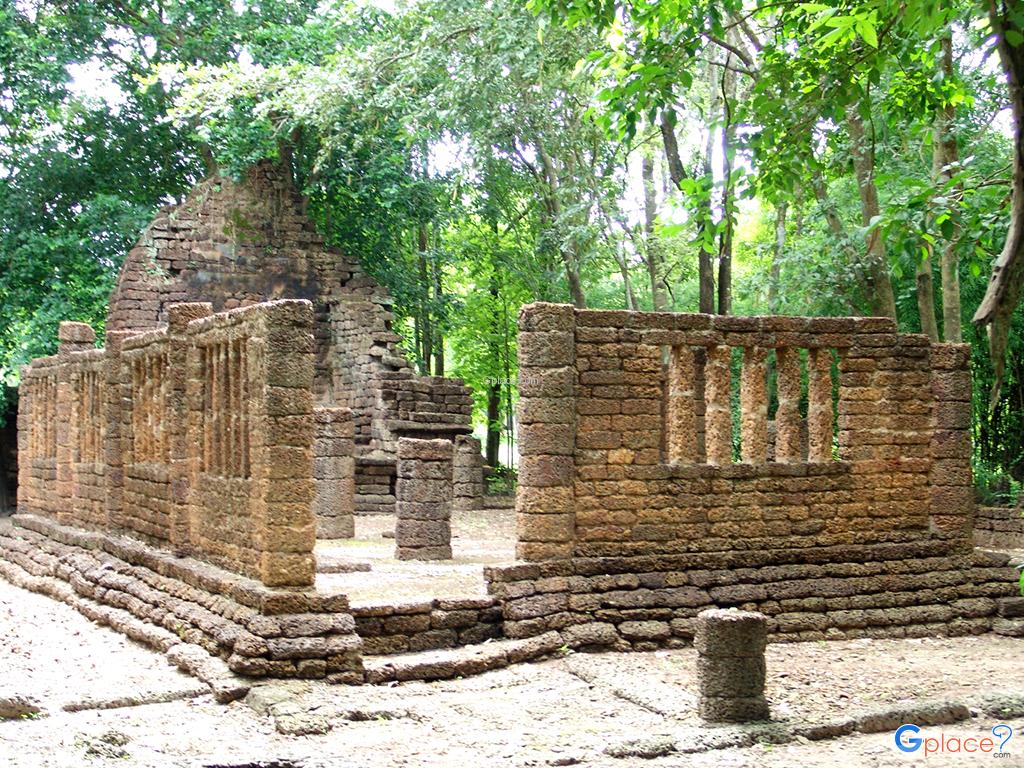

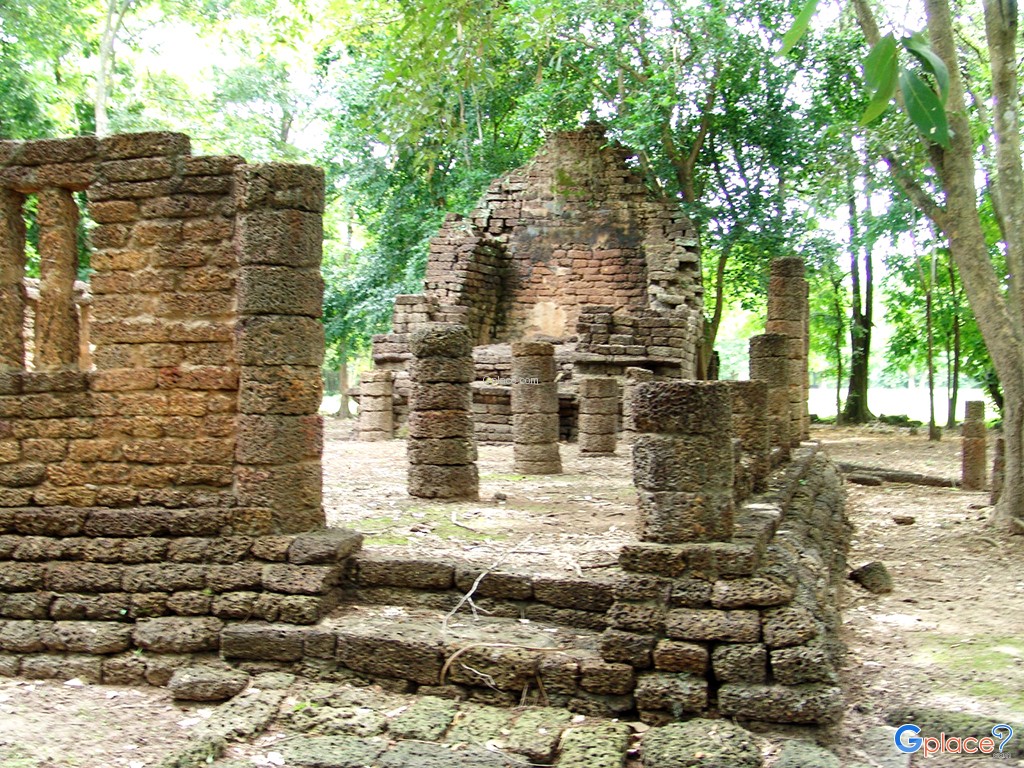
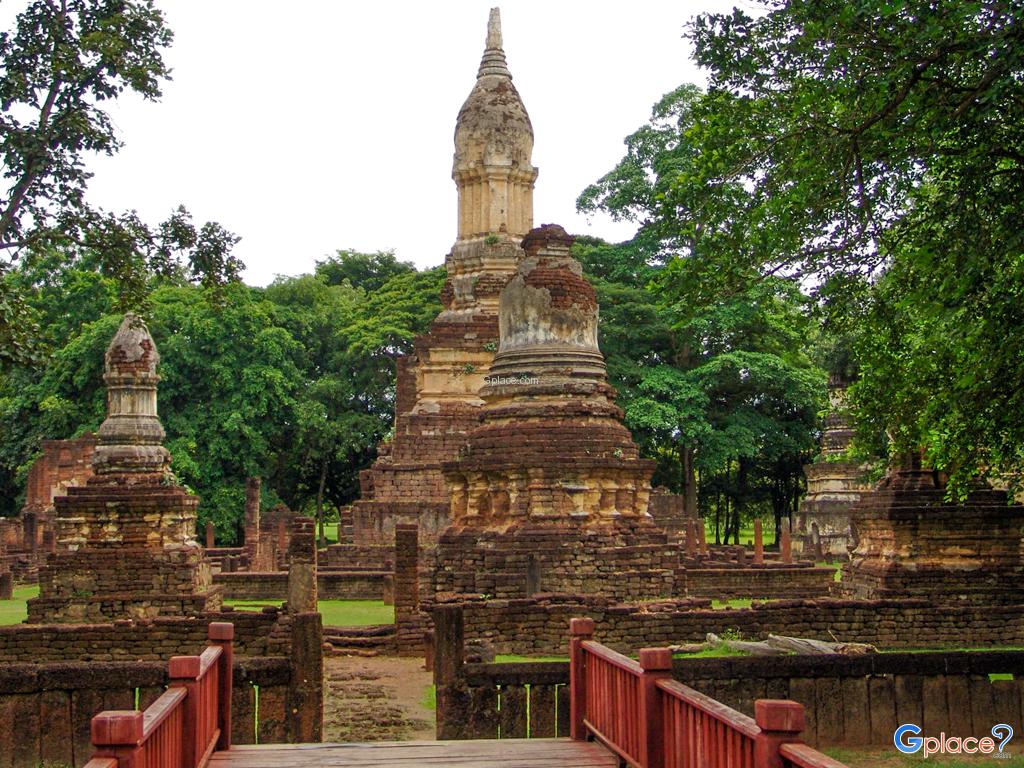
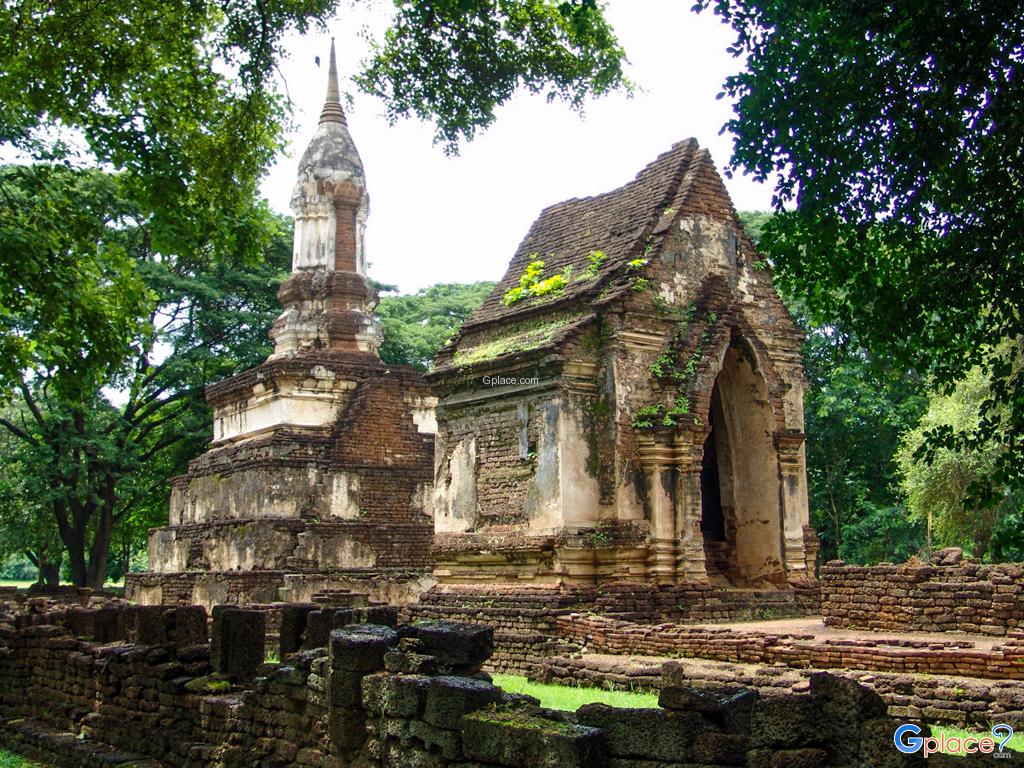
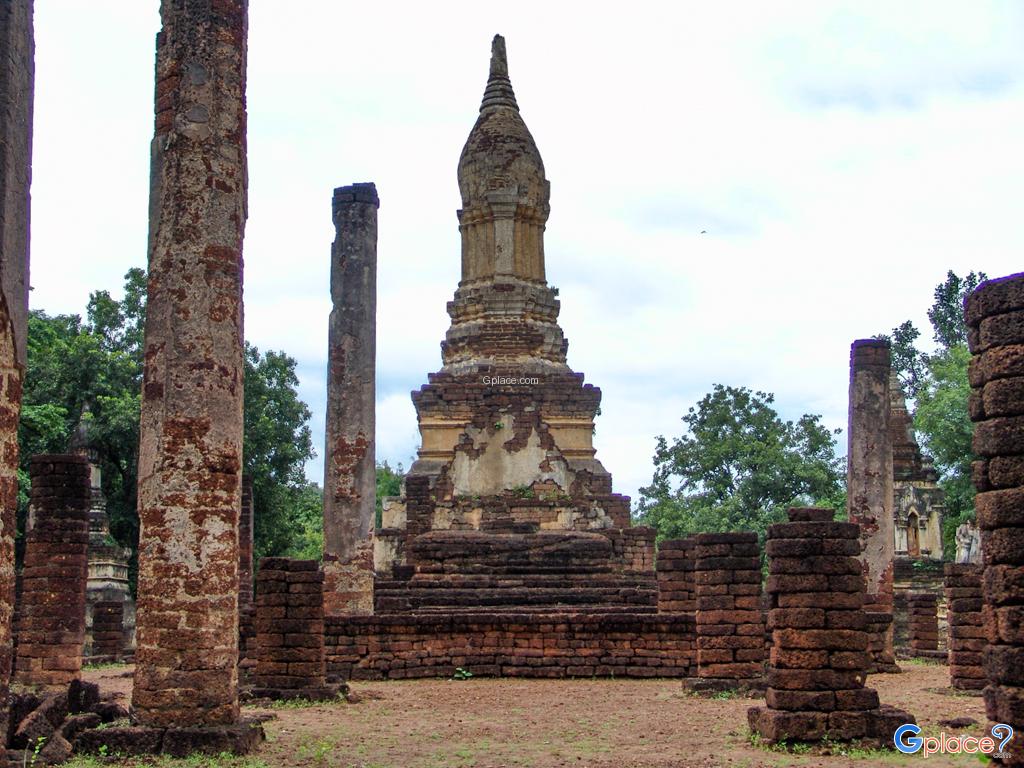
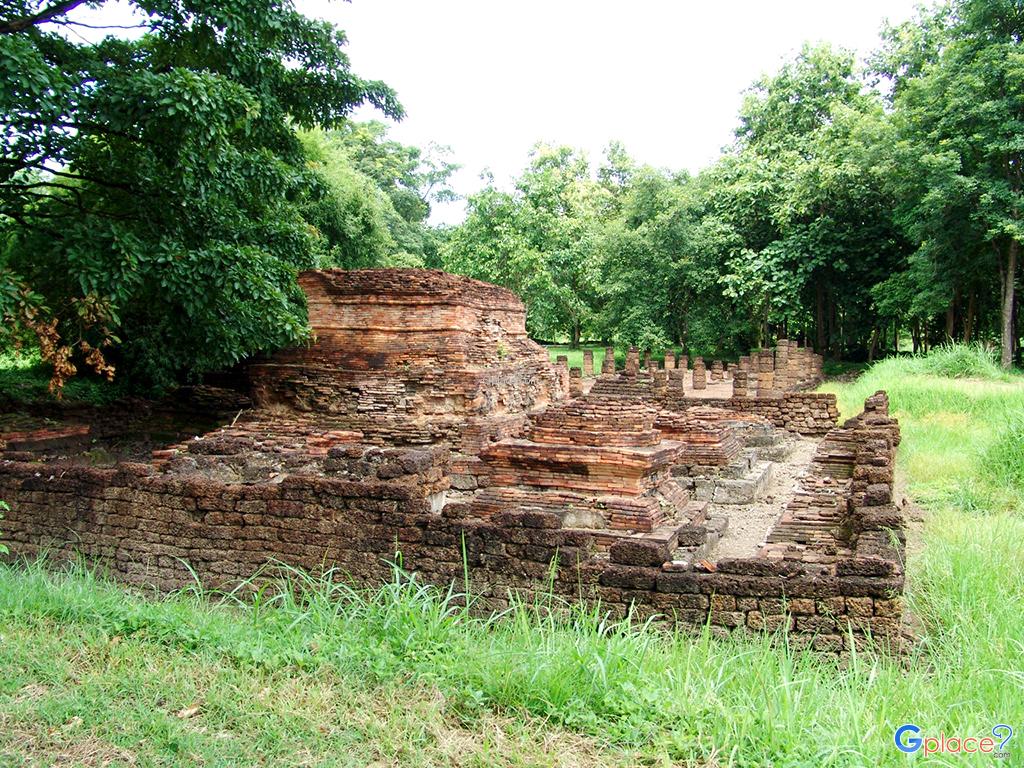
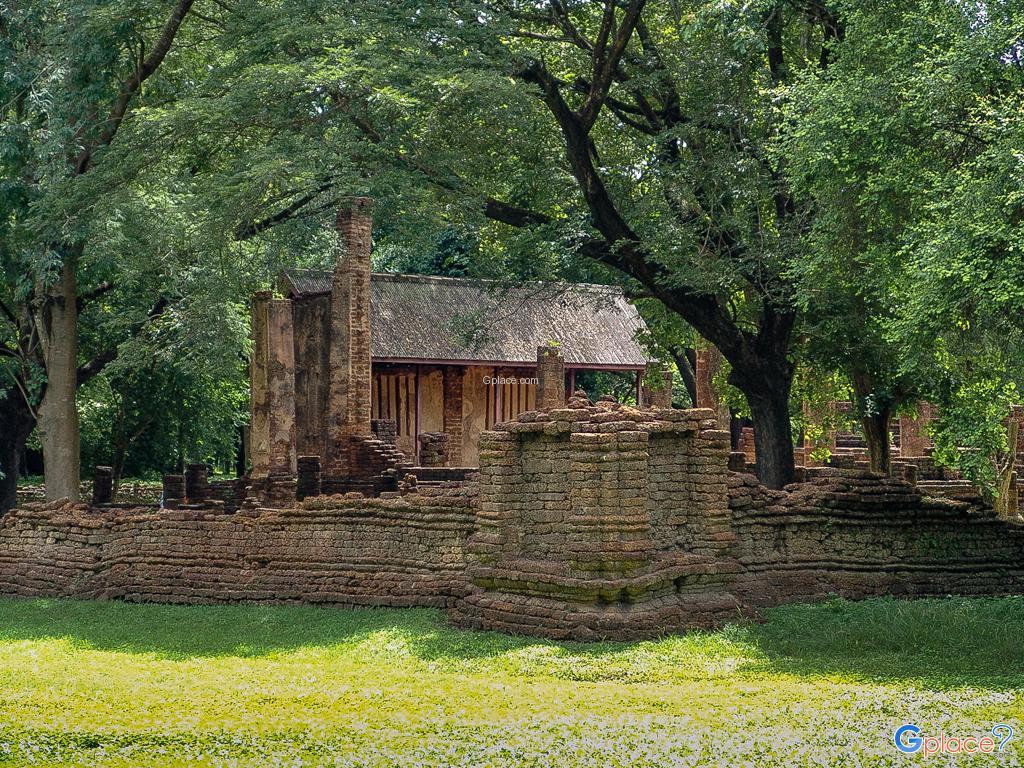
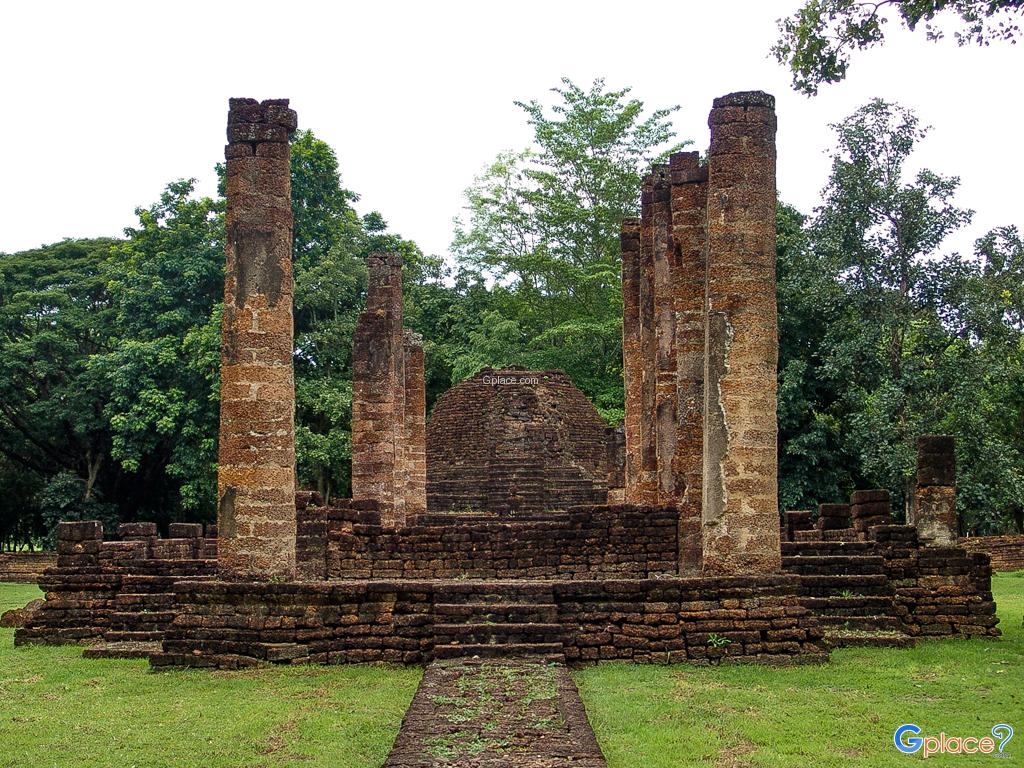
“Connected laterite mandapa and main vihara structure, traces of Makara Sangkhalok roof decoration, and a square ancient water pond reflecting traditional monastic life”
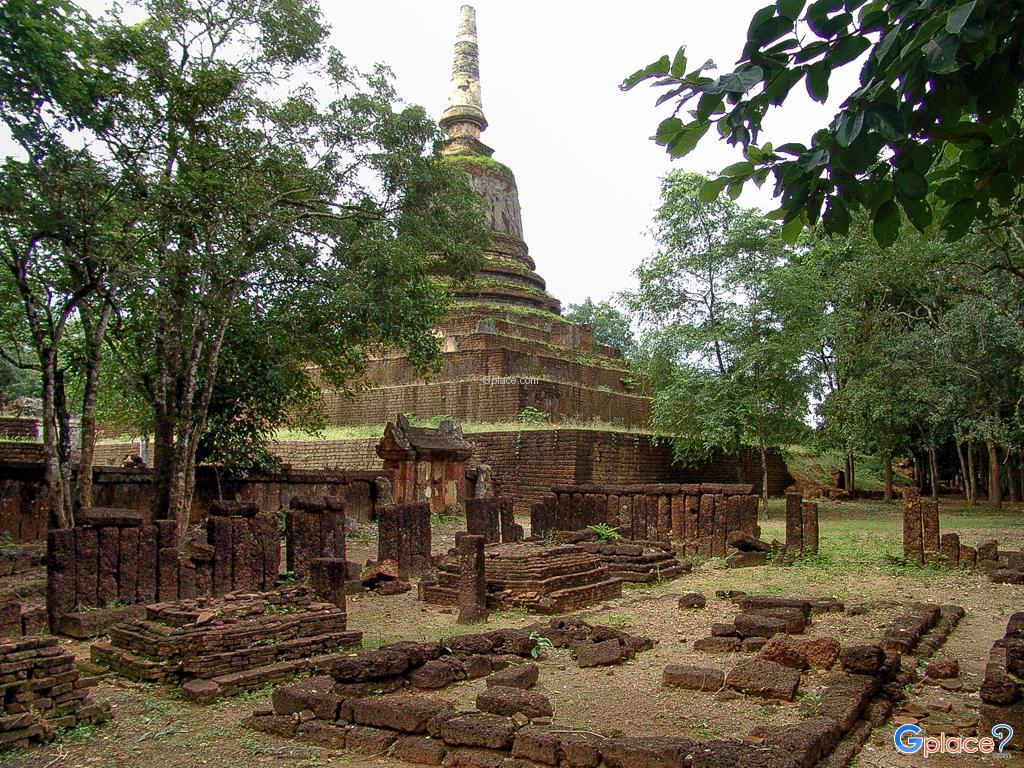
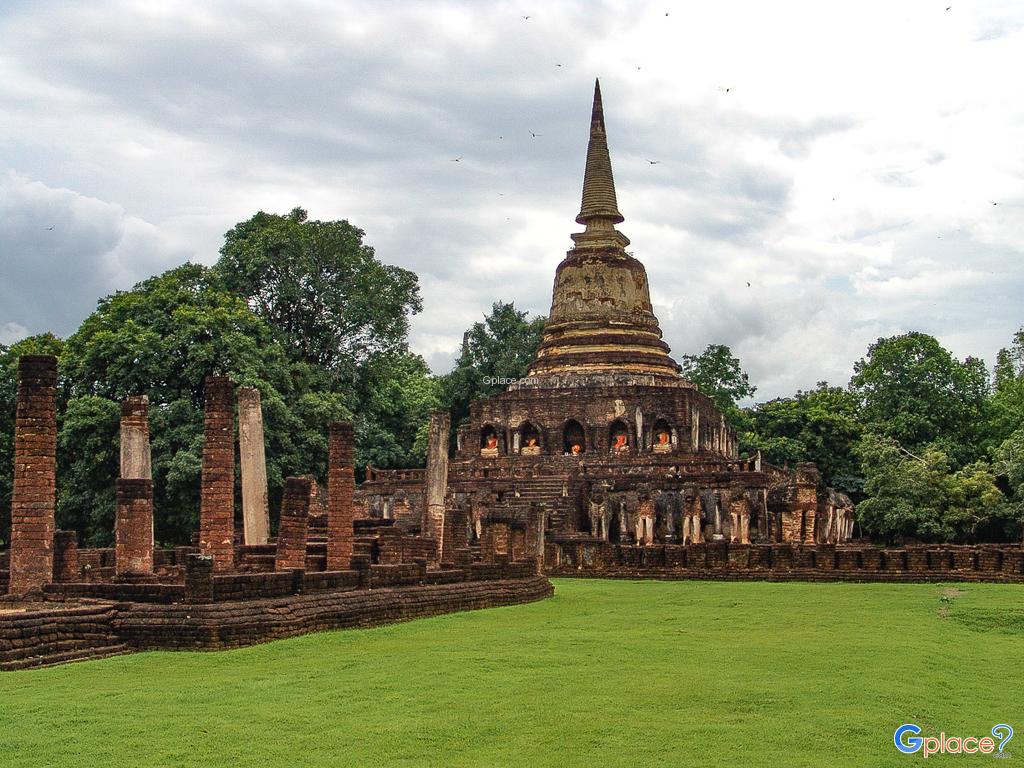
Wat Kudi Rai (Wat Kudi Rai), also known as Archaeological Site No.21, is an important temple located outside the northern city wall of Si Satchanalai. Surrounded by a quiet, semi-forested environment, the site reflects the atmosphere of an Aranyavasi (forest monastic tradition) temple, emphasizing meditation, simplicity, and spiritual practice away from urban life.
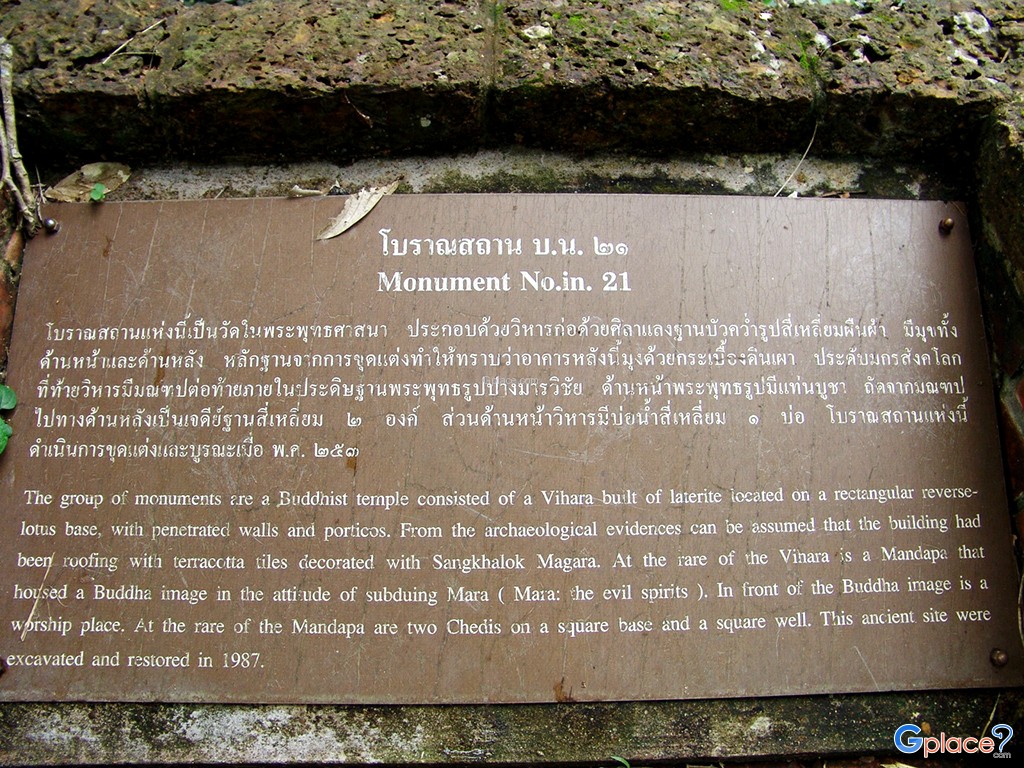
The main structure consists of a large laterite-built vihara, laid out in a rectangular plan with a flipped lotus-base foundation (Bua Khwam base style). The vihara features porches extending to both the front and rear. Archaeological excavations reveal that the roof was originally covered with terracotta tiles, and decorated with Makara Sangkhalok ornaments, indicating the temple’s high status and refined craftsmanship during the Sukhothai period.
Behind the vihara is a laterite mandapa, which once enshrined a Buddha image in the Maravijaya posture, with an altar placed in front. Further behind are two square-based chedis, likely used for ritual and religious functions.
In front of the vihara lies a square-shaped ancient water pond, reflecting the water management system and monastic daily life of the past. The name “Kudi Rai” is believed to derive from the presence of multiple monk residences (kuti) once arranged around the temple area.
Although parts of the structure have deteriorated over time, the overall layout remains clearly readable and structurally intact, making it valuable for studying the development of religious architecture from the late Sukhothai period to the early Ayutthaya era.
Archaeological Insight (Additional Information)
Wat Kudi Rai is a key example of a “paired city-temple system” in Si Satchanalai, where urban sacred spaces were separated from forest meditation zones. The sequential layout of vihara–mandapa–chedi reflects Buddhist cosmology, symbolizing a progression from the human realm toward the sacred Buddhist universe.
The extensive use of laterite as the primary construction material demonstrates the late Sukhothai architectural approach, focusing on durability, simplicity, and balanced proportions. Meanwhile, the presence of Makara Sangkhalok decorative traces indicates a cultural and artistic connection with the regional Sangkhalok ceramic production centers.
The discovery of the water pond in front of the vihara further supports the interpretation that the site functioned not only as a ritual space but also as a long-term monastic residence.
Overall, Wat Kudi Rai represents the philosophy of “simplicity in pursuit of spiritual practice”, serving as an important archaeological link between Sukhothai and the early Ayutthaya architectural transition.
How to Get There
- Bicycle: From the Si Satchanalai Historical Park entrance, cycle out through the Don Laem Gate (north side). The route passes Wat Sa Pathum and Wat Sing, offering a peaceful ride through a historical forest landscape.
Travel Tips
- Best time to visit: 08:30–10:30 AM for soft light and detailed stone textures
- Bring mosquito repellent, as the area is naturally forested
- Ideal for quiet exploration and historical study
- Observe the vihara–mandapa–chedi alignment for architectural insight
- Wear comfortable walking shoes suitable for laterite and natural ground
Admission Fee:
- Thai visitors: 20 THB
- Foreign visitors: 100 THB
(Included in Si Satchanalai Historical Park ticket)
Opening Hours:
- Daily: 08:30 – 16:30
Wat Kudi Rai

 Share
Share
 Si Satchanalai Historical Park, Si Satchanalai, Si Satchanalai, Sukhothai 64190
Map
Si Satchanalai Historical Park, Si Satchanalai, Si Satchanalai, Sukhothai 64190
Map
 Open now : 8.30 - 16.30
Mon8.30 - 16.30
Tue8.30 - 16.30
Wed8.30 - 16.30
Thu8.30 - 16.30
Fri8.30 - 16.30
Sat8.30 - 16.30
Sun8.30 - 16.30



 61
61