 Attractions
  Hotel
Hotel  Restaurant
  Shopping
  Abroad





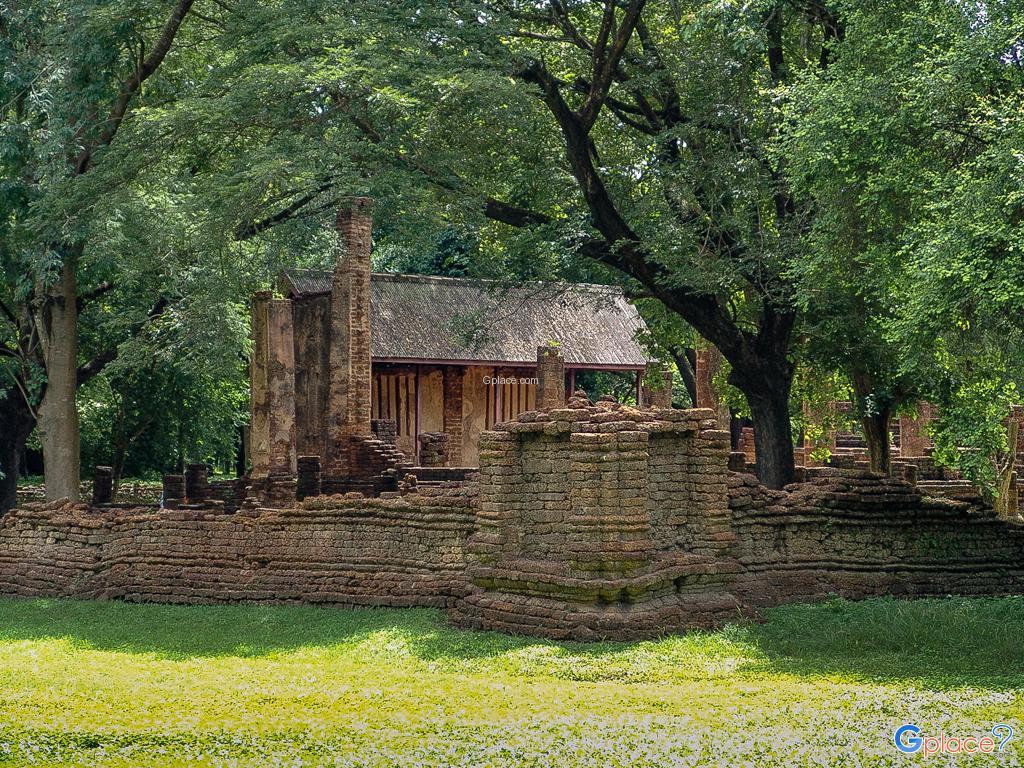



“Refined stucco bas-reliefs blending Sukhothai, Sri Lankan, and Chinese influences on vihara walls, a grand bell-shaped chedi on an elevated base, and motifs that inspired “Si Satchanalai ancient gold” designs.”
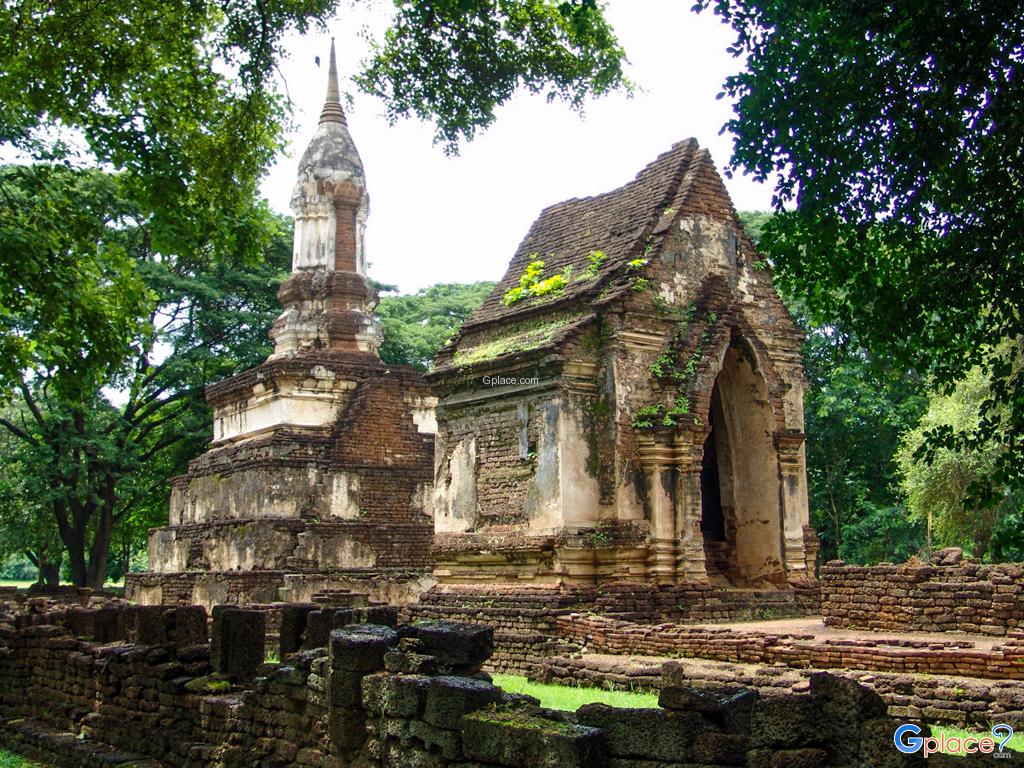
Wat Nang Phaya (Wat Nang Phaya) is regarded as a masterpiece of stucco art in Si Satchanalai. The southern wall of the vihara preserves remarkably detailed floral, flame, and kneeling deity motifs, reflecting a harmonious blend of Chinese and Sri Lankan influences refined into the unique Sukhothai style. There are also half-human, half-monkey figures in dynamic motion, demonstrating exceptional craftsmanship. The bas-relief technique enhances depth through light and shadow, bringing the patterns vividly to life.
Strong and Sophisticated Architecture
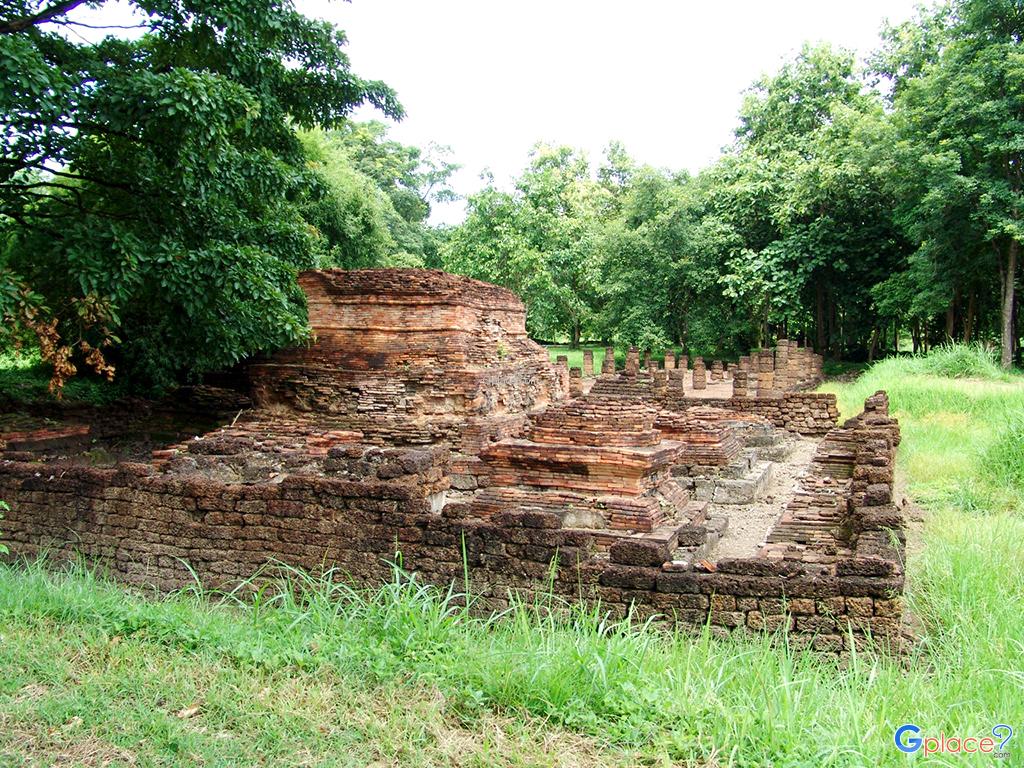
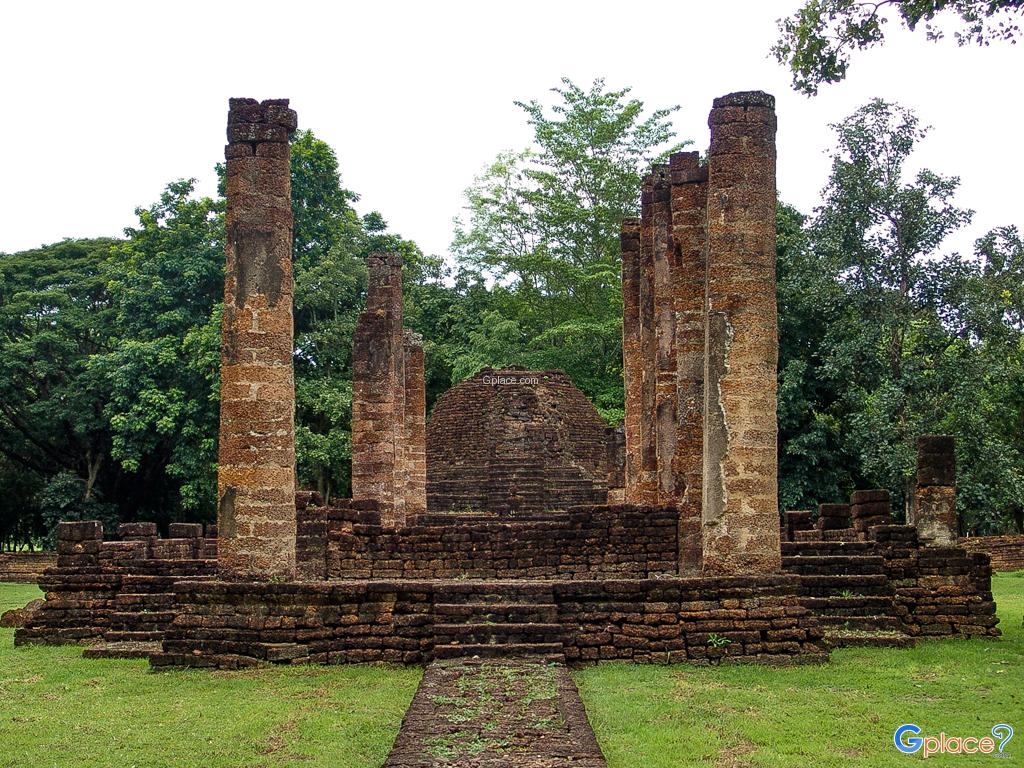
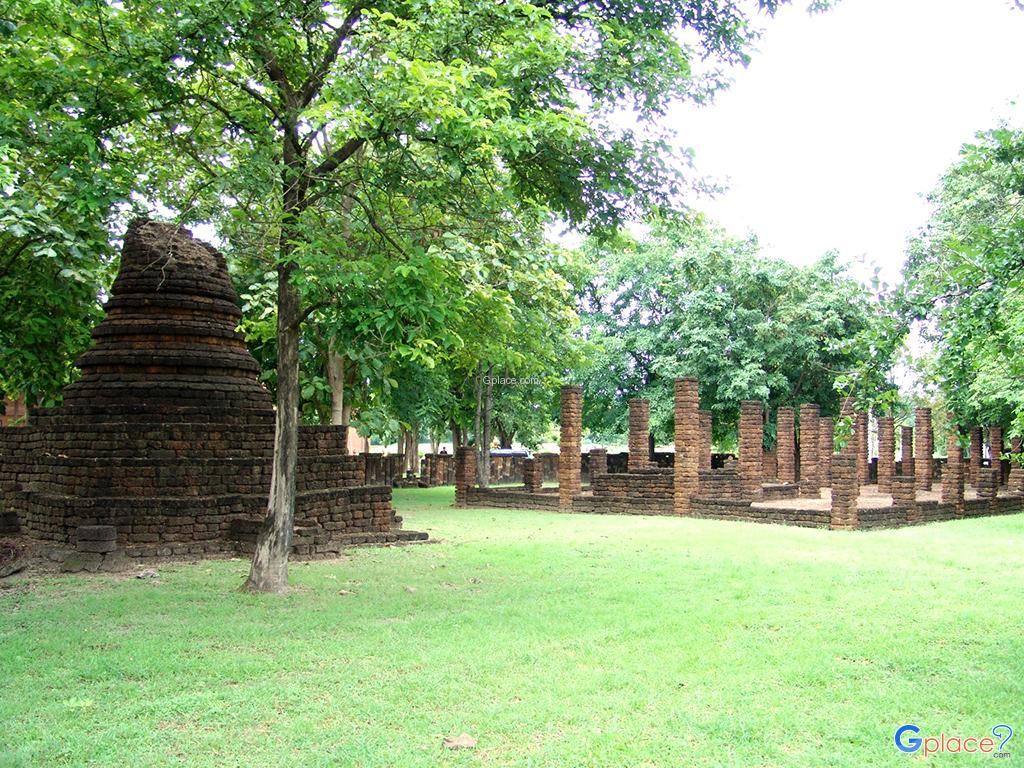
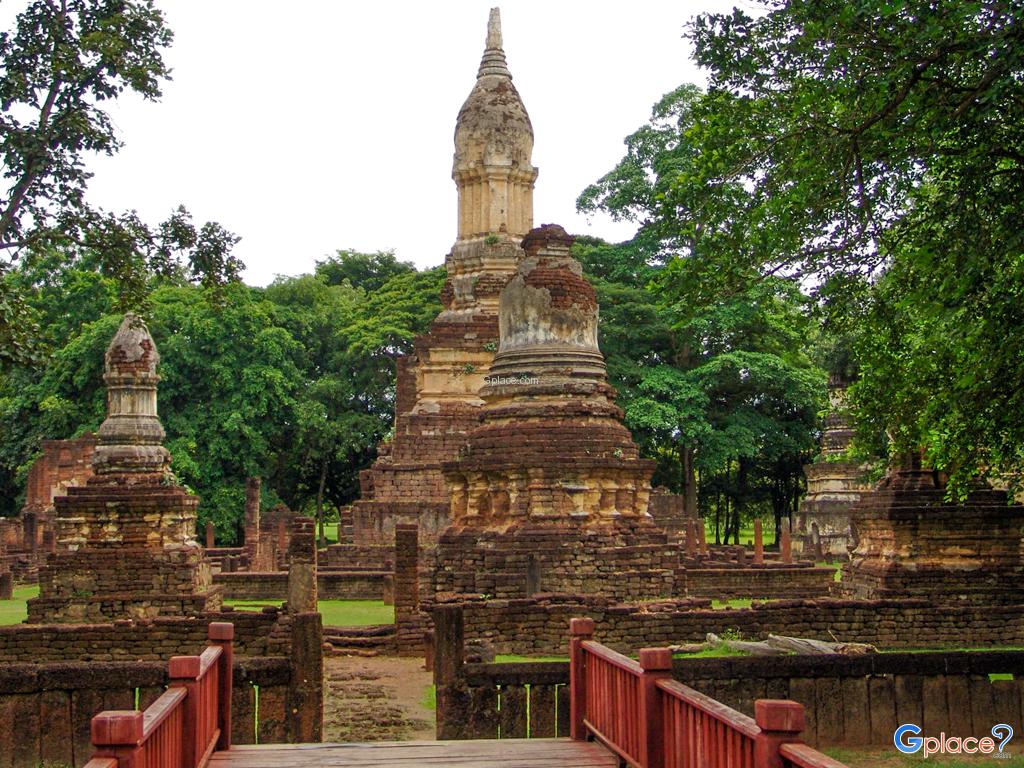
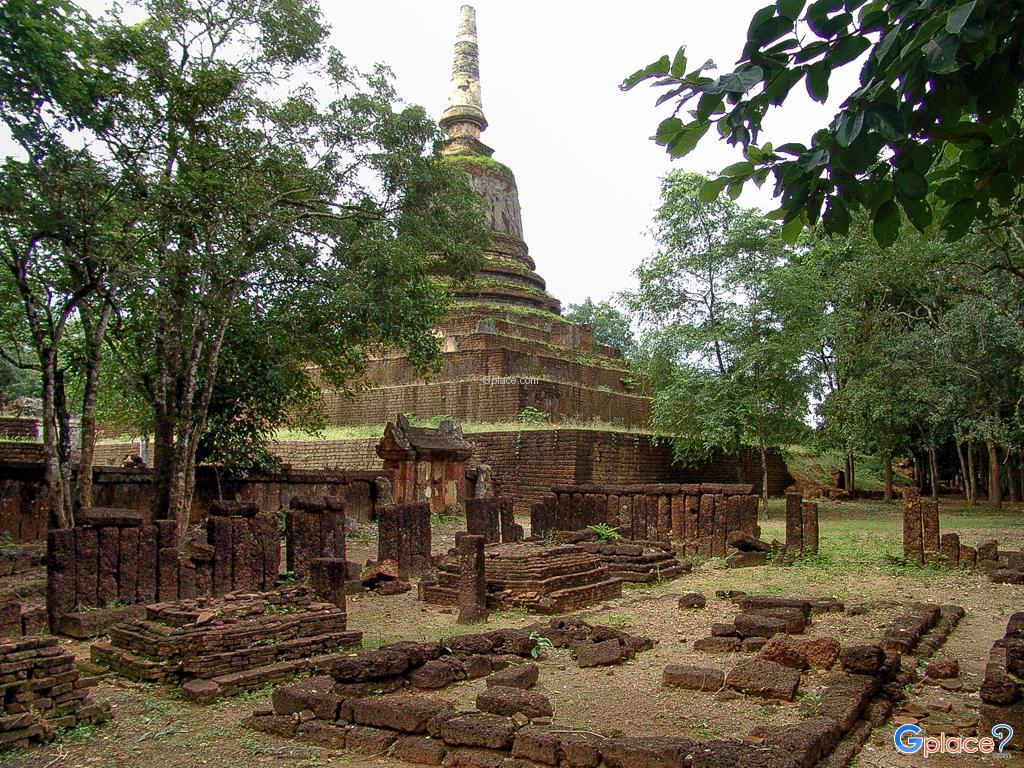
The temple is aligned with Wat Suan Kaeo Utthayan Yai near the southern city wall and faces southeast. Built primarily from laterite and brick, the complex includes:
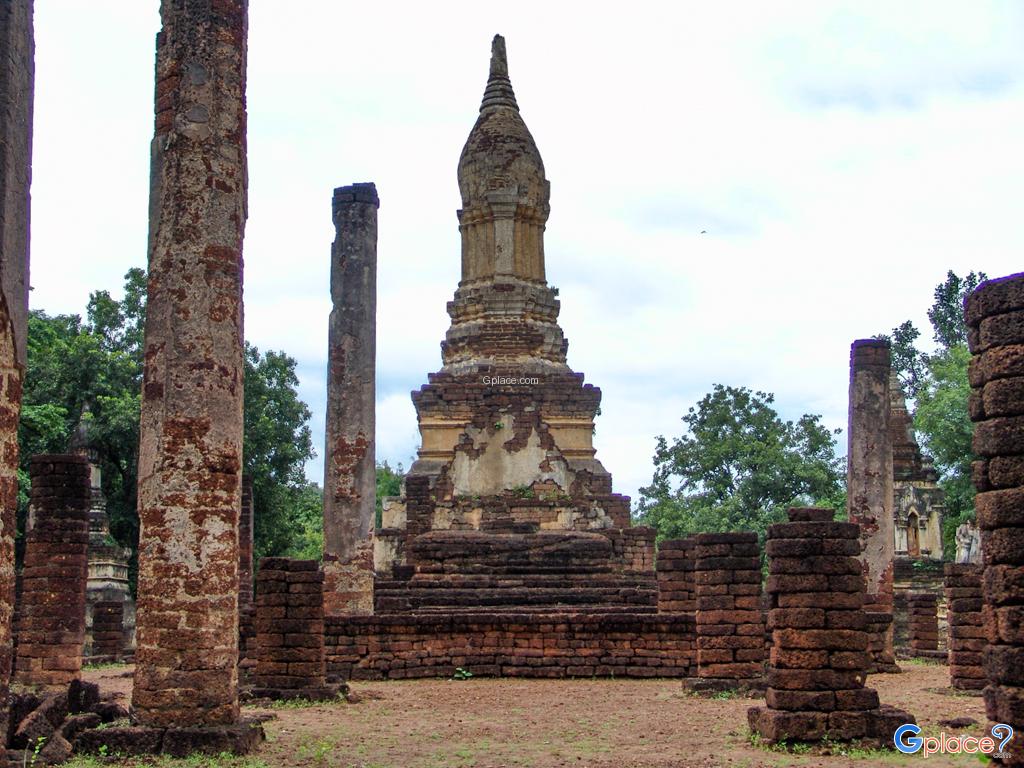
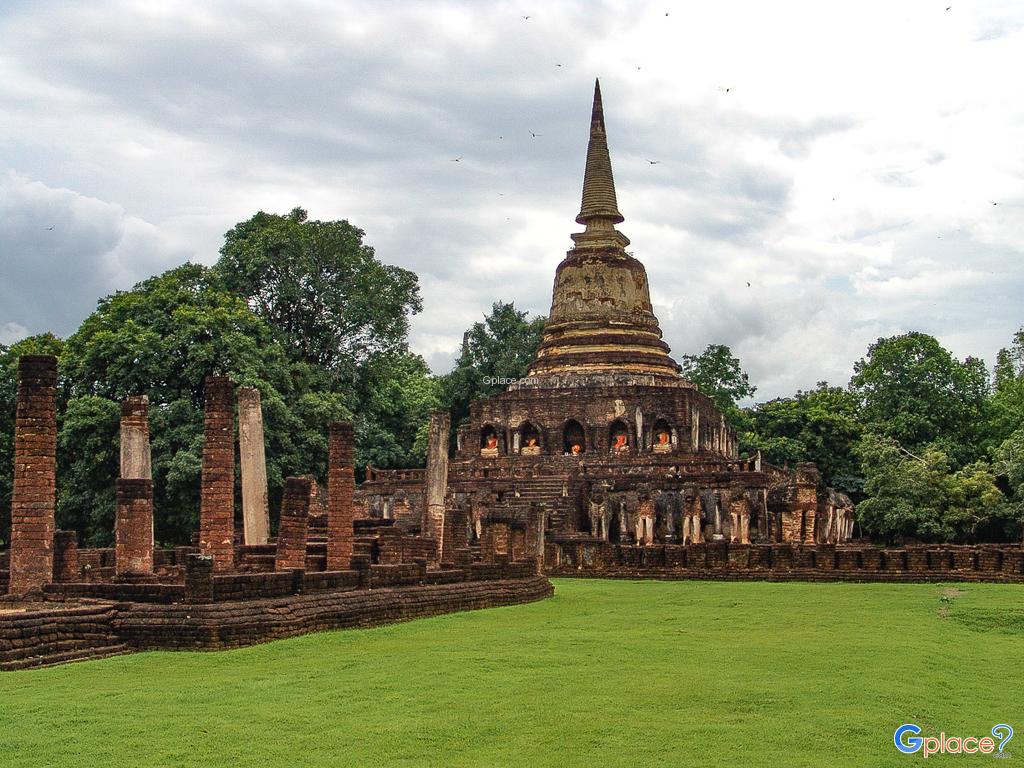
- A Sri Lankan-style bell-shaped main chedi on a high circumambulatory base
- A large vihara with front and rear porches and perforated walls for natural light
- Monastic quarters on the right
- An ordination hall at the rear
- Two subsidiary chedis on the left
Historically, the main chedi was encircled by stucco elephants alternating with decorated pillars, similar to Wat Chang Lom. The upper terrace featured projecting niches on all four sides, with stairs leading into an inner gallery that allowed circumambulation around the central core. Inside were Buddha images enshrined in all four directions, symbolizing Buddhist cosmology. Although many elements are now lost, the structure still reflects its former grandeur.
In-Depth Insights You Should Know
The stucco motifs at Wat Nang Phaya are widely recognized as prototypes of the renowned “Si Satchanalai ancient gold patterns”, especially in ornamental costume details and floral frames still used in modern craftsmanship.
The temple’s southeast orientation follows traditional beliefs in auspicious directions and natural lighting, allowing morning sunlight to illuminate the vihara walls-ideal for appreciating the intricate designs.
The site is also located within the middle zone of ancient Si Satchanalai, an area historically associated with important religious structures and elite communities.
Legend and Artistic Legacy
The name “Nang Phaya” is linked to a legend of a Chinese emperor’s daughter who built the temple. While not historically confirmed, the story adds cultural charm and aligns with the elegance of the site. The temple’s artistic elements have influenced modern Si Satchanalai gold craftsmanship, demonstrating a lasting cultural legacy.
Surrounded by large shade trees, the atmosphere is peaceful and serene-ideal for slow exploration and appreciation of art, history, and heritage.
How to Get There
- Bicycle / Tram: From the parking area at the entrance of the historical park, rent a bicycle or take a tram into the inner zone. The temple is located next to Wat Suan Kaeo Utthayan Yai, with clear directional signs along the route.
Travel Tips
- Best time for lighting: 08:30 – 10:30 AM for optimal visibility of stucco details
- Do not touch: Avoid touching the stucco to prevent damage
- Art insight: Visit here before buying Si Satchanalai gold to understand its origins
- Quiet hours: Weekday mornings offer a peaceful and uncrowded atmosphere
- Sun protection: Bring water, a hat, or an umbrella due to the heat
Admission Fee:
- Thai: 20 THB
- Foreigners: 100 THB
(Included in Si Satchanalai Historical Park ticket)
Opening Hours:
- Daily: 08:00 – 16:30 PM
Wat Nang Phaya

 Share
Share
 Si Satchanalai Historical Park, Si Satchanalai, Si Satchanalai, Sukhothai 64190
Map
Si Satchanalai Historical Park, Si Satchanalai, Si Satchanalai, Sukhothai 64190
Map
 Open now : 8.00 - 16.30
Mon8.00 - 16.30
Tue8.00 - 16.30
Wed8.00 - 16.30
Thu8.00 - 16.30
Fri8.00 - 16.30
Sat8.00 - 16.30
Sun8.00 - 16.30



 58
58