 Attractions
  Hotel
Hotel  Restaurant
  Shopping
  Abroad






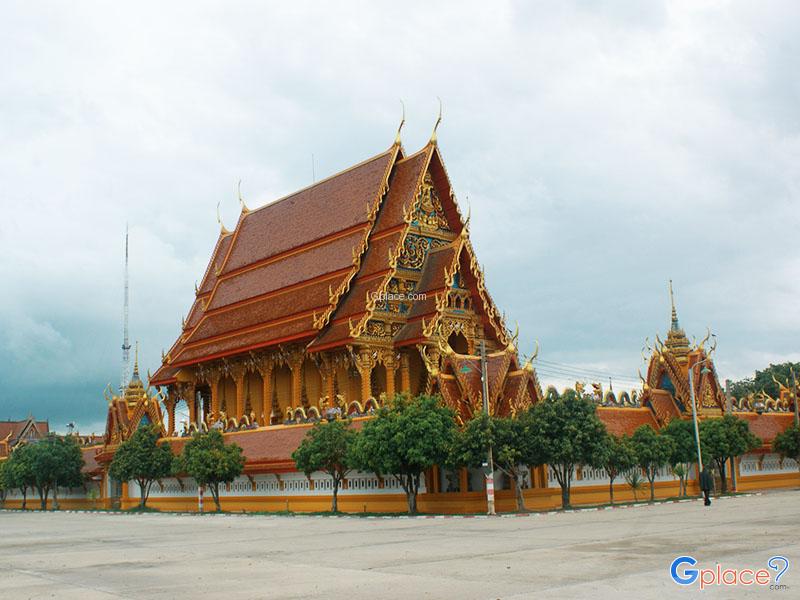
“ A famous beautiful temple in Nakhon Pathom, distinguished by its large reclining Buddha enshrined within a cloister, surrounded by sculptures of the nine Naga clans, and an impressive Naga cave. It is a popular destination for both merit-makers and spiritual seekers near Bangkok. ”
How to Get There
- By Car: From Bangkok, take Phetkasem Road heading toward Nakhon Pathom. Turn onto Highway 3097 (Don Yai Hom) and follow the signs to the temple. The total distance is approximately 60–70 km.
- By Public Transport: Take a van or bus from Bangkok to Nakhon Pathom town, then continue by local songthaew (shared pickup taxi) or a hired motorbike/taxi to the temple.
Travel Tips
- Visit in the morning or late afternoon to avoid the heat and enjoy better lighting for photography.
- When paying respects to the Nagas, it is recommended to walk clockwise.
- Dress modestly and respectfully, as it is a religious site.
- Bring drinking water or an umbrella, as much of the area is open and exposed.
Admission Fee:
- Free entry (donations are welcome)
Opening Hours:
- Open daily from 08:00 AM to 06:00 PM
วัดดอนขนาก

 Share
Share
 92 ตำบล ดอนยายหอม อำเภอเมืองนครปฐม นครปฐม 73000
Map
92 ตำบล ดอนยายหอม อำเภอเมืองนครปฐม นครปฐม 73000
Map
List 0 review
|
art & culture,attractions,temple
 Open now : 8.00 - 18.00
Mon8.00 - 18.00
Tue8.00 - 18.00
Wed8.00 - 18.00
Thu8.00 - 18.00
Fri8.00 - 18.00
Sat8.00 - 18.00
Sun8.00 - 18.00



 74
74