 Attractions
  Hotel
Hotel  Restaurant
  Shopping
  Abroad







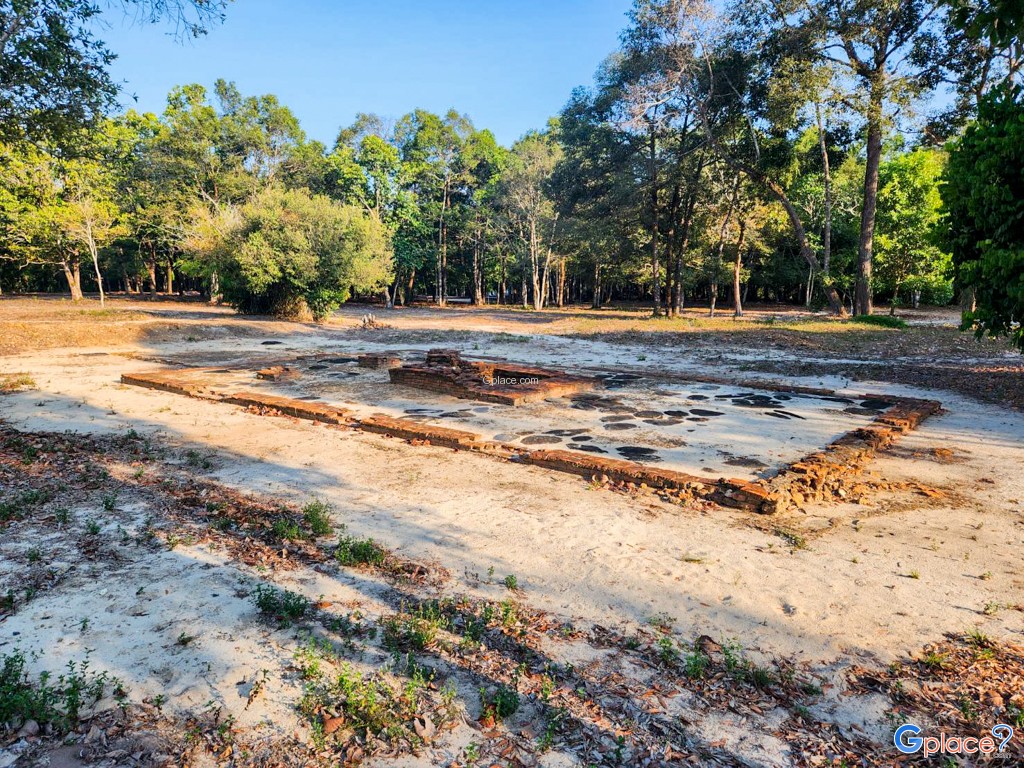
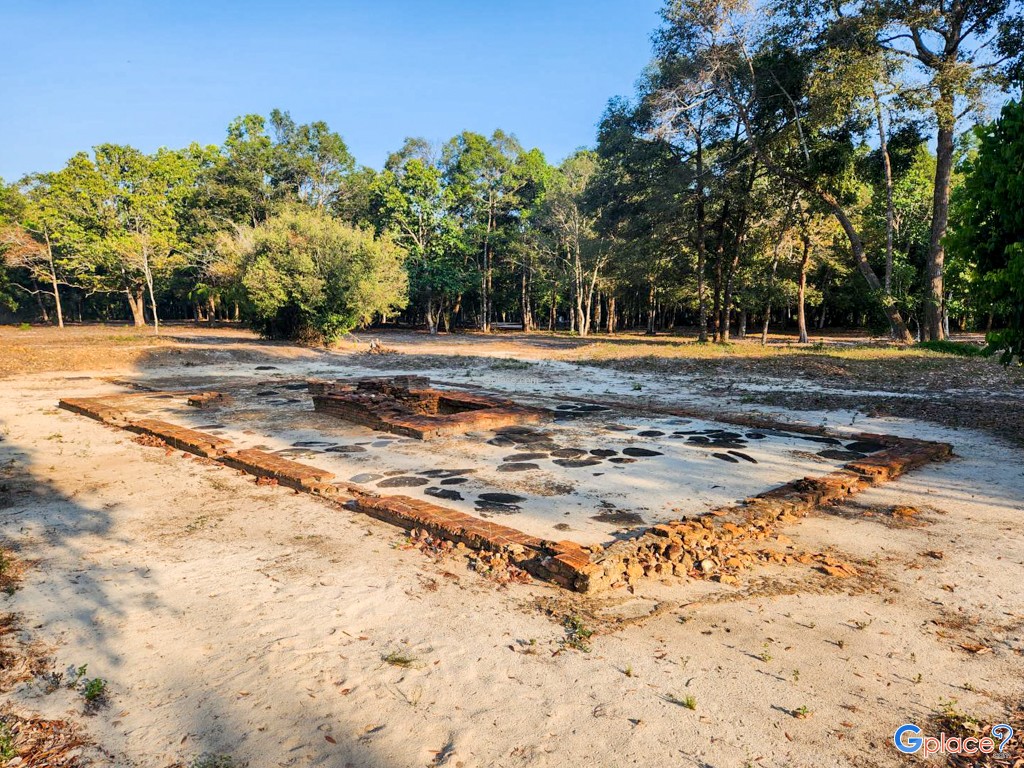
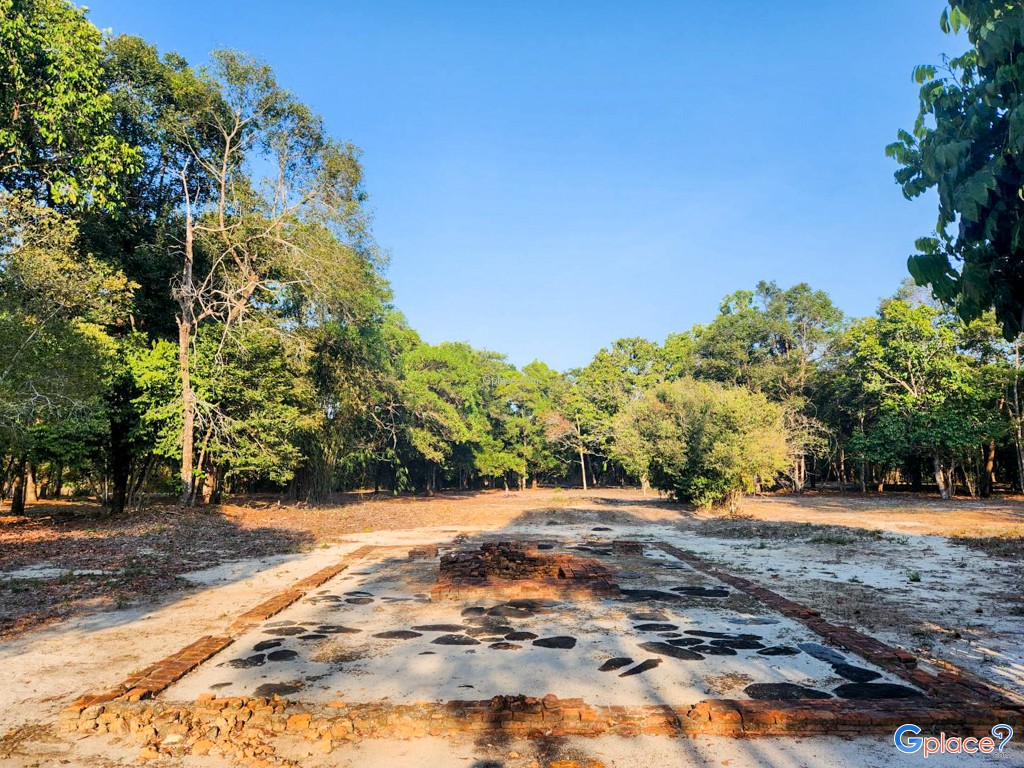
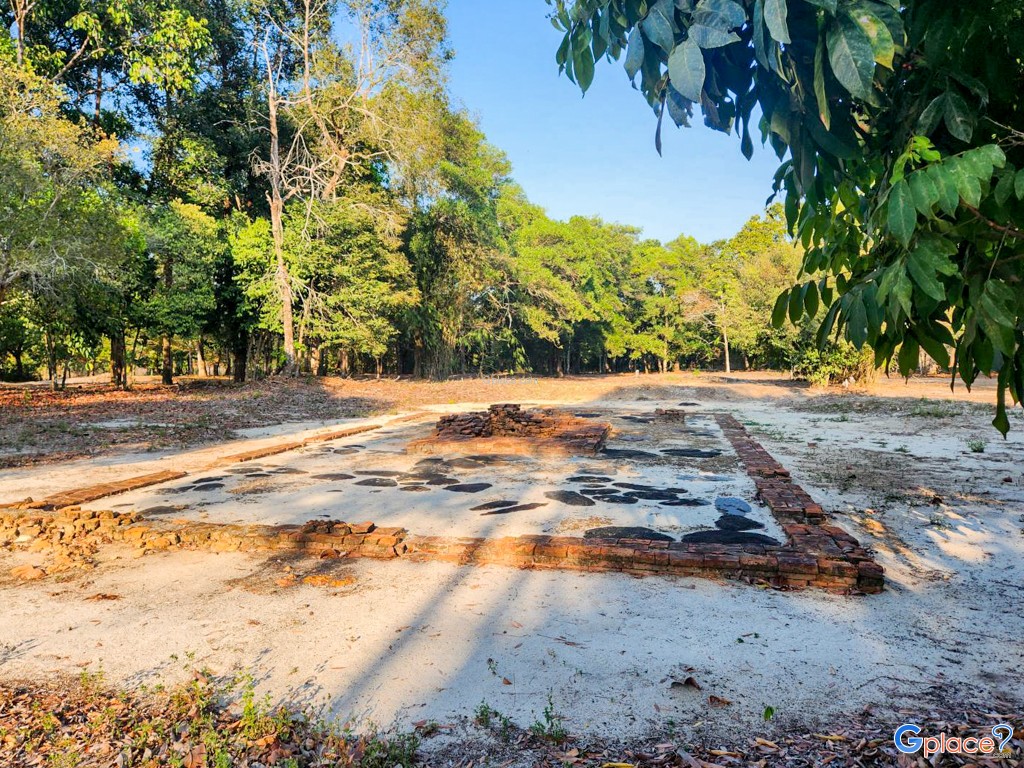
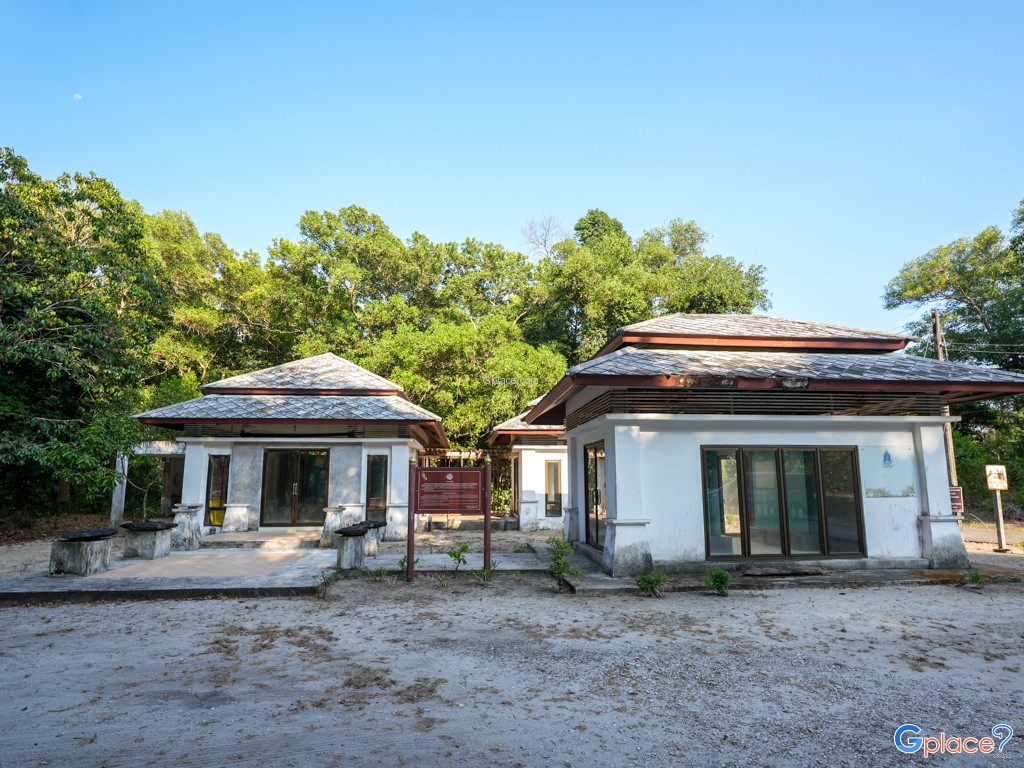
“Explore the remains of ancient structures and Brahman–Hindu religious sites surrounded by peaceful natural landscapes, while learning from excavated artifacts.”
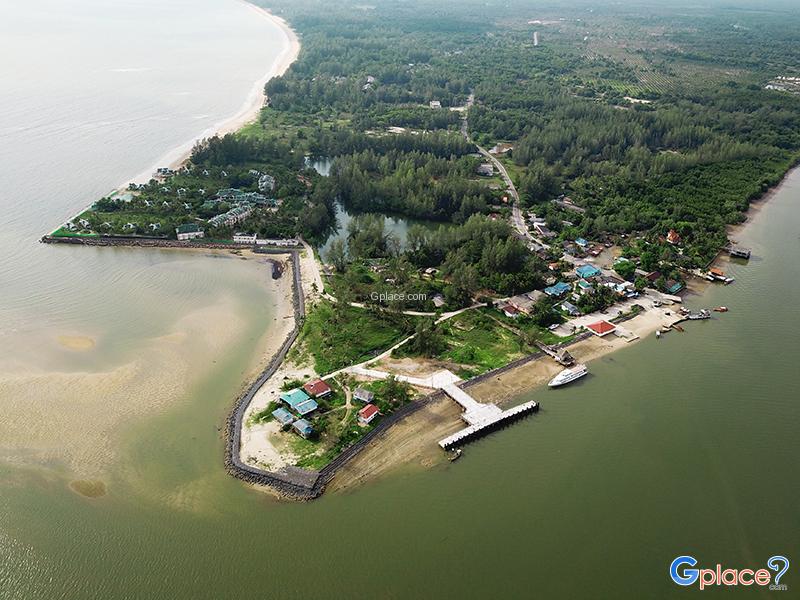
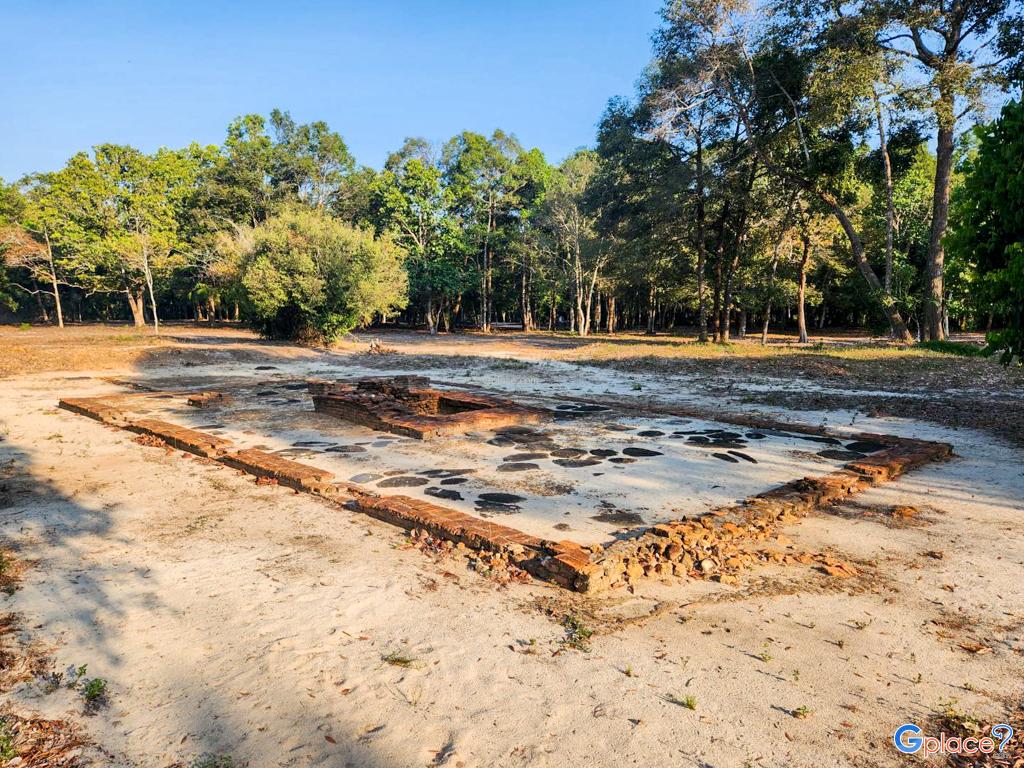
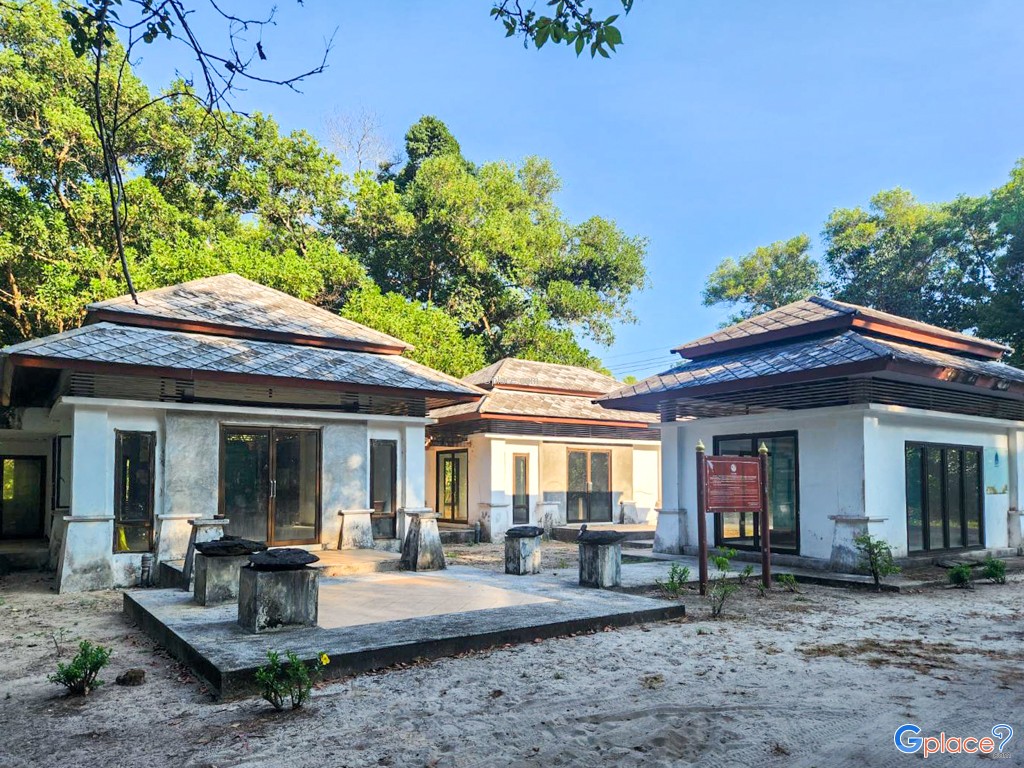
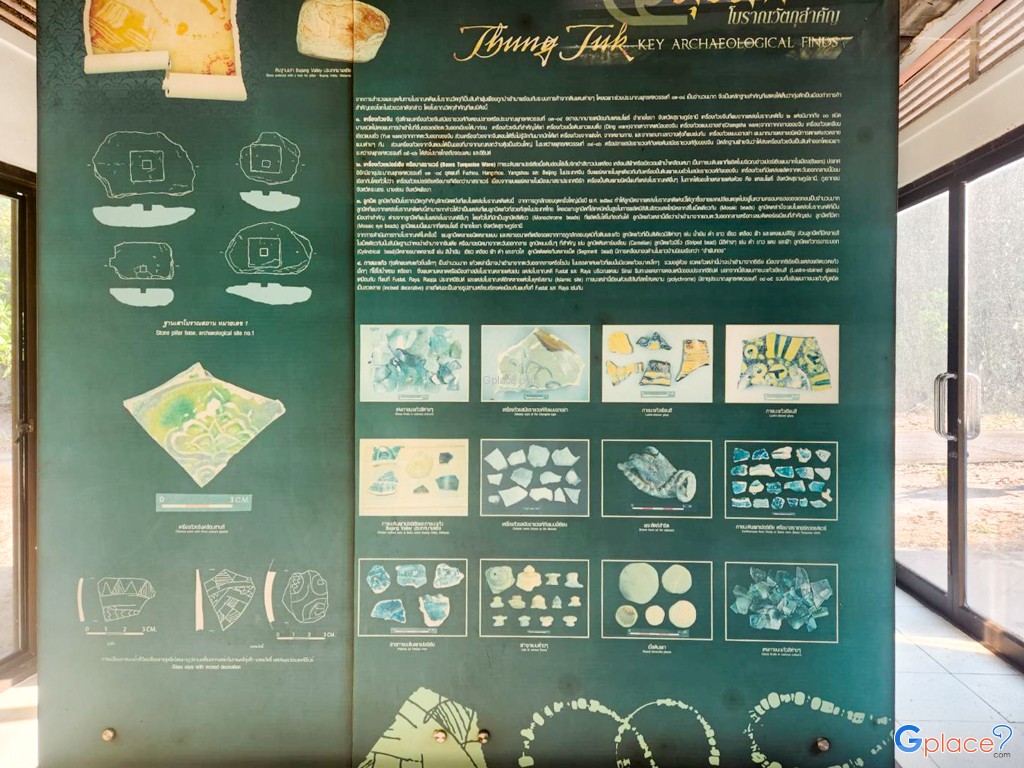
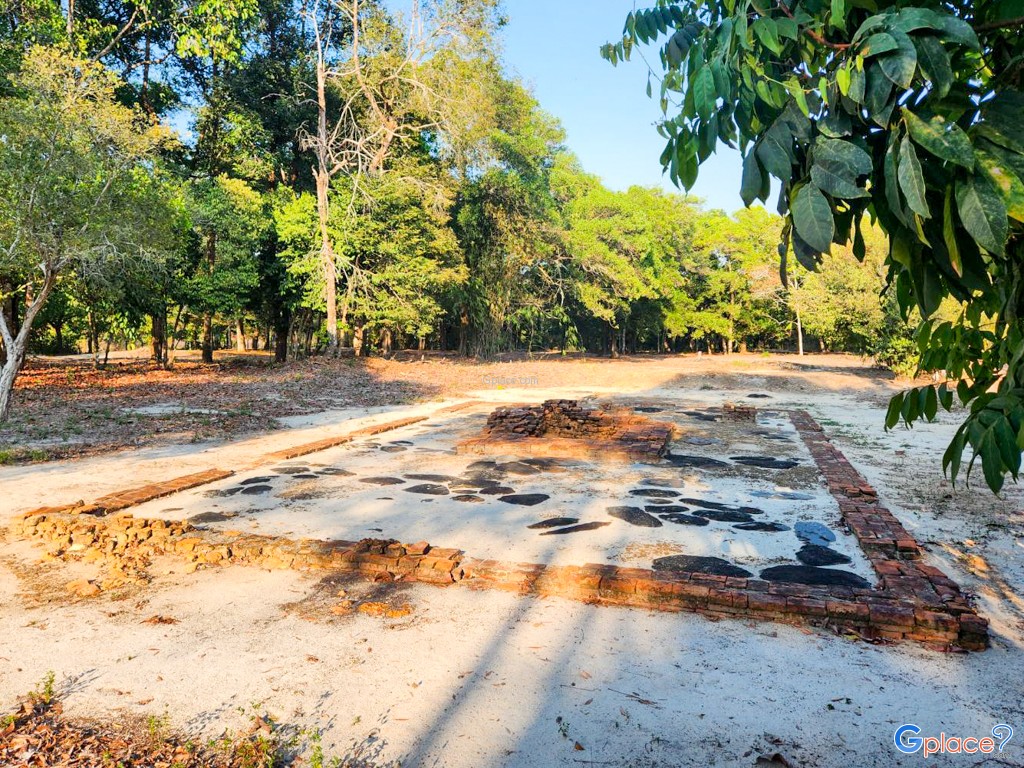
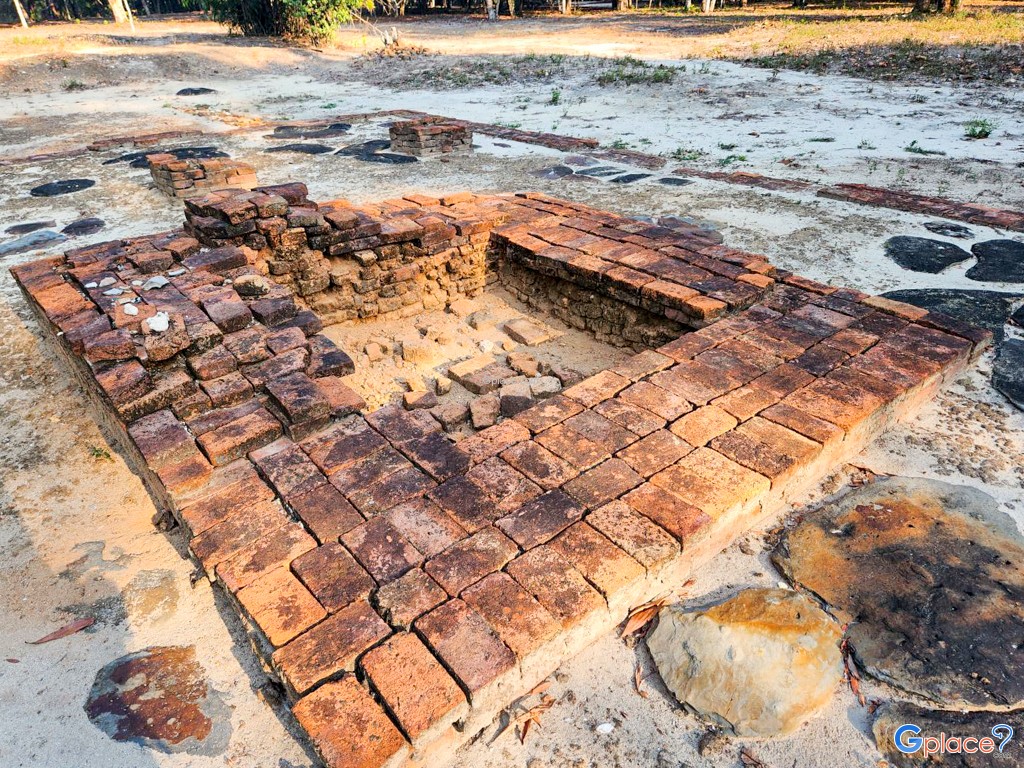
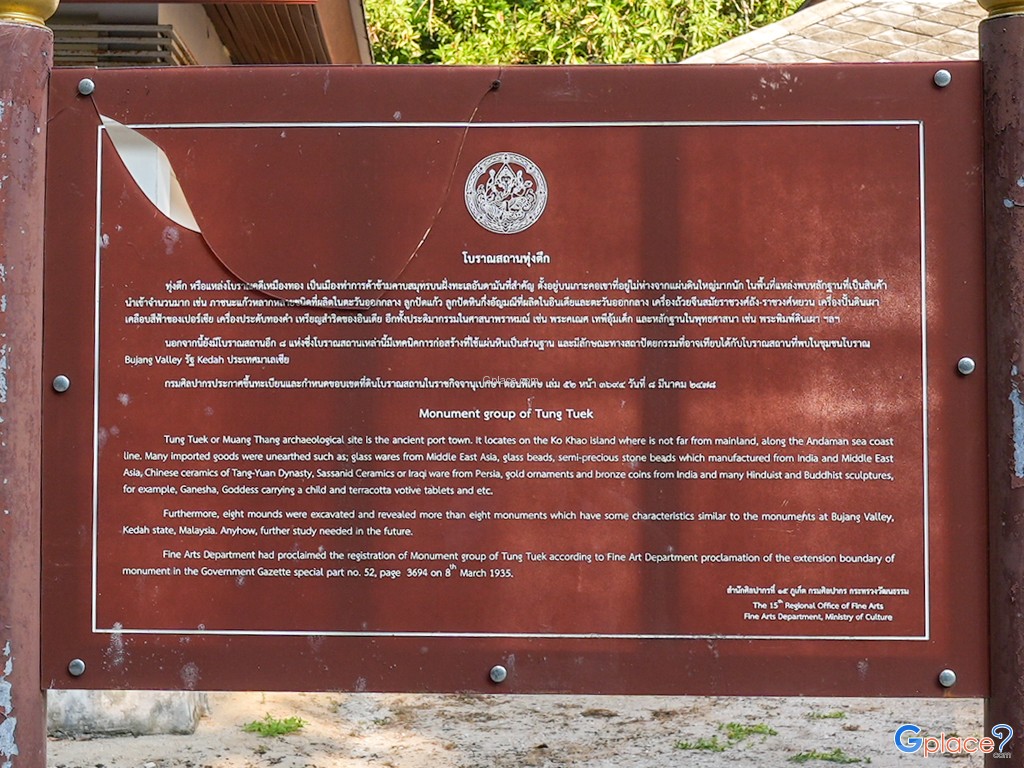
Thung Tuek Ancient Settlement, also known as Mueang Boran Mueang Thong, is located at the mouth of the Takua Pa River, Moo 3, Ko Kho Khao Subdistrict, Takua Pa District, Phang Nga Province. It serves as an important source of information about the history of the people of Thung Tuek. This site was a significant transoceanic trading port on the Andaman Sea coast, where ancient artifacts over 1,000 years old have been excavated. Evidence found in the area includes numerous imported goods, such as various types of glassware produced in the Middle East, glass beads, semi-precious stone beads produced in India and the Middle East, Chinese ceramics from the Tang to Yuan dynasties, Persian blue-glazed pottery, gold ornaments, Indian bronze coins, as well as Brahmanical religious sculptures such as Ganesha and a mother goddess holding a child, and Buddhist evidence such as terracotta votive tablets, etc.
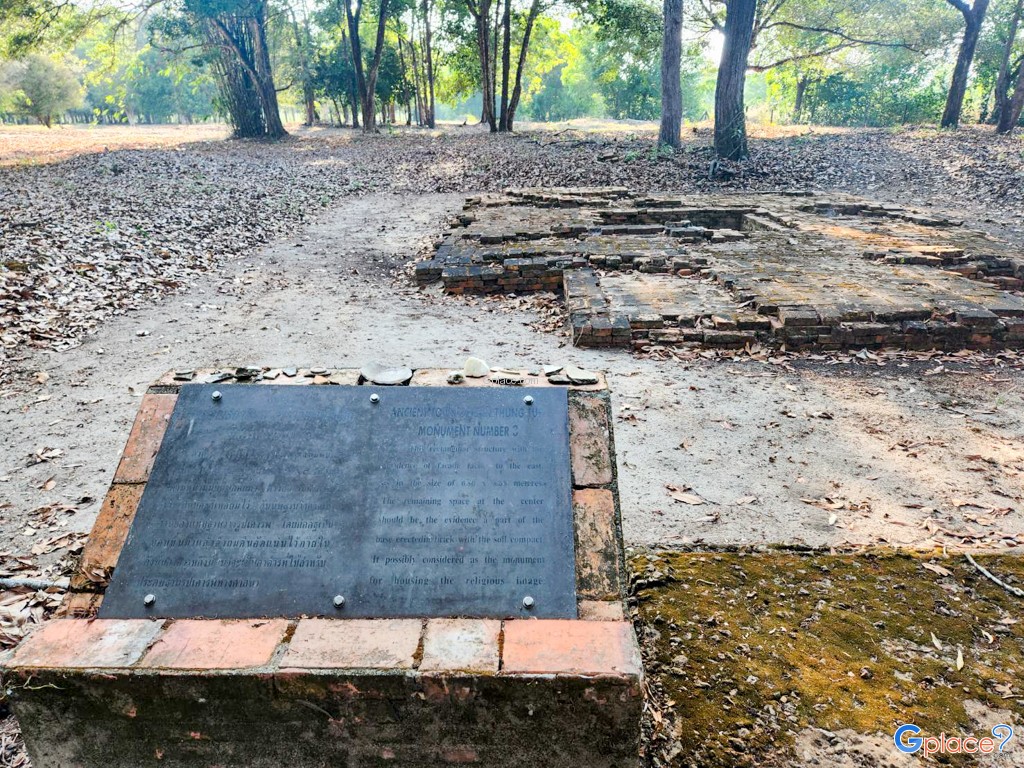
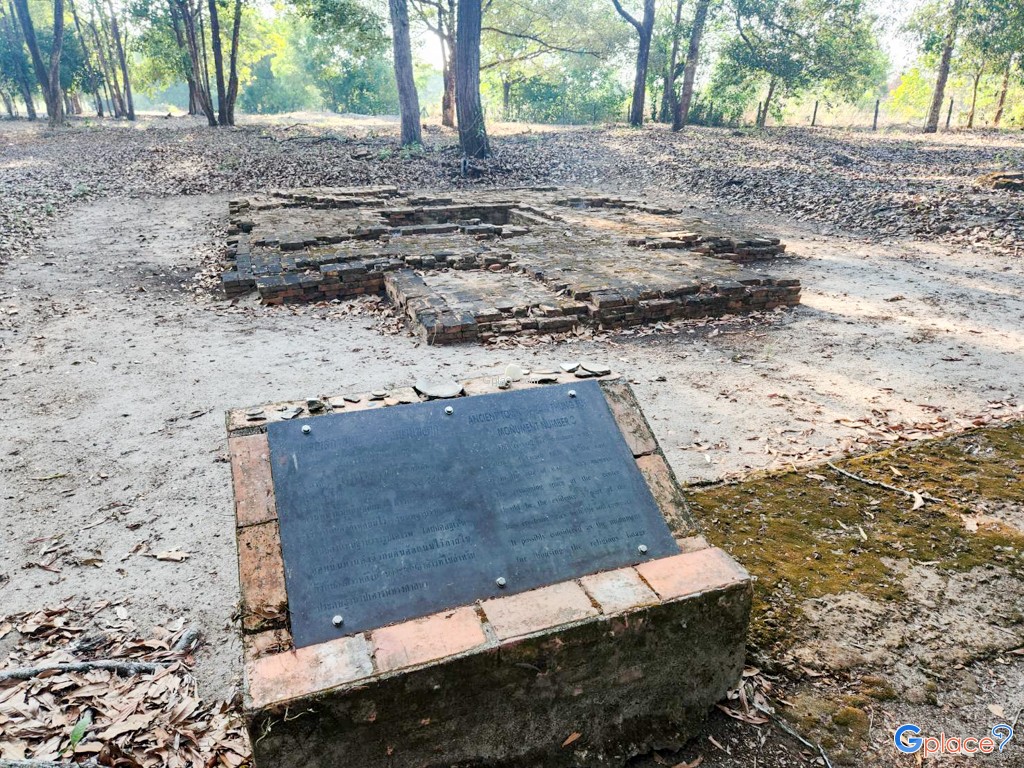
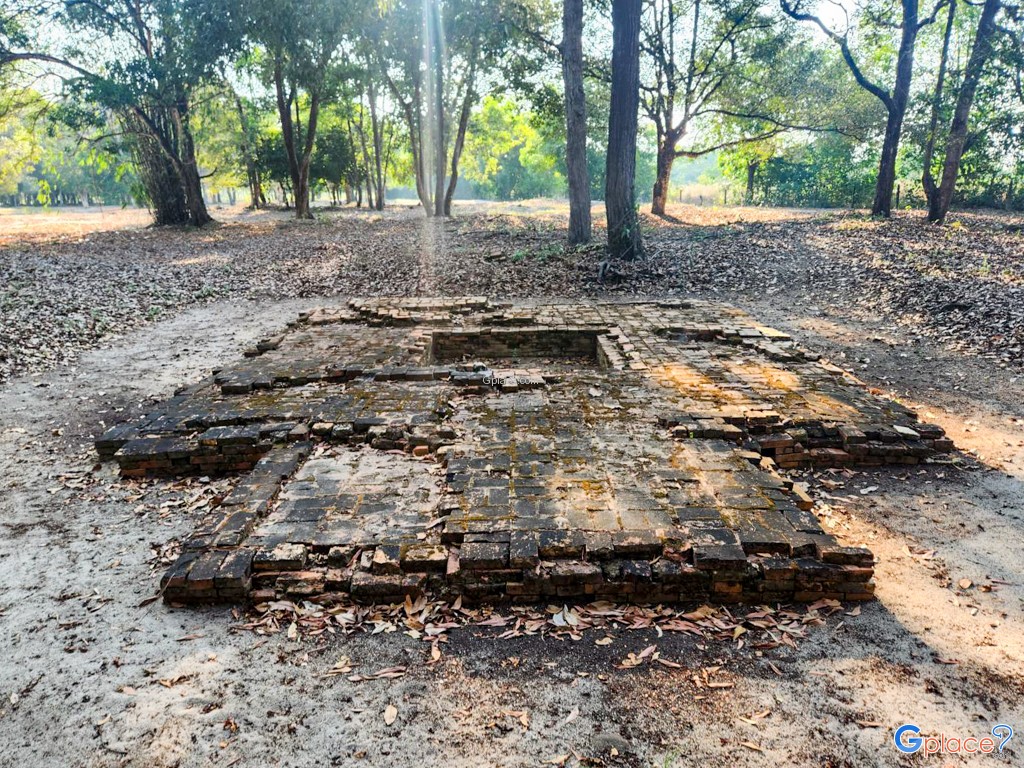
There are ruins of three ancient structures, which are components of Brahmanical religious sites and religious symbols. These ancient monuments were constructed with bricks, measuring approximately 60 yards in length and 30 yards in width_, and about 6 feet high from ground level. These structures feature construction techniques using stone slabs as foundations, with architectural characteristics comparable to those found in the ancient community of Bujang Valley in Kedah State, Malaysia.
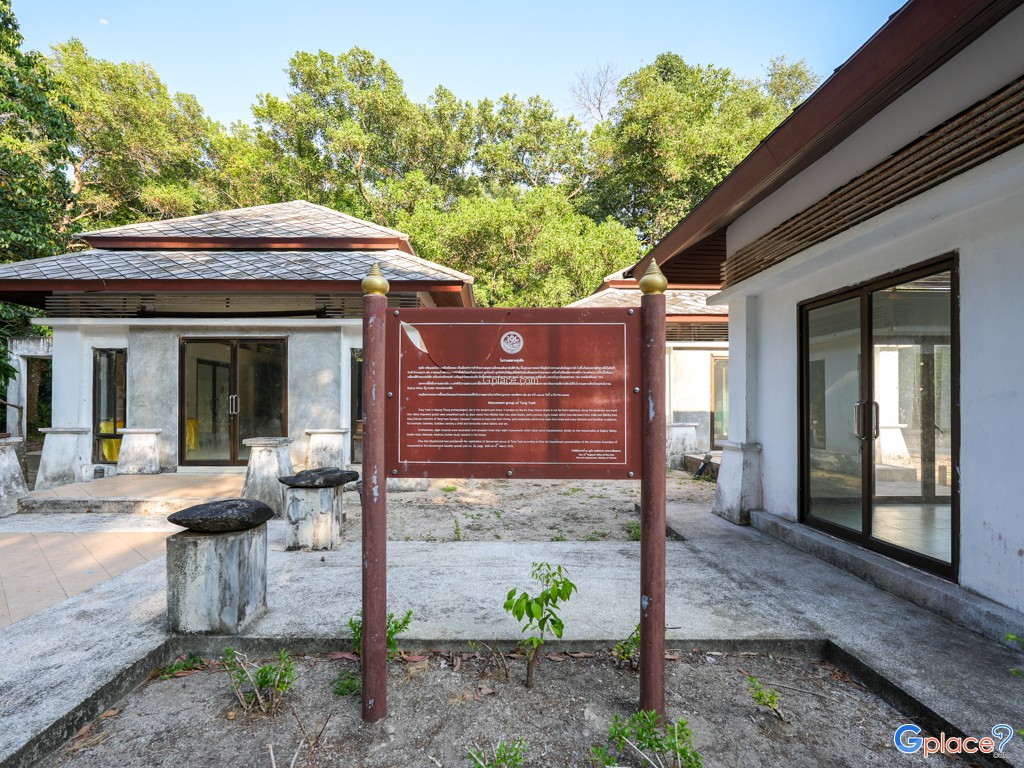
The Fine Arts Department officially registered and defined the boundaries of this archaeological site in the Royal Gazette, Special Issue, Volume 52, page 3694, dated March 8, 1935.
History
These artifacts are estimated to date back to around the 13th–15th Buddhist centuries. The large number of artifacts discovered has attracted significant attention from both Thai and international archaeologists. Dr. H.G. Quaritch Wales, a British archaeologist, conducted an excavation of the soil layers here in 1934. Most archaeological scholars agree that Thung Tuek was the location of an ancient port city where Indian, Chinese, Arab, and Malay traders came to conduct commerce. This was due to its favorable location and natural environment, which provided a safe harbor from winds and waves, abundant natural resources, proximity to the open sea allowing convenient access, and its position at the mouth of the Takua Pa River, through which all riverine transportation had to pass.
In addition to being a transit route for various merchant ships, there is also credible evidence that when Indian migrants fled danger by sea to Southeast Asia, they first landed and settled temporarily at Thung Tuek or Takua Pa. Later, due to conflicts with enemies and outbreaks of disease, they migrated further across to establish settlements along the eastern coast. Along their migration routes, they constructed shrines and religious icons, such as statues of Vishnu, found in many locations, indicating the spread of Indian civilization into this region.
Thung Tuek likely flourished during the Srivijaya period under the name Takola and remained under the influence of the Srivijaya Empire for a long time. The cause of its decline is not clearly known, but it is presumed to have resulted from warfare or invasions toward the end of the Srivijaya period.
Evidence Found
- The sculpture of a goddess and her child is made of limestone, though most details have significantly eroded. The base of the statue is 60 centimeters wide, and the height_ is 65 centimeters. The goddess is depicted seated with her left leg raised, placing her left foot over her right foot. Her left hand embraces the child, while her right hand holds a spherical object, possibly representing earth or a lump of clay. The child sits on her left thigh, with legs hanging downward, raising the right hand above the head. Both figures wear high hair buns, necklaces, armlets, and round earrings, and are dressed in cloth draped below the navel, with visible garment ends on both sides of the feet.
- The statue base is made of limestone, with a square center measuring 12 centimeters on each side.
- A limestone block, square in shape, measures 31 centimeters in width_ and 55 centimeters in height_. This pedestal may have been used to place a sacred image.
- Stone ornaments and mineral-based objects such as stone bracelets, stone discs, and stone beads have also been found.
- Fragments of pottery include local types, such as spouted vessels with straight spouts, ring-shaped bulging centers, fine texture, as well as short and long curved spouts with coarser texture. There are also imported ceramics, including brown-glazed pottery of the Shang-Sha type from Henan Province, People’s Republic of China, as well as metal tools and utensils (bronze and iron).
How to Get There
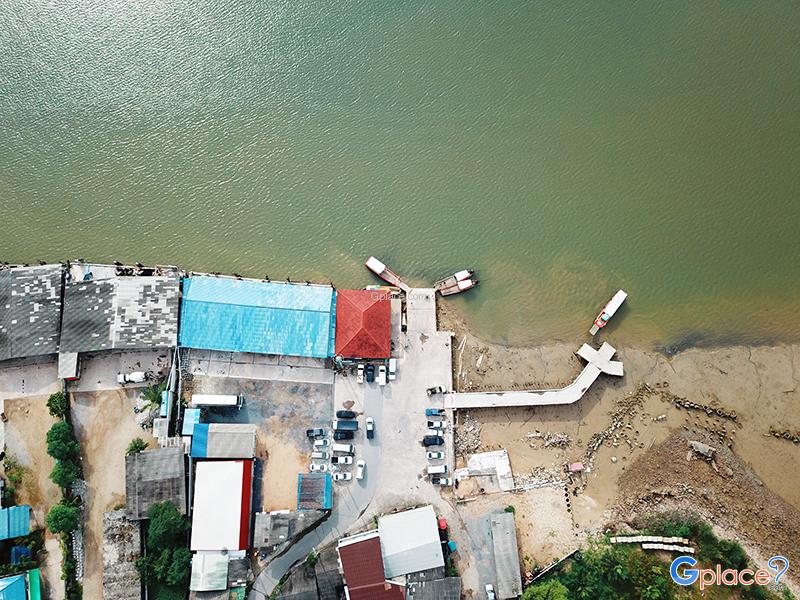
- Ferry: Depart from Ban Nam Khem Pier in Takua Pa District. You can take a car ferry or a long-tail boat to Koh Kho Khao (approximately 10–15 minutes).
- On the island: After arrival, drive or rent a motorbike and follow signs toward the archaeological site in the northeastern part of the island.
Travel Tips
- Visit in the morning or late afternoon to avoid strong sunlight, as the area is mostly open.
- Recommended activities include exploring the ruins, reading informational signage, and photography.
- Wear comfortable shoes, bring drinking water, and respect the site by not removing any artifacts.
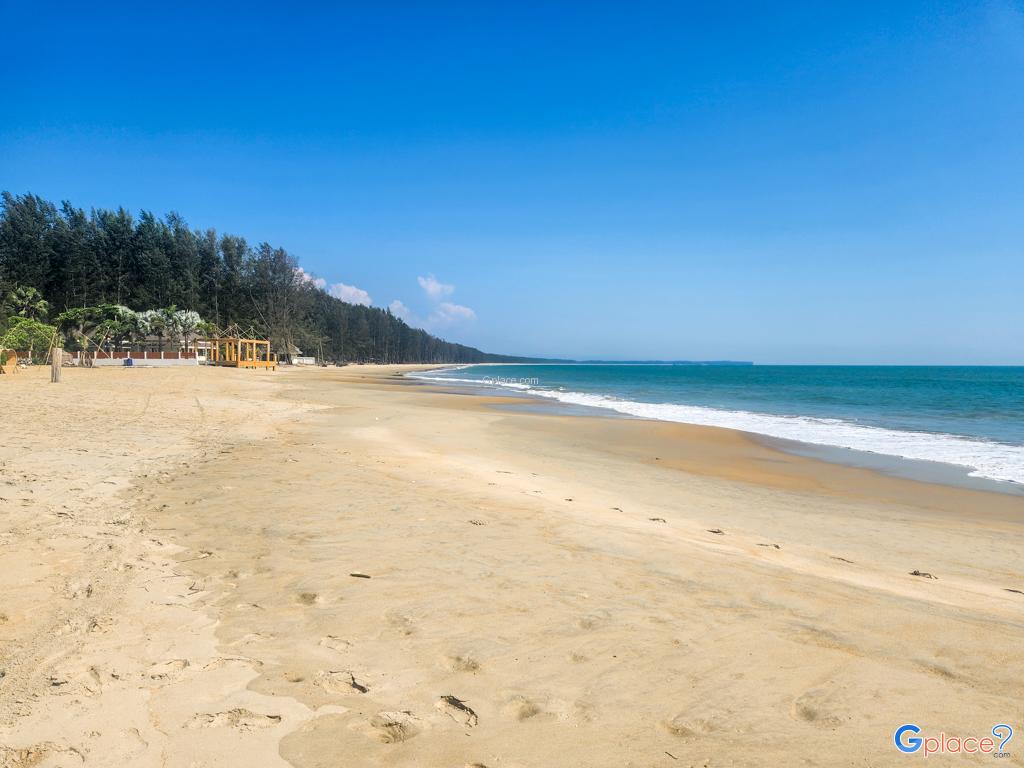
- Nearby attractions include Koh Pha, the savanna fields of Koh Kho Khao, and surrounding beaches.
Entrance Fee:
- Free admission.
Opening Hours:
- Open daily from 08:30 AM – 04:30 PM.
Thung Tuek Ancient Settlement

 Share
Share
 M. 3, T. Koh Kho Khao, A. Takua Pa, Phang Nga 82190
Map
M. 3, T. Koh Kho Khao, A. Takua Pa, Phang Nga 82190
Map
 Closed today
Mon8.30 - 16.30
Tue8.30 - 16.30
Wed8.30 - 16.30
Thu8.30 - 16.30
Fri8.30 - 16.30
Sat8.30 - 16.30
Sun8.30 - 16.30



 1120
1120